


Mastard
Modern Cuisine · Gabriel-Sagard, Montréal
Restaurant in Montréal, Canada
 Book with Pearl
The Read
Quebec Terroir Precision
Price
$50–100per person
Chef
Simon Mathys
Dress
Smart Casual
Why go
Mastard is a Michelin-starred modern Quebec restaurant in Montreal's Rosemont neighbourhood, where chef Simon Mathys runs a five-course seasonal tasting menu built on named local producers. At $$$, it delivers cooking as ambitious as the city's top tables in a room that feels like a neighbourhood restaurant rather than a formal event. Book well ahead, demand accelerated after the 2025 Michelin award.
About Mastard
Should You Book Mastard?
If you're weighing Mastard against Toqué for your one serious Montreal dinner, here is the honest comparison: Toqué operates at the formal end of Quebec's fine-dining register, with prices and ceremony to match. Mastard, at $$$ per head with a Michelin star earned in 2025, gives you cooking of comparable ambition in a room that feels like a neighbourhood restaurant rather than a special-occasion obligation. For most food-focused travellers, that balance is the better call.
The Restaurant
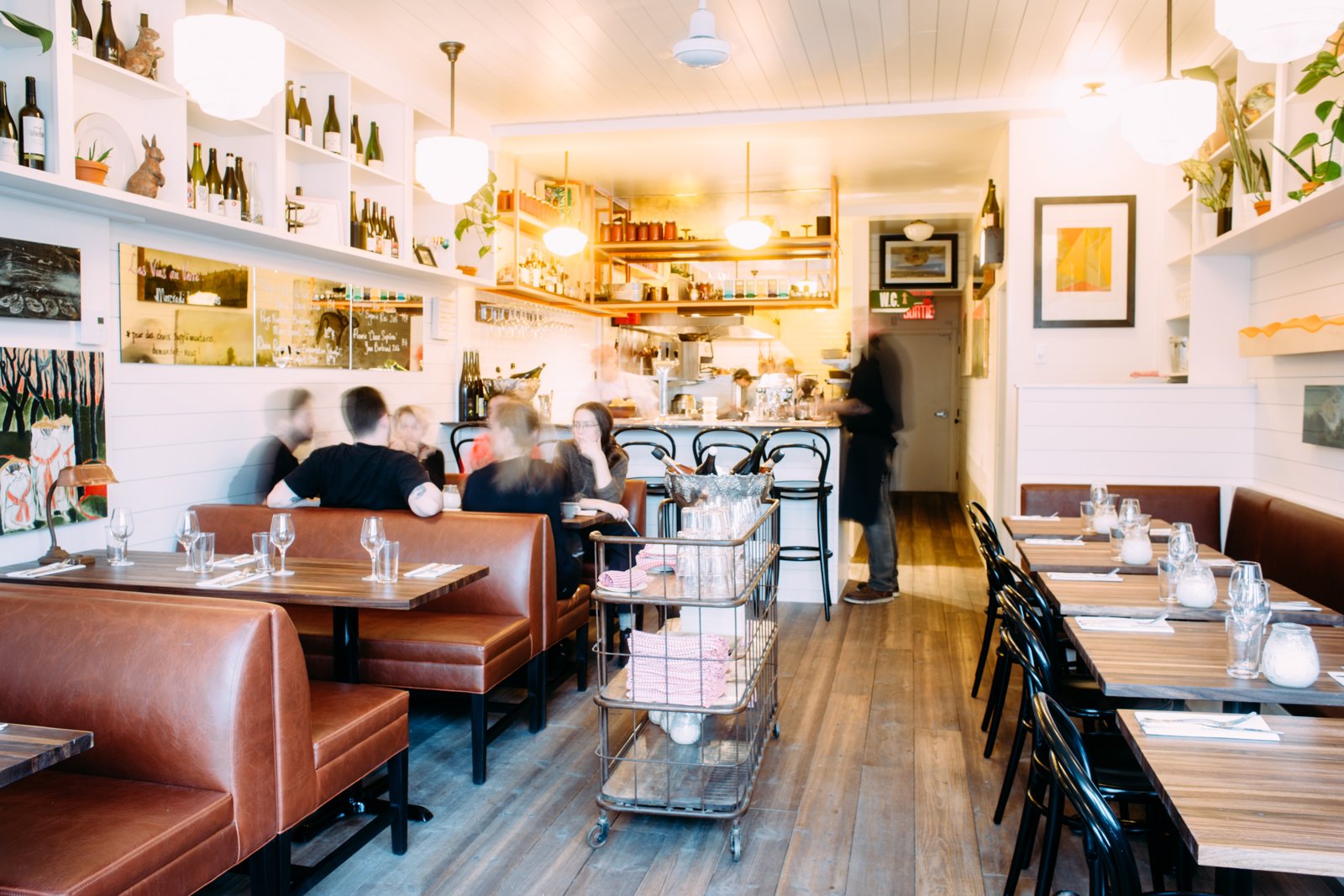
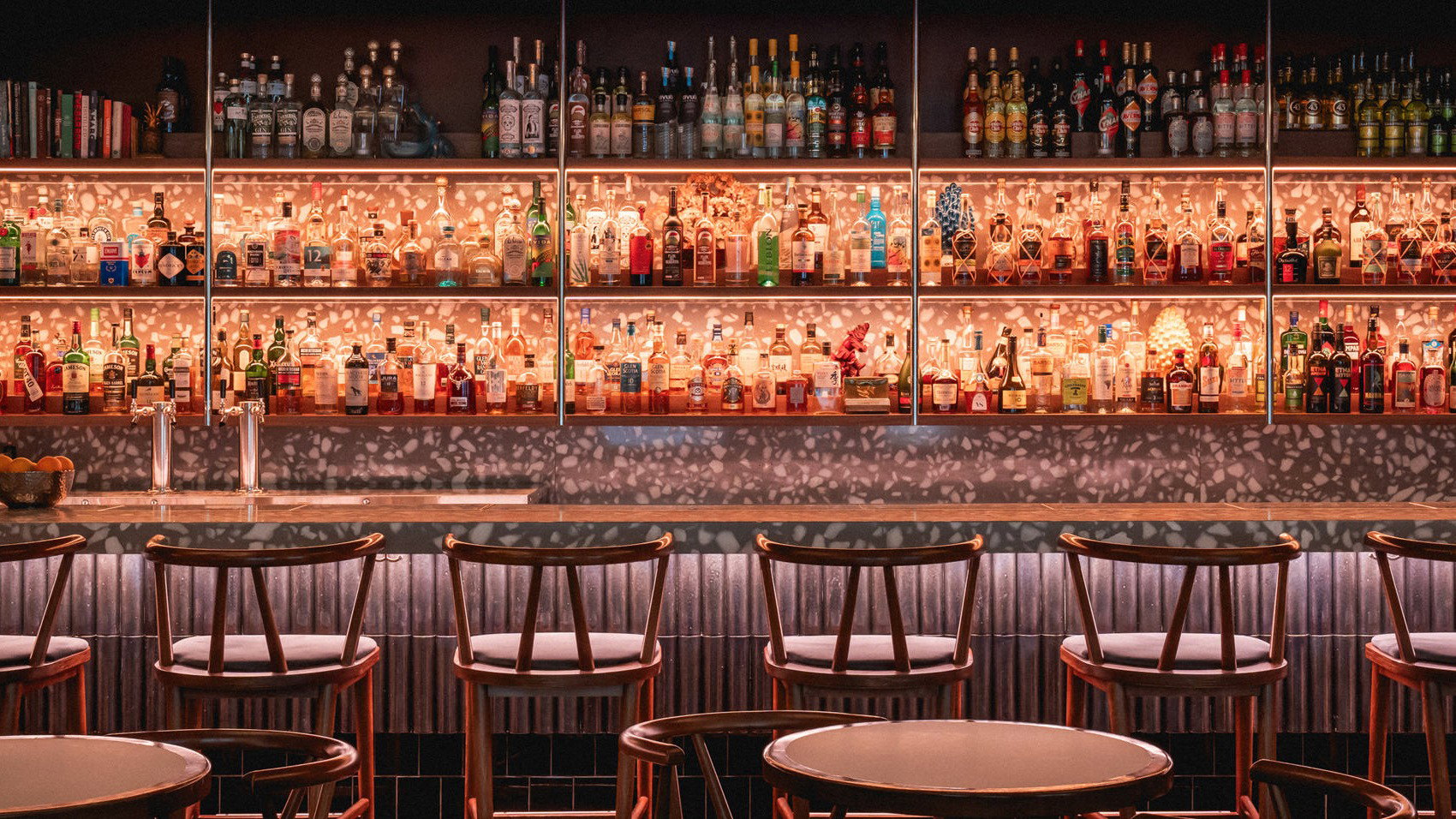
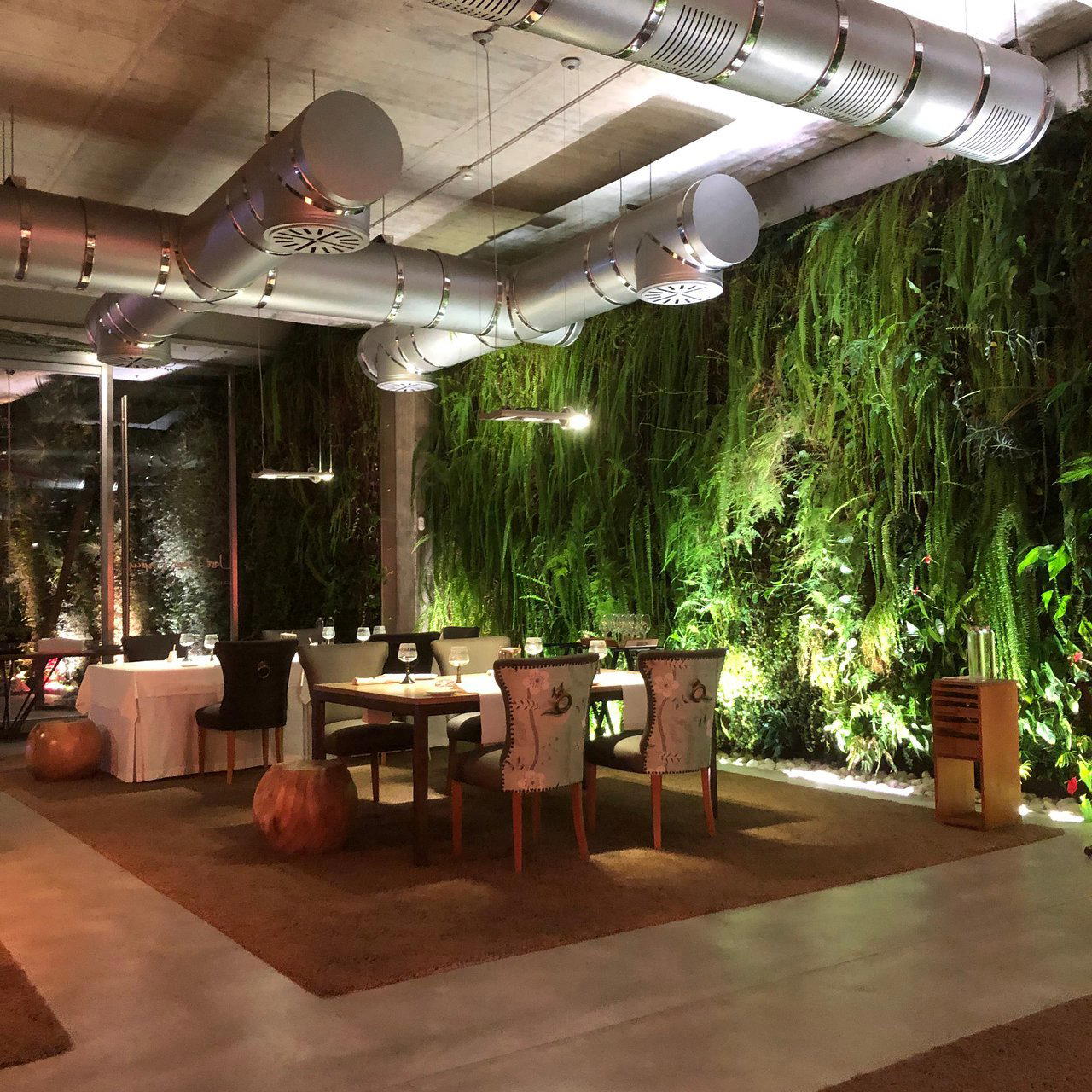
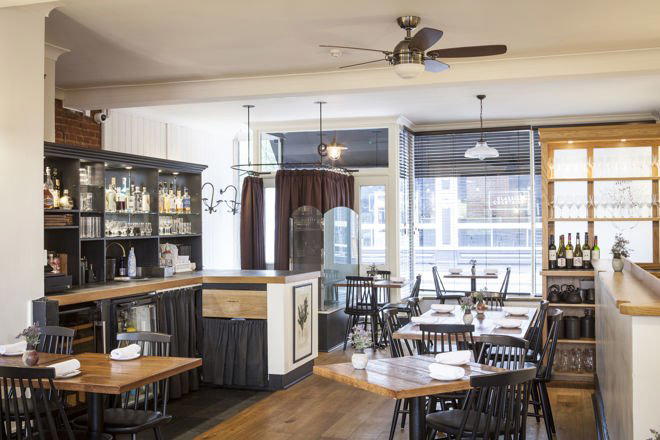
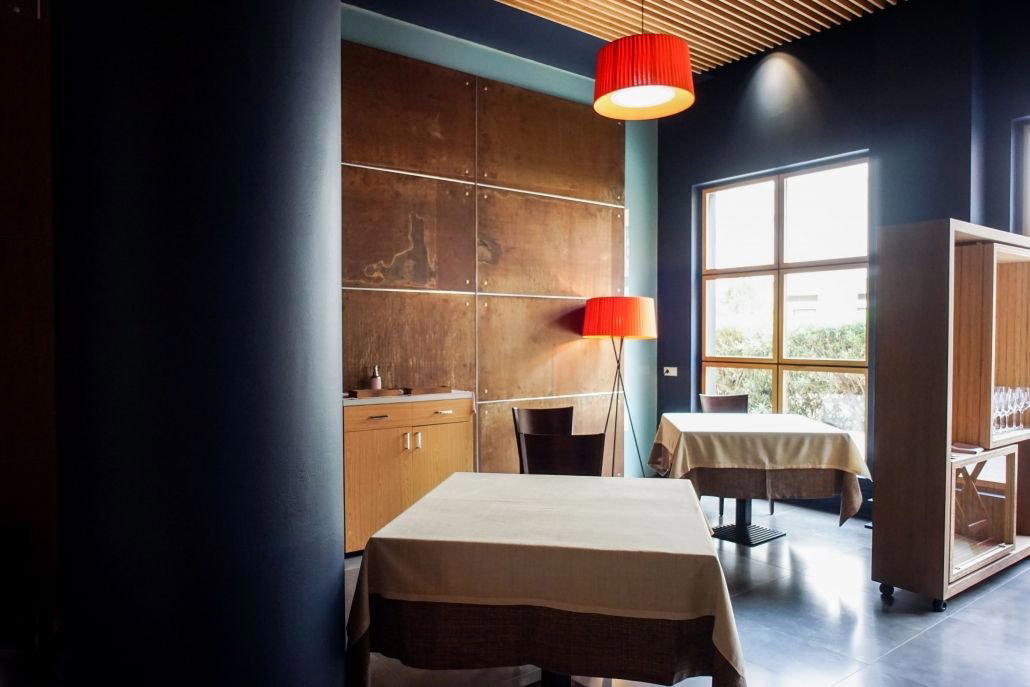
Mastard sits on Rue Bélanger in Rosemont-La Petite-Patrie, a residential stretch of Montreal that has no particular reputation for destination dining. That gap between location and quality is part of what makes this place worth the trip north from the Plateau or the Mile End. Chef Simon Mathys and his partner Viki Brisson-Sylvestre run the room together, and the dynamic shows: the cooking is technically serious but the service keeps the evening from feeling stiff. Post-renovation, the décor leans minimalist, with natural materials doing the work that a louder design would normally do. The room signals confidence rather than spectacle.
The name itself is useful framing. Mastard is Quebec vernacular for something big and strong, and Mathys takes that cue into the kitchen: flavours are direct, grounded in Quebec terroir, and not shy about intensity. This is not the kind of modern tasting-menu cooking that prioritises delicacy over impact. The five-course menu evolves with the seasons, built around whatever is arriving from Quebec producers at peak condition. Ferme des Quatre-Temps, one of the province's most respected market farms on the Haut-Richelieu plain, is among the named suppliers. That level of sourcing specificity is a reliable indicator of how seriously the kitchen takes its ingredients.
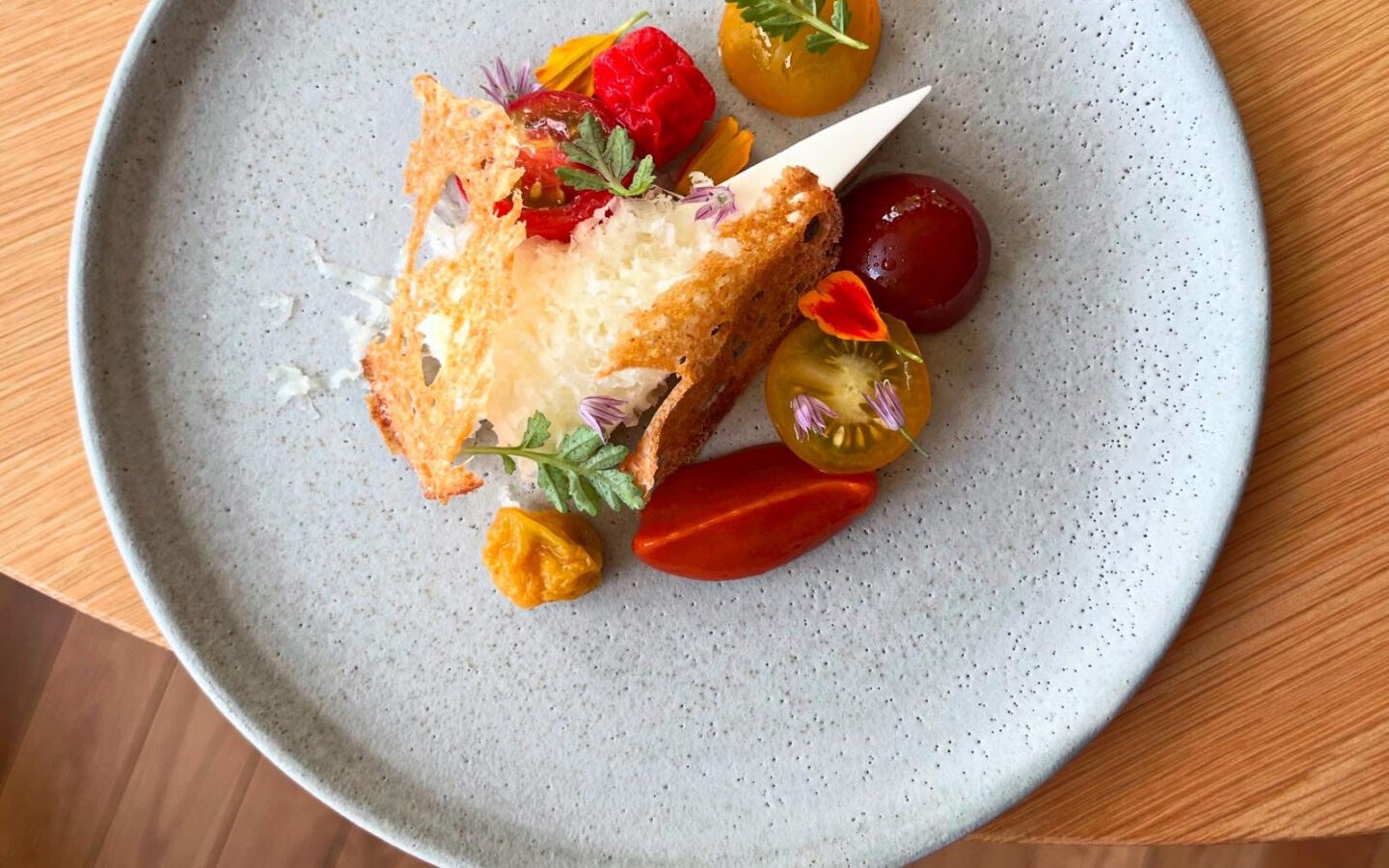
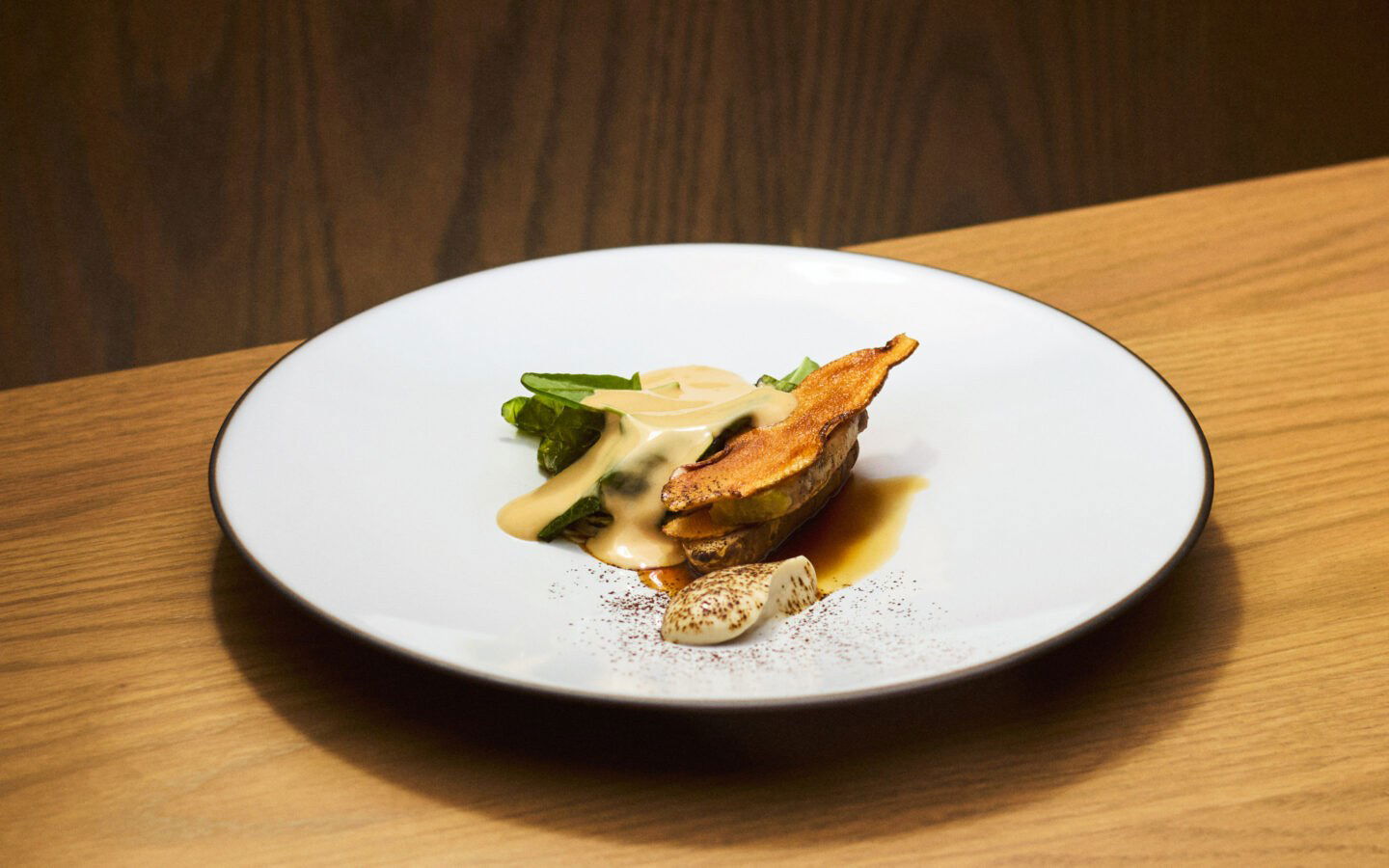
Dishes documented by Michelin inspectors include a ruby-red tomato from that farm, finished with smoked beef fat, camelina oil, and verjus, a plate that reads as both simple and technically layered. The house classic that draws repeat visitors is the lettuce tart: pâte brisée filled with a mousse of local gem lettuce, served with an herb sauce. It has become the kind of dish a restaurant gets identified by, and it earns that status. Richer preparations include duck sausage with smoked egg yolk emulsion and meat jus, and guinea fowl with foie gras terrine, mustard sabayon, and braised endive. The throughline across all of it is Quebec product handled with genuine imagination rather than regional-cuisine nostalgia.
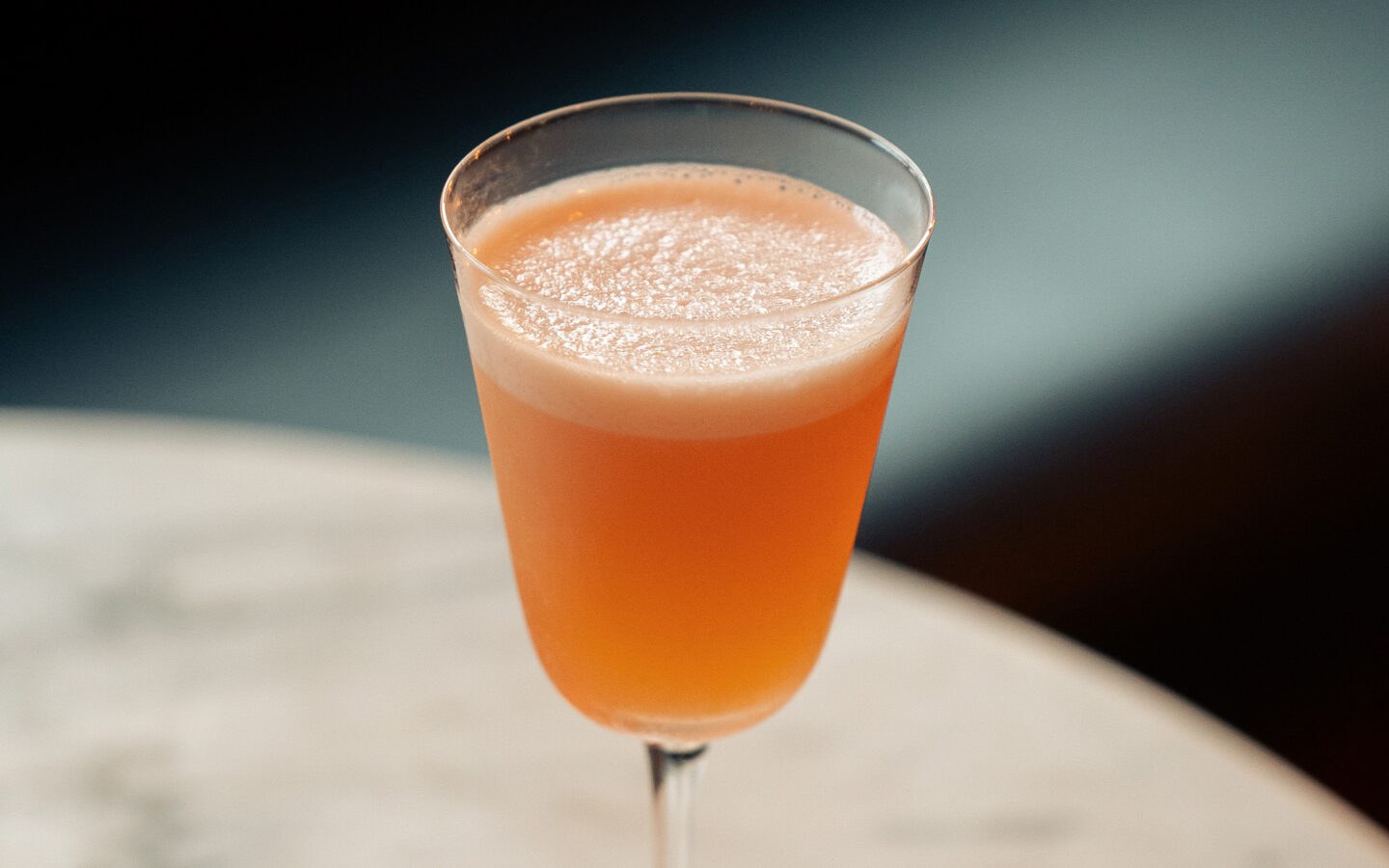
Wine is worth thinking about here. The pairings lean natural, four or five pours calibrated to the tasting menu's arc, and the programme draws on Quebec spirits for cocktails. If you are travelling specifically for the wine-and-food pairing experience, Mastard rewards that investment in a way that a casual à la carte visit might not fully capture. For context, Annette bar à vin and Foxy both offer strong natural wine programming in Montreal if you want to extend that focus across multiple evenings.
The editorial angle that Mastard occupies in Montreal's dining geography is worth naming directly. Rosemont is not the neighbourhood where tourists default to. Most visitors stay near the Plateau, Old Montreal, or the Mile End, and most restaurant recommendations point them back to those same areas. Mastard's location means it draws a crowd that has specifically decided to come here, which tends to make the room feel like a community of informed diners rather than a pass-through crowd. That quality of audience changes the atmosphere in ways that are hard to quantify but easy to feel. For comparison, Cadet and Sabayon serve overlapping audiences in different parts of the city if you are building a multi-night itinerary.
Timing matters at Mastard. The five-course tasting menu is built around seasonal Quebec produce, which means the experience shifts meaningfully across the year. Late summer through early autumn, when farms like Ferme des Quatre-Temps are at full production, is when the menu has the most to work. That tomato preparation documented by Michelin is a summer dish; the winter menu will look substantially different. If you have flexibility on travel dates, the August-to-October window is when this kitchen is operating at peak seasonal range. Midweek bookings are modestly easier to secure than weekends, but neither is simple, see booking notes below.
For food-focused travellers building a Quebec itinerary, Mastard pairs logically with Tanière³ in Quebec City, which operates at the top of the province's fine-dining register and shares Mastard's commitment to hyperlocal Quebec terroir. If you are comparing across Canada's tasting-menu tier, Alo in Toronto and AnnaLena in Vancouver are the closest equivalents in terms of neighbourhood-anchored ambition at the Michelin-star level. Internationally, the format has analogues in Frantzén in Stockholm and FZN by Björn Frantzén in Dubai, though Mastard operates at a considerably more accessible price point than either.
The Michelin recognition arrived in 2025, which will push booking difficulty higher over the next twelve months as the restaurant's international visibility increases. Book now while the lead time is still manageable rather than waiting until the star is fully priced into availability.
Know Before You Go
- Address: 1879 Rue Bélanger, Montréal, QC H2G 1B6
- Neighbourhood: Rosemont-La Petite-Patrie, not a tourist-default area; plan your route in advance
- Price range: $$$ (five-course tasting menu format)
- Cuisine: Modern Quebec, seasonal, product-driven, terroir-focused
- Awards: Michelin 1 Star (2025)
- Booking difficulty: Hard, reserve as far ahead as possible; weekends book faster than midweek
- Ideal time to visit: August through October for peak seasonal produce availability
- Wine: Natural-leaning pairings available; four or five pours; Quebec spirits in cocktails
- Service style: Led jointly by chef Simon Mathys and Viki Brisson-Sylvestre; convivial rather than formal
- Room: Minimalist post-renovation décor; natural materials; neighbourhood-restaurant atmosphere
Pearl Picks: More Montreal and Beyond
- Jérôme Ferrer - Europea, Montreal's other standard-bearer for modern cuisine at the leading price tier
- Cadet, Plateau-area option for a more casual evening in the same quality orbit
- Annette bar à vin, natural wine focus, good for a lower-commitment night before or after Mastard
- Foxy, Mile End; overlapping sensibility, easier to book
- Sabayon, for a different angle on Montreal's modern cooking scene
- Narval in Rimouski, if you are extending the Quebec terroir itinerary beyond Montreal
- Restaurant Pearl Morissette in Lincoln and The Pine in Creemore, Ontario counterparts for farm-driven tasting-menu cooking
- Our full Montreal restaurants guide | Hotels | Bars | Wineries | Experiences
Planning details
- Location
- 1879 Rue Bélanger, Montréal, QC H2G 1B6, Canada
- Reservations
- Book on the venue's website
- Website
- restaurantmastard.com
- Phone
- +1 514-843-2152
The take
The Take
The Vibe
Mastard reads as a neighbourhood restaurant that has earned destination status without losing its local soul. The room is recently renovated with a minimalist, natural-materials aesthetic that sharpens its visual identity while preserving an easy, unpretentious service style. The dining space is small and considered, the kind of place regulars walk to as much as visitors seek out, and the Michelin star sits alongside a clearly maintained sense of warmth and approachability. The kitchen’s focus on bold, terroir-driven flavours complements the pared-back design, so the overall impression is modern, thoughtful and quietly confident rather than ornate or theatrical.
Best For
Mastard is best experienced as an evening tasting — the kitchen runs a five-course tasting menu built around seasonal Quebec ingredients — making it a natural choice for date nights and special celebrations. Its Michelin-starred status and chef-driven program give it the feel of a destination meal, yet the neighbourhood location and informal ease of service keep it grounded and welcoming to locals. Guests who appreciate ingredient-led cooking and a focused, counter-centered progression will find this a memorable dinner outing where presentation and provenance take center stage.
Ordering Tips
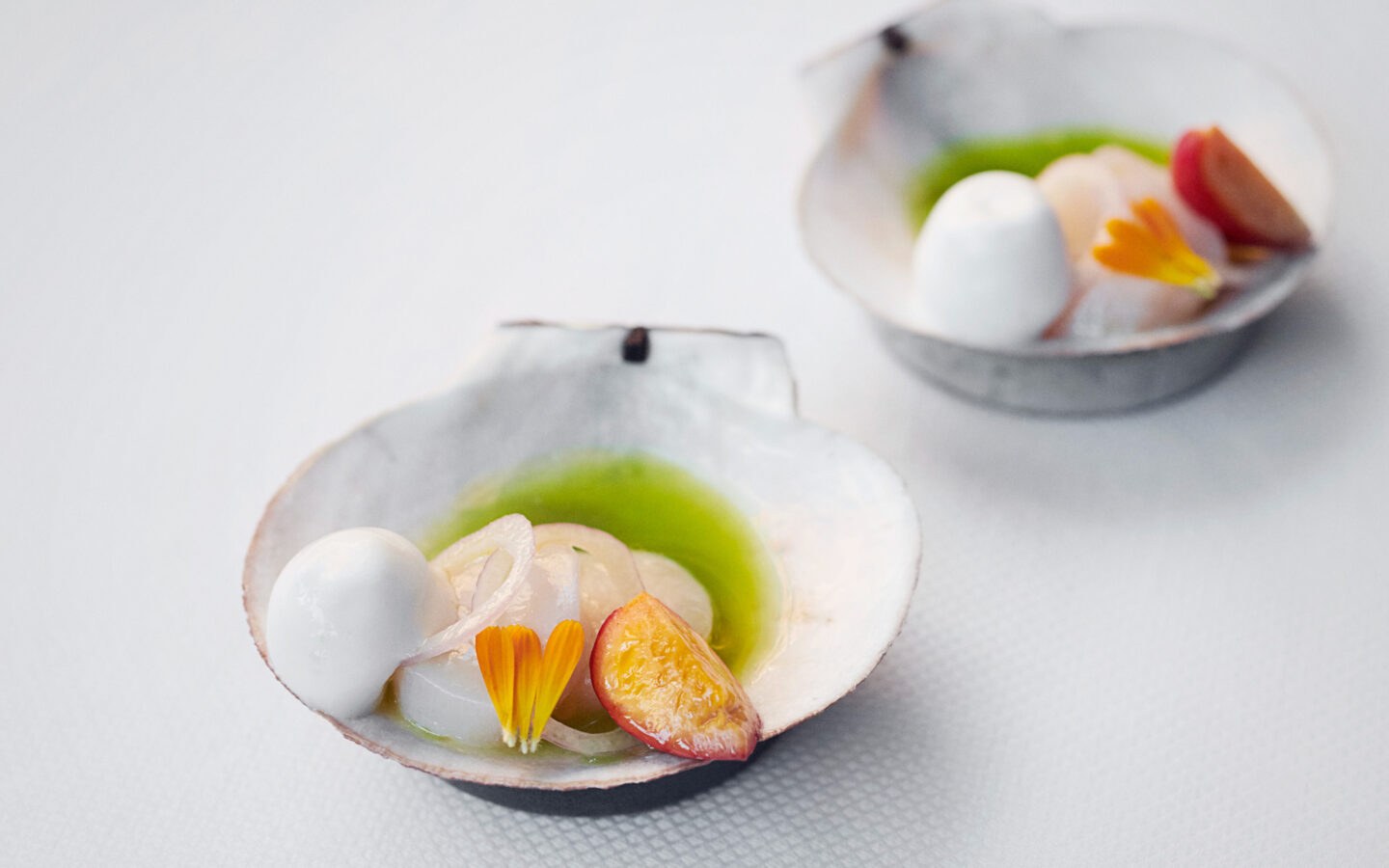
Expect a five-course tasting menu that shifts with what Quebec farms and foragers deliver week to week; the kitchen frames single ingredients as the structural argument of a plate. Seating centers around the counter, so plan to experience the meal as a curated progression rather than à la carte selection. Signature preparations such as the Lettuce Tart, Rabbit & Oysters, Miso Walleye and Sunchoke Ice Cream exemplify the kitchen’s bold, clear flavour approach and may appear in rotation. Approach the meal as a seasonal narrative and let the menu’s sequencing guide your tasting.
Venue details
Ambiance
Calm and subdued with muted taupe tones and minimalist décor highlighting natural materials; warm, convivial, and refined without pretension.
Tags
Vibe
Best For
Experience
Sourcing
At the Table
- Dress Code
- Smart Casual
- Noise Level
- Quiet
- Service Style
- Formal
- Meal Pacing
- Extended Experience
- Capacity
- Small
- Kitchen
- Seasonal
- Menu Format
- Tasting menu, Prix fixe
- Drinks Focus
- Natural wine, Quebec spirits
- Dietary
- Vegetarian friendly, Gluten-free options, Allergy accommodating
Signature Dishes
- Lettuce Tart
- Rabbit & Oysters
- Miso Walleye
- Braised Cabbage & Uni
- Sunchoke Ice Cream
Know before you go
Know Before You Go
- Getting there
- 1879 Rue Bélanger, Montréal, QC H2G 1B6, Canada
Planning details
Location
1879 Rue Bélanger, Montréal, QC H2G 1B6, Canada · Directions
Recognition and awards


Also consider
Also Consider
- L’Express, French Bistro, $$
- Schwartz’s, Delicatessen, $
- Toqué, French, $$$$
- Jérôme Ferrer - Europea, Modern Cuisine, $$$$
- Au Pied de Cochon, Regional Cuisine, $$$
Restaurant context
Mastard and Toqué are Montreal's two most direct comparisons in the serious-cooking, Quebec-terroir category. Toqué operates at $$$$ with more formal service and a longer track record at the top of the city's fine-dining hierarchy. Mastard costs less, feels warmer, and earned its Michelin star in 2025, making it the stronger choice if you want cooking of comparable quality with less ceremony and a better value-to-ambition ratio. For a first serious Montreal dinner, Mastard wins on most criteria.
Jérôme Ferrer - Europea also sits at $$$$ and targets a similar splurge-night audience, but its approach is more overtly theatrical and tied to a different culinary sensibility. If design spectacle and an event-like atmosphere matter as much as the food itself, Europea competes. If you are here primarily for the cooking and the producer story behind it, Mastard is the better allocation of that budget. Au Pied de Cochon at $$$ is the obvious alternative at the same price tier, but the two restaurants are solving different problems: Au Pied de Cochon is a maximalist Quebec-abundance experience built around foie gras and excess; Mastard is precise, seasonal, and restrained. Choose based on what kind of evening you want.
For lower-commitment options, L'Express at $$ remains the standard for classic French bistro cooking in Montreal and is far easier to book. Schwartz's at $ is a completely different category, the smoked meat institution worth visiting once, but not a comparison for what Mastard is doing. If your priority is booking ease combined with serious food, L'Express is the practical fallback. If your priority is the highest cooking ambition per dollar spent in Montreal right now, Mastard is the answer.
Explore Montréal
Around this place
Discover more on Pearl
Unlock the full Mastard guide in Pearl, including awards, comparisons, FAQs, planning details, and nearby places.
Compare Mastard
| Venue | Location | Cuisine | Awards | Price |
|---|---|---|---|---|
| Mastard | Montreal | Modern Cuisine | 2026 Canada's 100 Best Restaurants · #63Michelin Guide Quebec 20262025 Canada's 100 Best Restaurants · #402025 The Best Chef One Knife2025 Michelin 1 Star | $$$ |
| L’Express | Montreal | French Bistro | 2026 Canada's 100 Best Restaurants · #73Star Wine Lists 2026Michelin Guide Quebec 20262025 Canada's 100 Best Restaurants · #612025 Michelin Bib Gourmand | $$ |
| Schwartz’s | Montreal | Delicatessen | 2026 OAD Cheap Eats in North America Ranked · #56Michelin Guide Quebec 20262025 Michelin Plate2024 OAD Cheap Eats in North America Ranked · #1012023 OAD Cheap Eats in North America in Recommended | $ |
| Toqué | Montreal | French | 2026 Canada's 100 Best Restaurants · #702026 Forbes 4-StarStar Wine Lists 20262026 Wine Spectator Best of Award of Excellence2026 Les Grandes Tables du Monde Members2026 La Liste Top Restaurants2025 Canada's 100 Best Restaurants · #672025 La Liste Top Restaurants2025 Michelin Plate | $$$$ |
| Jérôme Ferrer - Europea | Montreal | Modern Cuisine | 2026 Relais Chateaux RestaurantsMichelin Guide Quebec 20262026 Les Grandes Tables du Monde Members2025 Relais Chateaux Award2025 Michelin 1 Star | $$$$ |
| Au Pied de Cochon | Montreal | Regional Cuisine | 2026 Canada's 100 Best Restaurants · #782026 OAD Casual in North America RecommendedMichelin Guide Quebec 20262025 Canada's 100 Best Restaurants · #762025 OAD Casual in North America Ranked · #4392025 OAD Top Restaurants in North America Ranked · #4782025 OAD Casual in Europe Ranked · #5072025 Wine Spectator Best of Award of Excellence2025 Michelin Plate | $$$ |




.png?width=1200&quality=80)





How Mastard Montreal compares with similar nearby venues.
FAQ
Frequently Asked Questions
Is the tasting menu worth it at Mastard?
Yes, at the $$$ price point, Mastard's five-course tasting menu is one of the stronger arguments for the format in Montreal. Michelin awarded it a star in 2025, and the menu is built around seasonal Quebec product rather than imported luxury ingredients, which keeps the cooking grounded. If you want à la carte flexibility, this is not the right room, the tasting menu is the point.
What should I order at Mastard?
The lettuce tart, pâte brisée filled with local gem lettuce mousse, served with herb sauce, is the documented house classic and a guest favourite worth ordering if it appears. The five-course tasting menu is the format most aligned with how Simon Mathys cooks, and wine pairings lean natural with four or five pours. Order the pairing if you can: the wine program is specifically designed around the food.
What should a first-timer know about Mastard?
Mastard is at 1879 Rue Bélanger in Rosemont-La Petite-Patrie, a residential neighbourhood with no obvious dining destination reputation, the restaurant earns its crowd rather than borrowing from foot traffic. It operates as both a neighbourhood spot and a destination, so the room will feel relaxed rather than formal despite the Michelin star. Come expecting convivial service from Viki Brisson-Sylvestre alongside Mathys's cooking, not a stiff tasting-menu experience.
Is Mastard worth the price?
At $$$, Mastard holds a 2025 Michelin star and delivers product-driven Quebec cooking that Michelin's own guide called 'all but irresistible.' Compared to Toqué, which operates at the formal prestige end of Montreal fine dining, Mastard feels more personal and neighbourhood-rooted without stepping down on cooking quality. For a single serious dinner in Montreal, the value case is strong.
Is Mastard good for solo dining?
The convivial atmosphere and neighbourhood-spot ethos documented by Michelin suggest solo diners are not out of place here. A tasting menu format with paired wine flights works well for solo visits, there is no pressure to share or coordinate. Counter or bar seating availability is not confirmed in the venue data, so call ahead if sitting solo at a table of one is a concern.
How far ahead should I book Mastard?
Exact booking windows are not documented in the venue data, but Mastard holds a 2025 Michelin star in a small neighbourhood room, which means demand reliably exceeds walk-in availability. Book at least three to four weeks out to be safe, and further in advance for weekend slots. Do not treat this as a same-week reservation.