3 Pierres 1 Feu
La Petite-Italie, Montréal
Restaurant in Montréal, Canada
 Book with Pearl
The Read
Dress
Casual
Why go
3 Pierres 1 Feu is a practical Montréal pick when timing and location matter more than a highly defined dining format. Book it for a relaxed neighborhood meal or an early evening plan; choose Alep or Le Petit Alep instead if you want a clearer cuisine and price signal before committing.
About 3 Pierres 1 Feu
3 Pierres 1 Feu is a Montréal restaurant with a casual dress code and opening hours from Tuesday through Sunday. It is closed on Monday, opens at 3 PM on Tuesday and Wednesday, and opens at 12 PM from Thursday through Sunday, with later closing times on Friday and Saturday.
Book this for flexibility, not ceremony
Hours and a casual dress code are known for this restaurant, but details like cuisine, chef, price tier, awards, seat count, menu format, and reservation specifics are not available. Treat it as a simple Montréal option to evaluate with the latest information from the venue before you go. For a deeper Montréal shortlist, start with our full Montréal restaurants guide, then compare the mood against other food and drink options in our full Montréal bars guide.
The safest reason to consider 3 Pierres 1 Feu is timing. Its hours cover late afternoon and evening on most open days, plus earlier openings from Thursday through Sunday. If details such as menu style, drinks, price, or seating matter to your plan, confirm them directly before committing.
Who should choose it over a bigger-name Montréal table
Choose 3 Pierres 1 Feu when a casual Montréal meal and usable opening hours are the main priorities. If you are comparing options, Alep, Bar St-Denis, Le Petit Alep, Palomar, and CASGRAIN BBQ - Poulet Frit au Levain - Vin Nature Livraison - Takeout are natural reference points, alongside other Montréal dining rooms.
The verdict: consider it for a casual Montréal plan with Tuesday-to-Sunday hours. Skip it for any occasion where the cuisine, menu, wine list, chef, price point, or seating setup needs to be confirmed in advance.
Planning details
- Location
- 7070 Henri Julien Ave, Montreal, Quebec H2S 3S3, Canada
- Reservations
- Book on OpenTable
- Website
- 3pierres1feu.com
- Phone
- +14502344436
The take
The Take
The Vibe
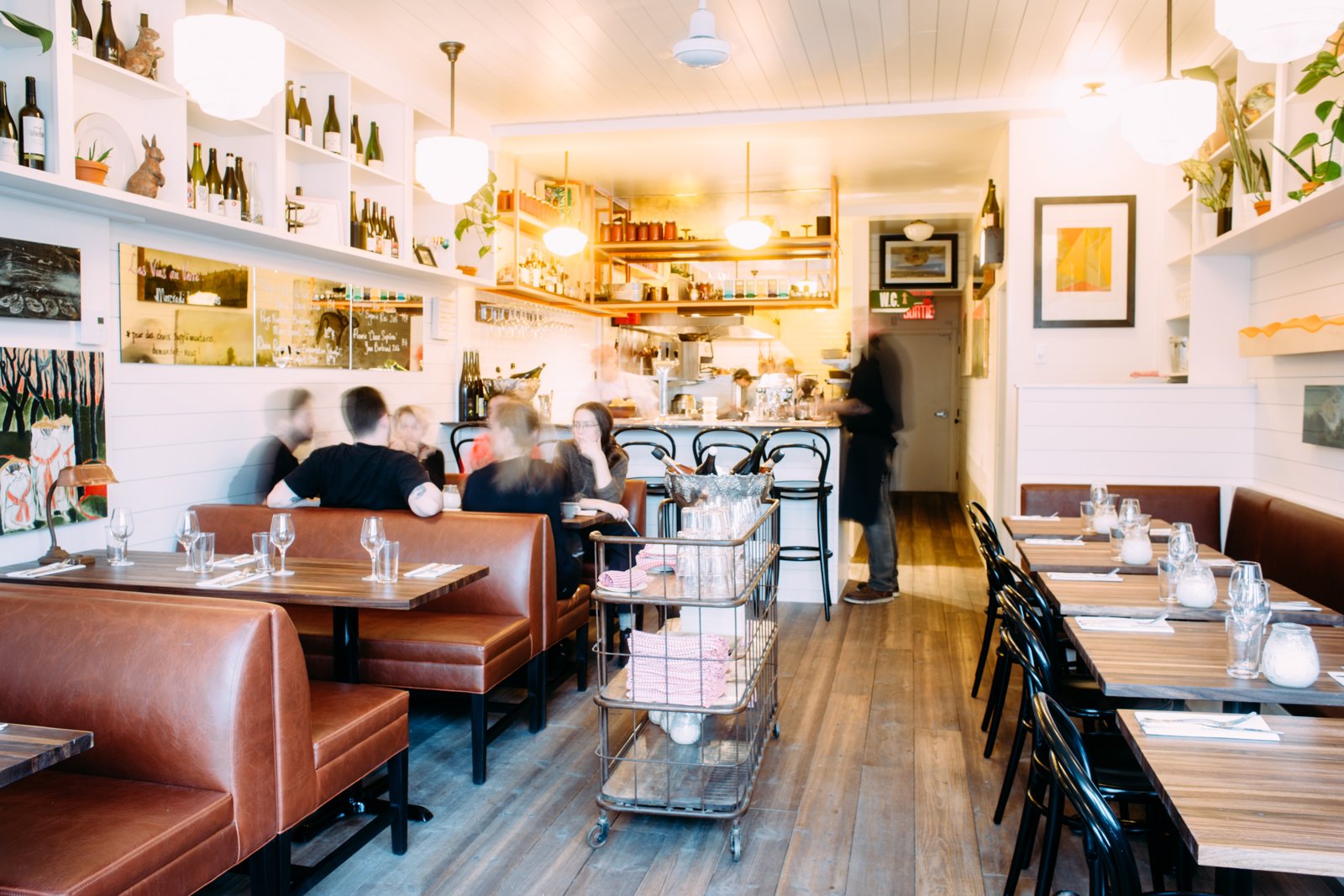
3 Pierres 1 Feu centers its personality on elemental, open-flame cooking. The kitchen’s live-fire approach lends a rustic warmth and smoky intensity to everything it produces, while the neighbourhood setting on Henri‑Julien keeps the mood community-oriented rather than theatrical. It reads as a cozy, lively spot that relies on char and smoke to transform whole-animal and whole-vegetable preparations, and the writing emphasizes a quieter, word-of-mouth presence rather than destination-level fanfare. The result is an approachable, wood-smoke–driven restaurant that feels rooted in seasonality and the Plateau's creative culinary scene.
Best For
This is a dinner-forward, fine-casual place well suited to groups and casual hangouts that want bold, smoke-forward flavors. Because the kitchen works with fire and seasonality, menus shift and plates are often shareable — a format that fits celebrations and nights out with friends. Its Plateau location and modest public profile make it a neighbourhood choice for communal meals rather than formal destination dining. Expect convivial energy and an emphasis on hearty, element-driven dishes that pair well with shared ordering and a relaxed, social evening.
Ordering Tips
Order with the fire-forward technique in mind: pick a mix of signature proteins and share them. The menu highlights items such as jerk chicken, smoked brisket, griot and lamb mechoui — each showcases the char and smoke the kitchen builds around whole animals and seasonal sides. Favor dishes that are explicitly described as wood- or open-fire preparations, and ask staff about daily offerings driven by the fire and seasonal sourcing. Portions feel suited to sharing, so plan to sample several proteins and sides across the table to get a full sense of the kitchen’s approach.
Venue details
Ambiance
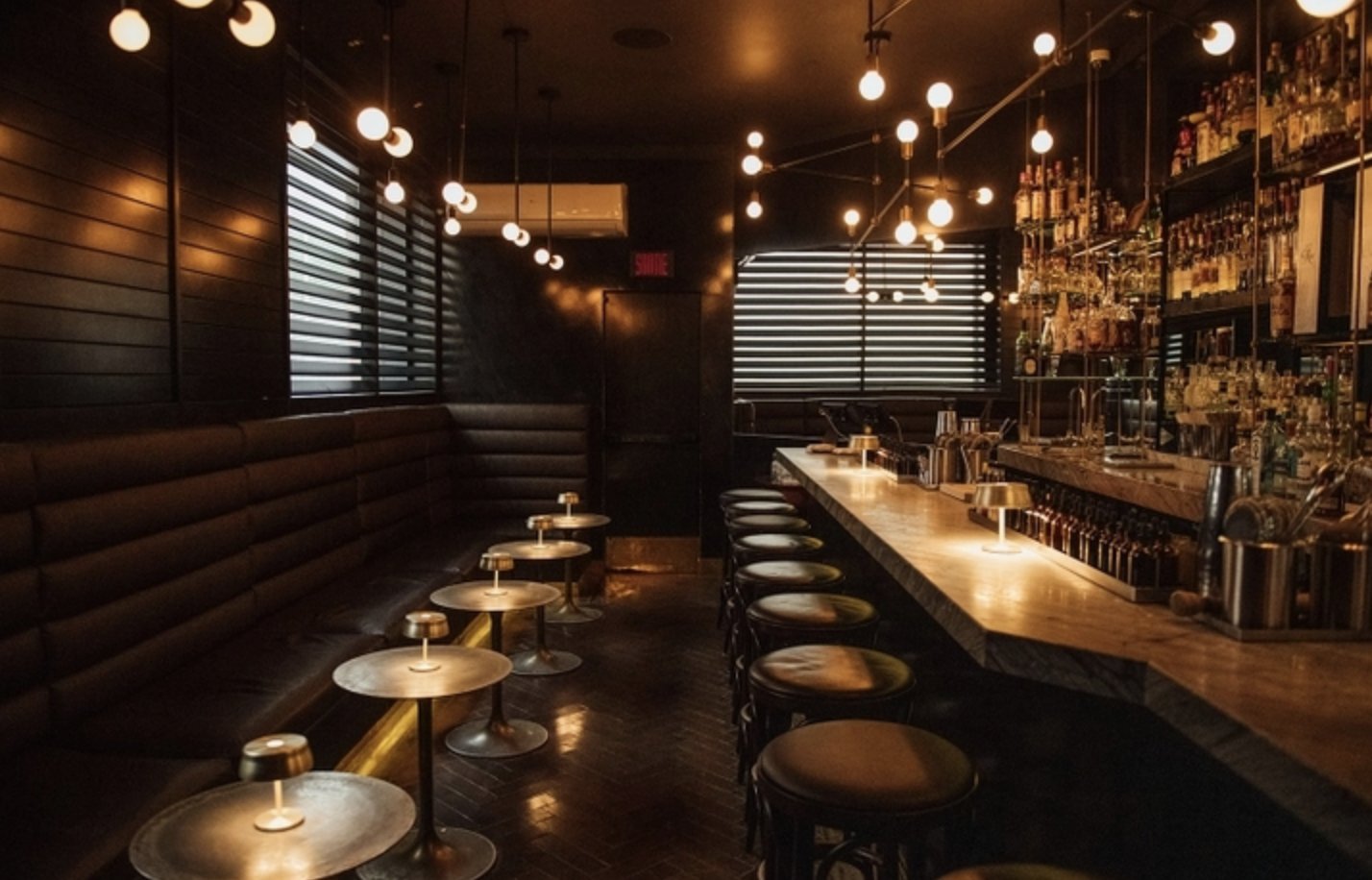
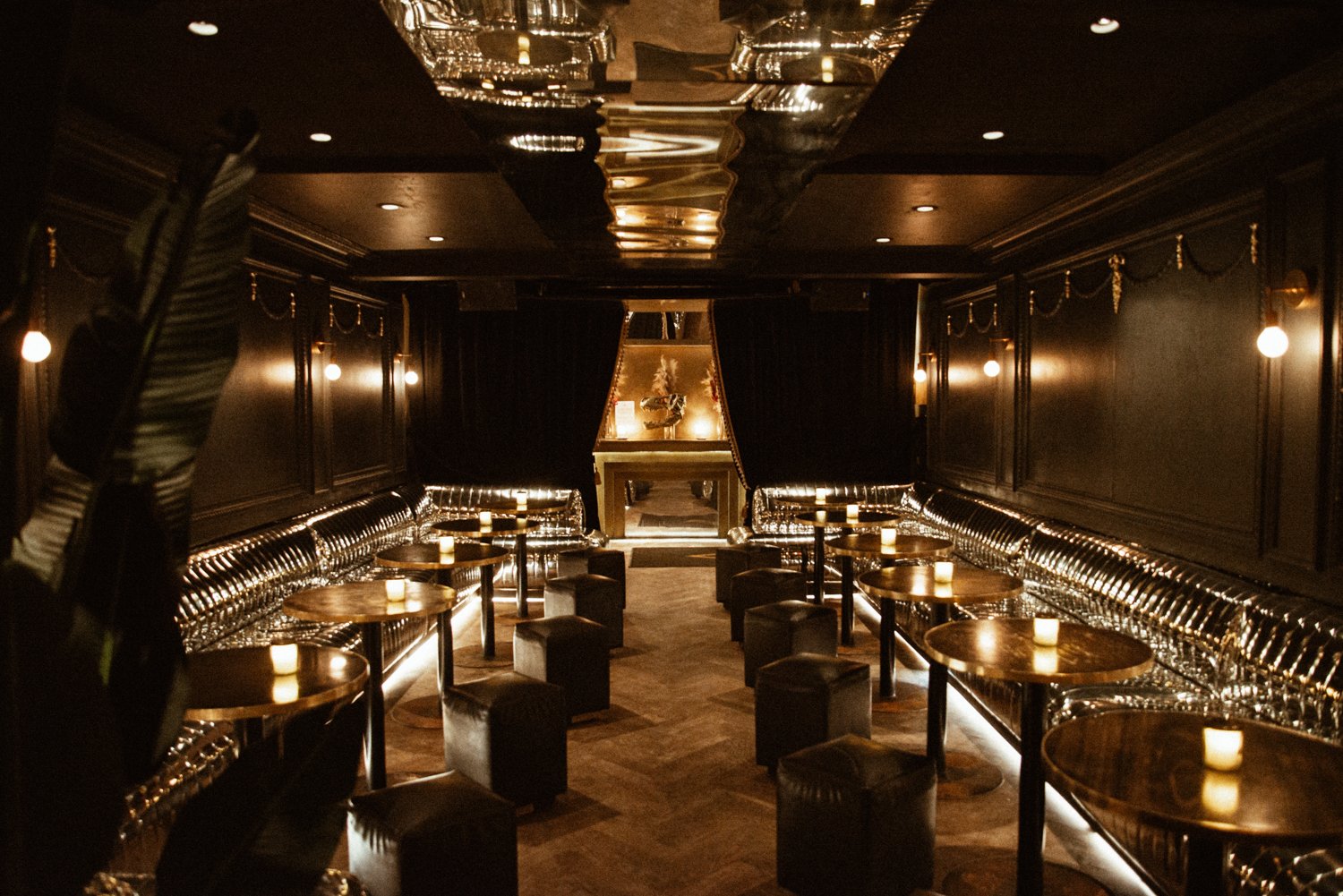
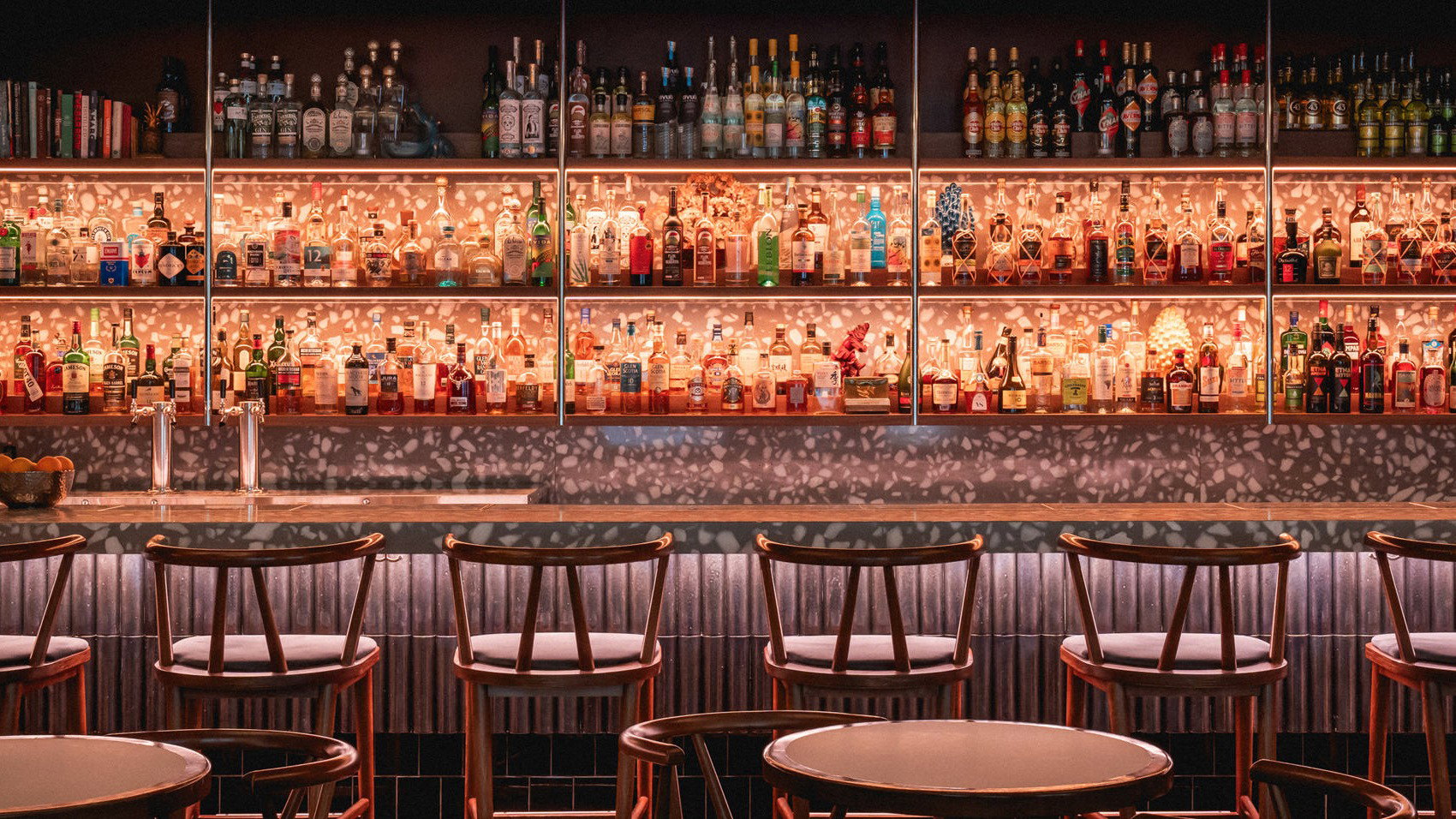
Warm, elegant, festive atmosphere with vibrant décor channeling Haitian spirit, loud music, and conviviality.
Tags
Vibe
Best For
Experience
Sourcing
At the Table
- Dress Code
- Casual
- Noise Level
- Lively
- Service Style
- Upscale Casual
- Meal Pacing
- Standard
- Capacity
- Small
- Kitchen
- Fusion
- Menu Format
- A la carte, Small plates
Signature Dishes
- jerk chicken
- smoked brisket
- griot
- lamb mechoui
Know before you go
Know Before You Go
- Getting there
- 7070 Henri Julien Ave, Montreal, Quebec H2S 3S3, Canada
Planning details
Location
7070 Henri Julien Ave, Montreal, Quebec H2S 3S3, Canada · Directions
Also consider
If you cannot book here
Try Le Petit Alep if you want a clearer Middle Eastern, $$ alternative with less guesswork before arrival. Choose Bar St-Denis if the night is more drinks-led and the table matters less than the overall room.
Restaurant context
How 3 Pierres 1 Feu compares in Montréal
3 Pierres 1 Feu is the easier, lower-commitment choice when the goal is a flexible neighborhood meal. Le Petit Alep is the safer pick for diners who want a defined Middle Eastern format at $$, while Alep makes more sense when cuisine identity matters more than spontaneity.
For wine-focused diners, CASGRAIN BBQ - Poulet Frit au Levain - Vin Nature Livraison - Takeout is the more explicit cross-shop because its positioning includes natural wine. Bar St-Denis is the better call when the room and bar energy are part of the plan rather than just a dinner stop.
Palomar belongs in the comparison set for diners weighing overall experience in Montréal, but the practical distinction is simple: pick 3 Pierres 1 Feu when availability and ease are the priority; pick a peer when a clearer cuisine, drinks identity, or occasion fit matters more.
Explore Montréal
Around this place
Discover more on Pearl
Unlock the full 3 Pierres 1 Feu guide in Pearl, including awards, comparisons, FAQs, planning details, and nearby places.
Compare 3 Pierres 1 Feu
| Venue | Location | Cuisine | Price | Awards |
|---|---|---|---|---|
| 3 Pierres 1 Feu | Montréal | , | , | No published awards |
| Palomar | Montréal | , | , | Michelin Guide Great Britain & Ireland 20262026 OAD Casual in Europe RecommendedWe're Smart World Top Restaurants 2025The Good Food Guide 20252025 Wine Spectator Award of Excellence2025 Michelin Bib Gourmand2024 OAD Casual in Europe Ranked · #3412024 Michelin Bib Gourmand2023 OAD Casual in Europe Recommended |
| CASGRAIN BBQ - Poulet Frit au Levain - Vin Nature Livraison - Takeout | Montréal | , | , | No published awards |
| Bar St-Denis | Montréal | , | , | 2026 Canada's 100 Best Restaurants · #22Michelin Guide Quebec 20262025 Canada's 100 Best Restaurants · #27 |
| Alep | Montréal | , | , | No published awards |
| Le Petit Alep | Montréal | Middle Eastern | $$ | Michelin Guide Quebec 20262025 Michelin Bib Gourmand |







How 3 Pierres 1 Feu Montréal compares with similar nearby venues.
FAQ
Frequently Asked Questions
Does 3 Pierres 1 Feu handle dietary restrictions?
Information on dietary and allergy accommodations is not available, so do not assume a built-in special-diets setup. Ask the venue directly before visiting, especially if restrictions are important to the meal. If you are still comparing plans in Montréal, Alep and Le Petit Alep are useful names to check as well.
Can I eat at the bar at 3 Pierres 1 Feu?
Bar dining information is not available. Plan around the opening hours instead, and confirm seating directly with the venue if that matters to your visit. If you are comparing with another Montréal option, Bar St-Denis may be worth checking.
Is 3 Pierres 1 Feu good for a special occasion?
It is a casual option, so it is easier to frame as a low-key Montréal option than as a formal special-occasion recommendation. Its hours run Tuesday through Sunday, with later closing times on Friday and Saturday. For comparison while planning, you may also look at Bar St-Denis or Palomar.
What are alternatives to 3 Pierres 1 Feu in Montréal?
For other Montréal options to compare, look at Alep, Le Petit Alep, Bar St-Denis, Palomar, and CASGRAIN BBQ - Poulet Frit au Levain - Vin Nature Livraison - Takeout. Confirm current hours, menus, and service details directly with any venue before making plans.