
D.one Ristorante Diffuso
€€€ · Modern Cuisine, Country cooking · Montepagano
Restaurant in Montepagano, Italy
 Book with Pearl
The Read
Multi-Room Borgo Dining
Price
$50–100per person
Chef
Davide Pezzuto
Dress
Smart Casual
Why go
D.one Ristorante Diffuso spreads a single meal across multiple art-lined rooms within the ancient village of Montepagano, making the setting as deliberate as the cooking. At €€€, it is a well-priced entry into Abruzzo's serious dining options, with chef Davide Pezzuto anchoring the menu in regional tradition and a Turkish coffee ritual — drawn from a local museum archive — closing the evening with genuine purpose. Book for dinner; that is when the format works.
About D.one Ristorante Diffuso
Should You Book D.one Ristorante Diffuso?
At the €€€ price point, D.one Ristorante Diffuso offers one of the more considered dining propositions in Abruzzo: a multi-room experience spread across the ancient borgo of Montepagano, where the setting itself does real work before the food arrives. If you are driving through the Teramo province or building an itinerary around the Adriatic coast, this is worth planning around rather than stumbling upon. Book it; the reservation is easy to secure, which means there is no reason to leave it to chance.
The Experience
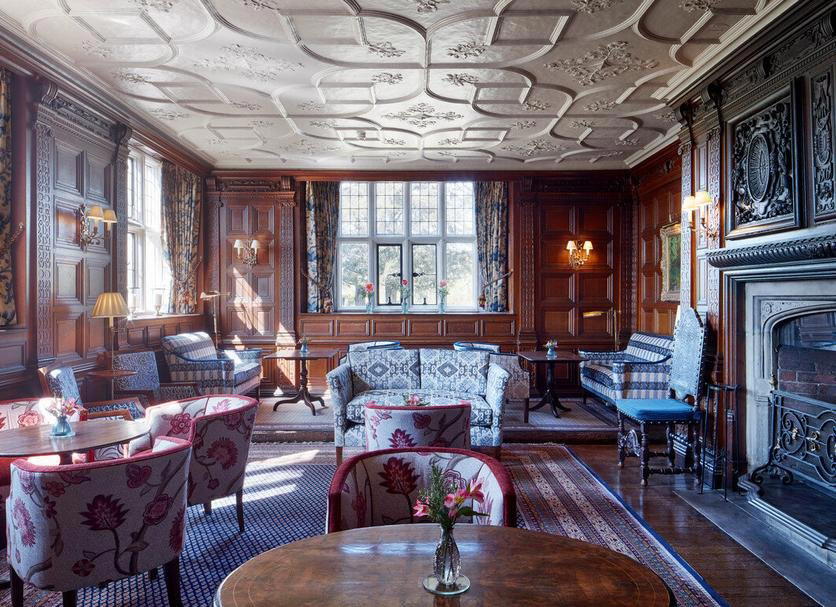
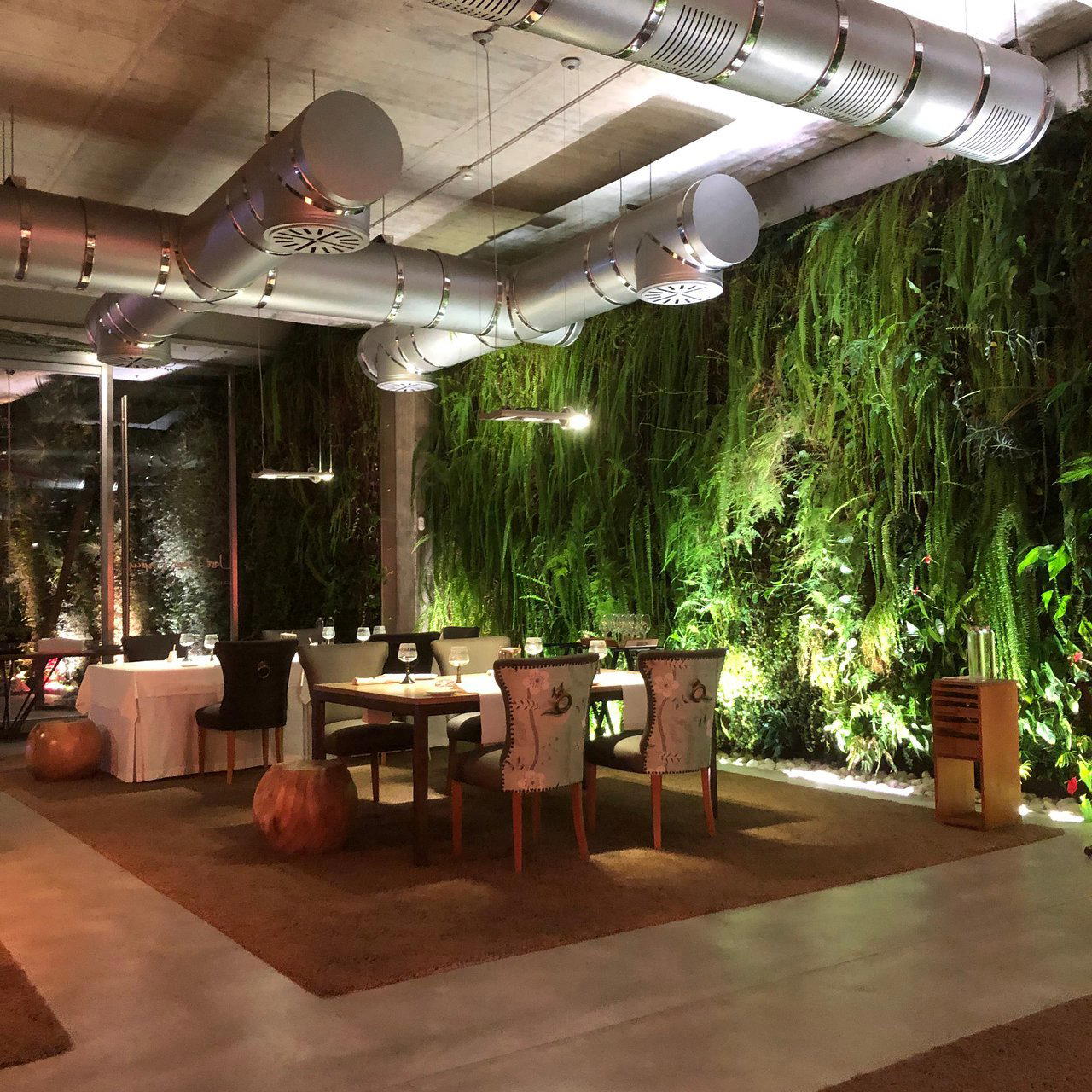
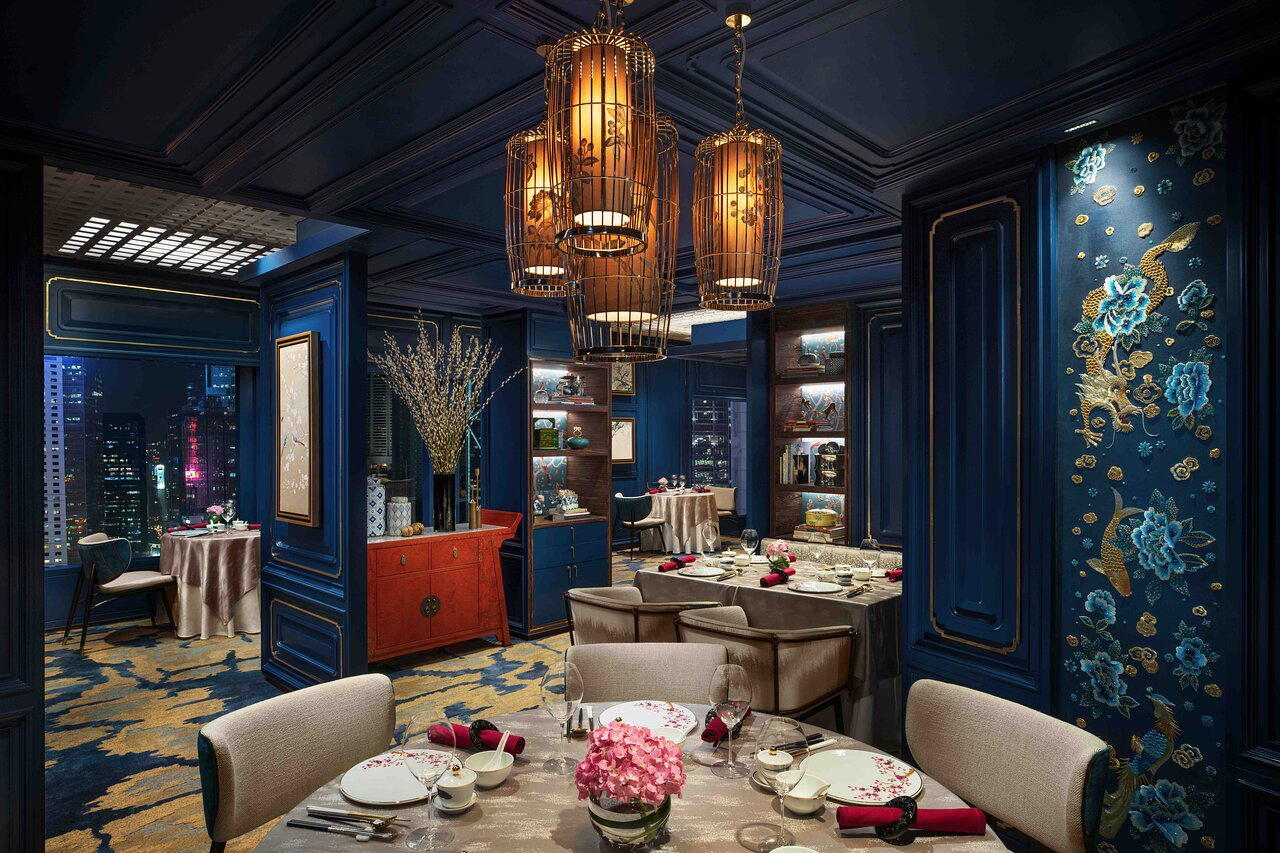
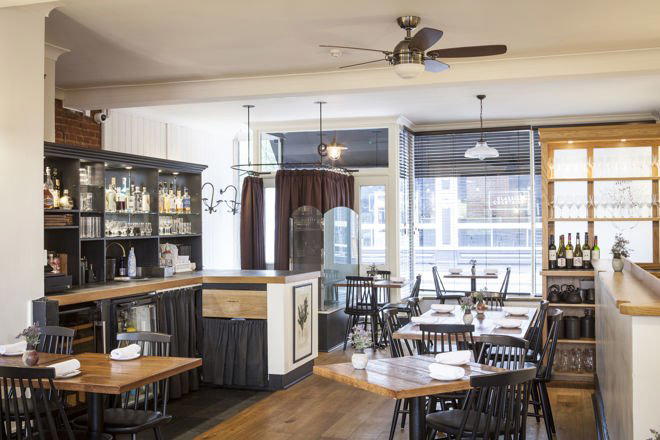
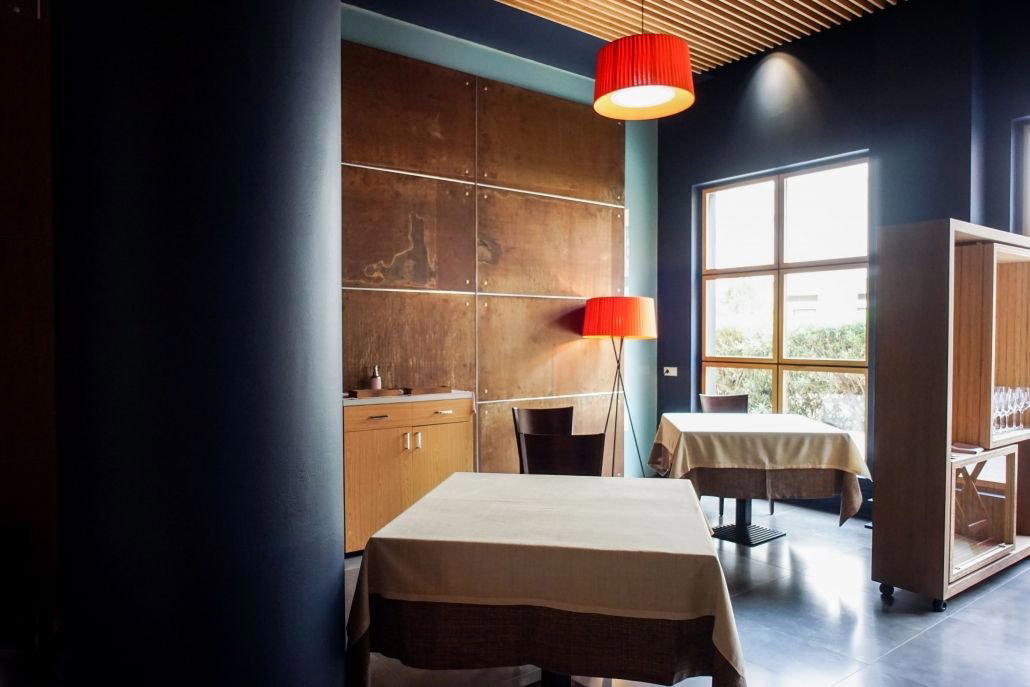
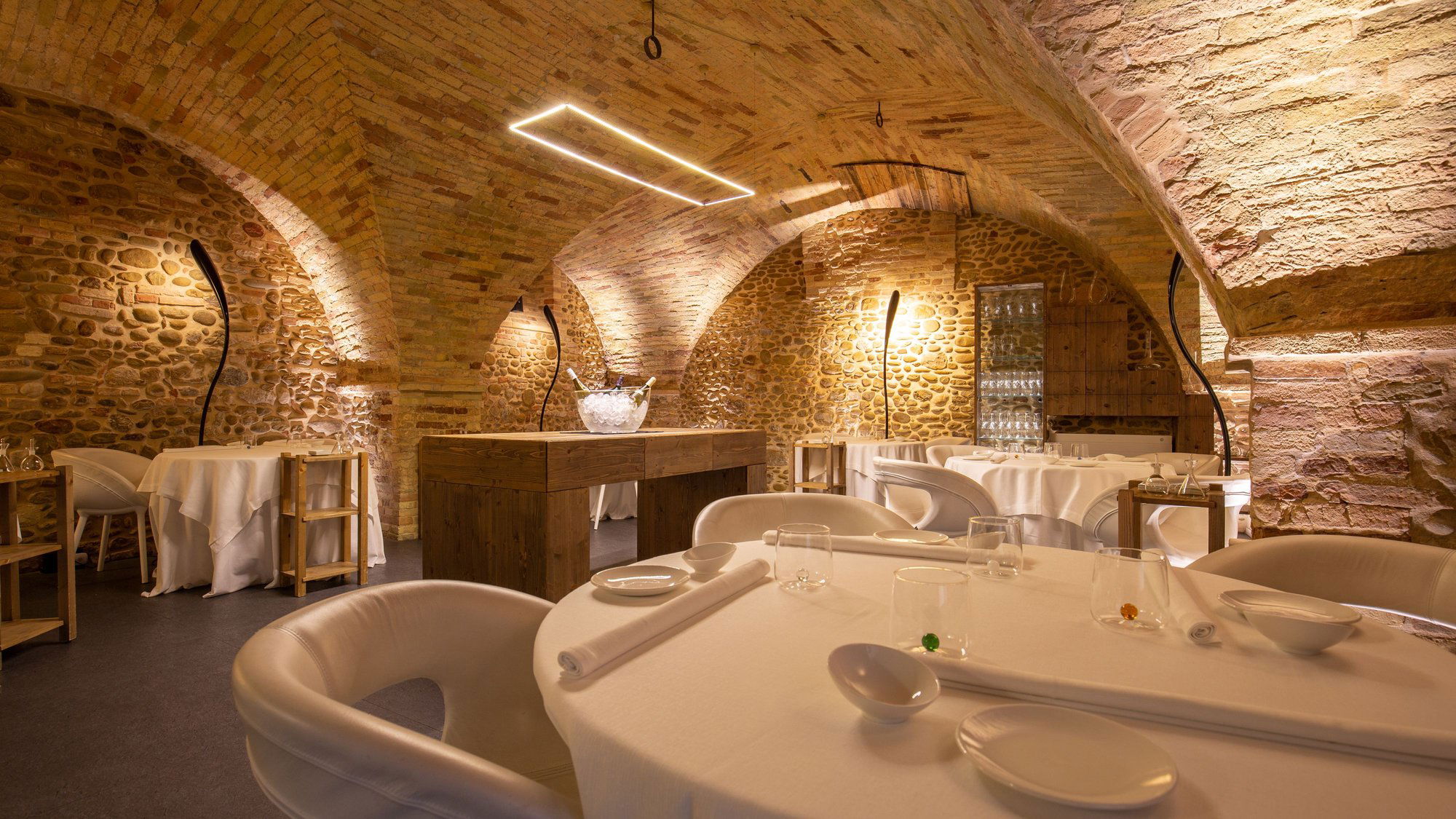
The format here is what the name signals — ristorante diffuso, meaning the meal unfolds across different spaces within the historic village rather than a single dining room. Small rooms lined with modern art serve different courses, so the physical act of moving through Montepagano becomes part of the meal's structure. What you see changes as the evening progresses: stone walls, contemporary canvases, and the compressed alleyways of a medieval hill town framing each stage of dinner. For a first-time visitor, this spatial logic is the key thing to understand before you arrive. If you have been before and experienced the full sequence, returning with more attention on the front-of-house storytelling about the town's history is a reasonable next step — the owner's accounts of Montepagano's past are specific enough to be genuinely informative rather than decorative.
Chef Davide Pezzuto's cooking sits at the intersection of Abruzzese tradition and his own Puglian background, with the regional larder providing the anchor and personal influence providing occasional variation. The approach is described as blending simplicity with creative experimentation, which in practice means the menu connects to local culinary history without being a strict reconstruction of it. One detail worth noting: dinner closes with a Turkish coffee made from a recipe drawn directly from the local museum's archive, referencing the Saracen presence in the region roughly a thousand years ago. That is the kind of thing that makes a meal memorable for reasons beyond the plate, and it is the sort of detail worth mentioning if you are considering D.one for a special occasion where you want the evening to have a narrative arc.
Lunch vs. Dinner
Dinner is the format that makes the most sense here. The diffuso concept, moving through multiple spaces in the village, requires the kind of unhurried pacing that suits an evening rather than a midday meal. The Turkish coffee ritual, the art-lined rooms, the owner's stories about Montepagano: these elements compound over the course of a longer sitting. If lunch is available, it is a serviceable entry point for travellers with limited time, but you would be compressing an experience that is designed to breathe. For anyone who has already visited at lunch, the evening format will feel like a different proposition. For a first visit, go at dinner.
Practical Details
Booking is direct, this is not a restaurant where you need to plan months in advance. A week or two of lead time should be sufficient for most dates, though if you are travelling in high summer or have a fixed itinerary, booking as soon as your dates are confirmed is sensible. The address is Via del Borgo, 1, Montepagano, in the Teramo province of Abruzzo. No phone number or website is currently listed in Pearl's data; approach the booking through travel contacts familiar with the region or check current listings for updated contact details. Dress expectations are not formally specified, but the setting, modern art, historic village architecture, €€€ pricing, points toward smart casual at minimum. Groups should note the multi-room format: the dispersed layout may suit smaller parties better than large groups who want to stay together throughout the meal.
Montepagano sits within reach of the Adriatic coast and the Gran Sasso massif, making it a natural stop on a broader Abruzzo circuit. See our full Montepagano restaurants guide and our full Montepagano experiences guide for broader planning context. If you are building out an overnight stay, our full Montepagano hotels guide covers the accommodation options nearby.
How It Compares
D.one sits at €€€ in a comparison set that is largely €€€€. Relative to Reale in Castel di Sangro or Osteria Francescana in Modena, D.one is a lower-pressure, lower-cost commitment with a format that is experiential rather than purely gastronomic. If your priority is cooking at the technical apex of Italian cuisine, those €€€€ venues will deliver more on that specific axis. If the integration of place, history, and food matters as much as the food itself, D.one makes a stronger argument at its price tier. For Abruzzo specifically, Reale is the region's highest-profile kitchen, but D.one offers something different in register: less chef-focused, more village-as-venue. They are not direct substitutes.
For travellers considering a broader Italian fine-dining circuit, it is worth cross-referencing against Uliassi in Senigallia or Dal Pescatore in Runate for Adriatic and northern Italian benchmarks at the €€€€ level. D.one does not compete with those on cooking ambition, but it wins on accessibility, price, and the novelty of its spatial format. If you are the kind of diner who has already covered the marquee Italian names and wants something less trafficked, D.one is a well-founded detour.
Planning details
- Hours
- Location
- Location
- Via del Borgo, 1, 64026 Montepagano TE, Italy
- Reservations
- Book on the venue's website
- Website
- donerestaurant.it
- Phone
- +39 085 894 4508
The take
The Take
The Vibe
D.one Ristorante Diffuso lives inside its village: the meal unfolds across a small medieval borgo so that architecture and place replace a single designed dining room. Aged stone walls and compact rooms host modern artworks, creating a tension between contemporary touches and a clearly historical setting. The cuisine mirrors that sensibility — ingredient-led, unapologetically regional, and resistant to metropolitan polish — so the overall impression is rustic-historic and quietly refined. The format rewards diners who enjoy atmosphere as an essential part of a meal, not merely a backdrop, and who appreciate food rooted in landscape and tradition.
Best For
This is a destination for diners who make meals the point of a detour: travelers seeking a distinctive regional experience, couples looking for an intimate, slow-paced tasting, and small groups interested in an immersive, place-based dinner. Because courses take place in different rooms across the borgo, the service feels curated and sequential rather than rushed; that structure suits guests who want to linger and engage with Abruzzo’s terroir — lamb from the high pastures, saffron, chitarra pasta and local cheeses — rather than those after a quick bite.
Ordering Tips
Expect a multi-course experience that moves you through the village; the description notes that "arriving, you move through the village itself as part of the meal's structure," so plan time for a paced service. Embrace the sequence and ask about the night’s local specialties — the kitchen leans on Abruzzese staples such as lamb, saffron, chitarra pasta and regional cheeses. If mobility is a concern, inquire ahead about the layout since courses happen in separate small rooms spread across the borgo; otherwise come ready to enjoy a narrative-style, ingredient-driven tasting linked to place.
Venue details
Ambiance
Cozy and romantic with soft lighting, modern art in intimate small rooms, warm and lively service creating an elegant, home-like atmosphere.
Tags
Vibe
Best For
Experience
Sourcing
View
At the Table
- Dress Code
- Smart Casual
- Noise Level
- Quiet
- Service Style
- Formal
- Meal Pacing
- Extended Experience
- Capacity
- Intimate
- Kitchen
- Modern
- Menu Format
- Tasting menu
- Wine Program
- Curated
- Dietary
- Vegetarian friendly, Vegan options, Gluten-free options
Know before you go
Know Before You Go
- Getting there
- Via del Borgo, 1, 64026 Montepagano TE, Italy
Planning details
Hours
Location
Location
Via del Borgo, 1, 64026 Montepagano TE, Italy · Directions
Recognition and awards
Also consider
Also Consider
- Atelier Moessmer Norbert Niederkofler, Italian, Creative, €€€€
- Dal Pescatore, Italian, Italian Contemporary, €€€€
- Osteria Francescana, Progressive Italian, Creative, €€€€
- Quattro Passi, Italian, Mediterranean Cuisine, €€€€
- Reale, Progressive Italian, Modern Cuisine, €€€€
Restaurant context
D.one operates at €€€ in a peer set that runs almost entirely at €€€€. Against Osteria Francescana in Modena, Dal Pescatore in Runate, or Atelier Moessmer Norbert Niederkofler in Brunico, D.one is not competing on cooking ambition or Michelin prestige. Those restaurants are making a case for Italy's highest technical tier. D.one is making a different argument: that the integration of place, history, and food across a dispersed village setting can produce a meal worth travelling for at a meaningfully lower price point.
Within Abruzzo, Reale in Castel di Sangro is the clear benchmark for progressive Italian cooking in the region, drawing international attention at €€€€. If your primary interest is the cooking itself, Reale is the stronger choice. D.one is the right call if you want an experience that uses place as a structural element of the meal rather than as background. They serve different purposes and are worth booking on different trips. Quattro Passi in Marina del Cantone offers Mediterranean-inflected cooking at €€€€ with a Campanian coastal setting that appeals to a different traveller profile entirely.
For value, D.one is the easiest recommendation in this comparison set. Booking is straightforward, the price tier is accessible, and the format is genuinely distinct from anything the €€€€ venues in this list offer. If you have already visited the marquee Italian names and want a less-trafficked option with a strong sense of regional identity, D.one in Montepagano is a well-grounded next booking. See our full Montepagano restaurants guide for further context on the local dining scene.
Explore Montepagano
Around this place
Discover more on Pearl
Unlock the full D.one Ristorante Diffuso guide in Pearl, including awards, comparisons, FAQs, planning details, and nearby places.
Compare D.one Ristorante Diffuso
| Venue | Cuisine | Awards | Booking Difficulty |
|---|---|---|---|
| D.one Ristorante Diffuso | €€€ · Modern Cuisine, Country cooking | 2026 Michelin 1 Star2025 Michelin 1 Star | Easy |
| Atelier Moessmer Norbert Niederkofler | Italian, Creative | 2026 OAD Top Restaurants in Europe Ranked · #92026 Falstaff Restaurant Guide2026 Les Grandes Tables du Monde Members2026 Michelin 3 Stars2026 La Liste Top Restaurants2025 World's 50 Best Restaurants · #202025 OAD Top Restaurants in Europe Ranked · #362025 The Best Chef Three Knives2025 Michelin 3 Stars | Unknown |
| Dal Pescatore | Italian, Italian Contemporary | 2026 OAD Classical in Europe Ranked · #172026 Relais Chateaux Restaurants2026 Les Grandes Tables du Monde Members2026 La Liste Top Restaurants2026 Michelin 3 Stars2026 Falstaff Restaurant Guide2025 OAD Classical in Europe Ranked · #162025 Michelin 3 Stars2025 Relais Chateaux Award | Unknown |
| Osteria Francescana | Progressive Italian, Creative | 2026 OAD Top Restaurants in Europe Ranked · #212026 La Liste Top Restaurants2026 Les Grandes Tables du Monde Members2026 Michelin 3 Stars2026 Falstaff Restaurant Guide2025 OAD Top Restaurants in Europe Ranked · #27Chef's Table Featured Restaurants · 20252025 Michelin 3 Stars2025 The Best Chef Three Knives | Unknown |
| Quattro Passi | Italian, Mediterranean Cuisine | 2026 OAD Top Restaurants in Europe Ranked · #972026 Les Grandes Tables du Monde Members2026 La Liste Top Restaurants2026 Michelin 3 Stars2026 Falstaff Restaurant Guide2025 OAD Classical in Europe Ranked · #522025 La Liste Top Restaurants2025 Michelin 3 Stars2024 OAD Classical in Europe Ranked · #116 | Unknown |
| Reale | Progressive Italian, Modern Cuisine | 2026 OAD Top Restaurants in Europe Ranked · #222026 Les Grandes Tables du Monde Members2026 La Liste Top Restaurants2026 Michelin 3 Stars2026 Falstaff Restaurant Guide2025 World's 50 Best Restaurants · #182025 OAD Top Restaurants in Europe Ranked · #25We're Smart World Top 100 2025We're Smart World Top Restaurants 2025 | Unknown |











How D.one Ristorante Diffuso stacks up against the competition.
FAQ
Frequently Asked Questions
What should I wear to D.one Ristorante Diffuso?
Dress neatly but not formally. At €€€ in a historic village setting in Abruzzo, D.one skews relaxed-refined rather than black-tie — think well-cut casual over a suit. The multi-room diffuso format, moving through small village spaces, means comfortable footwear matters more than it would at a static table.
Can D.one Ristorante Diffuso accommodate groups?
The diffuso format — multiple small dining rooms spread across the village — is better suited to small groups than large parties. Parties of 2–4 fit the experience well. Larger groups should contact the restaurant in advance, as coordinating a group through separate rooms adds logistical complexity the format was not designed for.
What should a first-timer know about D.one Ristorante Diffuso?
The name signals the concept: your meal unfolds across different spaces within the village of Montepagano rather than at a single table. Chef Davide Pezzuto cooks regional Abruzzo with occasional Puglian influence, and the restaurant owner typically joins guests with stories about the town's history. End the meal with the Turkish coffee, made to a recipe linked to the region's Saracen past — it is one of the more specific and memorable details of the experience.
Is D.one Ristorante Diffuso good for a special occasion?
Yes, and it punches above its €€€ price point for that use case. The format — moving through art-hung rooms, host-led storytelling, a historically grounded Turkish coffee to close — gives occasions a structure that a standard tasting-menu restaurant does not. It works better for a couple or small group than a large celebration.
What are alternatives to D.one Ristorante Diffuso in Montepagano?
Within the broader Abruzzo and central Italy region, Reale in Castel di Sangro is the natural step up — Michelin three-starred, €€€€, and a completely different level of ambition. For something closer in price and spirit, look at other agriturismo-style or village restaurants in the Teramo province. D.one holds its own as the most considered dining option in Montepagano itself.
Is lunch or dinner better at D.one Ristorante Diffuso?
Dinner. The diffuso concept — moving through the village between courses — benefits from the slower pace and atmosphere that evening allows. Lunch works if your schedule demands it, but the storytelling, the Turkish coffee finale, and the unhurried progression through multiple spaces all land better after dark.