
Restaurant in Venlo, Netherlands
Miso Oriental
100ptsMarkt Square Asian
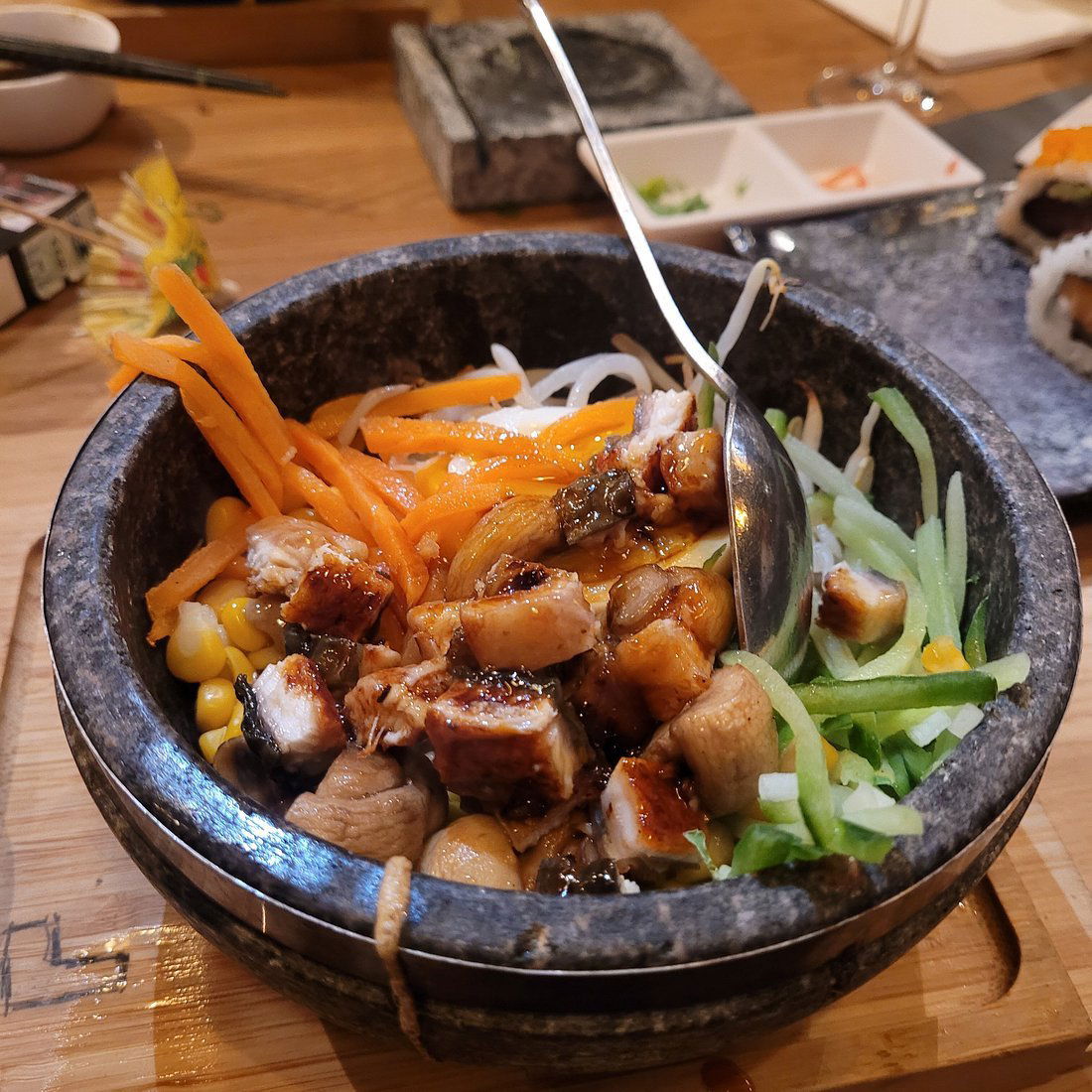
About Miso Oriental
Positioned on Venlo's central Markt square, Miso Oriental brings Asian cooking traditions to a Dutch city more often associated with French-leaning fine dining. The address places it directly in the civic heart of Limburg's largest city, making it an accessible reference point for visitors comparing Asian cuisine options against the region's broader restaurant scene.
A Market Square Setting and What It Signals
Venlo's Markt is the kind of central square that European cities build their identity around: broad, flanked by historic facades, and animated by the rhythm of daily life rather than tourist choreography. Markt 14 places Miso Oriental at that civic address, which in a Dutch provincial city of this size carries genuine weight. The surrounding streets have accumulated a varied restaurant tier over the past decade, from the modern French formality of Valuas (€€€ · Modern French) to more casual addresses like Burgers & Beers and neighbourhood spots such as Chez L'Hêtre and Kwartelenmarkt 11 op 3. Within that mix, an Asian-inflected kitchen on the main square represents a distinct positioning choice, one that draws on a culinary tradition with its own sourcing logic and preparation philosophy.
Where the Food Comes From: The Sourcing Framework Behind Asian Cooking in Northern Europe
Asian restaurants operating in the Netherlands face a sourcing situation that defines what ends up on the plate, often more than any menu description suggests. The proximity of the Dutch port infrastructure, particularly Rotterdam's role as Europe's largest container port, means that certain pantry staples, dried goods, and fermented ingredients can reach kitchens in Limburg with relative efficiency compared to more landlocked European regions. What that infrastructure cannot easily solve is the short-shelf-life supply chain for the highly specific regional produce that differentiates, say, a Japanese miso supplier from a generic substitute.
This sourcing reality is what separates Asian kitchens in the Netherlands into two informal tiers. The first uses that logistical access to bring in authentic base ingredients, fermented pastes, specialist sauces, and dried components, while supplementing with Dutch seasonal produce for fresh elements. The second defaults to approximation, relying on mass-market Asian grocery supply without ingredient-level specificity. The name Miso Oriental carries an ingredient reference in its title, and miso itself is a useful lens here: the fermented soybean paste varies enormously by region, aging duration, and koji culture, with distinctions that matter as much to a careful kitchen as the difference between a generic wine vinegar and an aged sherry vinegar matters to a French preparation. Whether the kitchen treats that distinction seriously is the kind of detail that separates a casual pan-Asian offer from something with sharper focus.
For context on how sourcing ambition scales in Dutch fine dining, addresses like De Librije in Zwolle, Aan de Poel in Amstelveen, and Ciel Bleu in Amsterdam have all built identities partly on ingredient traceability and supplier relationships. That sourcing discipline is less common at the mid-market tier but not absent from it. Asian kitchens in the Netherlands that do commit at the ingredient level, tracking fermentation sources, using region-specific spice supply chains, or specifying fish provenance, tend to separate themselves from the broader pan-Asian category fairly quickly.
Venlo's Restaurant Scene in Regional Context
Limburg sits at the southeastern edge of the Netherlands, bordered by Belgium and Germany, and that geography has shaped its food culture in specific ways. The province has a longer tradition of French and Belgian culinary influence than much of the Dutch interior, which explains why addresses like Valuas represent the formal fine-dining upper bracket in Venlo rather than something more internationally diverse. Starred and near-starred Dutch kitchens in the region, including De Lindehof in Nuenen, De Treeswijkhoeve in Waalre, and Brut172 in Reijmerstok, demonstrate that the broader southern Netherlands has a serious cooking tradition without, historically, much Asian representation at a comparable level of ambition.
That gap is gradually narrowing across Dutch cities, and Venlo is no exception. For visitors arriving from Amsterdam or crossing from Germany, the availability of Asian dining options on the main market square of a mid-sized Limburg city reflects a broader shift in the Dutch provincial dining offer. Cities of Venlo's scale, around 100,000 residents, now sustain Asian kitchens that go beyond the standard Chinese-Indonesian combination format that defined earlier decades. Whether Miso Oriental operates in that more ambitious register or within the established category format is a distinction worth establishing before booking.
For comparison on how Asian cooking ambition scales at the highest Dutch and international levels, Atomix in New York City and Le Bernardin in New York City represent the kind of ingredient-sourcing rigour and preparation discipline that defines serious kitchens in this broader tradition, while domestically, De Nieuwe Winkel in Nijmegen, De Bokkedoorns in Overveen, De Groene Lantaarn in Staphorst, and De Lindenhof in Giethoorn show the range of kitchen ambition spread across the country. 't Nonnetje in Harderwijk adds further reference for how Dutch regional kitchens position themselves through sourcing discipline.
Planning a Visit
Miso Oriental occupies the address at Markt 14, 5911 HD Venlo, placing it in the pedestrian core of the city and within easy reach of Venlo railway station, which connects to Eindhoven, Nijmegen, and across the German border toward Düsseldorf. The Markt location means parking is leading approached via the surrounding city centre car parks rather than street-level spaces. For current opening hours, booking availability, and any current menu format, direct contact with the venue or a visit to the address is the most reliable route, as operational details were not available at time of writing. For a broader picture of where Miso Oriental sits within the city's dining options, the full Venlo restaurants guide maps the scene across price points and cuisines.
Frequently Asked Questions
Is Miso Oriental a family-friendly restaurant?
Venlo's central Markt location and the general accessibility of Asian cuisine formats in the Netherlands suggest that the setting is likely to accommodate mixed-age groups without issue. As with any city-centre restaurant, the practical question of noise levels, table spacing, and menu range is leading confirmed directly with the venue. In Venlo's mid-market dining tier, most addresses at this type of market-square location operate with enough flexibility to be suitable for families, though pricing and format would determine whether it reads as a casual or sit-down occasion.
What is the atmosphere like at Miso Oriental?
The Markt 14 address places the restaurant within Venlo's most central and publicly animated square, which in the Dutch provincial context means a setting that shifts between quiet weekday rhythm and busier weekend energy. Asian restaurants in the Netherlands at this market-square tier tend to occupy comfortable, mid-format spaces rather than the spare minimalism of high-end Japanese counters or the high-volume casual format of fast-service Asian chains. Without Michelin recognition or a documented fine-dining positioning for this address, the atmosphere likely reads as accessible and mid-market rather than formal, placing it in a different register from starred Dutch addresses or the haute cuisine level of Valuas nearby.
What is the signature dish at Miso Oriental?
Specific dish details for Miso Oriental are not documented in verifiable sources at time of writing, so naming a signature dish here would require invention rather than evidence. What the restaurant's name does signal is a kitchen with at least some orientation toward Japanese or Japanese-influenced preparation, given that miso as a named ingredient carries specific culinary associations: fermented depth, umami-forward seasoning, and a preparation tradition with centuries of regional variation across Japan. Whether the kitchen applies that reference with precision or uses it as a general brand signal is a distinction worth exploring on arrival. For comparable levels of ingredient-sourcing rigour in an Asian cooking context, Atomix in New York City provides a useful upper-register benchmark.
How does Miso Oriental fit into Venlo's broader Asian dining offer?
Venlo does not have the concentration of Asian dining specialists found in Amsterdam or Rotterdam, which makes an Asian restaurant on the central Markt square a notable address within the local dining mix. The city's documented fine-dining upper bracket runs toward French and modern European formats, meaning that visitors specifically seeking Asian cooking in Limburg have fewer reference points than in larger Dutch cities. Miso Oriental's market-square location and name both suggest a kitchen positioned at the accessible-to-mid-market tier of Asian cuisine rather than the high-complexity, tasting-menu format that defines addresses like those covered in the full Venlo restaurants guide.
Related editorial
- Best Fine Dining Restaurants in ParisFrom three-Michelin-star icons to the next generation of Parisian chefs pushing boundaries, these are the restaurants that define fine dining in the world's culinary capital.
- Best Luxury Hotels in RomeFrom rooftop terraces overlooking ancient ruins to Michelin-starred hotel dining, these are the luxury hotels that make Rome unforgettable.
- Best Cocktail Bars in KyotoFrom sleek lounges to hidden speakeasies, Kyoto's cocktail scene blends Japanese precision with global influence in ways you won't find anywhere else.
Save or rate Miso Oriental on Pearl
Keep this venue in your Pearl passport, rate it after you visit, and track it alongside every other place you collect.