
Statera
Miraflores
Restaurant in Miraflores, Peru
 Book with Pearl
The Read
Dress
Smart Casual
Why go
Statera is a strong Miraflores choice for a composed special-occasion meal rather than a casual Peruvian seafood stop. Its We're Smart World 2025 recognition gives it a clear point of view; choose it for a quieter, service-led dinner, and look to Costanera 700 or La Mar Cebicheria if the goal is seafood or a livelier group meal.
About Statera
Statera is a Miraflores venue with a We're Smart World 2025 recognition of 5 Radishes. Consider it when that recognition and a smart casual dress code match the kind of plan you want to make. In a district where diners often compare several named venues before choosing, that recognition gives Statera a clearer point of reference than a listing with no context at all. The best reading is measured rather than expansive: it is a recognized Miraflores option, not a venue to choose on assumptions about its full experience.
The 5 Radishes recognition is the clearest signal. It can help distinguish Statera from a generic choice in Miraflores, but it should not be stretched into claims about menu format, cuisine, prices, service style, or specific dishes. That distinction matters because a recognition can explain why a place is worth noticing, while still leaving many practical questions unanswered. If those details matter for your booking, confirm them directly with the venue before you go. Treat the recognition as a useful starting point, not a substitute for checking the everyday information that shapes a successful reservation, especially if you are planning around timing, budget, dietary needs, or a particular kind of meal.
Better when the basics are enough
Statera is best approached as a Miraflores option with a small set of basics: its location, smart casual dress code, and We're Smart World 2025 5 Radishes recognition. Those basics may be enough for some plans, particularly when the priority is choosing a venue in Miraflores that carries a specific, externally recognized signal. The smart casual note also gives a modest sense of how to prepare, without implying anything more precise about the room, the pacing, or the occasion. If you are comparing it with other named options, Costanera 700 or La Mar Cebicheria may be worth checking depending on the plan you have in mind.
Do not choose Statera based on assumptions about value, pacing, menu structure, hours, or a particular dining style. Those are exactly the kinds of details that can change whether a venue feels right for a quick decision, a more deliberate booking, or a meal planned around specific expectations. Choose it because you specifically want Statera in Miraflores and the 5 Radishes recognition is meaningful to your decision. If you need certainty beyond those points, pause and check directly with the venue rather than fill in the gaps with guesswork. That makes Statera most suitable for diners who are comfortable making a choice from a concise profile.
Who should skip it
Skip it if you need every practical detail settled before booking and cannot get answers through the venue's own channels. That includes anyone who wants to know, in advance, how the meal is structured, what the likely spend might be, when the venue is open, or what style of service to expect. Without those answers, Statera should not be treated as a risk-free match for a tightly planned outing. For a different kind of plan, Anticuchos Grimanesa is another option to consider, while Costanera 700 and La Mar Cebicheria may also be useful comparisons. Statera is the better fit only when its Miraflores location, smart casual dress code, and 5 Radishes recognition are enough to support your choice.
Planning details
- Location
- Avenida Mariscal La Mar 463, , 15074 Miraflores, Peru
- Website
- staterarestaurante.pe
The take
The Take
The Vibe
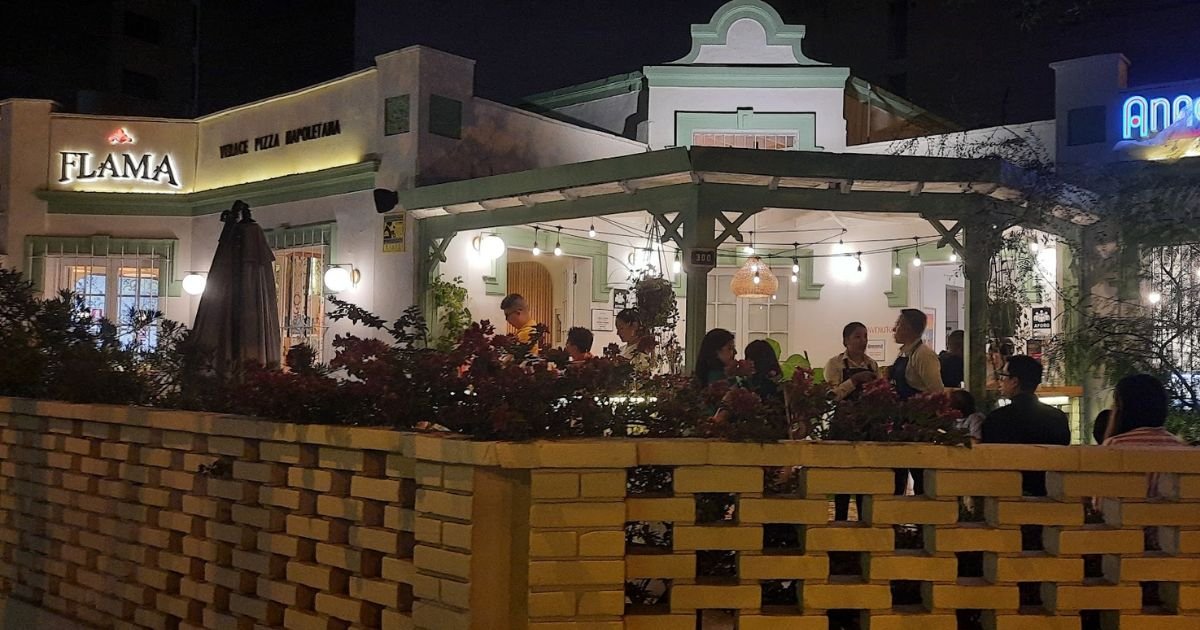
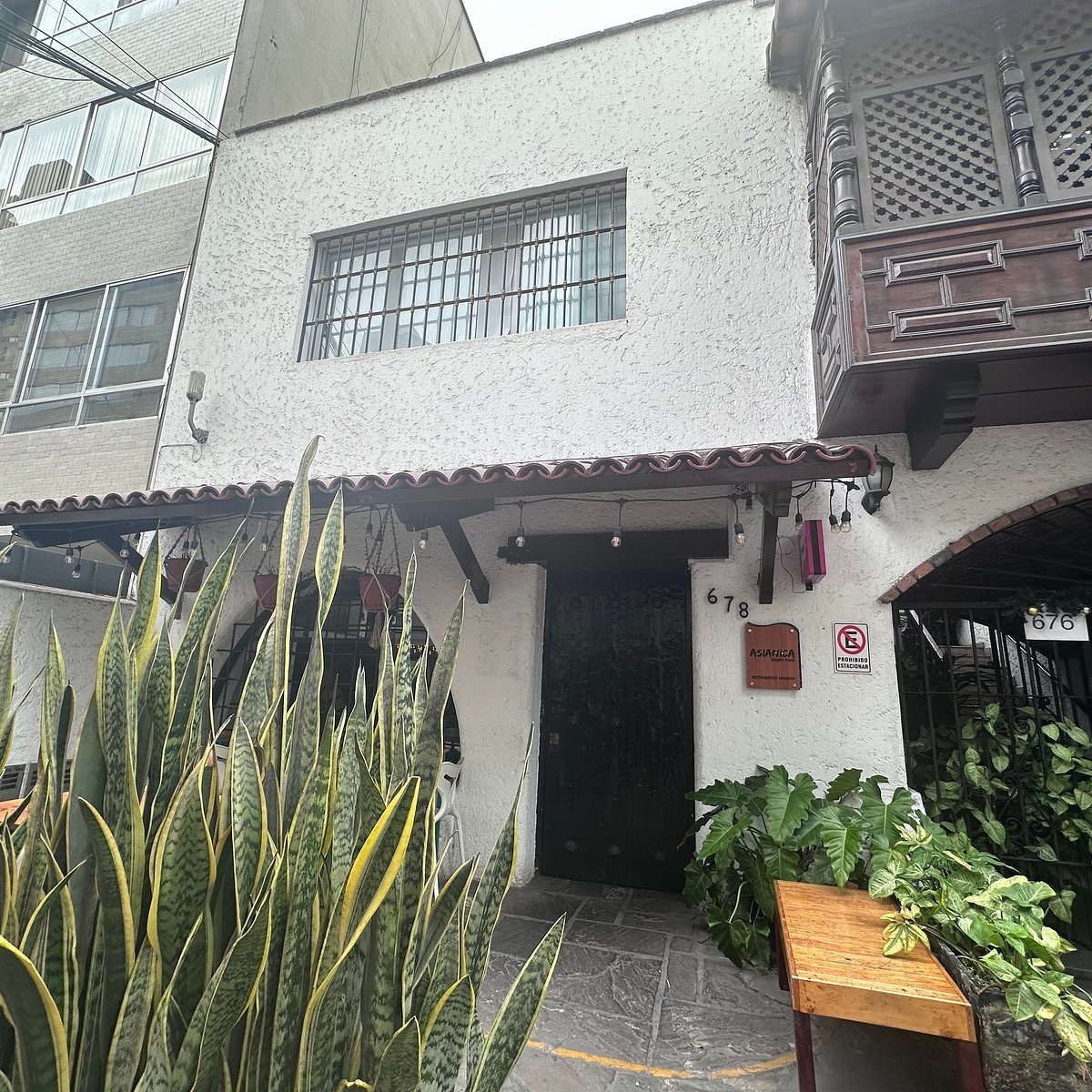
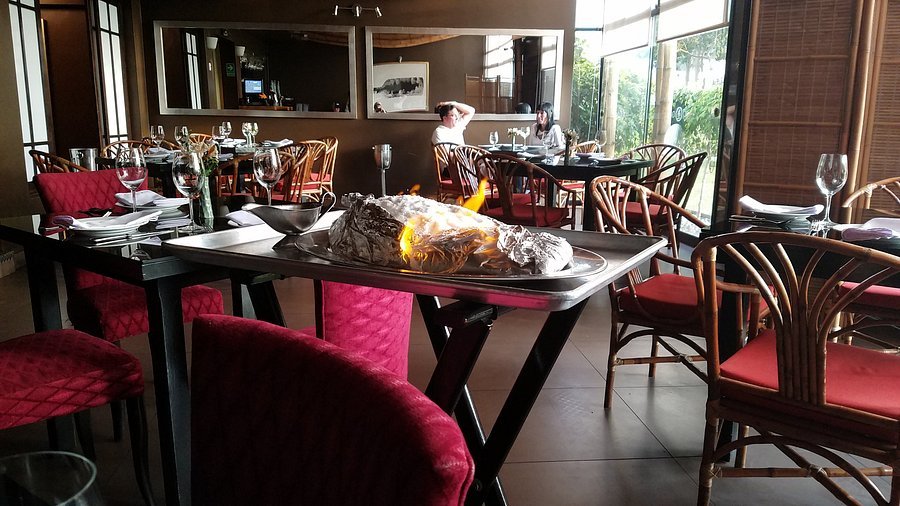
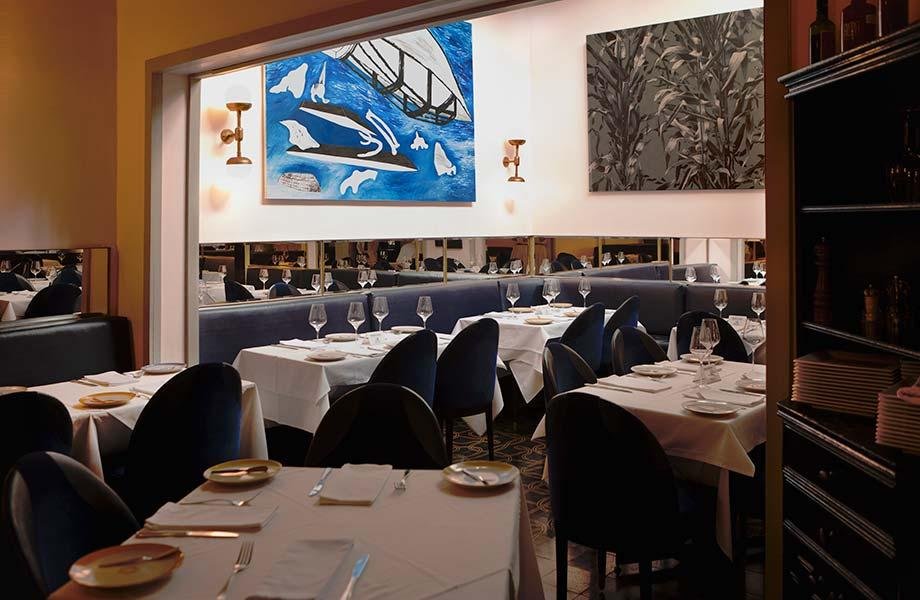
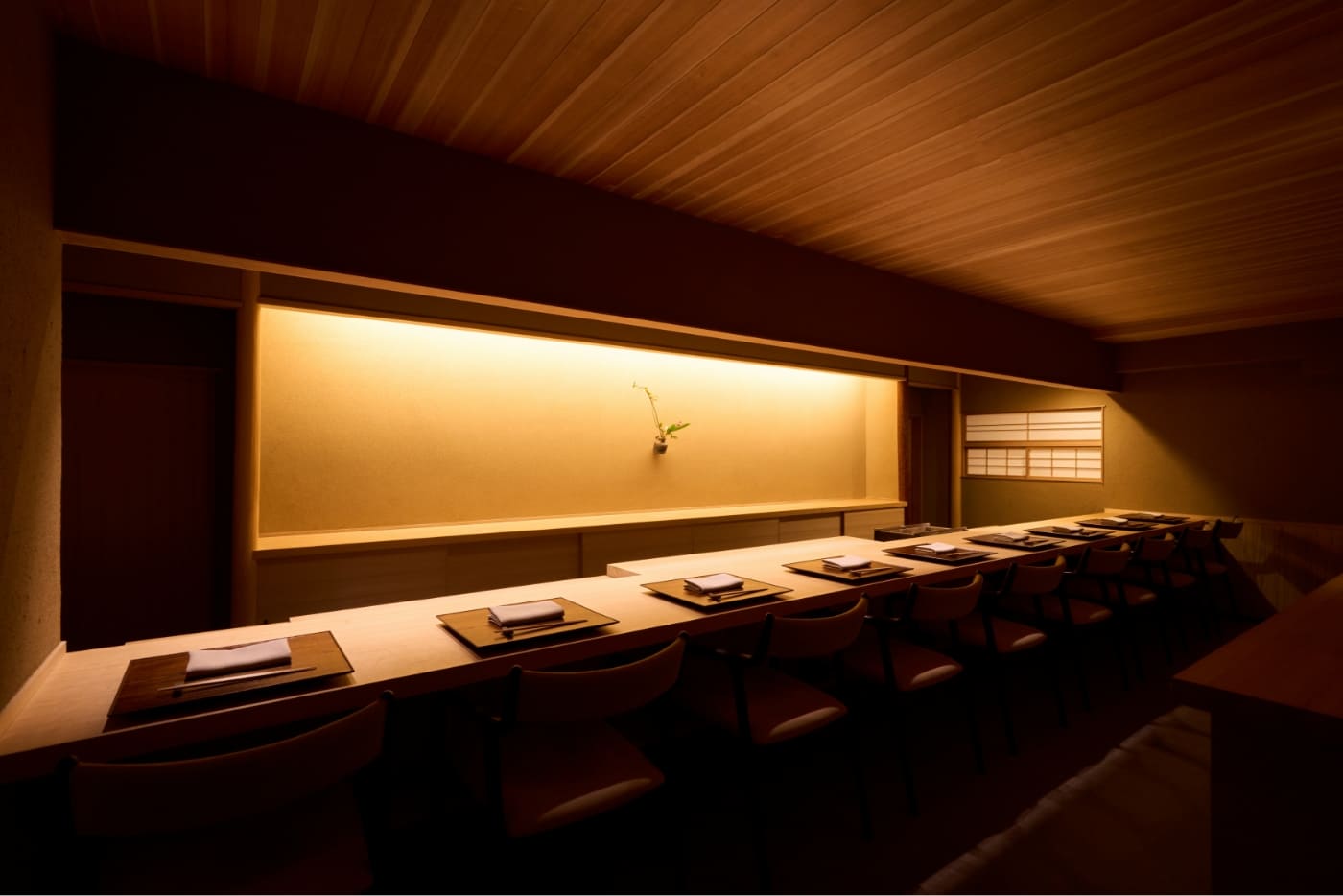
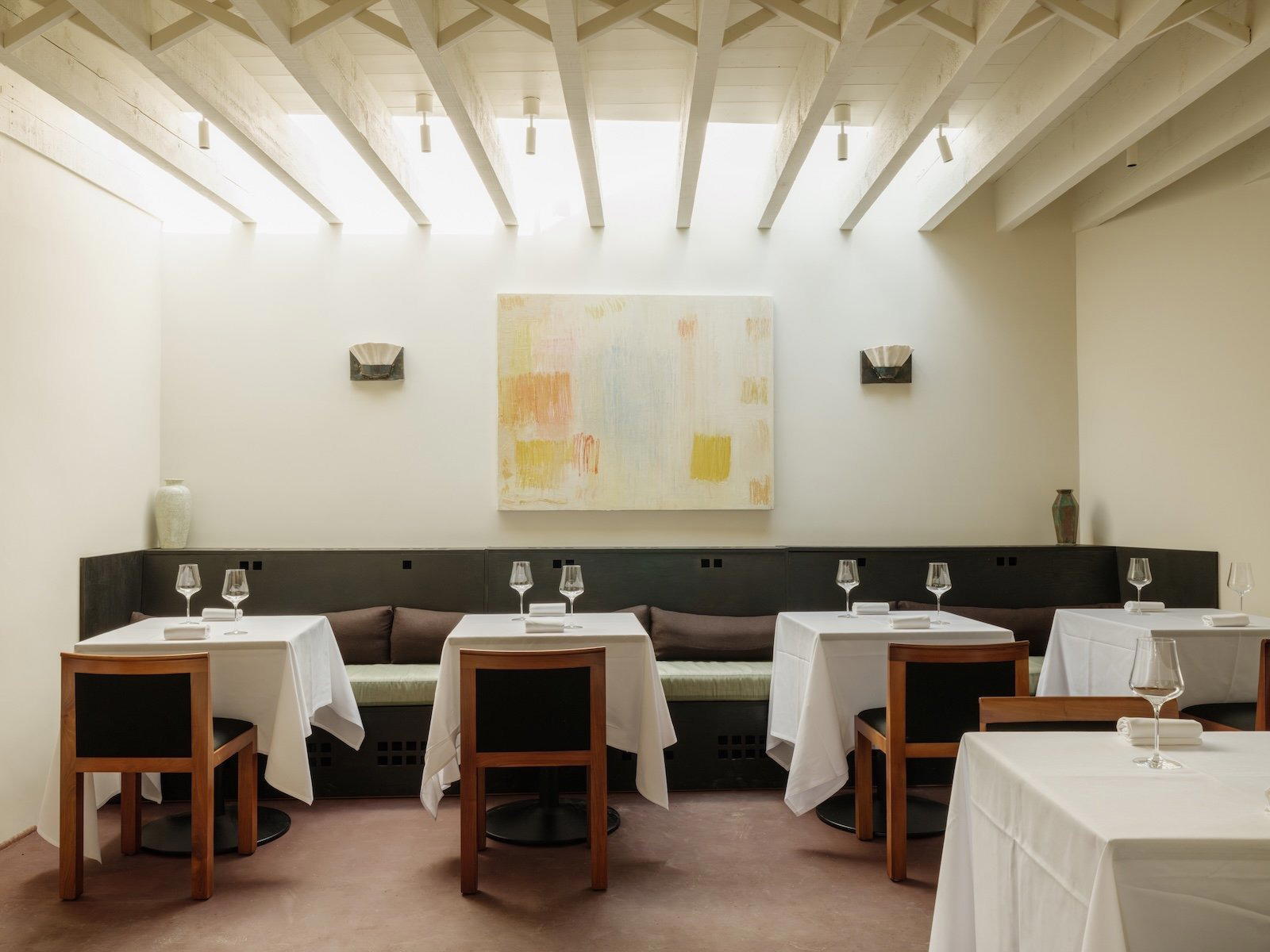
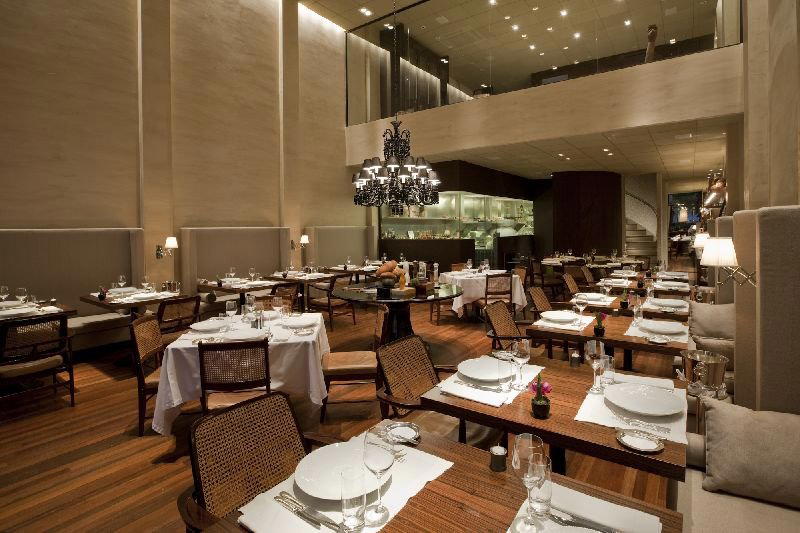
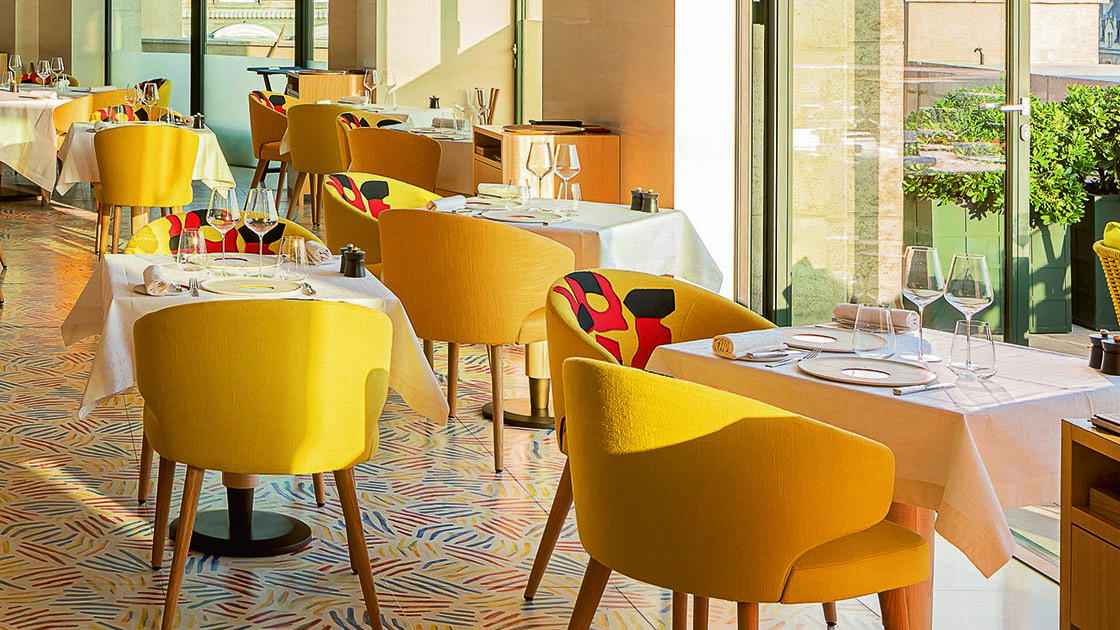
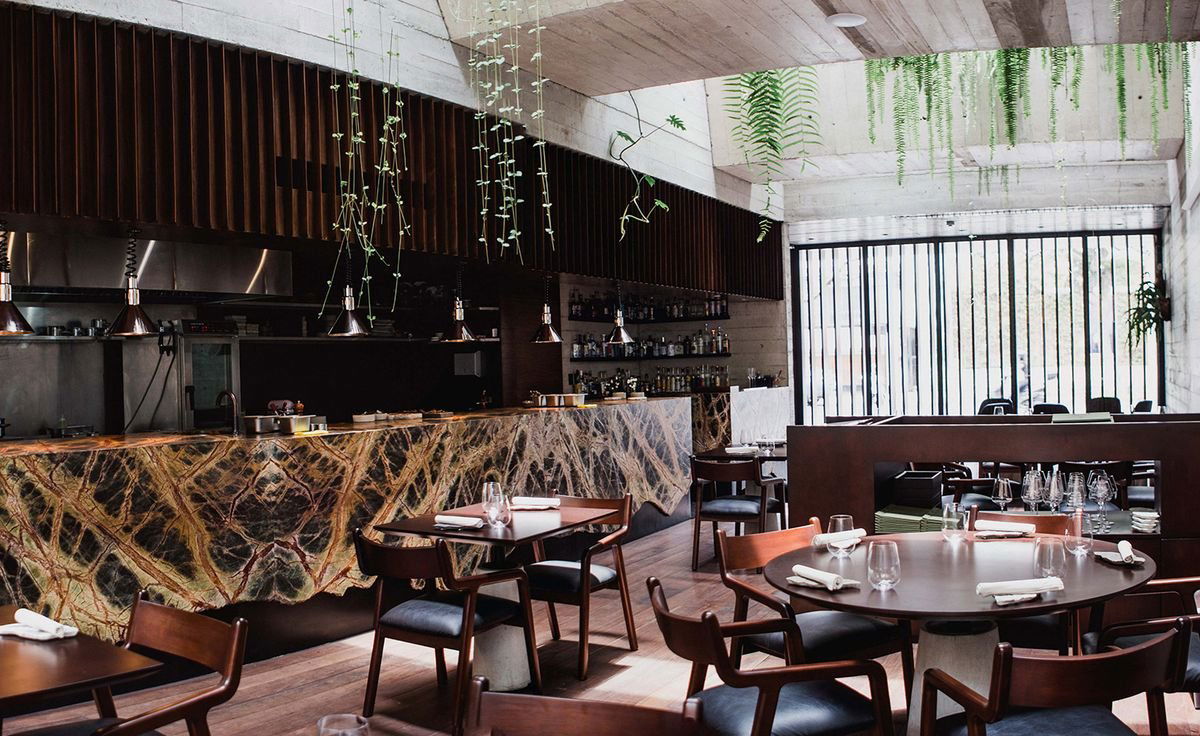
Statera presents a deliberately restrained, quietly sophisticated dining room that foregrounds its food rather than theatrical presentation. Situated on a calm stretch of Avenida Mariscal La Mar, the understated building and muted entrance set expectations for an intimate, contemplative meal. The kitchen’s explicit focus on plant ingredients and a guiding philosophy—summed up as Think Vegetables! Think Fruit!—reinforces a refined, disciplined temperament: this is a place built around thoughtful technique and provenance rather than overt luxury. The overall effect is serene and concentrated, ideal for diners who want an intellectually engaged, food-forward experience.
Best For
Statera suits occasions that benefit from a low-key, focused dining environment. The restrained room and philosophy-driven menu make it a strong pick for date nights and special celebrations where conversation and culinary discovery matter more than spectacle. Its calm setting and disciplined approach also translate well to business dinners that require a quieter atmosphere and a culinary program worthy of discussion. Guests come expecting thoughtful, plant-forward compositions and a measured pace rather than loud service or overt theatrics.
Ordering Tips
Embrace the kitchen’s stated framework when ordering: look for tasting-menu options or chef-guided sequences that reflect the Think Vegetables! Think Fruit! philosophy. The restaurant intentionally minimizes theatrical gestures, so opt for the kitchen’s selections to experience its exploration of coastal, Andean and Amazonian plant ingredients. Ask staff to explain lesser-known ingredients and the kitchen’s sourcing if you’re curious about Peruvian biodiversity. Because the room is designed to let the food lead, allow the pace and sequence of dishes to unfold rather than piecing together à la carte alternatives.
Venue details
Ambiance
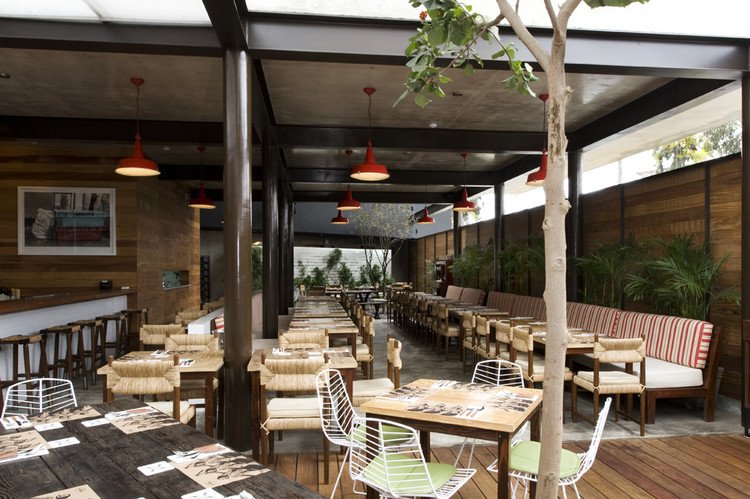
Modern, intimate, and quiet with a carefully designed, plant-filled interior, exposed kitchen, and warm service.
Tags
Vibe
Best For
Experience
Sourcing
Accessibility
At the Table
- Dress Code
- Smart Casual
- Noise Level
- Quiet
- Service Style
- Upscale Casual
- Meal Pacing
- Leisurely
- Capacity
- Intimate
- Kitchen
- Modern
- Menu Format
- A la carte
- Drinks Focus
- Cocktails
- Dietary
- Vegetarian friendly
- Opened
- 2022
Know before you go
Know Before You Go
- Getting there
- Avenida Mariscal La Mar 463, 15074 Miraflores, Peru
Planning details
Location
Avenida Mariscal La Mar 463, , 15074 Miraflores, Peru · Directions
Recognition and awards
Also consider
Also Consider
- Don Nico, Notable alternative
- Costanera 700, Peruvian Seafood, Peruvian Seafood
- Av. Mariscal La Mar 770, Notable alternative
- La Mar Cebicheria, Peruvian, Peruvian
- Anticuchos Grimanesa, Peruvian, Peruvian
Restaurant context
How Statera compares in Miraflores
Statera is the more occasion-driven choice in this set: better for a composed date, anniversary, or business dinner where service rhythm matters. Costanera 700 is the easier recommendation for Peruvian seafood, especially if the table wants a clearer cuisine brief and a more familiar ordering path. La Mar Cebicheria is the pick for a livelier Peruvian meal, particularly when the mood is social rather than quiet.
For value, Anticuchos Grimanesa is the sharper alternative if the goal is a focused Peruvian grill experience without turning dinner into a full special-occasion production. Don Nico and Av. Mariscal La Mar 770 are harder to position without a defined cuisine or price signal, so they work better as secondary checks than direct substitutes.
Booking difficulty favors Statera if the priority is a lower-friction plan in Miraflores. The tradeoff is specificity: Costanera 700 and La Mar Cebicheria give seafood and Peruvian clarity, while Statera is the better fit when the brief is a polished, quieter experience with recognized sustainability-minded credentials.
Explore Miraflores
Around this place
Discover more on Pearl
Unlock the full Statera guide in Pearl, including awards, comparisons, FAQs, planning details, and nearby places.
Compare Statera
| Venue | Location | Cuisine | Awards |
|---|---|---|---|
| Statera | Miraflores | , | We're Smart World Top Restaurants 2025 |
| Don Nico | Lima | No published awards | , |
| Costanera 700 | Miraflores | Peruvian Seafood | Star Wine Lists 20262025 La Liste Top Restaurants |
| Av. Mariscal La Mar 770 | Lima | No published awards | , |
| La Mar Cebicheria | Lima | Peruvian | 2026 OAD Top Restaurants in South America Ranked · #27Star Wine Lists 20262025 Latin America's 50 Best Restaurants · #26We're Smart World Top Restaurants 20252025 The Best Chef One Knife2024 OAD Top Restaurants in South America Ranked · #312023 OAD Top Restaurants in South America Ranked · #23 |
| Anticuchos Grimanesa | Lima | Peruvian | 2026 OAD Top Restaurants in South America Ranked · #522025 OAD Top Restaurants in South America Ranked · #45 |





How Statera Miraflores: 5 Radishes and Smart Casual compares with similar nearby venues.
FAQ
Frequently Asked Questions
Can Statera accommodate groups?
For groups, contact Statera directly for party-size guidance. Statera is in Miraflores and has a smart casual dress code. If you are comparing options, La Mar Cebicheria or Costanera 700 may also be worth checking.
Is Statera good for solo dining?
For solo dining, check directly with the venue for the setup that best suits your plan. Statera is in Miraflores, has a smart casual dress code, and holds a We're Smart World 2025 5 Radishes recognition. Don Nico is another option to compare if you are considering a different plan.
Is Statera good for a special occasion?
Statera may suit a planned visit in Miraflores if its smart casual dress code and We're Smart World 2025 5 Radishes recognition match what you are looking for. For a different kind of stop, Anticuchos Grimanesa is another option to compare.
What are alternatives to compare with Statera?
Other options to compare include La Mar Cebicheria, Costanera 700, Don Nico, Av. Mariscal La Mar 770, and Anticuchos Grimanesa. Check each venue directly for current details before deciding.
What should a first-timer know about Statera?
Key basics are simple: Statera is in Miraflores, the dress code is smart casual, and it has a We're Smart World 2025 5 Radishes recognition. Before booking, check the menu, pricing, hours, and service format directly with the venue.