
Abba
Contemporary · Villapizzone - Cagnola - Boldinasco, Milan
Restaurant in Milan, Italy
 Book with Pearl
The Read
Industrial-Frame Precision Cooking
Price
€€€
Dress
Smart Casual
Why go
Abba holds consecutive Michelin Plate recognition and across just eight tables in Milan's Certosa District. The €€€ contemporary menu is technically precise — ingredient-led cooking in a converted brush factory with Nordic minimalism and an open kitchen. Easy to book, with a business lunch option making it accessible at midday.
About Abba
Eight Tables, Two Michelin Plates, and a Kitchen That Earns Both
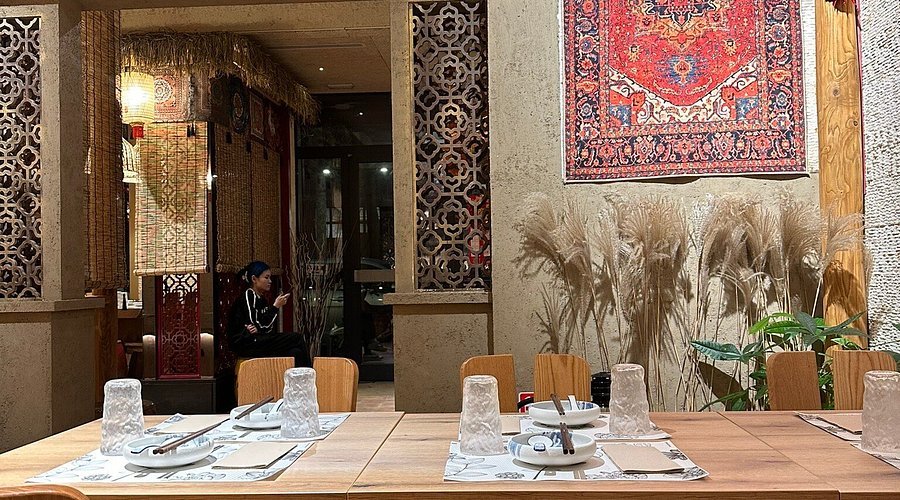
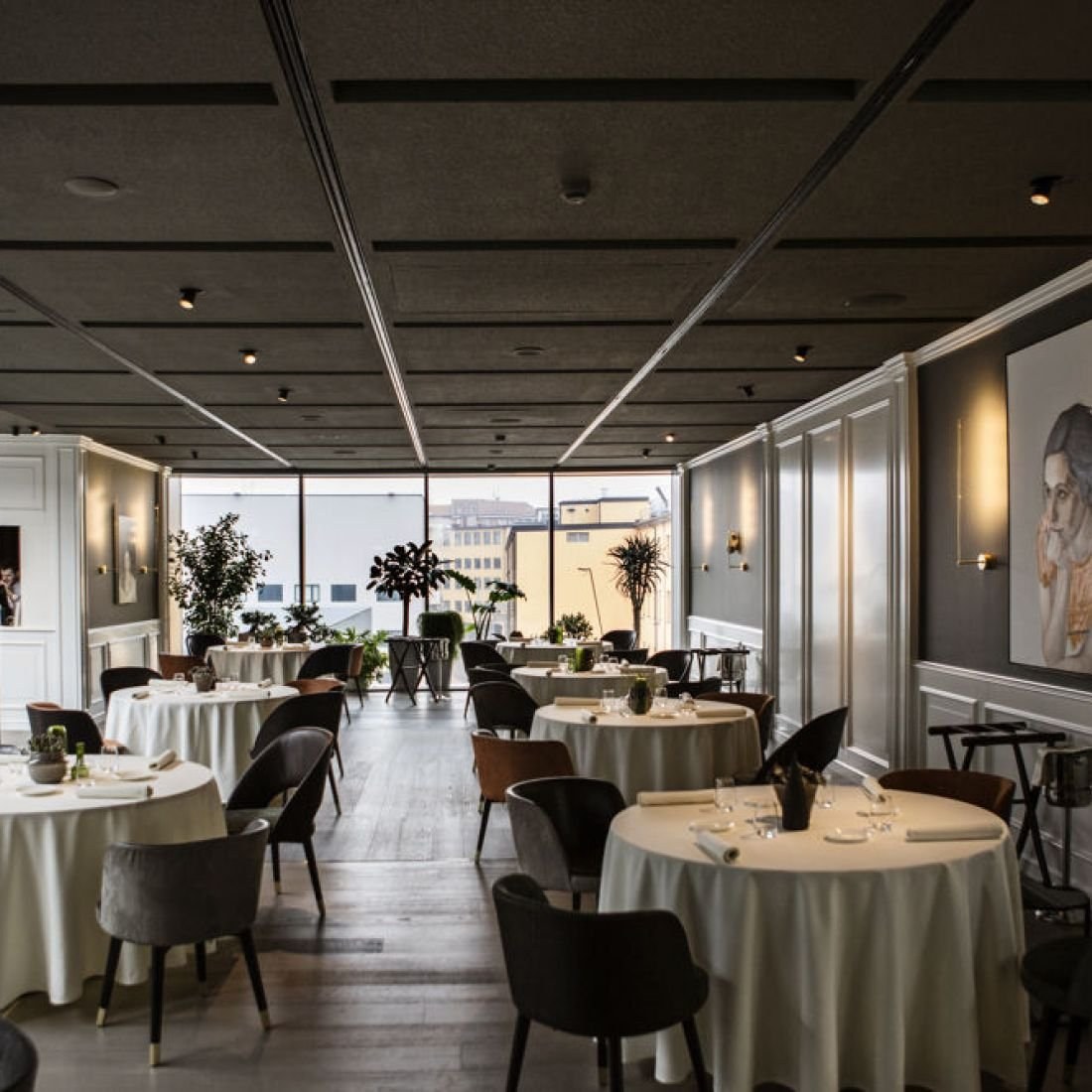
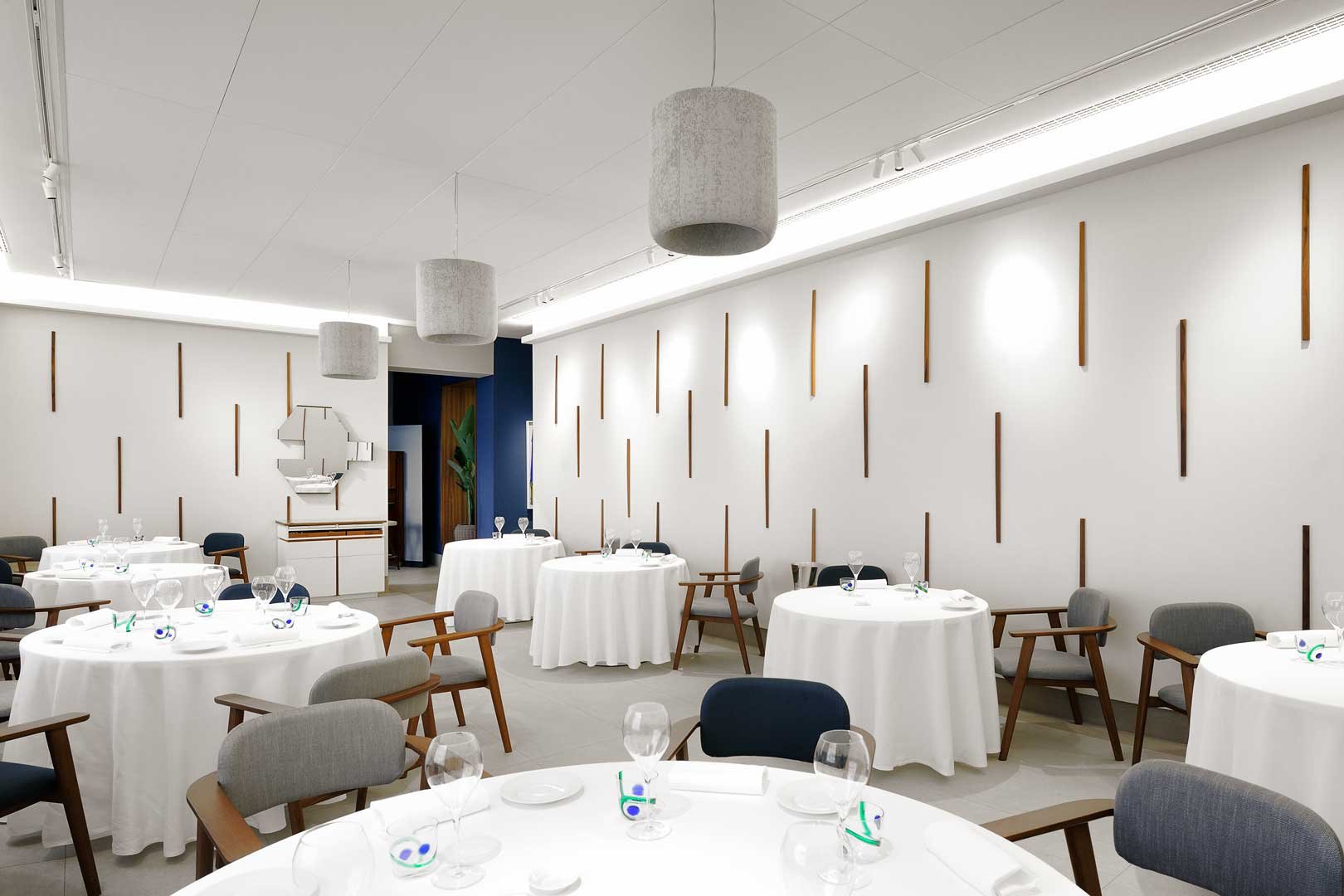
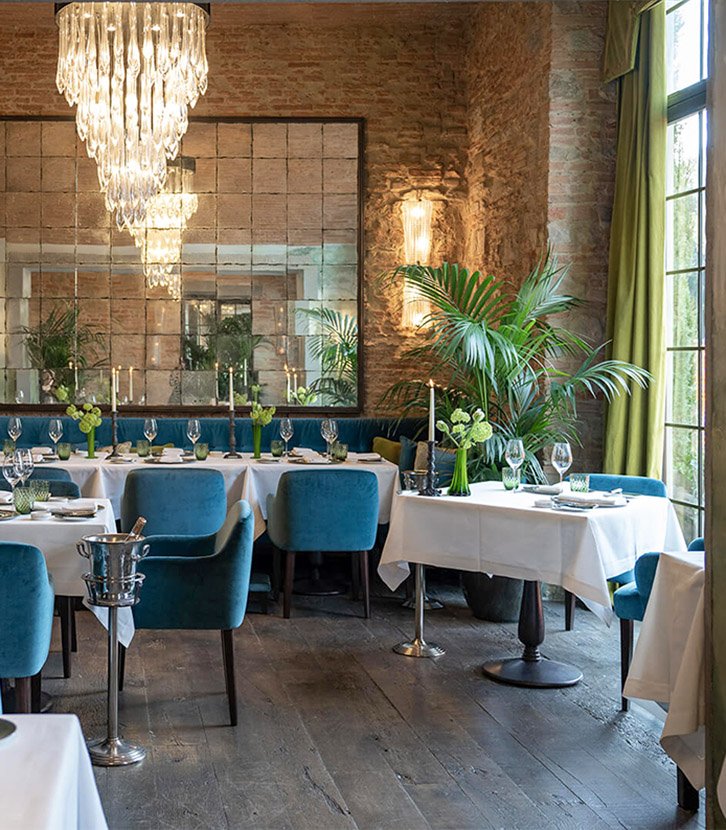
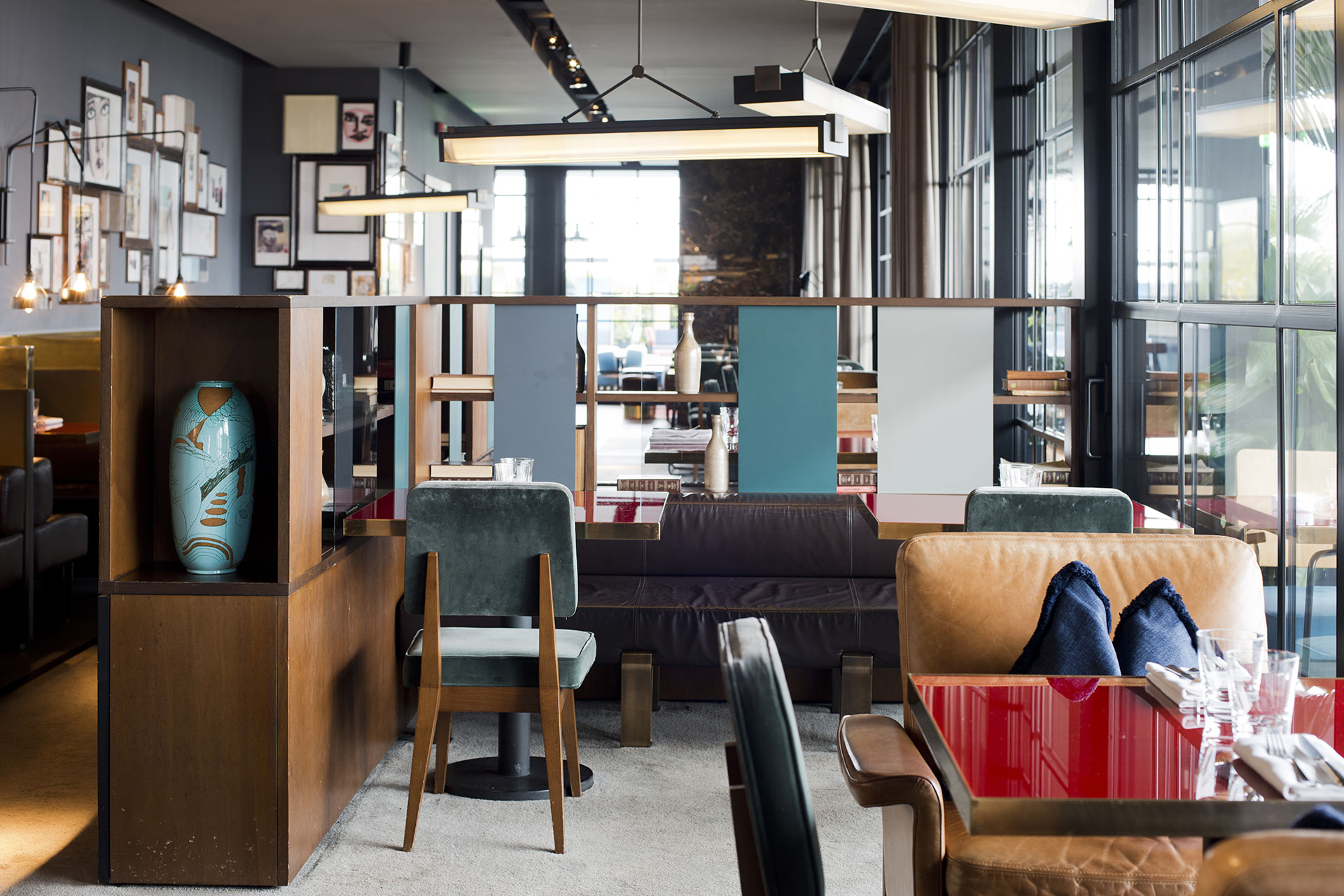
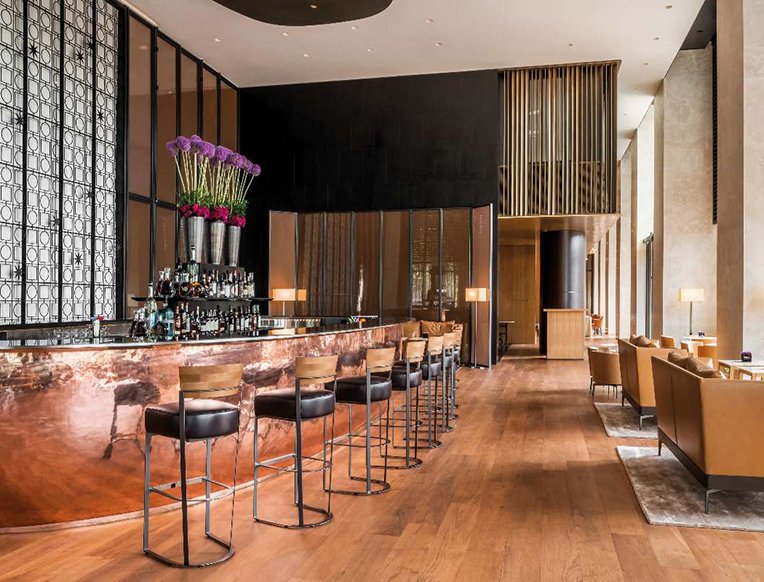
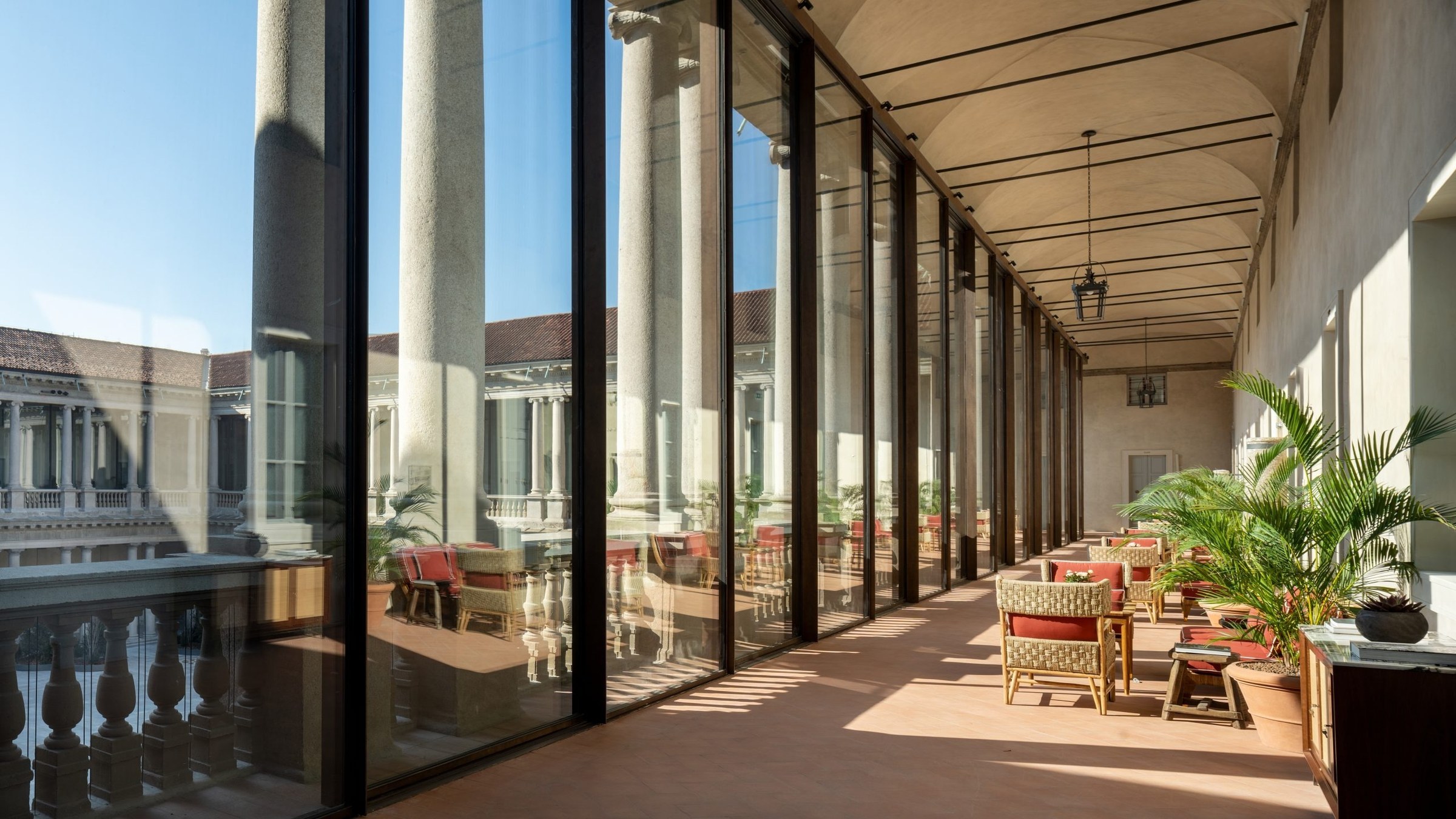
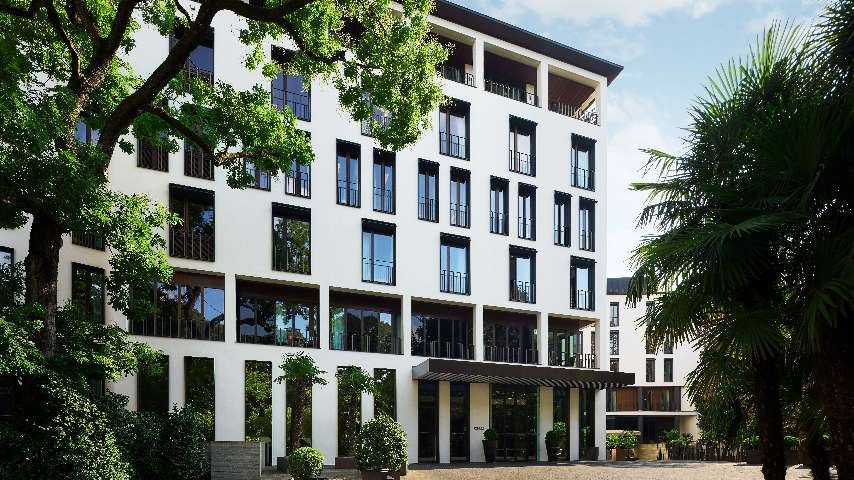
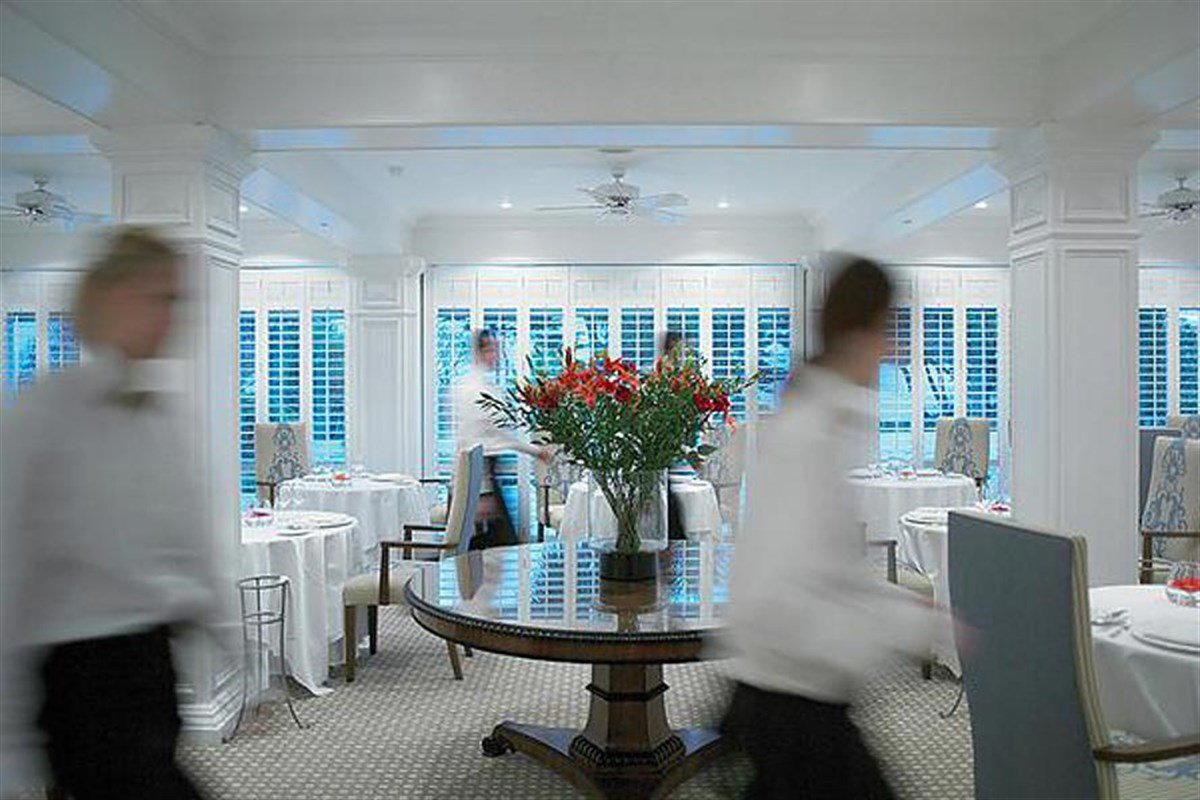
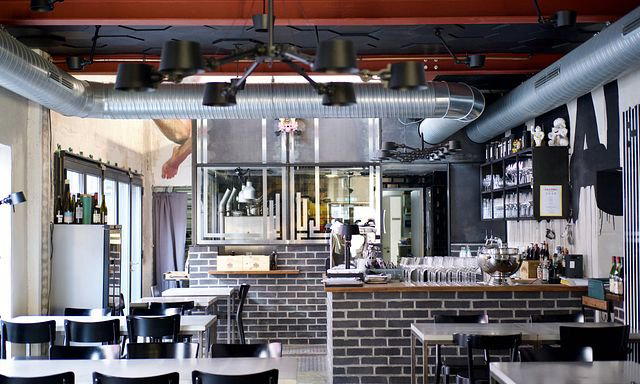
The eight-table format is the first thing to understand: this is a deliberately small operation in Milan's Certosa District, housed in a converted brush factory, where the room itself does as much communicating as the food. Nordic-inflected minimalism, an open kitchen, wide windows pulling in natural light — the visual language is spare and considered, and it sets accurate expectations for what arrives on the plate.
If you have been once and are deciding whether to return, the answer depends on what you ordered. The kitchen runs two distinct paths through its menu, both built on high-quality ingredients and modern technique. The tomato water risotto with parsley oil and mantis shrimp cream is technically precise — the kind of dish where the restraint of the preparation is the point, letting the ingredient quality and the contrast between elements carry the flavour. The whitefish served on black lentils and turmeric is similarly composed: the visual presentation is deliberate, the pairing of delicate protein with earthier base notes is considered rather than obvious. On a return visit, the hazelnut soufflé is the dessert to anchor the meal around. These are dishes that reward attention, not dishes that perform for a photograph.
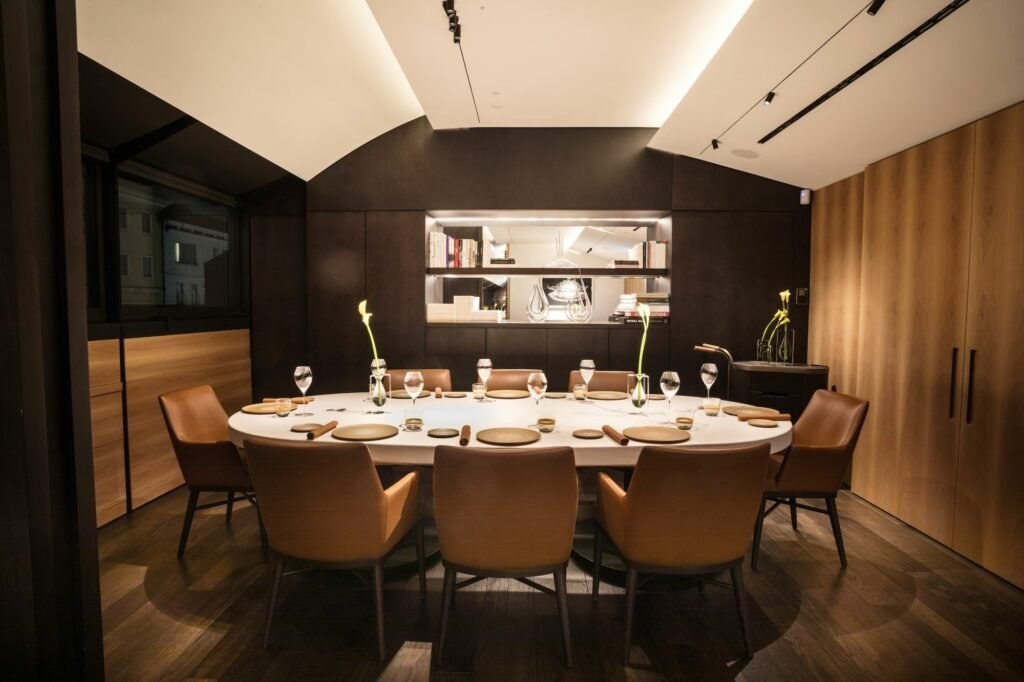
The open kitchen format matters here more than it does at larger restaurants. At eight tables, the kitchen is not a decorative gesture, you are genuinely proximate to the cooking, and the pace of service reflects that intimacy. This is not a room built for a quick dinner before the theatre. The experience is structured, and the room's design encourages you to settle in rather than turn over.
What the Kitchen Does Technically
Abba's culinary approach sits in the contemporary Italian register but draws on Nordic sensibility in its restraint and its preference for clarity over complexity. The technique is modern, the tomato water preparation alone signals a kitchen comfortable with extraction and concentration methods that extract flavour without muddying a dish with unnecessary weight. The mantis shrimp cream element in that risotto demonstrates confidence with shellfish bisque reduction, a technique that is easy to over-salt or over-reduce and that Abba, by all accounts, handles well.
What separates Abba from many of its Milan peers at the €€€ level is the precision applied to relatively humble or under-celebrated ingredients. Whitefish and lentils are not glamorous components. Making them the centrepiece of a €€€ tasting path requires the kitchen to deliver on technique without the safety net of luxury ingredients. The fact that this dish is cited consistently as a highlight is a meaningful signal about the kitchen's actual skill level rather than its access to expensive produce.
The wine list is curated rather than comprehensive, with natural and organic options represented. For a room this size, a deep wine list would be out of proportion, what matters is that the selection is made with the same deliberateness as the food. At lunch, a business menu offers selections from the main menus at a different pace, which makes Abba more accessible for a midday meal than many restaurants operating at this price point.
Booking and Practical Details
Abba is rated easy to book by Pearl's standards. With only eight tables, availability can tighten at weekends, but this is not a venue where you need to plan months in advance. Weekday lunch slots, particularly the business menu format, are the most accessible entry point. If you are visiting for the first time and want the full experience, an evening booking gives you more time with the menu and the room.
The address is Via Varesina, 177, in the Certosa District, northwest of central Milan, away from the tourist-heavy Brera and Navigli areas. For broader context on where to eat, drink, and stay while in the city, see our full Milan restaurants guide, our full Milan hotels guide, and our full Milan bars guide. For wine-focused experiences in the region, our full Milan wineries guide and our full Milan experiences guide are worth checking.
If you are building a broader Italy itinerary and want to benchmark what elite cooking looks like at higher award levels, Osteria Francescana in Modena and Enoteca Pinchiorri in Florence are the relevant reference points. For contemporary cuisine at a similar price tier in other cities, César in New York City and Jungsik in Seoul offer useful comparisons in terms of format and ambition. Within Italy, Le Calandre in Rubano, Piazza Duomo in Alba, Dal Pescatore in Runate, and Atelier Moessmer Norbert Niederkofler in Brunico represent the range of what serious Italian kitchens are doing across different regional traditions.
For other Milan dining worth knowing about, Borgia Milano, Bottega Lucia, Dry Aged, Fourghetti, and Punto G cover different points on the price and style spectrum.
Quick reference: €€€ pricing, eight tables, Certosa District, Michelin Plate 2024 and 2025, easy to book, lunch business menu available.
Planning details
- Location
- Ristorante Abba, Via Varesina, 177, 20156 Milano MI, Italy
- Reservations
- Book on TheFork
- Website
- ristoranteabba.com
- Phone
- +39 02 8568 9735
The take
The Take
The Vibe
Abba occupies a converted brush factory on the edge of Milan and leans into an industrial, quietly refined identity. The room is stripped back and deliberately minimal: eight tables sit well spaced beneath large windows that bring in natural light, and the aesthetic favors Nordic restraint over Italian warmth. The open kitchen keeps the cooking visible without turning it into theatre, so the experience feels deliberate and composed rather than performative. Put simply, Abba is an industrial, low-key address that rewards diners who value careful contemporary cooking in a calm, understated setting.
Best For
Abba is best encountered in the evening when its contemporary Italian cooking and small-room format make dinner feel intentional. With just eight generously spaced tables and a quiet, restrained room, the place suits intimate meals and occasions when food takes priority over spectacle. Its location in Certosa means it also works as a neighborhood destination for diners who live or work nearby and who want a reliably high-quality meal away from Milan’s more tourist-heavy quarters. The Michelin Plate recognition underscores the kitchen’s steady, focused approach.
Ordering Tips
The menu emphasizes contemporary Italian compositions; highlight dishes called out for the restaurant include guinea fowl with chestnuts and quince, cuttlefish with Jerusalem artichoke, and pumpkin gnocchi with robiola and berbere. Choose from those signatures to get a clear sense of the kitchen’s flavors and techniques. Given the small dining room and the open kitchen’s quiet presentation, opt for a few well-chosen plates rather than an overly large spread so the meal stays balanced and attentive to the kitchen’s intent.
Venue details
Ambiance
Spacious, bright dining room with neutral tones, warm lighting, and open kitchen integration creating a balanced and elegant atmosphere.
Tags
Vibe
Best For
Experience
At the Table
- Dress Code
- Smart Casual
- Noise Level
- Quiet
- Service Style
- Upscale Casual
- Meal Pacing
- Leisurely
- Capacity
- Small
Signature Dishes
- guinea_fowl_with_chestnuts_and_quince
- cuttlefish_and_jerusalem_artichoke
- pumpkin_gnocchi_with_robiola_and_berbere
Know before you go
Know Before You Go
- Getting there
- Ristorante Abba, Via Varesina, 177, 20156 Milano MI, Italy
Planning details
Location
Ristorante Abba, Via Varesina, 177, 20156 Milano MI, Italy · Directions
Recognition and awards
Also consider
Also Consider
- Enrico Bartolini, Creative, €€€€
- Cracco in Galleria, Modern Cuisine, €€€€
- Andrea Aprea, Modern Italian, Italian Contemporary, €€€€
- Seta, Modern Italian, €€€€
- Contraste, Progressive Italian, Modern Cuisine, €€€€
Restaurant context
The most direct comparison for Abba is against Milan's €€€€ contemporary restaurants, all of which carry Michelin stars and charge meaningfully more. Andrea Aprea and Seta are both Michelin-starred modern Italian operations with polished service and full tasting menu formats, if you want to spend up and get a starred experience with more ceremony, either is the right call. Abba at €€€ is the better option if you want technical cooking at a lower spend and do not need the tasting menu theatre that comes with a starred room. The gap in price between Abba and these venues is real; the gap in cooking quality is narrower than the award differential suggests.
Contraste is Abba's closest stylistic peer among the €€€€ set, progressive, ingredient-focused, and willing to take risks with composition. If visual spectacle and surprise are priorities, Contraste's format delivers more of that. Abba is the more restrained choice, which is a feature rather than a limitation depending on what you want from the meal. Enrico Bartolini operates at the highest award level in Milan and is the obvious choice if only the best-credentialled kitchen will do, but it requires more planning and a larger budget. Cracco in Galleria adds a prominent Galleria location to the equation, relevant if atmosphere and setting carry weight in your decision.
For readers deciding between these options: book Abba if the €€€ price point is your ceiling and you want technique-driven contemporary cooking in an intimate room. Book Seta or Andrea Aprea if you are willing to spend more for a starred room and the full tasting menu format. Book Contraste if you want progressive Italian at €€€€ with more expressive presentation. Abba is the most accessible of this group to book and the clearest value proposition for the price.
Around this place
Discover more on Pearl
Unlock the full Abba guide in Pearl, including awards, comparisons, FAQs, planning details, and nearby places.
Compare Abba
| Venue | Price | Awards |
|---|---|---|
| Abba | €€€ | 2026 Michelin 1 Star2025 Michelin Plate2024 Michelin Plate |
| Enrico Bartolini | €€€€ | 2026 OAD Top Restaurants in Europe Ranked · #762026 Michelin 3 Stars2026 Les Grandes Tables du Monde Members2026 La Liste Top Restaurants2026 Falstaff Restaurant Guide2025 OAD Top Restaurants in Europe Ranked · #722025 Michelin 3 Stars2025 Michelin 1 Star2025 La Liste Top Restaurants |
| Cracco in Galleria | €€€€ | 2026 Michelin 1 Star2025 OAD Top Restaurants in Europe Ranked · #2282025 Michelin 1 Star2025 Wine Spectator Grand Award2024 OAD Top Restaurants in Europe Ranked · #218World's Best Wine Lists 20242024 Michelin 1 Star2023 OAD Top New Restaurants in Europe Highly Recommended2011 World's 50 Best Restaurants · #33 |
| Andrea Aprea | €€€€ | 2026 OAD Top Restaurants in Europe Recommended2026 Les Grandes Tables du Monde Members2026 Michelin 2 Stars2026 La Liste Top Restaurants2026 Falstaff Restaurant Guide2025 OAD Top Restaurants in Europe Ranked · #3212025 La Liste Top Restaurants2025 Michelin 2 Stars2025 The Best Chef Two Knives |
| Seta | €€€€ | 2026 OAD Classical in Europe Ranked · #332026 Wine Spectator Best of Award of Excellence2026 Les Grandes Tables du Monde Members2026 Michelin 2 Stars2026 La Liste Top Restaurants2026 Falstaff Restaurant Guide2025 OAD Classical in Europe Ranked · #292025 OAD Casual in North America Ranked · #454We're Smart World Top Restaurants 2025 |
| Contraste | €€€€ | 2026 OAD Top Restaurants in Europe Ranked · #96Star Wine Lists 20262026 Michelin 1 Star2026 La Liste Top Restaurants2025 The Best Chef Two Knives2025 La Liste Top Restaurants2024 Michelin 1 Star |
.png?width=1200&quality=80)















What to weigh when choosing between Abba and alternatives.
FAQ
Frequently Asked Questions
Does Abba handle dietary restrictions?
Abba's database record does not detail a formal dietary restriction policy. With only eight tables and a kitchen that works to order across two set-path menus, the format is well-suited to direct conversation at booking — contact the restaurant ahead of your visit to confirm what they can accommodate. The contemporary Italian menu does include fish, shellfish, and dairy-forward dishes, so flagging restrictions early matters here.
Is Abba worth the price?
For the format — eight tables, an open kitchen, and a kitchen focused on precision and restraint — that pricing represents solid value. If you want a full starred experience, budget up; if you want serious cooking without the flagship price tag, Abba is the stronger call.
What should a first-timer know about Abba?
Abba occupies a former brush factory in Milan's Certosa District, runs just eight tables with Nordic-inflected minimalist design, and presents two menu paths rather than a full à la carte spread. Pearl rates it easy to book by Milan fine-dining standards, though weekend slots tighten — midweek dinner is the most reliable window. The lunch format includes a business menu, which is a lower-commitment way to try the kitchen for the first time.
What should I wear to Abba?
The venue's aesthetic is minimalist and Nordic in feel — clean lines, natural light, no tablecloths described in the record. The Certosa District location and the industrial-heritage setting point toward a relaxed but polished dress standard: neat, considered clothing fits the room without needing formal attire. Overdressing for a Michelin-starred room is unlikely to be an issue here; underdressing conspicuously would be.
Is the tasting menu worth it at Abba?
Abba offers two menu paths, and the structured format is the right way to experience the kitchen's technical range — the menu is built around clarity and restraint rather than volume or spectacle. At €€€, it sits at a price point where the commitment feels proportionate to what the kitchen delivers, backed by Michelin Plate status in both 2024 and 2025. If you prefer à la carte flexibility, this is not the right room; the tasting path is how the cooking makes sense.
What are alternatives to Abba in Milan?
For a step up in prestige and price, Seta and Andrea Aprea both hold Michelin stars and operate in central Milan at a higher spend. Contraste offers a similarly intimate, contemporary format with stronger critical profile if tasting-menu dining is the priority. Cracco in Galleria and Enrico Bartolini are larger-room flagships with more formal positioning. Abba is the pick if you want serious contemporary cooking in a smaller, quieter setting without the flagship premium.
Is Abba good for a special occasion?
Yes — eight well-spaced tables in a converted factory with natural light and an open kitchen is a setup that works for a dinner where the room itself needs to feel considered. Michelin Plate recognition in 2024 and 2025 gives it enough credential to carry the occasion without the pressure of a fully starred room. For a birthday or anniversary dinner where you want intimacy over spectacle, Abba fits well; for a milestone where the name recognition matters to your guests, Seta or Andrea Aprea carry more weight.