
Restaurant in Jabbeke, Belgium
Mika
100ptsWest Flemish Seasonal Kitchen
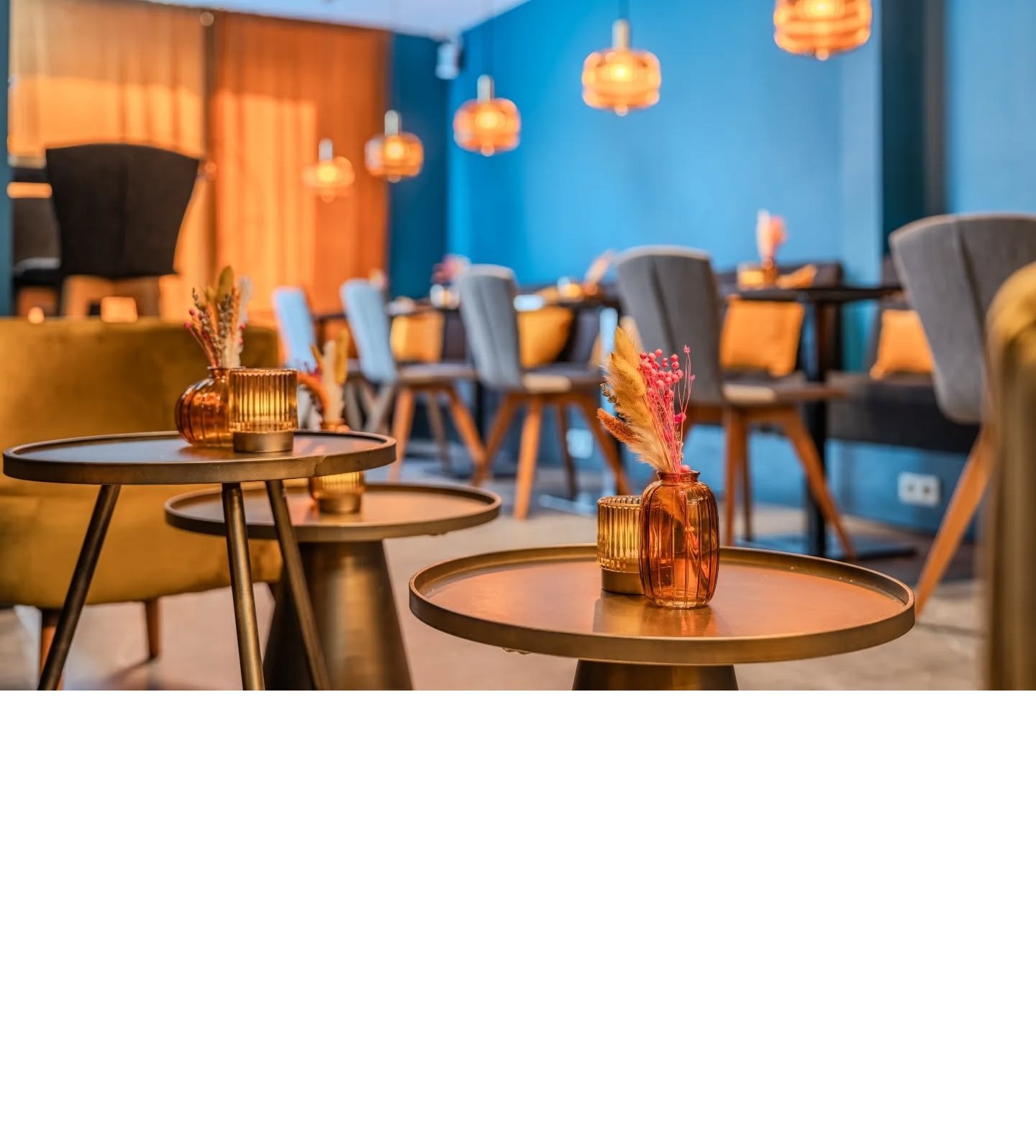
About Mika
Mika occupies a quiet address on Dorpsstraat in Jabbeke, a West Flemish village that has quietly accumulated a serious restaurant scene over the past decade. The kitchen sits within a regional tradition that prizes local sourcing and seasonal discipline — the same framework that has produced some of Belgium's most closely watched rural tables. Booking ahead is advisable for any visit to Jabbeke's better addresses.
A Village That Takes Its Sourcing Seriously
Jabbeke is not a dining destination that announces itself. The village sits between Bruges and the North Sea coast, in a flat agricultural corridor where polders give way to market gardens and the kind of small-scale producers that supply some of Belgium's most carefully considered kitchens. That geography matters. In West Flanders, the distance between field and plate is often shorter than anywhere else in the country, and the restaurants that have built reputations here — including Côté Préféré (Creative French), Ensemble, Fiston, and Saporo — tend to anchor their menus in what the surrounding land produces rather than in imported prestige ingredients. Mika, at Dorpsstraat 14c, sits inside that tradition.
Belgium's broader fine dining conversation tends to concentrate on Antwerp, Brussels, and a handful of Michelin-weighted rural addresses. But the West Flemish corridor has its own logic. Proximity to the sea means North Sea fish and shellfish arrive without the transit penalties that blunt flavour further inland. The agricultural plains between Bruges and Ostend supply vegetables, dairy, and small livestock through networks that predate the current vogue for farm-to-table rhetoric. Kitchens here don't source locally as a marketing position; they do it because the supply chain has always existed and the quality case is self-evident.
What the Address on Dorpsstraat Signals
Village-centre addresses in West Flanders tend to operate differently from urban restaurant rows. Without the foot traffic economics of a city block, a table on a quiet dorpsstraat survives on repeat local custom and deliberate destination visits. That dynamic shapes the kitchen's relationship with its guests: the assumption is that you came specifically, that you have some investment in the experience, and that the sourcing story , where the proteins came from, which farm supplied the vegetables , is part of what you're paying for. It is a format that rewards curiosity rather than convenience.
The broader West Flemish restaurant circuit that Mika joins includes addresses at considerably higher price points and with internationally recognised credentials. Boury in Roeselare and Willem Hiele in Oudenburg represent the upper tier of regional ambition, while Bartholomeus in Heist has built a specific reputation around coastal ingredients. Jabbeke's cluster of tables, including Mika, occupies a more approachable register within that regional hierarchy , the kind of addresses where sourcing discipline and kitchen craft are present without the formal ceremony of a destination tasting counter.
The Regional Sourcing Framework
West Flemish kitchens that take ingredient provenance seriously operate within a specific seasonal calendar. Spring brings white asparagus from the sandy soils around Mechelen and the coastal plain, a crop that Belgian kitchens treat with the same reverence that French tables reserve for Périgord truffle. Summer moves through tomatoes, courgette, and the stone fruit that ripens in the warmer pockets of the province. Autumn is the season for game , hare, pigeon, and venison from the polders and woodland edges , alongside the root vegetables and dried legumes that carry kitchens through to the first spring produce. A kitchen embedded in this calendar will change its menu accordingly, which means a visit in February and a visit in July will share a kitchen philosophy but little else on the plate.
The North Sea influence is equally pronounced. The Belgian coast lies roughly twenty kilometres from Jabbeke, close enough that day-boat fish and shellfish from Zeebrugge and Oostende can reach a kitchen the same morning they are landed. Grey shrimp from the Flemish coast , a product with protected geographical status , represent perhaps the most direct expression of this proximity, appearing in various preparations across the region's serious tables. North Sea sole, turbot, and skate follow the same short supply chain. Restaurants in this corridor that use these ingredients correctly are drawing on a genuinely local larder rather than constructing a sourcing narrative around products that travel the same distances as anywhere else.
For comparison, kitchens in Brussels working at equivalent ambition levels , including Bozar Restaurant in Brussels , face a more complex supply chain for fresh coastal product. The West Flemish advantage is structural, not rhetorical. Tables at the level of Hof van Cleve in Kruishoutem or Zilte in Antwerp work around these constraints through strong producer relationships and premium logistics. Village kitchens in West Flanders simply don't face the same problem to begin with.
How Jabbeke Fits the Wider Belgian Picture
Belgium's restaurant density relative to its population is among the highest in Europe, and the country's appetite for serious cooking extends well beyond its major cities. Rural addresses with genuine kitchen ambition are not anomalies here; they are part of a long tradition of regional dining that predates the current international interest in Belgian gastronomy. The country's Michelin coverage has historically skewed toward Flemish tables, and the West Flemish province in particular has produced a disproportionate share of the country's recognised kitchens relative to its population size. Addresses like De Jonkman in Sint-Kruis, La Durée in Izegem, and Castor in Beveren reflect the density of serious cooking in the Flemish region. Further afield, Wallonia has its own circuit, with L'air du temps in Liernu and d'Eugénie à Emilie in Baudour representing the southern tradition.
Internationally, the sourcing-first ethos that defines West Flemish cooking finds its closest analogues in the Nordic new-wave kitchens that reshaped European fine dining from the mid-2000s onward, and in coastal American tables working within tight seasonal and geographical constraints , including Le Bernardin in New York City and Atomix in New York City, which share the discipline of building menus around ingredient provenance rather than technique showmanship. The geographic and cultural context differs substantially, but the underlying philosophy translates. See our full Jabbeke restaurants guide for a broader picture of what the village's dining scene currently offers.
Planning a Visit
Jabbeke is accessible by car from Bruges in under fifteen minutes via the E40 motorway, and the village is also served by regional rail connections, making it a realistic lunch or dinner destination from the coast or the city. For a table on Dorpsstraat, the practical advice consistent across the village's better addresses applies: contact ahead rather than walking in, be specific about dietary requirements at the time of booking, and allow time to explore the surrounding area before or after the meal. The polders and canal paths around Jabbeke reward an hour on foot or by bicycle, which is the practical rhythm of a day built around a serious meal in a village this size.
Frequently Asked Questions
- Is Mika okay with children?
- Jabbeke's village restaurant scene, including the Dorpsstraat address, skews toward adult diners and occasion meals rather than family-casual formats. Children are not excluded, but the atmosphere at this price level and in this city will suit families with older, adaptable children more comfortably than those with very young ones.
- Is Mika formal or casual?
- Village restaurants in this part of Belgium typically occupy a middle register: the cooking is taken seriously and the service is attentive, but the dress code and atmosphere are less rigid than at award-holding urban tables like those in Antwerp or Brussels. For Jabbeke specifically, smart-casual is the appropriate register , this is not a counter where a jacket is expected, but neither is it a setting where turning up in beachwear would read well.
- What's the must-try dish at Mika?
- Without confirmed menu data, prescribing a specific dish would be speculative. What the kitchen's West Flemish context strongly suggests is that anything built around local coastal produce , North Sea fish, grey shrimp, or seasonal shellfish , will reflect the strongest sourcing advantage this address has over comparable tables further inland. Ask the team at booking what is current; that answer will be more reliable than any fixed recommendation.
- Is Mika part of a broader dining route worth planning around?
- Jabbeke's concentration of serious tables makes it a logical anchor for a day trip that extends to Bruges or the coast. The village's position in the West Flemish corridor, which includes recognised addresses such as Willem Hiele in Oudenburg and Bartholomeus in Heist, means that a single visit can sit within a longer itinerary across one of Belgium's most consistent regional dining circuits. Combining Mika with one of the other Jabbeke tables , Côté Préféré for a creative French counter, or Ensemble for a contrasting format , gives a useful read on the village's range within a single day.
Related editorial
- Best Fine Dining Restaurants in ParisFrom three-Michelin-star icons to the next generation of Parisian chefs pushing boundaries, these are the restaurants that define fine dining in the world's culinary capital.
- Best Luxury Hotels in RomeFrom rooftop terraces overlooking ancient ruins to Michelin-starred hotel dining, these are the luxury hotels that make Rome unforgettable.
- Best Cocktail Bars in KyotoFrom sleek lounges to hidden speakeasies, Kyoto's cocktail scene blends Japanese precision with global influence in ways you won't find anywhere else.
Save or rate Mika on Pearl
Keep this venue in your Pearl passport, rate it after you visit, and track it alongside every other place you collect.