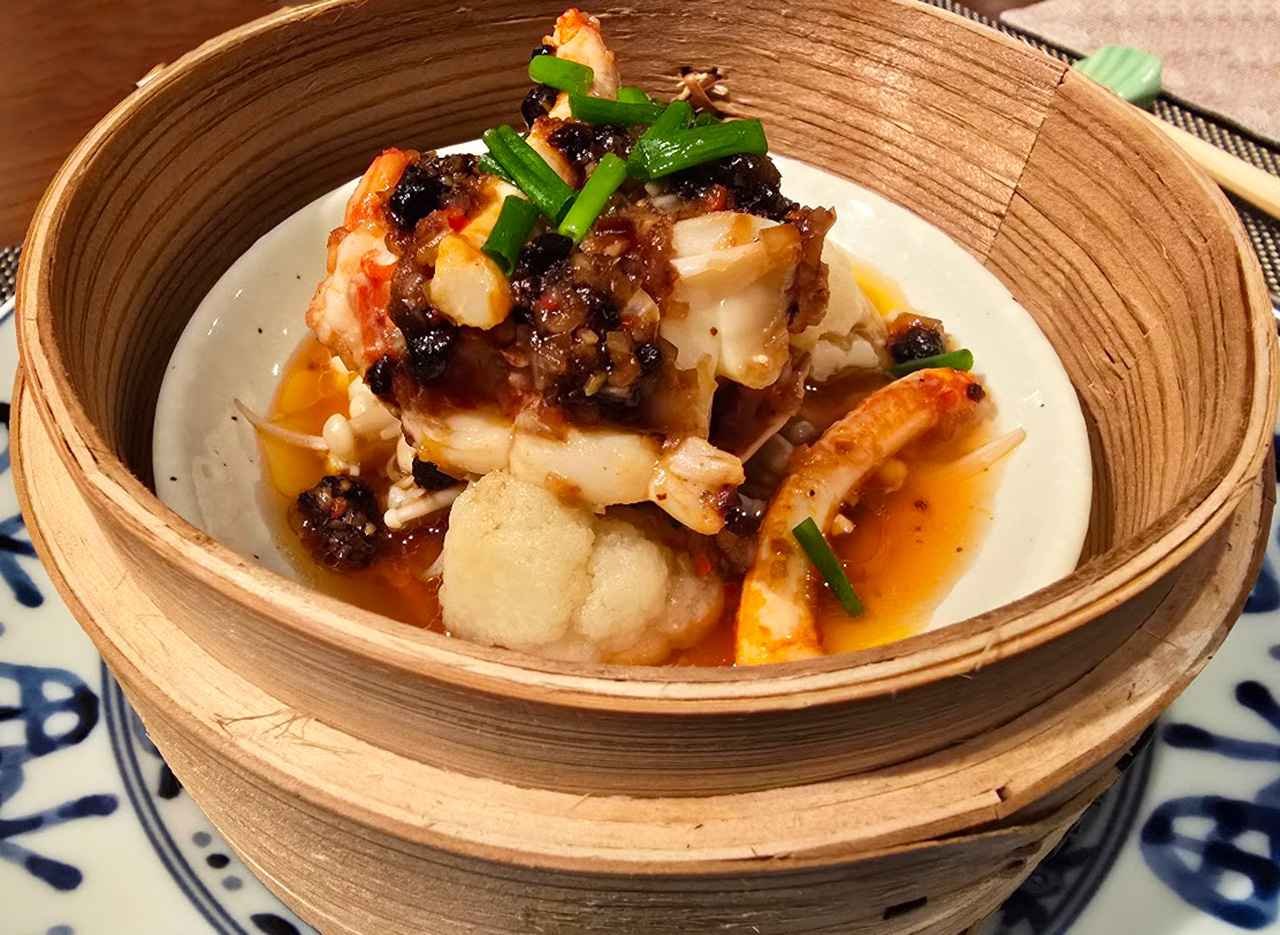
私房菜 きた川
Isederachō, Matsusaka outskirts, Matsusaka
Restaurant in Matsusaka, Japan
 Book with Pearl
The Read
Dress
Smart Casual
Why go
私房菜 きた川 is worth considering for a quieter special-occasion meal in Matsusaka, especially if the group wants something more intimate than the city's better-known beef rooms. It is not the clearest choice for diners who need published pricing, cuisine details, or a famous-name checklist meal before deciding.
About 私房菜 きた川
Is 私房菜 きた川 worth considering in Matsusaka? It may be, especially if its schedule works for your trip: dinner service is listed for Tuesday, Wednesday, Friday, Saturday, and Sunday from 5–10 PM, with Monday and Thursday closed. Beyond the venue name, Matsusaka location, hours, and smart-casual dress code, there are few details to guide advance planning.
A dinner option with limited details
The clearest reason to keep 私房菜 きた川 on a shortlist is practical: it is an evening option in Matsusaka on the nights it is open. Menu format, cuisine category, price range, seating style, and service format are not specified, so it is best to confirm details directly before making plans.
If you want to compare it with other named dining options, Gyugin Honten and Maeshima Shokudo are useful reference points. For a broader scan of local options, use our full Matsusaka restaurants guide.
Who should choose it, and who should not
Consider 私房菜 きた川 if you are specifically looking for a Matsusaka dinner on Tuesday, Wednesday, Friday, Saturday, or Sunday evening and are comfortable checking current details directly with the venue. It is less convenient if you need lunch, Monday dinner, or Thursday dinner, since those services are not listed in the hours.
The practical verdict: choose this when the evening schedule and Matsusaka location fit your plans. If you need a clearly documented menu, price range, seating setup, or dietary policy before committing, compare other options first or contact the venue for the latest information.
Planning details
- Location
- 1020 Isederacho, Matsusaka, Mie 515-0845, Japan
- Phone
- +81598631888
The take
The Take
The Vibe
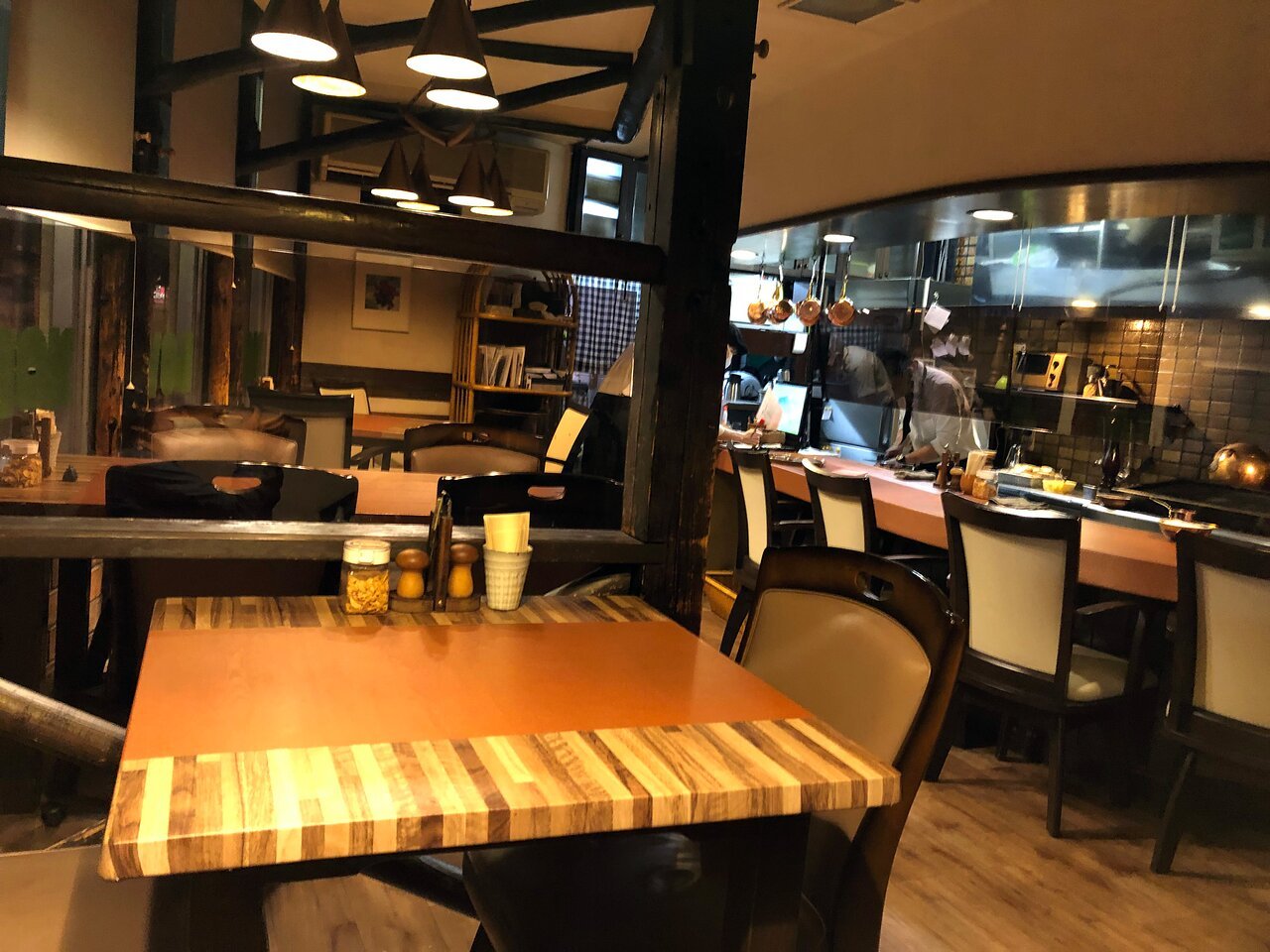
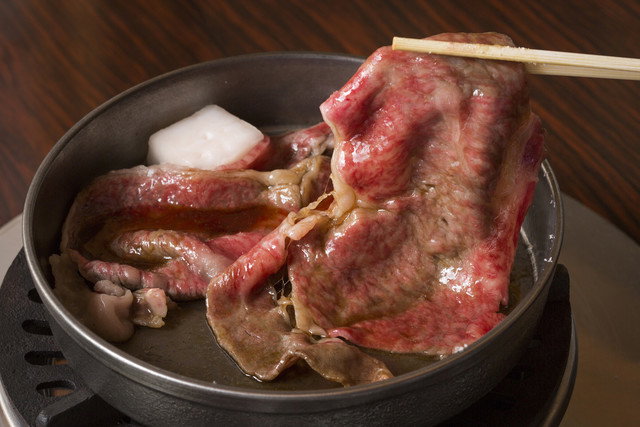
Kitagawa (私房菜 きた川) presents as an intimate, ingredient-driven private kitchen tucked into Matsusaka’s residential streets. The writing emphasizes the city’s almost sacred relationship to Matsusaka beef and describes the restaurant as operating on a small, deliberate scale—more like a kappo counter or an omakase room than a commercial dining spot. That compact, chef-forward setup produces a cozy, quietly charming atmosphere where precision and provenance take center stage. The room feels deliberate rather than theatrical: you’re here for careful sourcing, close attention from the cook, and a muted, sophisticated experience that highlights local Wagyu and seasonal Chinese-Japanese dishes.
Best For
This private-kitchen format is best suited to focused dinner outings—special evenings that prioritize food and provenance over spectacle. The menu’s signature items, from Matsusaka beef gyoza to spring rolls with hairy crab and scallops and braised dried shark fin, position the meal as a destination tasting rather than casual grazing. Because the restaurant operates on a small scale and with an intentional guest list, it’s ideal for date nights, celebratory dinners, or any occasion when you want a quiet, refined experience anchored in one of Japan’s most celebrated local ingredients.
Ordering Tips
Reserve in advance and request the counter if you want the full private-kitchen interaction with the chef; the description explicitly links the place to kappo and omakase-style service. Focus your order around the signature dishes—Matsusaka beef gyoza, the hairy crab and scallop spring rolls, mapo tofu, and the one-sided fried noodles with sauce—to sample the kitchen’s strengths. Given the small, deliberate format and local sourcing emphasis, expect a curated sequence rather than a la carte bustle; ask staff about the best preparations of Matsusaka beef on the night you visit.
Venue details
Ambiance
Serene and refined atmosphere in a meticulously restored traditional Japanese farmhouse with modern touches; intimate and contemplative setting that emphasizes culinary craftsmanship.
Tags
Vibe
Best For
Experience
Sourcing
At the Table
- Dress Code
- Smart Casual
- Noise Level
- Quiet
- Service Style
- Formal
- Meal Pacing
- Extended Experience
- Capacity
- Intimate
Signature Dishes
- Matsusaka beef gyoza
- spring rolls with hairy crab and scallops
- braised dried shark fin
- mapo tofu
- one-sided fried noodles with sauce
Know before you go
Know Before You Go
- Getting there
- 1020 Isederacho, Matsusaka, Mie 515-0845, Japan
Planning details
Location
1020 Isederacho, Matsusaka, Mie 515-0845, Japan · Directions
Also consider
Also Consider
- Shibousai Kitagawa, Chinese, Chinese
- Maeshima Shokudo, JPY 1,000 - JPY 1,999 JPY 1,000 - JPY 1,999, JPY 1,000 - JPY 1,999 JPY 1,000 - JPY 1,999
- Gyugin Honten, JPY 10,000 - JPY 14,999 JPY 10,000 - JPY 14,999, JPY 10,000 - JPY 14,999 JPY 10,000 - JPY 14,999
- Yoshokuya Gyugin, JPY 4,000 - JPY 4,999 JPY 1,000 - JPY 1,999, JPY 4,000 - JPY 4,999 JPY 1,000 - JPY 1,999
- Wadakin, Sukiyaki, Sukiyaki
Restaurant context
How it compares in Matsusaka
Choose 私房菜 きた川 for a quieter, more private-feeling meal; choose Gyugin Honten when the priority is a defined Matsusaka beef splurge in the JPY 10,000–14,999 range. Wadakin is the more direct sukiyaki call, especially for visitors who want the city's beef tradition to be the point of the meal.
For value, Maeshima Shokudo is the safer budget pick at JPY 1,000–1,999, while Yoshokuya Gyugin sits in the middle, useful when a group wants a more casual Western-style meal without going straight to a high-spend beef room. Shibousai Kitagawa is the closest conceptual comparison because of the Chinese listing, but the decision should come down to whether the night needs intimacy or a clearer category promise.
Booking difficulty is listed as easy for 私房菜 きた川, so it works as a lower-friction special-occasion option compared with more name-driven beef venues. For ambiance, pick it when a contained room matters; pick Maeshima Shokudo when price matters; pick Gyugin Honten or Wadakin when Matsusaka beef is the non-negotiable reason for dinner.
Explore Matsusaka
Around this place
Discover more on Pearl
Unlock the full 私房菜 きた川 guide in Pearl, including awards, comparisons, FAQs, planning details, and nearby places.
Compare 私房菜 きた川
| Venue | Location | Cuisine | Price | Awards |
|---|---|---|---|---|
| 私房菜 きた川 | Matsusaka | , | , | No published awards |
| Shibousai Kitagawa | Matsusaka | Chinese | , | No published awards |
| Maeshima Shokudo | Matsusaka | , | JPY 1,000 - JPY 1,999 JPY 1,000 - JPY 1,999 | Tabelog 100 - Chicken cuisine - 2025 · #29 |
| Gyugin Honten | Matsusaka | , | JPY 10,000 - JPY 14,999 JPY 10,000 - JPY 14,999 | Tabelog 100 - Hot Pot - 2024 · #72 |
| Yoshokuya Gyugin | Matsusaka | , | JPY 4,000 - JPY 4,999 JPY 1,000 - JPY 1,999 | Tabelog 100 - Yoshoku - WEST - 2025 · #45 |
| Wadakin | Mie | Sukiyaki | , | No published awards |

How 私房菜 きた川 Matsusaka compares with similar nearby venues.
FAQ
Frequently Asked Questions
Is 私房菜 きた川 good for solo dining?
It may work for solo dining, but seating format or solo-diner policy is not specified. The hours are evening-only on Tuesday, Wednesday, Friday, Saturday, and Sunday from 5–10 PM, so it is not a lunch option.
What should I wear to 私房菜 きた川?
The dress code is smart casual. Simple, neat clothing is the safest choice for dinner in Matsusaka.
Is 私房菜 きた川 good for a special occasion?
It could be considered for a Matsusaka dinner if its schedule fits your plans, but details about private rooms, seating capacity, menu format, or occasion-specific service are not specified. Confirm directly with the venue before planning an important meal.
What are alternatives to compare with 私房菜 きた川?
Other named options to compare include Gyugin Honten, Wadakin, Maeshima Shokudo, Shibousai Kitagawa, and Yoshokuya Gyugin. Choose based on the details you can confirm for your date, such as hours, menu, budget, and booking requirements.