Hosa
Siolim, Mapusa
Restaurant in Mapusa, India
 Book with Pearl
The Read
Price
$30–50per person
Dress
Casual
Why go
Hosa is a practical pick near Siolim when the brief is a composed north Goa meal with flexible lunch and dinner hours. It is better for couples or small celebrations than for groups needing confirmed seating details, bar dining, or a published price tier before planning.
About Hosa
Hosa is a Mapusa venue with a simple profile: it operates daily in two service windows, 12–4 PM and 7–11 PM, and lists a casual dress code. Those two confirmed points are useful, but they also define the limits of what should be assumed. Compare it with Gunpowder, Hideaway, Bomras, Banyan Tree, and Seven Rivers Brewing Co. Choose it when the timing works for a lunch or dinner plan.
Book for a Mapusa meal with flexible daily hours
The strongest reason to choose Hosa is scheduling clarity. Current hours cover both lunch and dinner every day: 12–4 PM and 7–11 PM from Monday through Sunday. That makes it easier to fit into a daytime or evening plan than a venue with narrower service windows, especially when the main requirement is simply finding a Mapusa option that is listed for both parts of the day.
For a time-sensitive plan, Hosa may still be worth considering if the daily lunch-or-dinner timing suits your schedule. The key is to separate scheduling convenience from the parts of the experience.
Service expectations should be clear before you go
That does not rule Hosa out; it simply means diners should confirm essentials before planning around it. The casual dress code is confirmed, so the practical read is direct: plan for a casual Mapusa meal during the listed lunch or dinner hours, and verify anything more specific in advance, particularly if the visit depends on a certain table setup, ordering style, or pace of service.
If the plan is dining-led, keep Hosa in the mix with Gunpowder, Hideaway, Bomras, Banyan Tree, Seven Rivers Brewing Co. and the full Mapusa restaurants guide. In other words, use it as one candidate on a shortlist, then narrow the choice once the venue has confirmed the practical details that matter for your meal.
Quick reference: choose Hosa for a casual Mapusa lunch or dinner with daily split service; confirm menu, pricing, booking, seating, and group details directly before you go.
Planning details
- Location
- House no.60/1, Irada Home, Vaddy, near St. Anthony’s Church, Siolim, Bardez, Goa 403517, India
- Reservations
- Book on the venue's website
- Website
- hosarestaurant.com
- Phone
- +917498627977
The take
The Take
The Vibe
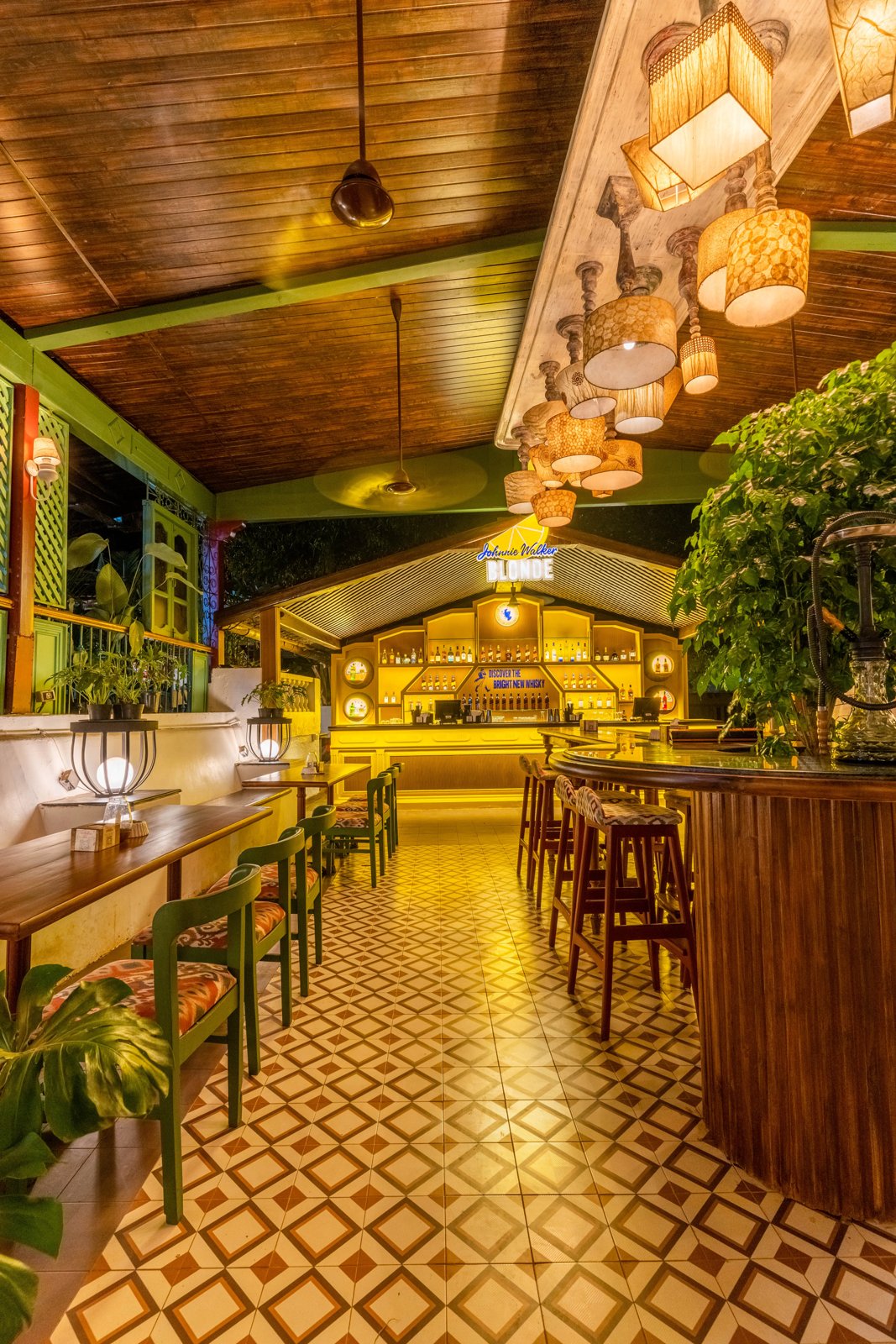
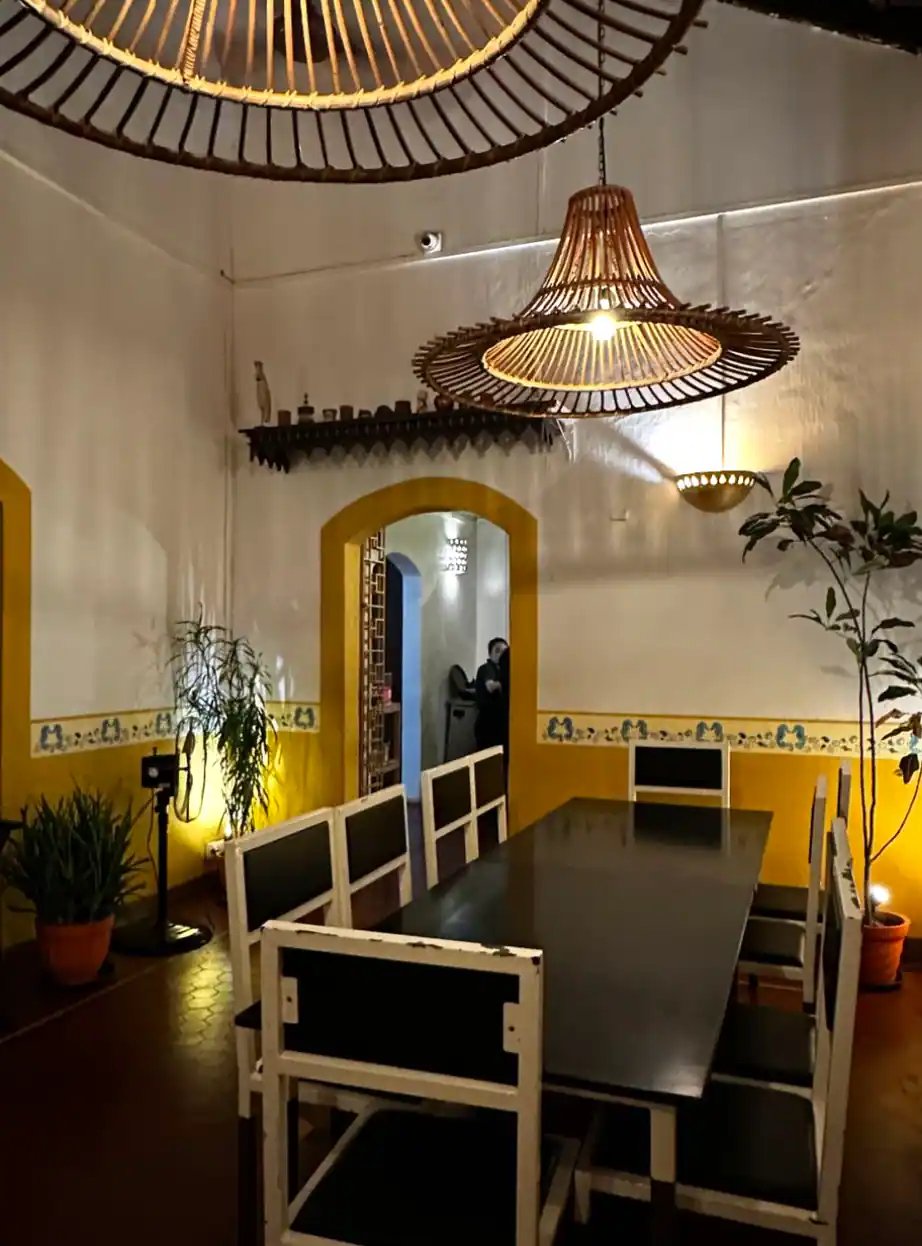
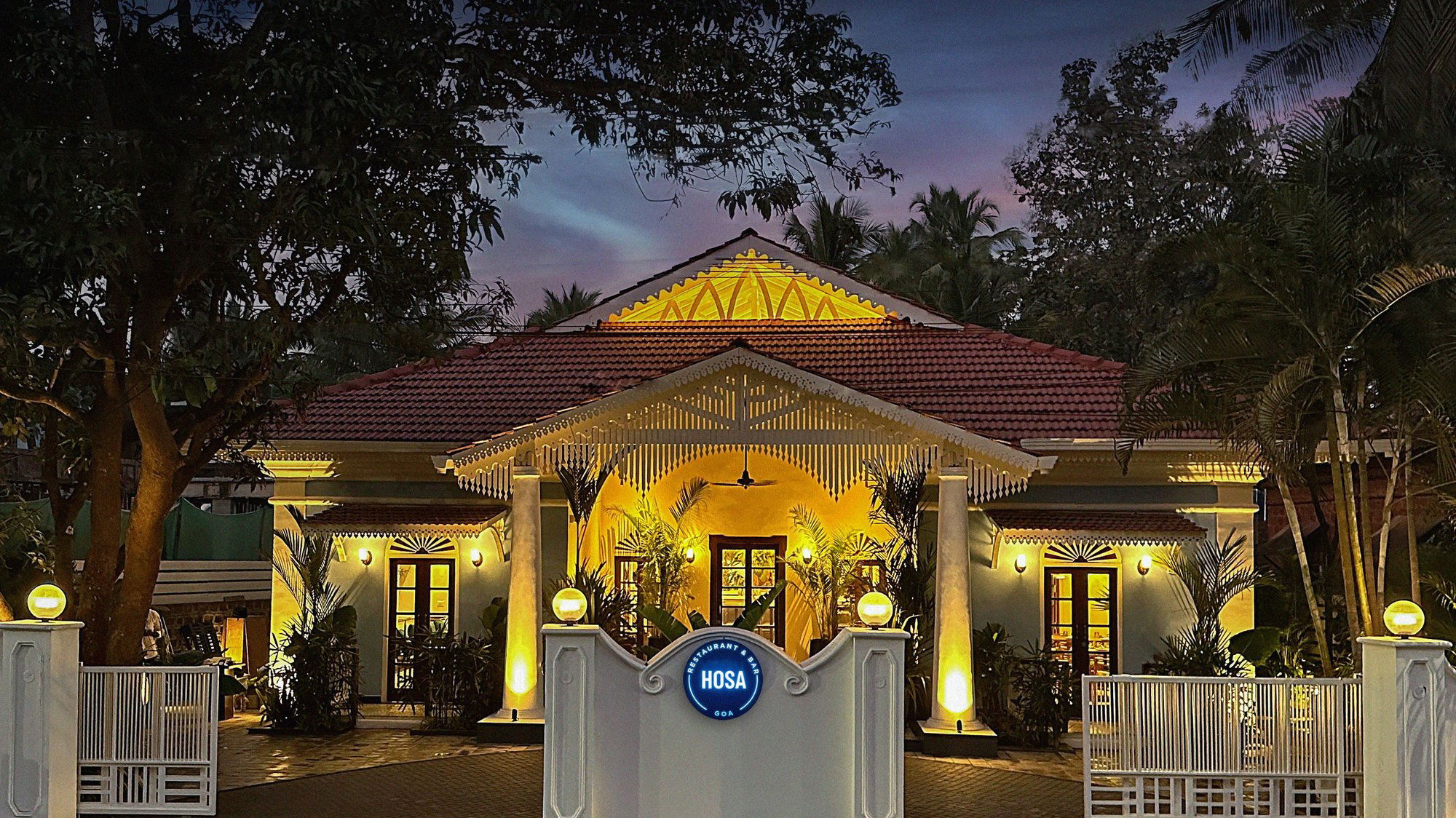
Hosa reads as a village table rather than a destination built to impress from the street. Located in Siolim’s Vaddy neighbourhood near St. Anthony’s Church, it sits within a quieter, more rooted pocket of North Goa where the meal itself is the point. The dining room privileges pacing over polish: service and layout are arranged to slow the room, encourage another drink and let pauses between courses feel intentional. That low-key, slightly secluded quality makes Hosa feel like a thoughtful, intimate spot for diners who prefer atmosphere and slow unfolding to spectacle.
Best For
Hosa is best for unhurried meals with friends or small groups who appreciate setting-led dining. The profile suits diners who are deliberately seeking out Siolim’s calmer tables rather than passing tourists; arriving without a tight timetable is part of the point. It works well for lingering dinners and after-work unwinding when you want to stretch a meal into an evening: the format rewards patience and conversation. If you’re looking for a rooted, quiet counterpoint to Goa’s louder strips, Hosa fits that bill.
Ordering Tips
Treat a visit to Hosa like a ritual rather than a quick restaurant run: expect the meal to unfold and resist packing other plans around it. The space encourages a second drink and leaves gaps between courses as part of the experience, so order with relaxation in mind. Dosas are a signature, so save room to try them, and don’t be surprised if service paces the evening deliberately; build in time to linger and let plates arrive in their own rhythm.
Venue details
Ambiance
Vibrant and lively atmosphere with contemporary design that respects the traditional Goan architectural setting.
Tags
Vibe
Best For
Experience
At the Table
- Dress Code
- Casual
- Noise Level
- Lively
- Service Style
- Upscale Casual
- Meal Pacing
- Standard
- Capacity
- Medium
- Kitchen
- Modern
- Menu Format
- A la carte
- Drinks Focus
- Cocktails
- Dietary
- Vegetarian friendly
- Outdoor Seating
- Yes
Signature Dishes
dosas
Know before you go
Know Before You Go
- Getting there
- House no.60/1, Irada Home, Vaddy, near St. Anthony’s Church, Siolim, Bardez, Goa 403517, India
Planning details
Location
House no.60/1, Irada Home, Vaddy, near St. Anthony’s Church, Siolim, Bardez, Goa 403517, India · Directions
Also consider
Where to go if Hosa is not the right fit
Pick Gunpowder if the priority is a proven Mapusa-area restaurant name for food-led plans. Pick Bomras if the group wants Indian Fusion called out clearly before choosing.
For a drinks-led evening, Seven Rivers Brewing Co. is the cleaner alternative. For a more destination-style room, compare availability at Banyan Tree.
Restaurant context
How Hosa compares in and around Mapusa
Choose Hosa over Gunpowder or Hideaway when scheduling flexibility matters: daily lunch and dinner service makes it easier to plan around north Goa days. Gunpowder and Hideaway are stronger cross-shops if the priority is a known local dining circuit rather than a quieter Siolim-area meal.
Bomras is the clearer pick for diners specifically looking for Indian Fusion, because that cuisine positioning is explicit. Hosa fits occasions centered on location and atmosphere. For drinks-first plans, Seven Rivers Brewing Co. should be higher on the list.
Banyan Tree is the comparison to consider when the meal needs a more destination-style feel. Hosa is the lower-friction choice for an easy Siolim booking; Banyan Tree is the better fallback when the room itself is the point of the evening.
Explore Mapusa
Around this place
Discover more on Pearl
Unlock the full Hosa guide in Pearl, including awards, comparisons, FAQs, planning details, and nearby places.
Compare Hosa
| Venue | Location | Cuisine | Awards |
|---|---|---|---|
| Hosa | Mapusa | , | No published awards |
| Gunpowder | Mapusa | , | No published awards |
| Hideaway | Mapusa | , | No published awards |
| Bomras | Anjuna | Indian Fusion | 2026 La Liste Top Restaurants2025 La Liste Top Restaurants |
| Seven Rivers Brewing Co. | Candolim | , | No published awards |
| Banyan Tree | Candolim | , | 2026 Wine Spectator Award of Excellence |


How Hosa Mapusa compares with similar nearby venues.
FAQ
Frequently Asked Questions
Is Hosa good for a special occasion?
It can be considered for a special occasion if the timing works for your plan. Hosa is open daily for lunch from 12–4 PM and dinner from 7–11 PM, and the dress code is casual. Other details that often matter for celebrations, such as menu format, pricing, seating, and group capacity, should be confirmed directly.
What are alternatives to compare with Hosa?
For comparison planning, you can look at Hosa alongside names such as Gunpowder, Bomras, Hideaway, Banyan Tree, and Seven Rivers Brewing Co. while also checking other Mapusa dining options generically. Use Hosa's daily lunch and dinner hours as the main planning anchor, and verify cuisine, pricing, and booking details separately.
Is lunch or dinner better at Hosa?
Both are available daily. Lunch runs from 12–4 PM, and dinner runs from 7–11 PM.