.png?width=1200&quality=80)
Sushi Bar Tottori
Japanese · Recoletos, Madrid
Restaurant in Madrid, Spain
 Book with Pearl
The Read
Salamanca-District Precision
Price
$50–100per person
Dress
Smart Casual
Why go
Sushi Bar Tottori holds back-to-back Michelin Plates (2024–2025) and, making it the most credentialed Japanese option at the €€€ price point in Madrid's Salamanca district. Book one to two weeks ahead for weekdays, longer for weekends. The format rewards a return visit — use the first to orient, the second to order with intent.
About Sushi Bar Tottori
Should You Book Sushi Bar Tottori?
Yes — with a specific caveat. Sushi Bar Tottori has earned back-to-back Michelin Plates in 2024 and 2025, which puts it in a small group of Madrid Japanese restaurants credentialed by a credible external source. At the €€€ price point, it sits a tier below the city's big-ticket tasting-menu destinations and a tier above the casual conveyor-belt end of the market. For a food-focused traveller who wants serious Japanese cooking without committing to a €€€€ blowout, this is the right call. If you are already comfortable at that upper tier, read the comparison section below before deciding.
The Space
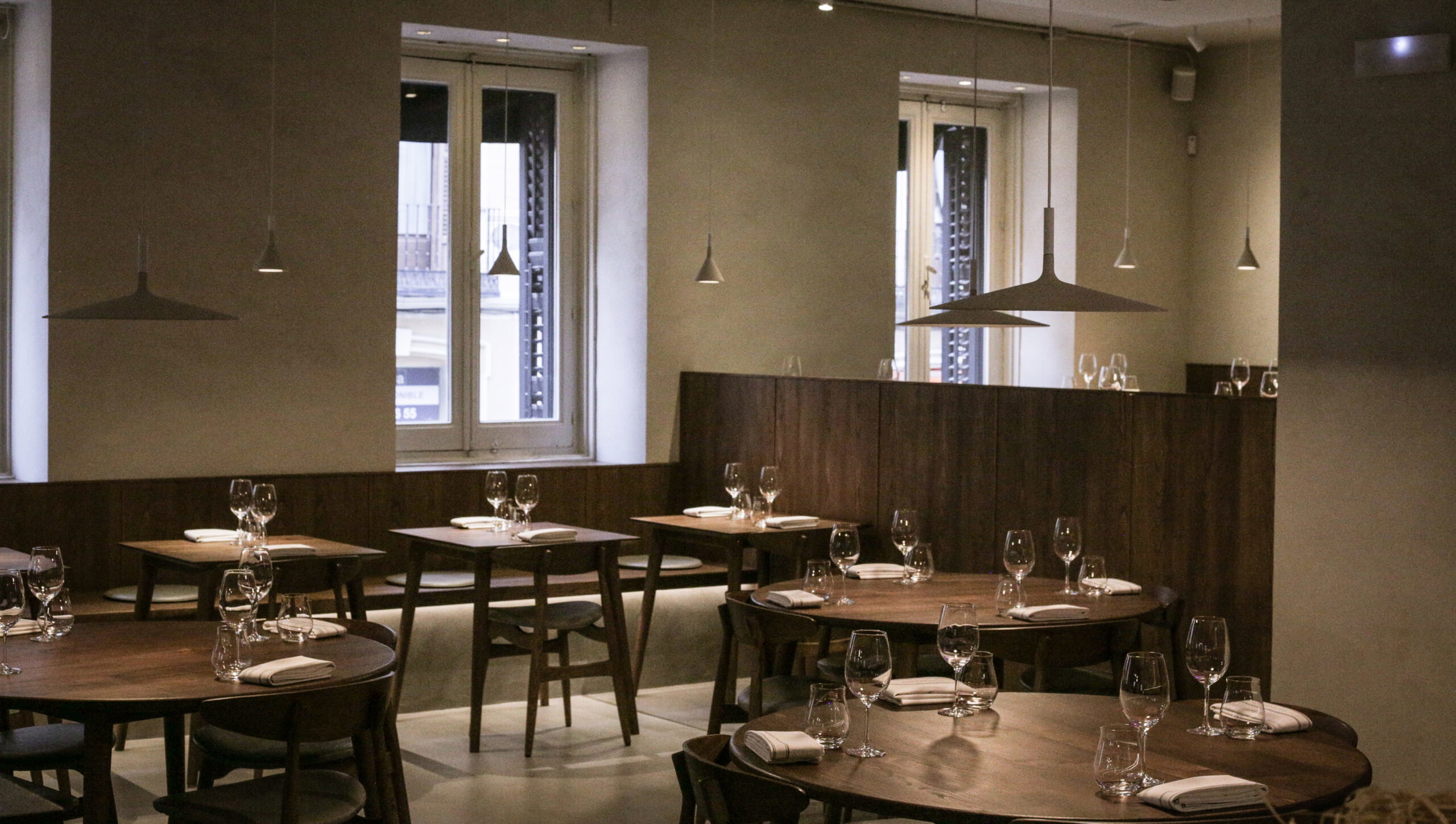
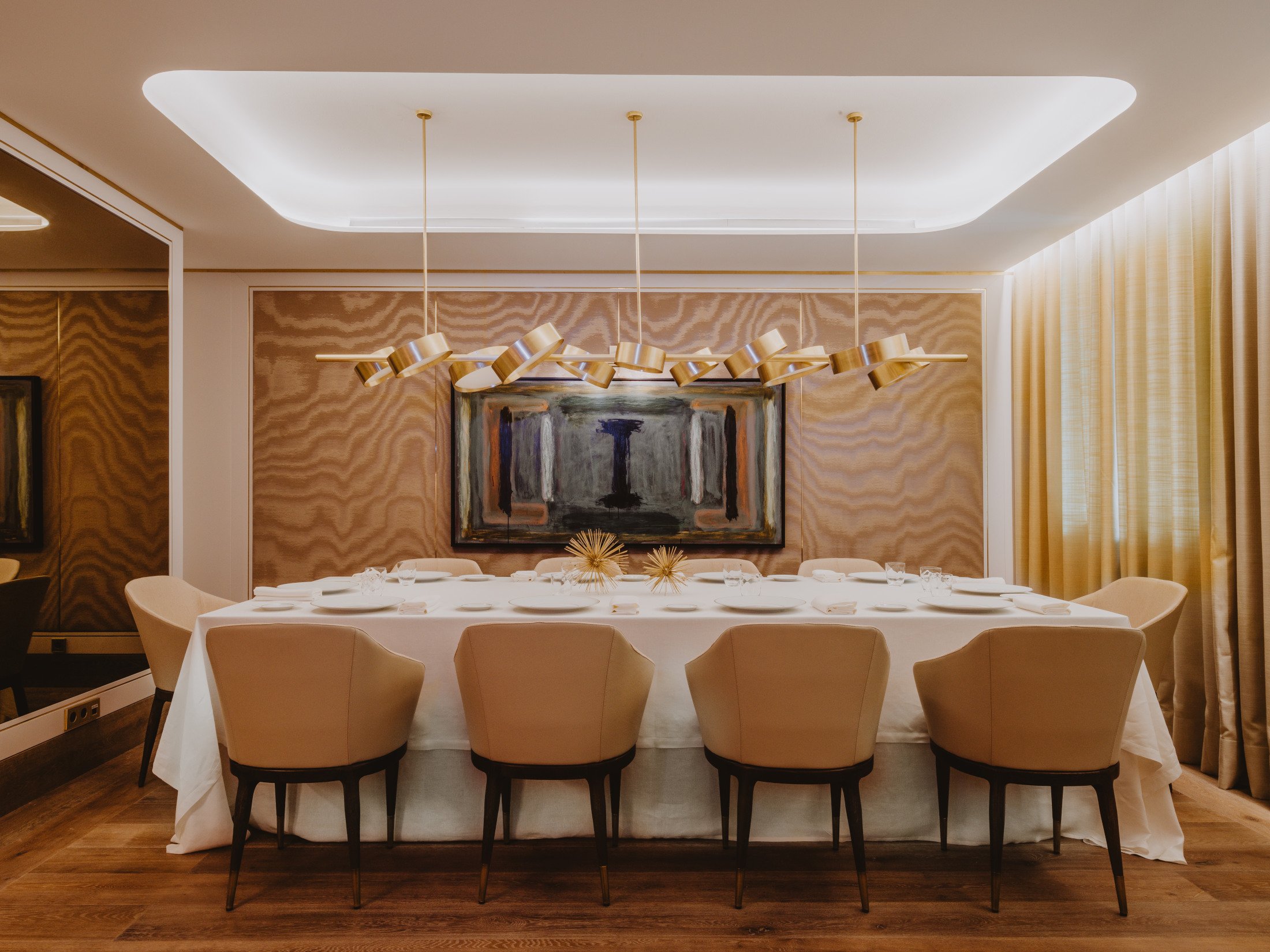
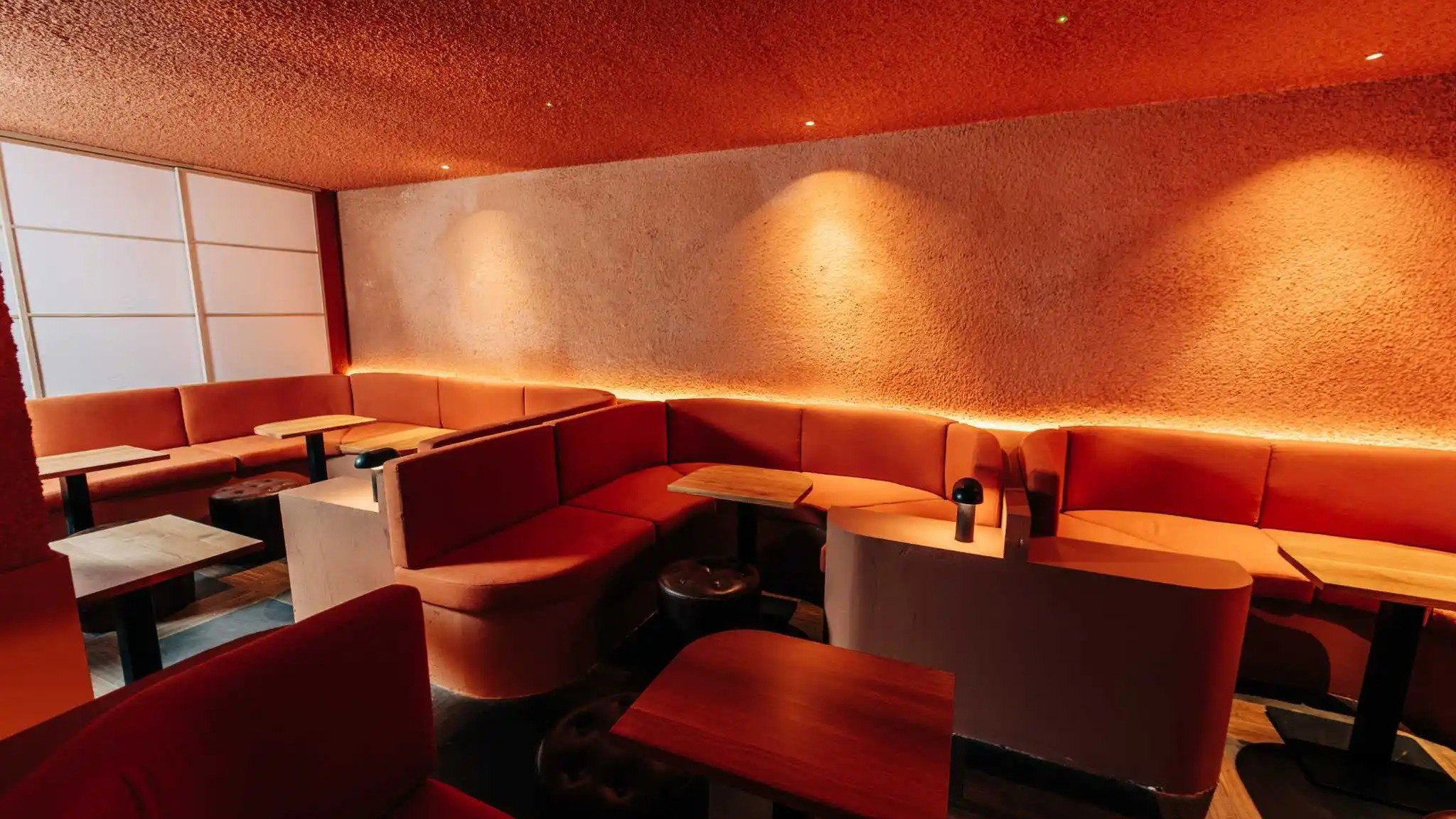
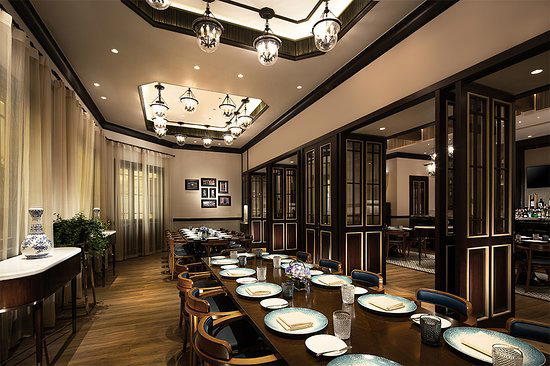
Sushi Bar Tottori occupies a spot on Calle de Lagasca in the Salamanca district, one of Madrid's more polished residential neighbourhoods, where the surrounding streets run to boutique fashion houses and quiet terraces rather than tourist crowds. The address is useful context: this is a dining room that draws a local clientele who live and work nearby, not a venue propped up by passing foot traffic. That tends to translate into a certain consistency of atmosphere — the room does not swing between packed tourist service and empty midweek indifference in the way that some city-centre restaurants do. Based on what the Salamanca setting and the Japanese restaurant format typically produce, expect a compact, orderly space where counter seating, if available, will give you the closest vantage point to the kitchen. The physical intimacy of a well-run sushi counter is the format at its finest; if the option exists, it is worth requesting.
Multi-Visit Strategy: What Changes (and What Doesn't) on a Return Trip
The return visitor angle matters here more than at most Madrid restaurants. A first visit to Sushi Bar Tottori is logically spent understanding the format, what the kitchen emphasises, how the pacing works, whether you are ordering à la carte or working through a set structure. The Michelin recognition suggests consistent execution, which is precisely what makes a second visit productive: you can arrive with specific intent rather than orientation.
On a second visit, focus your decisions. If you defaulted to a set menu on visit one, try building your own order à la carte, assuming the format allows it, this is where you learn which items the kitchen does leading versus which are filler. Conversely, if you ordered freely on the first trip, a structured menu on the return lets you see the kitchen's preferred sequencing. Across two visits you will get a much clearer read on value: whether the price-to-quality ratio holds at different price points within the same restaurant, and whether the Michelin Plate recognition reflects a floor of quality or a ceiling.
A third visit, if you find yourself returning, is the point at which seasonal variation becomes relevant. Japanese restaurants at this level typically rotate fish selection and small accompaniments based on what is available, even if the core menu structure stays fixed. Visiting across different times of year, say, once in the cooler months when Spanish market produce shifts, and once in summer, gives you a more complete picture. That said, the database does not confirm specific seasonal menus here, so treat this as general guidance for the format rather than a confirmed feature of this venue.
When to Go
The Salamanca neighbourhood runs quieter at lunch on weekdays, which makes a midweek lunch booking the lowest-friction option for first-timers who want to take their time and not feel the pressure of a full evening service. Friday and Saturday evenings will draw the densest crowds given the area's restaurant culture, and a Michelin-recognised room at this price point will fill faster on those nights. If your priority is counter seating or a specific table configuration, an earlier sitting on a weekday evening is the safer choice. Madrid dining generally runs late by northern European standards, dinner services typically begin at 9 PM and peak later, so if you prefer a quieter room, an 8:30 PM booking often catches the tail end of a service before the main wave arrives.
How It Rates
A 4.4 across 834 ratings at a €€€ Japanese specialist in a neighbourhood with high baseline expectations is a solid signal. It suggests the kitchen delivers consistently enough to satisfy a wide range of diners, without the polarising reviews that sometimes accompany more experimental formats. Awards: Michelin Plate 2024 and 2025, not a star, but a recognised marker of quality that Michelin applies to restaurants worth noting.
Practical Details
Reservations: No booking platform is confirmed in our data, check the restaurant directly. Dress: Salamanca is a smart neighbourhood; smart-casual is a safe default. Budget: €€€, positioning this above casual Japanese but below the €€€€ tasting-menu tier. Expect a meaningful spend per head, with drinks adding significantly to the total. Location: Calle de Lagasca, 67, Salamanca, well-served by Madrid's metro network.
Pearl Picks: More Japanese in Madrid
- Yugo The Bunker, for a more theatrical Japanese experience in Madrid
- Ebisu by Kobos, worth comparing at a similar price tier
- Hotaru Madrid, another credentialed option in the city
- Ikigai Flor Baja, the Flor Baja outpost of a respected Madrid Japanese name
- Ikigai Velázquez, the Velázquez address for comparison across the same group
Explore More in Madrid and Beyond
- Our full Madrid restaurants guide
- Our full Madrid hotels guide
- Our full Madrid bars guide
- Our full Madrid wineries guide
- Our full Madrid experiences guide
Japan's Leading for Context
If Japanese cuisine is a serious priority on your travels, the reference points are worth knowing. Myojaku in Tokyo and Azabu Kadowaki in Tokyo represent what the format produces at its most demanding end. Sushi Bar Tottori is not trying to compete with those rooms, it is offering serious Japanese cooking within a Madrid context, and that is the right frame for evaluating it.
Spain's Broader Fine Dining Map
If you are building a Spain itinerary around food, the comparison set extends well beyond Madrid. Quique Dacosta in Dénia, Cocina Hermanos Torres in Barcelona, El Celler de Can Roca in Girona, Arzak in San Sebastián, Azurmendi in Larrabetzu, and Martin Berasategui in Lasarte-Oria are the names to know at the starred end. Sushi Bar Tottori sits in a different register, it is the case for serious Japanese cooking in the capital, not a competitor to Spain's three-star Spanish restaurants.
Planning details
- Location
- Calle de Lagasca, 67, Salamanca, 28001 Madrid, Spain
- Website
- sushibartottori.com/restaurantes/lagasca-67
- Phone
- +34 918 21 45 73
The take
The Take
The Vibe
Sushi Bar Tottori presents a composed, tightly focused dining room that privileges technical precision over theatrical flourishes. Nestled on Lagasca in Salamanca, the place reads as disciplined and understated: service and cooking aim for consistency, not excess. Two consecutive Michelin Plate recognitions underline a kitchen that values reliable technique and restraint. The counter-format setting concentrates attention on the food and the chefs’ craft, producing an intimate, quietly exacting atmosphere where seasoned diners accustomed to Tokyo or New York standards will appreciate the clarity of execution.
Best For
Tottori is best suited to small, intentional evenings: date nights, special occasions and other celebrations where the meal is the point. The counter seating creates an intimate encounter with the kitchen, making it ideal for couples and small parties who want a focused, chef-forward experience. Well-travelled diners and those who prize technical consistency over novelty will feel at home here. While not an ostentatious destination, its Michelin Plate credentials make it a reliable choice when you want a refined, quietly elevated dinner without the frenzy of three-month queues at starred counters.
Ordering Tips
Aim for counter seating to watch the chefs and to get the most direct experience of the kitchen’s discipline. The menu favors carefully executed, often simple preparations, so order a selection that showcases technique rather than complexity; consider the house signatures listed—Flambéed Wagyu 5A Nigiri, Portobello Nigiri with Caramelized Foie, Lagoustine Tempura and the Tonkatsu Sandwich—to sample the range. The restaurant’s Michelin Plate renewals signal consistent standards, so approach ordering with an appreciation for restraint and balance. Reservations are advisable for counter spots.
Venue details
Ambiance
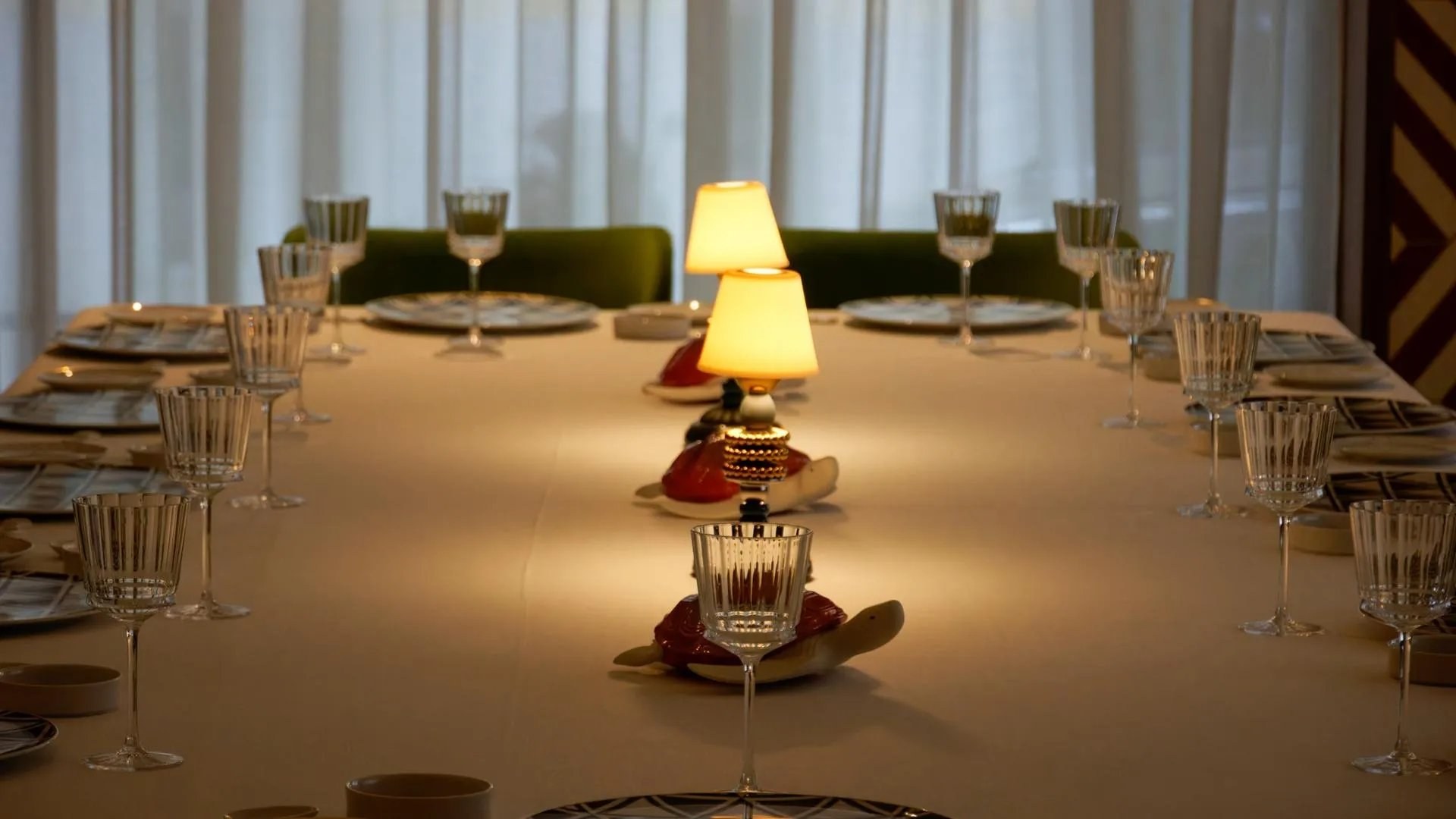
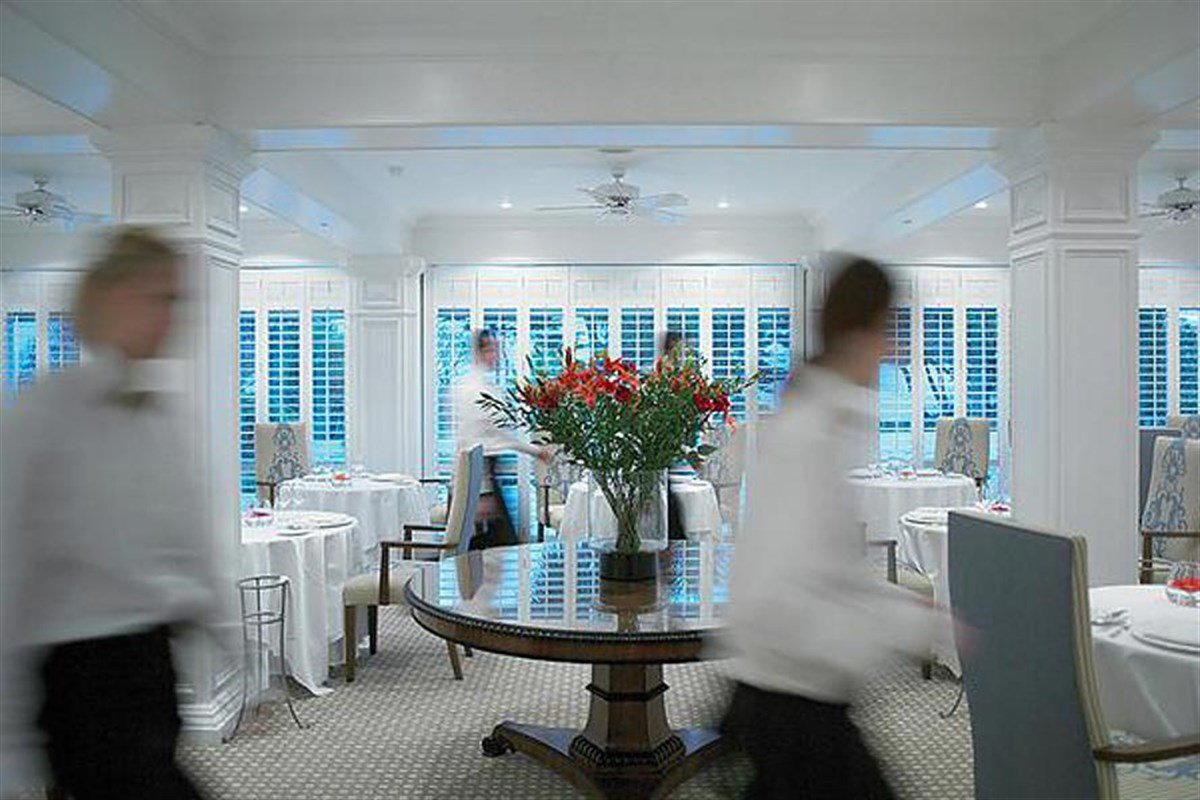
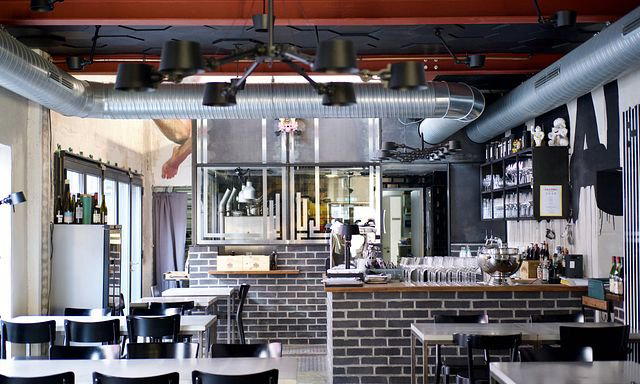
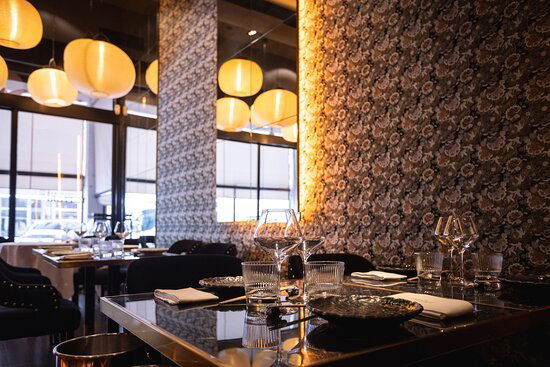
Modern, minimalist dining space with well-spaced tables, elegant plating, and thoughtfully designed details including fine cloth napkins and curated dishware creating an upscale yet comfortable atmosphere.
Tags
Vibe
Best For
Experience
Sourcing
At the Table
- Dress Code
- Smart Casual
- Noise Level
- Conversational
- Service Style
- Formal
- Meal Pacing
- Extended Experience
- Capacity
- Small
- Kitchen
- Modern
- Menu Format
- Omakase, Tasting menu, A la carte
- Wine Program
- Curated
- Drinks Focus
- Sake, Wine
- Dietary
- Pescatarian friendly
- Private Dining
- Available
Signature Dishes
- Flambéed Wagyu 5A Nigiri
- Portobello Nigiri with Caramelized Foie
- Lagoustine Tempura
- Tonkatsu Sandwich
Know before you go
Know Before You Go
- Getting there
- Calle de Lagasca, 67, Salamanca, 28001 Madrid, Spain
Planning details
Location
Calle de Lagasca, 67, Salamanca, 28001 Madrid, Spain · Directions
Recognition and awards
Also consider
Also Consider
- DiverXO, Progressive - Asian, Creative, €€€€
- DSTAgE, Modern Spanish, Creative, €€€€
- Smoked Room, Progressive Asador, Contemporary, €€€€
- Paco Roncero, Creative, €€€€
- Coque, Spanish, Creative, €€€€
Restaurant context
Sushi Bar Tottori sits at €€€, which immediately separates it from most of its named Madrid competition. DiverXO, DSTAgE, Smoked Room, Paco Roncero, and Coque all operate at €€€€, with booking difficulty and price commitments to match. If your question is where to get serious, credentialed restaurant cooking in Madrid without a €€€€ outlay, Tottori answers it more directly than any of those five for a Japanese-focused diner.
For cuisine type, DiverXO is the only other venue in this comparison set with a meaningful Japanese reference point, its Progressive-Asian format draws on those influences heavily, but it operates as a full theatrical tasting experience at a significantly higher price and is considerably harder to book. Tottori is the better call if you want Japanese cooking specifically rather than Japanese-inflected Spanish avant-garde. DSTAgE and Coque are the options to consider if Modern Spanish creative cooking is the priority and you are ready to step up in spend; both carry strong credentials in that space. Smoked Room is the right choice if live-fire and asador-style cooking appeals more than precision Japanese work.
Within Madrid's Japanese category specifically, the closer comparisons are Yugo The Bunker, Ikigai Velázquez, and Ebisu by Kobos. Tottori's back-to-back Michelin Plates give it a verifiable external credential that not every Japanese restaurant in the city carries. If the Michelin marker matters to you as a baseline quality signal, Tottori is the easier recommendation at this tier. If you want to compare formats and prices across the Japanese category before booking, those three are the right venues to check first.
Around this place
Discover more on Pearl
Unlock the full Sushi Bar Tottori guide in Pearl, including awards, comparisons, FAQs, planning details, and nearby places.
Compare Sushi Bar Tottori
| Venue | Cuisine | Awards | Booking Difficulty |
|---|---|---|---|
| Sushi Bar Tottori | Japanese | 2025 Michelin Plate2024 Michelin Plate | Easy |
| DiverXO | Progressive - Asian, Creative | 2026 OAD Top Restaurants in Europe Ranked · #7Guía Repsol Soles 20262026 La Liste Top Restaurants2026 Michelin 3 Stars2025 World's 50 Best Restaurants · #42025 OAD Top Restaurants in Europe Ranked · #62025 La Liste Top Restaurants2025 The Best Chef Three Knives2025 Michelin 3 Stars | Unknown |
| DSTAgE | Modern Spanish, Creative | Guía Repsol Soles 20262026 OAD Top Restaurants in Europe Recommended2026 Michelin 2 Stars2026 La Liste Top Restaurants2025 OAD Top Restaurants in Europe Ranked · #330We're Smart World Top Restaurants 20252025 Michelin 2 Stars2025 La Liste Top Restaurants2025 The Best Chef Three Knives | Unknown |
| Smoked Room | Progressive Asador, Contemporary | Guía Repsol Soles 20262026 OAD Top Restaurants in Europe Highly Recommended2026 La Liste Top Restaurants2026 Michelin 2 Stars2025 The Best Chef Two Knives2025 La Liste Top Restaurants2025 Michelin 2 Stars2024 Michelin 2 Stars | Unknown |
| Paco Roncero | Creative | Star Wine Lists 2026Guía Repsol Soles 20262026 OAD Top Restaurants in Europe Recommended2026 La Liste Top Restaurants2026 Michelin 2 Stars2025 OAD Top Restaurants in Europe Ranked · #447We're Smart World Top Restaurants 20252025 The Best Chef Three Knives2025 Michelin 2 Stars | Unknown |
| Coque | Spanish, Creative | Star Wine Lists 20262026 Relais Chateaux RestaurantsGuía Repsol Soles 20262026 OAD Top Restaurants in Europe Recommended2026 Les Grandes Tables du Monde Members2026 La Liste Top Restaurants2026 Michelin 2 Stars2025 OAD Top Restaurants in Europe Ranked · #339We're Smart World Top Restaurants 2025 | Unknown |














What to weigh when choosing between Sushi Bar Tottori and alternatives.
FAQ
Frequently Asked Questions
What are alternatives to Sushi Bar Tottori in Madrid?
For Spanish fine dining at a comparable or higher tier, DSTAgE and Coque are the Madrid references worth considering. If you want to stay within Japanese cuisine, the Madrid scene is limited at the Michelin-recognised level, which is part of what makes Sushi Bar Tottori's back-to-back Plates (2024 and 2025) meaningful. For a broader fine dining comparison in Spain, Quique Dacosta in Dénia or Cocina Hermanos Torres in Barcelona are worth building a trip around.
How far ahead should I book Sushi Bar Tottori?
Book at least two to three weeks out, more for Friday or Saturday evenings. Midweek lunch is your best shot at shorter notice.
Is the tasting menu worth it at Sushi Bar Tottori?
The venue's Michelin Plate status in both 2024 and 2025 indicates consistent kitchen quality, which is the baseline you need before committing to a tasting format at the €€€ price point. Whether a tasting menu is available or required is not confirmed in available data, so confirm the format when booking. At €€€ in Madrid's Salamanca district, the value case holds if Japanese cuisine is a priority for your visit.
Is Sushi Bar Tottori good for a special occasion?
Yes, provided Japanese cuisine is the format your group wants. The Salamanca address is one of Madrid's more composed neighbourhoods, and back-to-back Michelin Plates in 2024 and 2025 give the meal a verifiable quality anchor. At €€€, it sits at a price point that reads as a special occasion spend without reaching the level of Madrid's two- or three-star destinations.
Is Sushi Bar Tottori worth the price?
It is not the same commitment as a multi-star tasting menu, but it is priced and positioned above casual sushi. If Japanese cuisine is the goal and you are in the Salamanca area, the price-to-quality ratio is defensible.