
.png?width=1200&quality=80)
Roketsu
Japanese · Marble Arch, London
Restaurant in London, United Kingdom
 Book with Pearl
The Read
Kappo-Style Kaiseki Counter
Price
$200–300per person
Dress
Smart Casual
Why go
Roketsu has reopened after its 2025 renovation, serving Kyoto-style kappo and kaiseki at 12 New Quebec Street.
About Roketsu
Should You Book Roketsu?
If you want London's most convincing argument for Kyoto-style kaiseki, Roketsu in Marylebone makes a strong case. Chef-patron Daisuke Hayashi runs a counter-led room where the food is serious, the pacing is deliberate, and the price matches both. At £150 for five Classic autumn kappo courses or £200 for five Prime autumn kappo courses, this is a significant spend, but diner feedback consistently places it among the highest-rated Japanese venues in the West End. The caveat right now is important: Roketsu has reopened after its 2025 renovation. If you are planning ahead, check current menus and booking availability directly.
The Room and the Format
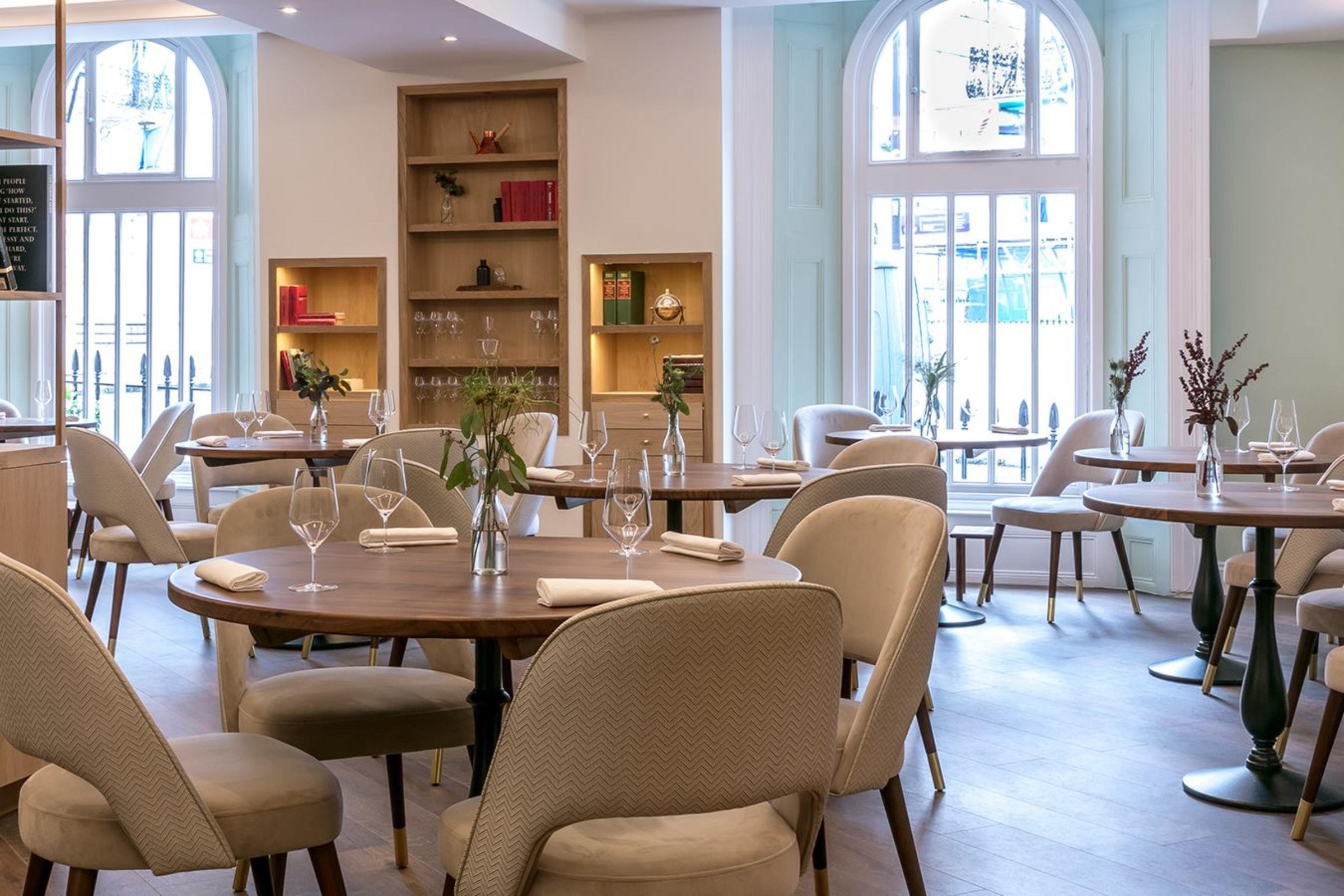
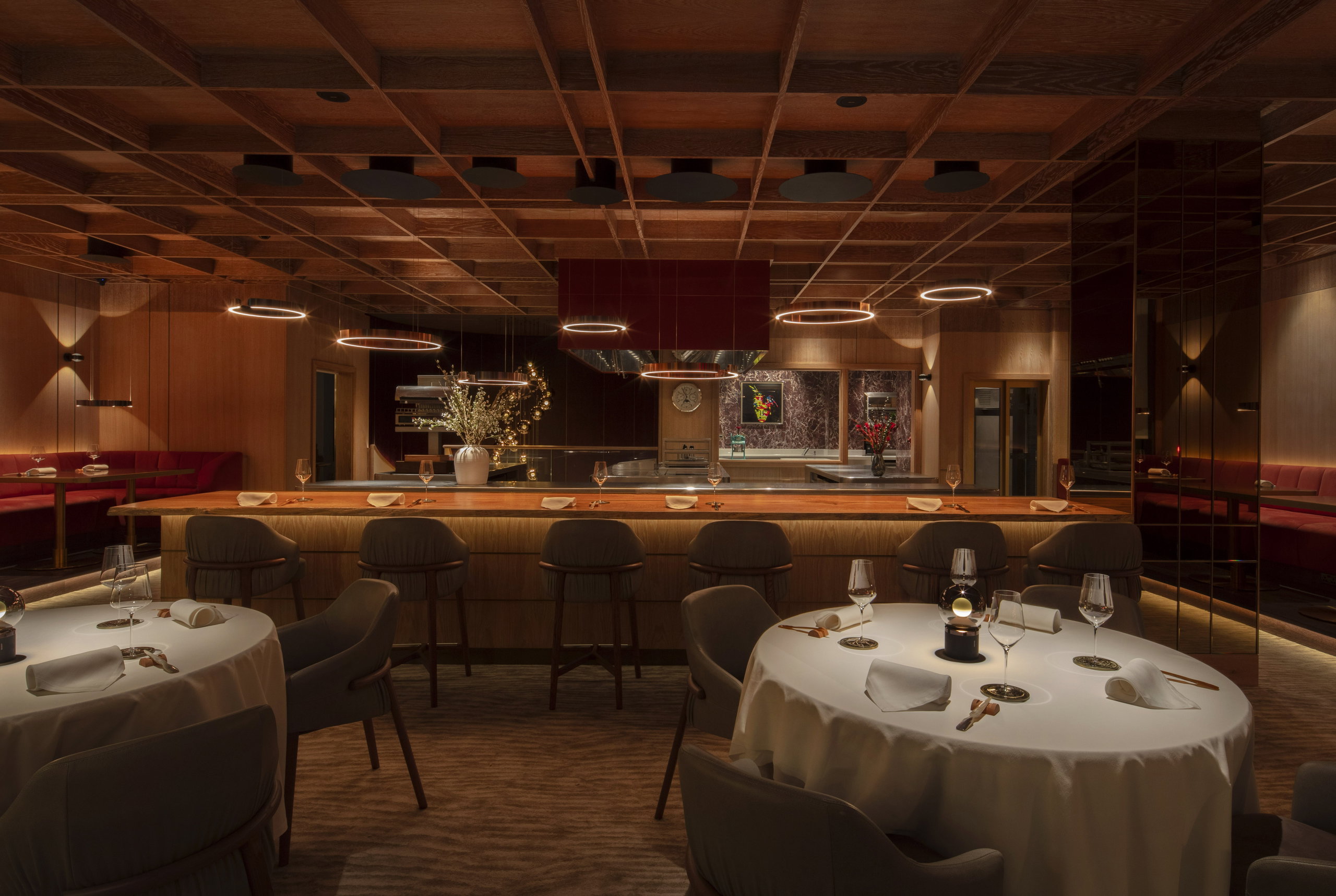
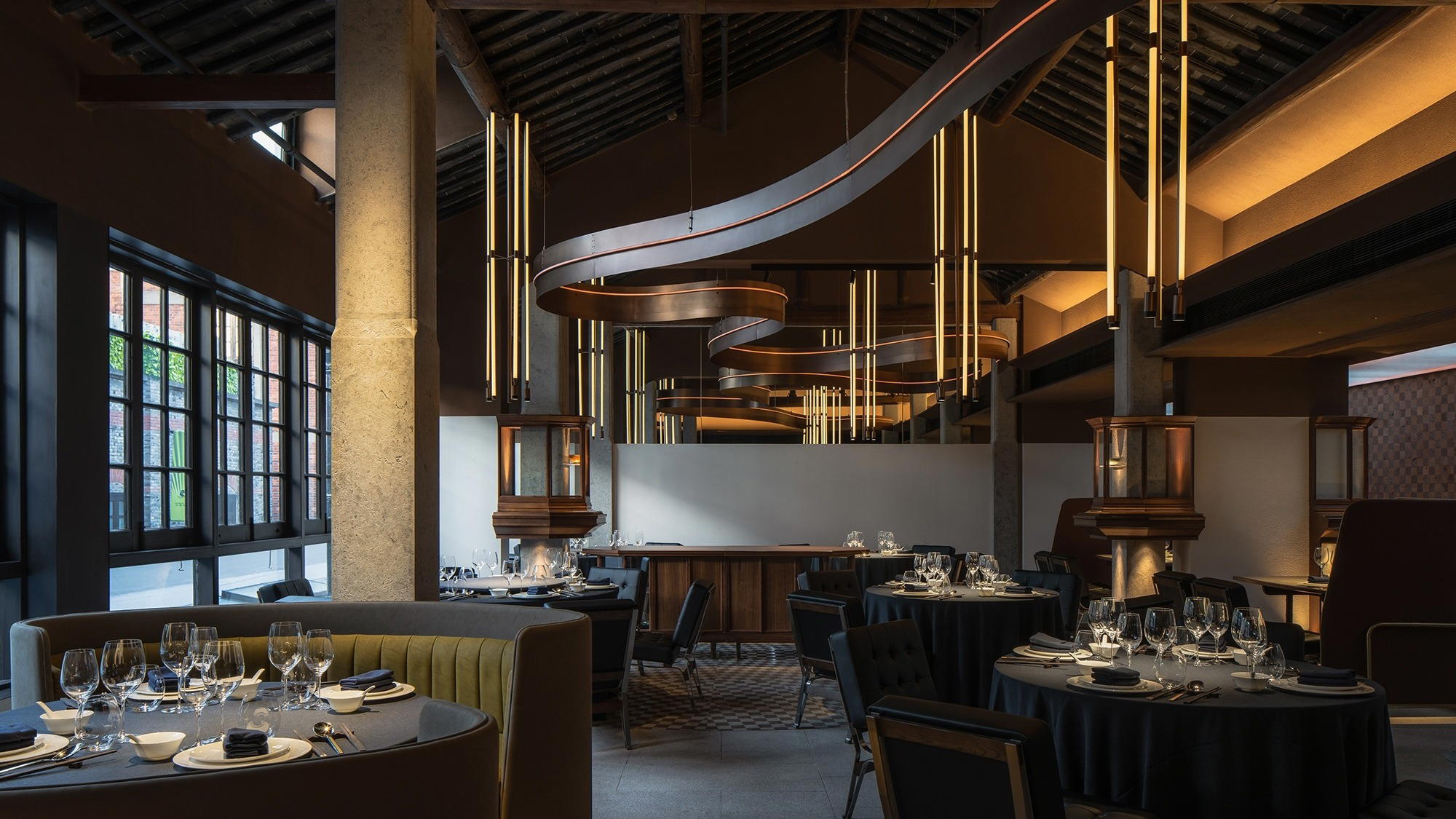
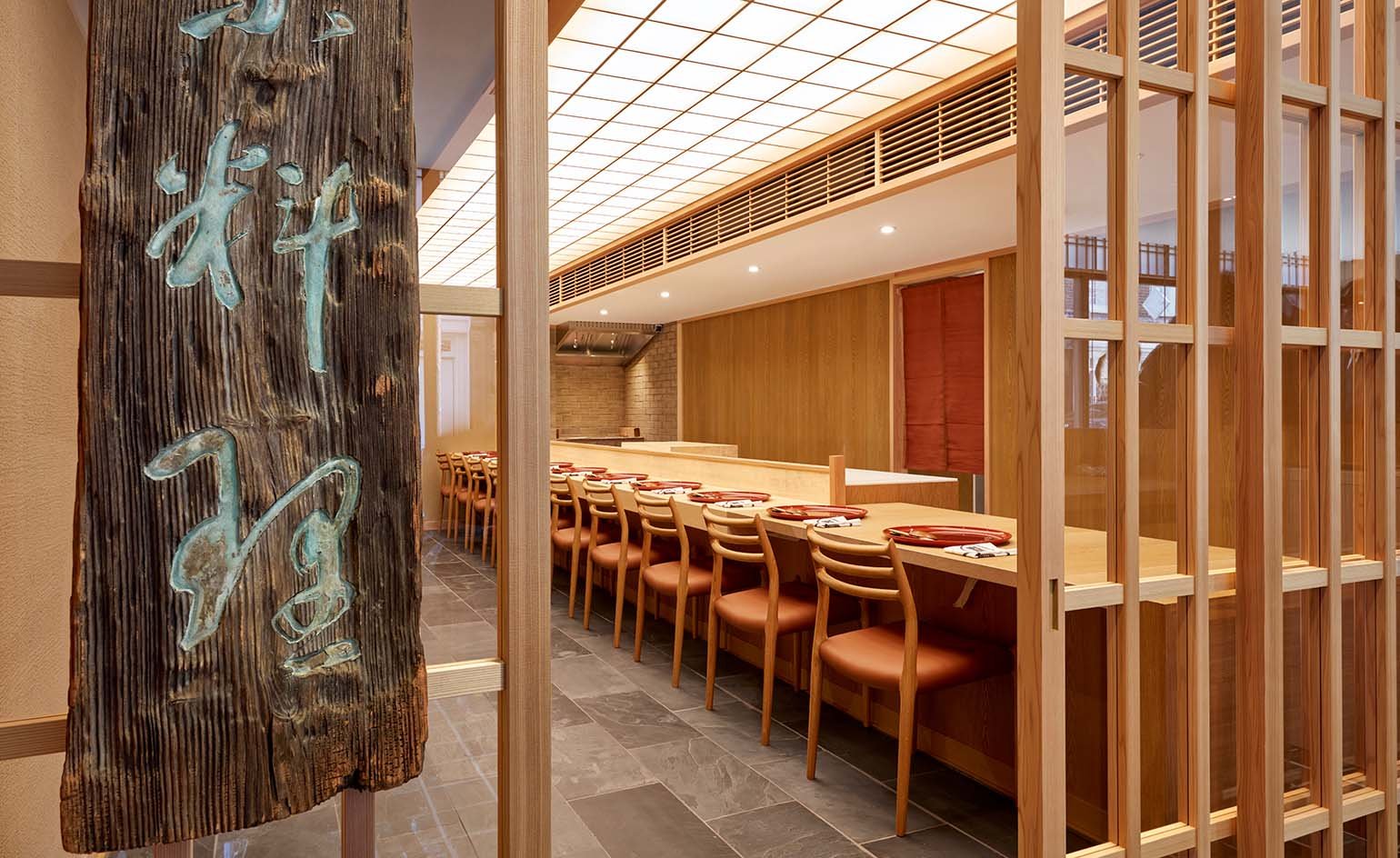
The counter at Roketsu is the point. It is fashioned from 100-year-old hinoki wood, and sitting at it puts you directly in front of the chefs, watching the sequence of the meal take shape in real time. Hinoki is the aromatic cypress used in traditional Japanese bathing and shrine architecture, and its presence here is not decorative shorthand — it sets a register for the whole experience. The room reads closer to a private dining room in Kyoto than to a West End restaurant, which is precisely the intended effect. For anyone returning after a first visit, the counter seats are the ones to request: the spatial intimacy of watching preparation at close range is where Roketsu's kappo-style format pays off most clearly.
The format itself is worth understanding before you arrive. Kappo-style dining sits between the strict formality of kaiseki and the looser improvisation of omakase. At Roketsu, the menus are structured, seven or nine courses, but the dishes respond to what is available on the day, and there is a degree of conversation between the chefs and guests that shapes the meal's direction. This is not a venue where you eat a fixed menu in silence and leave. If that dynamic interests you, it is a genuine differentiator among London's high-end Japanese options. If you prefer to know exactly what is coming, the à la carte allows more control, with most mains priced around £50.
The Tasting Menu Arc
Nine-course menu at £190 per person is the fuller expression of what Hayashi is doing. The progression moves through a range of techniques, raw preparations, tempura, charcoal-grilled proteins, straw-smoked elements, and the sequencing is considered. The logic of kaiseki is that each course has a defined role in the arc of the meal: light to heavy, delicate to intense, building towards a close that does not overstay its welcome. At Roketsu, that architecture holds. Diners who have eaten there describe the experience as one where the meal's pacing feels managed rather than arbitrary.
Seven-course menu at £160 covers the same structural territory with slightly less breadth. For a first visit, the nine-course is the better choice if the budget allows, the additional courses give the progression more room to develop. For a return visit, the seven-course or à la carte is worth considering if you already know the format and want to focus on specific parts of the cooking rather than the full arc.
It is worth noting that the Michelin Plate recognition the restaurant holds (2025) signals consistent technical quality without the full-star designation. Among London's Japanese venues, Roketsu scores more strongly in annual diners' polls than many of its direct competitors, which is a more useful trust signal for this type of counter dining than a single critic's view.
Booking and Practicalities
Roketsu is a hard book under normal circumstances. The counter format means capacity is limited, and its following in diner polls reflects genuine demand rather than hype. Book as far ahead as possible, at this level, four to six weeks minimum is a reasonable baseline, and popular dates will go faster. With the July 2025 closure for renovation, the reopening will likely see a surge of interest. Anyone planning to visit post-renovation should monitor the situation closely and book as soon as reservations open. The address is 12 New Quebec Street, London W1H 7RW, in Marylebone, a short walk from Marble Arch. For a meal at this price point, the neighbourhood is well served by hotels: our full London hotels guide covers options nearby.
The price is not negotiable, this is a £££ experience at minimum, and the full nine-course kaiseki with drinks will clear £250 per person without difficulty. That said, diner consensus holds that the value is there relative to the experience delivered. As one recurring verdict puts it: a pricey night out, but a worthwhile one for a considered occasion. The à la carte at around £50 per main offers a lower entry point for those who want a taste of the cooking without committing to the full menu.
How Roketsu Compares to London's High-End Japanese Scene
Within London's Japanese restaurant tier, Roketsu sits closest to Umu and Akira in terms of ambition and format, but the kappo-counter dynamic is a specific differentiator. Humble Chicken offers a more accessible entry point to Japanese counter dining at a lower price point. Chisou and Ginza St James's are alternatives if you want quality Japanese food without committing to a multi-course kaiseki format. For Japanese kaiseki benchmarking at source, Myojaku and Azabu Kadowaki in Tokyo give useful context for what Hayashi is referencing.
For high-spend tasting menu dining more broadly across the UK, the frame of reference extends to venues like The Fat Duck in Bray, L'Enclume in Cartmel, Moor Hall in Aughton, Gidleigh Park in Chagford, Hand and Flowers in Marlow, and hide and fox in Saltwood, all operating at comparable price points but in different culinary registers. Roketsu is the choice if Japanese technique and format specificity matter; those venues are the choice if you want modern British or European cooking at similar investment levels.
For broader London dining, see our full London restaurants guide, our full London bars guide, our full London wineries guide, and our full London experiences guide.
Planning details
- Location
- 12 New Quebec St, London W1H 7RW, United Kingdom
- Reservations
- Book on OpenTable
- Website
- roketsu.co.uk
- Phone
- +44 20 3149 1227
The take
The Take
The Vibe
Roketsu presents a restrained, Kyoto-rooted kaiseki experience in Marylebone that prioritises precision over showmanship. The dining room centres on a counter that encourages quiet conversation and close interaction with the chef, and the food leans toward subtle technique rather than theatrical abundance. That disciplined approach gives the room a classical, serene minimalism: everything in service and on the plate is considered rather than loud. While it sits in London’s high-end Japanese scene, Roketsu keeps its references firmly in traditional craft and refined restraint rather than West End spectacle.
Best For
This is a destination for diners seeking an elevated, intimate evening — think date nights, special occasions and small celebrations where the meal itself is the event. Roketsu sits in the upper tier of London’s Japanese offer and carries a Michelin Plate, signalling a level of polish and consistency that suits milestone dinners. The kappo-influenced kaiseki menus showcase seasonal precision — signature dishes such as wagyu with soy foam, Scottish lobster with sudachi and Cornish seabass reflect the focused, course-led format that rewards slow, attentive dining.
Ordering Tips
Opt for the kaiseki programme and, if possible, a seat at the counter: the description explicitly highlights a counter format and kappo-style interaction that invite conversation with the chef and a view of technique. Expect a tightly curated, seasonally driven sequence rather than à la carte abundance; the cuisine emphasises precision, so allow the menu to unfold. Given the venue’s position in the city’s high-end Japanese scene and its Michelin Plate recognition, reservations are advisable to secure the counter experience.
Venue details
Ambiance
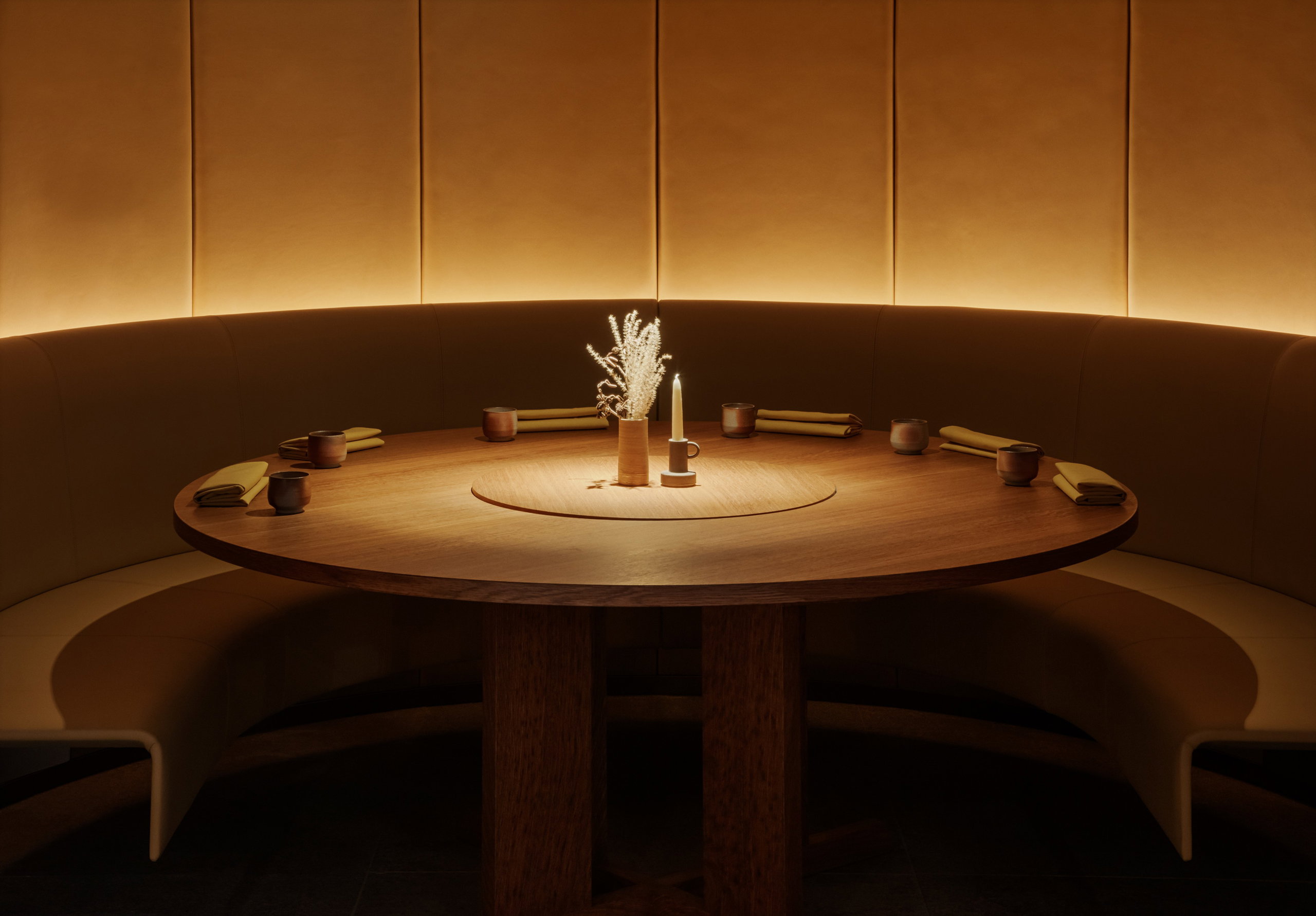
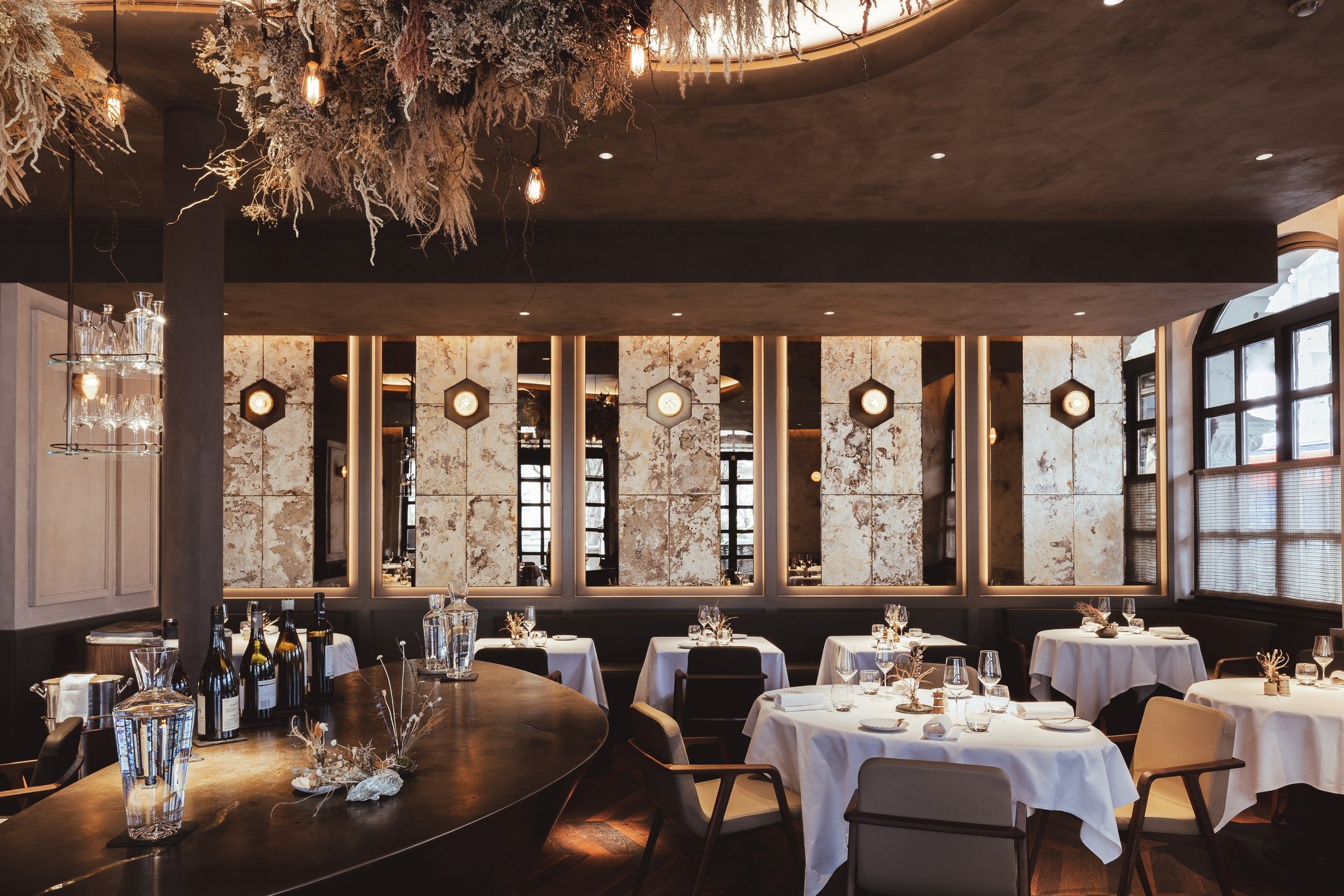
Intimate and serene with warm, refined lighting; the interior was imported from Kyoto and features traditional Japanese craftsmanship. The open kitchen counter allows guests to observe the chef's meticulous work, creating a meditative and immersive dining atmosphere.
Tags
Vibe
Best For
Experience
Sourcing
At the Table
- Dress Code
- Smart Casual
- Noise Level
- Quiet
- Service Style
- Formal
- Meal Pacing
- Extended Experience
- Capacity
- Intimate
- Kitchen
- Traditional
- Menu Format
- Tasting menu, Counter dining, A la carte, Prix fixe
- Wine Program
- Curated
- Drinks Focus
- Sake, Wine
- Dietary
- Pescatarian friendly, Allergy accommodating
- Private Dining
- Available
- Outdoor Seating
- Yes
Signature Dishes
- Wagyu beef with soy sauce foam
- Scottish lobster with citrus sudachi
- Cornish seabass kinome-yaki
- Octopus and ginger rice
Know before you go
Know Before You Go
- Getting there
- 12 New Quebec St, London W1H 7RW, United Kingdom
Planning details
Location
12 New Quebec St, London W1H 7RW, United Kingdom · Directions
Recognition and awards

Also consider
Also Consider
- CORE by Clare Smyth, Modern British, ££££
- Restaurant Gordon Ramsay, Contemporary European, French, ££££
- Sketch, The Lecture Room and Library, Modern French, ££££
- The Ledbury, Modern European, Modern Cuisine, ££££
- Dinner by Heston Blumenthal, Modern British, Traditional British, ££££
Restaurant context
Among London's ££££ tasting menu restaurants, Roketsu occupies a specific niche that none of the obvious Western fine dining comparisons replicate. CORE by Clare Smyth and The Ledbury are the stronger choices if you want the depth of a starred European tasting menu with more formal service architecture, both hold Michelin stars and deliver a more structured front-of-house experience than Roketsu's counter-casual approach. For first-time high-spend dining in London, either is a safer and more legible choice.
Sketch, The Lecture Room and Library and Restaurant Gordon Ramsay sit in a different register entirely: both are about formal European fine dining in grand rooms, and neither competes with Roketsu on Japanese technique or counter intimacy. Dinner by Heston Blumenthal is a better comparison on approachability, it operates at a similar price tier but with a broader crowd appeal and easier booking. Roketsu demands more from the diner in terms of format knowledge and commitment, and rewards that investment more specifically.
The practical decision is this: if you want London's best tasting menu experience and Japanese cuisine is not the priority, CORE or The Ledbury are the more decorated options. If a counter-based, chef-interactive kaiseki meal is specifically what you are after, Roketsu is the London venue to book, with the caveat that its July 2025 closure for renovation means the concept may shift on reopening. Book the others in the interim if you cannot wait.
Around this place
Discover more on Pearl
Unlock the full Roketsu guide in Pearl, including awards, comparisons, FAQs, planning details, and nearby places.
Compare Roketsu
| Venue | Location | Cuisine | Awards | Price |
|---|---|---|---|---|
| Roketsu | London | Japanese | 2026 Harden's Top 100 UK Restaurants · #192026 Michelin Plate2025 Michelin Plate2024 Michelin Plate | ££££ |
| CORE by Clare Smyth | London | Modern British | Star Wine Lists 2026 · #12026 Harden's Top 100 UK Restaurants · #252026 OAD Top Restaurants in Europe Ranked · #532026 National Restaurant Awards Top 100 · #872026 AA 5-Rosette RestaurantsMichelin Guide Great Britain & Ireland 20262026 La Liste Top Restaurants2025 National Restaurant Awards Top 100 · #382025 OAD Top Restaurants in Europe Ranked · #46 | ££££ |
| Restaurant Gordon Ramsay | London | Contemporary European, French | 2026 OAD Classical in Europe Ranked · #682026 AA 4-Rosette RestaurantsMichelin Guide Great Britain & Ireland 20262026 La Liste Top Restaurants2026 Falstaff Restaurant Guide2025 National Restaurant Awards Top 100 · #142025 OAD Classical in Europe Ranked · #96The Good Food Guide 20252025 Michelin 3 Stars | ££££ |
| Sketch, The Lecture Room and Library | London | Modern French | 2026 Harden's Top 100 UK Restaurants · #532026 OAD Classical in Europe Ranked · #1202026 AA 5-Rosette RestaurantsMichelin Guide Great Britain & Ireland 20262026 La Liste Top Restaurants2025 OAD Classical in Europe Ranked · #105We're Smart World Top Restaurants 20252025 Michelin 3 Stars2024 OAD Classical in Europe Ranked · #117 | ££££ |
| The Ledbury | London | Modern European, Modern Cuisine | Star Wine Lists 2026 · #12026 Harden's Top 100 UK Restaurants · #42026 National Restaurant Awards Top 100 · #42026 OAD Top Restaurants in Europe Ranked · #142026 AA 4-Rosette RestaurantsMichelin Guide Great Britain & Ireland 20262026 La Liste Top Restaurants2026 Falstaff Restaurant Guide2025 National Restaurant Awards Top 100 · #3 | ££££ |
| Dinner by Heston Blumenthal | London | Modern British, Traditional British | Star Wine Lists 2026 · #12026 OAD Top Restaurants in Europe Ranked · #1442026 AA 4-Rosette Restaurants2026 OAD Top Restaurants in Asia Recommended2026 La Liste Top RestaurantsMichelin Guide Great Britain & Ireland 20262026 Falstaff Restaurant Guide2025 Michelin 2 Stars2025 La Liste Top Restaurants | ££££ |










How Roketsu London compares with similar nearby venues.
FAQ
Frequently Asked Questions
Is Roketsu good for solo dining?
It is one of the better solo options at this price point in London. The hinoki counter seats diners directly in front of the chefs, so eating alone is the intended format rather than an afterthought. At £160–£190 for the kaiseki or around £50 per main à la carte, the solo bill is steep, but the counter interaction justifies the solo spend better than a table-for-one at a conventional restaurant would.
How far ahead should I book Roketsu?
Roketsu has reopened after its 2025 renovation, so check current availability before planning. Under normal conditions, the counter format means limited covers and strong demand — it ranked highly in diner polls relative to London peers, which signals genuine competition for seats. Booking several weeks out was standard practice; when it reopens, lead times may shift depending on the new format.
Can Roketsu accommodate groups?
The kappo counter format is not designed for large groups. Counter dining works best for parties of two to four; anything larger becomes logistically awkward in a space built around chef-to-diner interaction. If a group dinner is the goal, London Japanese restaurants with private dining rooms — Umu, for example — are a more practical fit than Roketsu's counter setup.
What should a first-timer know about Roketsu?
The counter is where you want to sit — it is the format the whole restaurant is built around, and watching the chefs work is part of what justifies the price. You do not have to commit to the £160 seven-course or £190 nine-course kaiseki; à la carte is available with most mains around £50, which is a lower-stakes entry point. Roketsu holds a Michelin Plate (2025), and diner poll scores place it among London's higher-rated Japanese venues, so expectations are set correctly at this price.