


Moro
Tapas Bar · Clerkenwell, London
Restaurant in London, United Kingdom
 Book with Pearl
The Read
Wood-Fire Moorish
Price
$100–150per person
Chef
Sam Clark
Dress
Smart Casual
Why go
Moro has been the reference point for Moorish cooking in London since 1997, and a Michelin Plate and OAD Top 500 ranking in 2025 confirm it hasn't coasted. The wood-roasted dishes are the reason to book; the all-Iberian wine list from £32 is a bonus. Loud, energetic, and easy to reserve: a strong choice for first-timers wanting serious cooking without a formal dining environment.
About Moro
Is Moro still worth booking in 2025?
Yes: and the more relevant question is why you haven't already. Moro has been serving Moorish-inflected cooking on Exmouth Market since 1997, and after more than 25 years the room is as busy and the food as focused as ever. It holds a Michelin Plate (2025), ranks in the Opinionated About Dining Top 500 That kind of longevity in a city with this level of competition isn't inertia: it's proof of consistent delivery.
What makes Moro cook differently from its peers
The kitchen's technical edge is wood-roasting and chargrilling. These aren't decorative flourishes, they are the structural logic of the menu. Where many London restaurants in the Spanish-influenced space work the cold counter and the fryer, Moro builds heat and char into almost every main course. The result is a menu that reads simply but delivers complexity through technique rather than plating. Seasonal ingredients drive the dishes, with Moorish spicing providing the connective tissue across starters, mains and desserts.
The all-Iberian wine list, with bottles from £32, is worth your attention. It's a tightly edited, regionally diverse selection that matches the kitchen's philosophy rather than padding a cellar with safe commercial labels. For a room at this price tier, it punches well above its weight.
If you're comparing Moro against London's broader Spanish and Moorish offering, the closest parallel on the same Exmouth Market strip is its sibling Morito next door, a tapas bar format that suits groups wanting to share more widely. For Spanish cooking with a louder cocktail programme, Ember Yard and Salt Yard cover that ground. Dehesa and El Pirata are alternatives if you want a more direct tapas experience without the wood-fire focus.
What to expect in the room
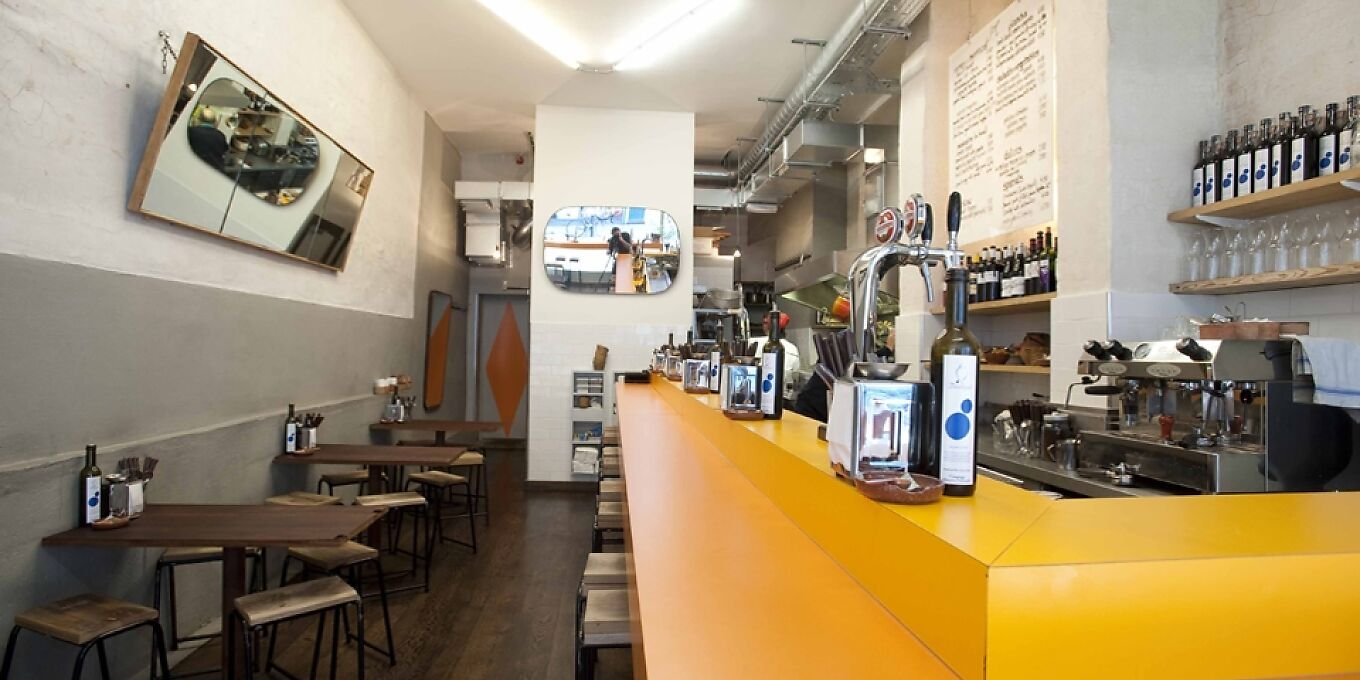
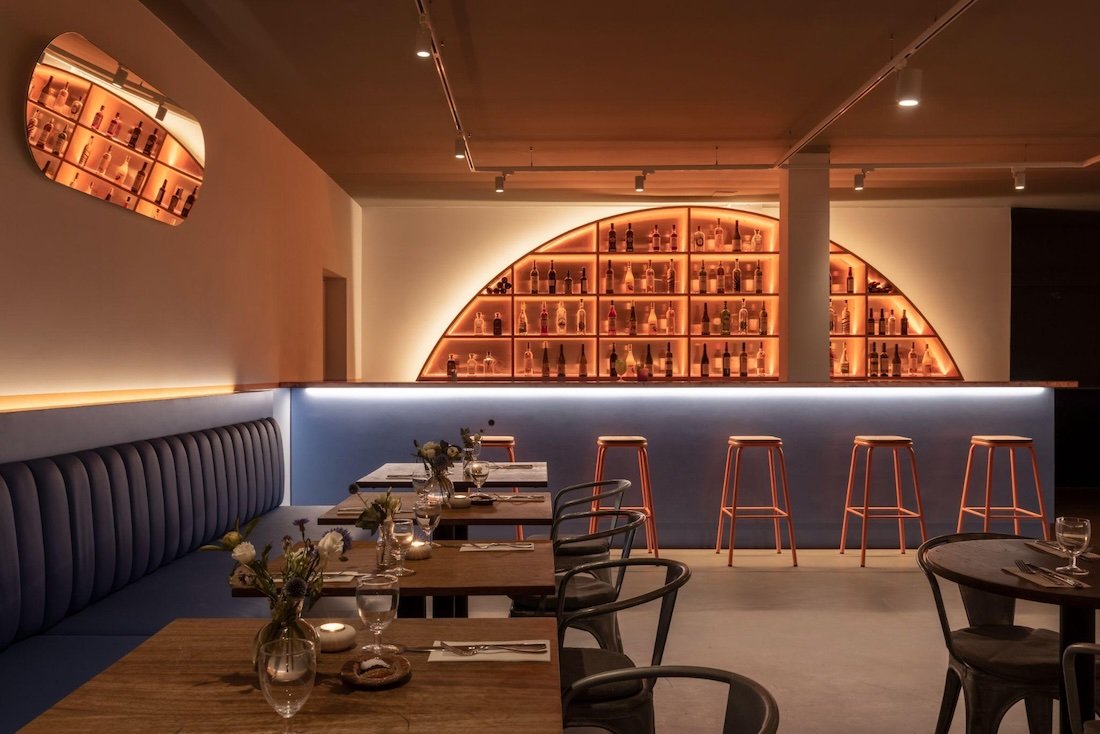
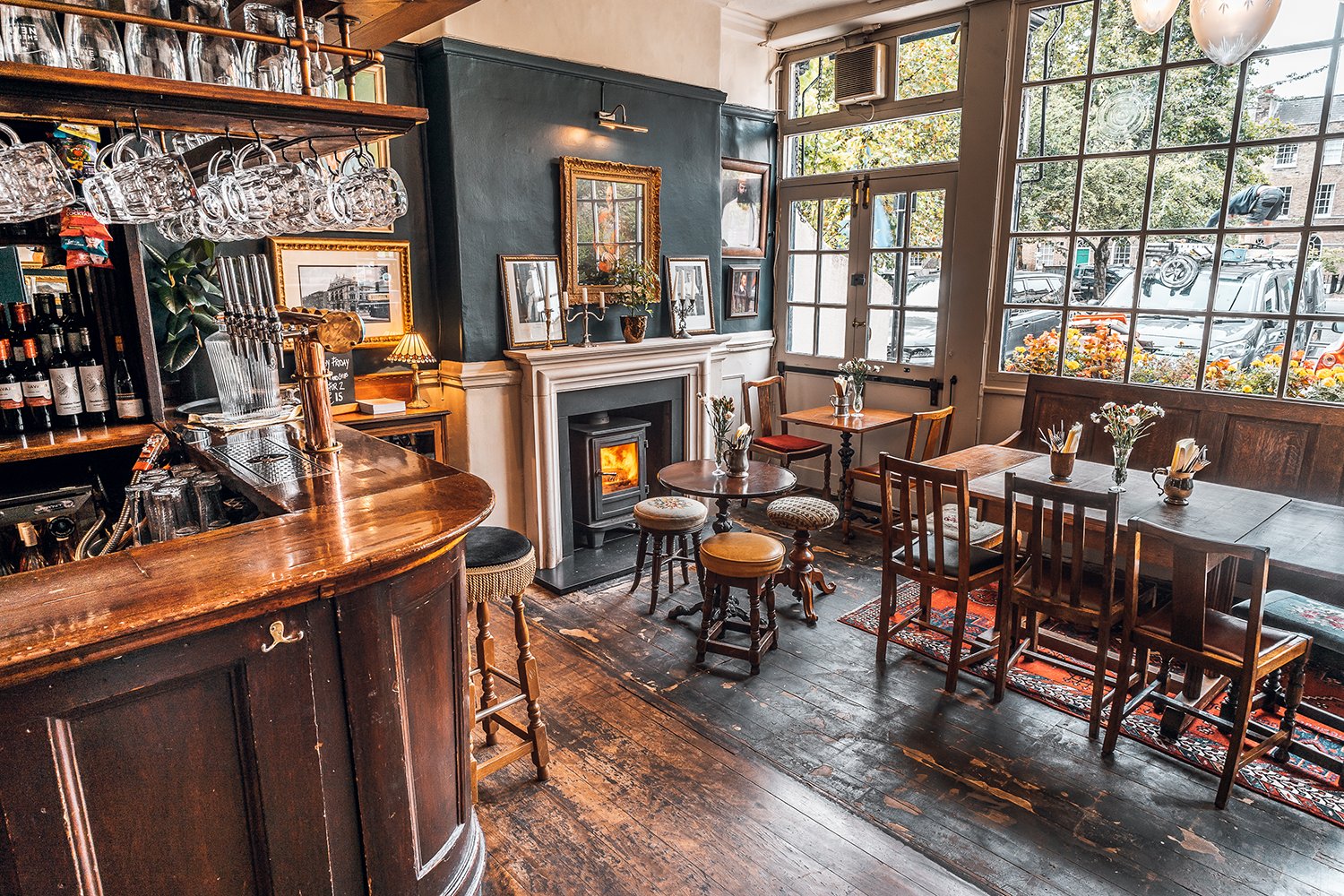
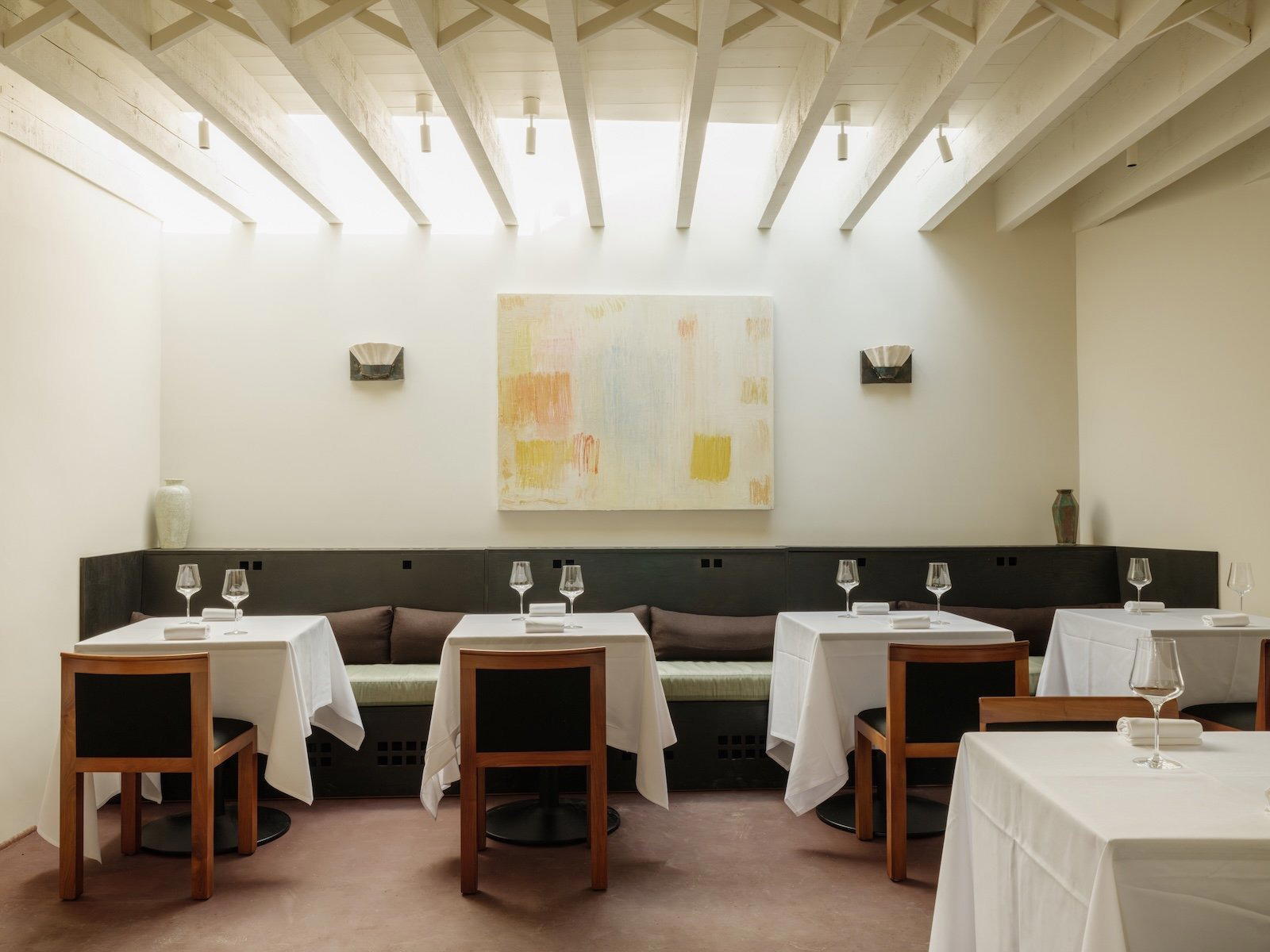
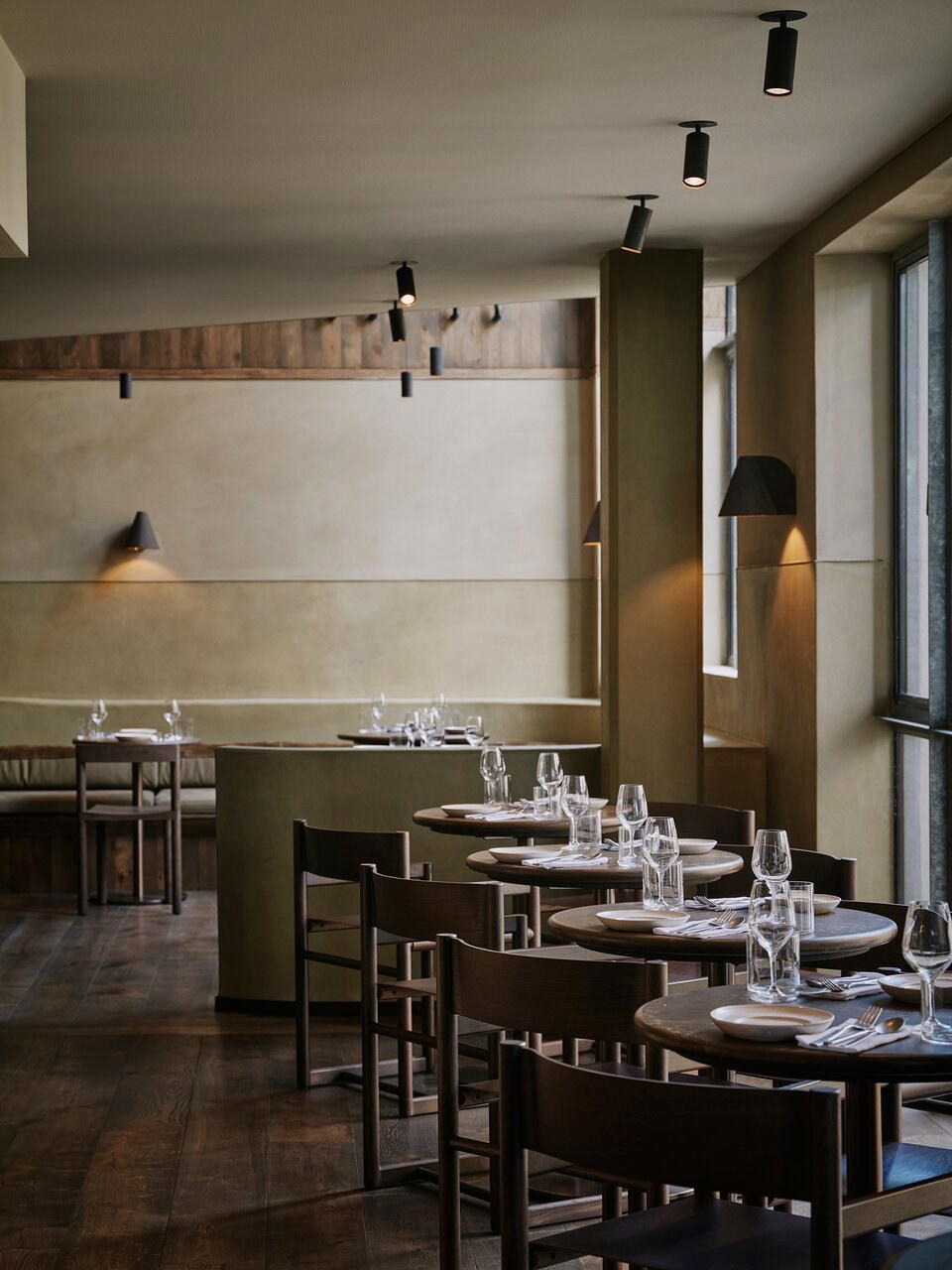
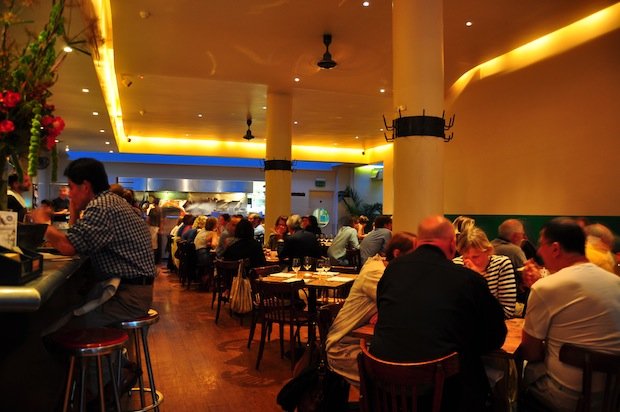
The dining room is loud. The open kitchen, zinc-topped bar, and hard surfaces mean noise levels build quickly at both lunch and dinner service. This works in the room's favour if you're after atmosphere and energy, the space has real momentum during peak service. It works against you if you need to hold a focused conversation. Pavement tables, when weather permits, are worth requesting: they give you the street-level buzz of Exmouth Market without the interior acoustics.
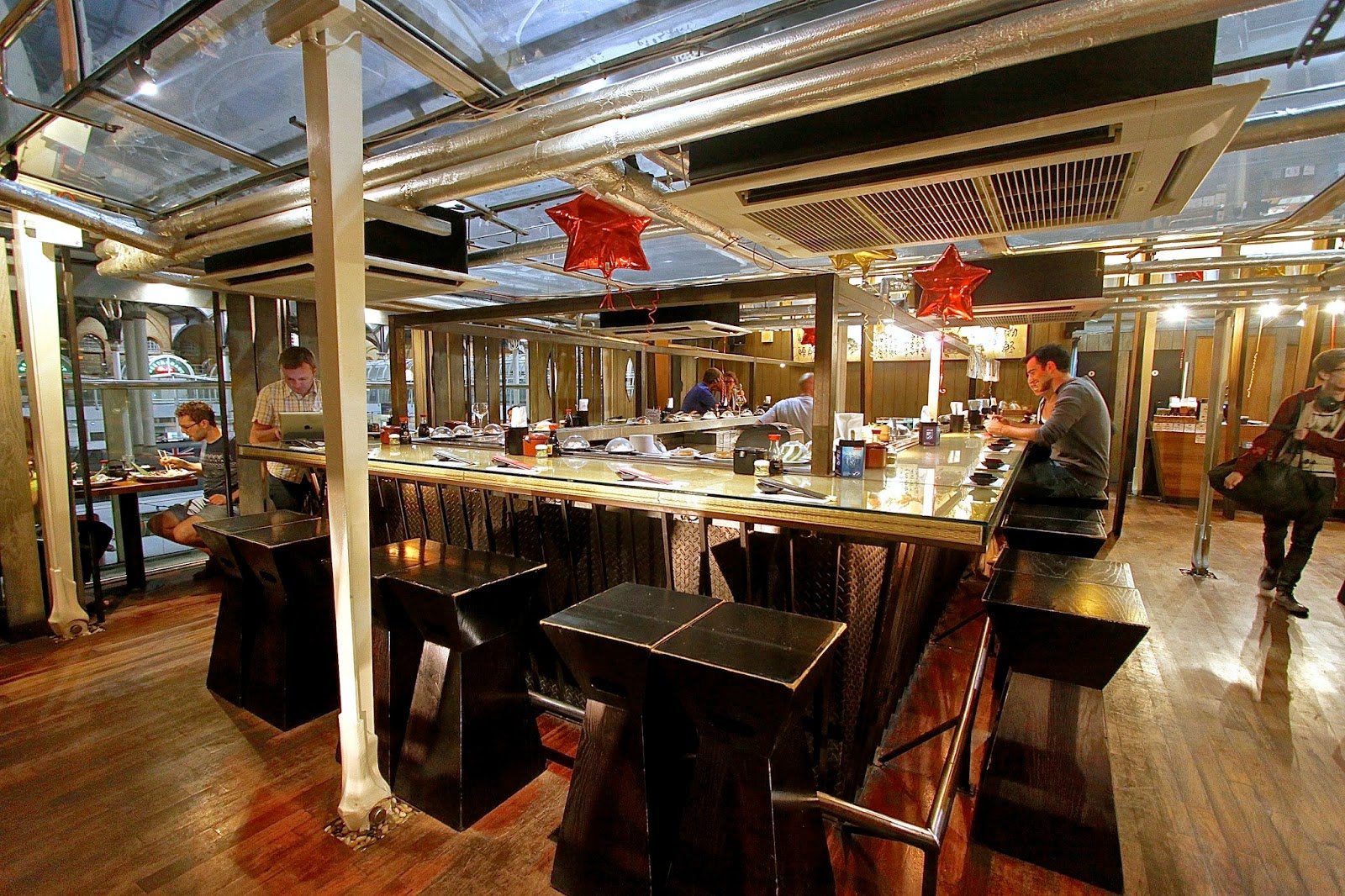
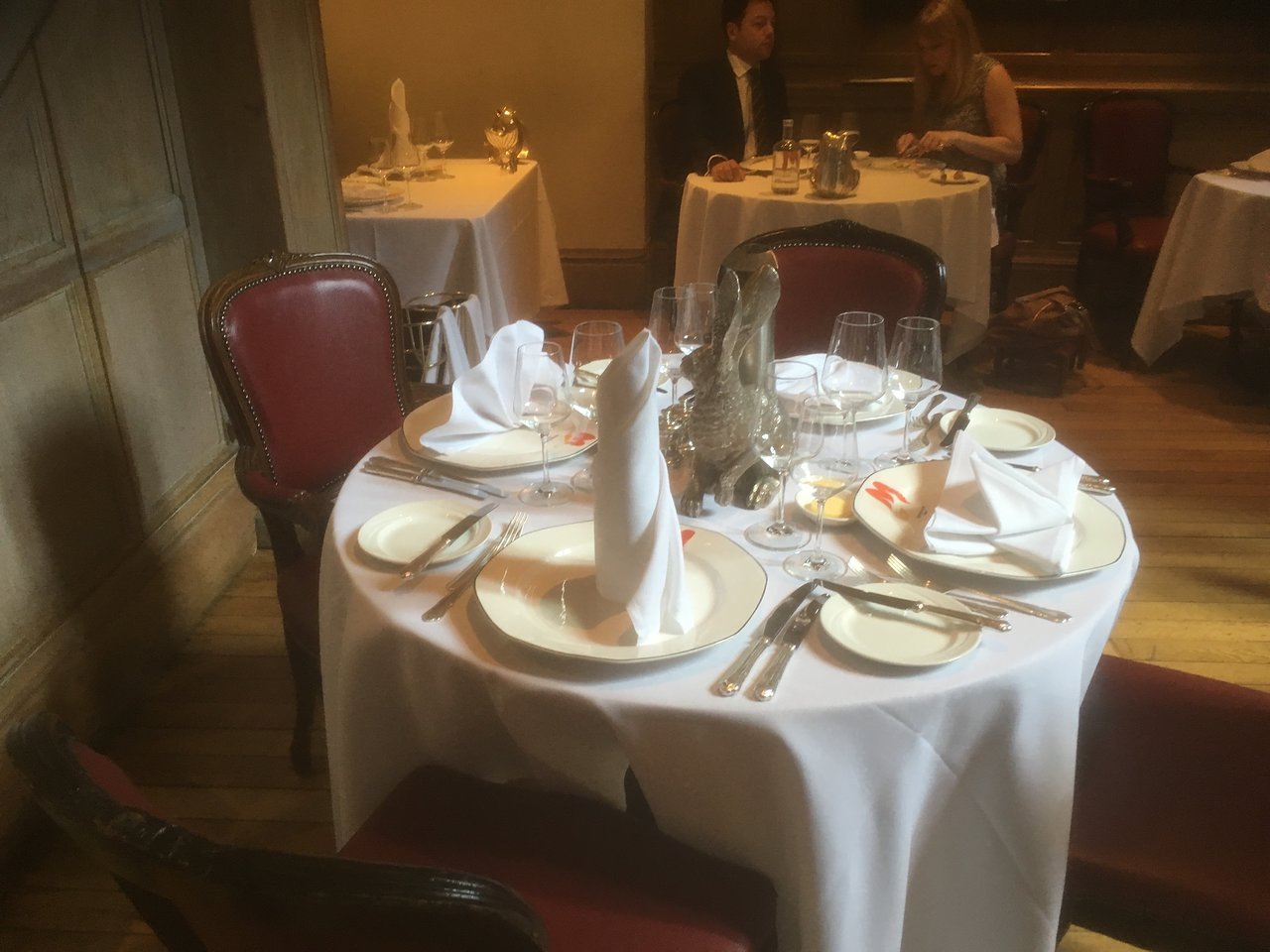
The room layout is communal in feel rather than formally spaced. First-timers should arrive knowing this isn't a quiet, intimate dinner setting. It's an animated, fast-moving room that rewards those who come ready to engage with it.
Verdict for first-timers
Book Moro if you want technically grounded Moorish cooking from a kitchen that has been refining this specific approach for over two decades. The wood-roasted dishes are the reason to come. The noise and energy are part of the proposition, not a compromise. If you want something quieter in the same neighbourhood, Morito next door offers a different register. If you want to understand what influenced a generation of London cooking in this tradition, Moro itself remains the reference point.
Know Before You Go
- Address: 34-36 Exmouth Market, London EC1R 4QE
- Hours: Monday to Saturday 12–2:15 pm and 5:15–10:30 pm; Sunday 12–3 pm (lunch only)
- Booking difficulty: Easy, reservations are available and direct to secure
- Awards: Michelin Plate (2025); Opinionated About Dining Top 500 (2025, ranked #476)
- Wine: All-Iberian list from £32 per bottle
- Noise level: High, open kitchen, hard surfaces, animated room
- Outdoor seating: Pavement tables available (weather permitting)
- Next door: Morito tapas bar, same ownership, worth combining
Explore more in London and beyond
If Moro is your entry point into London's Spanish and Moorish cooking scene, the city has more to offer: Ember Yard, Salt Yard, Dehesa, and El Pirata each offer a different take on the broader tapas and Iberian tradition. For a direct comparison with the source, Antonio Bar and Bar Bergara in San Sebastián give you the Basque pinxtos context that shaped a generation of London chefs working in this tradition.
For the broader London dining picture, see our full London restaurants guide. Planning a trip? Our London hotels guide, bars guide, and experiences guide cover the rest of your stay. If you're exploring further afield in the UK, the wood-fire cooking tradition connects to kitchens like The Fat Duck in Bray, L'Enclume in Cartmel, Moor Hall in Aughton, Gidleigh Park in Chagford, Hand and Flowers in Marlow, and hide and fox in Saltwood, each a different argument for what serious cooking outside London looks like. You can also find CORE by Clare Smyth covered in our Modern British section for London's highest-end cooking comparison. Our London wineries guide is also available if wine is a priority for your trip.
Planning details
- Hours
- Monday: 12–2:15 pm, 5:15–10:30 pm · Tuesday: 12–2:15 pm, 5:15–10:30 pm
- Location
- 34-36 Exmouth Market, London EC1R 4QE, United Kingdom
- Reservations
- Book on OpenTable
- Website
- moro.co.uk
- Phone
- +44 20 7833 8336
The take
The Take
The Vibe
Moro reads as a quietly iconic London institution that pairs historic roots with a hands-on, hearth-driven kitchen. Open since 1997, the restaurant retains the feel of a place that helped define Exmouth Market: familiar and established rather than flashy. The presence of an open wood-fired hearth and a menu built around charcoal grilling and wood-roasting gives the room a tactile warmth and a slightly rustic edge, while the Spanish and Moorish culinary references keep the flavour profile bright and distinctly Mediterranean. Service and atmosphere lean toward a confident, classic dining experience that still feels connected to the street outside.
Best For
This is a venue for people who appreciate wood-fire cooking and Spanish–Moorish flavours, especially at dinner. The kitchen’s strengths (high-heat grilled fish, charcoal-smoked plates and wood-roasted meats) are most compelling in an evening setting when the hearth is in full use. Moro suits date nights and celebratory meals, and its long-standing presence and substantial dishes also work well for group dining. Diners looking for direct, smoke-forward seafood or substantial roasted meats will find the kitchen’s approach consistently rewarding, with seasonal menus that refresh the core techniques throughout the year.
Ordering Tips
Lean into the kitchen’s specialties: look for wood-roasted and charcoal-grilled items and the seafood preparations that the menu highlights. Signature dishes such as wood-roasted lamb, charcoal-grilled lamb and grilled sea bass reflect the restaurant’s technical focus on fire and smoke; venison, monkfish and sea bass ceviche are also listed as standout items. The menu shifts with the seasons, so ask about the day’s fish and the hearth-driven plates on offer. Expect flavours that favour restraint (salt, heat and smoke) so ordering dishes that showcase those techniques will best convey Moro’s style.
Venue details
Ambiance
High-decibel, animated dining room with booming acoustics from the open kitchen and zinc-topped bar; bright, bustling atmosphere with hard surfaces and visible kitchen activity.
Tags
Vibe
Best For
Experience
View
At the Table
- Dress Code
- Smart Casual
- Noise Level
- Loud
- Service Style
- Upscale Casual
- Meal Pacing
- Leisurely
- Capacity
- Medium
- Kitchen
- Seasonal
- Menu Format
- A la carte, Small plates, Set menu
- Drinks Focus
- Spanish wine, Sherry
- Dietary
- Vegetarian friendly, Allergy accommodating
- Outdoor Seating
- Yes
Signature Dishes
- wood-roasted lamb
- charcoal grilled lamb
- venison with beans and mustard dressing
- monkfish
- sea bass ceviche
Know before you go
Know Before You Go
- Getting there
- 34-36 Exmouth Market, London EC1R 4QE, United Kingdom
Planning details
Hours
- Monday
- 12–2:15 pm, 5:15–10:30 pm
- Tuesday
- 12–2:15 pm, 5:15–10:30 pm
- Wednesday
- 12–2:15 pm, 5:15–10:30 pm
- Thursday
- 12–2:15 pm, 5:15–10:30 pm
- Friday
- 12–2:15 pm, 5:15–10:30 pm
- Saturday
- 12–2:15 pm, 5:15–10:30 pm
- Sunday
- 12–3 pm
Location
34-36 Exmouth Market, London EC1R 4QE, United Kingdom · Directions
Recognition and awards

Also consider
Also Consider
- CORE by Clare Smyth: Modern British, ££££
- Restaurant Gordon Ramsay: Contemporary European, French, ££££
- Sketch, The Lecture Room and Library: Modern French, ££££
- The Ledbury: Modern European, Modern Cuisine, ££££
- Dinner by Heston Blumenthal: Modern British, Traditional British, ££££
Restaurant context
Moro sits in a different price bracket from most of London's critically recognised restaurants, which makes direct comparison complicated but useful. CORE by Clare Smyth, Restaurant Gordon Ramsay, Sketch, The Lecture Room and Library, The Ledbury, and Dinner by Heston Blumenthal are all operating at ££££: multi-course tasting menu territory with corresponding service formality, booking lead times of weeks or months, and a fundamentally different proposition. If your priority is technical ambition at the highest level and price is secondary, those rooms are the right choice. Moro is not competing in that space.
Where Moro wins is value-to-quality ratio and atmosphere. You get cooking backed by genuine Michelin and OAD recognition, a kitchen with over 25 years of refinement in its specific tradition, and a room with real energy: at a fraction of the cost of London's tasting menu circuit. Booking is easy compared to the weeks-out waits at CORE or The Ledbury. If you want to eat well in London without committing to a full formal-dining evening, Moro is the more practical answer for most diners.
The trade-off is format and setting. The ££££ restaurants listed above offer structured service, hushed rooms, and a controlled experience. Moro is loud, communal, and à la carte. For a first-time visitor to London who wants to eat at one serious restaurant without the ceremony, Moro is the stronger recommendation. For a special occasion where the full formal-dining experience matters, CORE by Clare Smyth or The Ledbury are the appropriate targets.
Around this place
Discover more on Pearl
Unlock the full Moro guide in Pearl, including awards, comparisons, FAQs, planning details, and nearby places.
Compare Moro
| Venue | Location | Cuisine | Awards | Price |
|---|---|---|---|---|
| Moro | London | Tapas Bar | Michelin Guide Great Britain & Ireland 20262026 Michelin Plate2025 OAD Top Restaurants in North America Ranked · #476The Good Food Guide 20252025 Michelin Plate2024 OAD Top Restaurants in North America Ranked · #5012023 OAD Top Restaurants in North America Recommended | |
| CORE by Clare Smyth | London | Modern British | Star Wine Lists 2026 · #12026 Harden's Top 100 UK Restaurants · #252026 OAD Top Restaurants in Europe Ranked · #532026 National Restaurant Awards Top 100 · #872026 AA 5-Rosette RestaurantsMichelin Guide Great Britain & Ireland 20262026 La Liste Top Restaurants2025 National Restaurant Awards Top 100 · #382025 OAD Top Restaurants in Europe Ranked · #46 | ££££ |
| Restaurant Gordon Ramsay | London | Contemporary European, French | 2026 OAD Classical in Europe Ranked · #682026 AA 4-Rosette RestaurantsMichelin Guide Great Britain & Ireland 20262026 La Liste Top Restaurants2026 Falstaff Restaurant Guide2025 National Restaurant Awards Top 100 · #142025 OAD Classical in Europe Ranked · #96The Good Food Guide 20252025 Michelin 3 Stars | ££££ |
| Sketch, The Lecture Room and Library | London | Modern French | 2026 Harden's Top 100 UK Restaurants · #532026 OAD Classical in Europe Ranked · #1202026 AA 5-Rosette RestaurantsMichelin Guide Great Britain & Ireland 20262026 La Liste Top Restaurants2025 OAD Classical in Europe Ranked · #105We're Smart World Top Restaurants 20252025 Michelin 3 Stars2024 OAD Classical in Europe Ranked · #117 | ££££ |
| The Ledbury | London | Modern European, Modern Cuisine | Star Wine Lists 2026 · #12026 Harden's Top 100 UK Restaurants · #42026 National Restaurant Awards Top 100 · #42026 OAD Top Restaurants in Europe Ranked · #142026 AA 4-Rosette RestaurantsMichelin Guide Great Britain & Ireland 20262026 La Liste Top Restaurants2026 Falstaff Restaurant Guide2025 National Restaurant Awards Top 100 · #3 | ££££ |
| Dinner by Heston Blumenthal | London | Modern British, Traditional British | Star Wine Lists 2026 · #12026 OAD Top Restaurants in Europe Ranked · #1442026 AA 4-Rosette Restaurants2026 OAD Top Restaurants in Asia Recommended2026 La Liste Top RestaurantsMichelin Guide Great Britain & Ireland 20262026 Falstaff Restaurant Guide2025 Michelin 2 Stars2025 La Liste Top Restaurants | ££££ |
.png?width=1200&quality=80)









How Moro London compares with similar nearby venues.
FAQ
Frequently Asked Questions
Can I eat at the bar at Moro?
Yes. Moro has a zinc-topped bar where you can sit and eat, which works well for solo diners or pairs who didn't plan ahead. It's a practical option if the dining room is fully booked, and the open kitchen means you're still in the middle of the action. Morito next door, Moro's tapas bar, is the better call if you want a more casual perch with a shorter commitment.
What should I order at Moro?
Go for anything from the wood-fired section. The Michelin Plate recognition and OAD ranking (currently #476 in 2025) are built on a kitchen that uses wood-roasting and chargrilling as its core method, not a garnish. Yoghurt cake with pistachios and pomegranate is the dessert to finish on: it appears repeatedly in editorial coverage of Moro and is considered a fixture on the menu.
What should I wear to Moro?
Come as you are, within reason. Moro is a loud, animated Exmouth Market restaurant with pavement tables and a zinc bar: there is no dress code implied by the format or the Michelin Plate recognition it holds. Smart-casual clothing fits the room, but you won't be out of place in jeans.
Is lunch or dinner better at Moro?
Lunch is the sharper value play. Service runs 12–2:15 pm Monday through Saturday, with Sunday lunch extending to 3 pm: making Sunday the most relaxed sitting of the week. Dinner runs later and the room gets louder as the evening builds, which suits the format but isn't ideal if noise is a concern. First-timers should try Saturday lunch to get the full atmosphere without the weeknight rush.
Does Moro handle dietary restrictions?
The menu has a genuine vegetarian presence: dishes like fresh morels with cherry tomatoes, white beans and sweet herbs indicate the kitchen treats meat-free options as part of the Moorish cooking logic rather than an afterthought. That said, the menu's identity is built around wood-roasted meat and fish, so if you're plant-based across the board, call ahead to check current options before booking.