



Apricity
British Contemporary · Mayfair, London
Restaurant in London, United Kingdom
 Book with Pearl
The Read
Low-Waste Seasonal British
Price
$50–100per person
Dress
Smart Casual
Why go
Apricity is a low-waste, vegetable-led British Contemporary restaurant in Mayfair, holding a Michelin Green Star. At £££, it sits a full price tier below most Mayfair neighbours and delivers seasonal, farm-sourced cooking that rewards repeat visits as the menu rotates. Booking difficulty is moderate: a week to ten days ahead is usually sufficient.
About Apricity
Should You Book Apricity?
If you have been to Apricity before, the honest answer is: go back, but go at a different point in the season. The menu rotates around what British small producers are harvesting, which means the restaurant you visited six months ago is meaningfully different from the one you would walk into today. That seasonal discipline is the whole point, and it is what makes a second visit worth planning with the same care as the first.
At £££, it sits a full price tier below most of its Mayfair neighbours, which makes it considerably easier to justify.
The Portrait
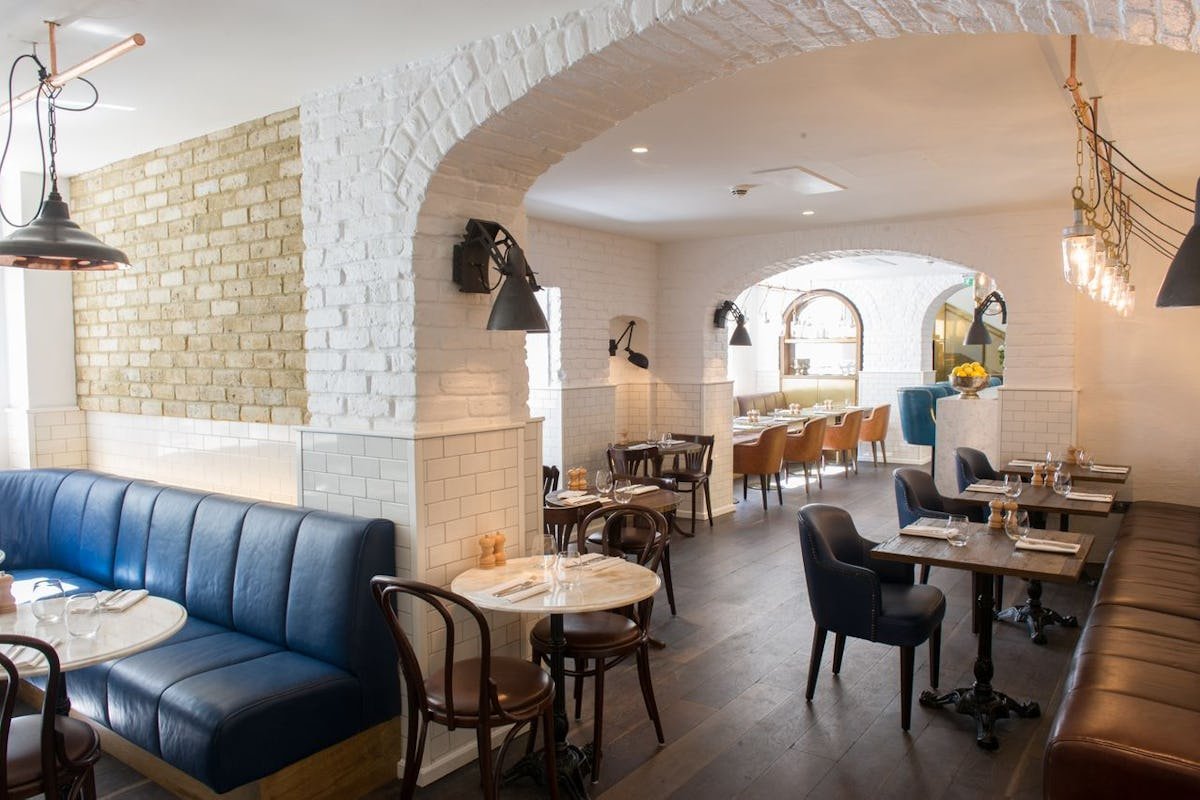
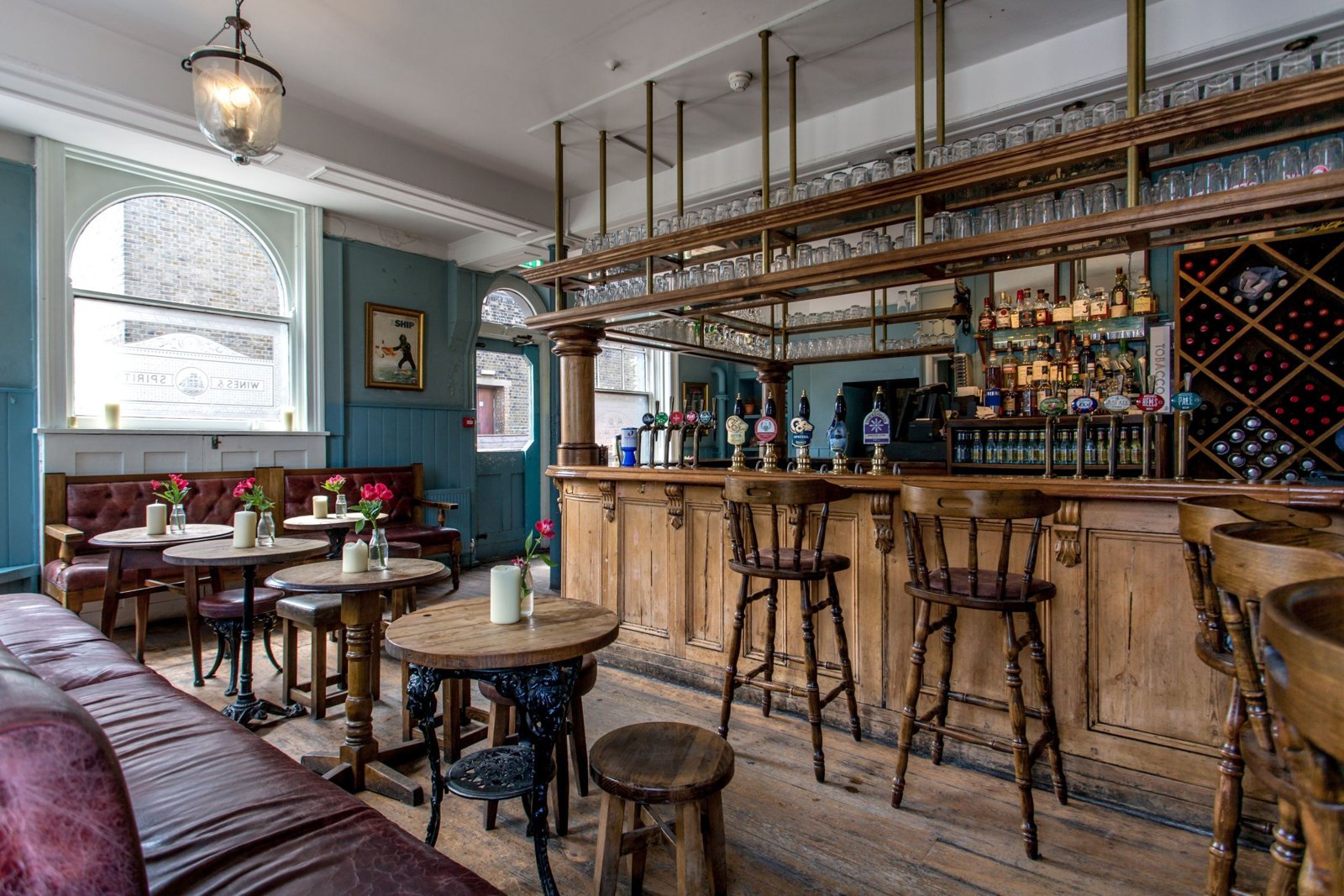
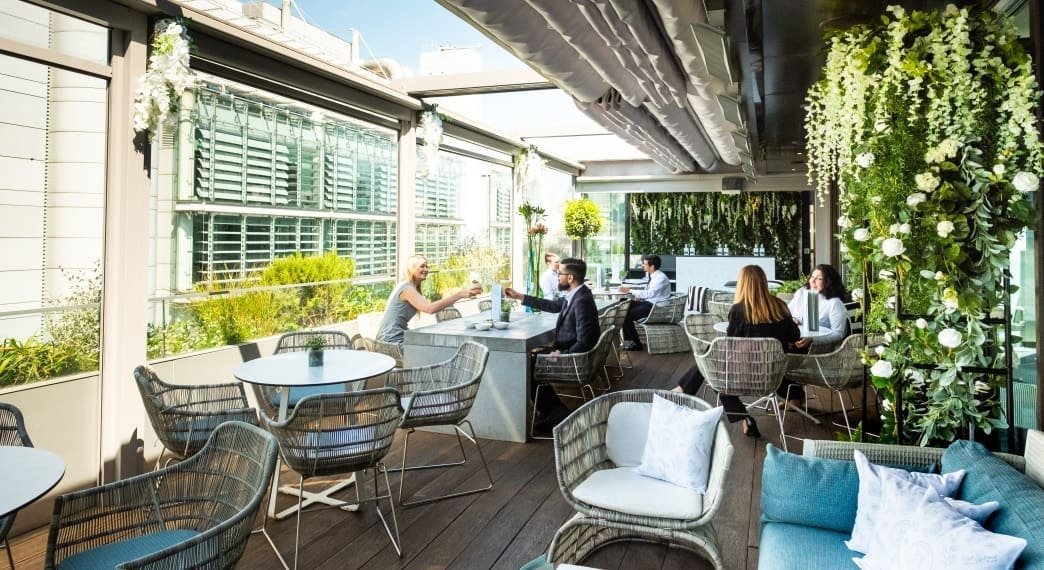
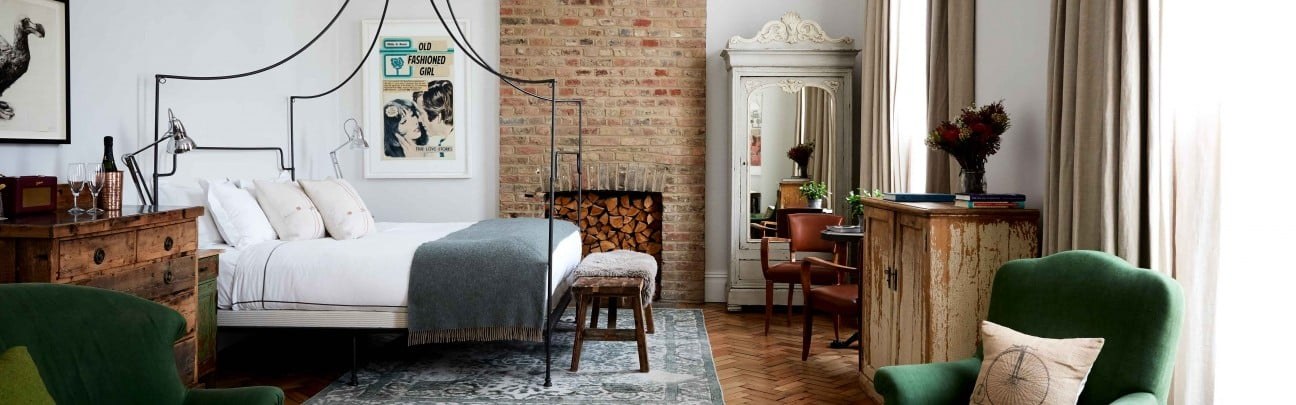
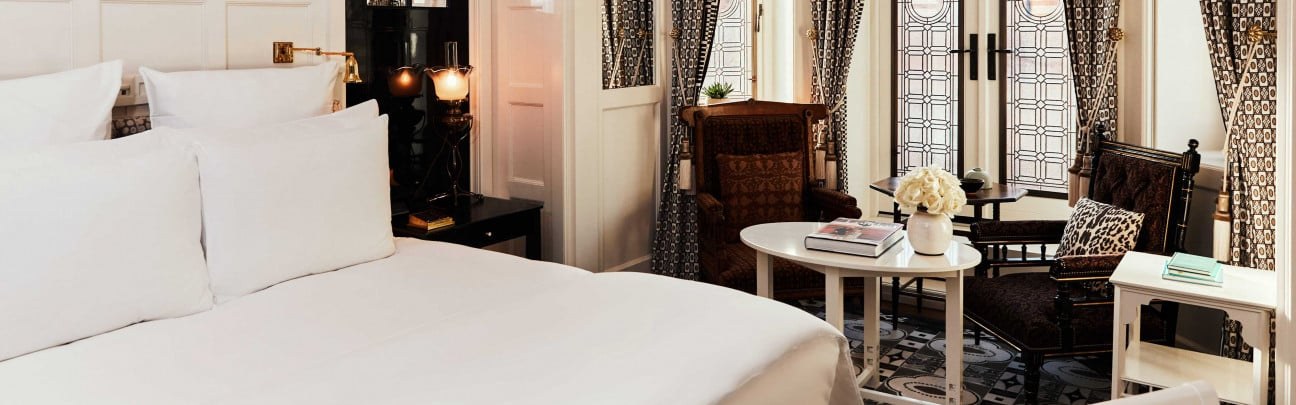
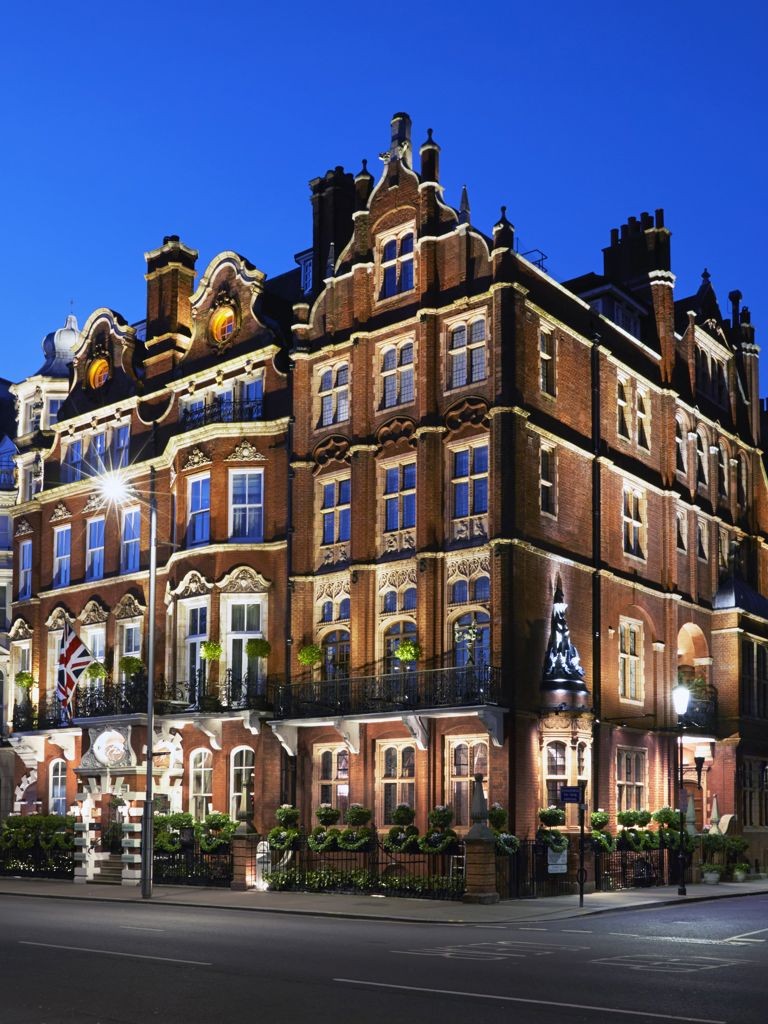
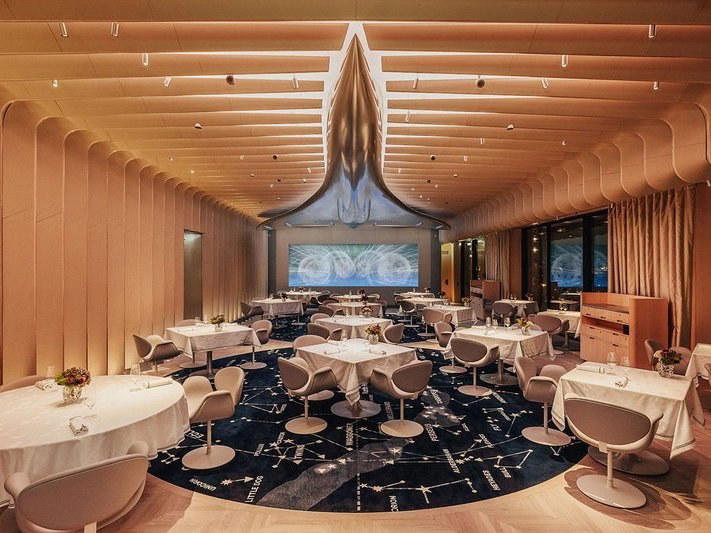
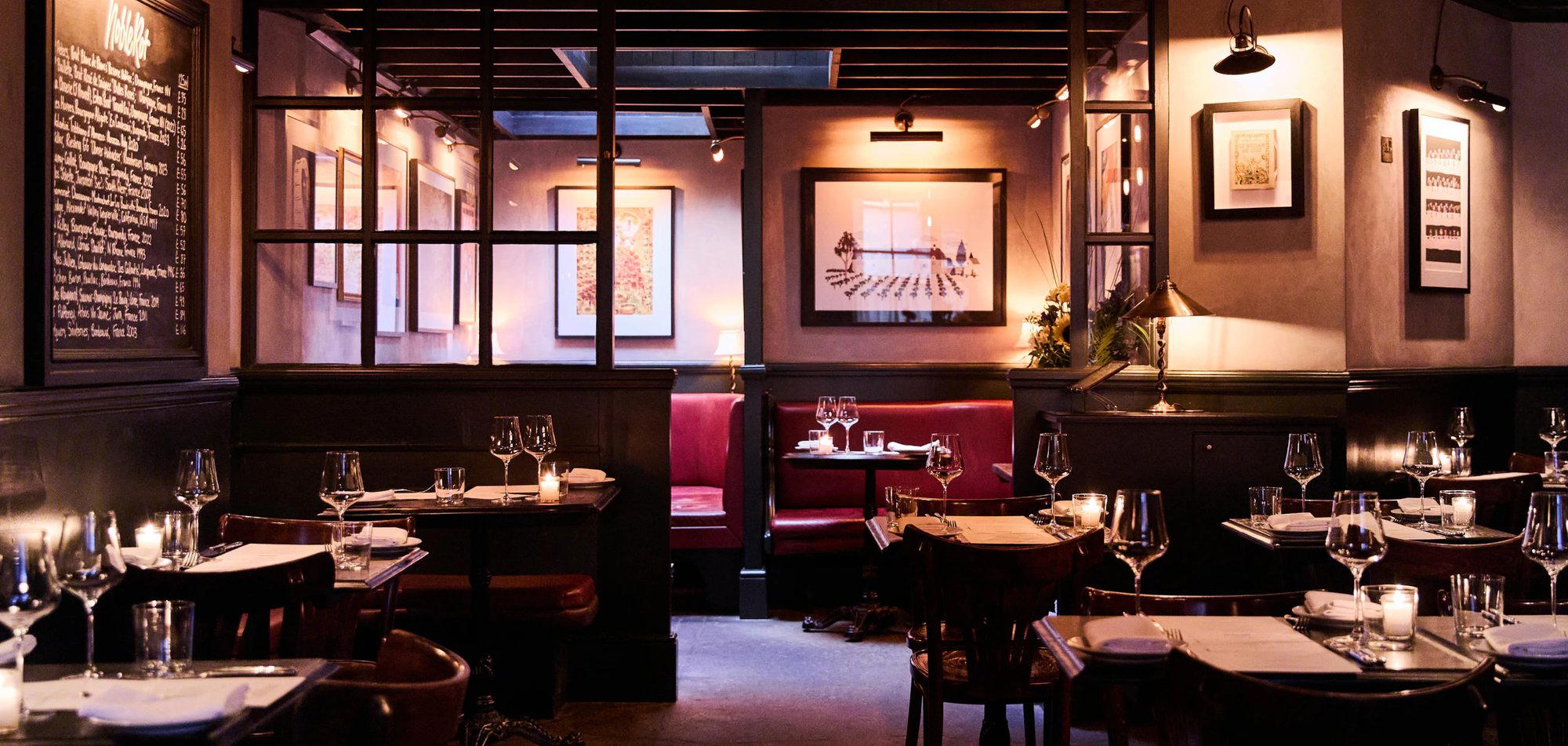
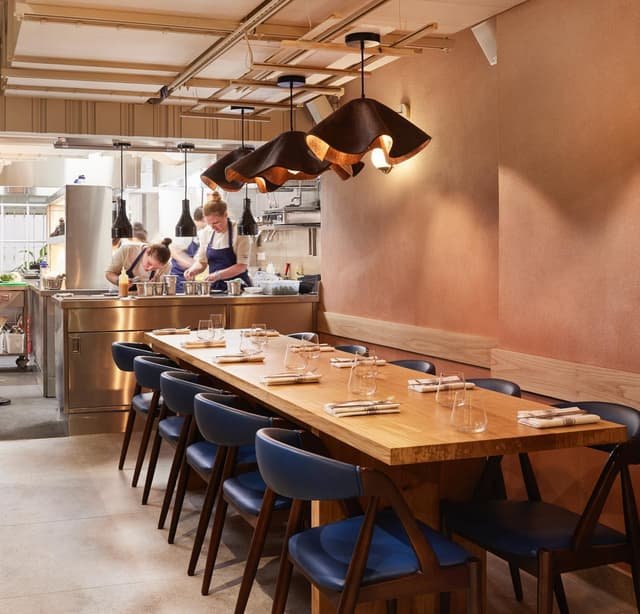
Apricity sits on Duke Street in Mayfair, surrounded by the kind of boutiques that charge four figures for a single item of clothing. The room pushes back against all of that: bare plaster walls, small café tables, light fixtures that read as deliberately unfinished. The aesthetic is not accidental. It matches the kitchen's logic, where nothing is wasted and the produce, rather than the décor, does the work.
The cooking under Chantelle Nicholson and Eve Seemann is vegetable-led but not vegetarian-only. The menu at any given time will reflect what small British farms are producing right now. In practice, that means dishes built around whatever root vegetables, brassicas, or alliums are at their seasonal peak, prepared with techniques that extract maximum flavour from ingredients that other kitchens might discard entirely. The signature 'wasted dip' at the start of the meal is a direct expression of that philosophy: offcuts and trim turned into something you would order again by choice.
Seasonality at Apricity is not a marketing claim. The menu shifts in ways that matter: a late-autumn visit might bring miso-roasted cabbage with pickled kale in a smoked emulsion, or baked celeriac on Black Badger peas with cultured gochujang. Earlier in the year, expect the kitchen to lean into the comparative brightness of spring produce. For explorers who track what British growing seasons actually produce, this makes timing your visit a worthwhile consideration rather than an afterthought.
Fish and meat do appear. A pollock tartare with pickled kohlrabi and broken linseed cracker has been noted by multiple sources for its freshness and sharpness. Lamb, when it is on, is served with beetroot and labneh. These are not token concessions to non-vegetarians; they are treated with the same sourcing rigour as the vegetable dishes.
Desserts lean savoury by most conventional standards. If you arrive expecting rich sweetness, you will be surprised. Rhubarb with raspberry granita and cashew cream, or a plum and rapeseed tart without the usual almond richness, signal that the kitchen's preferences run throughout the entire meal. That consistency is either exactly what you want or worth knowing before you sit down.
The wine list covers just over 100 labels, focused on growers who prioritise biodiversity and soil regeneration, earning recognition from Star Wine List (ranked in both 2024 lists). Wines by the glass have been noted as good but somewhat narrow in range across textures and fruit profiles. If wine breadth matters to you, the bottle list is the stronger option. The floor staff are notably assured, running service without writing orders down, which either reads as impressive precision or faint theatre depending on your tolerance for that sort of thing.
The menu is accessed via a QR code on a stone tablet at the table. Keep your phone charged.
Ratings and Recognition
- Michelin Green Star: 2023–2026
- Star Wine List: ranked #1 and #2 (2024)
Booking
Booking difficulty is moderate. Apricity does not require the two-month advance planning of a Michelin-starred room, but it is not a walk-in option either. A week to ten days ahead is a reasonable lead time for most slots; weekend evenings may require more. For comparison, getting a table at CORE by Clare Smyth or Sketch, The Lecture Room and Library demands significantly more planning. If your travel dates are fixed, book as soon as they are confirmed rather than waiting.
Practical Details
| Detail | Apricity | CORE by Clare Smyth | Sketch (Lecture Room) |
|---|---|---|---|
| Price tier | £££ | ££££ | ££££ |
| Cuisine | British Contemporary, low-waste | Modern British | Modern French |
| Booking difficulty | Moderate | High | High |
| Michelin recognition | Green Star | 3 Stars | 2 Stars |
| Dress code | Smart casual | Smart | Smart |
| Address | 68 Duke St, Mayfair, W1K 6JU | 92 Kensington Park Rd | 9 Conduit St |
How It Compares
See the full comparison section below.
Worth Knowing
If your interest is in where British contemporary cooking is heading, Apricity is one of a small number of London restaurants making a genuine argument for a different direction. For wider context, the low-waste, farm-direct approach that defines this kitchen also appears, in different registers, at places like L'Enclume in Cartmel and Moor Hall in Aughton, both of which push further into tasting-menu territory and carry heavier Michelin weight. Closer to London, Hand and Flowers in Marlow and The Fat Duck in Bray represent the more technical end of British cooking if that is where your appetite runs.
Within London itself, if you want a less formal version of seasonal British cooking at a lower price point, Anchor and Hope is worth considering. For something closer to Apricity's price and ambition but with a different tonal register, Café Deco is a reasonable alternative. For British contemporary cooking with more geographical reach, see also Jaan by Kirk Westaway in Singapore, hide and fox in Saltwood, Gidleigh Park in Chagford, and Dog and Gun Inn in Skelton.
For the full picture of what London has to offer across restaurants, hotels, bars, wineries, and experiences, see our full London restaurants guide, our full London hotels guide, our full London bars guide, our full London wineries guide, and our full London experiences guide.
Planning details
- Hours
- Monday: Closed · Tuesday: 12–2:30 PM, 5:30–9 PM
- Location
- 68 Duke St, London W1K 6JU, United Kingdom
- Website
- apricityrestaurant.com
- Phone
- +44 20 8017 2780
The take
The Take
The Vibe
Apricity presents a deliberate, pared-back aesthetic that reads as a position statement in Mayfair. The room foregrounds bare plaster, unadorned wood and artfully dusty fittings rather than the polished luxury the neighbourhood normally prizes. That refusal of decorative convention aligns visually with the kitchen’s low-waste, sustainable approach: the interior is effectively part of the menu. The result is an unfussy, exacting restaurant that feels like an editorial counterpoint to the surrounding grandeur: confident, quietly defiant and focused on the food rather than flourish.
Best For
Apricity suits diners who want serious, thoughtfully produced food without the trappings of formal dining. In Mayfair, it suits date nights, business dinners and special celebrations where the priority is refined cooking. The space’s restrained, uncompromising aesthetic makes it a choice for guests seeking an attentive, modern meal in an unfussy room: an understated Mayfair option for those who value provenance and intention over ornament.
Ordering Tips
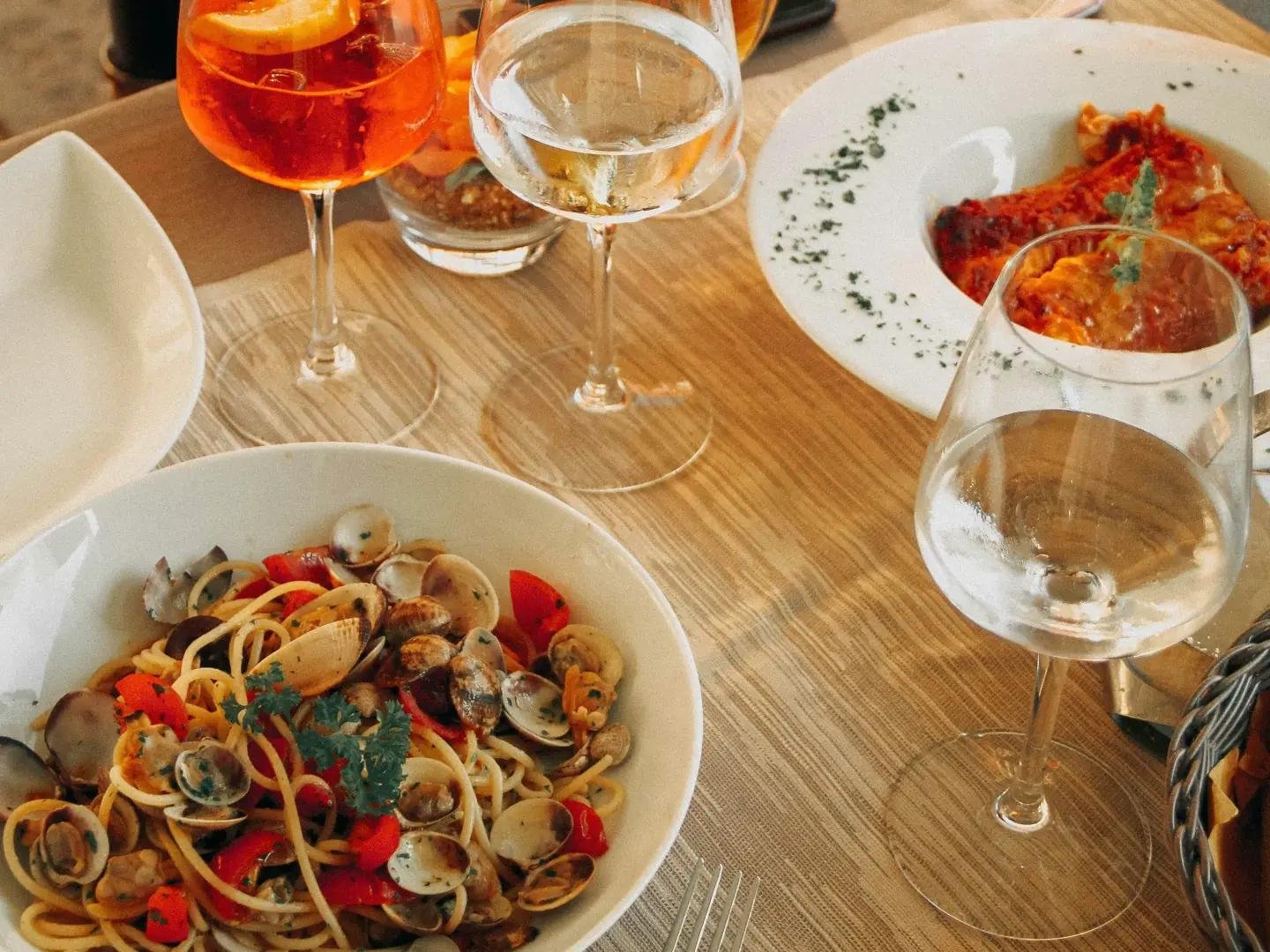
Let the kitchen’s signature plates guide your choices: the aubergine with zhoug and roasted almond butter and the shio koji–cured pollock with mussels in sambal sauce are distinct savoury highlights, while the rhubarb cashew cream with rhubarb granita and honeycomb and the chouxnut with cinnamon showcase the sweeter side of the menu. Apricity’s low‑waste, sustainable approach informs the menu.
Venue details
Ambiance
Pared-back, rustic aesthetic with scoured undecorated walls, small café tables, and artfully minimal lighting; calm and unpretentious despite Mayfair location.
Tags
Vibe
Best For
Experience
Sourcing
Accessibility
At the Table
- Dress Code
- Smart Casual
- Noise Level
- Conversational
- Service Style
- Upscale Casual
- Meal Pacing
- Leisurely
- Capacity
- Small
- Kitchen
- Seasonal
- Menu Format
- Tasting menu, A la carte
- Drinks Focus
- Natural wine, Zero-waste cocktails, Low-intervention wines
- Dietary
- Vegetarian friendly, Vegan options, Gluten-free options, Allergy accommodating
- Private Dining
- Available
Signature Dishes
- Aubergine with zhoug and roasted almond butter
- Rhubarb cashew cream with rhubarb granita and honeycomb
- Shio koji cured pollock and mussels in sambal sauce
- Chouxnut with cinnamon
Know before you go
Know Before You Go
- Getting there
- 68 Duke St, London W1K 6JU, United Kingdom
Planning details
Hours
- Monday
- Closed
- Tuesday
- 12–2:30 PM, 5:30–9 PM
- Wednesday
- 12–2:30 PM, 5:30–9 PM
- Thursday
- 12–2:30 PM, 5:30–9 PM
- Friday
- 12–2:30 PM, 5:30–9 PM
- Saturday
- 12–2:30 PM, 5–9 PM
- Sunday
- Closed
Location
Recognition and awards

Also consider
Also Consider
- CORE by Clare Smyth: Modern British, ££££
- Restaurant Gordon Ramsay: Contemporary European, French, ££££
- Sketch, The Lecture Room and Library: Modern French, ££££
- The Ledbury: Modern European, Modern Cuisine, ££££
- Dinner by Heston Blumenthal: Modern British, Traditional British, ££££
Restaurant context
Apricity at £££ occupies a different position from its Mayfair neighbours. CORE by Clare Smyth at ££££ is the benchmark for modern British cooking in London and carries three Michelin stars, but it requires booking months in advance and costs significantly more per head. If your priority is the highest technical ceiling in the British Contemporary category, CORE is worth the effort and the price. If you want serious, considered cooking without the months-long wait or the ££££ outlay, Apricity is the stronger practical choice.
Sketch's Lecture Room and Library and Restaurant Gordon Ramsay both operate at ££££ with Michelin stars and classical service formats. They are better suited to formal occasion dining where the room and the ceremony are as important as what is on the plate. Apricity does not compete on those terms: the room is deliberately spare and the kitchen's priorities run in a different direction. The Ledbury and Dinner by Heston Blumenthal, also at ££££, offer modern European and British cooking respectively with higher Michelin recognition, but again at a meaningfully higher price point and with more conventional luxury-dining formats.
The decision is relatively clear by diner profile. For an explorer interested in where British cooking is going with seasonal sourcing and low-waste cooking at the centre, Apricity is the right booking at the right price in this postcode. For a formal special-occasion dinner where stars, tablecloths, and service depth are the criteria, CORE, The Ledbury, or Restaurant Gordon Ramsay will better serve that need and are worth the additional cost.
Around this place
Discover more on Pearl
Unlock the full Apricity guide in Pearl, including awards, comparisons, FAQs, planning details, and nearby places.
Compare Apricity
| Venue | Price | Awards |
|---|---|---|
| Apricity | £££ | Star Wine Lists 2026 · #1Michelin Guide Great Britain & Ireland 20262026 Michelin PlateWe're Smart World Top 100 2025The Good Food Guide 2025We're Smart World Top Restaurants 20252025 Michelin Plate2024 Michelin Plate |
| CORE by Clare Smyth | ££££ | Star Wine Lists 2026 · #12026 Harden's Top 100 UK Restaurants · #252026 OAD Top Restaurants in Europe Ranked · #532026 National Restaurant Awards Top 100 · #872026 AA 5-Rosette RestaurantsMichelin Guide Great Britain & Ireland 20262026 La Liste Top Restaurants2025 National Restaurant Awards Top 100 · #382025 OAD Top Restaurants in Europe Ranked · #46 |
| Restaurant Gordon Ramsay | ££££ | 2026 OAD Classical in Europe Ranked · #682026 AA 4-Rosette RestaurantsMichelin Guide Great Britain & Ireland 20262026 La Liste Top Restaurants2026 Falstaff Restaurant Guide2025 National Restaurant Awards Top 100 · #142025 OAD Classical in Europe Ranked · #96The Good Food Guide 20252025 Michelin 3 Stars |
| Sketch, The Lecture Room and Library | ££££ | 2026 Harden's Top 100 UK Restaurants · #532026 OAD Classical in Europe Ranked · #1202026 AA 5-Rosette RestaurantsMichelin Guide Great Britain & Ireland 20262026 La Liste Top Restaurants2025 OAD Classical in Europe Ranked · #105We're Smart World Top Restaurants 20252025 Michelin 3 Stars2024 OAD Classical in Europe Ranked · #117 |
| The Ledbury | ££££ | Star Wine Lists 2026 · #12026 Harden's Top 100 UK Restaurants · #42026 National Restaurant Awards Top 100 · #42026 OAD Top Restaurants in Europe Ranked · #142026 AA 4-Rosette RestaurantsMichelin Guide Great Britain & Ireland 20262026 La Liste Top Restaurants2026 Falstaff Restaurant Guide2025 National Restaurant Awards Top 100 · #3 |
| Dinner by Heston Blumenthal | ££££ | Star Wine Lists 2026 · #12026 OAD Top Restaurants in Europe Ranked · #1442026 AA 4-Rosette Restaurants2026 OAD Top Restaurants in Asia Recommended2026 La Liste Top RestaurantsMichelin Guide Great Britain & Ireland 20262026 Falstaff Restaurant Guide2025 Michelin 2 Stars2025 La Liste Top Restaurants |
.png?width=1200&quality=80)








Comparing your options in London for this tier.
FAQ
Frequently Asked Questions
What should I wear to Apricity?
The room is deliberately unpretentious: bare plaster walls, wooden café tables, a rustic aesthetic that signals the kitchen's ethos rather than Mayfair's usual formality. Dress tidily but do not feel pressure to dress up. This is not a jacket-required room in the mould of the neighbourhood's more traditional restaurants.
How far ahead should I book Apricity?
One to two weeks ahead is usually sufficient for midweek, but weekend tables at a Michelin Green Star restaurant in Mayfair go faster than that. Book as soon as your plans are fixed. Apricity is not at the two-month scramble level of a starred room, but it is not a walk-in option either.
What should I order at Apricity?
The menu is seasonal and rotates around British produce from small artisan farms, so specific dishes change. Based on documented descriptions, the kitchen's strengths run toward vegetable-forward courses and fermented or pickled preparations: the 'wasted dip' at the start is a signature. If fish or meat is on, the pollock tartare and lamb have drawn positive editorial notice. Go with the season rather than hunting for a specific dish.
Is the tasting menu worth it at Apricity?
Apricity's format favours those already aligned with low-waste, vegetable-led cooking: if that is your preference, the format works well and the kitchen has the creativity to justify a full progression of courses. If you are expecting a more conventional fine dining protein-led structure, the experience may feel unfamiliar. The Michelin Green Star recognition (2024 and 2025) and Star Wine List rankings confirm the quality is there.
Is Apricity worth the price?
At £££, Apricity sits in the mid-to-upper range for London dining without carrying the premium of a Michelin-starred room. For what the price delivers, a Michelin Green Star kitchen, a biodiversity-focused wine list, and seasonal British cooking from Chantelle Nicholson and Eve Seemann, the value holds up. If you are weighing it against a full-starred experience, the gap in formality and price makes Apricity the more practical choice for a regular booking rather than a once-a-year occasion.
What are alternatives to Apricity in London?
For vegetable-forward seasonal cooking at a similar price point, Apricity has few direct London equivalents. If you want more conventional fine dining at the same Mayfair postcode and are willing to spend more, The Ledbury and CORE by Clare Smyth are both starred and more protein-centred. For something plant-focused but at a higher price and formality tier, Sketch's Lecture Room is in a different category entirely. Apricity is the clearest choice if sustainability and seasonal British produce are the actual draw.