
Restaurant in Auderghem, Belgium
Le Transvaal
100ptsVegetable-Centred Inventive Cooking

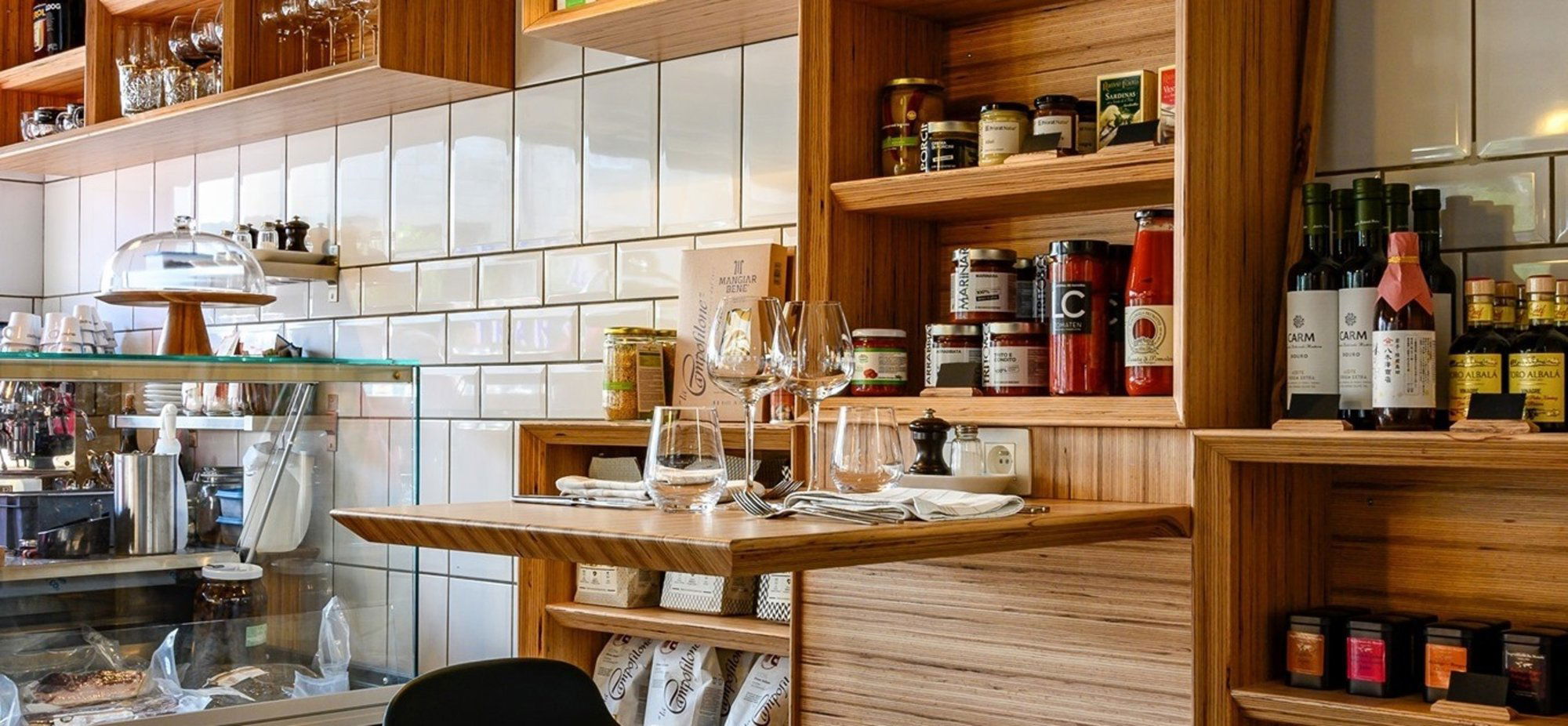
About Le Transvaal
A newcomer to the Auderghem dining scene, Le Transvaal brings a kitchen led by Raphaël de Sadeleer that treats vegetables not as accompaniment but as the structural core of every plate. The cooking is modern and restrained, with an inventive approach that sits outside the heavier classical register most associated with Belgian restaurant cooking. For a municipality that punches below its weight on the dining map, this is a notable addition.
Where Auderghem's Dining Scene Is Heading
Auderghem has long been overshadowed by the denser restaurant clusters of Ixelles, Saint-Gilles, and the Brussels pentagon. The municipality sits at the southeastern edge of the capital region, residential and relatively quiet, with a dining culture that has historically skewed toward reliable neighbourhood bistros rather than destination cooking. Le Transvaal, on Avenue Joseph Chaudron, represents something of a departure from that pattern: a recent arrival that has drawn attention not through grandeur but through the rigour and freshness of its kitchen.
The address itself signals the neighbourhood's character. Avenue Joseph Chaudron is unhurried, the kind of street where you arrive by choice rather than by accident. That self-selection matters. The room at Le Transvaal is described as modest, which in Belgian restaurant terms typically means the food is doing the work rather than the interior. It places the restaurant in a category that Brussels diners will recognise: small, serious, and committed to a particular point of view about what ends up on the plate.
The Vegetable-Forward Approach, in Context
Belgian restaurant cooking has long operated in the shadow of its French neighbour, with a classical tradition heavy on butter, cream, and animal protein as the structural centre of a meal. That tradition has produced some of the country's most celebrated restaurants: the rich French-Belgian classicism of places like Bozar Restaurant in Brussels, or the elaborate creative tasting menus at Hof van Cleve in Kruishoutem and Boury in Roeselare. These are kitchens where vegetables appear as considered accents within protein-anchored compositions.
Le Transvaal operates differently. Vegetables are described as generously present in every dish, which is not a casual flourish. It reflects a deliberate sourcing and cooking philosophy that aligns with a broader European shift toward plant-forward menus, one visible in similarly positioned restaurants across Antwerp, Ghent, and Brussels proper. At Zilte in Antwerp and Willem Hiele in Oudenburg, produce sourcing and seasonal discipline have become defining credentials. Le Transvaal appears to be staking a similar claim, at a more accessible neighbourhood scale.
The question of where the vegetables come from matters as much as how they are cooked. In Belgium, the growing season is short and the market culture around it is specific: late spring and summer bring asparagus, broad beans, and young brassicas; autumn arrives with chicory, root vegetables, and squash that suit longer preparations. A kitchen that puts produce at the centre of its plates must work around these rhythms, or work against them with import compromises that undermine the point. Raphaël de Sadeleer's kitchen, from the available evidence, is building its menu around freshness and invention rather than luxury ingredients, which suggests a produce-led calendar rather than a static menu.
The Cooking Style: Modern, Inventive, Restrained
The terms used to characterise Le Transvaal's kitchen, modern, simple, inventive, and fresh, describe a coherent approach rather than a contradictory one. Modern and simple together suggest that technique is deployed in service of clarity, not complexity for its own sake. Inventive within those constraints implies that the interest comes from combination and proportion rather than elaborate processing. Fresh points back to sourcing: ingredients that do not need disguising or rescuing.
This places Le Transvaal in an interesting position relative to its Auderghem neighbours. The area's dining options include Maza'j, which brings Lebanese cooking to the municipality, and Villa Singha, which covers Thai. Neither is competing in the same register. Le Transvaal is the closest thing Auderghem currently has to a modern European restaurant operating with a distinct culinary point of view, which, for a neighbourhood of its size and character, carries some weight.
Across Belgium more broadly, the creative-modern tier tends to cluster at the higher end of the price spectrum. Restaurants like Castor in Beveren, Cuchara in Lommel, and Bartholomeus in Heist operate at the €€€€ tier, where elaborate produce sourcing and technical precision are priced accordingly. Le Transvaal is described as modest, which implies a different pricing register, one where the same commitment to fresh, vegetable-forward cooking is offered at a scale that makes it a genuine neighbourhood option rather than a special-occasion destination. That gap in the market is real, and it explains part of the attention this kitchen has attracted since opening.
A Newcomer Worth Tracking
Newcomer status in any restaurant scene cuts two ways. On one hand, it means the kitchen is still finding its form, the team is building its rhythms, and the menu is likely evolving faster than it will once the restaurant matures. On the other hand, newcomers at this level often cook with a focus and energy that settles into something more comfortable, for better or worse, after the first year or two. The current moment at Le Transvaal is arguably the most interesting one: a kitchen with a clear point of view, working out how to execute it consistently.
The comparison with international vegetable-forward cooking at scale, such as the produce-discipline evident at Le Bernardin in New York City or the ingredient-led approach at Emeril's in New Orleans, is instructive in terms of what that commitment eventually produces, even if the scale and register are entirely different. In those kitchens, sourcing discipline over time builds a distinct culinary identity. The signal from Le Transvaal's early reputation is that Raphaël de Sadeleer is working toward something similar, in a smaller room, in a quieter corner of the Brussels region.
For visitors to Auderghem or Brussels residents willing to cross the municipality boundary, Le Transvaal sits on Avenue Joseph Chaudron 40. There is no booking data currently published, so contacting the restaurant directly in advance is the prudent approach, particularly given that modest-sized rooms at this level of ambition tend to fill with regulars faster than their profile might suggest. Also worth noting: Auderghem's dining options are expanding, and the broader picture of what the municipality offers is covered in our full Auderghem restaurants guide. For accommodation in the area, our Auderghem hotels guide covers the options, while our Auderghem bars guide, our wineries guide, and our experiences guide round out the picture for anyone spending more than an evening in the area. Also referenced in this piece: d'Eugénie à Emilie in Baudour, another Belgian restaurant operating with a personal, produce-led sensibility at a neighbourhood scale worth knowing about.
Frequently Asked Questions
Is Le Transvaal okay with children?
Le Transvaal is described as a modest neighbourhood restaurant rather than a formal dining room, which generally suggests a relaxed environment. In Auderghem, at this price positioning, the atmosphere is unlikely to require the kind of sustained quiet that makes children uncomfortable at higher-end establishments. That said, the kitchen's focus and the small scale of the room mean that families with very young children should consider timing: a quieter midweek lunch slot is likely more practical than a weekend dinner service in a full room.
Is Le Transvaal formal or casual?
The consistent description of Le Transvaal as modest and neighbourhood-oriented places it firmly in the casual register. Brussels dining broadly separates into the formal tasting-menu tier, where jacket expectations and extended service formats apply, and the neighbourhood restaurant tier, where good food is offered without ceremony. Le Transvaal sits in the latter. The kitchen's ambition is evident in the cooking rather than the staging, which means you can arrive without a dress code concern and without the financial exposure of a €€€€ tasting menu. In Auderghem's dining context, that combination is relatively uncommon.
What do people recommend at Le Transvaal?
No specific dish data is available in the public record, so naming individual plates would be speculation. What is consistent across accounts is the prominence of vegetables in every course, which suggests that whatever is being ordered, produce is the throughline. Raphaël de Sadeleer's cooking is characterised as inventive and fresh, which in practice tends to mean that the menu shifts with what the season and the market support. Asking the kitchen or front-of-house what is leading the menu on any given visit is likely to produce a more accurate answer than any fixed recommendation, and is consistent with how kitchens at this level tend to operate.
Recognized By

Related editorial
- Best Fine Dining Restaurants in ParisFrom three-Michelin-star icons to the next generation of Parisian chefs pushing boundaries, these are the restaurants that define fine dining in the world's culinary capital.
- Best Luxury Hotels in RomeFrom rooftop terraces overlooking ancient ruins to Michelin-starred hotel dining, these are the luxury hotels that make Rome unforgettable.
- Best Cocktail Bars in KyotoFrom sleek lounges to hidden speakeasies, Kyoto's cocktail scene blends Japanese precision with global influence in ways you won't find anywhere else.
Save or rate Le Transvaal on Pearl
Keep this venue in your Pearl passport, rate it after you visit, and track it alongside every other place you collect.