


la bûche
French · Sakyō, Kyoto
Restaurant in Kyoto, Japan
 Book with Pearl
The Read
Wood-Fire Terroir French
Price
$100–150per person
Why go
A Michelin-starred (2024) French counter restaurant in Kyoto's rural Ohara district, where Chef Shohei Mori cooks daily market produce over a wood fire. At ¥¥¥, it delivers Taillevent-trained precision with genuine mountain terroir at a price below the city's top kaiseki houses. Book four to six weeks out minimum, capacity is small and demand moves fast.
About la bûche
Verdict
At ¥¥¥ per head, la bûche in Ohara, a rural mountain district about 45 minutes north of central Kyoto, is one of the stronger cases for French fine dining outside Japan's major urban centres. Chef Shohei Mori holds a Michelin star (2024) and cooks over a wood fire, sourcing produce daily from the Ohara market. If you are willing to make the trip out of the city and secure a reservation well in advance, the experience delivers a level of ingredient-driven precision that few restaurants at this price tier can match in the Kyoto region. If Michelin-starred French in a rural setting is not your format, or if you need something easier to book, look at cenci for Italian at the same price point, or the kaiseki options at ¥¥¥¥ tier for the city-centre experience.
Portrait
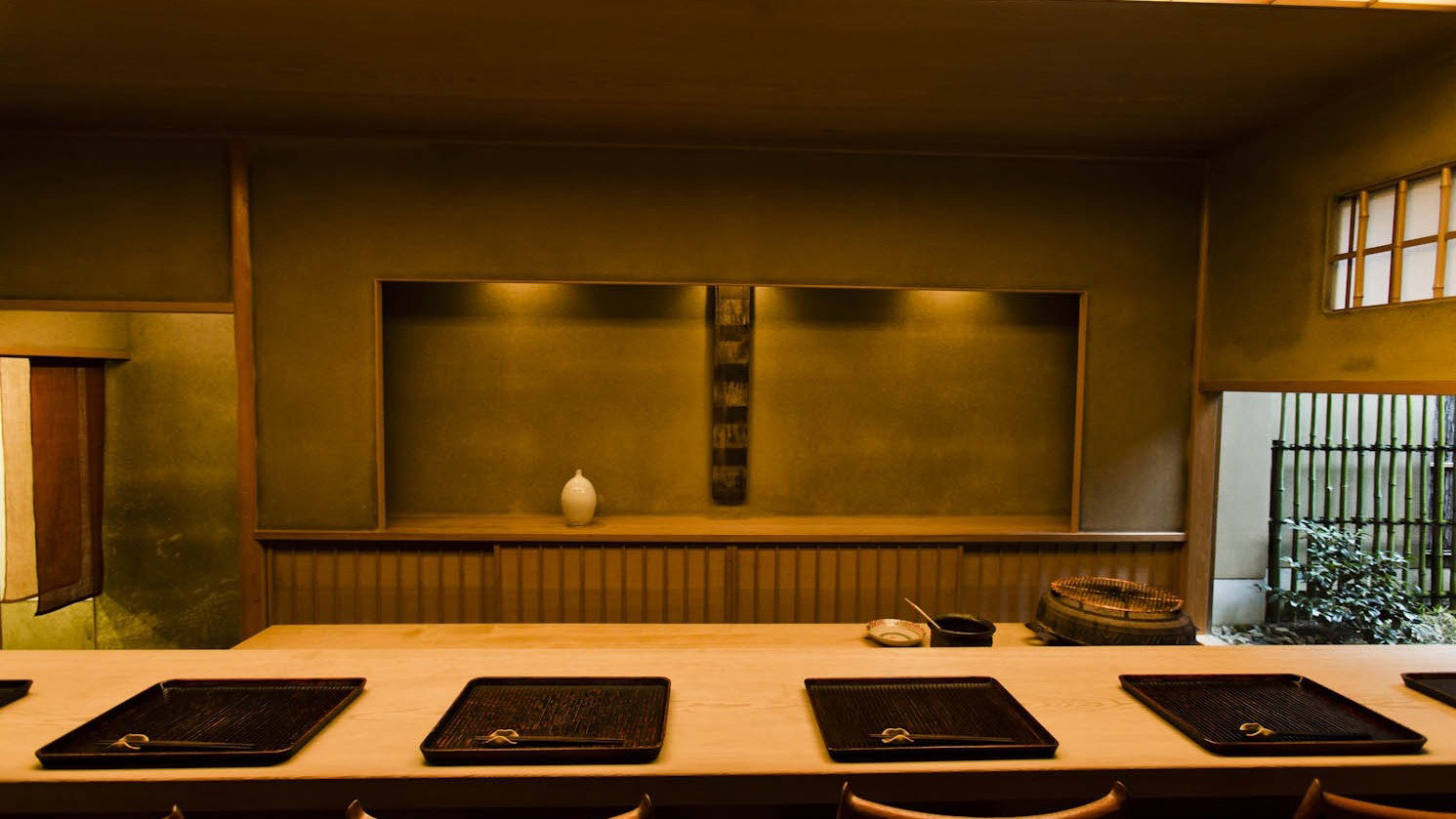
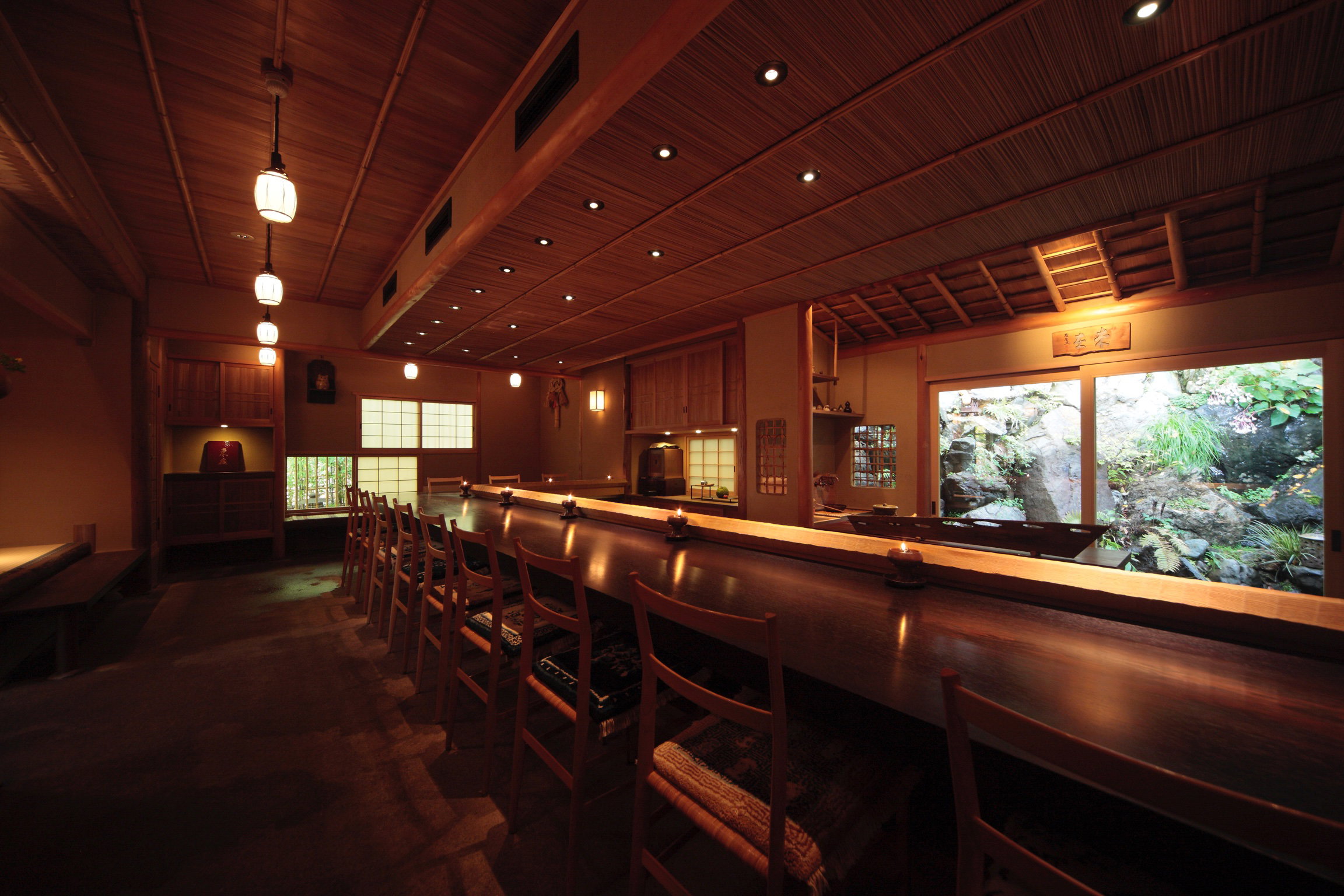
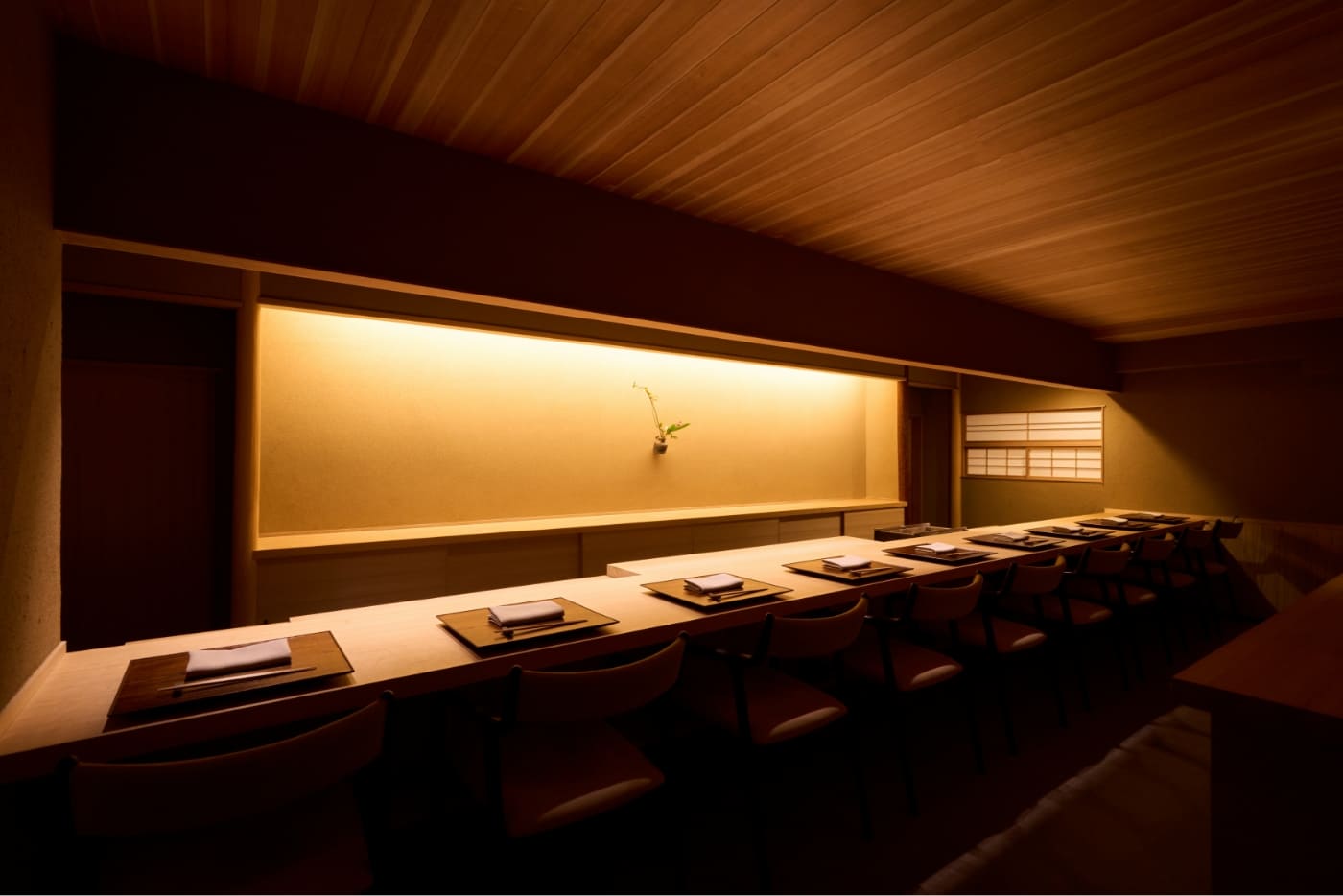
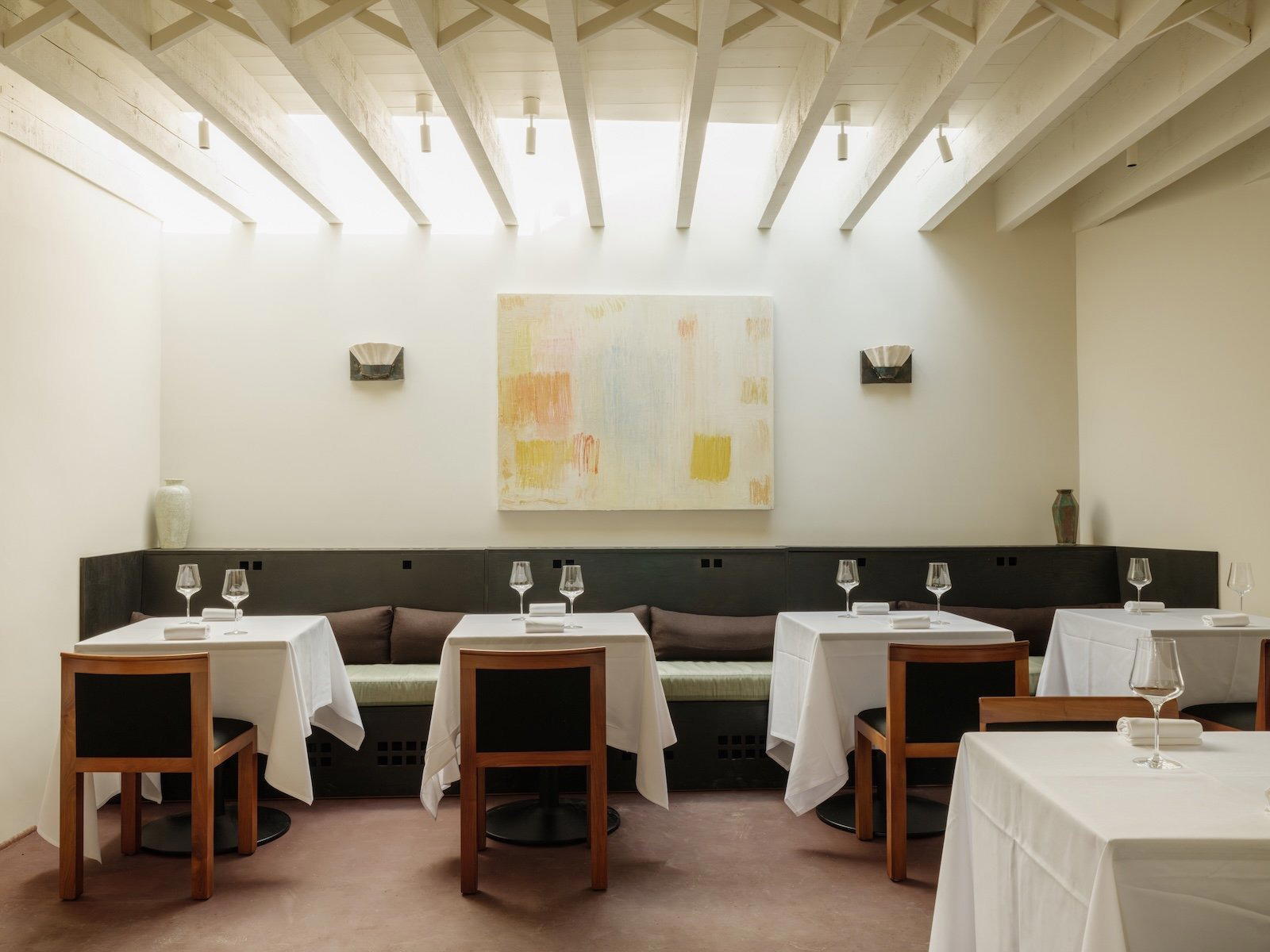
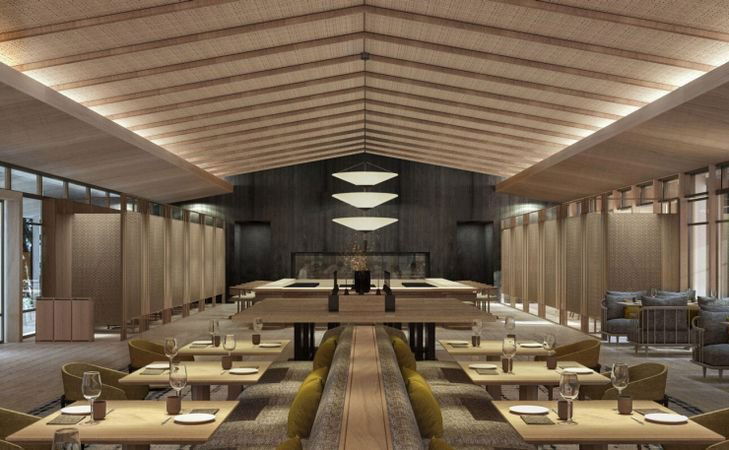
La bûche occupies a counter kitchen space in Ohara, a village area in Sakyo Ward that sits at a remove from Kyoto's tourist core. The physical setting matters here more than it does at most city restaurants: this is a small, intimate counter arrangement where the kitchen is open and the fire is the visual anchor. You are close to the chef and close to the process. There is no distance between the cooking and the dining room because, structurally, they are the same room. For a food-focused traveller who wants to understand what they are eating and why, that spatial arrangement pays dividends, you can watch the wood fire, track the progression of the menu, and engage with the kitchen directly if you choose.
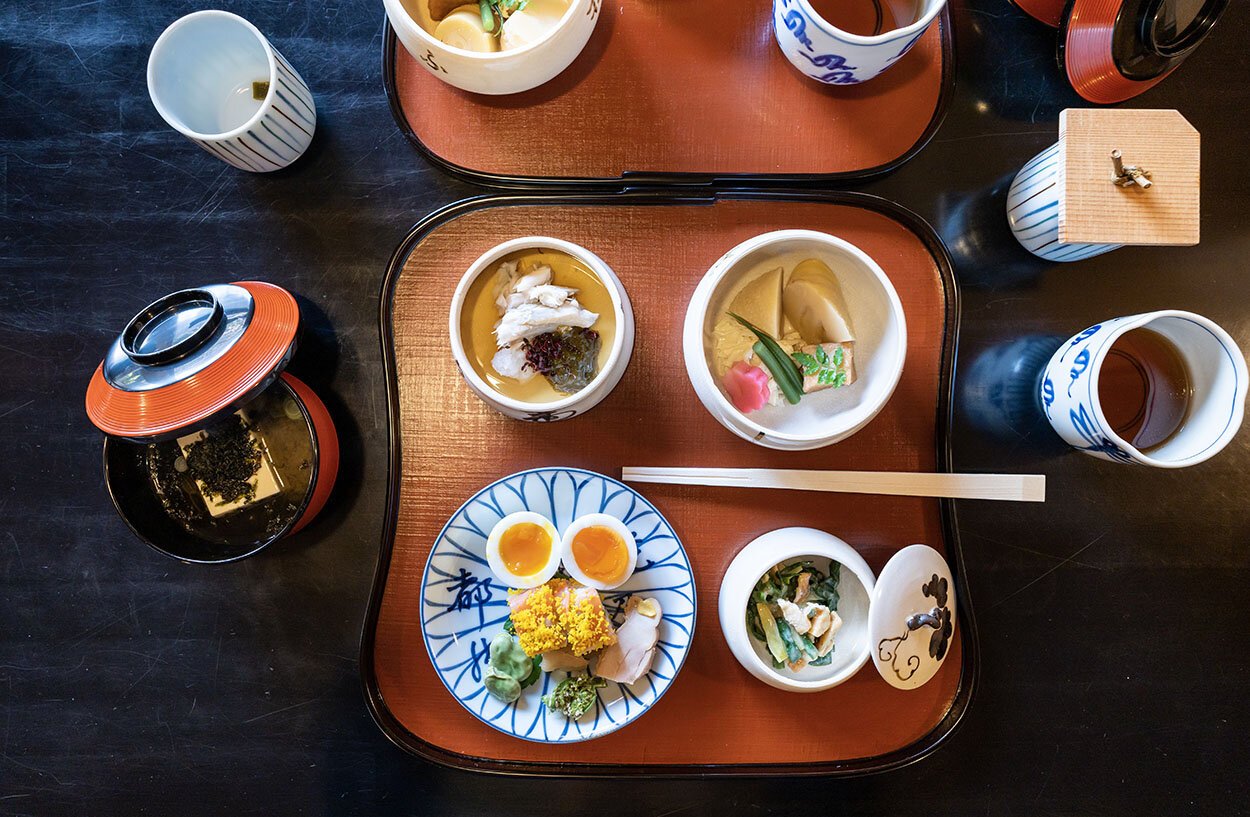
The cooking is built around Ohara's agricultural identity. Mori visits the market each morning to work with whatever the local farmers are offering that day, which means the menu shifts with genuine seasonal pressure rather than as a marketing premise. Wild mountain greens and flowers appear alongside game, reflecting the forested terrain surrounding the village. The fire cooking method, using lumber from forest thinning, is not decorative. It is functional, producing the kind of dry, high-temperature heat that changes the character of vegetables and proteins in ways that conventional kitchen equipment does not replicate at this scale.
Mori trained at Taillevent in Paris and Pierre Gagnaire in Tokyo, a lineage that places him in the upper tier of classically grounded French technique. The interesting tension at la bûche is that this formal training is applied in one of Japan's most rurally distinct micro-regions. The result is not fusion in any conventional sense; it is French structure applied to hyper-local Japanese terroir. If you have eaten at L'Effervescence in Tokyo or akordu in Nara, the conceptual territory will be familiar, though la bûche's Ohara setting gives it a rawness and agricultural immediacy that urban French restaurants in Japan rarely achieve.
The price tier sits at ¥¥¥, which positions it below the ¥¥¥¥ kaiseki houses that dominate Kyoto's fine dining conversation. That pricing makes la bûche a reasonable proposition for the explorer traveller who wants Michelin-calibre cooking without committing to the higher spend of venues like Gion Sasaki or Kyokaiseki Kichisen. Be clear-eyed about the trade-off, though: you are getting a counter seat in a rural mountain village, not the ceremony and spatial refinement of a formal kaiseki house. The value proposition is the cooking quality and the terroir-driven concept, not the setting in any luxurious sense.
For context on how la bûche compares to other Japan-based French addresses worth considering on an extended trip, HAJIME in Osaka and 1000 in Yokohama operate at different scales and price points but share the same Japan-inflected French framework. Closer to Kyoto, Hiramatsu Kodaiji, La Biographie, Droit, anpeiji, and MOKO cover the French spectrum in the city proper if the Ohara journey is a barrier.
With a Michelin star secured in 2024, la bûche enters the year with external recognition to match its concept.
Booking
La bûche is rated Hard to book. The Ohara location and counter format mean capacity is limited, and a Michelin star accelerates international demand. Plan a minimum of four to six weeks in advance for a standard booking window; for peak travel periods in Kyoto (late March through early May for cherry blossom season, October through November for autumn foliage), extend that to two to three months. No phone number or direct booking URL is listed in available data, so approach booking through concierge services, hotel assistance, or aggregator platforms that cover rural Kyoto. A hotel concierge in the city is often the fastest route. See our full Kyoto restaurants guide for broader reservation context.
Practical Details
La bûche is located at 400-3 Ohararaikoincho, Sakyo Ward, Kyoto, in the Ohara district, not central Kyoto. Allow 40 to 50 minutes from Kyoto Station by bus or taxi; the journey itself is part of the proposition for travellers comfortable with a rural excursion. Cuisine type is French, with a prix fixe menu structure built around daily market produce and wood-fire cooking. Price range is ¥¥¥. Hours and dress code are not publicly listed; confirm both when booking. Group capacity data is unavailable given the counter format, but parties larger than four should confirm availability directly before booking. For broader trip planning: our Kyoto hotels guide, bars guide, wineries guide, and experiences guide.
Quick reference:
Planning details
- Location
- 400-3 Ohararaikoincho, Sakyo Ward, Kyoto, 601-1242, Japan
- Reservations
- Book on TableCheck
- Website
- labuche-ohara.com
- Phone
- +81 75-600-9196
The take
The Take
The Vibe
La bûche settles into an unlikely but wholly convincing corner of rural Kyoto, where cedar ridgelines and terraced plots frame a Michelin-starred French kitchen. The restaurant pairs classical French technique with a mountain‑village sensibility, producing an intimate, rustic elegance that feels intentional rather than contrived. Service reads through a formal French lineage while the room benefits from an agricultural quiet that keeps focus on the food and the landscape. The result is a composed, scenic dining experience: refined and sophisticated in method, quietly rooted in a very specific place.
Best For
This is a destination for special occasions and deliberate dining. Its remote Ohara setting and Michelin recognition make it well suited to intimate celebrations or a focused culinary pilgrimage from the city. The combination of classical technique and an explicit commitment to local, market-driven ingredients creates a memorable, contemplative meal that rewards unhurried attention. Guests who prioritize atmosphere as much as technique—those seeking a serene, scenic backdrop to refined French cooking—will find La bûche particularly fitting.
Ordering Tips
Menus at La bûche are driven by the morning market and local produce—the text explicitly calls local produce 'the brief' and notes the kitchen's responsiveness to what the market provides. Ask about the day's ingredients and how they inform preparations, and prioritize dishes that showcase seasonal terroir. Given the restaurant’s classical grounding paired with conceptual openness, allow the kitchen’s technique to shape the experience: lean into market-led preparations and inquire about the producer relationships that inform the evening’s offerings.
Venue details
Ambiance
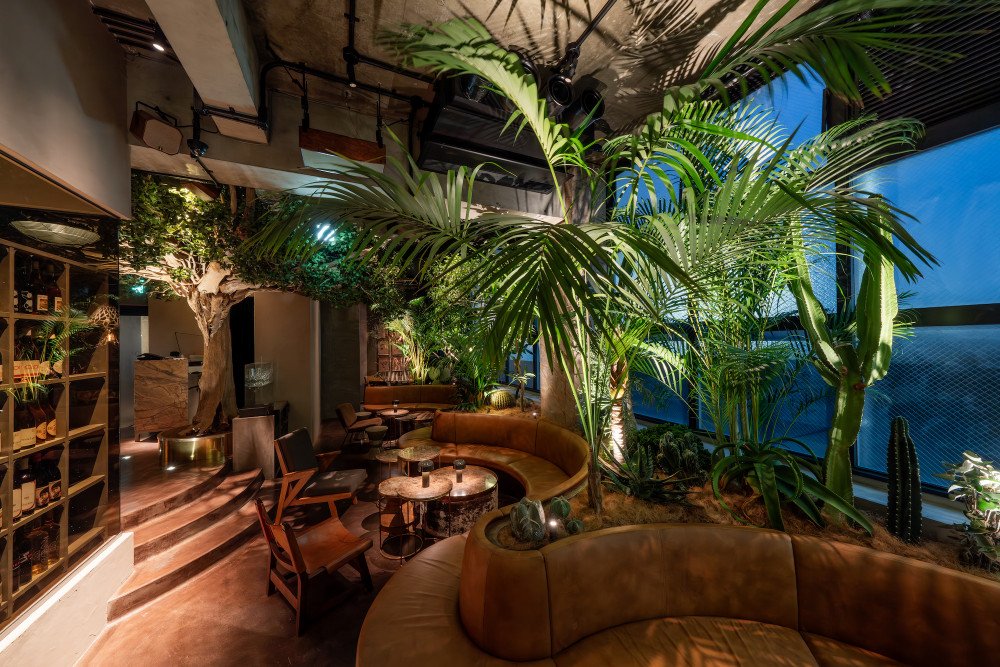
Intimate counter seating around an open wood-fired kitchen with a warm, relaxing atmosphere focused on the chef's fire-tended preparations.
Tags
Vibe
Best For
Experience
Sourcing
At the Table
- Noise Level
- Quiet
- Service Style
- Upscale Casual
- Meal Pacing
- Leisurely
- Capacity
- Intimate
- Kitchen
- Seasonal
- Menu Format
- Prix fixe
- Drinks Focus
- Natural wine
Know before you go
Know Before You Go
- Getting there
- 400-3 Ohararaikoincho, Sakyo Ward, Kyoto, 601-1242, Japan
Planning details
Location
400-3 Ohararaikoincho, Sakyo Ward, Kyoto, 601-1242, Japan · Directions
Also consider
Also Consider
- Gion Sasaki, Kaiseki, Japanese, ¥¥¥¥
- cenci, Italian, ¥¥¥
- Ifuki, Kaiseki, ¥¥¥¥
- Kyokaiseki Kichisen, Japanese, ¥¥¥¥
- Kyo Seika, Chinese, ¥¥¥
Restaurant context
La bûche's most direct competition is not from other French restaurants, it is from Kyoto's kaiseki tier. Gion Sasaki and Ifuki both operate at ¥¥¥¥ and represent the city's kaiseki benchmark in terms of technique, ceremony, and produce sourcing. If you want to understand Kyoto through its native culinary form and budget is not the primary concern, either of those addresses outranks la bûche on cultural depth and service polish. Kyokaiseki Kichisen sits at ¥¥¥¥ and adds historical weight to the comparison. La bûche's counter against all three: it costs less, and its French framework may actually be more accessible for international diners less familiar with kaiseki's structural logic.
At the same ¥¥¥ tier, cenci offers Italian rather than French, in a city-centre location that is easier to book and easier to reach. Kyo Seika covers Chinese at the same price point and is more accessible logistically. Neither carries a Michelin star as of 2024, which gives la bûche a credential advantage within the ¥¥¥ bracket, though cenci is a credible choice if you want a shorter journey and a more relaxed booking window.
The honest comparison for the explorer traveller is this: la bûche is the right choice if the concept, rural terroir, wood fire, daily market sourcing, French technique, is specifically what you are after. If you are building a Kyoto itinerary and want one high-end meal that covers the city's culinary identity most directly, a ¥¥¥¥ kaiseki house serves that purpose better. La bûche earns its place on the list as the most distinctive French option in the region at its price tier, not as a substitute for the kaiseki experience.
Explore Kyoto
Around this place
Discover more on Pearl
Unlock the full la bûche guide in Pearl, including awards, comparisons, FAQs, planning details, and nearby places.
Compare la bûche
| Venue | Awards | Price |
|---|---|---|
| la bûche | Michelin Guide Kyoto Osaka 20262026 Michelin 1 StarTabelog 100 - French - WEST - 2025 · #92We're Smart World Top Restaurants 20252024 Michelin 1 Star | ¥¥¥ |
| Gion Sasaki | 2026 Tabelog Bronze · #3862026 OAD Top Restaurants in Japan RecommendedMichelin Guide Kyoto Osaka 20262026 La Liste Top RestaurantsTabelog 100 - Japanese cuisine - WEST - 2025 · #132025 OAD Top Restaurants in Japan Ranked · #2462025 Tabelog Silver2025 Michelin 3 Stars2025 La Liste Top Restaurants | ¥¥¥¥ |
| cenci | 2026 Tabelog Bronze · #442026 Asia's 50 Best Restaurants · #762026 OAD Top Restaurants in Japan Highly RecommendedMichelin Guide Kyoto Osaka 2026Tabelog 100 - Italian - WEST - 2025 · #632025 Asia's 50 Best Restaurants · #632025 OAD Top Restaurants in Japan Ranked · #1682025 Tabelog Bronze2024 OAD Top Restaurants in Japan Ranked · #135 | ¥¥¥ |
| Ifuki | 2026 OAD Top Restaurants in Japan Ranked · #1222026 Tabelog Bronze · #128Michelin Guide Kyoto Osaka 20262026 La Liste Top RestaurantsTabelog 100 - Japanese cuisine - WEST - 2025 · #622025 OAD Top Restaurants in Japan Ranked · #1002025 La Liste Top Restaurants2025 Tabelog Bronze2025 Michelin 2 Stars | ¥¥¥¥ |
| Kyokaiseki Kichisen | 2026 Tabelog Bronze · #1752026 OAD Top Restaurants in Japan Highly RecommendedMichelin Guide Kyoto Osaka 20262025 OAD Top Restaurants in Japan Ranked · #1862025 Michelin 2 Stars2025 La Liste Top Restaurants2024 OAD Top Restaurants in Japan Ranked · #1422024 Michelin 2 Stars2023 OAD Top Restaurants in Japan Ranked · #136 | ¥¥¥¥ |
| Kyo Seika | Tabelog 100 - Chinese cuisine - WEST - 2026 · #762026 Tabelog Bronze · #2162026 OAD Top Restaurants in Japan Recommended2026 Michelin 1 Star2025 OAD Top Restaurants in Japan Ranked · #3262025 Tabelog Bronze2024 OAD Top Restaurants in Japan Ranked · #3042024 Michelin Plate2024 Michelin 1 Star | ¥¥¥ |






.png?width=1200&quality=80)
Key differences to consider before you reserve.
FAQ
Frequently Asked Questions
How far ahead should I book la bûche?
Book at least 4 to 6 weeks out. The counter format keeps capacity tight, and the 2024 Michelin star has pushed international demand well beyond what a rural Ohara kitchen can absorb at short notice. Weekends fill faster than weekdays, so if your travel dates are fixed, book the day your schedule is confirmed.
Can I eat at the bar at la bûche?
La bûche operates as a counter kitchen, so the counter IS the dining experience, you watch the wood-fire cooking as you eat. There is no separate bar or walk-in option. Every seat is part of the prix fixe service, and all seats are booked in advance.
What are alternatives to la bûche in Kyoto?
For French-influenced tasting menus in Kyoto, cenci is the closest direct comparison, also counter-format and locally sourced, but positioned in central Kyoto rather than Ohara. If you want Japanese fine dining at a similar price point, Gion Sasaki and Ifuki both deliver serious kaiseki with seasonal produce. Kyokaiseki Kichisen is the benchmark for traditional kaiseki but sits above la bûche in both price and formality.
Is the tasting menu worth it at la bûche?
At ¥¥¥ per head with a 2024 Michelin star, the value case holds if the concept resonates with you: a wood-fire French prix fixe built around Ohara mountain produce, wild greens, flowers, and game, with the chef sourcing daily from local farmers. If you want a la carte flexibility or prefer Japanese fine dining to French, redirect your budget to Gion Sasaki or cenci instead.
Is la bûche good for a special occasion?
Yes, provided the occasion suits an intimate, focused counter meal in a rural setting rather than a grand Kyoto dining room. The Ohara location, 40 to 50 minutes from Kyoto Station, adds travel time but also removes you from the tourist core entirely. For celebrations where setting and spectacle matter as much as food, Kyokaiseki Kichisen or Gion Sasaki offer more conventional occasion-dining environments.