Al Shamam Restaurant
Shuwaikh Industrial, Kuwait City
Restaurant in Kuwait City, Kuwait
 Book with Pearl
The Read
Price
$10–20per person
Dress
Casual
Why go
Al Shamam Restaurant is a practical Kuwait City option when convenience matters more than a researched, occasion-worthy meal. With no firm public signals on cuisine, price, awards, or format, treat it as a flexible local stop rather than the centerpiece of a dining itinerary.
About Al Shamam Restaurant
Al Shamam Restaurant is listed in Kuwait City with a casual dress code. Beyond that, details are limited, so it's best used as a simple local option rather than a restaurant to judge on specifics such as cuisine, price, chef, menu format, hours, or awards.
The practical recommendation is to keep expectations flexible. Because cuisine, menu format, price tier, service style, or booking information is not available, diners should confirm any essential details directly before making plans. The ambient expectation should be casual rather than formal.
Use it for a casual Kuwait City meal
For someone exploring Kuwait City dining, Al Shamam Restaurant can be considered when the priority is a casual meal and the details do not need to be fixed in advance. It is not positioned as a special-occasion venue, a destination restaurant, or a place with a defined format.
If timing, menu, dietary needs, group size, or budget matter, check those details directly before going. Only the city and casual dress code are specified, so any more specific planning should be based on current information from the restaurant.
Where to keep researching in Kuwait City
If the information feels too thin for the decision, broaden the search before committing. Start with Pearl's Kuwait City restaurants guide, then use the wider city guides for hotels to build a fuller plan around the meal.
Planning details
- Location
- Souq Al-Mubarkiya, اَلْكُوَيْت
The take
The Take
The Vibe
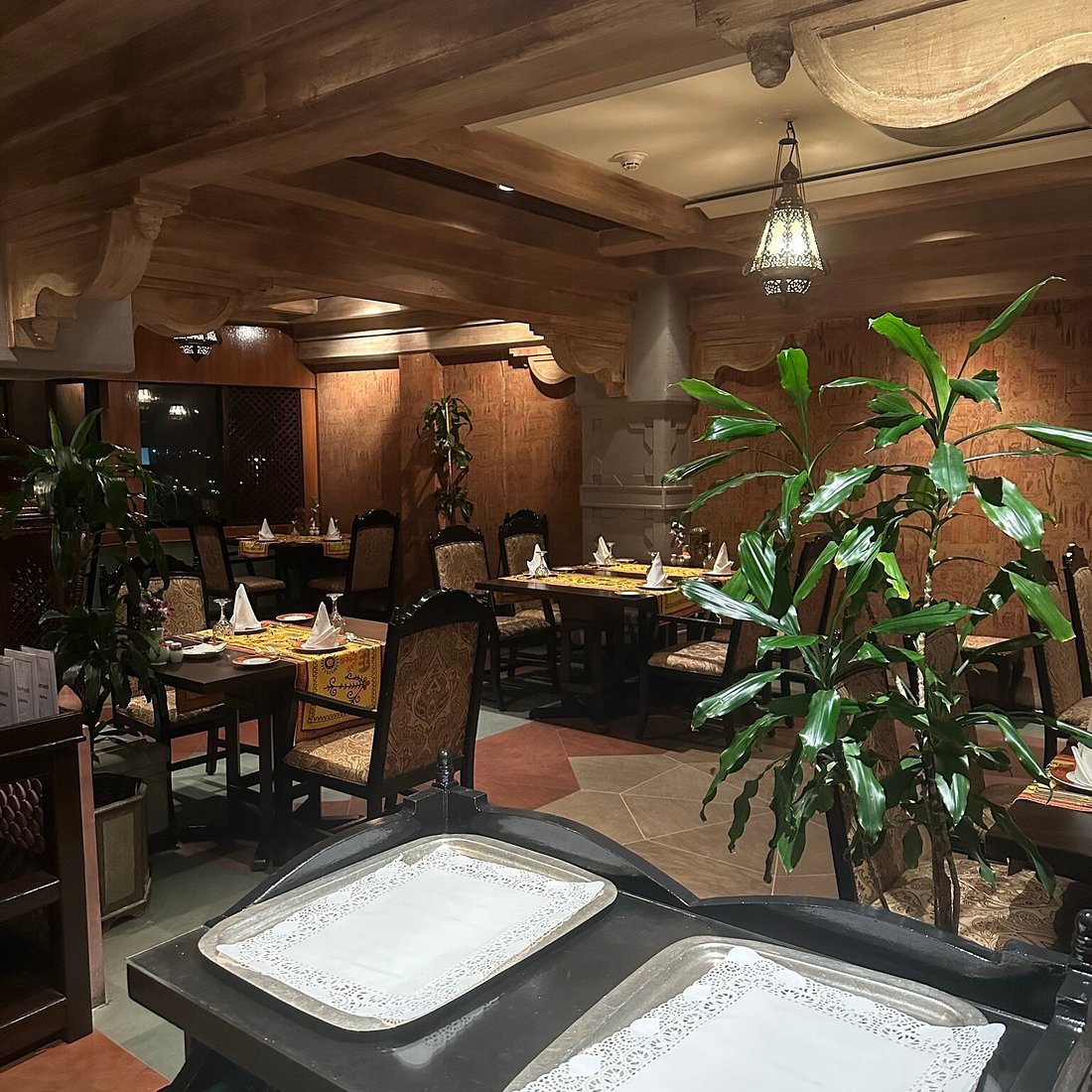
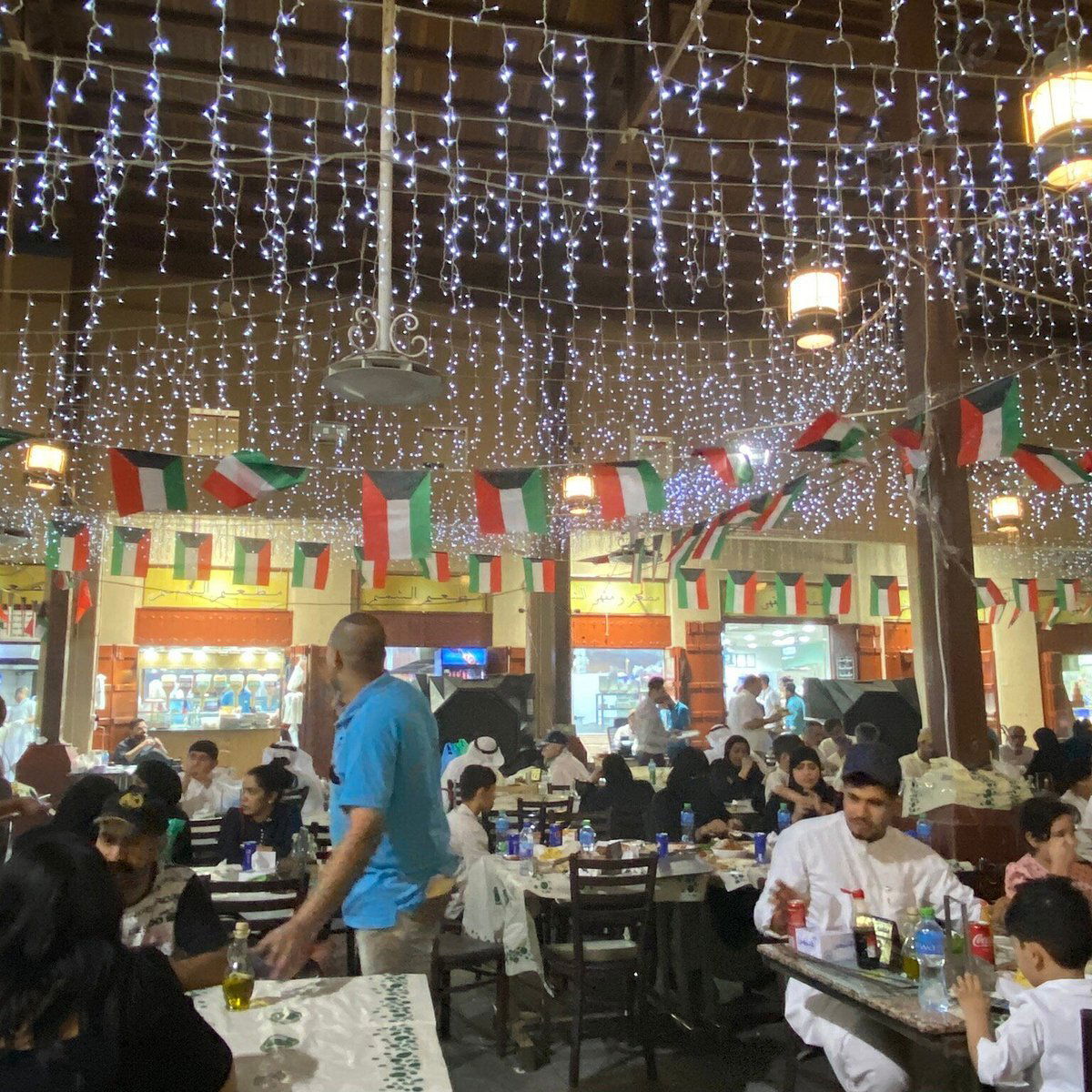
Al Shamam reads like a neighbourhood kitchen that takes its ingredients seriously. The first impression is sensory—the spice rack, the smoke from the grill station, the scent of dried limes and saffron—that immediacy anchors the dining room in Gulf culinary traditions. Writing positions the restaurant among Kuwait’s more considered Arabic addresses: attentive to provenance, attentive to technique, and rooted in regional recipe knowledge. The overall feel is warm and classic, with a thoughtful, sophisticated edge rather than flash; it’s a place where sourcing and small decisions in the pantry shape what arrives at the table.
Best For
Al Shamam suits group and family meals as well as casual meet-ups in a neighbourhood-industrial setting. The menu’s emphasis on grilled meats and regional recipes makes it a natural choice for shared plates and convivial dining—arrive with a group to sample a range of offerings. While the piece doesn’t list exact service details, the emphasis on hearty, ingredient-led Gulf Arabic cooking implies evenings and main-meal occasions as the prime time to visit, especially for diners who appreciate provenance and traditional flavours presented with care.
Ordering Tips
Stick to the signatures called out in the description: Meat Kabab, Hummus, Rubyan, Shish Taouk and Murabiyan are highlighted as core dishes. Given the restaurant’s produce-first approach and grill presence, order a selection of grilled items and mezze to share so you can experience the spice work and sourcing choices the kitchen emphasizes. When you arrive, ask staff about recent ingredient sources or any daily specials rooted in regional produce—those details reflect the venue’s stated focus on provenance and will point you to the most distinctive preparations.
Venue details
Ambiance
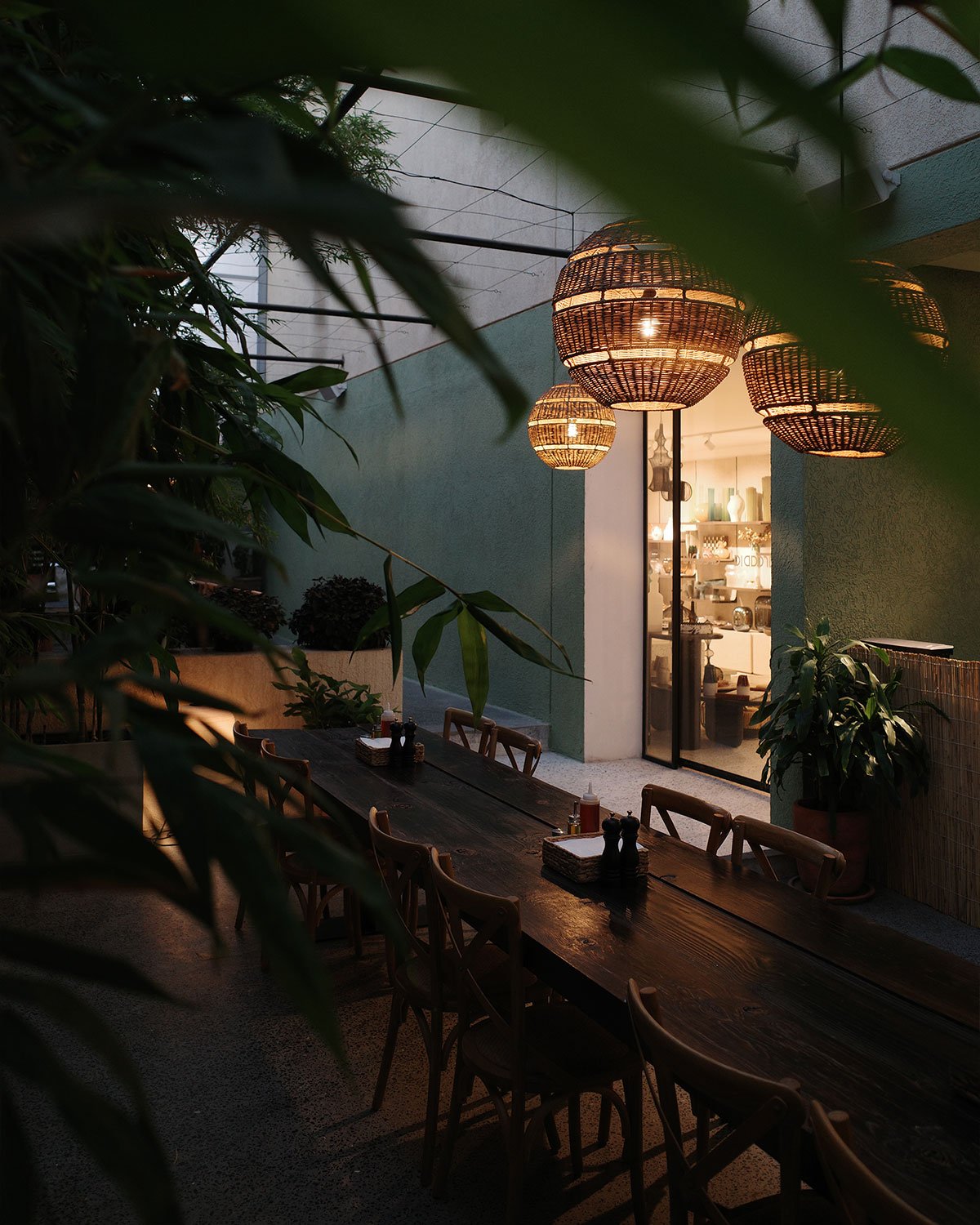
Casual and cozy atmosphere perfect for groups and everyday dining with a focus on hearty, flavorful meals.
Tags
Vibe
Best For
At the Table
- Dress Code
- Casual
- Noise Level
- Conversational
- Service Style
- Upscale Casual
- Meal Pacing
- Standard
- Capacity
- Medium
- Kitchen
- Traditional
- Menu Format
- A la carte
- Dietary
- Halal
Signature Dishes
- Meat Kabab
- Hummus
- Rubyan
- Shish Taouk
- Murabiyan
Know before you go
Know Before You Go
- Getting there
- Souq Al-Mubarkiya, اَلْكُوَيْت
Planning details
Location
Souq Al-Mubarkiya, اَلْكُوَيْت · Directions
Explore Kuwait City
Around this place
Discover more on Pearl
Unlock the full Al Shamam Restaurant guide in Pearl, including awards, comparisons, FAQs, planning details, and nearby places.
FAQ
Frequently Asked Questions
Is Al Shamam Restaurant good for solo dining?
It may suit a solo diner looking for a casual Kuwait City meal, but details are limited. Cuisine, price range, menu format, or booking information is not available.
What are alternatives to Al Shamam Restaurant in Kuwait City?
Use Al Shamam Restaurant as one casual Kuwait City option, then compare it with other Kuwait City restaurants if you want a clearer price bracket, cuisine type, or dining style.
Does Al Shamam Restaurant handle dietary restrictions?
Ask the restaurant directly before you go. Cuisine, menu, allergy, or dietary-accommodation details for Al Shamam Restaurant are not available.
Can Al Shamam Restaurant accommodate groups?
Is Al Shamam Restaurant good for a special occasion?
It is suitable for a casual expectation. Awards, ratings, chef details, price level, or service format that would justify positioning Al Shamam Restaurant as a special-occasion choice are not available.
What should I wear to Al Shamam Restaurant?
Dress casually. The dress code for Al Shamam Restaurant is casual.