
Restaurant in Johannesburg, South Africa
KŌL Izakhaya
100ptsIzakaya-Format Small Plates

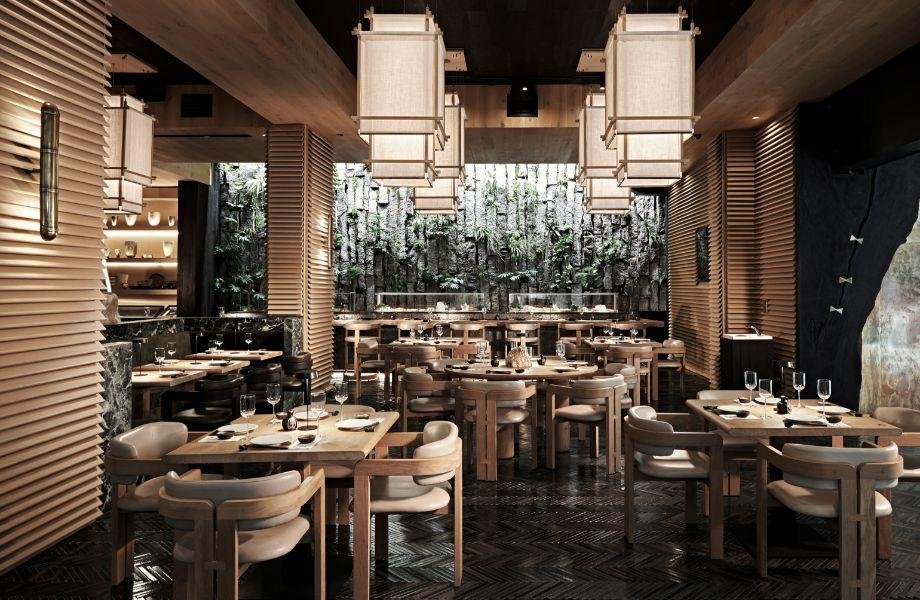
About KŌL Izakhaya
KŌL Izakhaya brings the convivial, small-plates format of Japan's izakaya tradition to Hyde Park Corner, one of Johannesburg's most established dining precincts. The kitchen draws on Japanese street-food culture, translating its communal pacing and broad menu range for a local audience that has grown increasingly fluent in Asian dining formats over the past decade.
The Izakaya Format in Johannesburg
Walk into almost any serious dining precinct in a major city today and you will find some version of the izakaya template: small plates arriving in loose succession, drinks treated as equal partners to food, the table accumulating dishes rather than progressing through rigid courses. The format originated in Japan's lantern-lit alleyways, where workers stopped after hours for yakitori, cold beer, and the low-pressure company of strangers. That cultural logic, more than any single dish, is what defines the izakaya dining ritual, and it travels surprisingly well. In Johannesburg, a city that has absorbed Southeast and East Asian culinary influences across several decades, the format finds a receptive audience at KŌL Izakhaya, located in Hyde Park Corner on Jan Smuts Avenue.
Hyde Park Corner operates as one of Johannesburg's more established retail and dining addresses, positioned in an affluent northern suburb where the restaurant peer set includes Aurum, Embarc, and Ethos Restaurant. Within that neighbourhood context, KŌL occupies a niche that is still relatively thinly populated: Japanese-inflected small-plates dining that commits to the izakaya ritual rather than borrowing only its aesthetic.
How the Meal Is Meant to Move
The izakaya ritual is worth understanding before you sit down, because it shapes every decision at the table. There is no prescribed sequence in the European sense. Dishes arrive according to kitchen pace rather than a formal progression from cold to hot or light to rich. The expected approach is to order several items across categories simultaneously, let them land as they come, and add more as the table's appetite and conversation develop. Drinks, whether beer, sake, shochu, or something local to South Africa's wine culture, run alongside the food throughout rather than being treated as bookends.
This is a fundamentally different dining tempo from the tasting-menu format that defines several of Johannesburg's higher-end tables, including Les Creatifs and others in the premium tier. At an izakaya, control sits with the diner rather than the kitchen. You set the pace by how frequently you order, and the meal can run for ninety minutes or three hours depending on how the evening unfolds. For a city like Johannesburg, where long, social table sessions are embedded in dining culture, the format is a reasonable match.
Japanese Street Food and Its South African Translation
Izakaya menus in Japan cover substantial ground: grilled skewers, cold tofu, fried chicken karaage, pickled vegetables, raw fish preparations, steamed buns, and noodles all coexist without hierarchy. The kitchen at KŌL draws on this tradition, bringing Japanese street-food references into a Johannesburg dining room. The translation question is one that any restaurant working in this register must answer: how closely does it track the source material, and where does it adapt for local produce, local palate, and local supply chains?
South Africa's position in the global food conversation has shifted considerably over the past decade. Restaurants like Fyn in Cape Town, which applies Japanese technique to southern African ingredients, and Wolfgat in Paternoster, with its indigenous coastal foraging focus, have demonstrated that the country's kitchens can engage with global culinary frameworks without simply importing them wholesale. Johannesburg's restaurant scene, though less internationally profiled than Cape Town's, has been developing its own fluency with Asian formats across the northern suburbs for years. KŌL sits within that broader movement.
For comparison points outside South Africa, the izakaya model has been adapted with considerable critical success at various levels of formality globally. The more structured end of the spectrum, where Japanese technique meets serious tasting formats as at Le Bernardin in New York City, shows one direction the influence can take. KŌL operates closer to the informal, convivial end, which is arguably more faithful to the original street-food alleyway context.
Reading the Room: Atmosphere and Setting
Hyde Park Corner as a physical setting is worth contextualising. Shopping centre restaurant locations in Johannesburg carry a different connotation than they might in other cities. The northern suburbs' security and infrastructure realities mean that several of the city's most serious dining addresses sit within or adjacent to retail complexes, and the format does not diminish the quality of what happens at the table. The relevant comparison set in Johannesburg, including Gigi and others operating in mixed retail and dining environments, normalises the context.
The izakaya atmosphere, specifically the warmth, noise level, and social density that define the format at its leading, can function well within a defined interior space. The visual language of Japanese street-food culture, warm light, close tables, an open kitchen or counter element, translates into formats that work in enclosed settings. Whether KŌL fully realises the atmospheric density of a busy Tokyo alleyway or calibrates its version for the Johannesburg context is a question that individual visits answer, but the conceptual framework is sound.
Placing KŌL in Johannesburg's Broader Dining Picture
Johannesburg's restaurant scene rewards some navigational effort. The city's geography disperses dining across a wide area, and the northern suburbs cluster, anchored by Sandton, Rosebank, and Hyde Park, holds a significant proportion of the city's more considered restaurants. For a fuller picture of what the city offers, our full Johannesburg restaurants guide maps the scene across neighbourhoods and price tiers.
Within the Japanese and Asian-influenced category specifically, the izakaya format fills a gap between fast-casual ramen or sushi chains and the more formal Japanese fine dining that exists elsewhere. It is a sociable, mid-commitment format: serious enough in its food references to reward attention, relaxed enough in its structure to support a long evening. That positioning is increasingly well understood by Johannesburg diners, and KŌL is one of the addresses occupying it.
For broader South African context, the Cape Winelands dining circuit offers a different register entirely. Le Quartier Français in Franschhoek, Delaire Graff Lodges and Spa in Helshoogte Pass, and Dusk in Stellenbosch all operate within a wine-destination framework that does not have a direct parallel in Johannesburg. The city's dining identity is more urban, more cosmopolitan in its reference points, and more likely to absorb global formats like the izakaya into its mix.
Those planning a wider Johannesburg stay can also consult our full Johannesburg hotels guide, full Johannesburg bars guide, and full Johannesburg experiences guide for a complete picture of the city's offer. Our full Johannesburg wineries guide covers the wine retail and tasting scene for those who want to extend the evening's drinks conversation.
Planning Your Visit
KŌL Izakhaya is located at Hyde Park Corner, at the intersection of Jan Smuts Avenue and 6th Road in Hyde Park, Johannesburg. The shopping centre format means parking is generally available, which matters in a city where driving remains the primary mode of getting around the northern suburbs. Given the izakaya format's social appeal and the restaurant's position in an established, well-trafficked dining precinct, booking ahead is advisable, particularly for weekend evenings when table competition across the Hyde Park area is higher. Arriving without a reservation midweek carries less risk but remains a gamble at peak hours. Contact details and current hours are leading confirmed directly through the venue or via the Hyde Park Corner concierge.
Frequently Asked Questions
What should I order at KŌL Izakhaya?
The izakaya format is designed for breadth rather than depth, so the approach that works leading is ordering across multiple categories from the start: something grilled, something fried, something raw or cured, and something from the vegetable side of the menu. Izakaya tradition does not privilege one dish above others; the point is accumulation and variety over the course of the evening. Order a round, assess what you want more of, and add from there. The kitchen's Japanese street-food references suggest that skewered preparations and cold starters will anchor the menu, with fried and steamed options providing contrast.
Should I book KŌL Izakhaya in advance?
Hyde Park Corner draws consistent foot traffic from the northern suburbs, and the izakaya format appeals to groups, which means tables can fill quickly on weekend evenings. Booking ahead is the more reliable approach, particularly for parties of four or more. The format works well for longer sessions, so tables tend to turn slowly, which can limit availability on busy nights. Midweek visits offer more flexibility, but confirming a reservation remains the lower-risk option regardless of the day.
What is the signature at KŌL Izakhaya?
In the izakaya tradition, no single dish is meant to carry the meal. The format's defining characteristic is the collective effect of multiple small plates rather than one centrepiece item. That said, any kitchen working in this register will have preparations it executes with particular confidence, typically found in its grilled and fried sections, where Japanese street-food technique is most directly expressed. The leading way to identify the kitchen's strengths is to ask at the time of ordering which dishes are moving most frequently that evening.
Is KŌL Izakhaya good for vegetarians?
Izakaya menus in Japan include a substantial proportion of vegetable, tofu, and pickle preparations alongside their meat and fish offerings, so the format is generally more accommodating for vegetarians than a grill-focused menu might suggest. If vegetarian requirements are strict, it is worth confirming with the restaurant directly before visiting, as specific menu compositions can change and ingredient details like dashi stocks are not always immediately visible on the menu. Contact the venue ahead of your booking to confirm current options.
Recognized By

Similar venues by awards
Related editorial
- Best Fine Dining Restaurants in ParisFrom three-Michelin-star icons to the next generation of Parisian chefs pushing boundaries, these are the restaurants that define fine dining in the world's culinary capital.
- Best Luxury Hotels in RomeFrom rooftop terraces overlooking ancient ruins to Michelin-starred hotel dining, these are the luxury hotels that make Rome unforgettable.
- Best Cocktail Bars in KyotoFrom sleek lounges to hidden speakeasies, Kyoto's cocktail scene blends Japanese precision with global influence in ways you won't find anywhere else.
Save or rate KŌL Izakhaya on Pearl
Keep this venue in your Pearl passport, rate it after you visit, and track it alongside every other place you collect.