Bitters & Co.
Lazimpat, Kathmandu
Restaurant in Kathmandu, Nepal
 Book with Pearl
The Read
Dress
Smart Casual
Why go
Bitters & Co. is worth considering for an easy Kathmandu drink-led evening, especially for a casual date or small celebration. It is not the strongest choice for a food-first booking because confirmed cuisine, menu, price, chef, and awards details are absent, so treat it as a flexible bar-style plan rather than a destination dinner.
About Bitters & Co.
Consider Bitters & Co. as a low-friction Kathmandu option when you want a straightforward plan for the night. The basics are direct: it is in Kathmandu, the dress code is smart casual, and it is open daily from 2 PM to 12 AM.
Use it as a practical city stop rather than a heavily researched destination meal. That makes it useful when plans need to stay flexible, especially if you are comfortable checking menu, seating, service format, price, or chef details directly before you go.
Good for an easy celebration, weaker as a food-first decision
For a special occasion, Bitters & Co. is easiest to justify when the occasion is relaxed and the daily hours and smart-casual dress code fit the plan. It is less predictable for an anniversary meal or business dinner where the food program, service format, and spend need to be known in advance.
Solo guests and groups should make the same practical calculation: the daily 2 PM to 12 AM schedule gives flexibility, but seating, menu, and service-format details should be checked directly if they matter.
Use it when convenience beats a heavily planned booking
The strongest case for Bitters & Co. is ease. If the night needs a simple Kathmandu anchor with less planning pressure, the daily hours make it direct to consider. If the brief depends on a known menu, formal service, or a clearly benchmarked price point, compare it with other dining options before deciding.
Quick reference: choose it when the basics are enough for your plan; pause when the decision depends on specific cuisine, dishes, prices, awards, seating, or service style.
Planning details
- Location
- Kathmandu 44600, Nepal
- Website
- instagram.com
- Phone
- +9779802361001
The take
The Take
The Vibe
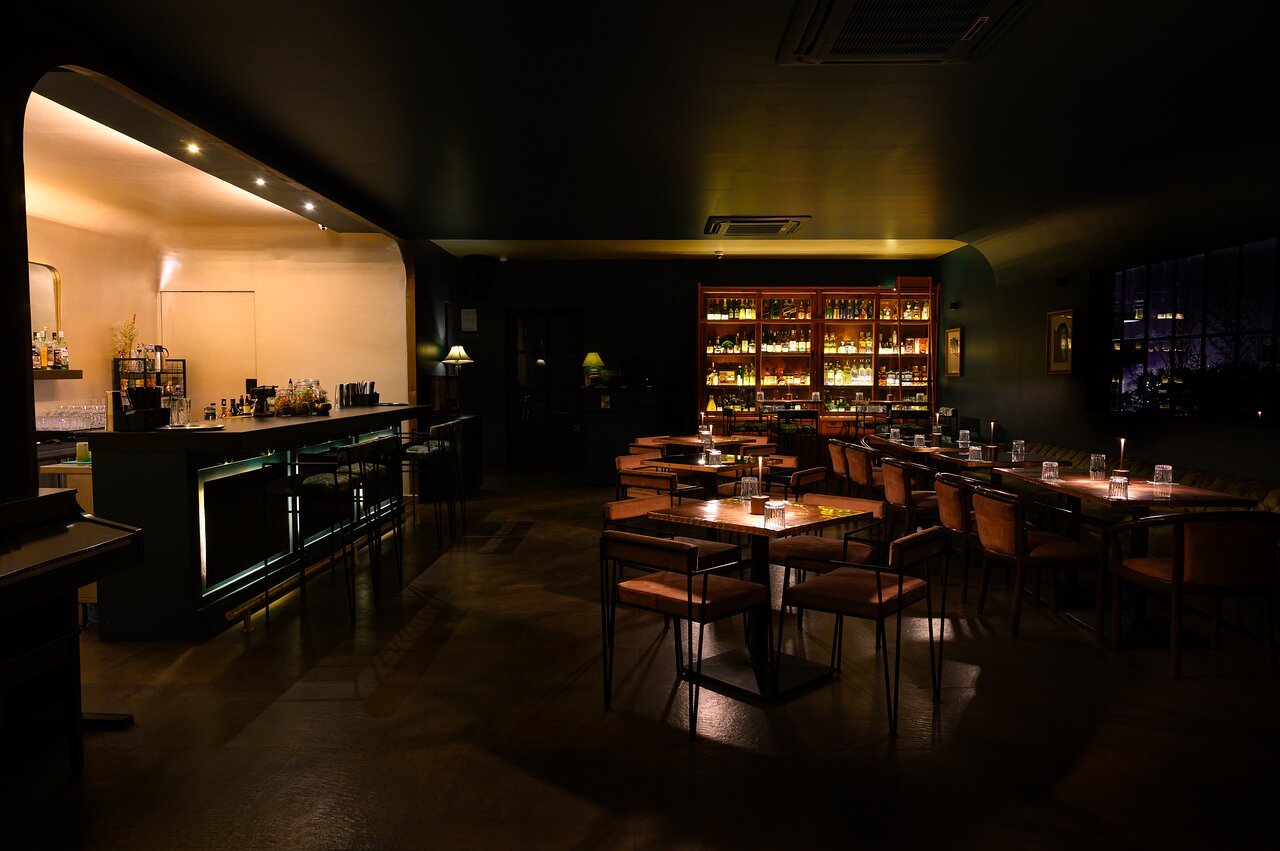
Bitters & Co. presents itself as a serious, considered cocktail bar that foregrounds bartending knowledge and technique. The writing positions the menu as the venue’s editorial statement: aromatic bitters, precise proportions and international method meet local Himalayan herbs, native citrus and distinctive Nepali spices. That dual focus — technical rigor tempered by regional ingredients — produces an intimate drinking room where cocktails are talked about as craft. The tone is less about loud nightlife theatrics and more about a curated, ingredient-aware approach to drinks that both honors global technique and reads of place.
Best For
This bar is best for evenings when drinks are the main event: date nights, after-work stops and late-night sessions with friends who appreciate thoughtful cocktails. The profile emphasizes a clientele of expatriates and returnees who are comfortable with more technical menus, so it also suits experienced cocktail seekers and anyone curious about local botanicals in contemporary drinks. Because the program treats bitters and botanical detail as central, the venue is ideal for small, focused social visits rather than large, rambunctious groups.
Ordering Tips
Start with the house signatures: the Old Fashioned and the Clarified Milk Punch are called out as exemplars of the program. Beyond those staples, ask the bartender about Himalayan herbs, local citrus varieties and Nepali spices — the menu frames those ingredients as defining elements of the cocktails. Because bitters and botanical balance are central to the bar’s approach, inquire about aromatic-bitter-forward options or seasonal variations that showcase local produce. Trust the bartender’s recommendations if you want something that leans further into regional flavors.
Venue details
Ambiance
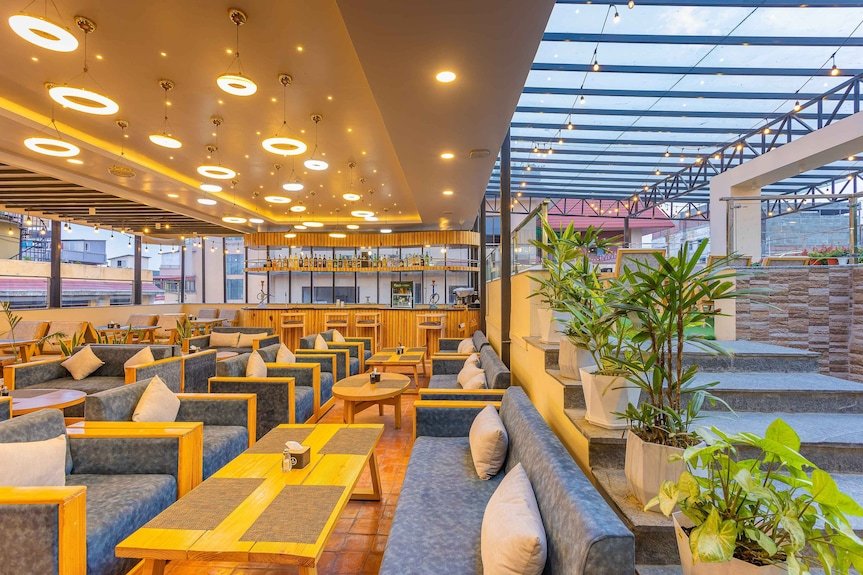
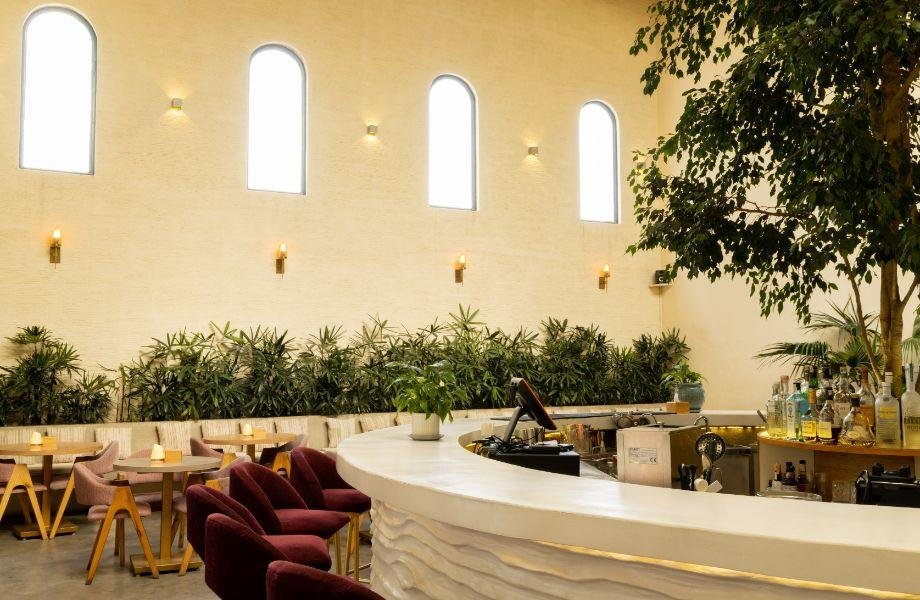
Cool and laid-back atmosphere with light colors, exposed brickwork, high ceilings, a central tree, and impeccably-dressed staff.
Tags
Vibe
Best For
Experience
At the Table
- Dress Code
- Smart Casual
- Noise Level
- Conversational
- Service Style
- Upscale Casual
- Capacity
- Medium
Signature Dishes
- Old Fashioned
- Clarified Milk Punch
Know before you go
Know Before You Go
- Getting there
- Kathmandu 44600, Nepal
Planning details
Location
Also consider
Also Consider
- V-Cafe, Notable alternative
- Kharka-La, Notable alternative
- Re:fuel, Notable alternative
- Ofukurono Aji Japanese Home Dishese (おふくろの味), Notable alternative
- Koyla Tandoori Restaurant, Notable alternative
Restaurant context
How Bitters & Co. compares in Kathmandu
Choose Bitters & Co. when the plan needs to stay flexible and the evening is more about drinks and conversation than a defined cuisine. Compared with V-Cafe, Kharka-La, and Re:fuel, it is the easier recommendation for a casual night where booking pressure matters less than mood and convenience.
If the group wants a clearer food direction, Ofukurono Aji Japanese Home Dishese (おふくろの味) and Koyla Tandoori Restaurant are more useful cross-shops because their names signal a more defined dining brief. Bitters & Co. is better for pre- or post-dinner drinks; those peers make more sense when the meal itself is the point.
For value, the right call depends on the occasion. Bitters & Co. has the advantage for an easy date or low-commitment meet-up. Pick V-Cafe, Kharka-La, or Re:fuel when the group wants a broader casual restaurant feel; pick Ofukurono Aji Japanese Home Dishese or Koyla Tandoori Restaurant when cuisine clarity matters more than bar-style ambiance.
Explore Kathmandu
Around this place
Discover more on Pearl
Unlock the full Bitters & Co. guide in Pearl, including awards, comparisons, FAQs, planning details, and nearby places.
Compare Bitters & Co.
| Venue | Location | Awards |
|---|---|---|
| Bitters & Co. | Kathmandu | No published awards |
| V-Cafe | Kathmandu | No published awards |
| Kharka-La | Kathmandu | No published awards |
| Re:fuel | Kathmandu | No published awards |
| Ofukurono Aji Japanese Home Dishese (おふくろの味) | Kathmandu | No published awards |
| Koyla Tandoori Restaurant | Kathmandu | No published awards |
How Bitters & Co. Kathmandu compares with similar nearby venues.
FAQ
Frequently Asked Questions
Is Bitters & Co. good for solo dining?
It can be considered for a solo stop in Kathmandu if the basics are enough for your plan. The venue is open daily from 2 PM to 12 AM and has a smart-casual dress code; check seating and menu details directly if they matter.
What should I order at Bitters & Co.?
Can I eat at the bar at Bitters & Co.?
Is Bitters & Co. good for a special occasion?
It may work for a relaxed occasion if the Kathmandu location, smart-casual dress code, and daily 2 PM to 12 AM hours fit your plan. For a formal meal, confirm menu, pricing, seating, and service details directly before booking.
What are alternatives to compare with Bitters & Co.?
Other venues to compare include V-Cafe, Re:fuel, Koyla Tandoori Restaurant, Ofukurono Aji Japanese Home Dishese (おふくろの味), and Kharka-La. Compare current details directly before deciding.
Is lunch or dinner better at Bitters & Co.?
Bitters & Co. is open from 2 PM to 12 AM every day. Choose a time based on those hours and confirm the current offering directly if food is important.
Can Bitters & Co. accommodate groups?
For groups, contact Bitters & Co. directly to confirm whether the venue can accommodate your party size.