
Restaurant in Tokyo, Japan
Kappo Yuichi
290Pearl PointsQuiet counter dining that earns its Michelin Plate.
.png?width=144&height=144&quality=80)
About Kappo Yuichi
A Michelin Plate-recognised kappo counter in Ogikubo with a genuine vegetable-forward philosophy. At ¥¥¥, it sits below Tokyo's big-ticket kaiseki tier but delivers real technical precision — particularly in seasonal simmered vegetable courses. Best for solo diners or couples who want a focused, unhurried counter meal without ceremony. Easy to book and straightforward to reach on the JR Chuo Line.
Who Should Book Kappo Yuichi — and When
If you have already done the big-ticket kaiseki circuit in Tokyo and want something quieter, more personal, and rooted in vegetables rather than ceremony, Kappo Yuichi is the right next step. This is a counter restaurant in Ogikubo, a residential neighbourhood well west of the tourist drag, and it earns its Michelin Plate (2024 and 2025) by doing something specific: building a menu around seasonal Japanese vegetables with the same technical seriousness that most kappo kitchens apply to premium protein. Book it for a solo dinner, a low-key date, or any occasion where the goal is to eat well without theatre.
Right now, in the current season, that vegetable focus translates into a menu built around produce that either cools or warms depending on what the calendar demands. The kitchen's takiawase — simmered vegetable compositions, shift with the season, and the appetiser platters cycle through salad with mashed tofu dressing, seasoned boiled greens, and sesame-dressed vegetables. These are not side dishes filling gaps around a centrepiece protein; they are the argument the restaurant is making about the depth of Japanese cooking. If that argument interests you, the timing is always right, but visiting when the season is in transition gives the menu its most interesting range.
The Counter Experience
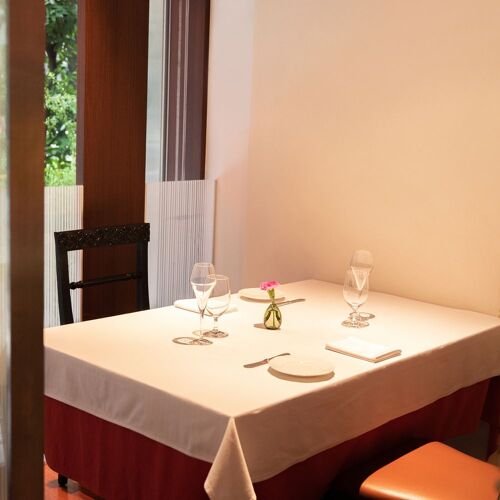
Kappo Yuichi sits at the roundabout in front of Ogikubo Station's north exit, which makes it easy to find but unlikely to be stumbled upon by anyone who isn't looking. The counter format means you are watching the kitchen work directly, which is part of the value here. The atmosphere is calm rather than hushed, focused rather than formal. This is not a room that builds tension through silence and white tablecloths; it is closer to eating at a chef's bench where the energy is conversational and the pace is set by the kitchen. For solo diners especially, the counter removes any awkwardness and puts you directly in the centre of what the restaurant is doing.
That is consistent with the location: Ogikubo is not a restaurant pilgrimage neighbourhood. People who eat here have usually made a deliberate choice to come.
On Drinks at Kappo Yuichi
The venue database does not specify a drinks program, so any claims about a particular wine list or sake selection would go beyond what is confirmed. What is worth knowing from a category perspective: vegetable-forward kappo cooking is exceptionally well-matched by aged junmai sake or lighter, mineral-driven Japanese white wines, both of which complement rather than compete with the clean, umami-rich flavours of simmered and dressed vegetables. If you drink, it is worth asking what the kitchen recommends pairing with the current menu rather than defaulting to a house pour. Kappo counters at this level tend to have thoughtful, if concise, drink selections aligned to the food.
Practical Details
Address: 1-6-10 Kamiogi, Suginami-ku, Tokyo, north exit of Ogikubo Station, at the roundabout. Booking difficulty: Easy. This is not a venue requiring weeks of advance planning, but calling ahead is sensible for any specific date. Budget: ¥¥¥, which places it below the ¥¥¥¥ kaiseki tier but above casual neighbourhood dining. Expect to spend in the mid-to-upper range for a full kappo progression. Leading for: Solo diners, couples, and small groups who want a vegetable-led counter meal with real technical ambition. Dress: Smart casual is appropriate; the atmosphere is relaxed but the cooking commands respect. Getting there: Ogikubo Station is on the JR Chuo Line, approximately 20 minutes from Shinjuku. From Ogikubo, the restaurant is a short walk from the north exit.
How It Compares
See the comparison section below for how Kappo Yuichi stacks up against Tokyo peers across different price points and styles.
For more dining options across the city, see our full Tokyo restaurants guide, and explore related Japanese cooking at Myojaku, Azabu Kadowaki, Kagurazaka Ishikawa, Ginza Fukuju, and Jingumae Higuchi. If you are planning around a broader Japan trip, comparable precision cooking can be found at HAJIME in Osaka, Gion Sasaki in Kyoto, akordu in Nara, Goh in Fukuoka, 1000 in Yokohama, and 6 in Okinawa. For Kyoto and Osaka Japanese dining specifically, Isshisoden Nakamura and Kashiwaya Osaka Senriyama are strong references. Round out your Tokyo planning with our Tokyo hotels guide, our Tokyo bars guide, our Tokyo wineries guide, and our Tokyo experiences guide.
Frequently Asked Questions
Is Kappo Yuichi good for solo dining?
Yes — counter seating is the format here, which makes solo dining comfortable and natural. You're eating directly in front of the kitchen at a venue the Michelin Guide has recognised two years running (2024 and 2025), and there's no social awkwardness of an empty table for one. If you want a quieter, more personal alternative to Tokyo's large kaiseki rooms, this is a practical choice.
What are alternatives to Kappo Yuichi in Tokyo?
For a higher-budget vegetable-forward experience, L'Effervescence in Nishi-Azabu works well. If you want a full kappo or kaiseki format with more ceremony, Harutaka and RyuGin both operate at a significantly higher price point. Kappo Yuichi's advantage over those is informality and accessibility — it sits at ¥¥¥ rather than the ¥¥¥¥ ceiling most of its peers occupy.
How far ahead should I book Kappo Yuichi?
This is not a reservation crisis. Kappo Yuichi operates at Ogikubo — not in a high-traffic dining district — and does not carry the booking pressure of a Michelin-starred destination. A week or two in advance is likely sufficient for most nights, though weekend evenings may tighten. Confirm directly with the venue, as hours and contact details are not publicly listed.
Is Kappo Yuichi worth the price?
At ¥¥¥, yes — particularly if you want a personal, counter-style meal built around vegetables rather than premium proteins. The Michelin Plate for 2024 and 2025 signals that the guide considers the cooking credible. You're paying for craft and quietness, not for prestige address or ceremony. If the kaiseki circuit has felt too formal, Kappo Yuichi represents a more grounded alternative at a lower ceiling.
What should I order at Kappo Yuichi?
The menu is chef-driven and seasonal, so ordering choices are limited — the kitchen sets the direction. Based on confirmed venue data, the menu centres on vegetables, with takiawase (simmered vegetable dishes) and appetiser platters featuring preparations like mashed tofu dressing, seasoned boiled greens, and sesame-dressed vegetables. Arrive prepared to eat what the season and chef dictate.
Is Kappo Yuichi good for a special occasion?
It works well for a low-key, meaningful dinner — the counter format creates a personal atmosphere that larger restaurants can't replicate. But if you need a private room, a wine program, or the visual spectacle of a high-end kaiseki setting, Kappo Yuichi is not that venue. For celebrations where the food and calm matter more than the surroundings, it's a reasonable call at ¥¥¥.
Is the tasting menu worth it at Kappo Yuichi?
The format is set-menu kappo driven by seasonal vegetables, and the Michelin Plate recognition for two consecutive years (2024–2025) confirms the cooking meets a credible standard. At ¥¥¥, this sits well below the Tokyo kaiseki ceiling, so the value-to-quality ratio is favourable. If you are expecting protein-heavy progression or elaborate plating, adjust expectations — this menu is built around vegetables.
Location
1-6-10 Kamiogi, Suginami-ku, Tokyo, 167-0043, Japan
Tokyo, Japan
Compare Kappo Yuichi
| Venue | Cuisine | Price | Booking Difficulty |
|---|---|---|---|
| Kappo Yuichi | Japanese | ¥¥¥ | Easy |
| Harutaka | Sushi | ¥¥¥¥ | Unknown |
| RyuGin | Kaiseki, Japanese | ¥¥¥¥ | Unknown |
| L'Effervescence | French | ¥¥¥¥ | Unknown |
| HOMMAGE | Innovtive French, French | ¥¥¥¥ | Unknown |
| Florilège | French | ¥¥¥ | Unknown |
Key differences to consider before you reserve.
Also Consider
- Harutaka, Sushi, ¥¥¥¥
- RyuGin, Kaiseki, Japanese, ¥¥¥¥
- L'Effervescence, French, ¥¥¥¥
- HOMMAGE, Innovtive French, French, ¥¥¥¥
- Florilège, French, ¥¥¥
Kappo Yuichi at ¥¥¥ sits a full price tier below most of its natural comparators in Tokyo's serious dining scene. If you are deciding between this and RyuGin, the question is whether you want kaiseki ceremony and an internationally known kitchen (RyuGin, ¥¥¥¥) or a quieter counter with a vegetable-led focus and easier booking. RyuGin wins on spectacle and prestige; Kappo Yuichi wins on access, price, and intimacy.
Harutaka (¥¥¥¥, sushi) is the go-to for readers whose priority is technical precision in a counter format, but the idiom is entirely different, raw fish rather than simmered vegetables, and the price and booking difficulty are both higher. For French cooking at a comparable spend, Florilège (¥¥¥) is the closest peer: similar price tier, similarly focused philosophy, easier to book than the ¥¥¥¥ French rooms. L'Effervescence and HOMMAGE (both ¥¥¥¥) are stronger choices if budget is not the constraint and you want French technique with fuller service depth.
The clearest recommendation: book Kappo Yuichi when you want to eat Japanese cooking that takes vegetables seriously, at a price that does not require a special-occasion justification. Book RyuGin when the occasion is the point and budget is open. Book Florilège when you want comparable value discipline in a French register.
Recognized By

Explore Tokyo
Save or rate Kappo Yuichi on Pearl
Keep this venue in your Pearl passport, rate it after you visit, and track it alongside every other place you collect.