Dokkan
Kanazawa
Restaurant in Kanazawa, Japan
 Book with Pearl
The Read
Price
$30–50per person
Dress
Casual
Why go
Dokkan is a flexible Kanazawa dinner bet for travelers who are comfortable with limited upfront detail. Choose it for an exploratory evening, but cross-shop Sushi Shinosuke for sushi focus, Teuchi Soba Koyori for clearer value, or 1/3 HAMBURGER FACTORY for a known casual price band.
About Dokkan
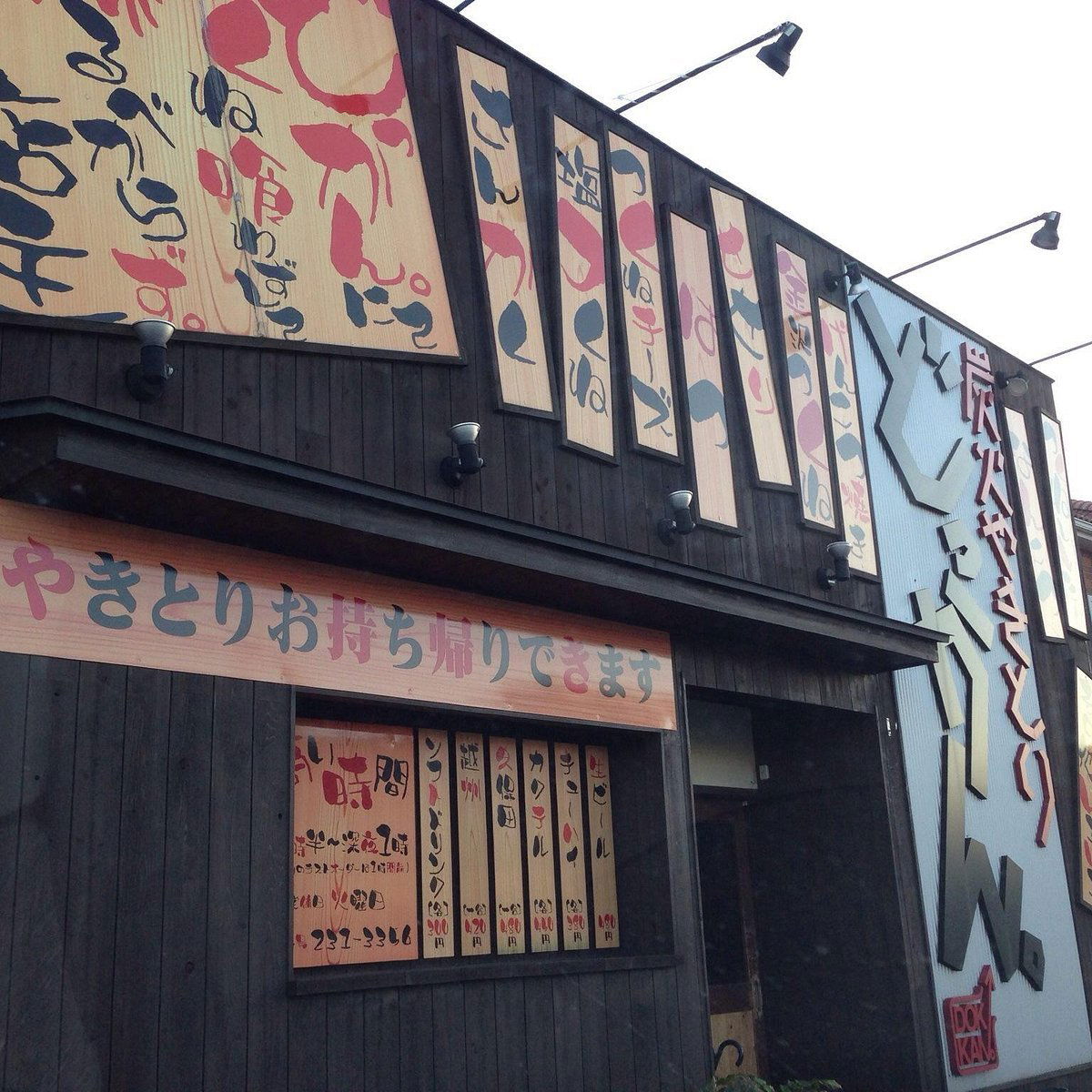
Dokkan is a casual Kanazawa dinner option: it is open Wednesday through Sunday from 5–11 PM, closed Monday and Tuesday, and has a casual dress code. It is best approached as a flexible evening choice rather than a highly defined destination meal.
Use this for an exploratory dinner, not a trophy booking
The case for considering Dokkan is direct: it fits a Wednesday-to-Sunday evening plan in Kanazawa and does not call for formal dress. The limits are just as important. If the occasion depends on certainty around cuisine, pricing, menu structure, chef, awards, or signature dishes, weigh that before committing.
For an exploratory night, the right expectation is a casual research bet: choose Dokkan when the evening can tolerate some unknowns and when the meal does not need a named format or confirmed specialty. If you want to compare it with another option, Sushi Shinosuke is one natural reference point. Teuchi Soba Koyori and 1/3 HAMBURGER FACTORY are also useful names to check when you want more context before deciding where to eat.
Plan around the evening hours
The practical move is to keep expectations flexible, plan around the Wednesday-to-Sunday 5–11 PM schedule, and confirm current details directly before treating the meal as a must-book centerpiece.
Special-occasion diners should be more cautious. If price range, cuisine style, service format, awards, or signature dishes need to be clear in advance, Dokkan is less predictable than a venue whose format is already clear to you. For a looser Kanazawa night, it can make sense. For an anniversary, client dinner, or one open dinner in town, compare it carefully with other options before committing.
Planning details
- Hours
- Monday: Closed · Tuesday: Closed
- Location
- Ro-310 Shimenomachi, Kanazawa, Ishikawa 920-0059, Japan
- Website
- gourmet.tsuku2.jp
- Phone
- +81762687877
The take
The Take
The Vibe
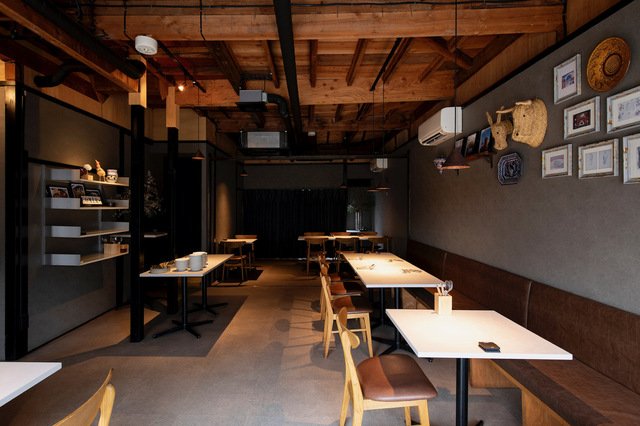
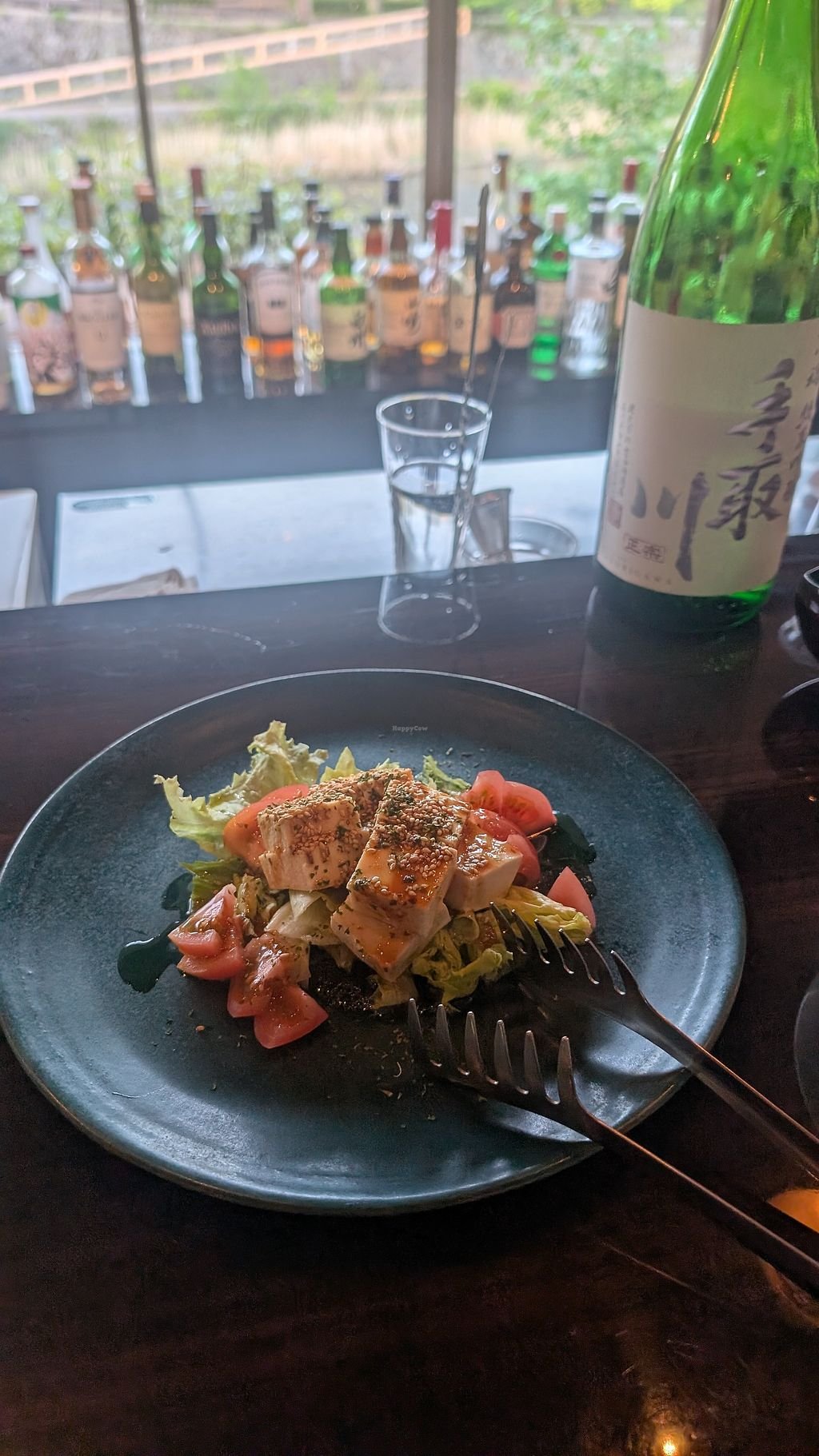
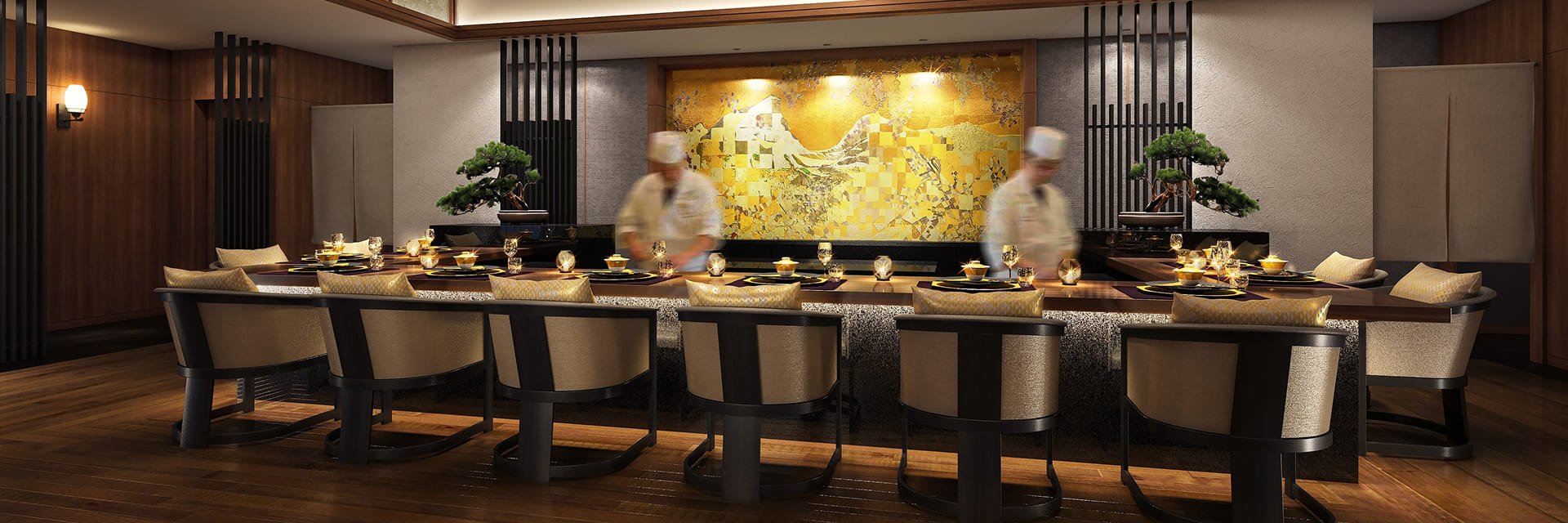
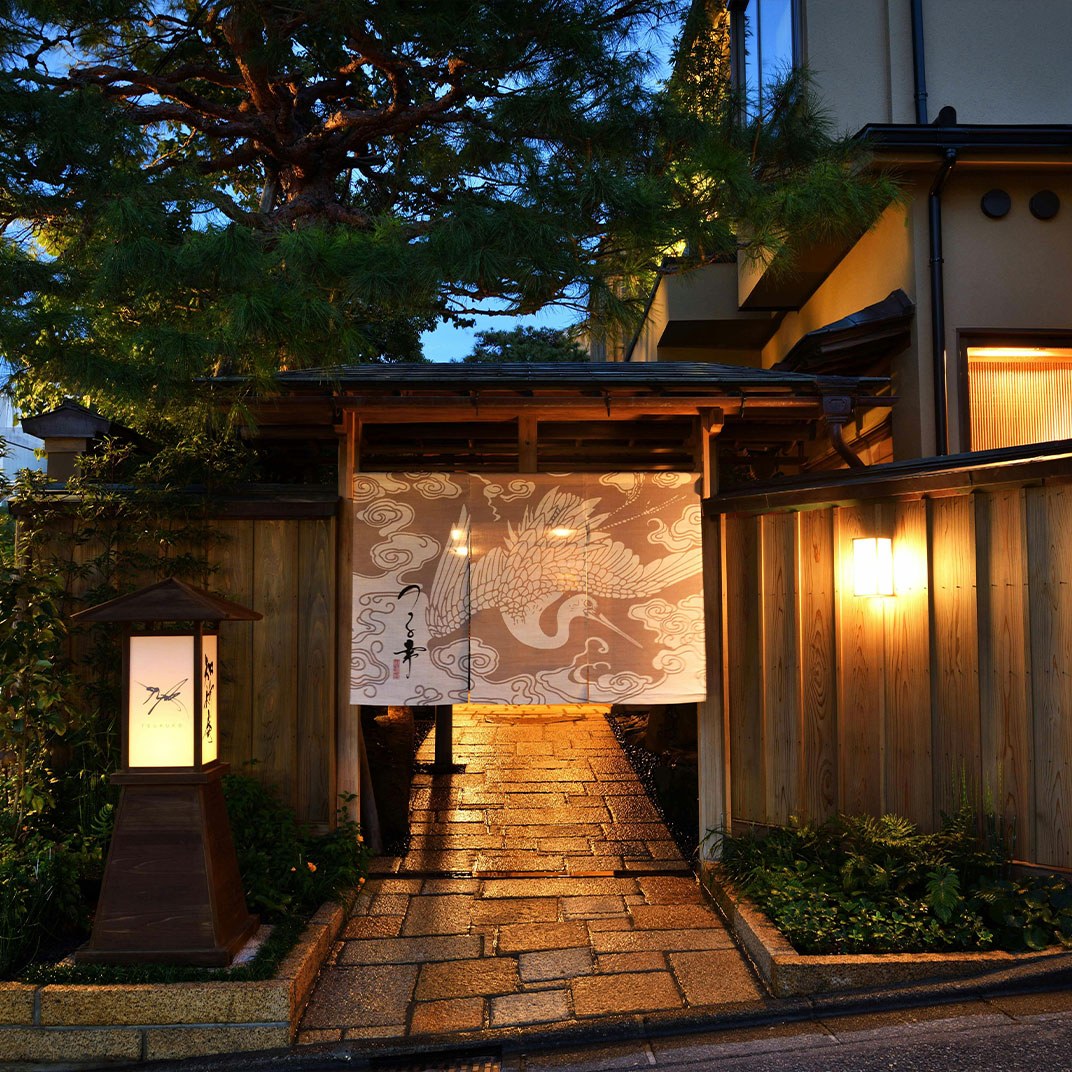
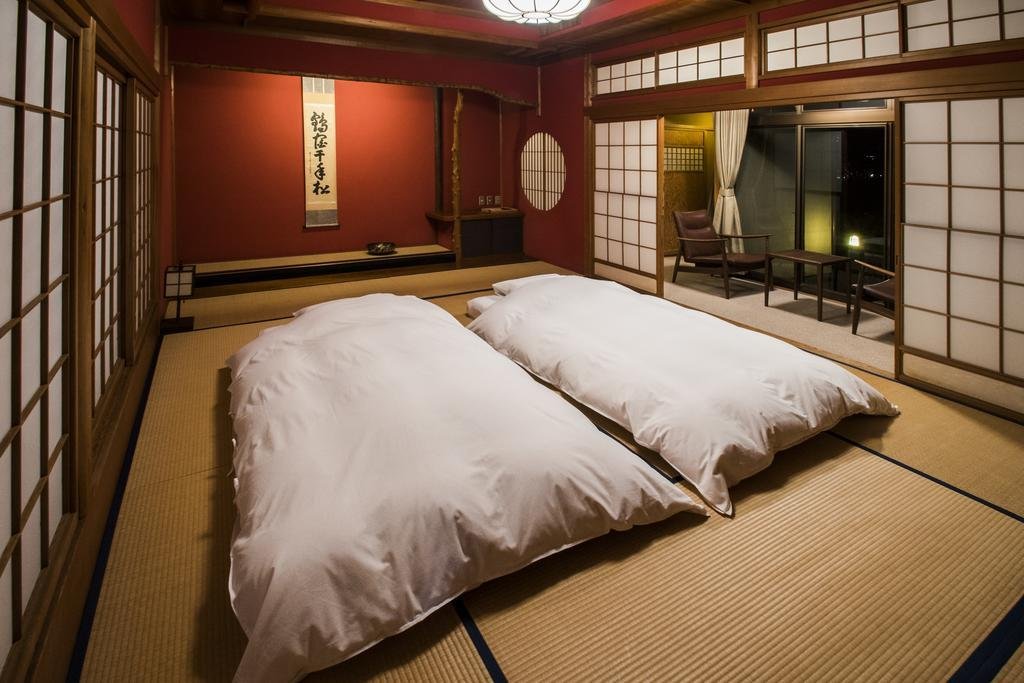
Dokkan sits in a quiet, historically resonant pocket of Kanazawa where preserved machiya and narrow streets set a restrained tone. The restaurant reads as part of that fabric rather than a tourist magnet: service and design favour a low-key seriousness that privileges repeat local patrons. The overall impression is one of considered restraint: restrained lighting, unobtrusive conversation levels, and an emphasis on craft over spectacle. Visitors come for an attentive, composure-driven dining experience that complements the calm of Shimenomachi and the broader tradition of discreet, neighbourhood-focused eateries in the city.
Best For
Dokkan is best for diners who value locality and an experience. Shimenomachi rewards prior knowledge, so the restaurant suits people exploring Kanazawa beyond major tourist routes or returning to trusted neighbourhood spots. It aligns with after-work outings and casual hangouts where conversation and the food take precedence over showy theatrics. Business or celebratory use is less implied; instead, Dokkan feels tailored to locals, repeat visitors, and anyone seeking a contemplative, low‑key meal in a historic quarter.
Venue details
Tags
Vibe
Best For
At the Table
- Dress Code
- Casual
- Noise Level
- Conversational
- Service Style
- Casual
- Meal Pacing
- Standard
- Capacity
- Intimate
- Kitchen
- Traditional
- Menu Format
- A la carte
Know before you go
Know Before You Go
- Getting there
- Ro-310 Shimenomachi, Kanazawa, Ishikawa 920-0059, Japan
Planning details
Hours
- Monday
- Closed
- Tuesday
- Closed
- Wednesday
- 5–11 PM
- Thursday
- 5–11 PM
- Friday
- 5–11 PM
- Saturday
- 5–11 PM
- Sunday
- 5–11 PM
Location
Also consider
Also Consider
- 鮨 八や, Notable alternative
- Sushi Shinosuke, Sushi, Sushi
- 1/3 HAMBURGER FACTORY, JPY 2,000 - JPY 2,999 JPY 2,000 - JPY 2,999, JPY 2,000 - JPY 2,999 JPY 2,000 - JPY 2,999
- Teuchi Soba Koyori, JPY 2,000 - JPY 2,999, JPY 2,000 - JPY 2,999
- Suzume Kanazawa hyakubangai ten, - JPY 999, - JPY 999
Restaurant context
How It Compares
Dokkan is the more open-ended choice in this Kanazawa set. That can work for diners who want a flexible evening, but it gives less upfront confidence than Sushi Shinosuke, where the sushi format is clear, or Teuchi Soba Koyori, where the JPY 2,000 - JPY 2,999 price band makes value easier to judge before committing.
For budget control, Suzume Kanazawa hyakubangai ten is the clearest low-spend alternative, especially if the plan is quick and functional rather than lingering. 1/3 HAMBURGER FACTORY sits in the same JPY 2,000 - JPY 2,999 band as Teuchi Soba Koyori and is the easier call when the group wants a casual, familiar format.
For a more deliberate dinner, 鮨 八や and Sushi Shinosuke are better fits for diners who want the meal to feel planned around seafood. Dokkan is better treated as the adaptable option: useful when booking difficulty is low priority and the night can handle less certainty around cuisine, price, and room style.
Explore Kanazawa
Around this place
Discover more on Pearl
Unlock the full Dokkan guide in Pearl, including awards, comparisons, FAQs, planning details, and nearby places.
Compare Dokkan
| Venue | Location | Cuisine | Price | Awards |
|---|---|---|---|---|
| Dokkan | Kanazawa | No published awards | ||
| 鮨 八や | Kanazawa | No published awards | ||
| Sushi Shinosuke | Ishikawa | Sushi | 2026 OAD Top Restaurants in Japan RecommendedTabelog 100 - Sushi - WEST - 2025 · #692025 OAD Top Restaurants in Japan Ranked · #4292024 OAD Top Restaurants in Japan Ranked · #3792023 OAD Top Restaurants in Japan Recommended | |
| 1/3 HAMBURGER FACTORY | Kanazawa | JPY 2,000 - JPY 2,999 JPY 2,000 - JPY 2,999 | No published awards | |
| Teuchi Soba Koyori | Kanazawa | JPY 2,000 - JPY 2,999 | Tabelog 100 - Soba - WEST - 2025 · #43 | |
| Suzume Kanazawa hyakubangai ten | Kanazawa | - JPY 999 | Tabelog 100 - Japanese traditional sweets / Japanese sweets cafe - WEST - 2023 · #76 |


How Dokkan Kanazawa compares with similar nearby venues.
FAQ
Frequently Asked Questions
Is lunch or dinner better at Dokkan?
Dinner is the option to plan around: Dokkan is closed Monday and Tuesday and opens Wednesday through Sunday from 5–11 PM. If you want a daytime meal, compare other options such as Teuchi Soba Koyori.
What are alternatives to Dokkan in Kanazawa?
Other names to compare include 鮨 八や, Sushi Shinosuke, Teuchi Soba Koyori, Suzume Kanazawa hyakubangai ten, and 1/3 HAMBURGER FACTORY. Dokkan is the better fit when you specifically want a casual Wednesday-to-Sunday evening option in Kanazawa and are comfortable with a flexible plan.