.png?width=1200&quality=80)
Junxihui
Cantonese · Hangzhoushi, Hangzhou
Restaurant in Hangzhou, China
 Book with Pearl
The Read
Cantonese Roasting Outpost
Dress
Smart Casual
Why go
Junxihui is a practical Cantonese pick in Hangzhou when the brief is Michelin Plate recognition, ¥¥¥ pricing, and a polished shared-table meal. It makes more sense for couples, families, or business groups than solo diners; value-focused diners should compare Hang Yuen Hin, while bigger spenders can look at Tou Zao.
About Junxihui
Junxihui is best approached as a Cantonese restaurant in Hangzhou with a ¥¥¥ price signal, smart casual dress code, and Michelin Plate recognition in 2025. Those are the anchors for the decision. The case for booking is strongest if you specifically want Cantonese dining in Hangzhou and are comfortable with a premium, but not top-coded, spend level. For comparison planning, it can be considered alongside Li' An, The Yue Hall, Tou Zao, Hang Yuen Hin, and Chai Court.
The information is intentionally limited: Junxihui is Cantonese, priced at ¥¥¥, smart casual, and recognized with a Michelin Plate in 2025. That is enough to frame it as a serious Hangzhou dining option, but not enough to make claims about specific dishes, room layout, service format, private dining, or menu structure. Treat the Michelin Plate as a useful external signal of recognition, not as proof of a particular style of meal beyond the confirmed Cantonese focus.
Where the booking makes sense: Cantonese polish without unsupported assumptions
The clearest reason to choose Junxihui is direct: you want Cantonese food in Hangzhou at a ¥¥¥ level. That makes it a better fit for diners who are comfortable with a premium price category than for anyone looking primarily for the lowest-cost meal. The smart casual dress code also suggests planning the meal with a little intention rather than treating it as an ultra-casual stop.
Beyond that, the available facts do not verify private rooms, group capacity, a tasting-menu format, or any specific reservation policy. If those details matter, confirm them directly before building a plan around the booking. The safest way to use Junxihui in an itinerary is to treat it as a Cantonese restaurant with recognized quality and a clear price tier, then verify the practical details that are important for your party.
Solo diners, couples, and groups can all consider Junxihui if Cantonese dining is the priority, but the data does not establish which party size it serves best. If you are still deciding whether this is the right fit for the broader trip, the full Hangzhou restaurants guide is a better planning tool than relying on assumptions about format or menu style.
How to choose between Junxihui and comparison venues
Pick Junxihui when the known facts match your brief: Cantonese cuisine, Hangzhou, ¥¥¥ pricing, smart casual dress, and Michelin Plate recognition in 2025. Consider Li' An, The Yue Hall, Hang Yuen Hin, Tou Zao, and Chai Court when you want to compare other options before committing.
There is not enough menu detail to recommend a named dish or a specific ordering strategy. That is useful to know: this is not a page to book around one confirmed signature item, a tasting menu, or a particular service format. Treat the restaurant as a Cantonese choice in Hangzhou, then let the final order be guided by the current menu and the preferences of the table.
For the wider trip, pair the restaurant decision with the practical details you can confirm: timing, reservation availability, dress expectations, and whether the ¥¥¥ price category fits the occasion. If the brief is specifically Cantonese in Hangzhou with a confirmed Michelin Plate in 2025, Junxihui is a credible candidate. If the brief depends on private rooms, a fixed menu, lunch service, delivery, dietary accommodations, or a particular dish, those points should be checked directly rather than assumed.
Planning details
- Location
- 63V8+XXW, Xixi Rd, Xihu, Hangzhou, Zhejiang, China, 310023
- Phone
- +86 191 0655 2719
The take
The Take
The Vibe
Junxihui presents a restrained, technically driven take on Cantonese roasting in the heart of Hangzhou. The profile stresses the kitchen’s command of classic roasting techniques — from lacquered char siu to crackling roast goose and blistered siu yuk — and frames the restaurant as a focused counterpoint to the city’s Zhejiang-dominant scene. Michelin Plate recognition underscores steady execution rather than flash; the overall impression is of a polished, tradition-minded room where precision and culinary craft shape the experience more than gimmickry or trend-chasing.
Best For
Junxihui is best suited to diners seeking a refined Cantonese roast experience in Hangzhou. It functions well as an evening destination for date nights, business dinners, and special-occasion meals that value technical mastery and well-executed roast meats. At the same time, the presence of dim sum on the menu makes it a logical choice for weekend brunch or midday gatherings that want a taste of Cantonese classics. The restaurant’s Michelin Plate signals consistent cooking that rewards guests who come specifically for roast barbecue and traditional preparations.
Ordering Tips
Focus orders on the restaurant’s roasting strengths: ask for the char siu, roast goose and siu yuk to judge the kitchen’s temperature control, lacquer and skin texture—elements the profile highlights as central to Cantonese roasting. Include dim sum selections and the signature thick fish soup to round out the meal and show the kitchen’s range beyond barbecue. The Michelin Plate credential suggests consistency, so pairing several roast items family-style or sharing a selection of dim sum gives the clearest picture of what the kitchen does well.
Venue details
Ambiance
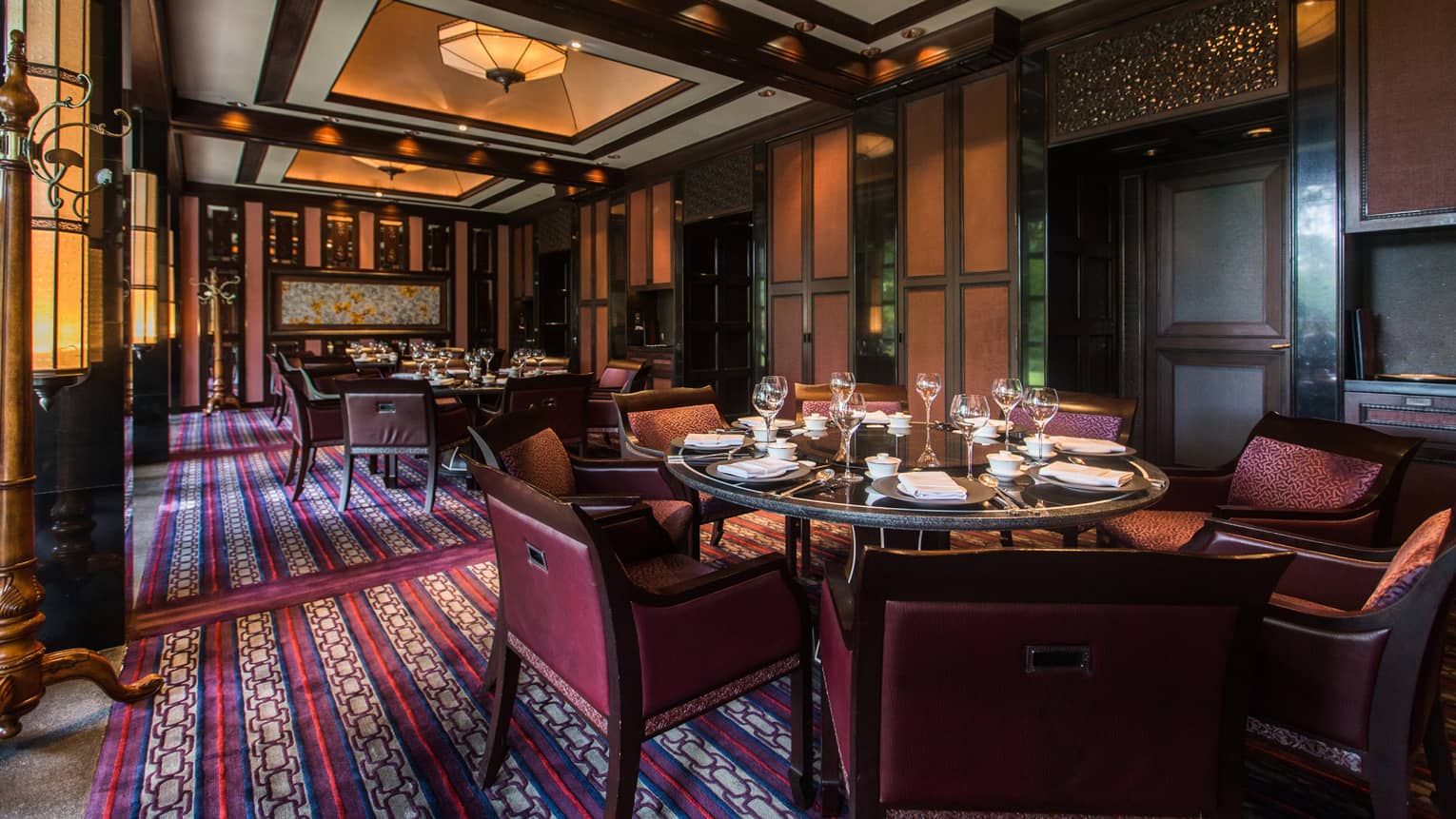
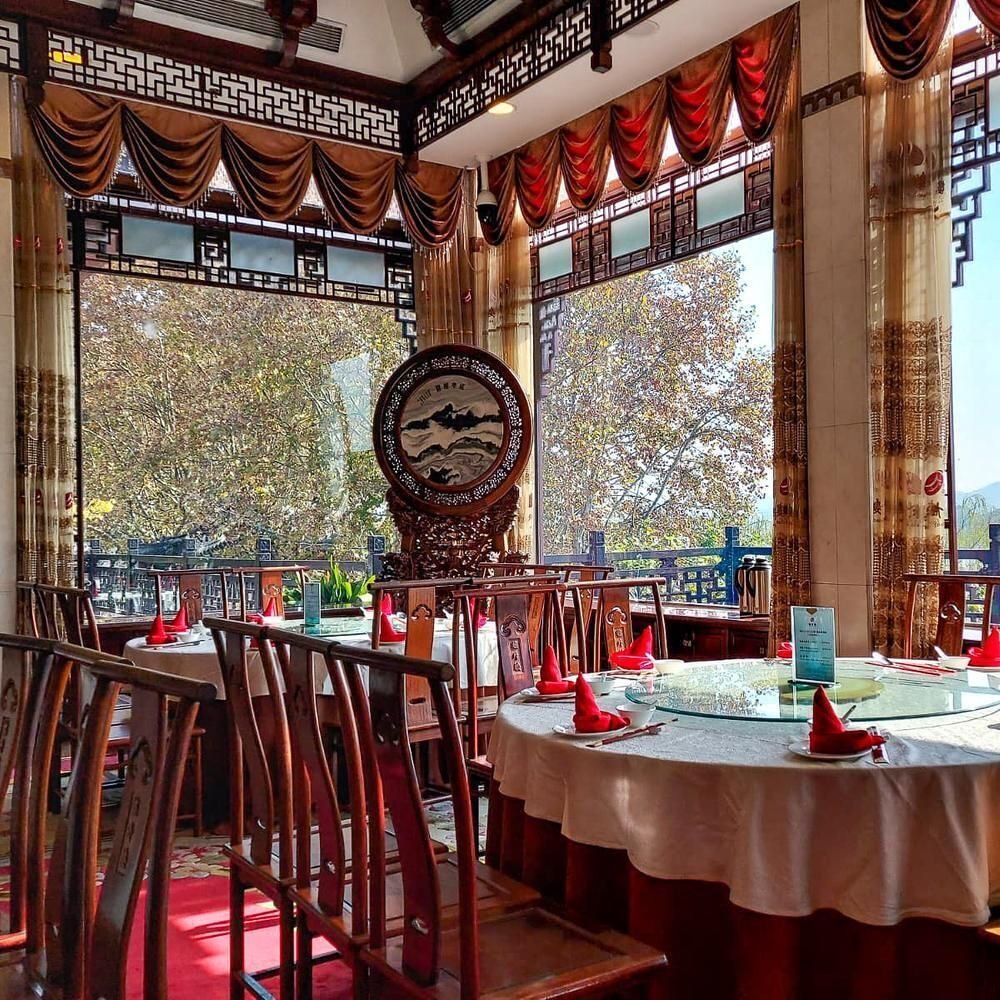
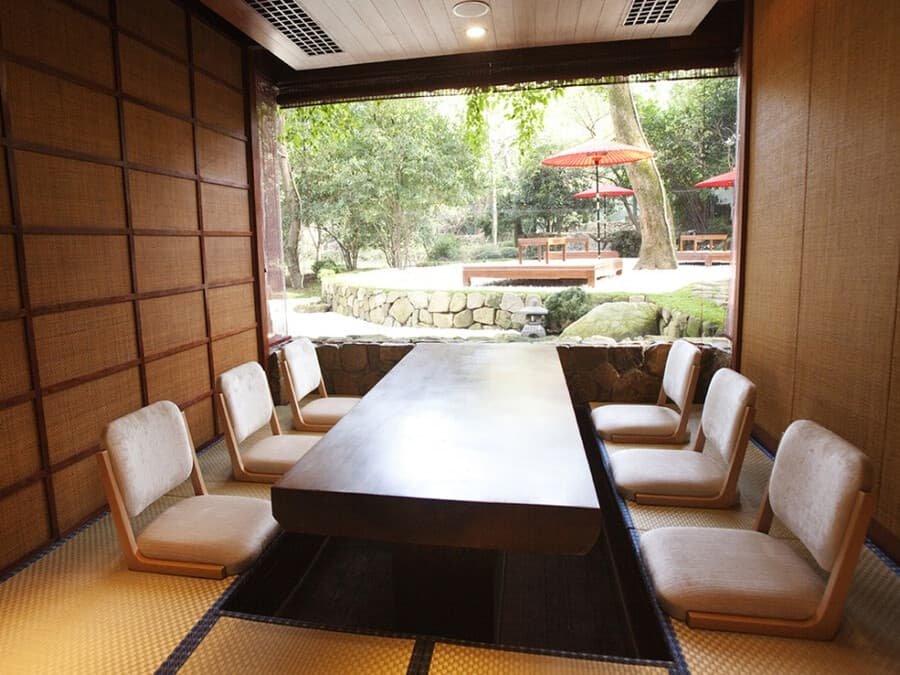
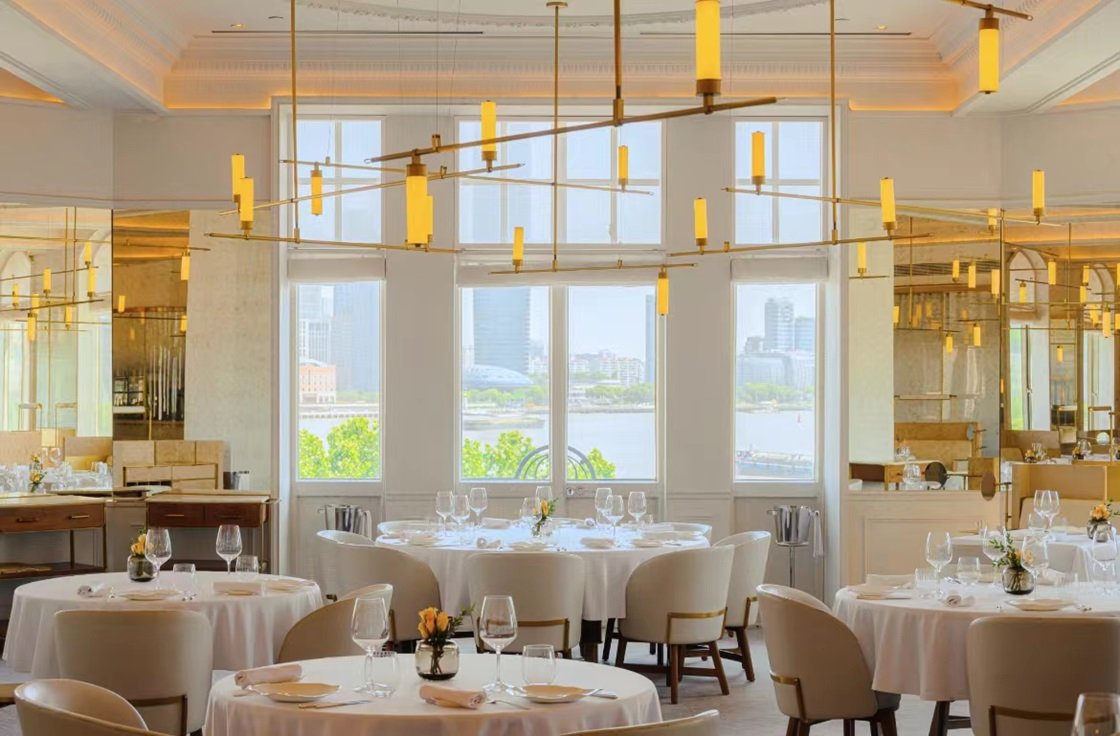
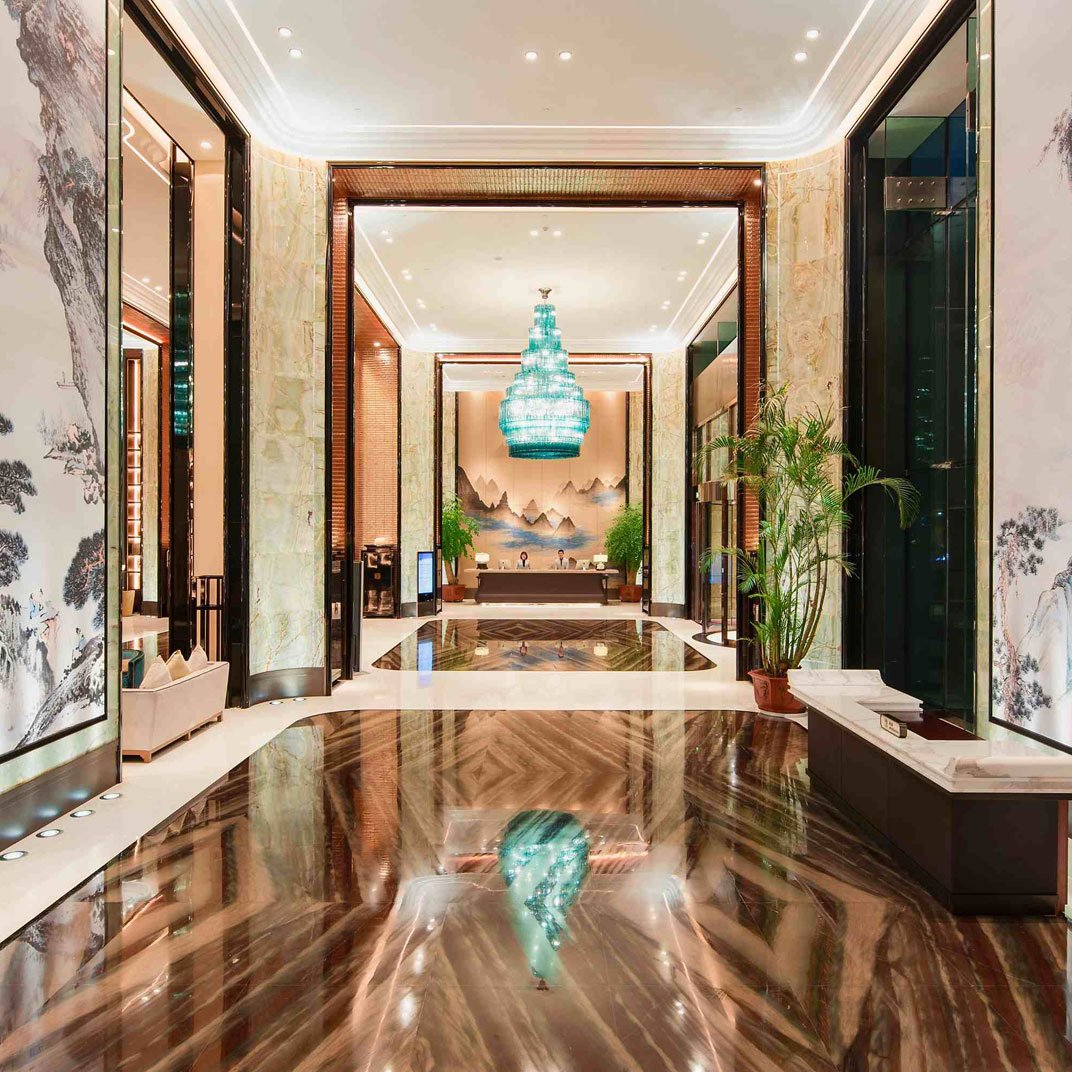
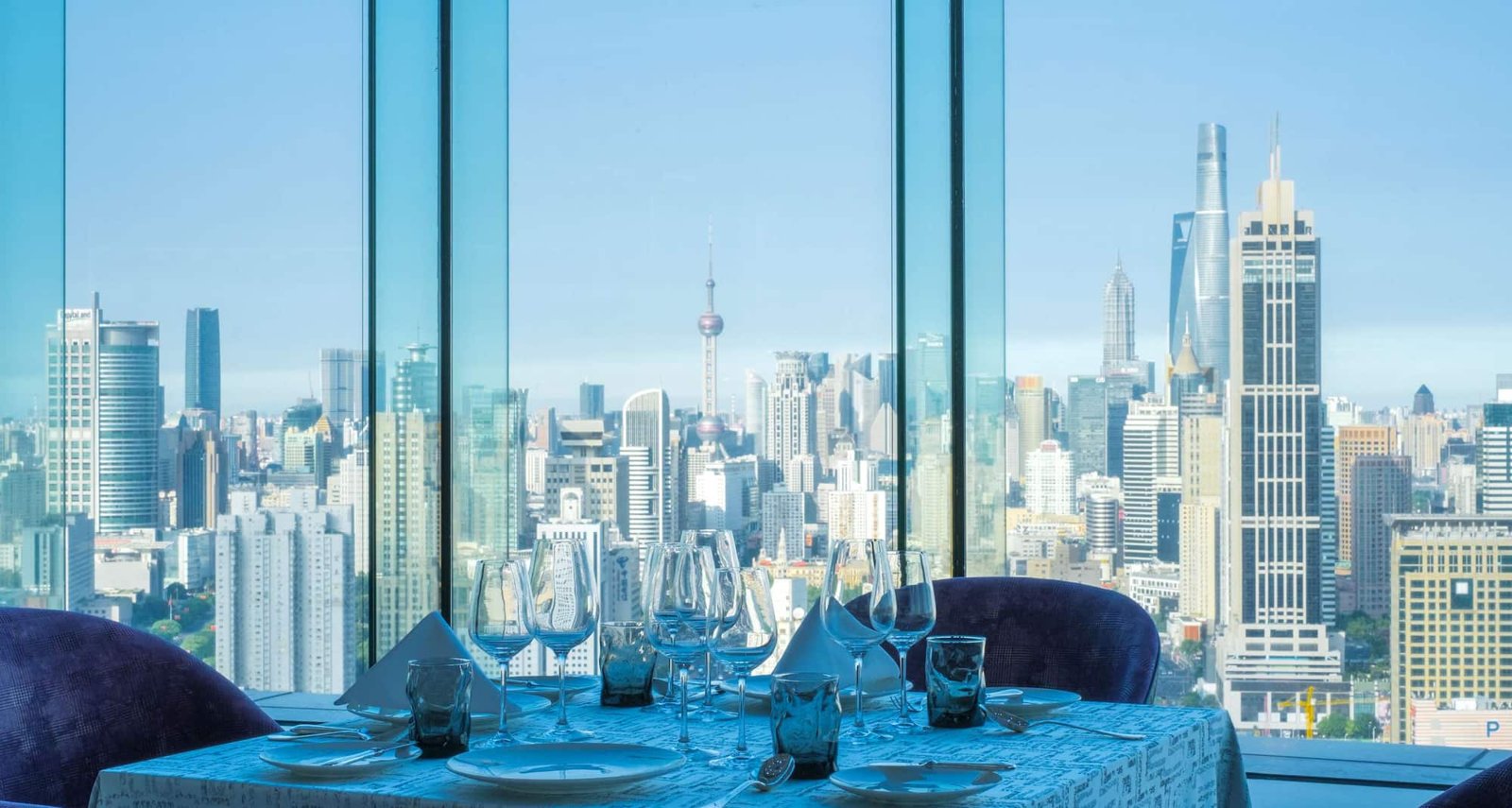
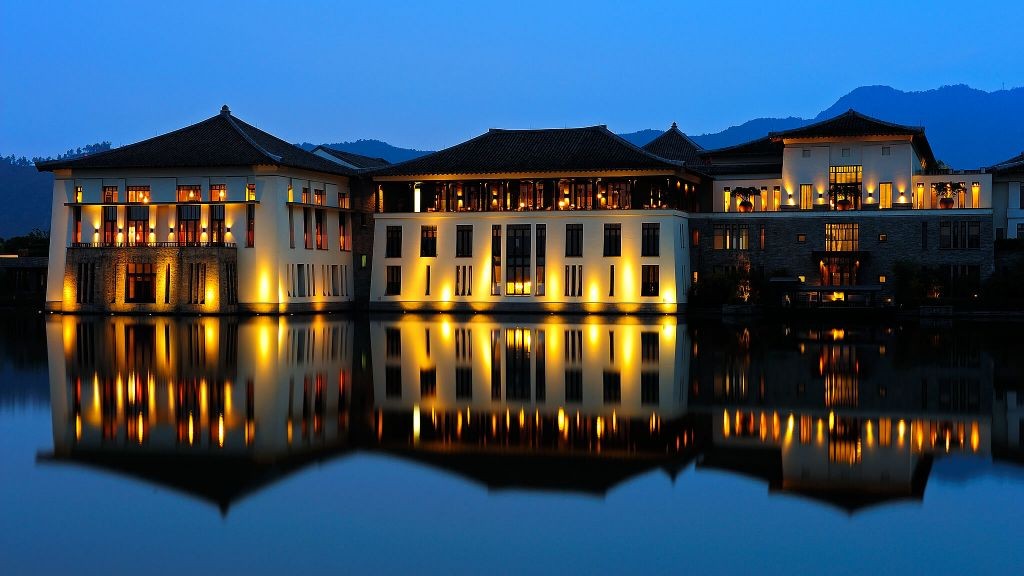
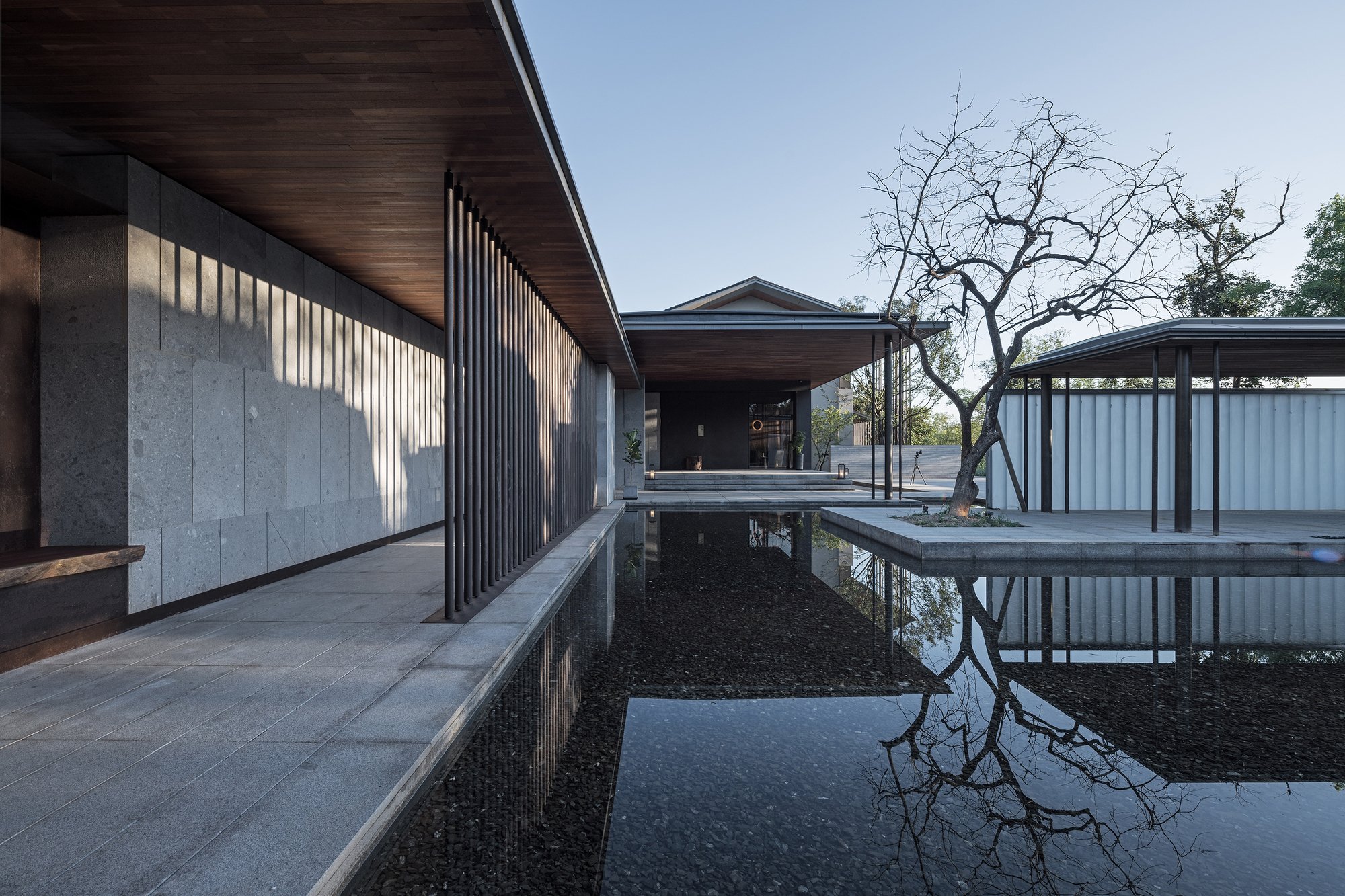
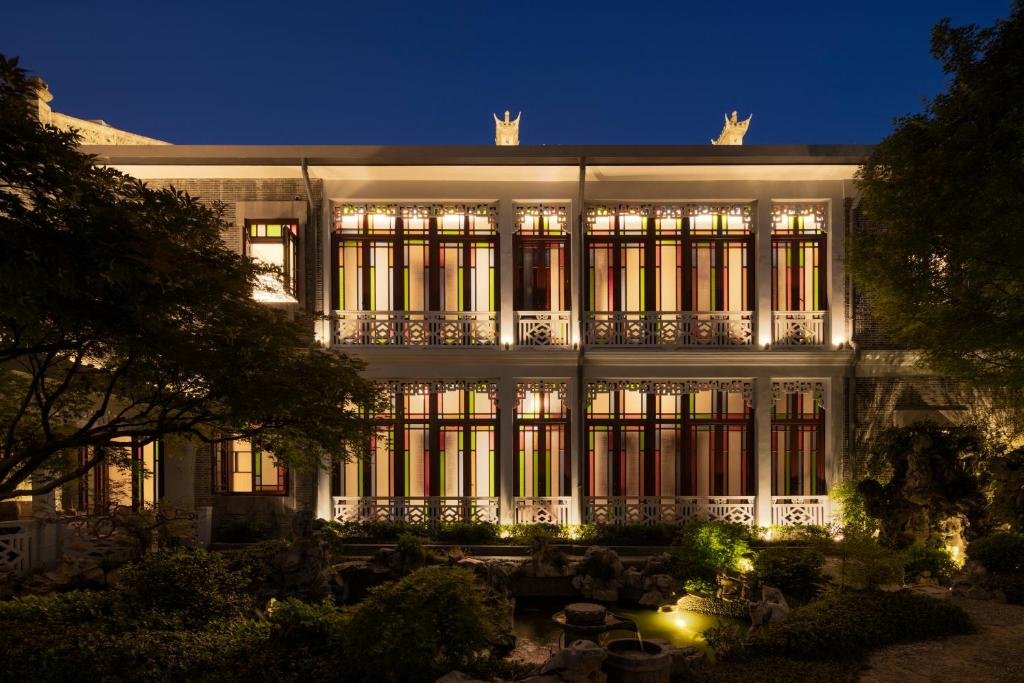
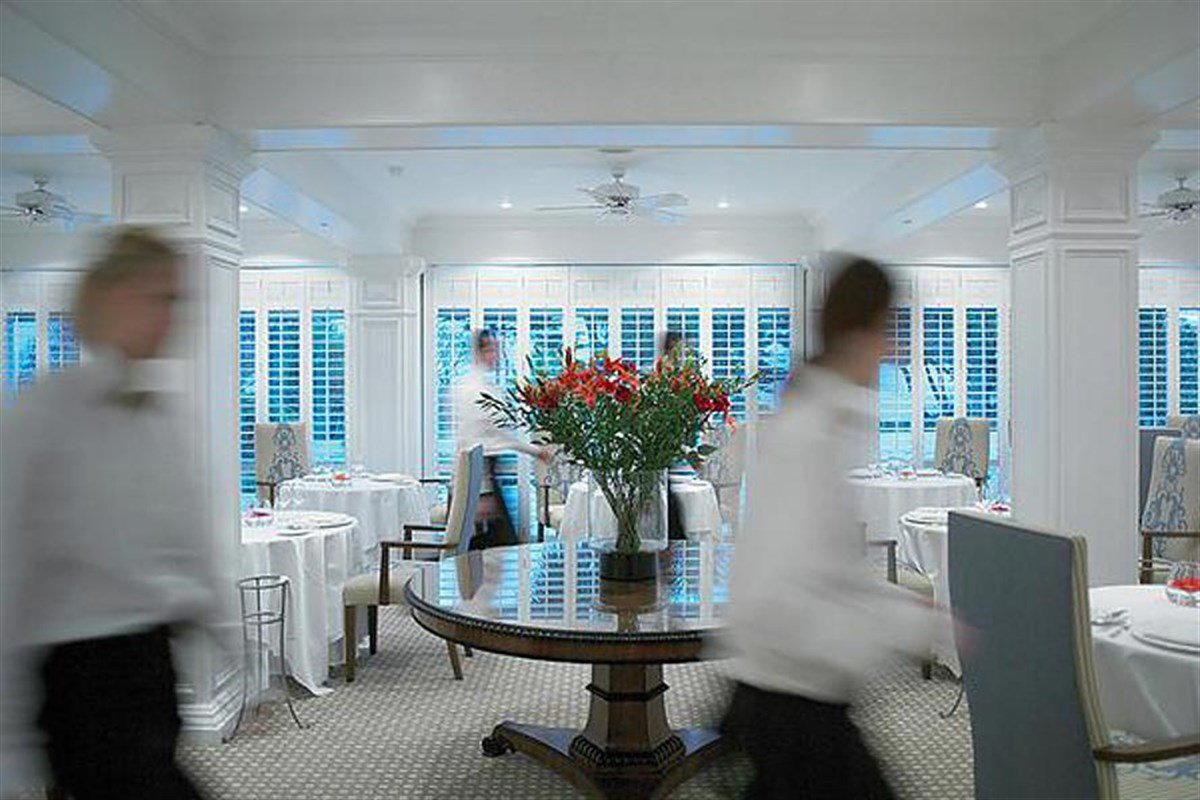
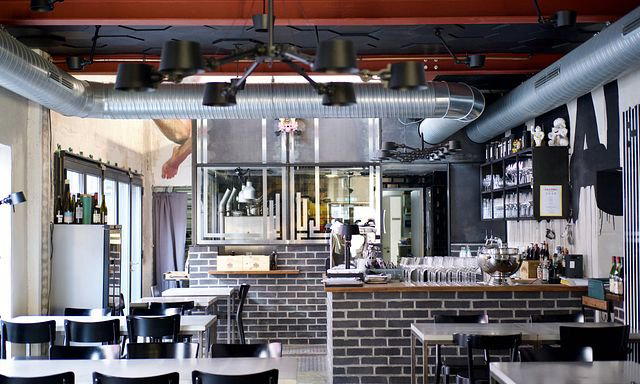
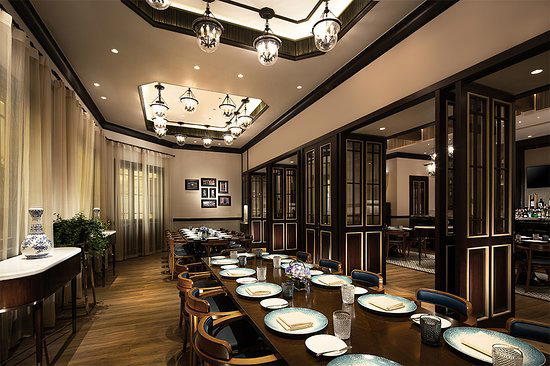
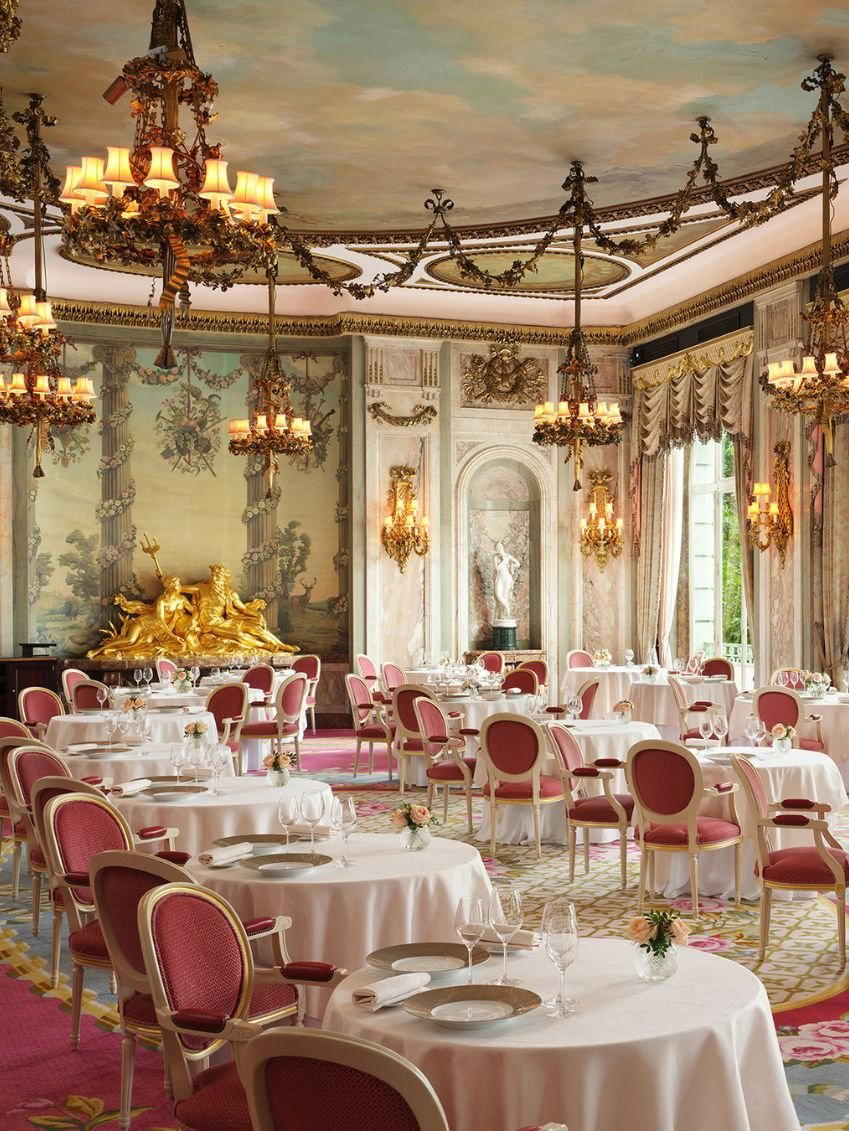
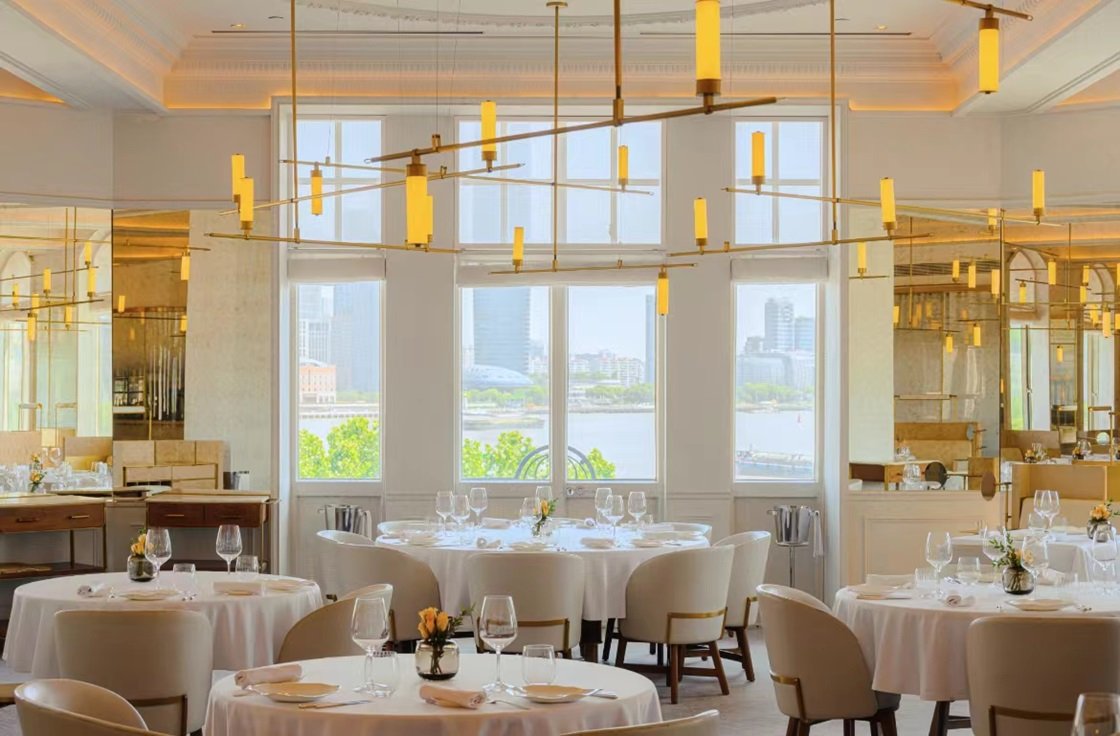
Rooms bathed in chandelier light with chequered floors and olive-green banquettes, creating a serene and elegantly poised atmosphere.
Tags
Vibe
Best For
Experience
View
At the Table
- Dress Code
- Smart Casual
- Noise Level
- Quiet
- Service Style
- Formal
- Meal Pacing
- Leisurely
- Capacity
- Medium
- Kitchen
- Traditional
- Menu Format
- A la carte
- Wine Program
- Curated
Signature Dishes
- thick fish soup
- dim sum
- Cantonese barbecue
Know before you go
Know Before You Go
- Getting there
- 63V8+XXW, Xixi Rd, Xihu, Hangzhou, Zhejiang, China, 310023
Planning details
Location
63V8+XXW, Xixi Rd, Xihu, Hangzhou, Zhejiang, China, 310023 · Directions
Recognition and awards
Also consider
Where to look if this is not the right fit
Try Li' An or The Yue Hall first if the goal is another Hangzhou Cantonese restaurant in the same ¥¥¥ tier. Choose Hang Yuen Hin if price matters more than the recognition signal, or Tou Zao if the group wants a higher-spend Cantonese meal.
Restaurant context
How it compares with Hangzhou Cantonese peers
Junxihui sits in the useful middle of the Cantonese set: more premium than Hang Yuen Hin at ¥¥, but less expensive than Tou Zao at ¥¥¥¥. That makes it a stronger fit for diners who want recognized quality without turning dinner into the highest-spend Cantonese booking.
Against Li' An and The Yue Hall, the choice is tighter because all three sit in Hangzhou and share the ¥¥¥ Cantonese lane. Junxihui is the sensible pick when Michelin Plate recognition is part of the decision; Li' An and The Yue Hall are the direct cross-shops when location, room feel, or group logistics matter more.
Chai Court is another ¥¥¥ Cantonese comparison, but it is less useful for a Hangzhou-first plan because it is outside the metro set provided here. If the booking needs to stay in Hangzhou, compare Junxihui with Li' An and The Yue Hall first; if budget is the deciding factor, check Hang Yuen Hin before committing.
Explore Hangzhou
Around this place
Discover more on Pearl
Unlock the full Junxihui guide in Pearl, including awards, comparisons, FAQs, planning details, and nearby places.
Compare Junxihui
| Venue | Location | Cuisine | Awards | Price |
|---|---|---|---|---|
| Junxihui | Hangzhou | Cantonese | 2025 Michelin Plate | ¥¥¥ |
| Li' An | Hangzhou | Cantonese | Michelin Guide Shanghai Jiangsu Zhejiang 20262025 Michelin Plate2024 Michelin Plate | ¥¥¥ |
| Hang Yuen Hin | Shanghai | Cantonese | Michelin Guide Shanghai Jiangsu Zhejiang 20262025 Michelin Plate2024 Michelin Plate | ¥¥ |
| Tou Zao | Shanghai | Cantonese | 2025 Michelin 1 Star2025 The Best Chef One Knife2024 Michelin 1 Star | ¥¥¥¥ |
| The Yue Hall | Hangzhou | Cantonese | 2025 Michelin Plate2024 Michelin Plate | ¥¥¥ |
| Chai Court | Suzhou | Cantonese | 2025 Michelin Plate | ¥¥¥ |



How Junxihui Hangzhou compares with similar nearby venues.
FAQ
Frequently Asked Questions
What should a first-timer know about Junxihui?
Go in expecting Cantonese food in Hangzhou at the ¥¥¥ tier, with a Michelin Plate (2025) as the main quality signal. The dress code is smart casual. Specific details such as dishes, room layout, and service format are not here, so confirm anything essential before booking.
Is Junxihui worth the price?
It can be worth considering if you want Cantonese cooking in Hangzhou and are comfortable with a ¥¥¥ price category. The Michelin Plate (2025) adds a confirmed recognition signal. If price is the main concern, compare other Hangzhou dining options before committing.
What are alternatives to compare with Junxihui?
For comparison planning, consider Li' An, Hang Yuen Hin, Tou Zao, The Yue Hall, and Chai Court. Junxihui is the clearer pick only when its facts match your brief: Cantonese cuisine, Hangzhou, ¥¥¥ pricing, smart casual dress, and Michelin Plate recognition in 2025.
Is Junxihui good for solo dining?
It may suit a solo diner who specifically wants Cantonese food in Hangzhou and is comfortable with the ¥¥¥ price tier. The data does not establish a special solo-dining format, counter setup, or menu structure, so solo diners should check current booking and ordering details if those matter.
Is Junxihui good for a special occasion?
Yes, it can be considered for a special occasion if Cantonese cuisine, Hangzhou, smart casual dress, ¥¥¥ pricing, and Michelin Plate recognition in 2025 fit the brief. Specific occasion-related details such as private rooms, set menus, or special arrangements are not here.
Is the tasting menu worth it at Junxihui?
A tasting menu is not here. Do not assume that Junxihui offers one based on the available facts. If a fixed menu or guided progression is important, confirm the current menu format directly with the restaurant before booking.