
Restaurant in Tokyo, Japan
JO
250ptsSerious beef range, accessible reservation.

About JO
JO is a beef-focused prix fixe restaurant in Nishiazabu, Tokyo, working through an impressive range of cuts and preparation methods in a single sitting. Booking is easier than most at this level of cooking, making it one of Tokyo's more accessible serious dinner options. Book if the quality of the menu matters more to you than the prestige of the address.
Should You Book JO?
Getting a table at JO is easier than at most serious beef-focused restaurants in Tokyo, which makes it one of the more accessible entries into this category. That accessibility does not signal compromise: the prix fixe format here delivers a level of imagination and precision that punches well above what the booking difficulty would suggest. If you want to understand what a thoughtful Japanese kitchen can do with a single protein across radically different preparations in a single sitting, JO earns a clear yes.
The Space
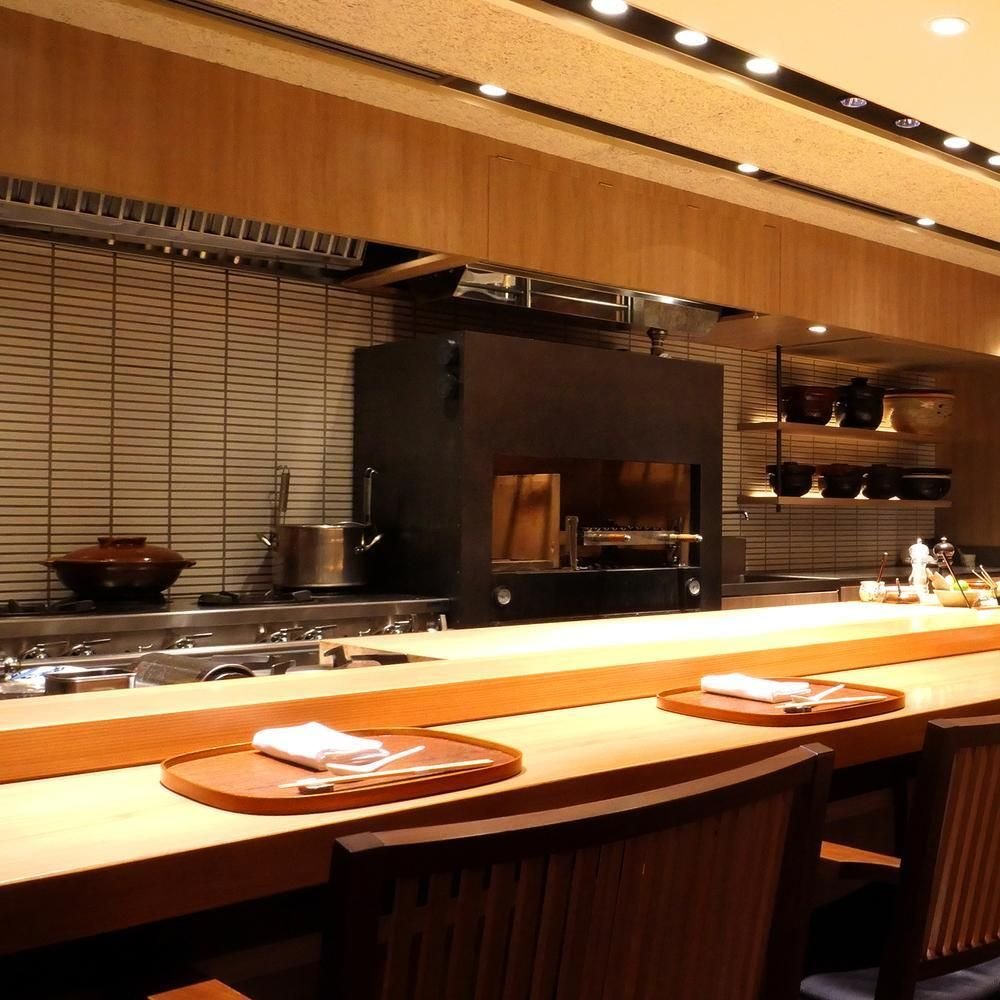
JO sits in the basement of a Nishiazabu building, the kind of subterranean address that Tokyo does better than anywhere. Expect an intimate, contained room rather than a sprawling dining hall. The underground setting filters out street noise and creates the focused atmosphere that suits a menu this deliberate. This is a counter-and-table format designed for concentration, not spectacle. If you are choosing between a place that impresses on arrival and one that impresses over the course of two hours, JO is the latter. For food-focused explorers, that trade-off is the right one.
What Makes JO Worth Booking
The kitchen's approach to the prix fixe is the reason to come. Rather than presenting a single interpretation of beef, JO works through an impressive range of cuts, each matched to a preparation method that draws out something specific. Rump is seared to lock in flavour. The tail is slow-grilled, producing a fragrant result that a quick sear never could. The chateaubriand arrives reimagined as a cutlet sandwich, which repositions a cut usually treated with reverence into something more playful. Sirloin is served shabu-shabu style, trimmed of excess fat so the texture does the work. Fillet is grilled over charcoal to a rosy red finish. What this menu demonstrates is not showmanship for its own sake: each preparation exists because it is the right method for that cut. That kind of editorial discipline in a tasting format is not common, even in Tokyo.
The prix fixe is described as joyously imaginative and well balanced, which is the kind of phrase that usually signals a kitchen that knows when to stop. The balance between cuts and cooking methods means you are not fatigued by the third course, which is a real risk in single-protein menus. JO avoids that trap.
Who Should Book JO
Book JO if you want a beef-focused prix fixe that covers genuine culinary range without requiring a three-month advance reservation. It suits a food-focused traveller who would rather eat something genuinely considered than tick a status restaurant. For couples or parties of two exploring the Nishiazabu dining corridor, it fits well between a pre-dinner drink in the neighbourhood and a walk through Roppongi. Solo diners interested in the counter experience will find the format works well for one. It is less suited to large groups given the intimate scale of the room.
Practical Details
JO is located at B1F, 2-24-14 Nishiazabu, Minato-ku, Tokyo. The basement address means arriving with the address confirmed on your phone is worthwhile, as Nishiazabu's side streets can be disorienting at night. Given the prix fixe format, dietary restrictions are worth flagging well in advance of your visit rather than on the night. No specific booking method, dress code, or price point is confirmed in the available data, so contact the restaurant directly to confirm current details before visiting. Booking difficulty is rated easy relative to Tokyo's competitive dining scene, which is a meaningful advantage.
For broader Tokyo context, see our full Tokyo restaurants guide, our full Tokyo hotels guide, our full Tokyo bars guide, our full Tokyo wineries guide, and our full Tokyo experiences guide.
Leading Time to Visit
Tokyo's restaurant scene runs year-round, but evenings midweek tend to produce a calmer room at venues like JO. Weekend dinner slots at this kind of destination tend to fill faster even when booking difficulty is rated low overall. If your schedule allows, a Tuesday or Wednesday booking will likely mean a quieter room and more attentive pacing from the kitchen. Spring and autumn are the most comfortable seasons to be dining in Nishiazabu, where the neighbourhood's low-rise streets and outdoor surroundings add to the before-and-after experience.
If You Are Exploring Japan More Broadly
Tokyo is the obvious anchor, but Japan's dining depth extends well beyond the capital. HAJIME in Osaka is one of the country's most ambitious tasting menu experiences. Gion Sasaki in Kyoto is essential for kaiseki. akordu in Nara offers a compelling detour for European-inflected cooking. Goh in Fukuoka and 1000 in Yokohama are worth considering if your itinerary extends to those cities, and 6 in Okinawa represents a very different register entirely.
FAQ
- Can JO accommodate groups? The basement room at JO reads as intimate in scale, which makes it a better fit for two to four people than for larger parties. If you are organising a group dinner, contact the restaurant directly to confirm capacity and whether a private arrangement is possible.
- Is JO good for a special occasion? Yes, with the right expectations. The prix fixe format, the considered range of preparations, and the focused atmosphere in Nishiazabu make it a good choice for a celebratory dinner that prioritises food quality over a grand room. It works better for occasions where the meal itself is the event, rather than venues where tableside theatre or a prestige address does some of the work.
- What are alternatives to JO in Tokyo? For beef-focused or serious tasting menu dining in Tokyo, L'Effervescence and Florilège offer prix fixe formats at a comparable commitment level, though both lean French rather than Japanese. Harutaka is the reference point for omakase sushi at a similar price tier. RyuGin is the answer if you want kaiseki rather than a beef-led menu. Crony and Sézanne are worth considering for French-influenced tasting menus.
- What should I wear to JO? No dress code is confirmed in the available data. Given the Nishiazabu address and the prix fixe format, smart casual is a sensible default. Nishiazabu skews towards a dressed-up but not formal dining crowd, so erring on the side of neat is unlikely to be wrong.
- Does JO handle dietary restrictions? The menu is built around beef as its central protein, which means it is not suited to guests who do not eat red meat. For other restrictions, contact the restaurant directly in advance. A kitchen this deliberate about preparation methods will want to know about restrictions ahead of time rather than on the night.
- Is JO good for solo dining? The format suits solo diners well. A prix fixe with a counter or small table setup in a focused room is one of the better solo dining formats in Tokyo, letting you work through the menu without the pacing pressure of a larger group. Tokyo's dining culture is generally comfortable for solo guests at this kind of venue.
- What should I order at JO? The menu is prix fixe, so the kitchen sets the course. Based on the documented preparation range, the chateaubriand cutlet sandwich and the slow-grilled tail are the preparations most worth paying attention to as they represent the most distinctive departures from conventional beef cookery. The charcoal-grilled fillet is the more classical anchor of the menu.
- What should a first-timer know about JO? Confirm your reservation and address details before you go: B1F addresses in Nishiazabu can take a moment to locate. The menu is beef-led and prix fixe, so arrive knowing you are committing to that format. Booking is rated easy by Tokyo standards, but that can change, so do not leave it to the last minute if your dates are fixed. The experience rewards attention to the cooking rather than the surroundings, which suits a food-focused visitor more than someone looking for a room to photograph.
Compare JO
| Venue | Cuisine | Price | Awards | Booking Difficulty | Value |
|---|---|---|---|---|---|
| JO | The prix fixe menu is joyously imaginative and well balanced. An impressive range of beef cuts are served, each with its own method of preparation for most delicious effect. Seared rump locks in the flavour, slow-grilled tail is fragrant. Chateaubriand is reimagined as a cutlet sandwich; sirloin, served shabu-shabu style, is shorn of unnecessary fat; fillet is grilled over charcoal to a rosy red. | Easy | — | ||
| Harutaka | Sushi | ¥¥¥¥ | Michelin 3 Star, World's 50 Best | Unknown | — |
| RyuGin | Kaiseki, Japanese | ¥¥¥¥ | Michelin 3 Star, World's 50 Best | Unknown | — |
| L'Effervescence | French | ¥¥¥¥ | Michelin 3 Star, World's 50 Best | Unknown | — |
| HOMMAGE | Innovtive French, French | ¥¥¥¥ | Michelin 2 Star, World's 50 Best | Unknown | — |
| Florilège | French | ¥¥¥ | Michelin 2 Star, World's 50 Best | Unknown | — |
Key differences to consider before you reserve.
Frequently Asked Questions
Can JO accommodate groups?
JO's basement format in Nishiazabu suggests an intimate room, which typically means limited capacity for large groups. Parties of two to four are the safest bet. If you're planning a group of six or more, check the venue's official channels to confirm availability before assuming a booking is possible.
Is JO good for a special occasion?
Yes, and it's a stronger fit for special occasions than most beef-focused venues at this level because the prix fixe builds across multiple cuts and techniques rather than delivering a single set piece. The progression from seared rump through to charcoal-grilled fillet gives the meal a genuine arc, which works well for a celebratory dinner. It's less formal than RyuGin but more considered than a standard yakiniku evening.
What are alternatives to JO in Tokyo?
For a broader tasting menu format with less beef focus, Florilège and L'Effervescence are the obvious comparisons in the same city. If you want something with more ceremony around the reservation process and a longer-established reputation, RyuGin operates at a different level of formality. JO's advantage over all of them is accessibility: harder tables without three-month lead times.
What should I wear to JO?
The venue database doesn't specify a dress code, but a basement Nishiazabu address running a prix fixe at this level of culinary intention points toward neat, polished casual at minimum. Avoid beachwear or sports gear; treat it as you would a serious dinner reservation in a European capital and you'll be appropriately dressed.
Does JO handle dietary restrictions?
No dietary restriction policy is documented for JO. Given the menu is built entirely around multiple beef preparations across a prix fixe format, vegetarians and those avoiding red meat would be poorly served by the format itself. check the venue's official channels before booking if you have restrictions, and go in with realistic expectations about how far they can flex a beef-centric prix fixe.
Is JO good for solo dining?
A basement counter-style venue running a prix fixe is generally well-suited to solo diners, and Nishiazabu restaurants at this level tend to treat single covers with care. The structured format means you don't need a companion to pace the meal. Solo is a reasonable way to book here, and likely easier to secure a seat than a table for four.
What should I order at JO?
JO runs a prix fixe, so ordering isn't the decision — the kitchen decides the progression. What's documented is that the menu moves through an impressive range of beef cuts: seared rump, slow-grilled tail, chateaubriand as a cutlet sandwich, sirloin shabu-shabu style, and fillet grilled over charcoal. Trust the format; that's the point of being here.
Recognized By

More restaurants in Tokyo
- SézanneOccupying the seventh floor of the Four Seasons Hotel Tokyo at Marunouchi, Sézanne earned its first Michelin star within months of opening in July 2021 and now holds three. British chef Daniel Calvert applies French technique to Japanese ingredients, producing a prix-fixe format that Tabelog has recognised with Silver awards every year from 2023 through 2026. It ranked 4th in Asia's 50 Best Restaurants in 2025 and 15th globally in 2024.
- SazenkaSazenka is the address for Chinese cuisine in Tokyo at its most technically demanding. Chef Tomoya Kawada's wakon-kansai approach — Japanese seasonal ingredients applied through Chinese culinary technique — has earned consecutive Tabelog Gold Awards from 2019 to 2026, a #71 ranking on the World's 50 Best 2025, and 99 points from La Liste 2026. At JPY 50,000–59,999 per head, it is one of the hardest tables in the city to book and worth the effort.
- NarisawaNarisawa is Tokyo's most credentialled innovative tasting menu restaurant — two Michelin stars, Asia's 50 Best number 12, and a Tabelog Silver award — running at JPY 80,000–99,999 per head. Book for a milestone occasion, confirm vegetarian or vegan needs in advance, and reserve at least two to three months out. With 15 seats and reservation-only access, this is one of Tokyo's hardest tables to secure.
- FlorilègeFlorilège delivers two Michelin stars and an Asia's 50 Best #17 ranking at a dinner price of ¥22,000 — competitive for Tokyo at this level. Chef Hiroyasu Kawate's plant-forward tasting menus around an open-kitchen counter at Azabudai Hills make this the strongest choice for contemporary French dining in Tokyo if theatrical, produce-led cooking is what you want. Book well in advance; availability is near-impossible at short notice.
- DenDen holds two Michelin stars, a World's 50 Best top-25 Asia ranking, and a Tabelog Silver Award running back to 2017 — and it books out within hours of the two-month reservation window opening. Chef Zaiyu Hasegawa's daily-changing seasonal omakase runs JPY 30,000–39,999 at dinner in a relaxed house-restaurant setting near Gaiemmae. Book by phone only, noon–5 PM JST. Lunch is irregular; plan around dinner.
- MyojakuMyojaku is a 2-Michelin-star, 14-course French-leaning omakase in Nishiazabu holding a 4.47 Tabelog score, Tabelog Silver 2025–2026, and Asia's 50 Best #45 (2025). Chef Hidetoshi Nakamura's water-forward, no-dashi approach shifts meaningfully with the seasons — making timing your reservation as important as getting one. Budget JPY 50,000–59,999 per head plus 10% service charge; reservations only, near-impossible to secure.
Related editorial
- Best Fine Dining Restaurants in ParisFrom three-Michelin-star icons to the next generation of Parisian chefs pushing boundaries, these are the restaurants that define fine dining in the world's culinary capital.
- Best Luxury Hotels in RomeFrom rooftop terraces overlooking ancient ruins to Michelin-starred hotel dining, these are the luxury hotels that make Rome unforgettable.
- Best Cocktail Bars in KyotoFrom sleek lounges to hidden speakeasies, Kyoto's cocktail scene blends Japanese precision with global influence in ways you won't find anywhere else.
Save or rate JO on Pearl
Keep this venue in your Pearl passport, rate it after you visit, and track it alongside every other place you collect.