

Schlossherrnstube
Contemporary · Ischgl
Restaurant in Ischgl, Austria
 Book with Pearl
The Read
French-Alpine Set Menu
Price
$150–200per person
Dress
Smart Casual
Why go
Schlossherrnstube runs five tables inside Ischgl's Schlosshotel, serving a sourcing-led set menu with French technique under chef Patrick Raaß. Michelin inspectors note dishes built around Tristan lobster and Périgord truffle. At €€€€, it delivers a focused, sommelier-guided evening that suits couples and small groups more than parties wanting flexibility. Book early in ski season: five tables fills fast.
About Schlossherrnstube
Schlossherrnstube, Ischgl: Should You Book?
If you are choosing between the fine dining options in Ischgl, the question is not whether Schlossherrnstube is good: it is whether its format suits you. Unlike Paznaunerstube, which operates with more covers and a broader service rhythm, Schlossherrnstube runs just five tables inside the Schlosshotel on Dorfstrasse. That constraint is the point: this is a set-menu restaurant built around sourced ingredients and professional sommelier-led service, and it delivers that specific experience at a high level. If that is what you want, book it. If you prefer a la carte flexibility or a livelier room, look elsewhere in Ischgl's €€€€ tier.
The Room
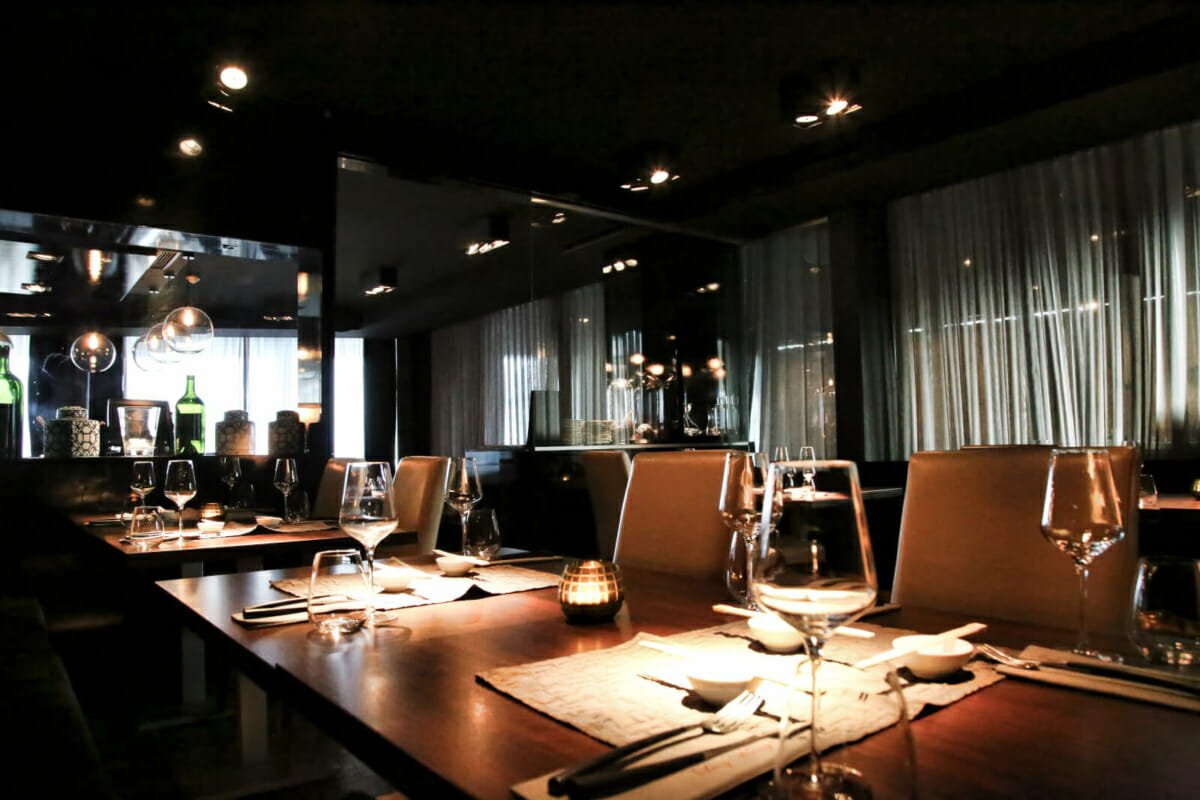
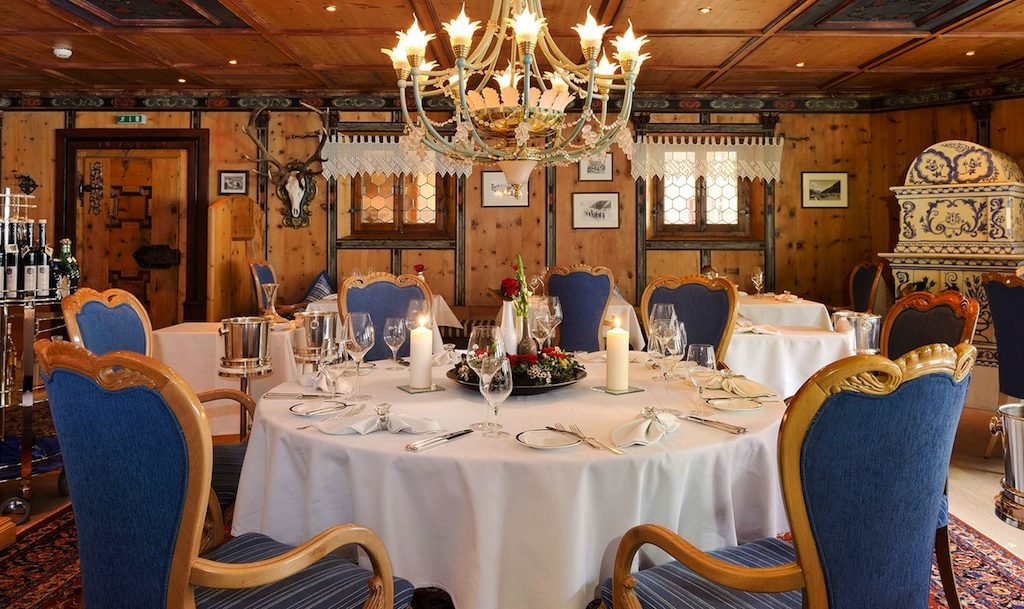
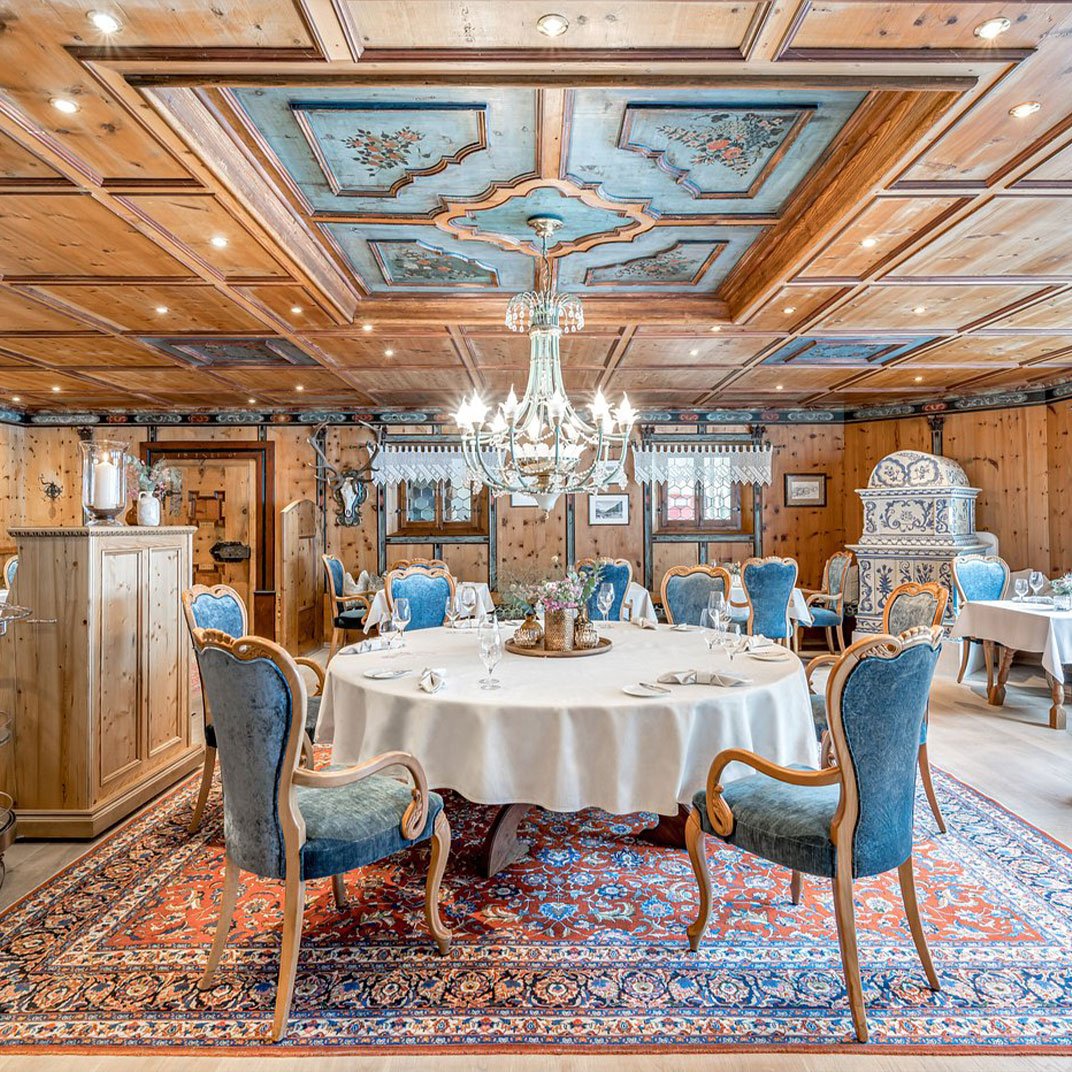
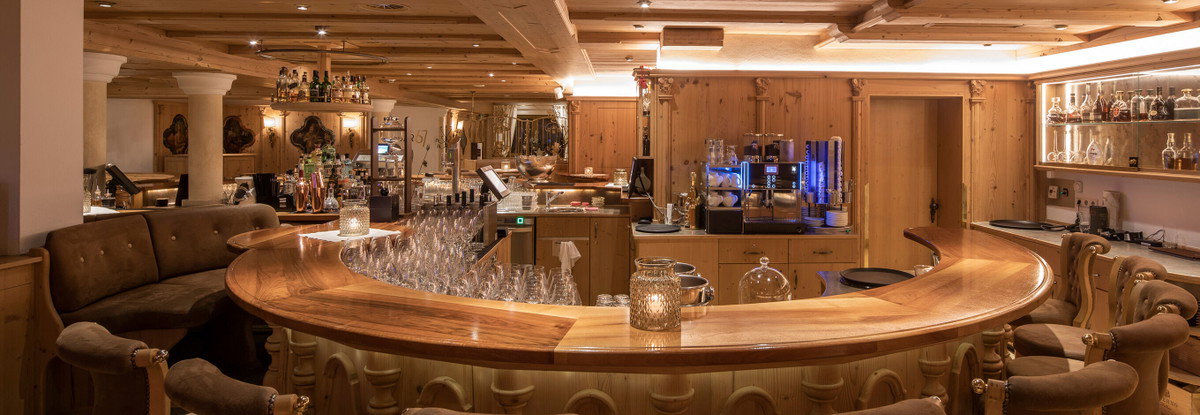
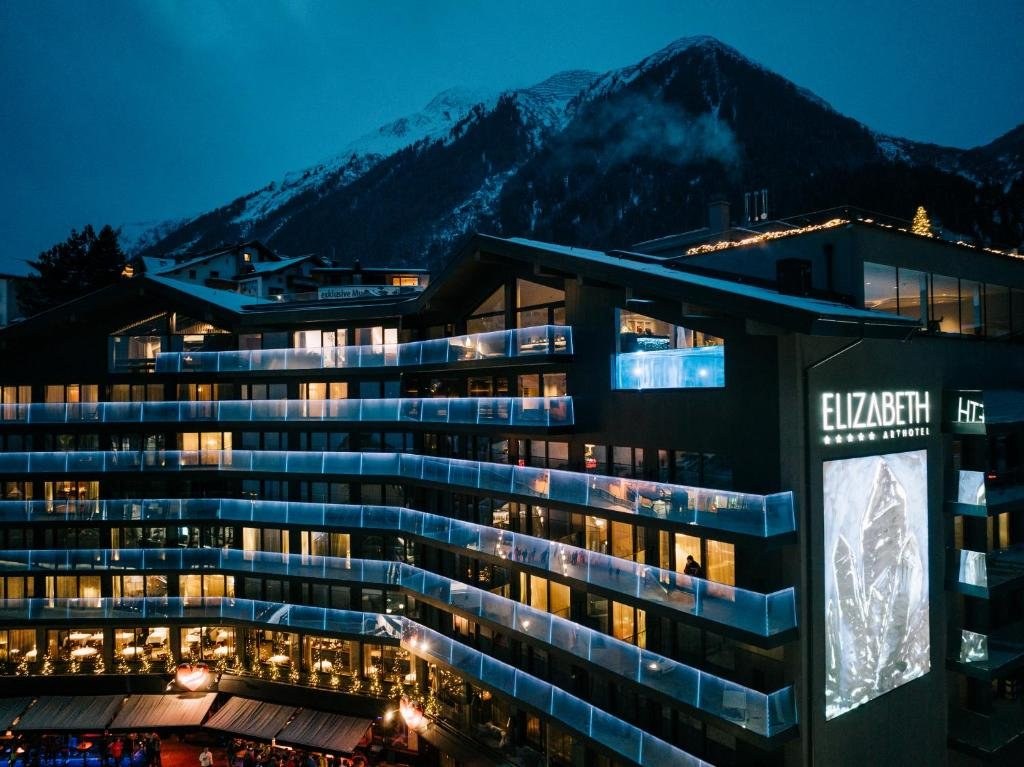
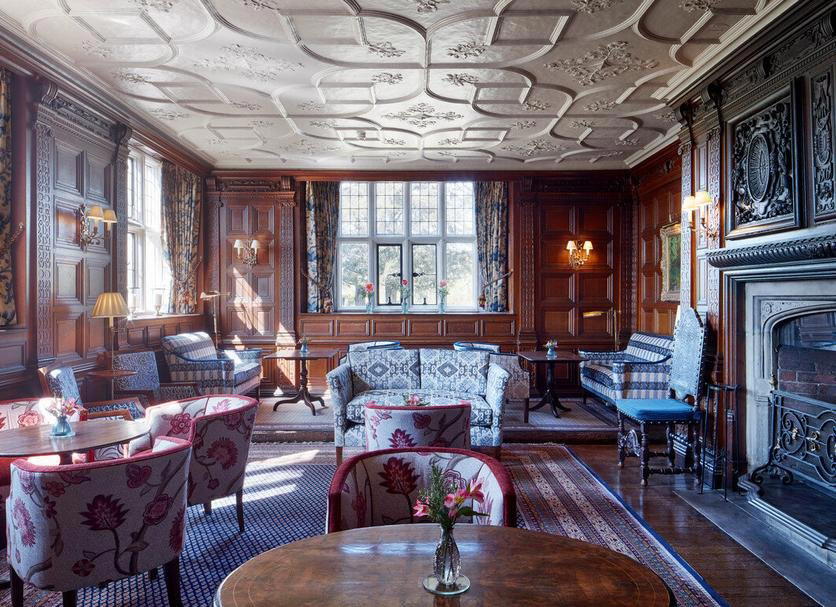
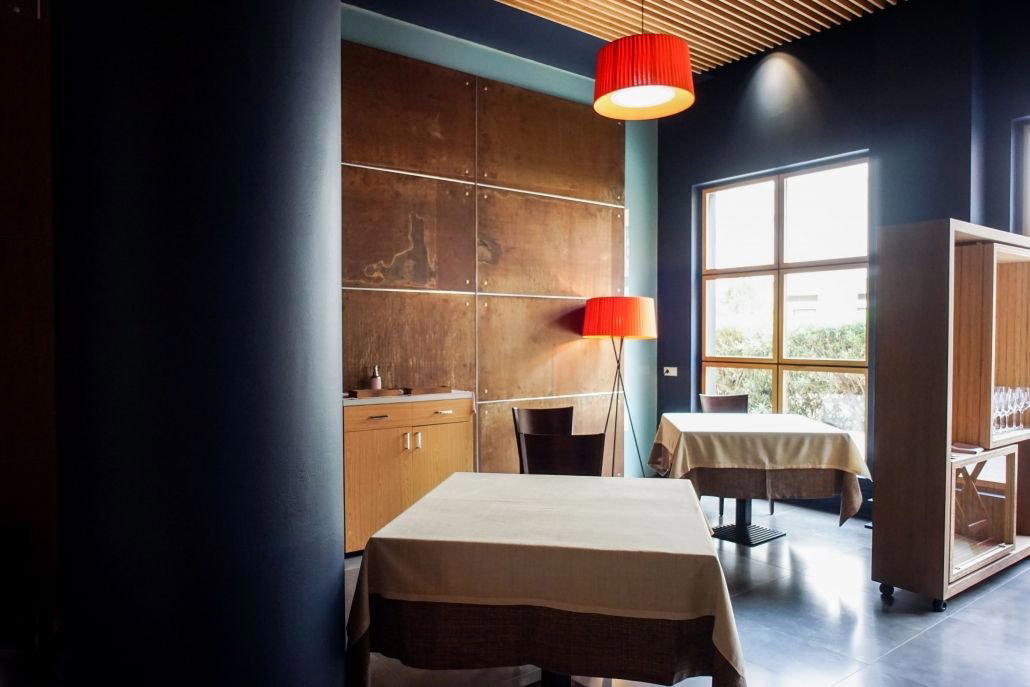
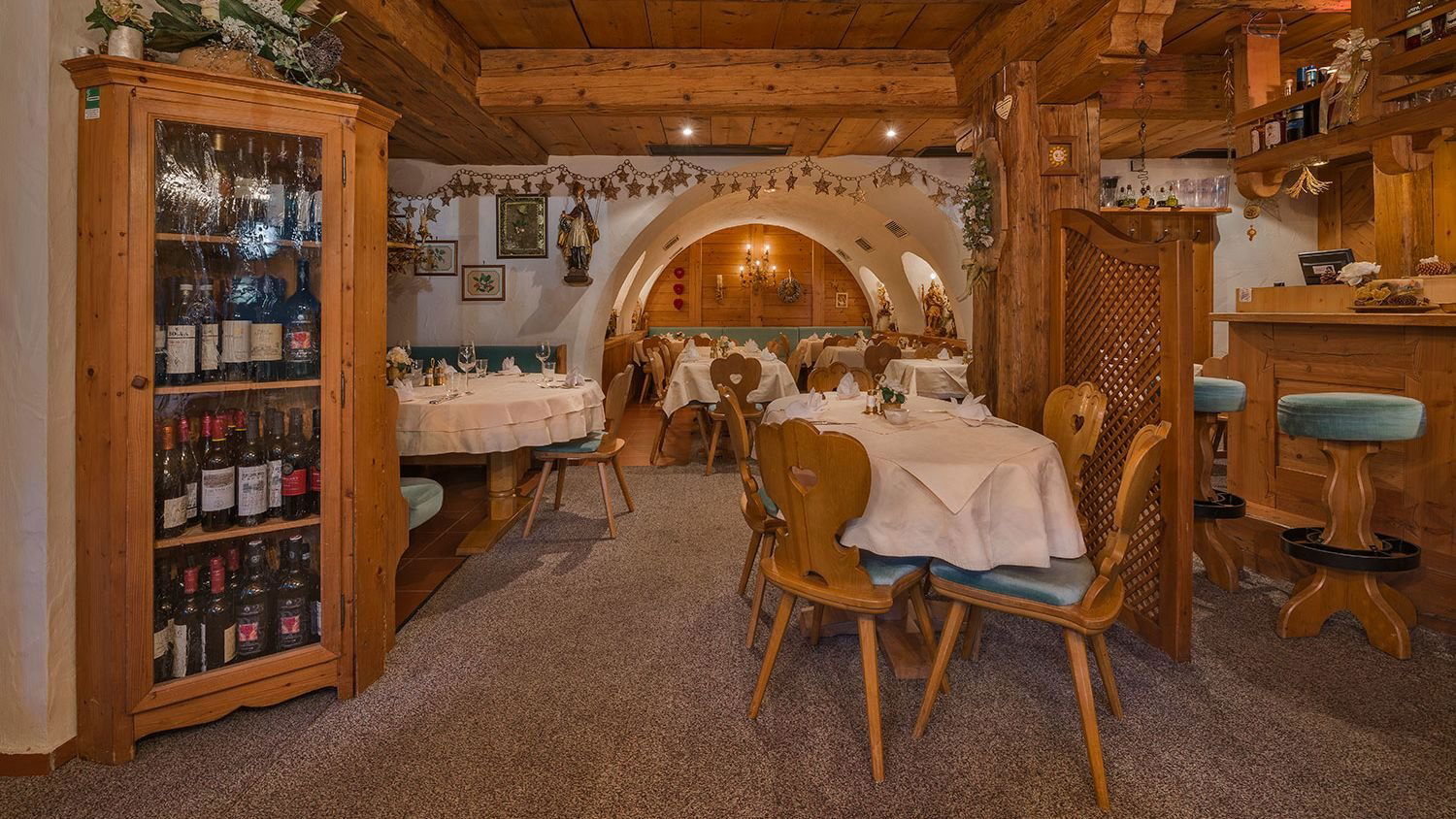
The dining room is small enough that every table feels considered. Warm Alpine wood covers the interior entirely, and the five-table layout means you are never crowded or rushed. The setting sits inside the Schlosshotel: a property that positions itself at the luxury end of Ischgl's accommodation market, and the restaurant inherits that aesthetic register. Visually, the room reads as restrained rather than showy: dark timber, soft lighting, and a scale that makes the space feel like a private dining room rather than a public restaurant. For anyone returning after a first visit, the room itself will feel familiar, but the set menu changes with ingredients and season, so the plate in front of you should not.
What You Are Actually Paying For
The €€€€ price point at Schlossherrnstube is driven by ingredient sourcing more than by room size or spectacle. Chef Patrick Raaß and his kitchen work with top-quality produce and build a set menu around it. The Michelin inspector notes cite Tristan lobster, a premium Atlantic variety farmed off the Faroe Islands and regarded as one of the best-quality live lobsters available in European fine dining, paired with mandarin and spinach, and a raviolo with soft egg yolk filling and Périgord truffle. Périgord truffle, sourced from the Dordogne region of France, carries significant cost and is not used as a garnish here: it tops the pasta as a primary flavour element. These are not incidental ingredients dressed up in the description; they represent genuine procurement cost that flows through to the menu price. Compared to Ischgl peers at the same price band, the sourcing specificity here is a differentiator worth understanding before you book.
For a returning visitor, the key question is whether the set menu has rotated since your last meal. The kitchen's approach is to build dishes around what the ingredients dictate rather than holding a fixed carte, so returning diners should expect the composition to shift while the sourcing philosophy stays consistent. If Tristan lobster or truffle were the highlights of a previous visit, the kitchen's sourcing standards suggest comparable-quality centrepieces will be in place even if the specific preparations differ.
Service
Maître d' and sommelier Daniela Wille runs the front of house. At five tables, service is not anonymised, you will have a named professional guiding the wine pairing and the evening's progression. For a returning guest, this is worth noting: the sommelier continuity means wine conversations from a previous visit can inform tonight's selections. If you are visiting solo or as a couple and want an attentive but not theatrical service experience, this format suits that preference well. Larger groups should read the capacity section below before booking.
Ideal time to visit
Ischgl operates as a ski resort, which means Schlossherrnstube runs on a seasonal calendar tied to the ski season, broadly December through April. Visiting mid-week during peak ski season gives you the leading combination of kitchen focus and a room that is working at its intended rhythm without the weekend pressure of a fully committed house. Early in the season (December) the room tends to be quieter as visitor numbers build; late February through March is peak Ischgl, and availability at a five-table restaurant becomes genuinely tight. If you are planning a ski trip to Ischgl and want to include dinner here, book this before you finalise your travel dates, not after. Booking difficulty is easy relative to peers, but that reflects the category rather than unlimited availability; a five-table room has a hard ceiling.
For broader context on the Austrian fine dining calendar, comparable mountain restaurants like Griggeler Stuba in Lech operate on similar seasonal windows, and booking patterns there confirm that mid-week slots in the first half of the ski season offer the most availability across the mountain fine dining tier.
Practical Details
Reservations: Book in advance, especially from late January onward; five tables means the room fills quickly in peak season. Dress: Smart dress is appropriate given the Schlosshotel setting, resort-formal rather than black tie, but avoid ski gear. Budget: €€€€; expect a set-menu price point consistent with Michelin-recognised Alpine fine dining. Format: Set menu only, no a la carte option. Location: Dorfstr. 85, 6561 Ischgl, Austria, within the Schlosshotel.
How It Compares
Also Worth Considering in Austria
If you are travelling more broadly in Austria and want comparable sourcing-led fine dining, Steirereck im Stadtpark in Vienna and Döllerer in Golling an der Salzach operate in the same premium tier with strong ingredient provenance focus. In Tirol specifically, Schwarzer Adler in Hall in Tirol and Restaurant 141 by Joachim Jaud in Mieming offer regional alternatives if your itinerary takes you outside the ski resort corridor. Senns in Salzburg is worth noting for those combining a city stay with mountain travel.
For international contemporary dining at a comparable technical level, Jungsik in Seoul and César in New York City sit in the same conversation around French-influenced tasting menus with strong sourcing discipline.
Explore More in Ischgl
See our full Ischgl restaurants guide for the complete picture across price tiers. We also cover Ischgl hotels, bars, wineries, and experiences if you are planning a full resort stay.
Located inside
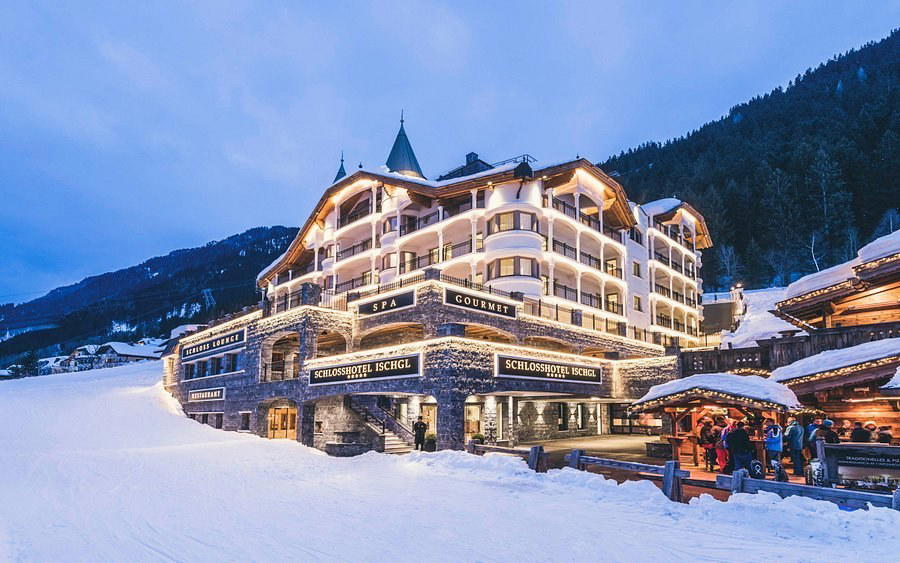 HotelSchlosshotel IschglFull hotel guide
Planning details
- Hours
- Monday: 6–10 PM · Tuesday: 6–10 PM
- Location
- Dorfstr. 85, 6561 Ischgl, Austria
- Reservations
- Book on TheFork
- Website
- schlosshotel-ischgl.com/gourmet-fine-dining/haubenrestaurant-schlossherrenstube-ischgl.html
- Phone
- +43 5444 5633
The take
The Take
The Vibe
Schlossherrnstube sits like a private jewel within the Schlosshotel, its five-table dining room defined by warm, wood‑panelled walls and a tightly controlled format. The room reads as quietly luxurious rather than showy: classic Alpine touches and meticulous restraint shape a romantic, old‑world atmosphere where each service feels intentional. The single set menu and small scale keep the focus on the cooking and the ritual of dinner, positioning the restaurant as a refined, charming counterpoint to the larger resort bustle outside.
Best For
This is a destination for focused evening dining: guests come for the tasting menu and the disciplined pace that a five‑table room allows. The format rewards those who value a considered, multi‑course dinner over casual après‑ski grazing; it is best experienced as an evening meal when the kitchen presents its French‑Alpine approach and signature dishes such as Wagyu fillet, Tristan lobster with mandarin, and the truffle raviolo. Because the room sits inside the hotel and is shielded from the resort crowd, diners can expect an attentive, unrushed dinner service.
Ordering Tips
Expect a single set menu and plan to go with the house format rather than ordering à la carte. The restaurant’s structure, five tables and one set menu, means the kitchen sequences every course for the room, so reservations and punctual arrival are important. Given the French‑Alpine technique evident in the menu and the presence of high‑impact dishes like Wagyu fillet and the Perigord truffle raviolo, diners should be ready for rich, finely tuned plates and consider wine pairings or guidance from the staff to complement the tasting progression.
Venue details
Ambiance
Warm wood interior blending elegance and Alpine charm with rustic Tyrolean elements like a tiled stove and sophisticated modern touches.
Tags
Vibe
Best For
Experience
Sourcing
View
At the Table
- Dress Code
- Smart Casual
- Noise Level
- Quiet
- Service Style
- Formal
- Meal Pacing
- Extended Experience
- Capacity
- Intimate
- Kitchen
- Modern
- Menu Format
- Set menu
- Wine Program
- Deep wine list
- Dietary
- Vegetarian friendly
Signature Dishes
- Wagyu beef fillet
- Tristan lobster with mandarin and spinach
- Raviolo with egg yolk and Perigord truffle
Know before you go
Know Before You Go
- Getting there
- Dorfstr. 85, 6561 Ischgl, Austria
Planning details
Hours
- Monday
- 6–10 PM
- Tuesday
- 6–10 PM
- Wednesday
- 6–10 PM
- Thursday
- Closed
- Friday
- Closed
- Saturday
- 6–10 PM
- Sunday
- 6–10 PM
Location
Dorfstr. 85, 6561 Ischgl, Austria · Directions
schlosshotel-ischgl.com/gourmet-fine-dining/haubenrestaurant-schlossherrenstube-ischgl.html
Recognition and awards

Also consider
Also Consider
- Stüva: Creative French, €€€€
- Paznaunerstube: Contemporary, €€€€
- Fliana Gourmet: International, €€€€
- Heimatbühne: Austrian, €€€
- Hotel Post Ursprung: Notable alternative
Restaurant context
Ischgl has four €€€€ restaurants worth comparing directly. Paznaunerstube is the most obvious peer: also contemporary, also at the top price tier, but with a larger room and broader operational scale. If you want more covers, greater table availability, or a livelier dinner atmosphere in peak season, Paznaunerstube is the more reliable booking. Schlossherrnstube wins on intimacy and sourcing specificity: five tables and a named sommelier running the room is a different experience from a larger fine dining operation, and for returning visitors who have done Paznaunerstube, this is the logical next step.
Stüva takes a Creative French direction at the same price point. If French technique is your priority and you want a menu that foregrounds it explicitly, Stüva is the comparison to make. Schlossherrnstube is also French-influenced but positions its identity more around ingredient sourcing than around a specific national culinary tradition: a distinction that matters when deciding between the two. Fliana Gourmet covers an International brief at €€€€ and suits diners who want broader menu range rather than a tightly curated set. For a step down in price without a dramatic drop in quality, Heimatbühne at €€€ offers Austrian cooking and is the right call if you want regional character over fine dining precision.
The practical read: Schlossherrnstube is the best choice in Ischgl for a set-menu evening with serious ingredient procurement and close-range sommelier service. It is not the right venue if you want a la carte choice, a larger party, or a room with more energy. Hotel Post Ursprung rounds out the local options and is worth checking if you are based in that property. For the full picture across all price tiers, see our Ischgl restaurants guide.
Explore Ischgl
Around this place
Discover more on Pearl
Unlock the full Schlossherrnstube guide in Pearl, including awards, comparisons, FAQs, planning details, and nearby places.
Compare Schlossherrnstube
| Venue | Location | Cuisine | Awards | Price |
|---|---|---|---|---|
| Schlossherrnstube | Ischgl | Contemporary | Michelin Guide Austria 20262026 Falstaff Restaurant Guide2025 Michelin 1 Star2024 Michelin 1 Star | €€€€ |
| Stüva | Ischgl | Creative French | Star Wine Lists 20262026 Falstaff Restaurant GuideMichelin Guide Austria 20262026 Les Grandes Tables du Monde Members2026 La Liste Top RestaurantsFalstaff 2026: Austria's Best Wine Lists2025 Michelin 2 Stars2025 La Liste Top Restaurants2024 Michelin 2 Stars | €€€€ |
| Paznaunerstube | Ischgl | Contemporary | Michelin Guide Austria 20262026 La Liste Top Restaurants2026 Falstaff Restaurant Guide2025 La Liste Top Restaurants2025 Michelin 1 Star2024 Michelin 1 Star | €€€€ |
| Fliana Gourmet | Ischgl | International | 2025 Michelin Plate2024 Michelin Plate | €€€€ |
| Heimatbühne | Ischgl | Austrian | Michelin Guide Austria 20262026 Falstaff Restaurant Guide2025 Michelin Plate2024 Michelin Plate | €€€ |
| Hotel Post Ursprung | Ischgl | No published awards |





.png?width=1200&quality=80)
How Schlossherrnstube Ischgl compares with similar nearby venues.
FAQ
Frequently Asked Questions
What should I wear to Schlossherrnstube?
Dress formally. Schlossherrnstube sits inside the Schlosshotel and operates at the €€€€ price point with a five-table room: this is not a mountain bistro where ski gear passes. Smart evening wear is appropriate; if you are coming off the slopes, plan time to change before dinner.
Is Schlossherrnstube good for solo dining?
It works for solo diners, but the format shapes the experience. The set menu means you are not navigating a la carte choices alone, and at five tables the room is small enough that solo guests do not feel isolated. Sommelier Daniela Wille runs the front of house personally, so service engagement is real rather than perfunctory: an asset if you are dining alone.
Can Schlossherrnstube accommodate groups?
Only in the loosest sense. With five tables total, the room cannot absorb a large party without effectively taking over the dining room. Groups of more than four should contact the Schlosshotel directly to discuss availability; assuming walk-in or last-minute group capacity is not realistic here, particularly from late January onward when peak ski season fills the room.
What should I order at Schlossherrnstube?
There is no a la carte: Patrick Raaß and his team run a single set menu built around top-quality sourced ingredients. Known dishes from the current menu direction include Tristan lobster with mandarin and spinach, and a truffle-topped raviolo with soft egg yolk. Let the menu come to you; the wine pairing guided by Daniela Wille is the natural complement at this price point.