
YOSHIKI FUJI
Innovative · Hitachiomiya, Ibaraki
Restaurant in Ibaraki, Japan
 Book with Pearl
The Read
Basque-French Agricultural Counter
Price
JPY 20,000 - JPY 29,999 JPY 20,000 - JPY 29,999
Dress
Smart Casual
Why go
YOSHIKI FUJI is worth booking if you want a serious innovative meal in Ibaraki rather than a flexible casual dinner. The price level and Tabelog recognition make it a destination-style choice, better suited to focused diners and special occasions than large mixed groups.
About YOSHIKI FUJI
YOSHIKI FUJI is an innovative restaurant in Ibaraki with a price band of JPY 20,000–29,999. The clearest confirmed reasons to consider it are its category, its higher-end price range, and its recorded recognition: Tabelog Bronze #529 (2026) at 3.9 points and Tabelog 100 #72 (2025) at 4 points.
Because the public details are limited, it is better to treat this as a restaurant to research and confirm before booking rather than to assume specifics about menu format, seating, service style, dietary handling, or hours. The grounded appeal is direct: YOSHIKI FUJI is a recognized innovative dining option in Ibaraki at a premium price point.
An innovative restaurant in Ibaraki
The useful way to read YOSHIKI FUJI is as an innovative dining choice in Ibaraki, not as a general-purpose restaurant listing with every operational detail confirmed.
Recognition matters here because it gives diners an external signal. Tabelog Bronze #529 (2026) and Tabelog 100 #72 (2025) place YOSHIKI FUJI among noted restaurants on those lists. Those accolades do not describe the full experience on their own, but they are confirmed markers for diners deciding whether to plan around the restaurant.
For a broader Ibaraki plan, use our full Ibaraki restaurants guide to decide whether YOSHIKI FUJI should be the focus of the meal plan or one option among other dining in the area.
Book for the confirmed strengths, and verify the details
YOSHIKI FUJI is strongest on paper for diners specifically seeking innovative cuisine in Ibaraki and comfortable with a JPY 20,000–29,999 price band. That makes it a more deliberate choice than a casual meal, but the information does not support claims about lunch, dinner-only service, counter seating, tasting-menu format, beverage program, or group capacity.
Before making firm plans, confirm practical details directly with the restaurant or its current booking channels. In particular, do not assume accommodation for allergies, dietary restrictions, large groups, takeout, delivery, or a specific menu style unless the venue confirms it for your visit.
Planning details
- Location
- 1107-1 Ishizawa, Hitachiomiya, Ibaraki 319-2135, Japan
- Website
- yoshiki-fuji.jp
- Phone
- +81 295-53-0330
The take
The Take
The Vibe
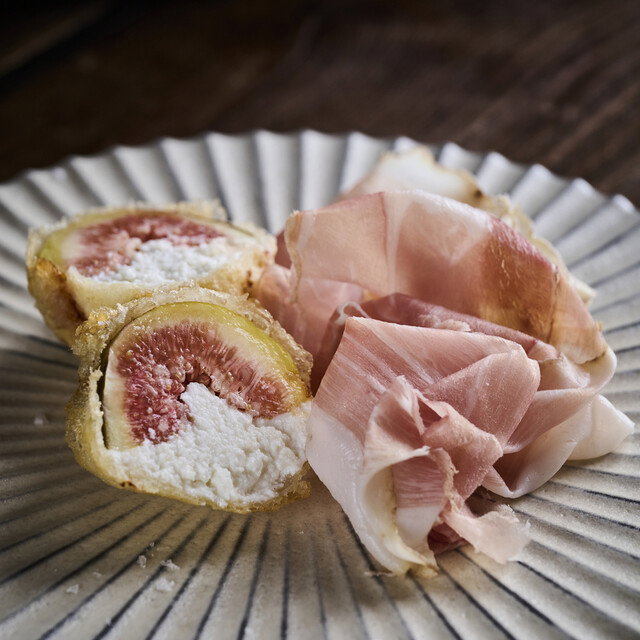
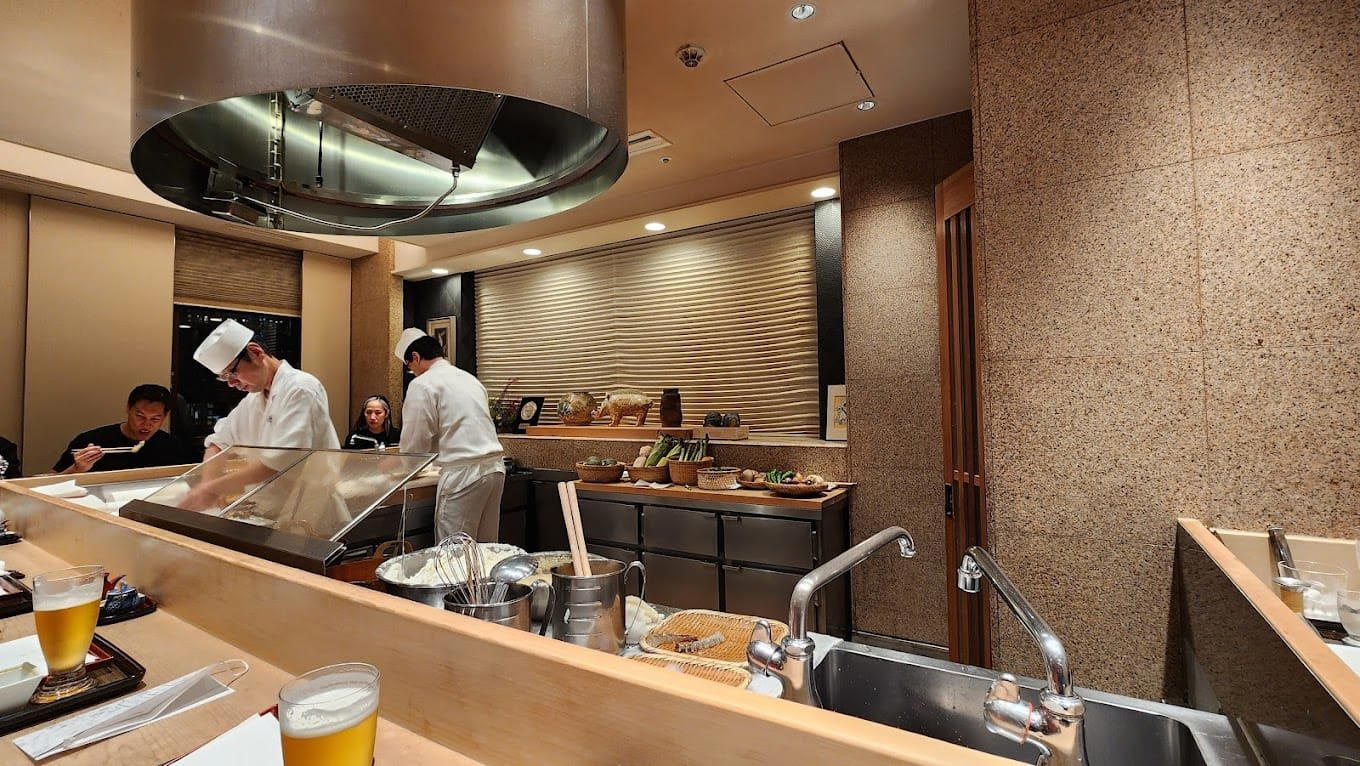
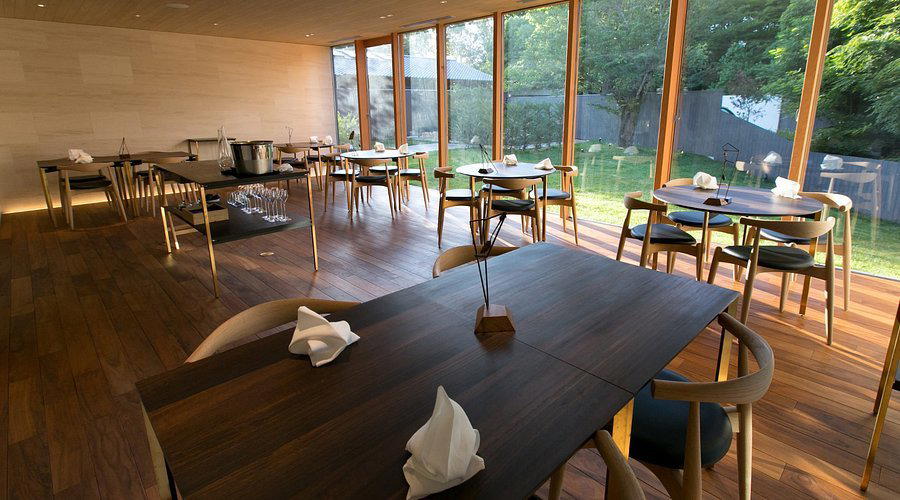
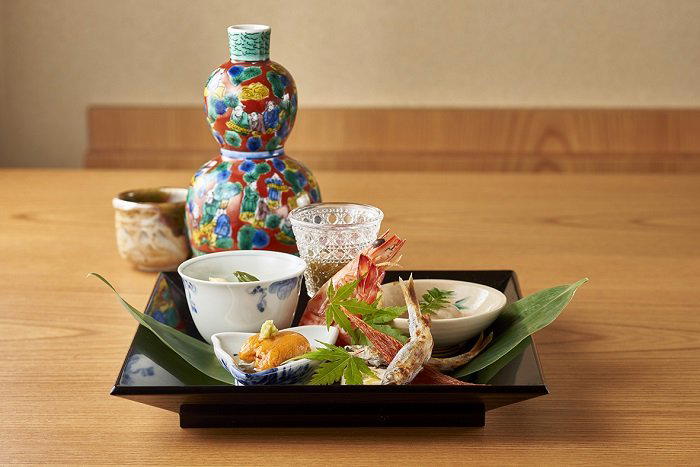
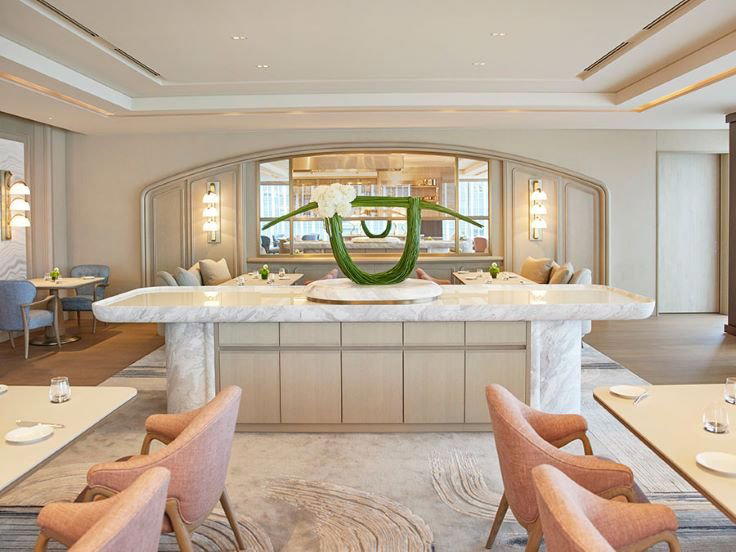
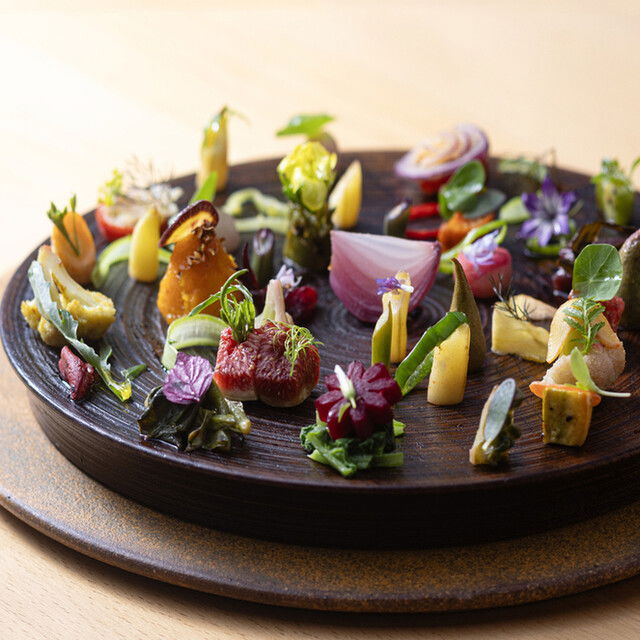
YOSHIKI FUJI sits deliberately apart from an urban dining district, rooted in Ibaraki’s agricultural interior where rice paddies and forest define the landscape. The kitchen translates that proximity into a French‑Basque–informed tasting sequence, so the room feels both rural and refined. Seating at a six‑place counter makes the experience highly focused: service and cooking unfold like a performance, and sourcing decisions are as central to the meal as flavor. The overall tone is intimate and measured rather than loud or showy, inviting diners to engage with the ingredients and the quiet precision of the kitchen.
Best For
This is a restaurant for diners who want to trace terroir through a tightly curated tasting menu. The six‑seat counter and omakase logic make it ideal for couples or small parties seeking a concentrated culinary experience—think special dinners where pacing, sequencing, and ingredient provenance matter. It’s less a spot for casual group nights and more for those who appreciate watching a chef‑led service and encountering produce at its regional peak. The setting and approach reward attention to detail and a preference for thoughtful, ingredient‑forward cooking.
Ordering Tips
Expect a chef‑led tasting format at a single six‑seat counter: the menu’s pacing and sequencing are integral to the experience. Because the restaurant emphasizes proximity to local larder and operates on the small‑capacity omakase template, diners should plan for a continuous, progressive service rather than à la carte choices. Arrive prepared to observe the kitchen’s decisions and to let the sequence unfold as intended—this is a meal designed to be experienced as a whole, with sourcing and progression forming part of the visit.
Venue details
Ambiance
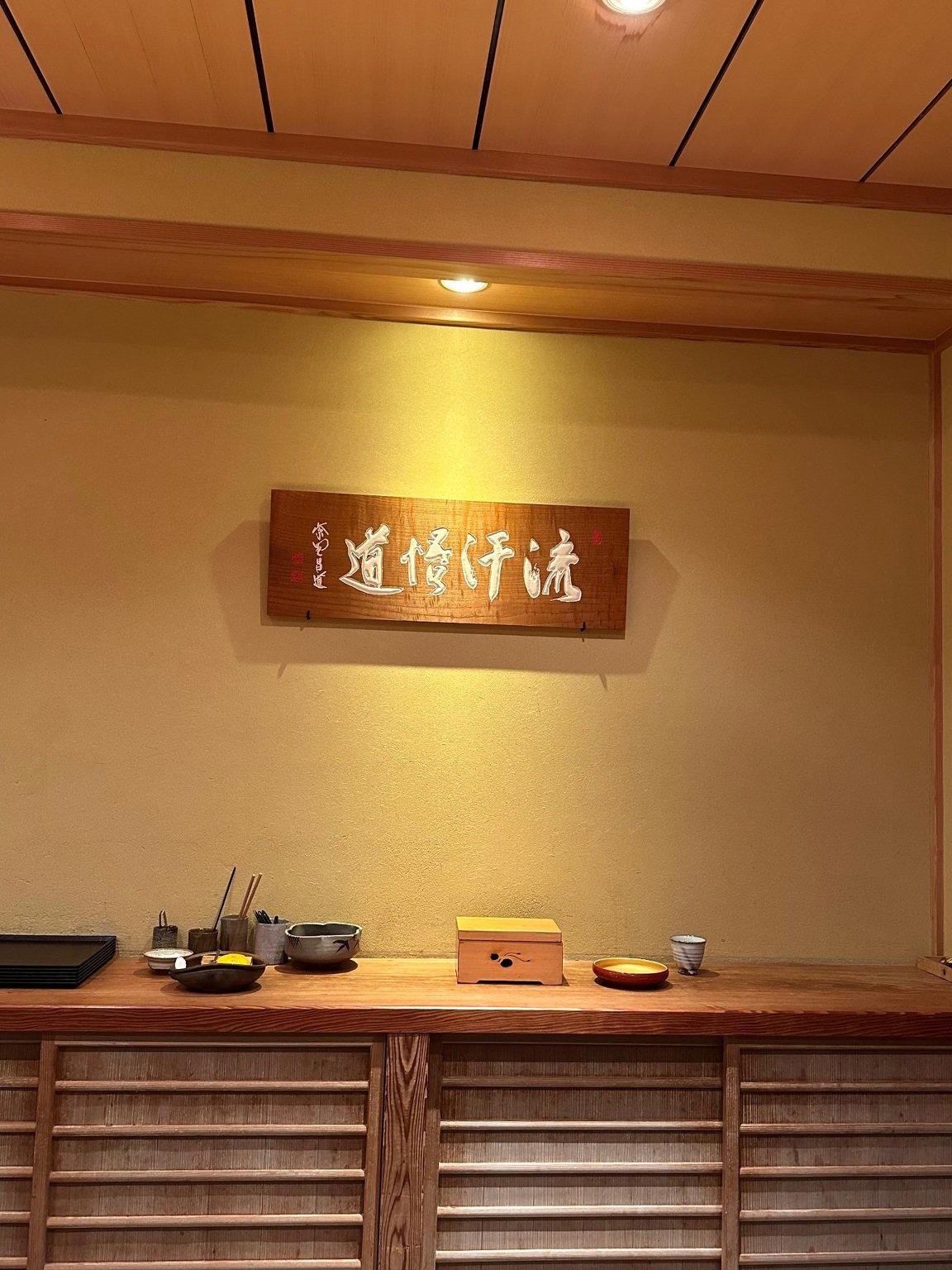
Quiet, intimate, destination-style atmosphere in a renovated traditional Japanese home.
Tags
Vibe
Best For
Experience
Sourcing
At the Table
- Dress Code
- Smart Casual
- Noise Level
- Quiet
- Service Style
- Upscale Casual
- Meal Pacing
- Leisurely
- Capacity
- Intimate
Know before you go
Know Before You Go
- Getting there
- 1107-1 Ishizawa, Hitachiomiya, Ibaraki 319-2135, Japan
Planning details
Location
Recognition and awards
Restaurant context
How it compares
Against SECRETO, YOSHIKI FUJI sits in the same JPY 20,000–JPY 29,999 lane, so the decision is less about price and more about setting and confidence. Pick YOSHIKI FUJI if Tabelog recognition and an Ibaraki destination meal matter; pick SECRETO if you want a comparable innovative spend with a different room and city rhythm.
NK, Treis - τρεῖς, and l' Equateur are better cross-shops for diners comparing innovative cooking styles rather than exact budget. With less price detail available for those peers, YOSHIKI FUJI is the clearer call for diners who want a known spend range before committing.
MAZ reads as the bigger-ticket, high-commitment alternative in this set, while YOSHIKI FUJI is the more grounded choice for an Ibaraki-focused meal. If the priority is a splurge with broader destination energy, compare MAZ; if the priority is a serious meal that fits an Ibaraki itinerary, start here.
Explore Ibaraki
Around this place
Discover more on Pearl
Unlock the full YOSHIKI FUJI guide in Pearl, including awards, comparisons, FAQs, planning details, and nearby places.
Compare YOSHIKI FUJI
| Venue | Location | Cuisine | Awards | Price |
|---|---|---|---|---|
| YOSHIKI FUJI | Ibaraki | Innovative | 2026 Tabelog Bronze · #529Tabelog 100 - French - EAST - 2025 · #72 | JPY 20,000 - JPY 29,999 JPY 20,000 - JPY 29,999 |
| NK | Tokyo | Innovative | 2026 Tabelog Silver · #922026 OAD Top Restaurants in Japan RecommendedTabelog 100 - Japanese cuisine - TOKYO - 2025 · #552025 OAD Top Restaurants in Japan Ranked · #3552025 Tabelog Silver2024 OAD Top Restaurants in Japan Ranked · #3282023 OAD Top Restaurants in Japan Recommended | , |
| SECRETO | Tokyo | Innovative | 2026 Tabelog Bronze · #3902026 OAD Top Restaurants in Japan RecommendedTabelog 100 - Innovative / Creative cuisine - 2025 · #96 | JPY 20,000 - JPY 29,999 |
| Treis - τρεῖς | Tokyo | Innovative | No published awards | , |
| MAZ | Tokyo | Innovative | Star Wine Lists 2026 · #12026 Asia's 50 Best Restaurants · #282026 OAD Top Restaurants in Japan Ranked · #452026 Tabelog Bronze · #2672026 Michelin 2 Stars2026 La Liste Top Restaurants2025 OAD Top Restaurants in Japan Ranked · #272025 Asia's 50 Best Restaurants · #43Tabelog 100 - Innovative / Creative cuisine - 2025 · #92 | ¥¥¥¥ |
| l' Equateur | Tokyo | Innovative | 2024 OAD Top Restaurants in Japan Ranked · #842023 OAD Top Restaurants in Japan Ranked · #90 | , |





How YOSHIKI FUJI Ibaraki compares with similar nearby venues.
FAQ
Frequently Asked Questions
Does YOSHIKI FUJI handle dietary restrictions?
Is YOSHIKI FUJI good for a special occasion?
It may suit diners looking for a premium innovative restaurant in Ibaraki, with a price band of JPY 20,000–29,999 and confirmed Tabelog recognition. Confirm current booking and service details before planning an occasion around it.
What are alternatives to YOSHIKI FUJI in Ibaraki?
For alternatives, compare YOSHIKI FUJI with other Ibaraki dining options based on cuisine, price, and current availability. The facts for YOSHIKI FUJI point to innovative cuisine and a JPY 20,000–29,999 price band.