Cafe Vivaldi
Holbæk, Holb K
Restaurant in Holb K, Denmark
 Book with Pearl
The Read
Dress
Casual
Why go
Cafe Vivaldi is the practical Holbæk pick for a casual café meal, especially when flexibility matters more than a chef-led format. For a more deliberate dinner, compare it with Bistrot La Cannelle, Masami Sushi, or Maskinværkstedet before committing.
About Cafe Vivaldi
Cafe Vivaldi is a casual venue in Holb K, open every day of the week: it opens at 10 AM daily, closes at 9:30 PM from Sunday through Thursday, and stays open until 11 PM on Friday and Saturday.
Without details on cuisine, menu format, prices, chef, awards, or seating style, Cafe Vivaldi is best suited for timing and occasion planning rather than for a dish-by-dish recommendation. If you are comparing other options, you may also want to check Bistrot La Cannelle, Masami Sushi, Maskinværkstedet, Ribhouse, or Cafe Zehros.
Book it for a casual Holb K stop
Cafe Vivaldi's broad schedule is a key feature. It is open from 10 AM into the evening all week, with later hours on Friday and Saturday. Dress code is casual, so it is an easygoing option rather than a formal venue.
If the meal is meant to be the main focus of the day, compare the available options before deciding. Bistrot La Cannelle, Masami Sushi, Maskinværkstedet, Ribhouse, and Cafe Zehros are natural names to cross-check, depending on what kind of setting you want.
Useful for exploring Holb K without overplanning
For visitors mapping a day around Holb K, Cafe Vivaldi is most useful as a practical listing with clear hours.
The verdict: choose Cafe Vivaldi when the schedule and casual dress code fit your plans. For a more specific dining goal, compare it with other dining rooms before deciding.
Planning details
- Location
- Ahlgade 41, 4300 Holbæk, Denmark
- Reservations
- Book on the venue's website
- Website
- cafevivaldi.dk
- Phone
- +4559445262
The take
The Take
The Vibe
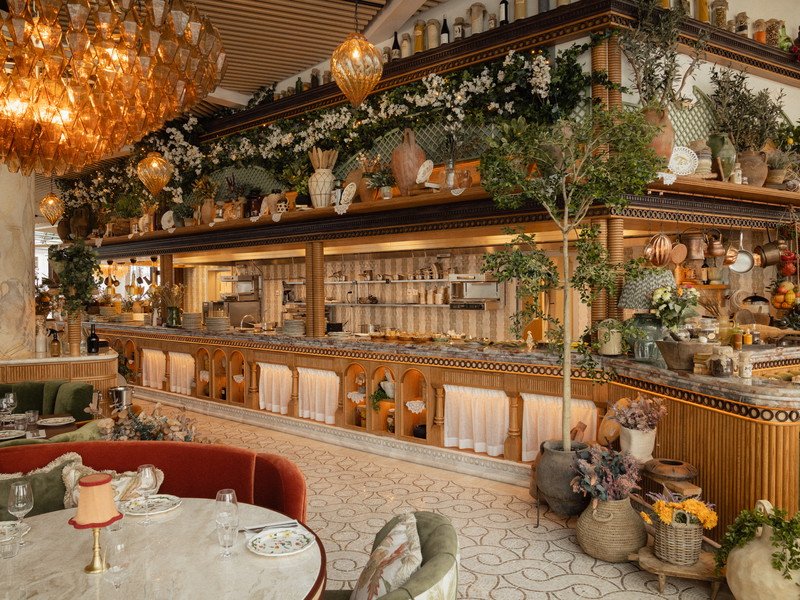
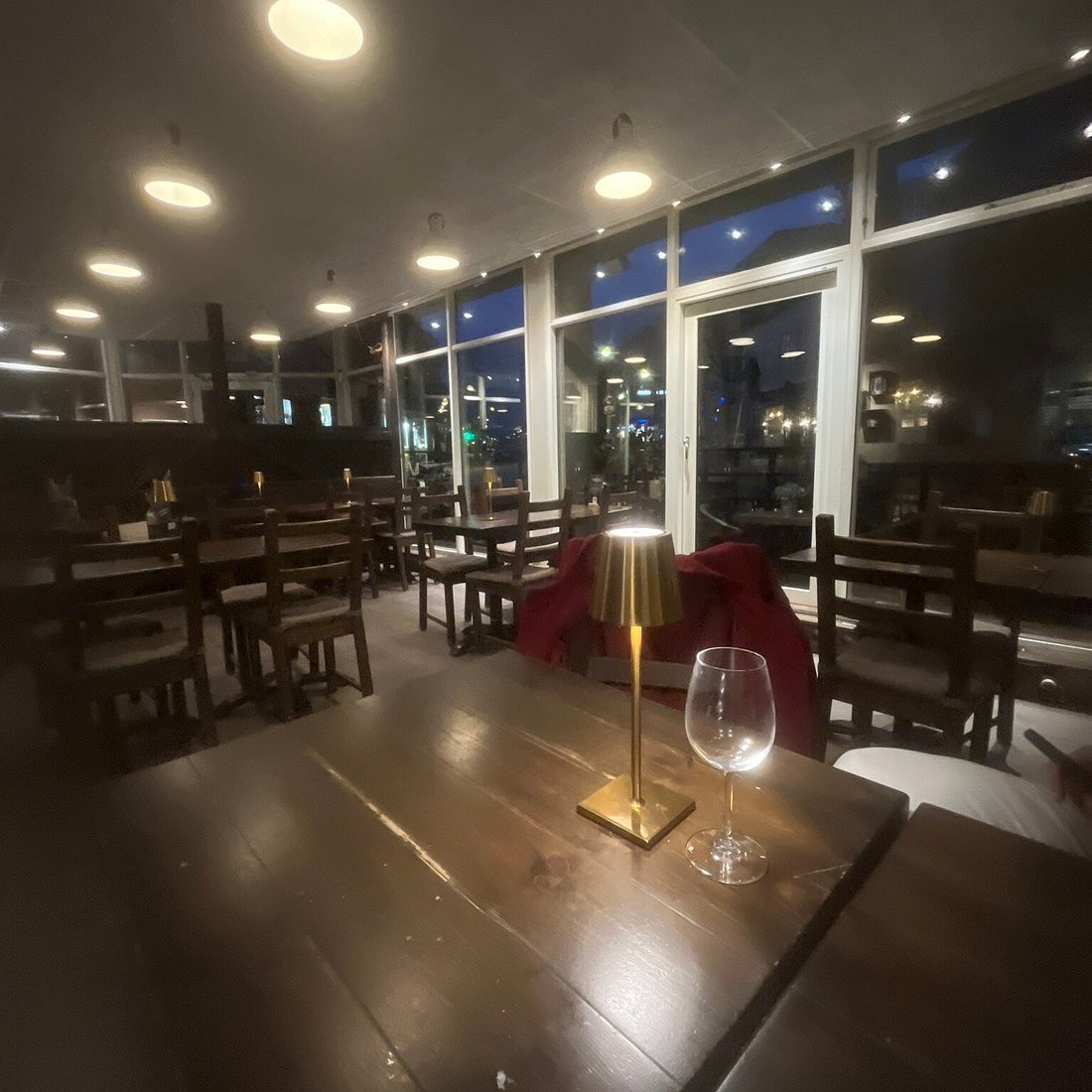
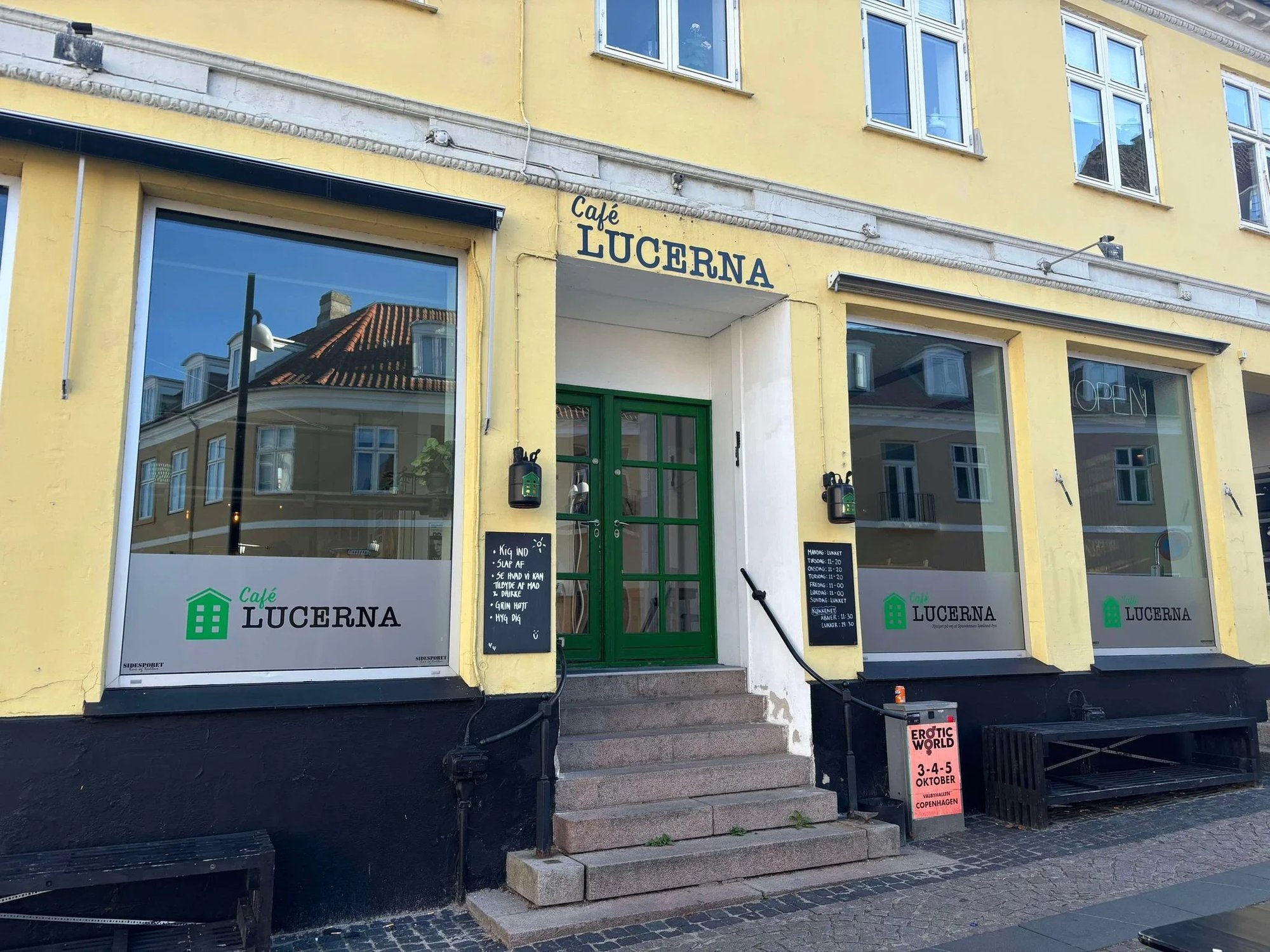
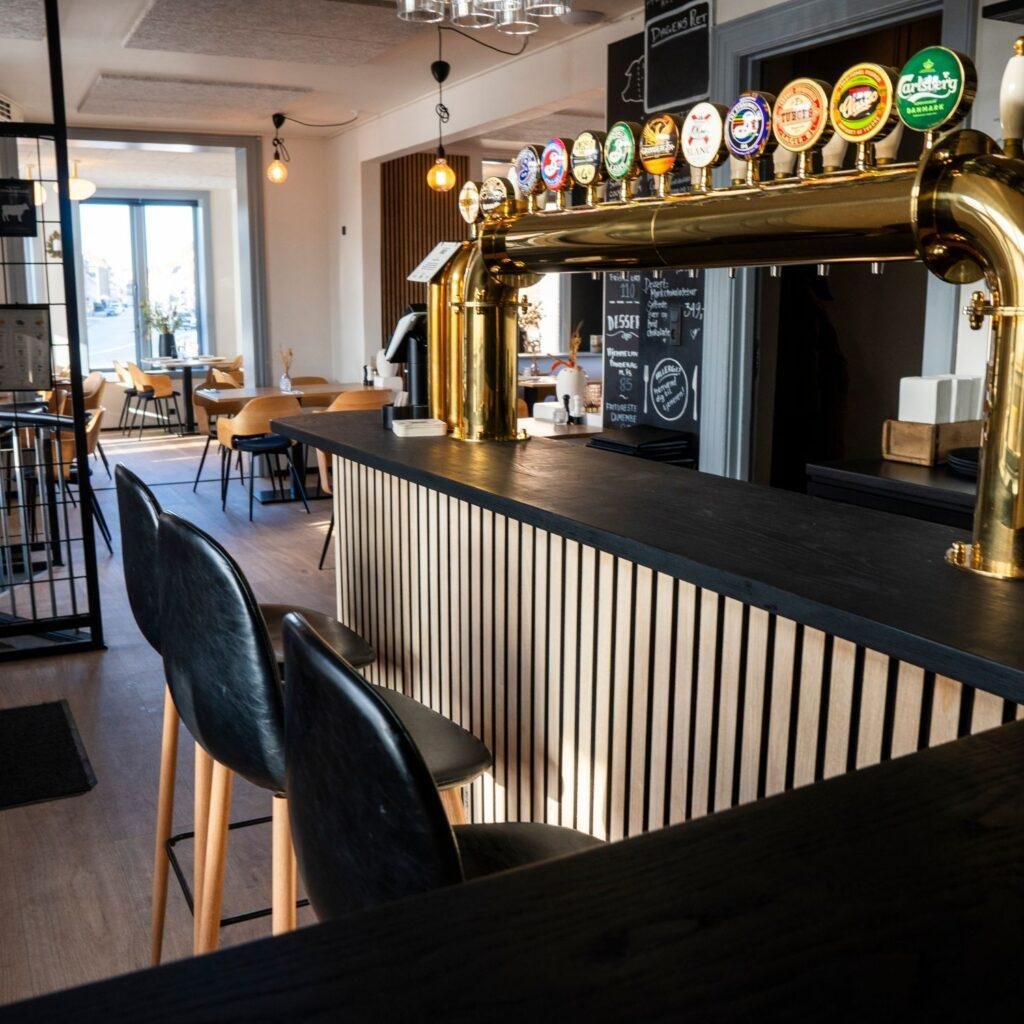
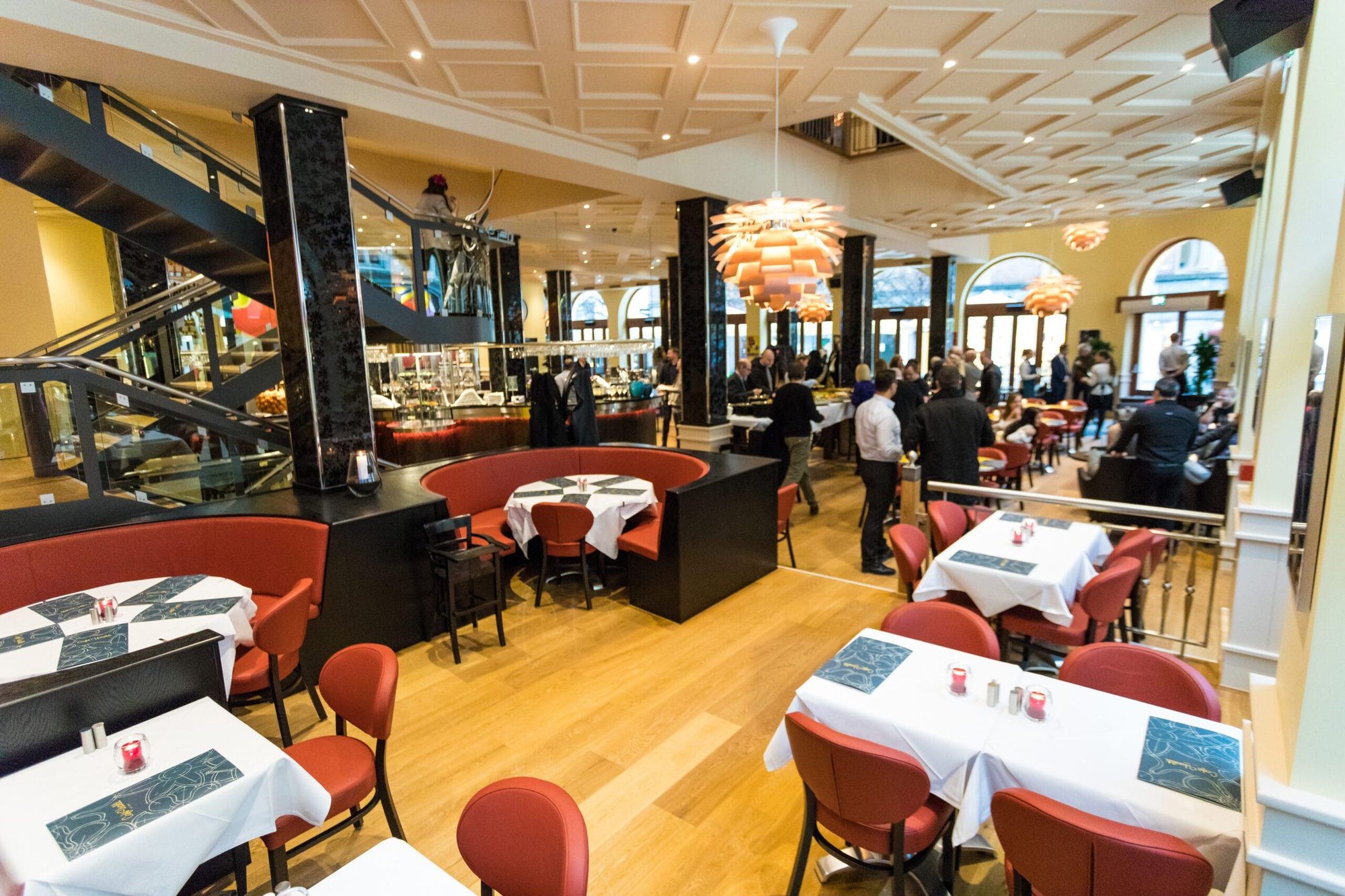
Cafe Vivaldi reads like a classic European town café: unfussy, neighbourly and reliably comfortable. It occupies a busy point on Holbæk’s Ahlgade, where everyday social life plays out in pedestrian traffic rather than destination dining hype. The tone is low-key: staff and regulars expect consistency over surprise, and the space functions as social infrastructure more than a culinary showcase. That familiarity gives the café a cozy, relaxed charm; it favors steady covers, daytime rhythms and approachable hospitality rather than formal service or theatrical menus.
Best For
This café is best for daytime visits across the morning and midday service. Mornings are geared toward coffee and pastries, while the lunch period centers on smørrebrød and sandwich rotations that serve local routines. The menu’s daypart structure (morning pastries, a reliable midday lineup and afternoon cake and hot drinks) keeps the place active through long daytime hours. It’s ideal for people seeking a dependable spot for breakfast or an easy lunch in a neighbourhood setting rather than a special-occasion dinner.
Ordering Tips
Order simply and lean into the café’s strengths: plan a morning visit for coffee and pastry or come at lunchtime for the smørrebrød or sandwich rotation that anchors the midday menu. Afternoon visits are equally suited to cake and a hot drink. Temper expectations: this is not a tasting-menu or chef-driven destination but a neighbourhood format built on consistency. If you want a snapshot of local café culture, pick items that reflect the daypart you’re visiting rather than hunting for novelty.
Venue details
Tags
Best For
At the Table
- Dress Code
- Casual
- Noise Level
- Quiet
- Service Style
- Casual
- Meal Pacing
- Quick Bite
- Capacity
- Small
- Menu Format
- A la carte
Know before you go
Know Before You Go
- Getting there
- Ahlgade 41, 4300 Holbæk, Denmark
Planning details
Location
Also consider
Also Consider
- Cafe Zehros, Notable alternative
- Ribhouse, Notable alternative
- Bistrot La Cannelle, Notable alternative
- Masami Sushi, Notable alternative
- Maskinværkstedet, Notable alternative
Restaurant context
How Cafe Vivaldi compares in Holb K
Cafe Zehros is the closest cross-shop if the brief is a casual café meal with minimal planning. Cafe Vivaldi is the easier recommendation for diners who want a broad, low-pressure option; Cafe Zehros is worth comparing when location or room feel matters more than a defined cuisine.
For a more food-led dinner, look at Bistrot La Cannelle, Masami Sushi, or Ribhouse. Those are better fits when the craving is bistro, sushi, or steakhouse-style dining rather than an all-purpose café stop.
Maskinværkstedet is the stronger alternative when ambiance and a more intentional night out matter. Choose Cafe Vivaldi for ease and flexibility; choose Maskinværkstedet or Bistrot La Cannelle when the meal needs to feel more planned.
Explore Holb K
Around this place
Discover more on Pearl
Unlock the full Cafe Vivaldi guide in Pearl, including awards, comparisons, FAQs, planning details, and nearby places.
Compare Cafe Vivaldi
| Venue | Location | Awards |
|---|---|---|
| Cafe Vivaldi | Holb K | No published awards |
| Cafe Zehros | Holb K | No published awards |
| Ribhouse | Holb K | No published awards |
| Bistrot La Cannelle | Holb K | No published awards |
| Masami Sushi | Holb K | No published awards |
| Maskinværkstedet | Holb K | No published awards |
How Cafe Vivaldi Holb K compares with similar nearby venues.
FAQ
Frequently Asked Questions
Is Cafe Vivaldi good for solo dining?
Cafe Vivaldi has a casual dress code and daily hours from 10 AM, which can make planning a simple solo visit easier.
Is lunch or dinner better at Cafe Vivaldi?
Cafe Vivaldi opens at 10 AM daily and remains open into the evening. It closes at 9:30 PM Sunday through Thursday and 11 PM on Friday and Saturday, so both daytime and evening visits can fit within its operating hours.
Is Cafe Vivaldi good for a special occasion?
Cafe Vivaldi does not feature awards, a tasting format, private dining, or other special-occasion features. Treat it as a casual Holb K option unless the venue confirms otherwise.
What are alternatives to compare with Cafe Vivaldi?
Other options to compare include Cafe Zehros, Ribhouse, Bistrot La Cannelle, Masami Sushi, and Maskinværkstedet.