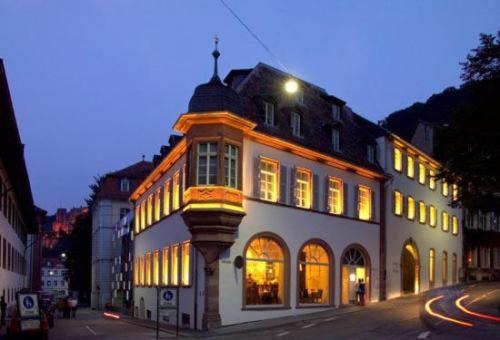
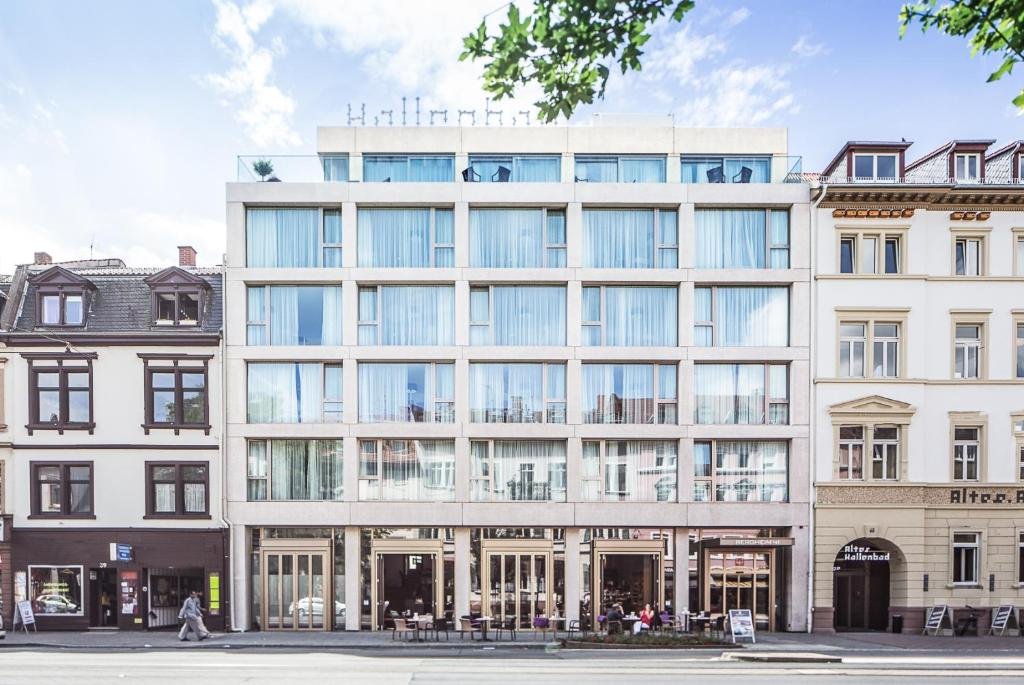
![[CANTINACCIA], Restaurant in Heidelberg](https://cdn.enprimeurclub.com/storage/v1/object/public/images/restaurants/0c72c179-25a5-4257-9f65-2db7f132f52a/hero1.jpg?width=2560&quality=80)
[CANTINACCIA]
Handschuhsheim, Heidelberg
Restaurant in Heidelberg, Germany
 Book with Pearl
The Read
Dress
Casual
Why go
CANTINACCIA is worth considering for an easy Heidelberg meal when the priority is a relaxed table rather than a formal destination dinner. It makes the most sense for small groups or repeat visitors who want a lower-planning option and are not looking for awards, a named chef format, or a clearly published tasting-menu experience.
About [CANTINACCIA]
In Heidelberg, CANTINACCIA is best treated as a casual dining option with clear opening hours. Use it when the priority is a relaxed meal and a direct schedule check, not when you need a destination-restaurant profile.
A practical Heidelberg option
CANTINACCIA is in Heidelberg, the dress code is casual, it is closed Monday, and it opens Tuesday through Saturday from 11 AM–3 PM and 6–11 PM, with Sunday hours from 11 AM–11 PM.
The smart move is to treat the visit as a casual-to-comfortable meal rather than a destination reservation. If the group includes people with strong menu expectations, check the venue's current information before committing. If the group mainly wants a Heidelberg option with known opening hours and a casual dress code, this is where the venue makes sense.
Where it fits against Heidelberg alternatives
For another option, compare availability with Weisser Bock. Chambao is also worth checking when you are deciding between dining rooms. Weinstube Schnitzelbank and Bergheim 41 Kaffeekultur can be part of the same shortlist, depending on the timing and style of meal you want.
For planning beyond this meal, use our full Heidelberg restaurants guide, plus the Heidelberg guides for hotels, bars, wineries, and experiences. Restaurant cross-shopping can also include Chambao and other dining options.
Planning details
- Location
- Dossenheimer Landstraße 4, 69121 Heidelberg, Germany
- Website
- cantinaccia.de
- Phone
- +4962218786234
The take
The Take
The Vibe
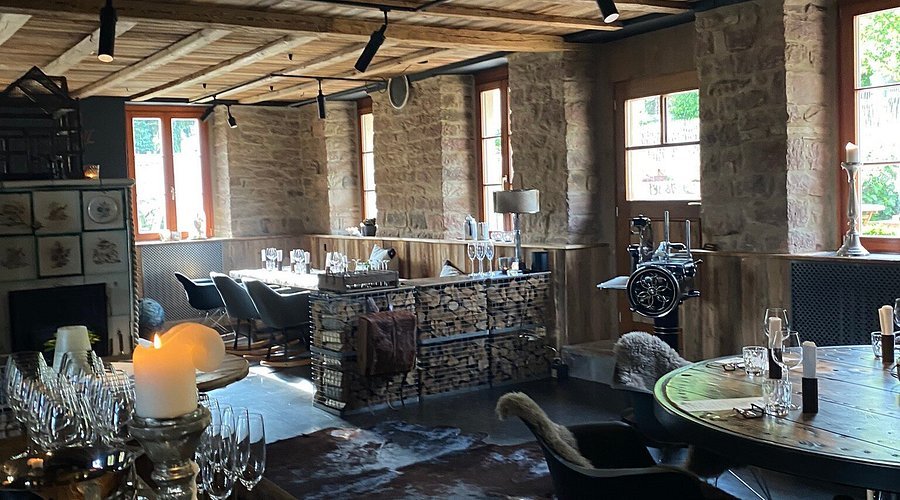
Cantinaccia reads like a neighborhood cantina rather than a stage for culinary theatre. Set on Dossenheimer Landstraße outside the Altstadt bustle, the room favors a slower tempo and a settled local crowd. The name and description lean into an older Italian register — ingredient-forward, unpretentious and slightly worn at the edges — so the experience feels classic and quietly intimate. Rather than showy plating or spectacle, the place privileges provenance and the everyday pleasures of well-sourced tomatoes, olive oil and a properly made pasta. It’s the sort of place that rewards visitors who come expecting comfort and straightforward authenticity.
Best For
Cantinaccia is best for evenings when you want a relaxed, ingredient-driven meal away from tourist hubs. Its location on the residential fringe and the temperament of the room make it well suited to low-key date nights or casual hangouts where food, not fanfare, is the point. The dining experience centers on familiar Italian dishes presented with care; the signature lasagna anchors the menu as a reliable choice. If you’re seeking a place that prioritizes good ingredients and an unhurried pace, this neighborhood cantina fits that brief without theatrical pretense.
Ordering Tips
Order simply and let the ingredients steer your choices. The writing frames Cantinaccia as a cantina kitchen that values provenance and freshness, so dishes that foreground tomatoes, cured meats or handmade pasta are likely strengths—most obviously the signature lasagna. Favor items described in straightforward terms rather than elaborately constructed plates; the venue’s appeal is in honest technique and quality raw materials. If you want a clear sense of the kitchen’s approach, pick preparations that celebrate a single strong ingredient rather than complex compositions.
Venue details
Ambiance
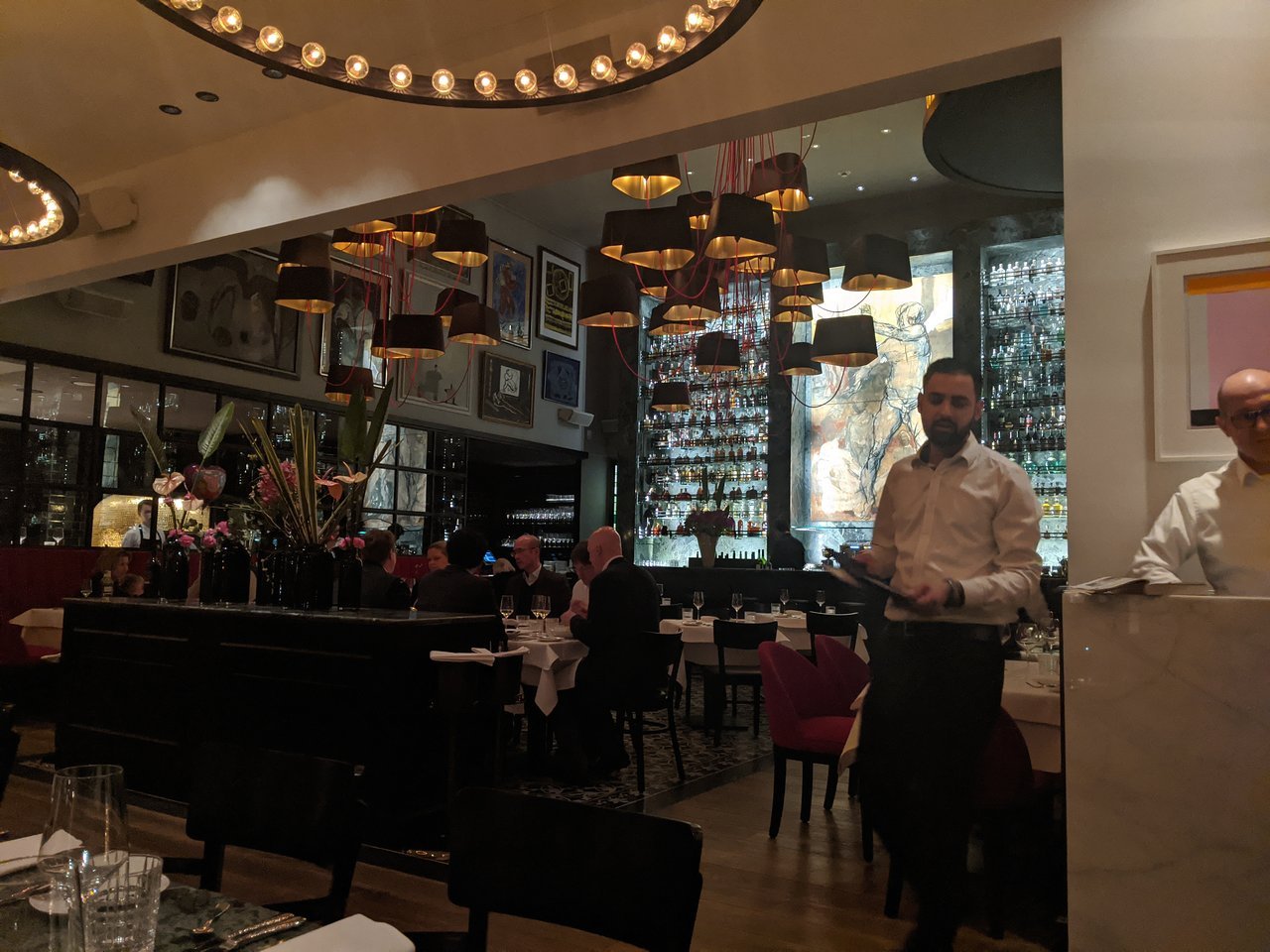
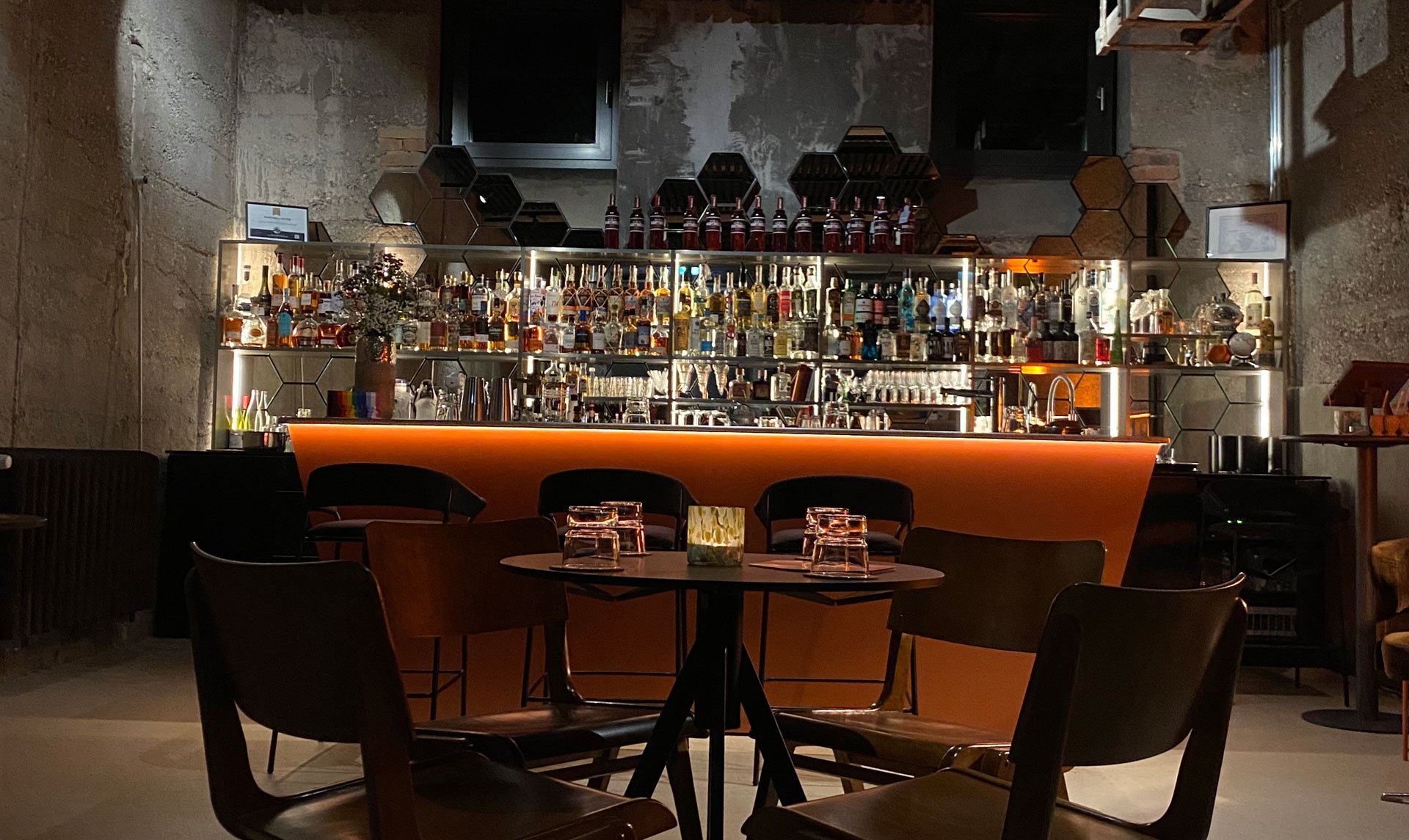
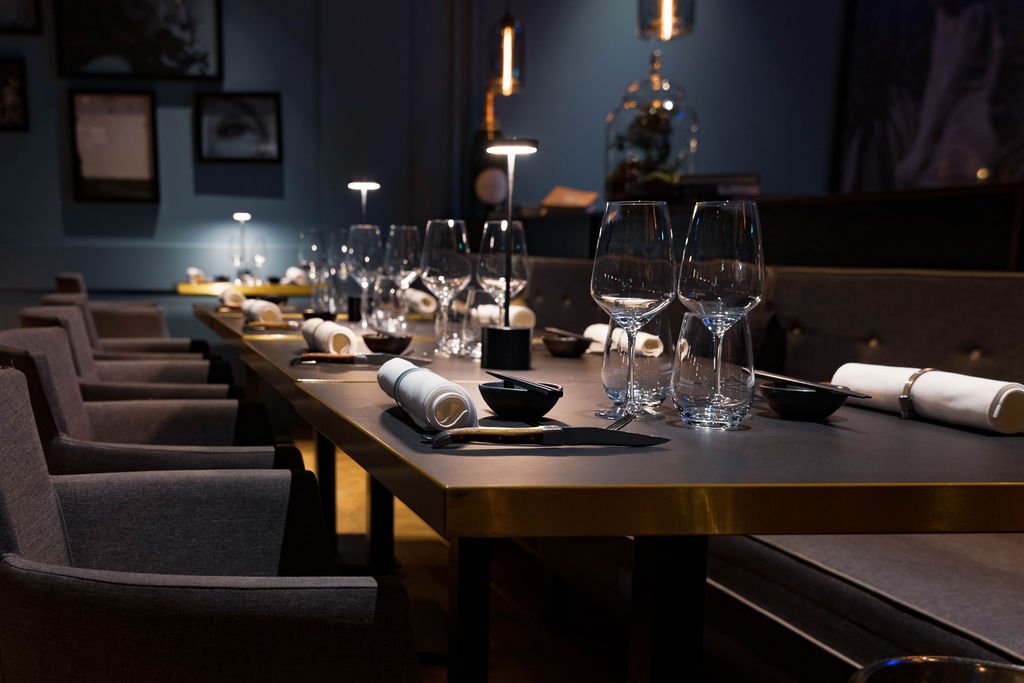
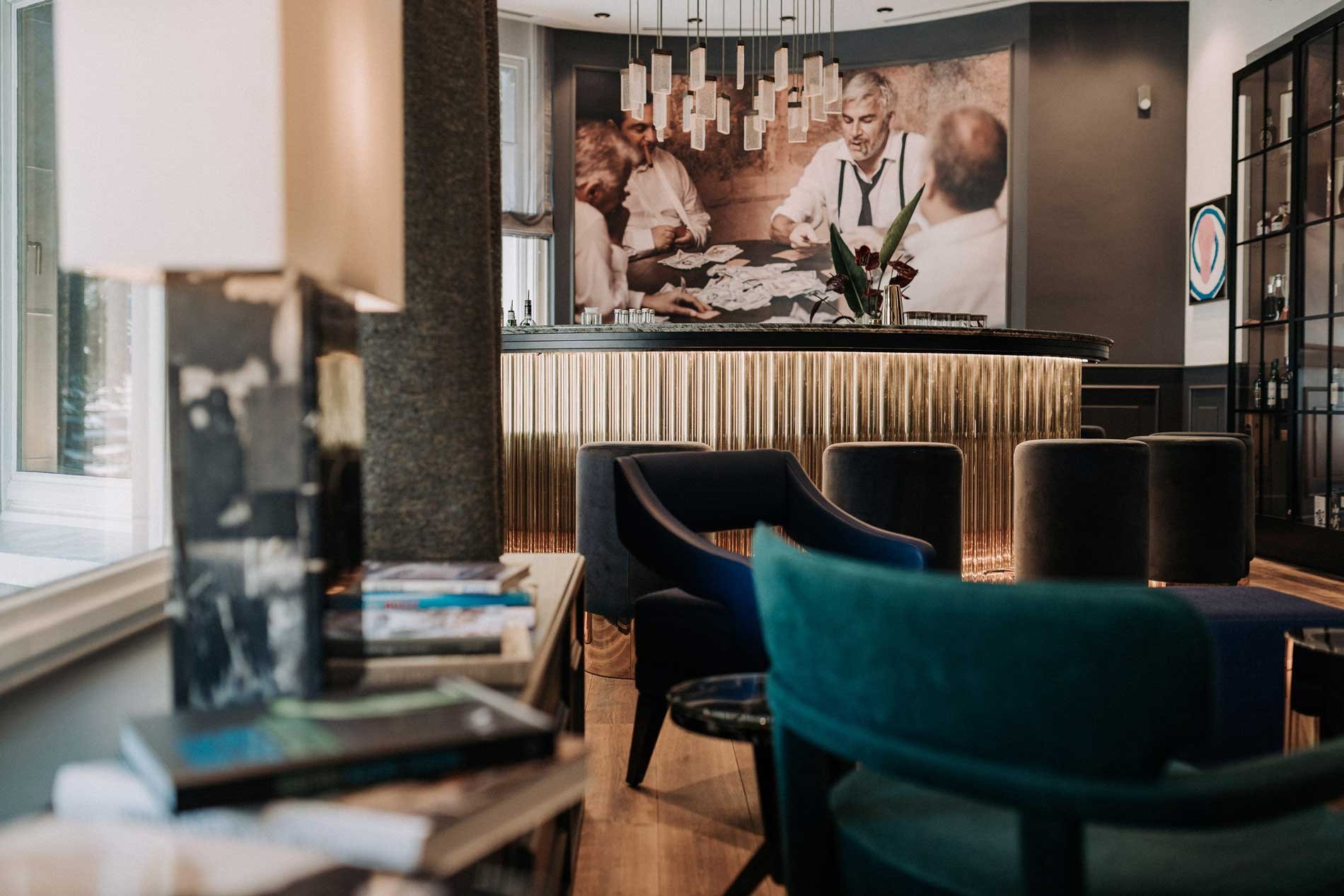
Modern, inviting, and warm atmosphere praised by guests.
Tags
Vibe
Best For
View
At the Table
- Dress Code
- Casual
- Noise Level
- Conversational
- Service Style
- Upscale Casual
- Meal Pacing
- Standard
- Capacity
- Small
Signature Dishes
lasagna
Know before you go
Know Before You Go
- Getting there
- Dossenheimer Landstraße 4, 69121 Heidelberg, Germany
Planning details
Location
Also consider
Where to go if this does not fit
Book Chambao if the group wants a clearer €€ international option in Heidelberg. Choose Weisser Bock when the occasion justifies a €€€ international restaurant and the room needs more polish.
If the aim is a more traditional Heidelberg feel, cross-shop Weinstube Schnitzelbank first. For a lighter daytime plan, Bergheim 41 Kaffeekultur is the cleaner fit.
Restaurant context
How CANTINACCIA compares in Heidelberg
CANTINACCIA is the easier, lower-commitment pick in this Heidelberg set. Weisser Bock has the clearest upscale signal, with an International €€€ positioning, so choose it when the meal needs more polish or when the group expects a more formal spend. CANTINACCIA makes more sense when flexibility matters more than occasion energy.
Chambao is the cleaner comparison for value, with an International €€ positioning that gives diners a clearer price cue before booking. If the group needs a defined category and budget expectation, Chambao is easier to read. If the priority is simply securing a relaxed Heidelberg table without over-planning, CANTINACCIA is the simpler call.
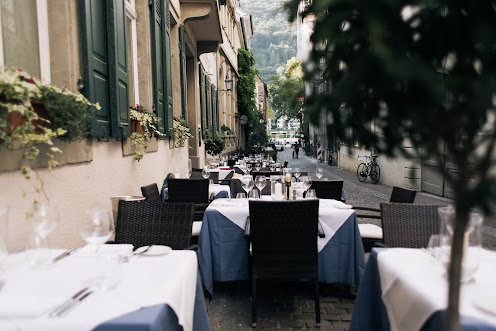
Weinstube Schnitzelbank is the better choice for a more Heidelberg-specific atmosphere, while Bergheim 41 Kaffeekultur fits daytime coffee or lighter plans better than a full dinner decision. Sommerrestaurant is the one to consider when the mood is more seasonal or outdoor-leaning.
Explore Heidelberg
Around this place
Discover more on Pearl
Unlock the full [CANTINACCIA] guide in Pearl, including awards, comparisons, FAQs, planning details, and nearby places.
Compare [CANTINACCIA]
| Venue | Location | Cuisine | Price | Awards |
|---|---|---|---|---|
| [CANTINACCIA] | Heidelberg | , | , | No published awards |
| Weinstube Schnitzelbank | Heidelberg | , | , | No published awards |
| Bergheim 41 Kaffeekultur | Heidelberg | , | , | No published awards |
| Weisser Bock | Heidelberg | International | €€€ | Michelin Guide Germany 20262026 Michelin Plate2025 Michelin Plate2024 Michelin Plate |
| Chambao | Heidelberg | International | €€ | Michelin Guide Germany 20262026 Michelin Plate2025 Michelin Plate2024 Michelin Plate |
| Sommerrestaurant | Heidelberg | , | , | No published awards |

.png?width=1200&quality=80)
How [CANTINACCIA] Heidelberg compares with similar nearby venues.
FAQ
Frequently Asked Questions
How far ahead should I book [CANTINACCIA]?
Check directly before you go, especially for Friday and Saturday evening, when the opening hours are 6–11 PM. Sunday hours are listed as 11 AM–11 PM, which may give you more flexibility if the venue has availability.
What are alternatives to [CANTINACCIA] in Heidelberg?
Options to compare include Weinstube Schnitzelbank, Weisser Bock, Chambao, Bergheim 41 Kaffeekultur, and Sommerrestaurant. Choose based on current hours, availability, and the kind of meal you want.
What should I wear to [CANTINACCIA]?
What should a first-timer know about [CANTINACCIA]?
Check the opening days first: it is closed Monday and runs split hours Tuesday through Saturday, 11 AM–3 PM and 6–11 PM. On Sunday, the hours are 11 AM–11 PM. CANTINACCIA is in Heidelberg.
Is [CANTINACCIA] good for a special occasion?
It may work for a low-key occasion if a casual Heidelberg meal is what you want. For a more formal or high-stakes occasion, check current details directly if the meal is important.
Is daytime or evening better at [CANTINACCIA]?
The hours include daytime and evening periods. Tuesday through Saturday, CANTINACCIA is open 11 AM–3 PM and 6–11 PM; Sunday is listed as 11 AM–11 PM. Choose the time that best matches your plans, and confirm current availability before going.