
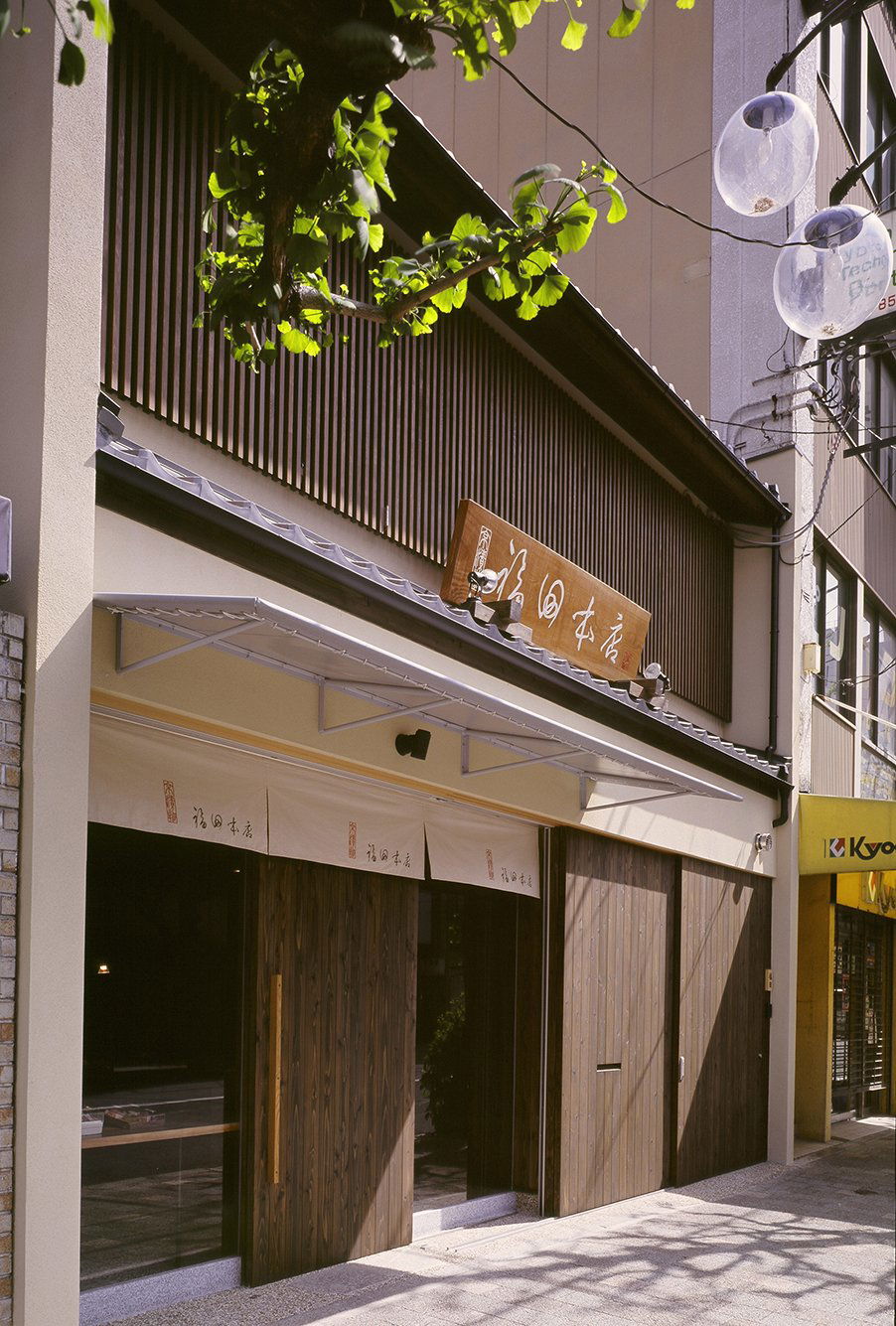
Restaurant in Beppu, Japan
Hatano
100ptsResidential Counter Precision
About Hatano
Beppu's Quiet Dining Register Beppu is Japan's most geothermally active city, a place where steam rises from street-level vents and the entire urban fabric smells faintly of sulfur. Its reputation rests on jigoku hot springs and jigoku mushi...
Beppu's Quiet Dining Register
Beppu is Japan's most geothermally active city, a place where steam rises from street-level vents and the entire urban fabric smells faintly of sulfur. Its reputation rests on jigoku hot springs and jigoku mushi steam cooking, a tradition that positions the city as something altogether different from the polished kaiseki corridors of Kyoto or the high-voltage omakase scene in Tokyo. Into that context, Hatano occupies the Minamitateishi district, a residential quarter that sits away from Beppu's busier onsen hotel strip. The address alone signals a certain intentionality: this is not a restaurant angled at the tourist flow.
Beppu's dining culture has historically been underrepresented on Japan's major award circuits. Where Fukuoka has Goh and Osaka carries the weight of HAJIME, Kyushu's hot spring city operates at a quieter frequency. That gap, between Beppu's ingredient wealth and its recognition, is precisely the space where a restaurant like Hatano finds room to operate with some distance from the competitive noise. Regulars here are more likely to be residents of Oita Prefecture than international travellers cross-referencing award lists.
The Cultural Weight of Steam Cooking
To understand any serious restaurant in Beppu, you first need to understand what the city's geothermal geography does to its culinary vocabulary. Jigoku mushi, the practice of cooking ingredients over volcanic steam vents, is not a gimmick: it is a centuries-old technique that produces a distinct texture profile in vegetables, seafood, and proteins, retaining mineral content and cellular structure in ways that boiling or roasting cannot replicate. The surrounding Oita Prefecture supplies some of Japan's most respected seafood, including fugu (puffer fish) from the Nakatsu coast and kuruma shrimp pulled from Beppu Bay. The prefecture's agricultural output, particularly its kabosu citrus, functions as a regional seasoning marker in the same way yuzu anchors Kochi cuisine or sudachi defines certain Tokushima dishes.
This regional specificity is what separates Beppu's more serious dining from the generic hot-spring resort food that fills the city's larger ryokan dining rooms. A restaurant engaging with local tradition has genuine source material to work with. Across Japan's secondary cities, from Nanao to Takashima, the most coherent dining propositions tend to be the ones anchored most firmly in local geography rather than genre convention.
Where Hatano Sits in Beppu's Scene
Beppu's restaurant set is small enough that meaningful comparisons can be made within the city itself. Bepper's Tavern occupies the casual international register. Gyoza Kogetsu anchors the city's workmanlike dumpling tradition. Ikkyu no Namida operates in a different register again. Hatano, based on its Minamitateishi address and the residential character of its location, reads as a destination-specific proposition rather than a walk-in format. That positioning is consistent with how smaller, serious Japanese restaurants tend to function outside the major metros: the address is part of the signal.
The broader pattern across Japan's hot spring towns suggests that when a restaurant earns a following in a city like Beppu, it does so through word-of-mouth among a small, informed local clientele rather than through the kind of award-cycle visibility that drives bookings at, say, Harutaka in Tokyo or Gion Sasaki in Kyoto. The verification loop is slower but more durable. It also means that visiting before recognition arrives carries a different kind of value than the post-award scramble for reservations.
What the Minamitateishi Location Signals
Residential addresses in Japanese cities have a specific meaning in dining terms. They usually indicate either a chef-owner operation running on personal terms, a counter format with limited seats, or both. The infrastructure of a neighborhood restaurant, no delivery, no tourist menu, no English signage by default, creates a particular kind of visit. You are entering a room built around someone else's assumptions about their regular guests. For travellers, that requires a bit more preparation, but produces a more grounded experience than the same cuisine served in a hotel lobby dining room.
Beppu's hot spring district sees a steady flow of Japanese domestic tourists, particularly from Fukuoka, two hours north by highway. That audience is familiar with regional cuisine and expects some evidence of local sourcing. Restaurants in the Minamitateishi area serve a quieter, more residential slice of the city, where the clientele is likely to include Oita locals eating outside the ryokan system. That creates different dynamics around service formality and menu flexibility than you'd find in a resort-facing venue. For context on how similar local-first restaurants position themselves in other Japanese secondary cities, see our coverage at Nishikawa Machi and Sapporo.
Planning a Visit
Beppu is accessible from Fukuoka via the Oita Expressway or the Sonic limited express train, with journey times around two hours from Hakata Station. The Minamitateishi address puts Hatano a taxi or short drive from central Beppu. Without confirmed booking details in the public record, the practical advice for a restaurant in this location type is consistent with the broader category: approach through advance contact, and if no English-language booking channel is visible, a hotel concierge in Beppu or Fukuoka is the most reliable intermediary. For visitors building a wider Kyushu itinerary, the full Beppu restaurants guide covers the city's range across price points and formats, including other local specialists worth cross-referencing.
Seasonal timing matters in Beppu. The city peaks in October and November when the autumn foliage draws domestic visitors and the cooler temperatures make outdoor onsen more comfortable. Spring shoulder season, mid-March through April, offers a quieter window with fewer crowds. Both periods align with regional seafood availability cycles in the surrounding Oita waters. For comparison with how other Japanese regional restaurants handle seasonal menus and reservation windows, the approaches at akordu in Nara and Birdland in Sakai offer useful reference points, as does the format discipline seen at Bistro Ange in Toyohashi. At the international end of the comparison spectrum, the precision-sourcing model visible at Le Bernardin in New York and the cultural-context framing at Atomix in New York illustrate how regional ingredient identity can be made legible to an international audience when handled with editorial discipline.
Frequently Asked Questions
- Does Hatano work for a family meal?
- Based on its residential Minamitateishi location in Beppu, Hatano reads as a quieter, more adult-focused dining proposition rather than a family-format restaurant, though without confirmed capacity or menu data, families should verify directly before booking.
- What's the vibe at Hatano?
- The Minamitateishi address and Beppu's broader dining register suggest a low-key, local-facing atmosphere rather than the high-formality of award-circuit destinations. Beppu's dining culture runs closer to a well-kept regional secret than a trophy-restaurant scene.
- What's the signature dish at Hatano?
- No confirmed signature dish data is available in the public record for Hatano. Given Beppu's established identity around geothermal steam cooking and Oita Prefecture seafood, any serious kitchen in the city is likely to engage with those regional ingredients, but specific dish details should be confirmed on booking.
- How hard is it to get a table at Hatano?
- If Hatano operates on the small-counter model common to serious Japanese regional restaurants, availability is typically limited. In Beppu, restaurants of this type rarely surface through mainstream booking platforms, so advance contact, ideally through a local hotel concierge, is the most reliable route.
- What's the standout thing about Hatano?
- Its location in a residential quarter of Beppu, away from the tourist-facing hotel strip, positions it as a locally rooted proposition in a city that offers genuine ingredient wealth through Oita Prefecture seafood and the geothermal cooking tradition that defines the region.
- Is Hatano a good choice for visitors experiencing Beppu's geothermal food culture for the first time?
- Beppu's culinary identity is built on jigoku mushi steam cooking and Oita Prefecture ingredients, and a residential restaurant in the Minamitateishi district is likely to reflect that tradition more directly than the resort ryokan dining rooms that many first-time visitors encounter. For travellers wanting to move beyond the standard hot-spring package, a locally facing restaurant like Hatano represents a more grounded entry point into the city's actual food culture, though confirming menu format and booking arrangements in advance is essential.
Related editorial
- Best Fine Dining Restaurants in ParisFrom three-Michelin-star icons to the next generation of Parisian chefs pushing boundaries, these are the restaurants that define fine dining in the world's culinary capital.
- Best Luxury Hotels in RomeFrom rooftop terraces overlooking ancient ruins to Michelin-starred hotel dining, these are the luxury hotels that make Rome unforgettable.
- Best Cocktail Bars in KyotoFrom sleek lounges to hidden speakeasies, Kyoto's cocktail scene blends Japanese precision with global influence in ways you won't find anywhere else.
Save or rate Hatano on Pearl
Keep this venue in your Pearl passport, rate it after you visit, and track it alongside every other place you collect.