
De Levensboom
city center, Hasselt
Restaurant in Hasselt, Belgium
 Book with Pearl
The Read
Price
$30–50per person
Dress
Smart Casual
Why go
De Levensboom is a smart Hasselt pick for diners who value a quality signal over a fully mapped-out menu. The We're Smart World 2025 3 Radishes recognition makes it more compelling than a generic easy booking, but first-timers who want a clearer cuisine or price cue may prefer Ogst or Moretti.
About De Levensboom
Hasselt is a compact dining city, so schedule fit matters: De Levensboom is open Wednesday evening, Thursday and Friday lunch and dinner, and Saturday evening, with Sunday through Tuesday closed. It is worth considering as a deliberate Hasselt booking for diners who value its We're Smart World recognition and a clear schedule fit.
The practical verdict is simple: choose this when the group is comfortable booking from essentials rather than from a long list of published dishes, prices, or format claims. The We're Smart World 2025 recognition with 3 Radishes is the strongest reason to put it on the shortlist. If you want to compare other named options, Ogst and Moretti are natural cross-shops, though the best choice depends on the occasion and the details you discuss directly.
Lunch is available on Thursday and Friday
For a first visit, lunch is possible on Thursday and Friday from 12–3 PM. Dinner is listed Wednesday through Friday from 6–10 PM and Saturday from 5–10:30 PM. Approach the booking as a recognition-led discovery rather than a dish-chasing reservation.
This is not the place to over-plan an order from afar. The decision should be based on the restaurant's recognition, smart-casual dress code, and schedule fit, then clarified directly with the restaurant around menu structure or dietary needs. Diners with strict requirements should confirm before committing.
Pick it for the award recognition and schedule fit
Compared with other named options, the case for De Levensboom is strongest when the table values the We're Smart World 2025 3 Radishes recognition and is comfortable with a discovery-led booking. If the group needs a specific cuisine, price point, dish list, or service format in advance, those details should be checked directly rather than assumed. For comparison planning, Moretti and Ogst can be considered alongside De Levensboom without assuming a particular format.
The award signal gives De Levensboom a reason to book beyond convenience, while the menu is best discussed directly rather than over-planned from afar. Use the opening times to plan carefully: closed Monday, Tuesday, and Sunday; open Wednesday evening, Thursday and Friday lunch and dinner, and Saturday evening. For a wider scan of Hasselt options, use the full Hasselt restaurants guide rather than forcing this into every occasion.
Planning details
- Location
- Leopoldplein 44, 3500 Hasselt, Belgium
- Reservations
- Book on the venue's website
- Website
- restaurantdelevensboom.be
- Phone
- +32 11 22 64 00
The take
The Take
The Vibe
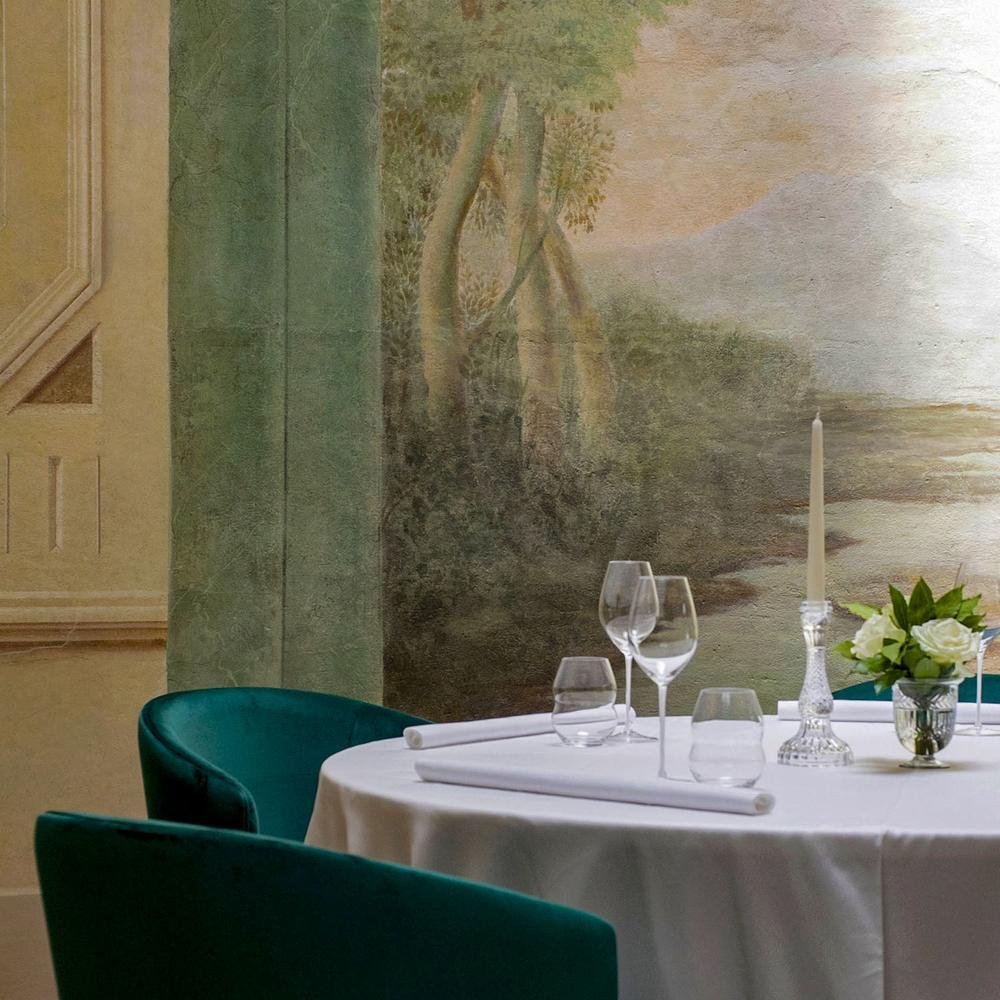
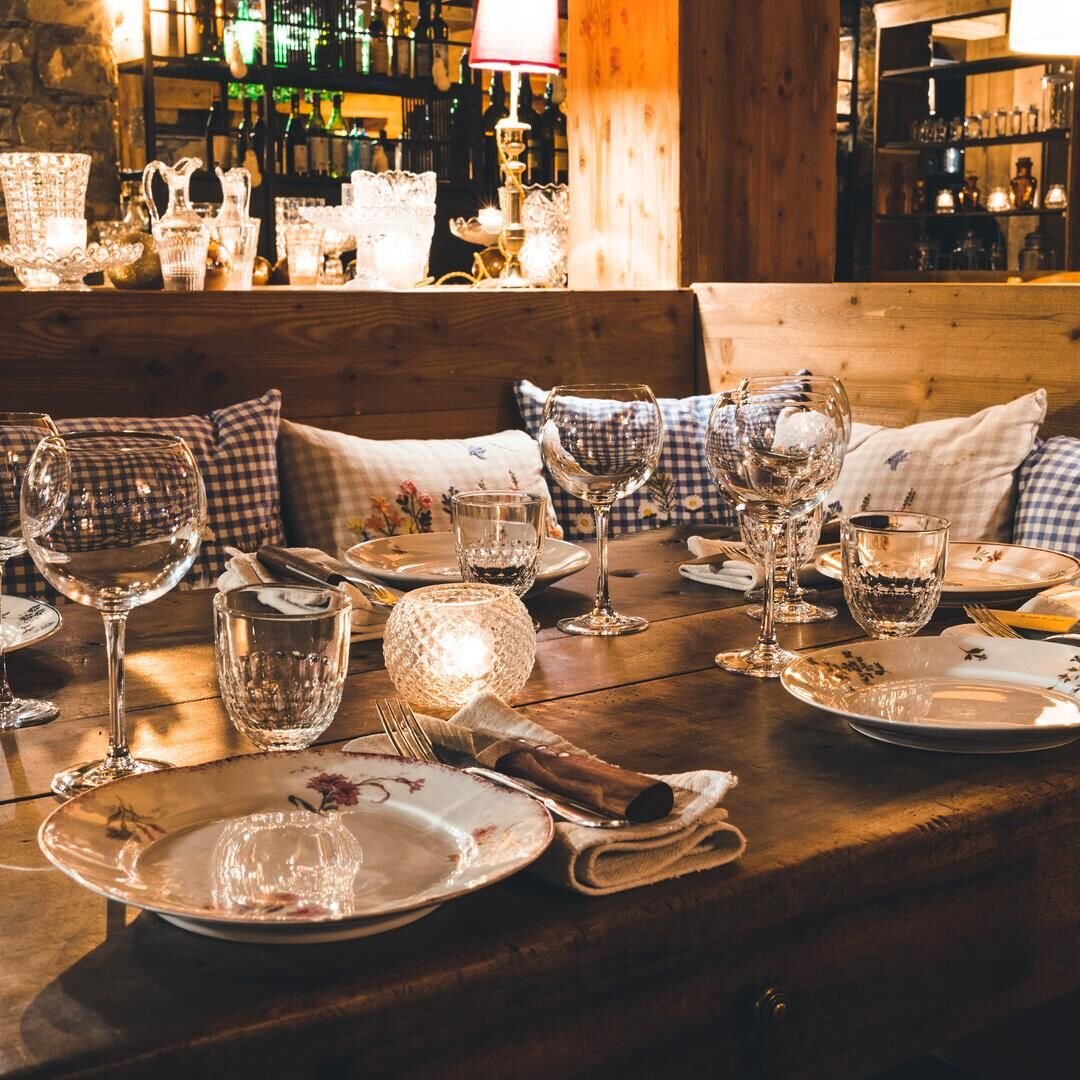
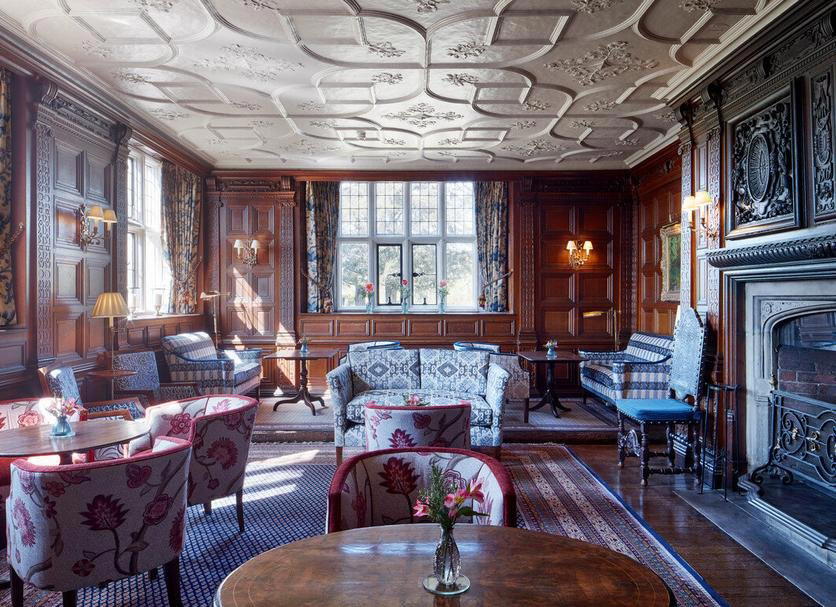
De Levensboom arrives as a quietly historic presence in Hasselt's Leopoldplein, a restaurant whose longevity is part of its identity. It reads less like a trend-driven vegetarian project and more like an established practice: organic sourcing and seasonal rhythm are the organizing principles. The dining room sits within Flemish civic architecture, and the kitchen's refusal to pin down a fixed repertoire gives the place a rustic but disciplined character. The result is a sophisticated, restrained experience that foregrounds produce and technique rather than gimmickry—an old-school commitment to craft that feels both rooted in place and quietly accomplished.
Best For
De Levensboom suits diners who prize seasonality and provenance above fixed menus. It works well for intimate date nights and special occasions where an attentive, ingredient-led meal is the point, and it also accommodates family visits that value thoughtful, vegetable-first cooking. Because the kitchen builds each day around what local organic farms supply, the restaurant rewards guests who are curious about seasonal variety and who want a meal that reflects the current harvest rather than a predictable signature plate. The venue’s historic presence in the city centre makes it an easy choice for a considered, memorable outing.
Ordering Tips
Expect the menu to change daily and plan to be flexible: what you get depends on what the land is producing that day. Rather than hunting for a signature dish, ask the server about that day’s arrivals from the local organic farms and what the kitchen is highlighting. Embrace dishes as expressions of seasonal rhythm and let the staff guide you through combinations you might not otherwise encounter. If you prefer certain vegetables or have dietary preferences, mention them up front—staff familiarity with their sourcing makes substitutions and recommendations more reliable than a fixed a la carte menu.
Venue details
Ambiance
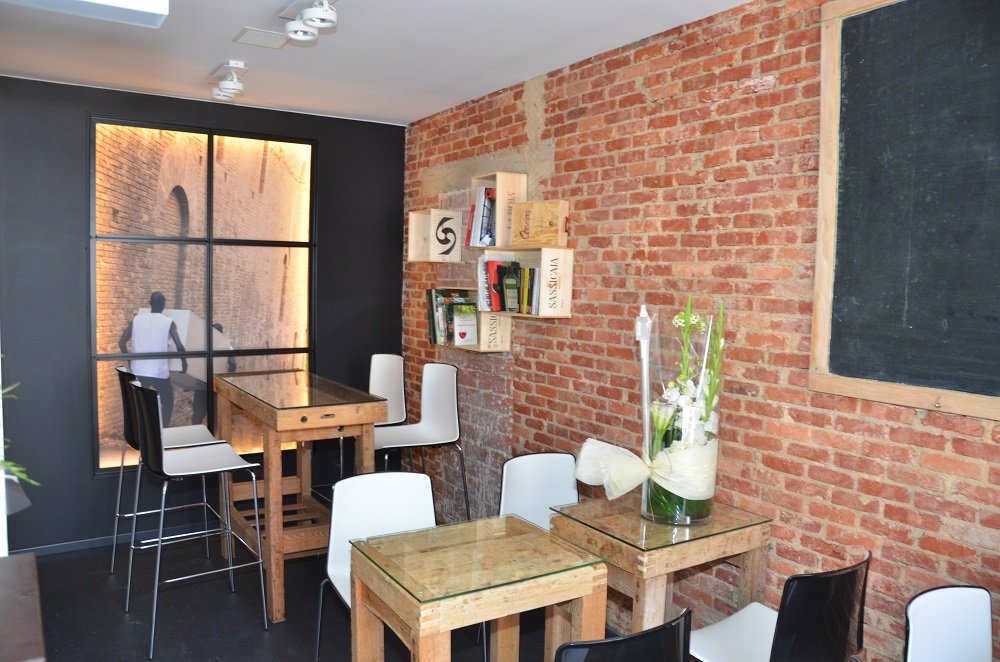
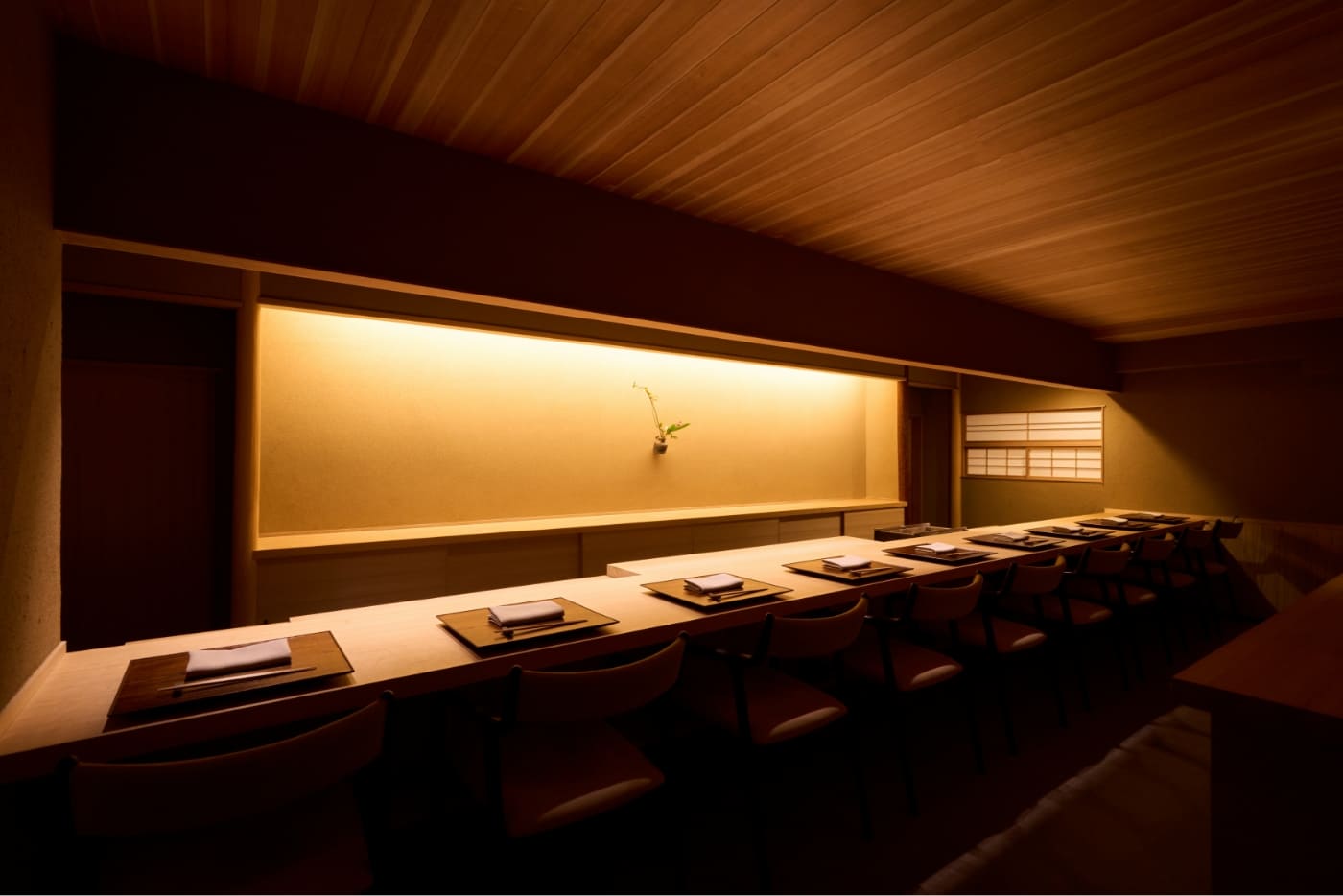
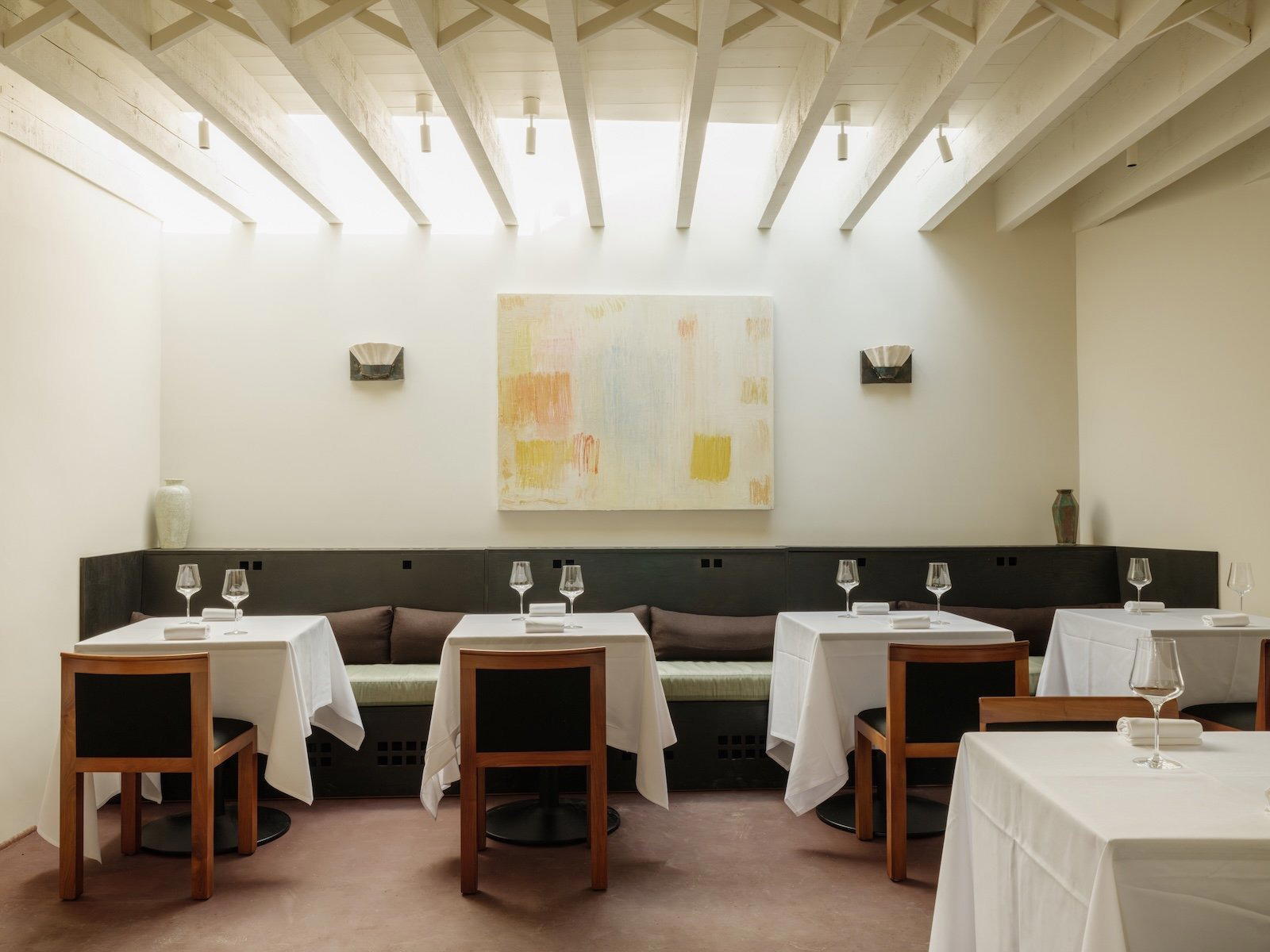
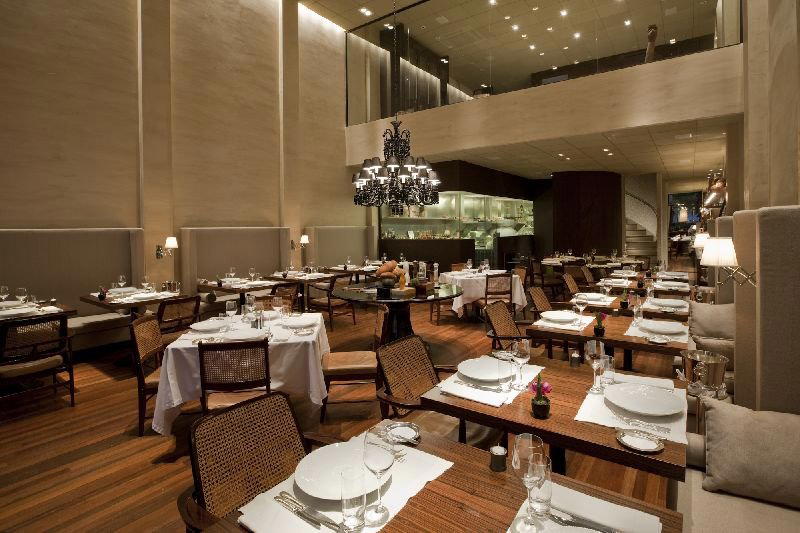
Cozy and warm atmosphere in a beautiful old house with mood lighting and relaxing vibe.
Tags
Vibe
Best For
Experience
Sourcing
View
At the Table
- Dress Code
- Smart Casual
- Noise Level
- Conversational
- Service Style
- Upscale Casual
- Meal Pacing
- Leisurely
- Capacity
- Intimate
- Kitchen
- Seasonal
- Menu Format
- A la carte, Small plates
- Wine Program
- Curated
- Dietary
- Vegan options, Vegetarian friendly, Gluten-free options, Allergy accommodating
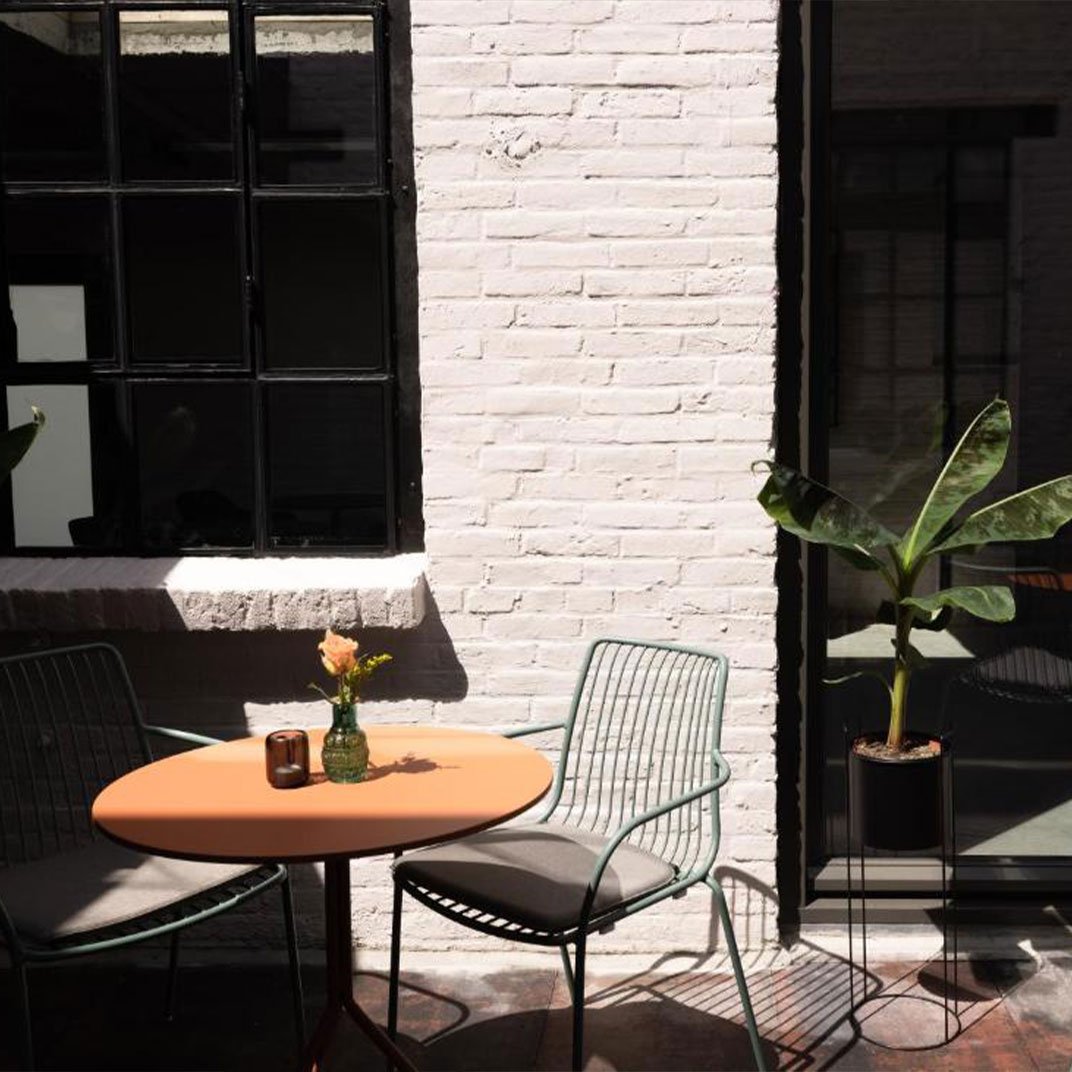
- Outdoor Seating
- Yes
Know before you go
Know Before You Go
- Getting there
- Leopoldplein 44, 3500 Hasselt, Belgium
Planning details
Location
Leopoldplein 44, 3500 Hasselt, Belgium · Directions
Recognition and awards
Restaurant context
How De Levensboom compares in Hasselt
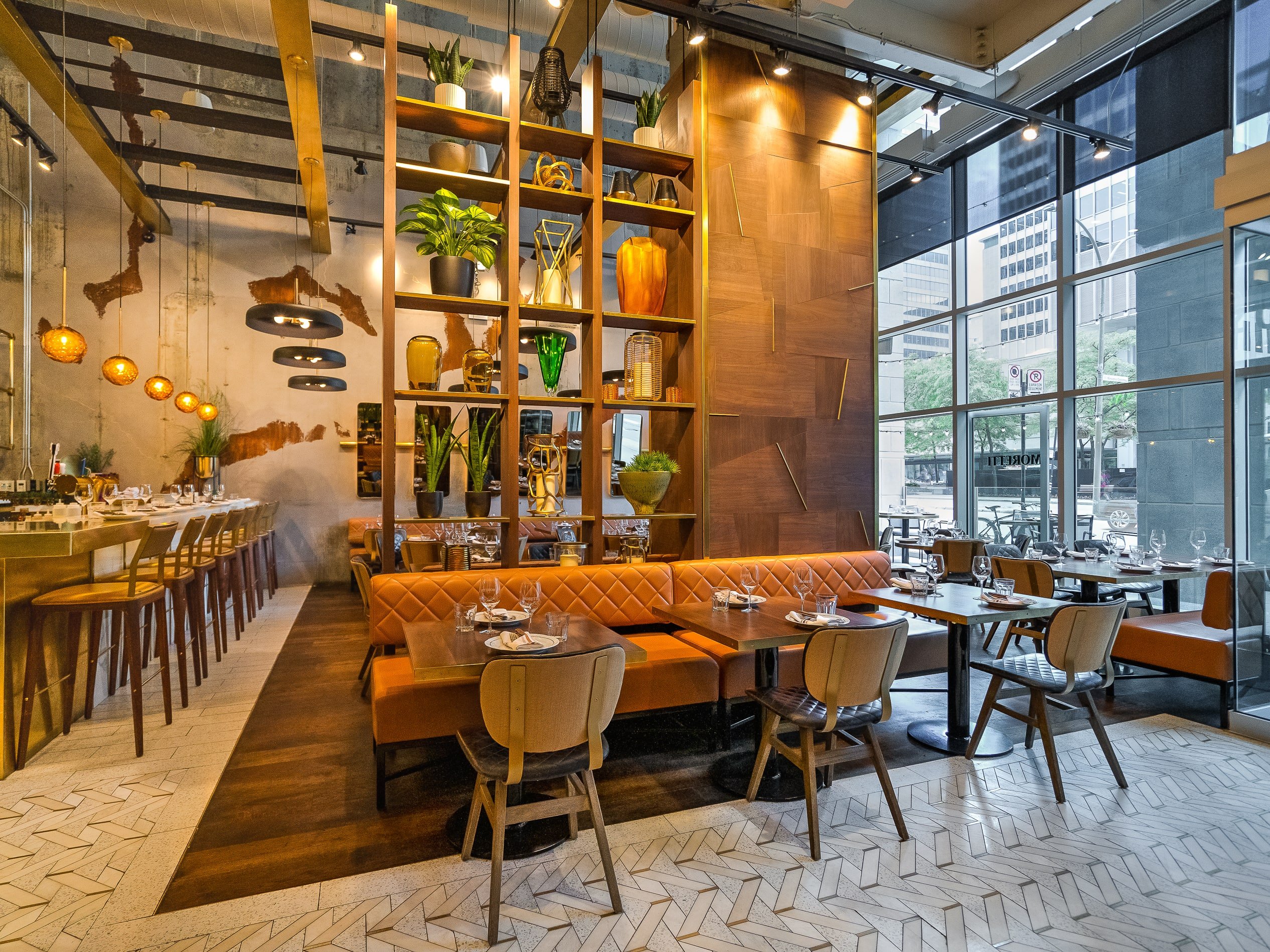
Choose De Levensboom when the priority is a quieter, quality-led meal with a vegetable-forward recognition signal. Ogst is the stronger pick for diners who want a clearer Modern French identity at €€€, while Moretti is the safer choice for groups that want Italian familiarity at a similar €€€ tier.
For value, De Levensboom is easier to justify if the table is open to discovery and does not need a published cuisine label to feel confident. Ogst is the better splurge-style comparison because its format is easier to read before booking. Moretti is better for mixed groups, business meals, or diners who want a less exploratory evening.
ArtChoc, Cèsi, and La Fontanella sit in the broader Hasselt cross-shop set, but the available public cues are thinner. Use them as backup searches if the schedule does not work here; start with Ogst or Moretti when the group needs a clearer read on cuisine, price tier, and expected ambiance before choosing.
Explore Hasselt
Around this place
Discover more on Pearl
Unlock the full De Levensboom guide in Pearl, including awards, comparisons, FAQs, planning details, and nearby places.
Compare De Levensboom
| Venue | Location | Cuisine | Awards | Price |
|---|---|---|---|---|
| De Levensboom | Hasselt | , | We're Smart World Top Restaurants 2025 | , |
| Ogst | Hasselt | Modern French | Michelin Guide Belgium & Luxembourg 2026We're Smart World Top Restaurants 20252025 Michelin 1 Star2024 Michelin 1 Star | €€€ |
| Moretti | Hasselt | Italian | Star Wine Lists 2026 · #1Michelin Guide Belgium & Luxembourg 2026We're Smart World Top Restaurants 20252025 Michelin Plate2024 Michelin Plate | €€€ |
| ArtChoc | Hasselt | No published awards | , | , |
| Cèsi | Hasselt | No published awards | , | , |
| La Fontanella | Hasselt | No published awards | , | , |



.png?width=1200&quality=80)
How De Levensboom Hasselt compares with similar nearby venues.
FAQ
Frequently Asked Questions
What should a first-timer know about De Levensboom?
Start with the award signal: We're Smart World 2025 gave De Levensboom 3 Radishes. The useful decision is simple: go if you want a more considered Hasselt booking based on that recognition, the posted hours, and a smart-casual dress code.
Is lunch or dinner better at De Levensboom?
Lunch is available on Thursday and Friday from 12–3 PM. Dinner is available Wednesday, Thursday, and Friday from 6–10 PM, and Saturday from 5–10:30 PM. The better choice depends on your schedule; for comparison planning, Ogst is another name to check while you confirm the details that matter to your meal.
What should I order at De Levensboom?
The clearest signal is the We're Smart World 2025 3 Radishes recognition, so treat De Levensboom as a place to discuss the current offering directly rather than relying on a fixed order from afar.
What are alternatives to De Levensboom?
Ogst, Moretti, La Fontanella, ArtChoc, and Cèsi are useful names to compare when planning a meal. De Levensboom is the pick when the We're Smart World 2025 3 Radishes recognition and the posted Hasselt schedule fit what you need.
Does De Levensboom handle dietary restrictions?
Diners with strict dietary needs should confirm directly before booking. The We're Smart World 2025 3 Radishes recognition is a relevant signal, but accommodations should be discussed with the restaurant for your date. Compared with Moretti or La Fontanella, choose based on the details each venue can confirm for your date.