

DIACÁ
4 Grados Norte, Guatemala City
Restaurant in Guatemala City, Guatemala
 Book with Pearl
The Read
Terroir-Rooted Guatemalan Sourcing
Price
$50–100per person
Chef
Debora Fadul
Dress
Smart Casual
Why go
DIACÁ is Guatemala City's clearest case for serious, award-recognised Guatemalan cooking. Chef Debora Fadul's 2025 Terroir Award signals a genuine commitment to seasonal local ingredients and producer relationships, not a marketing exercise. The atmosphere is calm and conversation-friendly. Booking is easy, but the out-of-centre location means you will need a taxi.
About DIACÁ
Is DIACÁ worth booking in Guatemala City?
Yes, if you want to understand what serious Guatemalan cooking looks like in 2025. Chef Debora Fadul has built DIACÁ around a clear philosophy: seasonal Guatemalan ingredients, treated with technical discipline and genuine respect for the producers behind them. The 2025 Terroir Award recognises exactly that commitment, and it gives the restaurant a verifiable credential that puts it among the most purposeful dining destinations in Central America. For a first-time visitor to Guatemala City who wants one meal that reflects the country's agricultural depth rather than its tourist-facing approximations, DIACÁ is the booking to make.
What to expect when you arrive
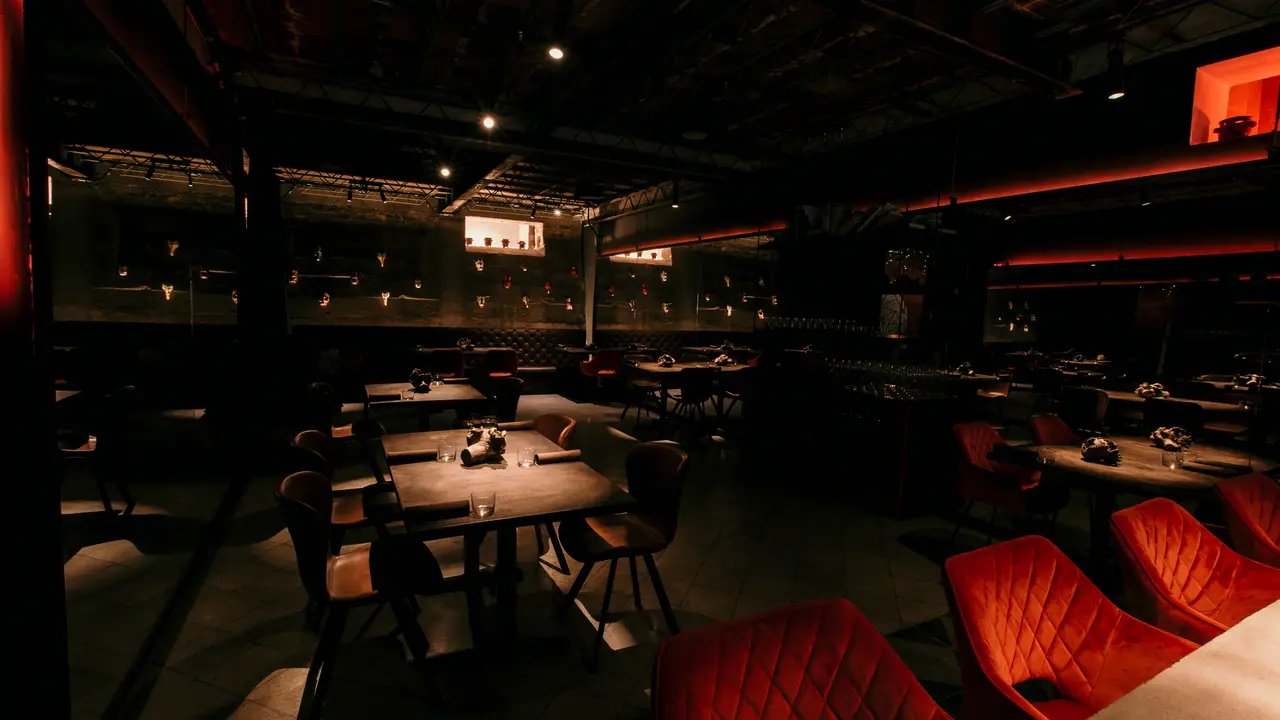
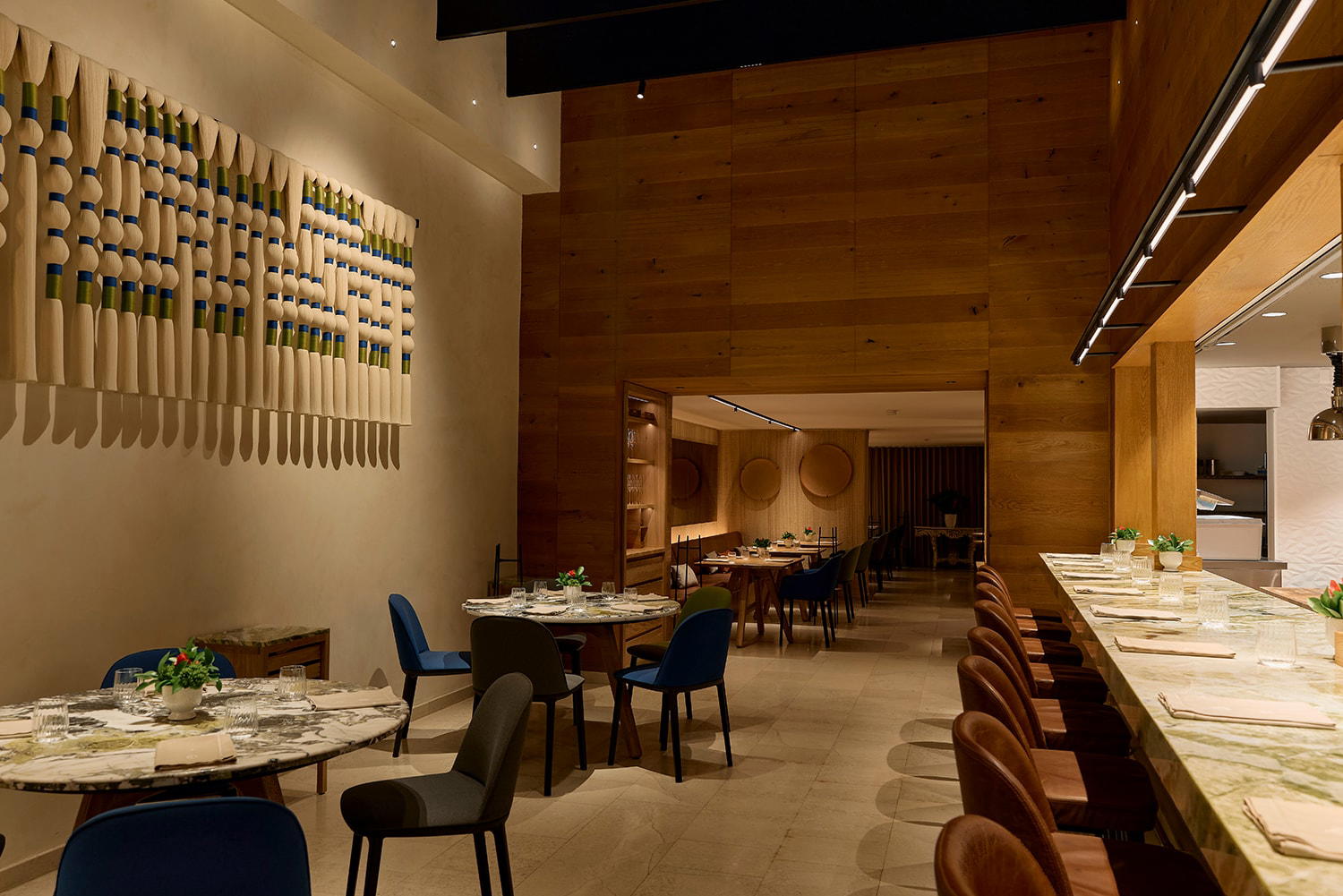
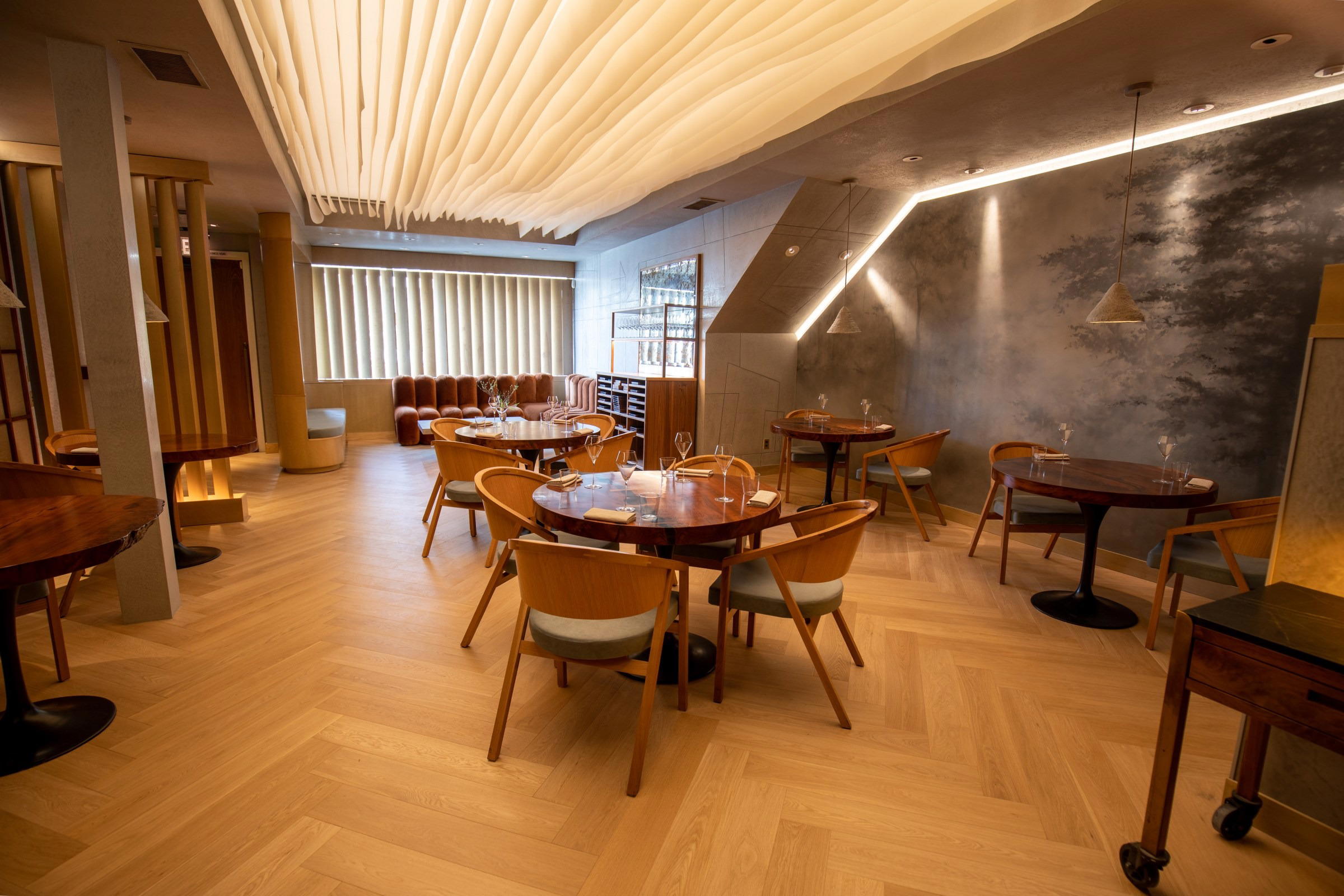
DIACÁ sits on the Carretera a El Salvador corridor, which places it outside the historic centro and the Zona Viva cluster where most visitors default. That address is worth knowing before you go: plan for a taxi or rideshare rather than a walkable evening. The setting, associated with the Cámara Guatemalteca de la Construcción, is purposeful and grounded rather than flashy. The atmosphere reads as considered and calm, the kind of room where the energy is focused on what arrives at the table rather than on ambient noise or theatrical production. This is not a loud venue. If you are coming from a dinner at a high-volume restaurant and expecting the same buzz, recalibrate. DIACÁ is better suited to conversation, to paying attention, and to first-time diners who want to engage with what they are eating rather than eat around it.
Fadul co-founded the restaurant and remains its head chef, which matters for service consistency. The kitchen's philosophy — connecting guests to producers and ingredients at a level that is physical, intellectual, and, in Fadul's own framing, spiritual — shapes how the dining experience is structured. Service at restaurants built around this kind of philosophy tends to be informative without being lecturing, attentive without hovering. Expect staff to be able to tell you where ingredients come from, because that sourcing is the point of the cooking, not a marketing footnote.
The Terroir Award and what it signals
The 2025 Terroir Award is not a generic accolade. It recognises chefs who demonstrate a documented and sustained relationship with their region's land and producers. For a restaurant in Guatemala City, where that connection spans indigenous agricultural traditions, highland produce, and coastal ingredients, it signals a kitchen that is doing the substantive work rather than invoking locality as a concept. Comparable restaurants internationally that have earned similar terroir-focused recognition include Atelier Moessmer Norbert Niederkofler in Brunico and Dal Pescatore in Runate. DIACÁ operates in a different price tier and cultural context, but the underlying commitment to place-rooted cooking is comparable in seriousness.
How It Compares
Among Guatemala City's restaurant options, DIACÁ occupies a specific lane: award-recognised, ingredient-led, with a service philosophy built around education and connection rather than speed or volume. Sublime Restaurant is the alternative to consider if you want a more traditional Latin fine-dining format with a broader menu range. For a more casual, market-style experience, Mercado 24 offers a different energy and likely a lower spend per head. Ana and Flor de Lis round out the city's considered dining options, each with their own format and positioning. DIACÁ is the clearest choice if the award credential and the producer-focused philosophy are what you are paying for.
If you are visiting Guatemala more broadly, Villa Bokéh in Antigua and Casa Palopó in Santa Catarina Palopó offer regional alternatives worth considering for nights outside the capital, while Pacaya in San Vicente Pacaya provides a different kind of experience entirely. Our full Guatemala City restaurants guide covers the broader field if you are building a longer itinerary.
Booking and practical details
Booking difficulty is rated Easy, which means you do not need to plan weeks in advance. That said, confirming a reservation before you travel is always sensible for a restaurant at this level of recognition. No phone number or website is available in our current data, so check Google for the most current contact details or ask your hotel concierge to assist. The address on Carretera a El Salvador requires a vehicle; build that into your evening's logistics. For hotels, bars, and experiences in the city, see our Guatemala City hotels guide, bars guide, and experiences guide.
Quick reference: booking is easy, location requires a taxi or rideshare, atmosphere is calm and conversation-friendly, 2025 Terroir Award holder.
Pearl picks nearby
Planning more of your trip? Browse our guides for Guatemala City restaurants, hotels, bars, wineries, and experiences. Outside the capital, Villa Bokéh in Antigua and Casa Palopó in Santa Catarina Palopó are the two regional restaurants most worth building a trip around.
Planning details
- Location
- Cámara Guatemalteca de la Construcción Colonia el Prado, Carr. Antigua al Salvador, Cdad. de Guatemala, Guatemala
The take
The Take
The Vibe
DIACÁ reads like a purposeful discovery: a fine-dining outpost set off the beaten path that rewards intentional visits. The mood is quietly concentrated rather than theatrical — the restaurant frames itself through the pace of arrival and the provenance of its ingredients. The kitchen foregrounds Guatemala’s volcanic soils, highland markets, and indigenous food traditions, so the overall feel is rooted, thoughtful and low-keyly refined. Rather than relying on imported technique as shorthand for quality, DIACÁ cultivates a contemplative dining atmosphere where each plate feels like part of a larger conversation about place and season.
Best For
DIACÁ is best for diners who make meals a reason to plan: food-focused couples, locals celebrating a notable night, and visitors who want a serious expression of Guatemalan produce. Because the restaurant operates outside the city’s convenient circuit, it suits diners willing to schedule their evening and expect a composed, service-forward experience. The focus on seasonal sourcing and regional ingredients also makes it a strong choice for anyone eager to explore Guatemala’s culinary identity rather than a predictable, export-driven menu.
Ordering Tips
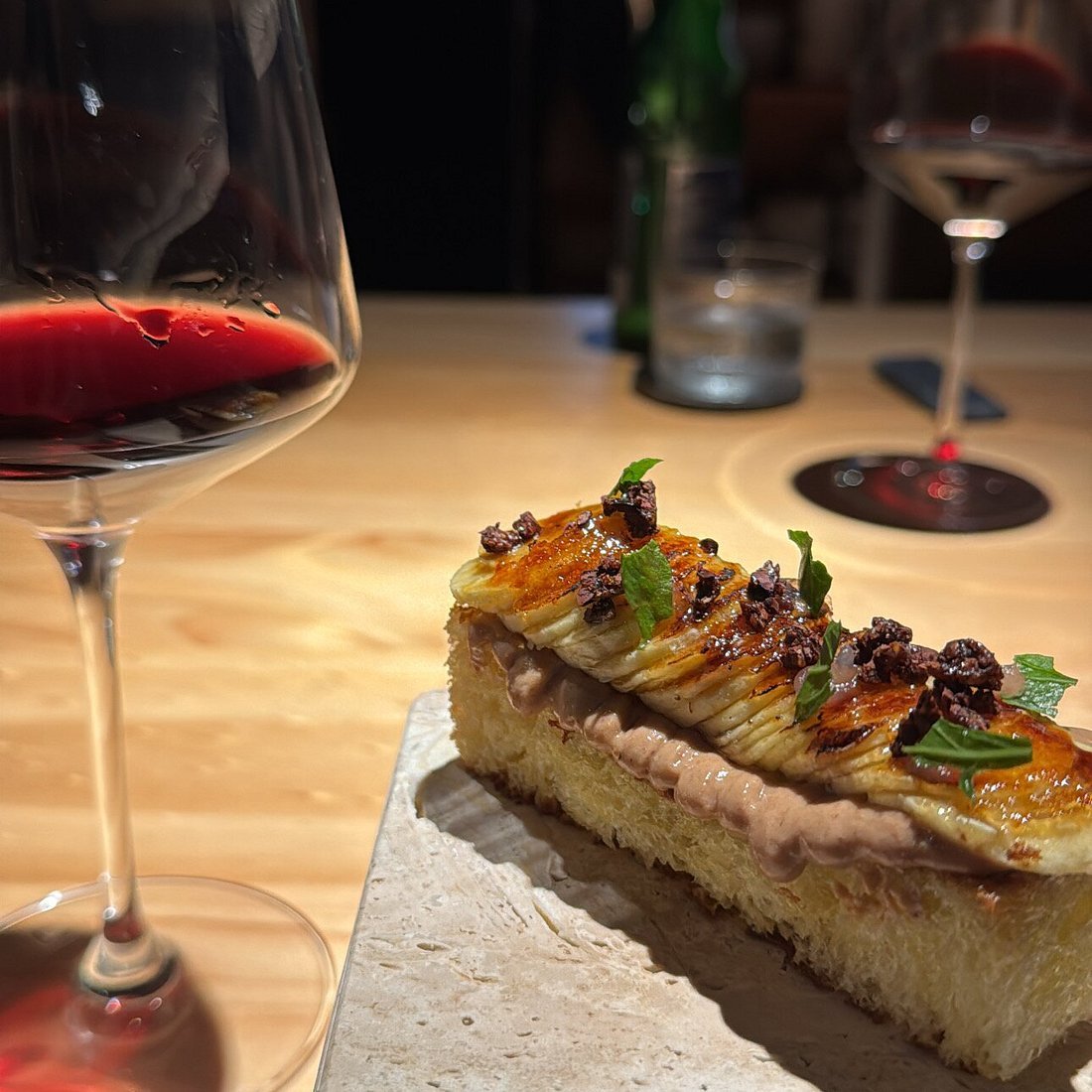
Expect a menu that shifts with the country’s agricultural rhythms; seasonality and sourcing are structural constraints rather than marketing copy. Look for preparations that highlight local crops — the house’s signatures (stewed papaya ratatouille with sweet potato gnocchi and a seasonal green soup) signal the kitchen’s approach to balancing produce-forward flavors and technique. Because dishes change with what regional producers bring, ask staff about current provenance and what’s in season, and plan ahead rather than dropping by on impulse.
Venue details
Ambiance
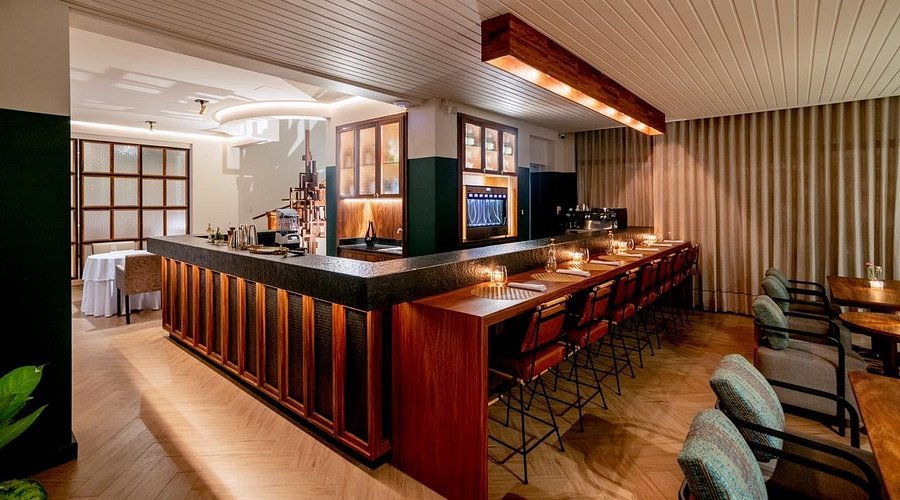
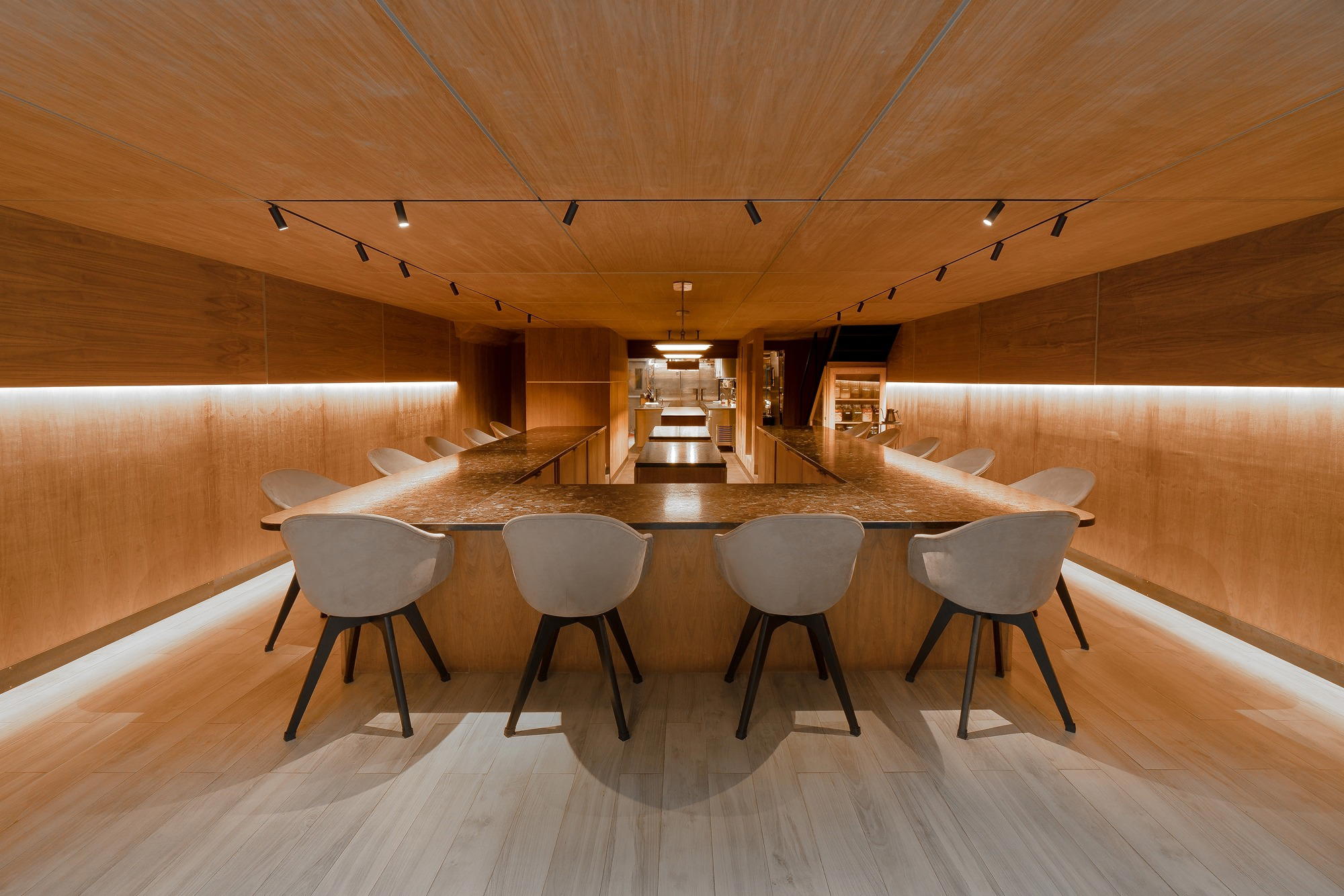
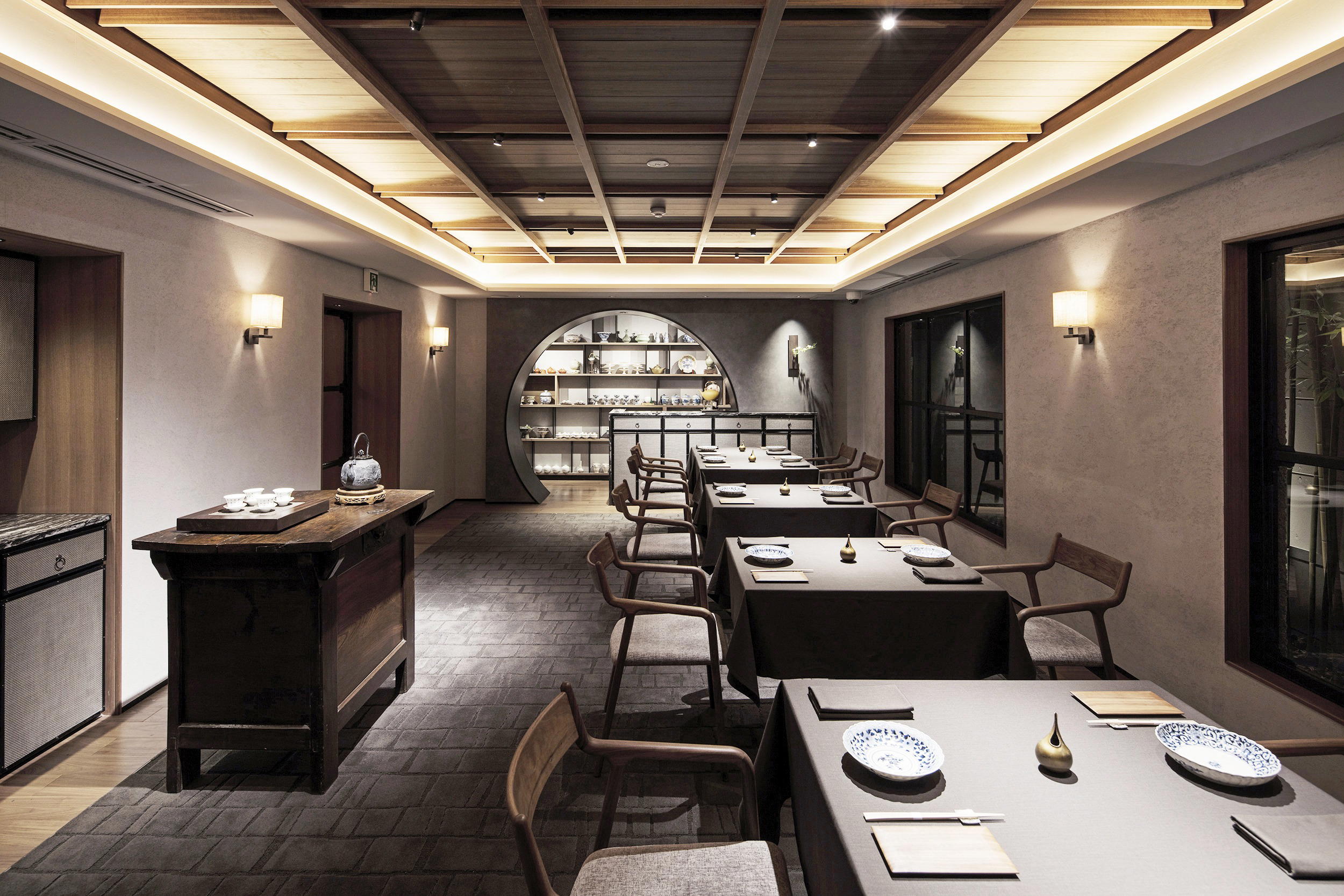
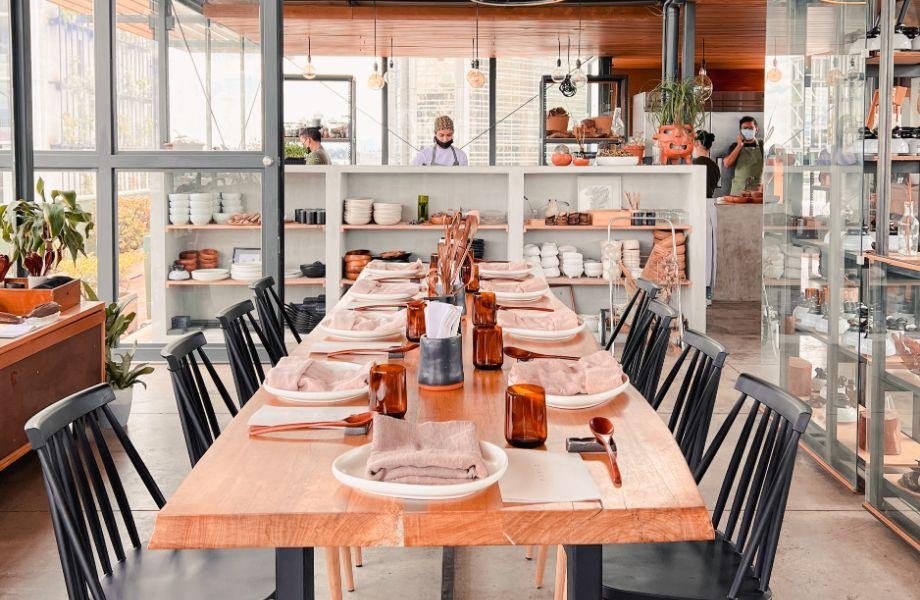
Lovely modern design with glass walls offering unmissable city views and displays of dried foods and artisanal products.
Tags
Vibe
Best For
Experience
Sourcing
View
At the Table
- Dress Code
- Smart Casual
- Noise Level
- Conversational
- Service Style
- Formal
- Meal Pacing
- Leisurely
- Capacity
- Intimate
- Kitchen
- Modern
- Menu Format
- Tasting menu
- Wine Program
- Curated
- Dietary
- Vegetarian friendly, Vegan options
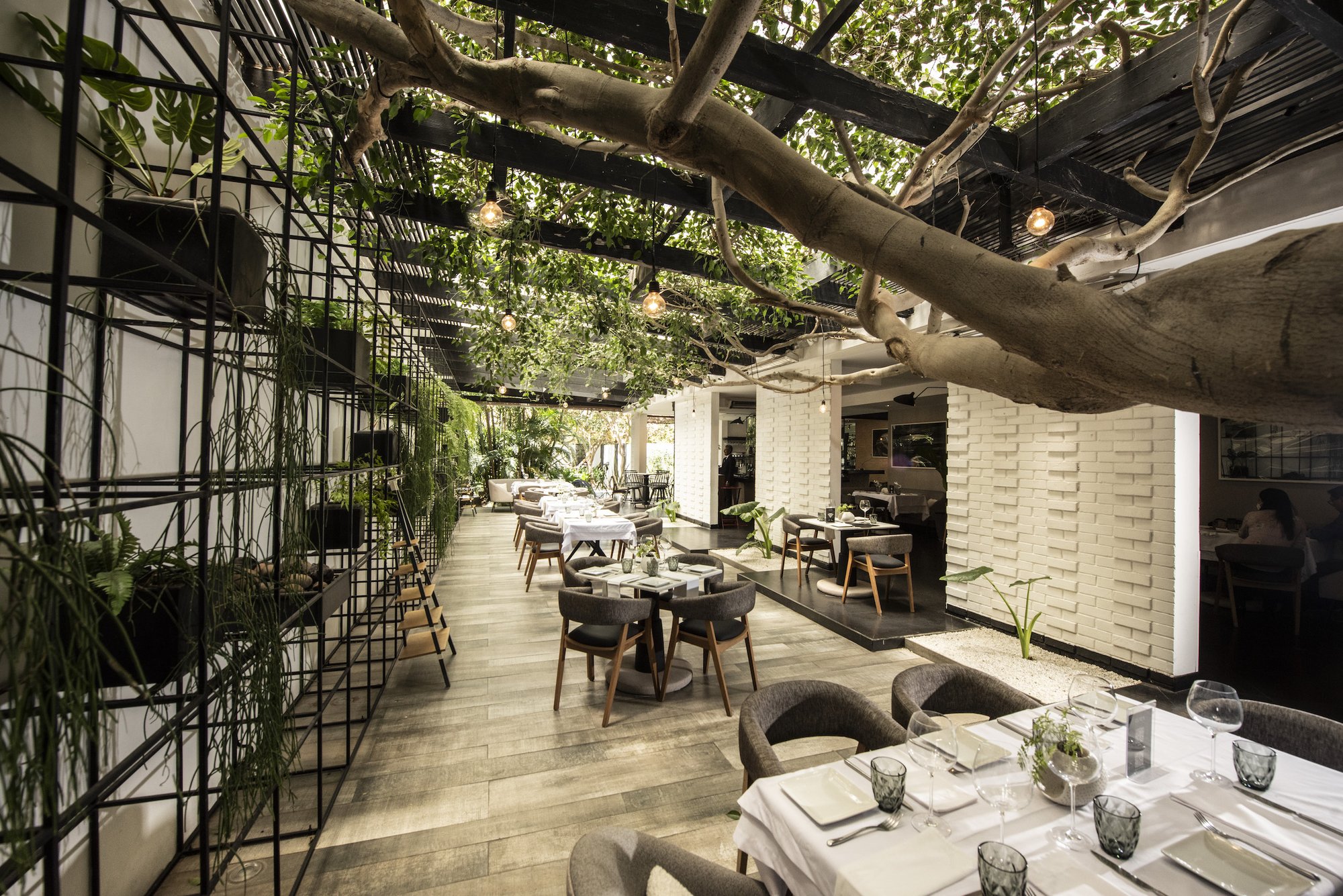
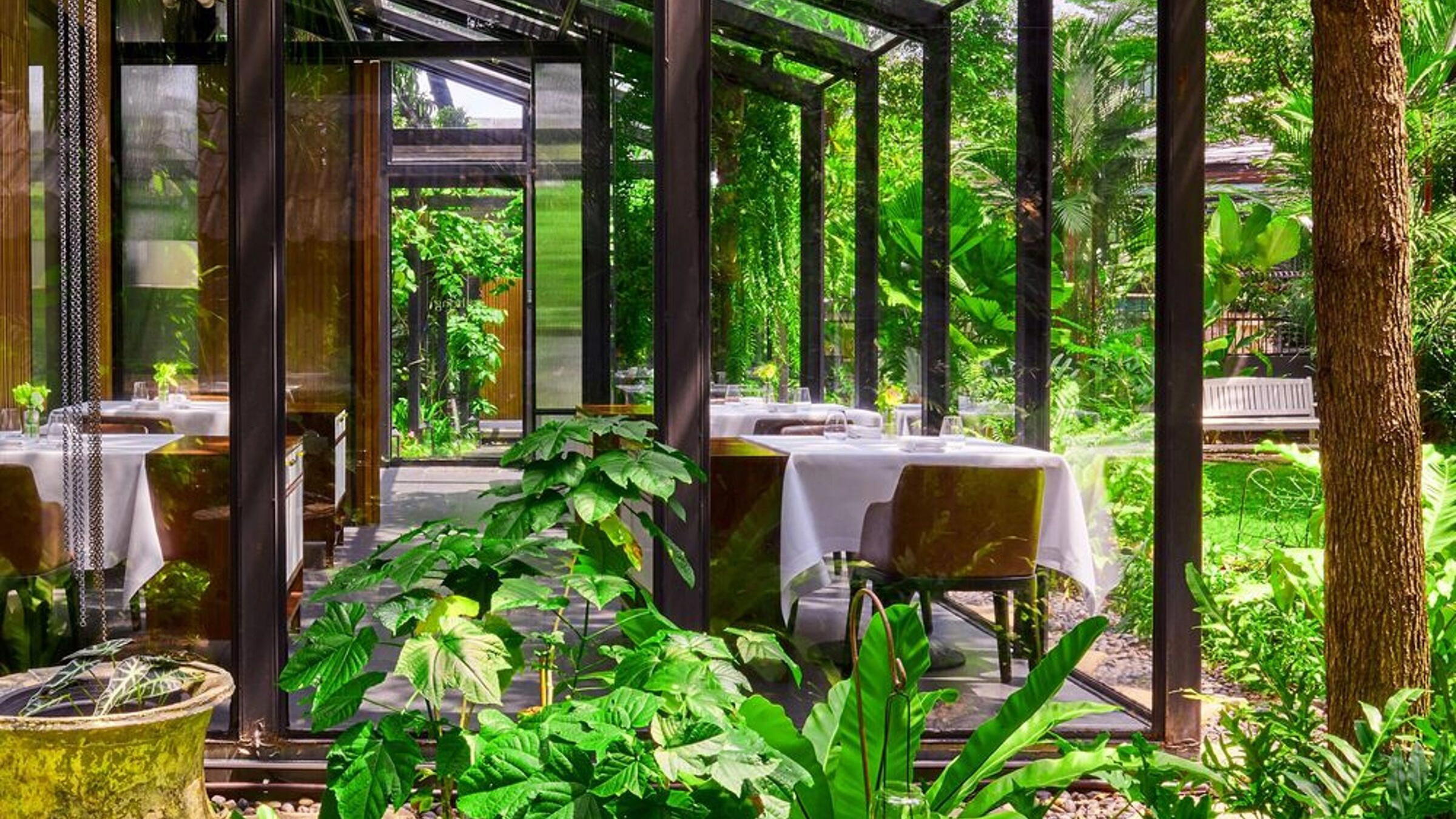
- Outdoor Seating
- Yes
Signature Dishes
- stewed papaya ratatouille with sweet potato gnocchi
- seasonal green soup
Know before you go
Know Before You Go
- Getting there
- Cámara Guatemalteca de la Construcción Colonia el Prado, Carr. Antigua al Salvador, Cdad. de Guatemala, Guatemala
Planning details
Location
Cámara Guatemalteca de la Construcción Colonia el Prado, Carr. Antigua al Salvador, Cdad. de Guatemala, Guatemala · Directions
Recognition and awards


Also consider
Also Consider
- Sublime Restaurant, Latin, Latin
- Mercado 24, Notable alternative
- Ana, Notable alternative
- Flor de Lis, Notable alternative
Restaurant context
Among Guatemala City's considered dining options, DIACÁ has the strongest external validation right now: the 2025 Terroir Award puts it in a category of restaurants doing documented, sustained work with local producers rather than simply gesturing at locality. If that credential matters to you, or if you want the meal itself to be the event of the evening, DIACÁ is where to book. Sublime Restaurant is the stronger alternative if you want a more conventional Latin fine-dining format with broader menu flexibility and, likely, a livelier room.
Mercado 24 occupies a different position entirely: it suits an evening where you want energy, variety, and a lower commitment per head. It is not a direct competitor to DIACÁ in terms of format or philosophy. Ana and Flor de Lis round out the city's options for a more structured dinner, and both are worth checking against your specific date and group size. All four are easier to reach than DIACÁ, which sits on the Carretera a El Salvador outside the central dining corridors.
The practical decision comes down to what you are optimising for. For ingredient-led cooking with a verifiable award behind it, DIACÁ is the call. For a more accessible location with a broader format, Sublime or Flor de Lis give you more flexibility. Booking difficulty is rated Easy across this category, so availability is unlikely to be the deciding factor; the question is which dining experience fits your evening.
Explore Guatemala City
Around this place
Discover more on Pearl
Unlock the full DIACÁ guide in Pearl, including awards, comparisons, FAQs, planning details, and nearby places.
Compare DIACÁ
| Venue | Location | Cuisine | Awards |
|---|---|---|---|
| DIACÁ | Guatemala City | , | 2025 Latin America's 50 Best Restaurants · #372025 The Best Chef Three Knives |
| Sublime Restaurant | Guatemala City | Latin | No published awards |
| Mercado 24 | Guatemala City | 2025 Latin America's 50 Best Restaurants · #422025 The Best Chef One Knife | , |
| Ana | Guatemala City | 2025 Latin America's 50 Best Restaurants · #942025 The Best Chef One Knife | , |
| Flor de Lis | Guatemala City | 2025 The Best Chef One Knife | , |

How DIACÁ Guatemala City compares with similar nearby venues.
FAQ
Frequently Asked Questions
Is DIACÁ good for solo dining?
Yes, solo diners who want to engage seriously with Guatemalan seasonal cooking will find DIACÁ worthwhile. Chef Debora Fadul's philosophy centres on connecting guests with producers and ingredients, which translates well to an attentive, single-diner experience. Booking is rated Easy, so planning ahead isn't stressful. Arrive knowing the address is on the Carretera a El Salvador corridor, not central Zona Viva.
Is DIACÁ good for a special occasion?
Yes, particularly if the occasion calls for something more considered than a conventional upscale dinner. DIACÁ's 2025 Terroir Award signals a restaurant with documented intent and critical recognition, not just surface-level presentation. The setting is outside the main tourist cluster, which suits occasions where the meal itself is the event rather than the neighbourhood backdrop.
Can DIACÁ accommodate groups?
Group-specific capacity details are not in the venue record, so confirm directly before planning a large booking. That said, the restaurant's service philosophy — built around educating guests on producers and local ingredients — lends itself better to smaller groups where that conversation can actually land. Booking difficulty is Easy, so group reservations likely don't require significant lead time.