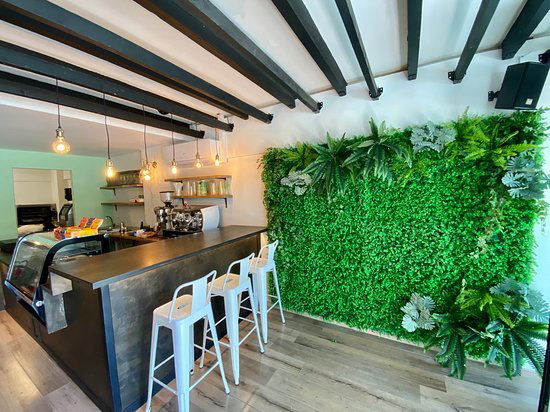

Plant-Based Kitchen
Vegetarian · Guangzhoushi, Guangzhou
Restaurant in Guangzhou, China
 Book with Pearl
The Read
Transformation-Led Vegetable Cookery
Price
$30–50per person
Dress
Smart Casual
Why go
Plant-Based Kitchen is the Guangzhou vegetarian pick to consider when the meal needs more polish than a casual ¥¥ stop. The Michelin Plate signal helps justify the higher tier, but dine in rather than treating it as a delivery-first choice. Cross-shop Soodle, Tian Shui, Zen Tea, and Gu Yuan for easier-value vegetarian meals.
About Plant-Based Kitchen
Plant-Based Kitchen is a Guangzhou vegetarian restaurant in the ¥¥¥ price tier with a smart casual dress code and Michelin Plate recognition for 2025. The clearest reason to choose it is simple: vegetarian cuisine is central to the listing, and the venue has a strong recognition signal in a city with many dining options.
That does not automatically make it the right pick for every meal. If the priority is another dining option, Soodle, Tian Shui, Zen Tea, or Gu Yuan may be worth comparing. If the goal is a vegetarian meal in Guangzhou, Plant-Based Kitchen belongs on the shortlist.
A flexible vegetarian option in Guangzhou
Plant-Based Kitchen opens at 11 AM daily, closes at 1 AM from Sunday through Thursday, and closes at 2 AM on Friday and Saturday. That makes it useful for diners who need a vegetarian restaurant with late operating hours.
For first-timers, the smart move is to treat the restaurant as a planned vegetarian meal rather than a generic backup. Focus on the essentials: vegetarian cuisine, ¥¥¥ pricing, smart casual dress code, late hours, and Michelin Plate recognition.
Where it sits among other options
When considering Soodle, Tian Shui, Zen Tea, Gu Yuan, and Plant-Based Kitchen, Plant-Based Kitchen stands out for its ¥¥¥ tier and Michelin Plate for 2025. Diners choosing among these restaurants should compare current menus, location convenience, and booking needs directly before deciding.
Yuan is another comparison point to consider when building a broader shortlist. For a visitor planning more than one meal, pair this decision with the full Guangzhou restaurants guide; if the trip also needs planning around stays or later stops, the Guangzhou hotels guide, Guangzhou bars guide, and other Guangzhou guides are the better places to widen the search.
Who should choose it, and who should cross-shop
Choose Plant-Based Kitchen if vegetarian cuisine is central to the meal, if the group wants a Michelin Plate restaurant, or if the late hours are useful. It is less compelling for diners who are mainly trying to minimize price or who need specifics on a particular dish, service format, delivery option, or dietary accommodation beyond vegetarian cuisine.
Solo diners can make a reasonable case for it if they are comfortable with the ¥¥¥ tier for a vegetarian meal. Small groups can also consider it when everyone is genuinely interested in vegetarian cooking. For a special occasion, it works when the occasion is about choosing a recognized vegetarian restaurant in Guangzhou rather than relying on views, room style, or luxury service cues.
Planning details
- Location
- 105 Huaxun St, 珠江新城 Tianhe District, Guangzhou, Guangdong Province, China, 510627
- Phone
- +86 181 4485 3101
The take
The Take
The Vibe
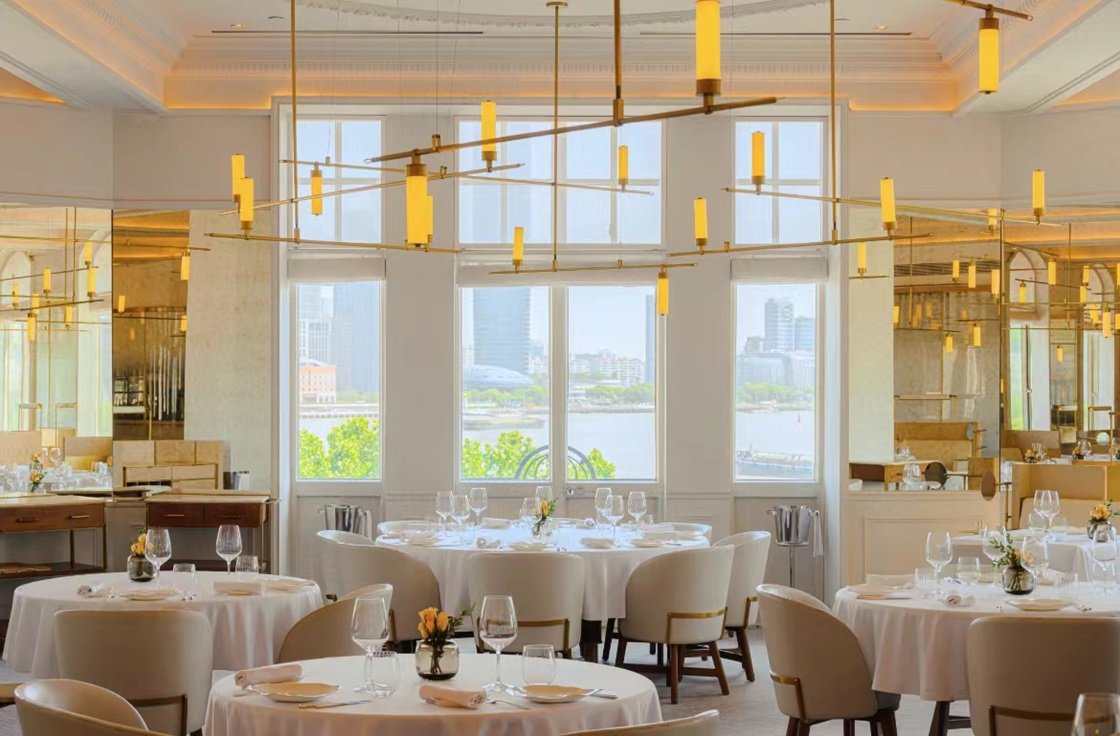
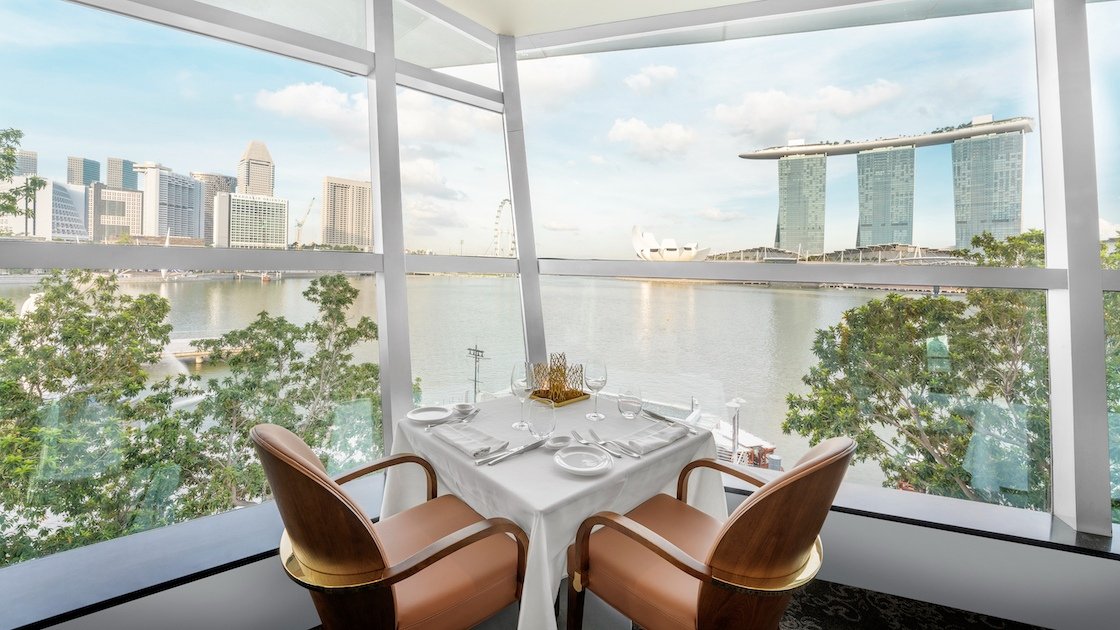
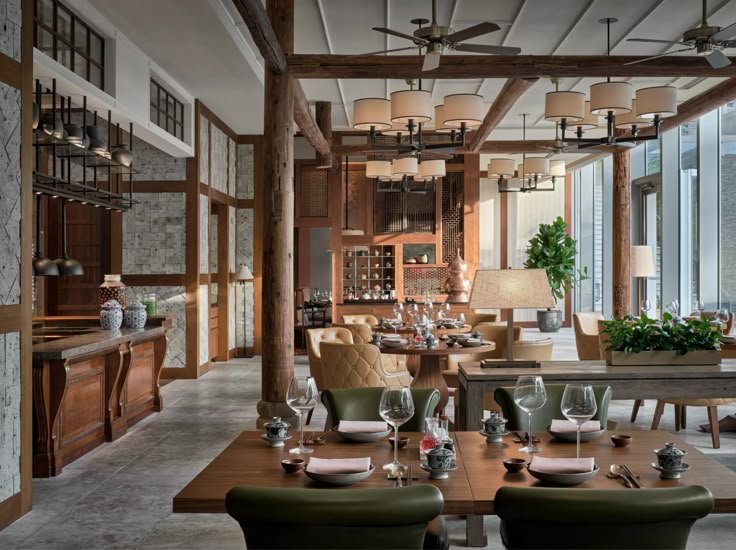
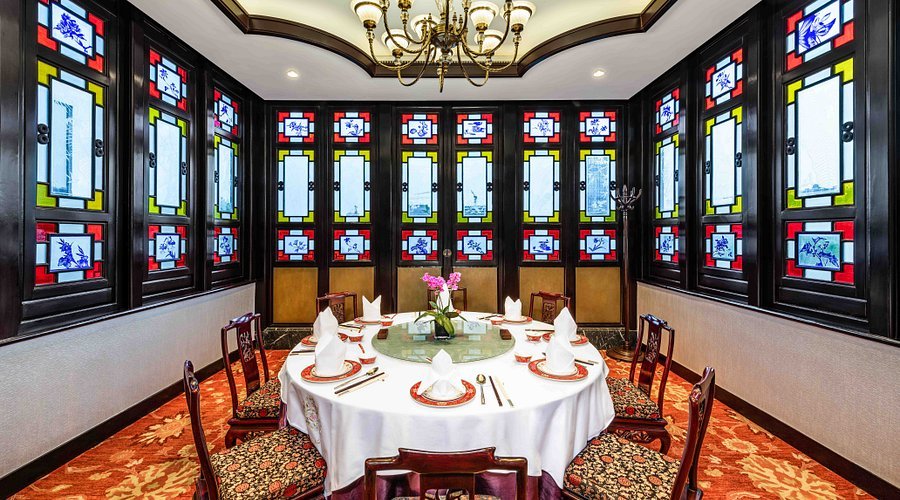
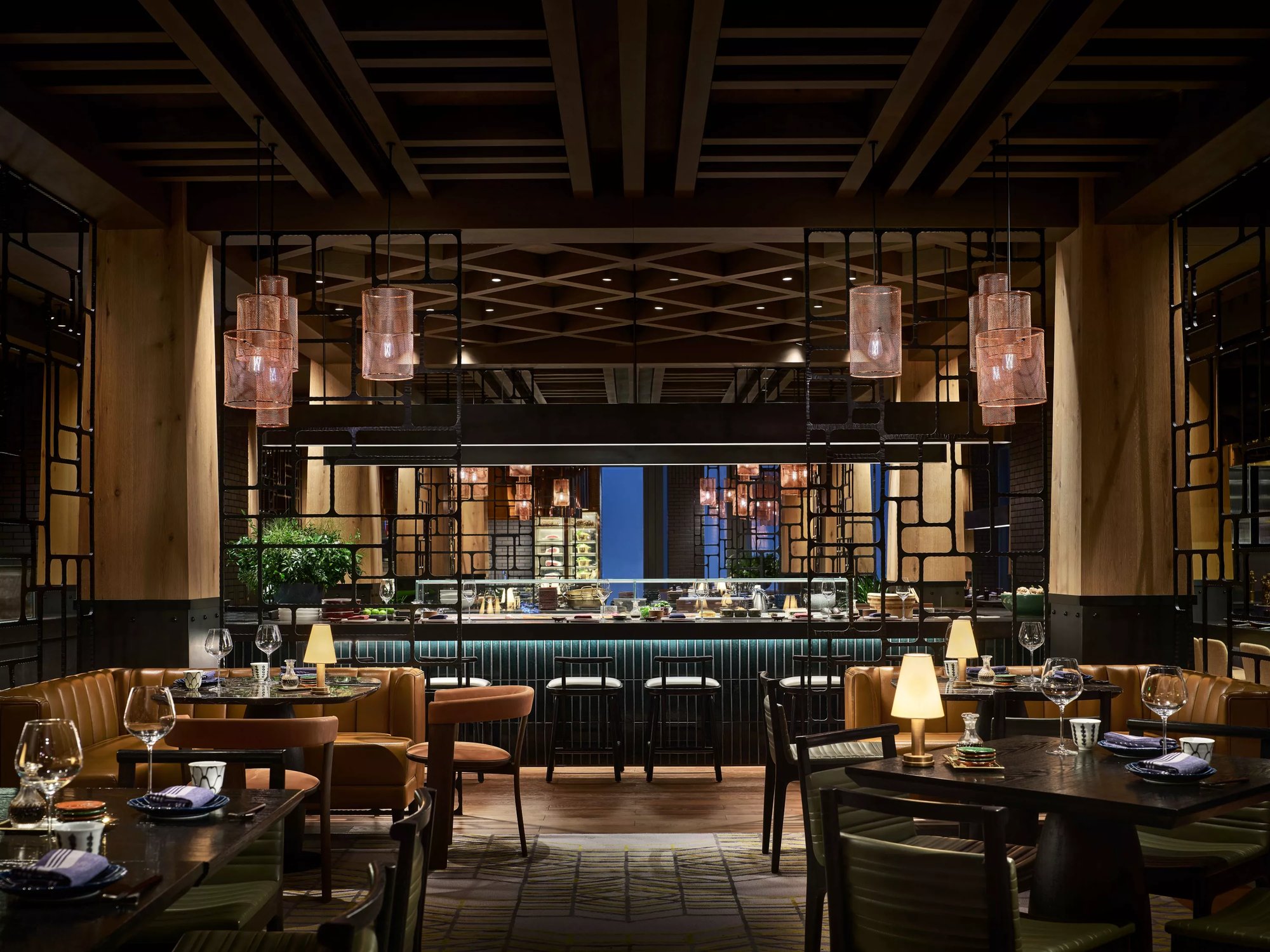
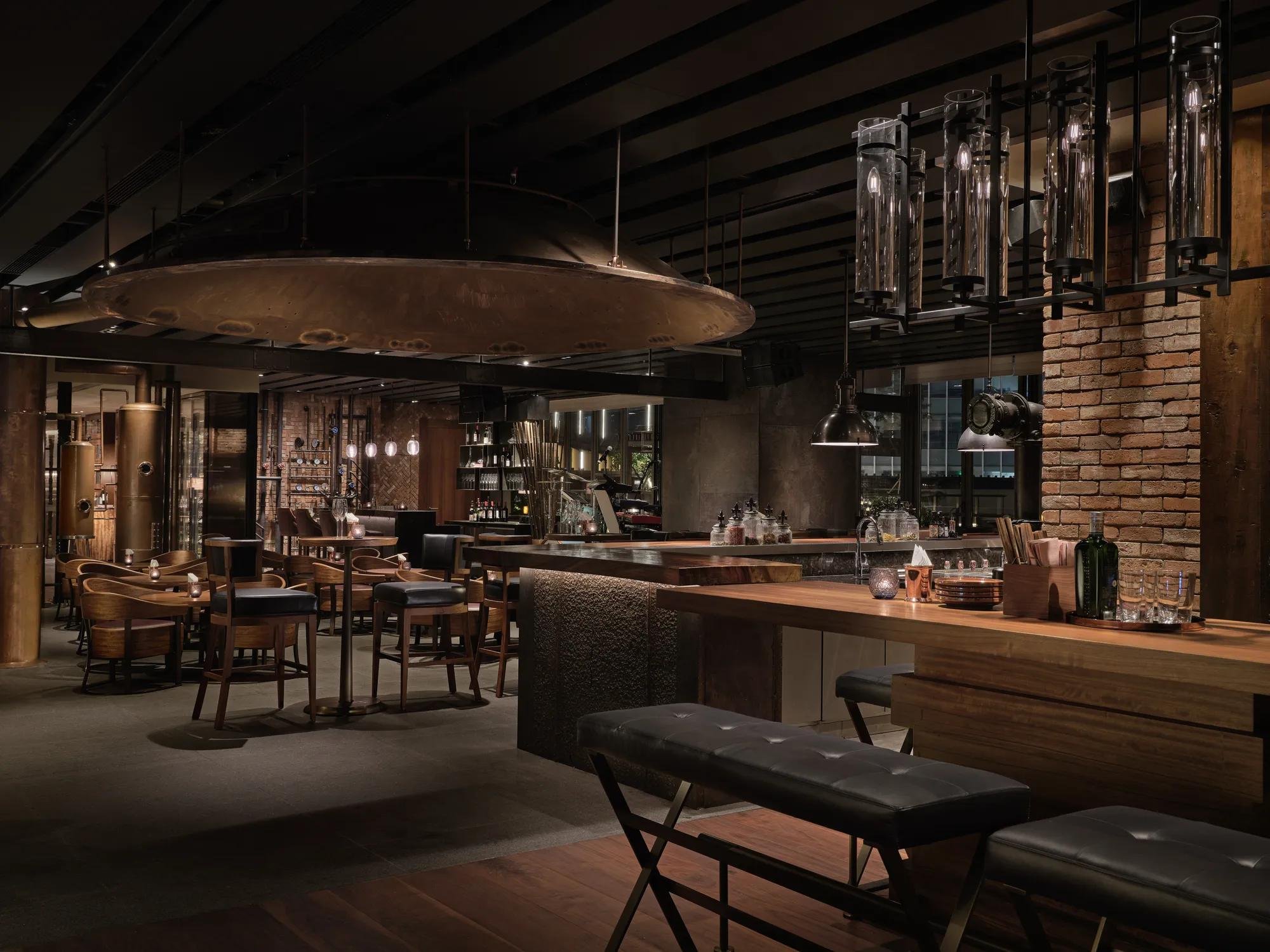
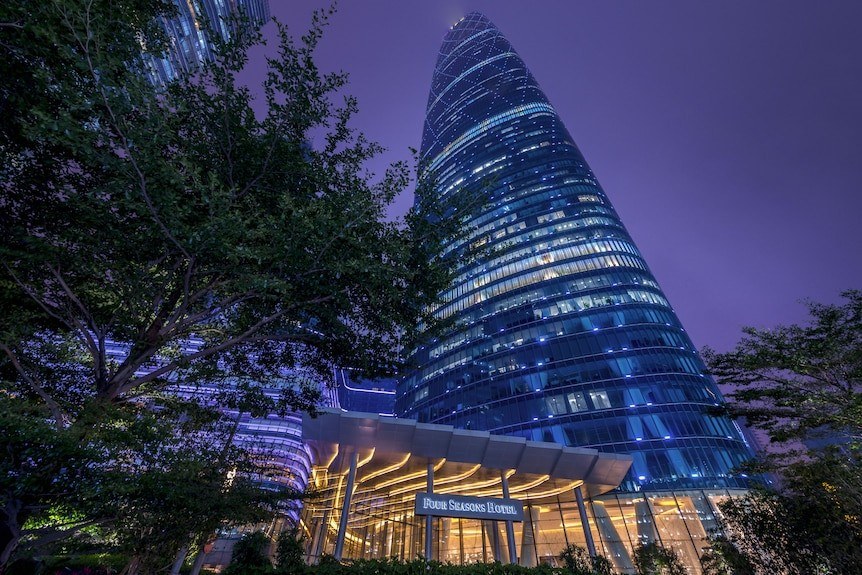
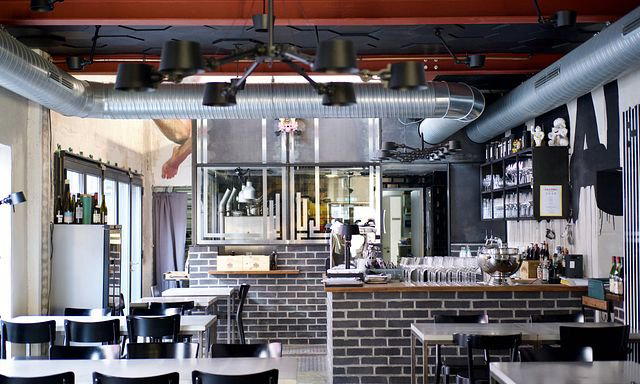
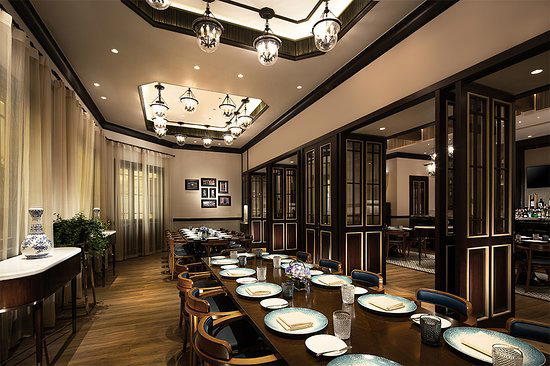
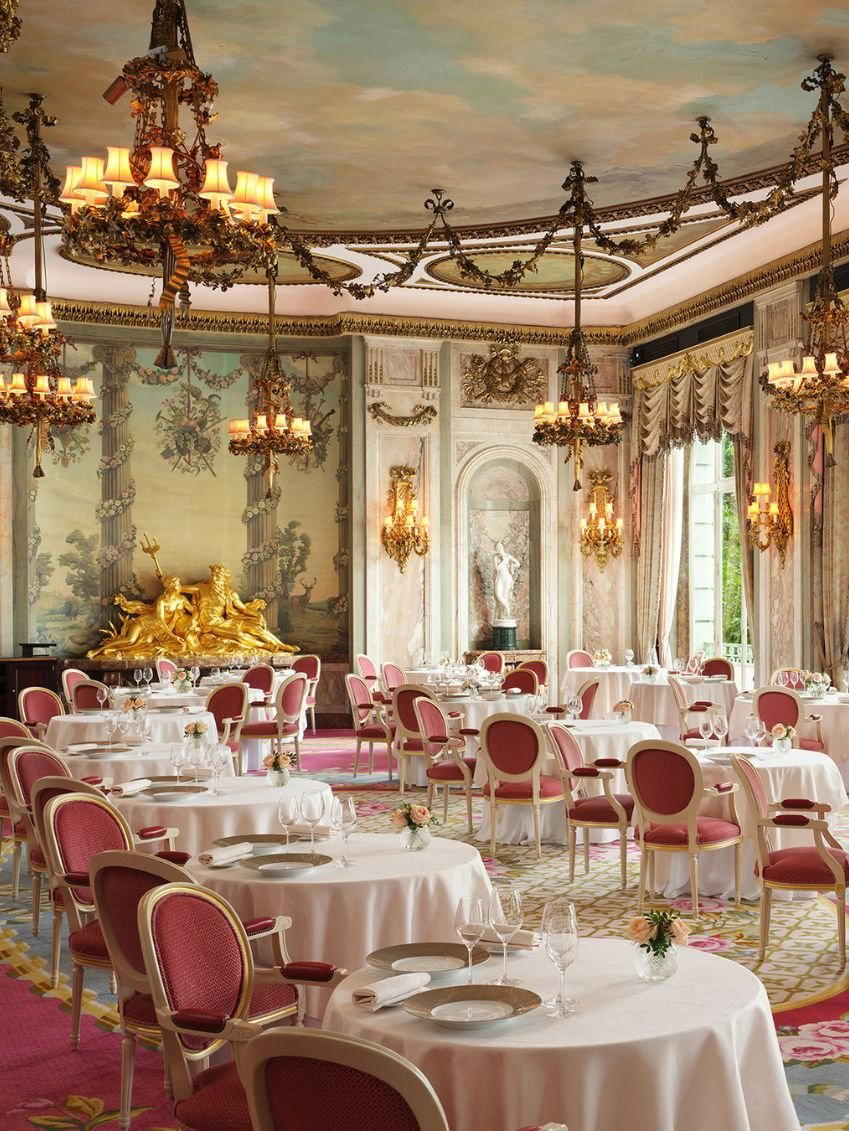
Plant-Based Kitchen sits in Guangzhou's Zhujiang New Town — the glass-tower financial core — and presents itself with a studied restraint that runs counter to the area's banquet-led register. The room signals serious dining intent: prices and presentation place it firmly in the fine-dining bracket, while the kitchen treats vegetables as technical, demanding ingredients rather than substitutes. The result is an elegant, quietly focused atmosphere where precision and transformation are the point of interest. Service and plating mirror that discipline, making the room feel purposeful and composed rather than flashy.
Best For
This is a restaurant for diners who come for food-first experiences and structured, formal meals. Its location in a corporate district and the ¥¥¥ price tier make it a sensible choice for business dinners and other important gatherings where impression and culinary rigor matter. It's also well suited to special-occasion meals for groups who want to explore contemporary vegetarian fine dining — guests who appreciate technique, multi-course sequencing and dishes that prioritize transformation over familiar substitutions will get the most from a visit.
Ordering Tips
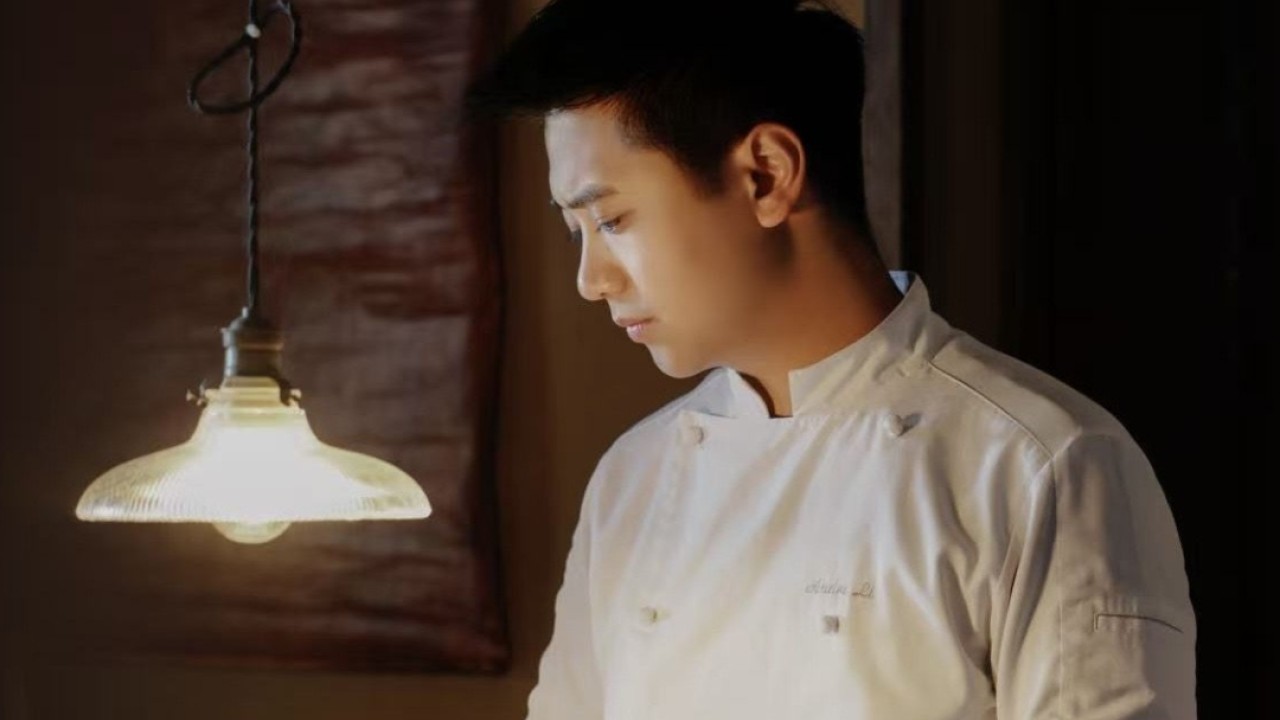
Start by sampling the kitchen's signature items that showcase its technical approach — the nori roll with water bamboo, lotus root, water chestnut and watershield is explicitly listed and worth trying. Look for dishes that call out fermentation, smoking, high-heat roasting and long braising; the menu positions those techniques as the central argument for its plant-based cuisine. Because the room is presented as a ¥¥¥ fine-dining venture, expect composed courses and ask servers about the cooking methods used when you want context for particularly transformative preparations.
Venue details
Ambiance
Minimalist and quiet dining room with restrained lighting focused on ingredient colors, fostering an intimate counter seating experience.
Tags
Vibe
Best For
Experience
At the Table
- Dress Code
- Smart Casual
- Noise Level
- Quiet
- Service Style
- Upscale Casual
- Meal Pacing
- Leisurely
- Capacity
- Intimate
- Kitchen
- Modern
- Menu Format
- Tasting menu, Counter dining
- Dietary
- Vegan options
Signature Dishes
nori roll with water bamboo, lotus root, water chestnut and watershield
Know before you go
Know Before You Go
- Getting there
- 105 Huaxun St, 珠江新城 Tianhe District, Guangzhou, Guangdong Province, China, 510627
Planning details
Location
105 Huaxun St, 珠江新城 Tianhe District, Guangzhou, Guangdong Province, China, 510627 · Directions
Recognition and awards
Also consider
Where to go if this is not the right fit
Pick Soodle if the group wants vegetarian food at a lower price tier and does not need the meal to feel occasion-led. Choose Zen Tea when the room and pace matter more than restaurant polish.
Restaurant context
How it compares with Guangzhou vegetarian restaurants
Plant-Based Kitchen is the higher-commitment Guangzhou choice against Soodle, Tian Shui, Zen Tea, and Gu Yuan. Those four sit at ¥¥, so they make more sense for casual lunches, solo meals, and lower-risk group plans. Plant-Based Kitchen is the better fit when the vegetarian meal itself is the point and the group is comfortable with a higher spend.
Yuan is the closest price-tier comparison at $$$, but it is not the practical Guangzhou fallback from the provided. If location inside Guangzhou matters, Plant-Based Kitchen has the stronger use case. If value matters more than recognition, Soodle, Tian Shui, Zen Tea, or Gu Yuan are cleaner choices.
Booking difficulty is marked easy, so this is less of a chase table than a planning choice. Use it for a more polished vegetarian dinner; use the ¥¥ peers when the group wants flexibility, a lighter bill, or a simpler room.
Explore Guangzhou
Around this place
Discover more on Pearl
Unlock the full Plant-Based Kitchen guide in Pearl, including awards, comparisons, FAQs, planning details, and nearby places.
Compare Plant-Based Kitchen
| Venue | Location | Cuisine | Awards | Price |
|---|---|---|---|---|
| Plant-Based Kitchen | Guangzhou | Vegetarian | Michelin Guide Guangzhou & Shenzhen 20262025 Michelin Plate | ¥¥¥ |
| Soodle | Guangzhou | Vegetarian | 2025 Michelin Bib Gourmand2024 Michelin Bib Gourmand | ¥¥ |
| Yuan | Hong Kong | Vegetarian | Michelin Guide Hong Kong & Macau 20262025 Michelin Plate2024 Michelin Plate | $$$ |
| Tian Shui | Guangzhou | Vegetarian | Michelin Guide Guangzhou & Shenzhen 20262026 Black Pearl 1 Diamond2025 Michelin Plate2025 Black Diamond 1 Diamond2024 Michelin Plate | ¥¥ |
| Zen Tea | Guangzhou | Vegetarian | No published awards | ¥¥ |
| Gu Yuan | Guangzhou | Vegetarian | Michelin Guide Guangzhou & Shenzhen 20262025 Michelin Plate | ¥¥ |
.png?width=1200&quality=80)


How Plant-Based Kitchen Guangzhou compares with similar nearby venues.
FAQ
Frequently Asked Questions
What should a first-timer know about Plant-Based Kitchen?
Go in expecting a vegetarian restaurant in Guangzhou with a Michelin Plate (2025), smart casual dress code, and a ¥¥¥ price tier. It also runs late, with hours to 1 AM most days and 2 AM on Friday and Saturday.
Is the tasting menu worth it at Plant-Based Kitchen?
The restaurant’s menu format is not specified here. If that matters, check directly before going. What is clear is that Plant-Based Kitchen is a vegetarian restaurant in Guangzhou with Michelin Plate recognition and ¥¥¥ pricing.
Does Plant-Based Kitchen handle dietary restrictions?
The cuisine type is explicitly vegetarian. For stricter needs or specific accommodation questions, contact the restaurant before going, because additional dietary rules are not specified.
Is Plant-Based Kitchen good for solo dining?
It can be, especially if a solo meal in Guangzhou should be vegetarian and more deliberate than casual. The late hours and Michelin Plate recognition are useful factors to consider.
What are alternatives to Plant-Based Kitchen?
Soodle, Tian Shui, Zen Tea, Gu Yuan, and Yuan are natural comparison points to consider when building a broader shortlist. Choose Plant-Based Kitchen if you want a Guangzhou vegetarian restaurant with Michelin Plate recognition and are comfortable with the ¥¥¥ tier.
Is Plant-Based Kitchen worth the price?
It may be worth it if you want a recognized vegetarian meal in Guangzhou and are comfortable with the ¥¥¥ tier. The Michelin Plate gives it a useful decision signal, but value will depend on your budget and expectations.
Is Plant-Based Kitchen good for a special occasion?
Yes, if the occasion is centered on vegetarian dining in Guangzhou. The Michelin Plate, smart casual dress code, and late closing hours make it a reasonable candidate.