
Restaurant in Posusje, Bosnia and Herzegovina
Grill Kostro
100ptsKarst-Country Open Fire
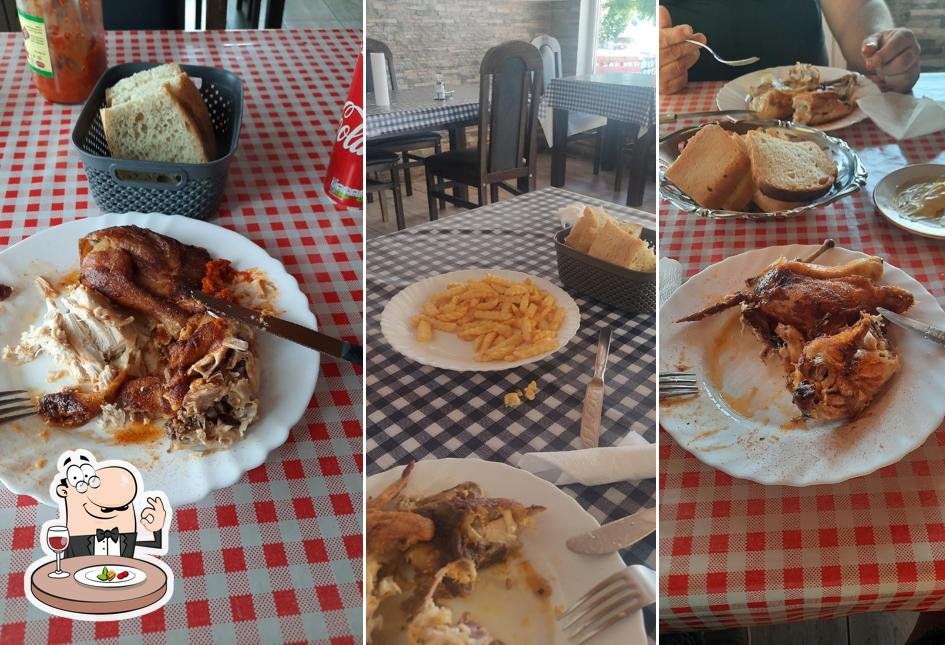
About Grill Kostro
Where Western Herzegovina Meets the Grill Posusje sits in the limestone heart of western Herzegovina, a municipality defined by karst terrain, tobacco fields, and the kind of self-sufficient agricultural tradition that shaped Herzegovinian...
Where Western Herzegovina Meets the Grill
Posusje sits in the limestone heart of western Herzegovina, a municipality defined by karst terrain, tobacco fields, and the kind of self-sufficient agricultural tradition that shaped Herzegovinian cooking long before anyone thought to write menus. In this part of Bosnia and Herzegovina, the grill is not a cooking technique so much as a cultural institution, and the towns that line the road between Mostar and the Croatian border each maintain their own version of it. Grill Kostro, located at the 88240 Posusje address in the town centre, occupies a position inside that local tradition rather than outside it, which is where most worthwhile eating in this region actually happens.
The approach to a grill house in western Herzegovina carries a particular character. Smoke arrives before the sign does, and the interior logic tends toward the practical: surfaces that clean easily, light that functions rather than flatters, and a noise level calibrated to conversation rather than theatre. This is not the kind of dining context where the room is constructed to impress on entry. What holds attention instead is the sourcing and the fire, and in towns like Posusje, the supply chain between farmer and grill is short by the standards of any European city you might care to compare.
The Ingredient Argument in Herzegovina
Herzegovinian grilling draws much of its credibility from proximity to source. The region sits at a geographic junction where Dalmatian coastal influence, Bosnian highland tradition, and Central European livestock-rearing practice converge. Lamb raised on the herb-rich limestone pastures of the Dinaric range has a flavour profile that reflects that terrain directly. The same applies to veal and beef from smaller family operations in the surrounding villages. In a food culture where industrial supply chains never fully displaced smallholder agriculture, the distance between an animal grazing on karst grassland and the same animal appearing over charcoal can be measured in kilometres rather than supply-chain tiers.
For context, places like Restaurant Goranci in Mostar and Konoba ROGIC in Trn operate within the same regional sourcing logic, where the identity of the food is inseparable from its agricultural geography. In that sense, Grill Kostro participates in a broader Herzegovinian conversation about meat, fire, and provenance that predates any modern farm-to-table framing. The framing was always implicit. The tradition did not need a label.
Grilled meats in this tradition arrive without elaborate accompaniment. The side work, typically some form of fresh salad, raw onion, and flatbread, exists to support the central argument rather than dilute it. This restraint is a feature, not an absence of ambition. The same structural simplicity appears across the region, from the roadside grills of the Neretva valley to the sit-down operations in Konjic, where Zeks Doner handles a different format of the same meat-centred idiom.
Posusje in the Regional Dining Picture
Western Herzegovina does not generate significant international dining press, which means the eating here is not priced or positioned for outside audiences. Restaurants in Posusje, including Grill Kostro, operate inside a local economy where value is assessed by residents who eat there regularly, not by visitors constructing a one-time experience. That distinction tends to produce honest cooking at honest prices, because the customer base returns and has a long memory. It also means that the credentials worth examining are local ones: consistency over time, reliability of supply, and reputation within the community rather than on any international award circuit.
For comparison, the award-dense environments at counters like Le Bernardin in New York City or 8 1/2 Otto e Mezzo Bombana in Hong Kong operate inside entirely different competitive structures, where the audience is global and pricing reflects that. A grill house in Posusje is not competing in that tier, nor is it trying to. The value proposition is different in kind, not just in degree. Knowing which tier you are eating in is part of reading any food scene accurately.
The broader Bosnia and Herzegovina dining scene, which you can trace through venues like Caffe Restaurant Soho in Istocno Sarajevo, burgrs Sarajevo, and Kazamat in Banja Luka, shows considerable range across formats and price points. Our full Posusje restaurants guide maps the local options more completely for anyone planning a stop in the municipality.
Planning a Visit
Posusje is accessible by road from Mostar to the east and Split to the west, making it a logical stop on the route between coastal Croatia and the Herzegovinian interior. The town itself is not a destination built around tourism infrastructure, which means visitors travelling specifically to eat should plan accordingly: confirm hours before arrival, since specific trading times are not centrally published, and arrive with cash given that card payment infrastructure in smaller Herzegovinian towns is not uniformly reliable. Tables at local grill houses in towns of this size tend to fill around midday and again in the early evening, following the rhythms of the local working day rather than peak tourist hours. For context on comparable road-stop eating experiences in the region, Bistro Stari Grad in Metkovic offers a reference point just across the Croatian border, and Neskovic in Foca represents the eastern Bosnian equivalent of this kind of local institution.
Frequently Asked Questions
Is Grill Kostro suitable for children?
In a town like Posusje, where grill houses are family dining venues rather than adult-only establishments, this kind of restaurant is typically child-friendly by default.
What is the atmosphere like at Grill Kostro?
If you arrive expecting the ambient construction of a city restaurant, this is the wrong frame. Herzegovinian grill houses in towns of Posusje's scale tend to be direct and functional, with the energy focused on the food and the table rather than the room. That said, local institutions in this tradition often carry a genuine warmth that comes from serving the same community over many years, which is a different kind of atmosphere than anything a designer can engineer.
What do regulars order at Grill Kostro?
Without confirmed menu data, the honest answer draws on regional pattern rather than venue-specific detail. Across Herzegovinian grill houses, regulars anchor their order to the mixed grill formats common to Balkan meat tradition, including cevapi, pljeskavica, and roasted meats, because these are the dishes that test a grill kitchen's consistency and sourcing quality most directly.
How hard is it to get a table at Grill Kostro?
Call ahead if you are making a specific trip. Posusje is not a high-tourism municipality, so the booking pressure familiar from Sarajevo or Mostar dining does not apply here, but local lunchtime demand at well-regarded grill houses can fill a room quickly on weekdays.
What is Grill Kostro known for?
In the absence of documented awards or published reviews, the most reliable read is contextual: grill houses in western Herzegovina that maintain a local following over time do so on the strength of their sourcing and their fire management, and that is the frame through which Grill Kostro is leading understood within the Posusje eating scene.
Is Grill Kostro the kind of place worth stopping at specifically, or is it better as part of a broader Herzegovinian itinerary?
The honest answer is that Posusje rewards the kind of traveller who is already moving through the Mostar-to-coast corridor rather than building a detour around a single venue. Within that itinerary, a meal at a local grill house like Grill Kostro delivers something that the more internationally known options in the region, such as "Garden" Restaurant in Mokro or Arigato in Sarajevo, do not specifically offer: a direct encounter with Herzegovinian grill tradition operating at a local rather than visitor-facing register. That has its own value if you are eating your way through Bosnia and Herzegovina with any seriousness. See also Coffee Zone in Tuzla for the kind of local institution that fills a similar role in a different Bosnian city context, and Emeril's in New Orleans or Lazy Bear in San Francisco for entirely different reference points on how regional food identity translates into a restaurant format.
Related editorial
- Best Fine Dining Restaurants in ParisFrom three-Michelin-star icons to the next generation of Parisian chefs pushing boundaries, these are the restaurants that define fine dining in the world's culinary capital.
- Best Luxury Hotels in RomeFrom rooftop terraces overlooking ancient ruins to Michelin-starred hotel dining, these are the luxury hotels that make Rome unforgettable.
- Best Cocktail Bars in KyotoFrom sleek lounges to hidden speakeasies, Kyoto's cocktail scene blends Japanese precision with global influence in ways you won't find anywhere else.
Save or rate Grill Kostro on Pearl
Keep this venue in your Pearl passport, rate it after you visit, and track it alongside every other place you collect.