.png?width=1200&quality=80)

Richard Rivalee
Peranakan · George Town
Restaurant in George Town, Malaysia
 Book with Pearl
The Read
Heritage Nyonya Precision
Price
$20–30per person
Dress
Smart Casual
Why go
A Michelin Plate-recognised Nyonya restaurant in a heritage George Town shophouse, Richard Rivalee delivers precise, homespun Peranakan cooking at $$ pricing. Post-Michelin demand makes this a near-impossible reservation: book before you arrive. For food-focused travellers serious about Penang-Nyonya cuisine, it earns the planning effort.
About Richard Rivalee
Should You Book Richard Rivalee?
Seats here are finite, and demand from both locals and visitors following the 2024 and 2025 Michelin Plate recognitions has made walk-in dining a gamble not worth taking. Book before you land in George Town. If you leave it to the day of arrival, you will almost certainly be looking for a fallback. The $$ price range makes the planning effort low-risk: this is not a splurge decision, it is a logistics one.
The short answer on whether to book: yes, particularly if Peranakan cuisine is the reason you are in Penang, and you want a restaurant that treats the tradition seriously rather than packaging it for tourist throughput.
The Space
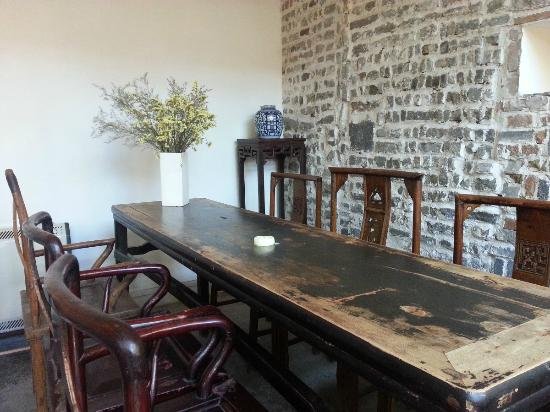
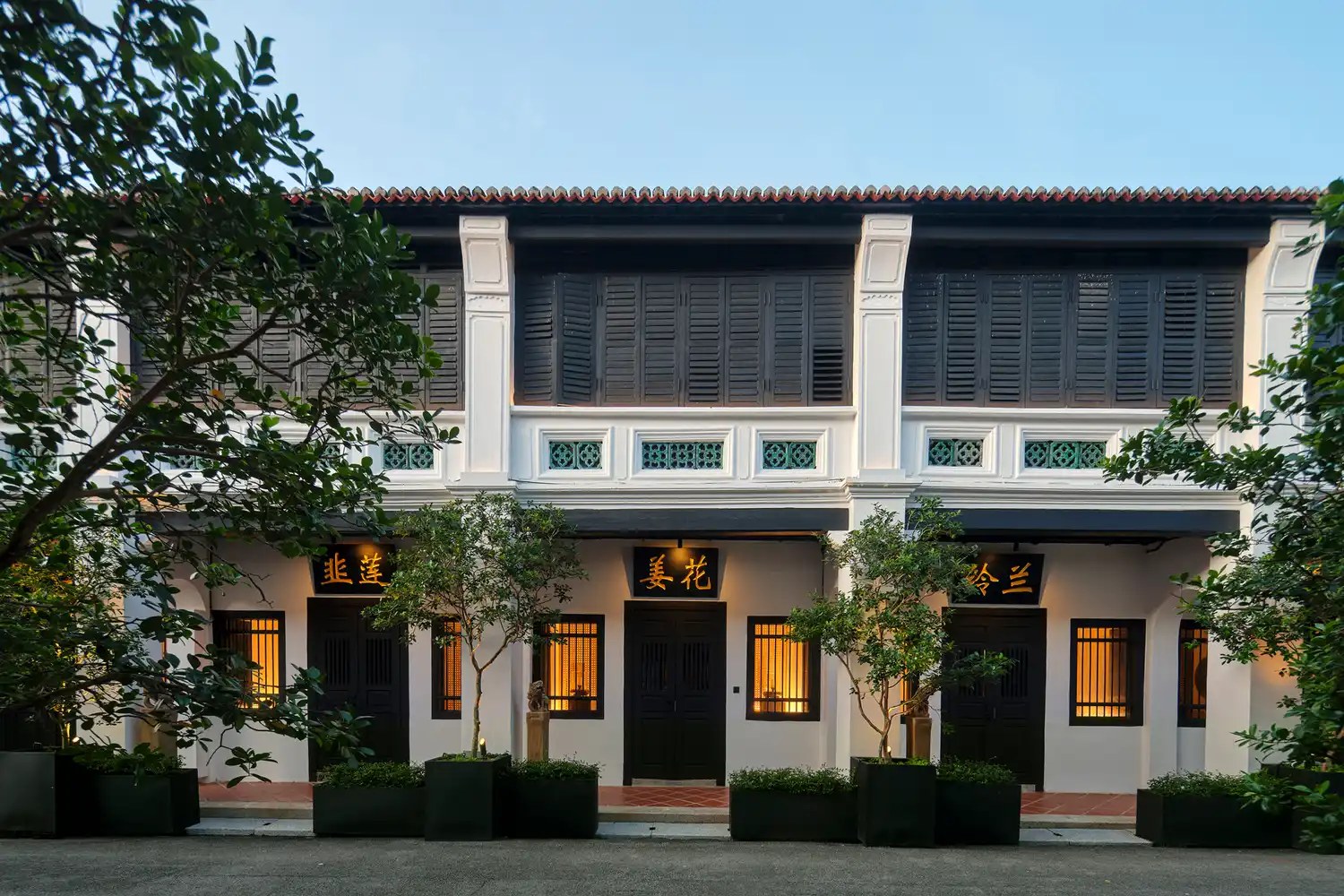
Richard Rivalee occupies heritage shophouse premises at 62 and 64 Lorong Macalister, a quieter pocket of George Town that sits away from the most photographed stretches of the old city. The interiors draw on Baba-Nyonya material culture: the knickknacks, the inherited furniture, the layered visual language of a community that formed through centuries of cultural exchange between Chinese settlers and the Malay Peninsula. The space reads as a considered personal collection rather than a decorator's interpretation of heritage, which matters: there is a difference between a room that references a culture and one that lives inside it. For the food-and-travel enthusiast who has already been to the shophouse-conversion restaurants on Armenian Street, this distinction will be apparent immediately.
The vintage setting also sets realistic expectations for the room's scale. This is not a large restaurant. The heritage premises define the floor plan, and that floor plan does not accommodate big parties easily. Solo diners and pairs will find it comfortable; groups of four or more should factor in the physical constraints of the space when deciding whether Richard Rivalee or a larger venue better fits the occasion.
The Food
The cuisine is Nyonya: the home-cooking tradition of the Peranakan community, built on a foundation of aromatics, fermented ingredients, and spice blends that take significant time and skill to execute correctly. The dishes are deceptively simple and homespun, finessed with precise seasoning. The otak-otak, a savoury fish egg custard, is specifically cited: velvety in texture, calibrated in heat. That combination of textural control and spice balance is not easy to achieve at scale, and it signals a kitchen that is paying attention to the details that distinguish Nyonya cooking from its casual approximations.
One practical note that also reflects a thoughtful service philosophy: most items are available in two portion sizes to reduce food waste. For solo diners or couples who want to try more dishes without over-ordering, this is a genuinely useful feature, and it is the kind of operational choice that signals a restaurant thinking about the actual dining experience rather than just cover turnover.
For context on how Richard Rivalee sits within the broader Peranakan dining category, Candlenut in Singapore and Pangium in Singapore represent the fine-dining end of the tradition. Richard Rivalee operates at a different register, more personal, less formal, priced at $$, and rooted in the specific Penang-Nyonya variant of the cuisine rather than the broader Peranakan spectrum. If you want tablecloth Peranakan, Singapore is the answer. If you want Penang Nyonya cooking with genuine cultural grounding at a reasonable price, Richard Rivalee is the stronger call.
Service and Value
The editorial angle here matters. The connection to fashion designer Richard Rivalee's personal passion for Nyonya culture suggests a host-driven warmth rather than a trained-for-service hospitality. That is a meaningful distinction: you are likely to get knowledgeable, invested attention in a room where the owner's identity is woven into the concept, rather than the polished but impersonal service of a restaurant that has been professionally staffed for scale.
For a $$ Peranakan restaurant in George Town, that service philosophy earns its place. It reinforces the food's authenticity rather than undercutting it. Compare this to Auntie Gaik Lean's Old School Eatery, which operates in the same cuisine category and price tier, both reward the diner who asks questions. The difference is largely in the physical space and the degree to which the founder's personal narrative shapes the room. Neither is the wrong choice; they are different expressions of the same culinary tradition.
Other George Town Peranakan options worth knowing: Bibik's Kitchen, Ceki, Ivy's Nyonya Cuisine, and Flower Mulan round out the category if Richard Rivalee is full or you are building a multi-day eating itinerary across the city.
Booking
Booking difficulty is rated Near Impossible. Given the scale of the heritage shophouse and the post-Michelin attention the restaurant now receives, this is not an exaggeration to manage expectations, it is the operational reality. Book as far in advance as your travel plans allow, and confirm closer to your arrival date. If you are visiting George Town specifically for the food scene, align your restaurant bookings before your flights, not after.
For further planning across the city and region, see our full George Town restaurants guide, our George Town hotels guide, our George Town bars guide, and our George Town experiences guide. For broader Malaysia context, Dewakan in Kuala Lumpur, Christoph's in Penang, and The Planters at The Danna in Langkawi are worth knowing depending on your itinerary.
Quick reference:
Planning details
- Hours
- Monday: 11:30 AM–2 PM, 6–9 PM · Tuesday: Closed
- Location
- 62 & 64, Lorong Macalister, George Town, 10400 George Town, Pulau Pinang, Malaysia
- Website
- facebook.com/richardrivaleedesignerandchef
- Phone
- +60 4-227 4888
The take
The Take
The Vibe
Richard Rivalee occupies two shophouse units on a quieter stretch of Lorong Macalister, and it presents Peranakan culture as a lived-in inheritance rather than a staged theme. The facade reads more like a private home or design studio, and the interior leans on heritage furniture, personal knickknacks and a worn-in spatial confidence that feels decades old. The chef-owner's background in fashion and textile traditions gives the place a design-aware polish without erasing the domestic scale; the overall effect is intimate, warm and quietly historic: a refined neighborhood spot that privileges authenticity over theatrical presentation.
Best For
This is a spot that suits intimate dinners and small celebrations where the focus is on shared, home-style Peranakan cooking. Its residential street setting and domestic-scale rooms make it comfortable for date nights and family meals that favor conversation over spectacle. The design-led touches give special-occasion meals a considered backdrop without feeling formal; diners who appreciate cultural storytelling through food and textiles will find the setting especially rewarding. Because the space reads like a private home, reservations for small groups help ensure the experience remains relaxed and personal.
Ordering Tips
Dining at Richard Rivalee favors a family-style approach: share plates and mains so everyone can sample the house specialties. Start with Otak-otak and Jiu Hu Char to get contrasting textures and flavors, then move to a coconut-rich Kari Kapitan or the homely Babi Pongteh as mains. Finish with the Sago Pudding with Gula Melaka for a classic Peranakan sweet note. Portions and the domestic-scale service encourage sharing, so ordering several dishes to pass around is the best way to experience the menu.
Venue details
Ambiance
Intricately carved wooden details, chandeliers, mosaic floors, and colorful walls create a luxurious yet intimate atmosphere that reflects traditional Peranakan aesthetics; well-spaced tables and attentive service enhance the refined, relaxed ambiance.
Tags
Vibe
Best For
Experience
Sourcing
Accessibility
At the Table
- Dress Code
- Smart Casual
- Noise Level
- Conversational
- Service Style
- Upscale Casual
- Meal Pacing
- Leisurely
- Capacity
- Small
- Kitchen
- Traditional
- Menu Format
- A la carte, Set menu
- Dietary
- Vegetarian friendly, Pescatarian friendly, Allergy accommodating
Signature Dishes
- Kari Kapitan
- Otak-otak
- Jiu Hu Char
- Babi Pongteh
- Sago Pudding with Gula Melaka
Know before you go
Know Before You Go
- Getting there
- 62 & 64, Lorong Macalister, George Town, 10400 George Town, Pulau Pinang, Malaysia
Planning details
Hours
- Monday
- 11:30 AM–2 PM, 6–9 PM
- Tuesday
- Closed
- Wednesday
- Closed
- Thursday
- 11:30 AM–2 PM, 6–9 PM
- Friday
- 11:30 AM–2 PM, 6–9 PM
- Saturday
- 11:30 AM–2 PM, 6–9 PM
- Sunday
- 11:30 AM–2 PM, 6–9 PM
Location
62 & 64, Lorong Macalister, George Town, 10400 George Town, Pulau Pinang, Malaysia · Directions
Recognition and awards

Also consider
Also Consider
- Au Jardin: European Contemporary, $$$
- Auntie Gaik Lean's Old School Eatery: Peranakan, $$
- Ah Boy Koay Teow Th'ng: Street Food, $
- Aria: Modern American, Modern American
- Communal Table by Gēn: Malaysian, $$
Restaurant context
Within George Town's Peranakan category, Auntie Gaik Lean's Old School Eatery is the most direct comparison: same cuisine, same $$ price tier, and a similar reputation for authenticity. The difference is largely in tone and physical character: Auntie Gaik Lean's has a more canteen-like informality, while Richard Rivalee's heritage interiors and founder-driven concept give the meal a more personal frame. Both are hard to book. If you can only get one, choose based on atmosphere preference rather than food quality, as both take the cooking seriously.
For a step up in formality and price, Au Jardin at $$$ offers European Contemporary cooking in a George Town heritage setting: a different cuisine entirely, but relevant if your group includes diners who are not committed to Peranakan food. Au Jardin is the right call for a special-occasion dinner where the whole table needs to agree on the direction. Richard Rivalee is the better choice when Nyonya cuisine is specifically the point. Communal Table by Gēn at $$ covers broader Malaysian territory and may be easier to book for larger groups who find Richard Rivalee's shophouse scale restrictive.
At the other end of the spectrum, Ah Boy Koay Teow Th'ng at $ represents George Town's street-food register: no booking required, completely different format, but essential context for understanding the city's food range. If you are building a multi-meal George Town itinerary, combining a street-food lunch with a Richard Rivalee dinner is a more coherent plan than trying to eat two sit-down Peranakan meals in the same day. Richard Rivalee is the stronger choice for a considered evening meal where the $$ price point and Michelin recognition align with what you are trying to experience.
Explore George Town
Around this place
Discover more on Pearl
Unlock the full Richard Rivalee guide in Pearl, including awards, comparisons, FAQs, planning details, and nearby places.
Compare Richard Rivalee
| Venue | Location | Cuisine | Awards | Price |
|---|---|---|---|---|
| Richard Rivalee | George Town | Peranakan | 2026 Michelin Plate2025 Mena's 50 Best Restaurants · #132025 Michelin Plate2024 Michelin Plate | $$ |
| Au Jardin | George Town | European Contemporary | 2026 Asia's 50 Best Restaurants · #392026 OAD Top Restaurants in Asia Ranked · #118Star Wine Lists 20262026 Michelin 1 Star2026 La Liste Top Restaurants2025 Asia's 50 Best Restaurants · #100Tatler Best Restaurants Asia-Pacific 20252025 The Best Chef One Knife2025 Michelin 1 Star | $$$ |
| Auntie Gaik Lean's Old School Eatery | George Town | Peranakan | 2026 Michelin 1 Star2025 Michelin 1 Star2024 Michelin 1 Star | $$ |
| Ah Boy Koay Teow Th'ng | George Town | Street Food | 2026 Bib Gourmand2025 Michelin Bib Gourmand2024 Michelin Bib Gourmand | $ |
| Aria | George Town | Modern American | 2026 Michelin Plate2025 Michelin 1 Star2025 Michelin Plate | |
| Communal Table by Gēn | George Town | Malaysian | Star Wine Lists 20262026 Bib Gourmand2025 Michelin Bib Gourmand2024 Michelin Bib Gourmand | $$ |






.png?width=1200&quality=80)

How Richard Rivalee George Town compares with similar nearby venues.
FAQ
Frequently Asked Questions
Is Richard Rivalee good for solo dining?
Yes, and the $$ price point makes it low-risk to go alone. The heritage shophouse setting with its Baba-Nyonya knickknacks gives solo diners plenty to take in between courses. The two portion sizes on most items mean you can order more dishes without waste: a practical advantage when eating alone. Book ahead regardless; post-Michelin demand has tightened availability.
What should a first-timer know about Richard Rivalee?
This is Nyonya home cooking, aromatic, spice-forward, and built on fermented ingredients, not a fusion or fine-dining interpretation of Peranakan food. Richard Rivalee holds a Michelin Plate for 2024 and 2025, so expect considered execution rather than casual warung quality. The premises are a heritage shophouse at 62 and 64 Lorong Macalister, and the décor reflects genuine Baba-Nyonya material culture. Walk-ins are a gamble; booking in advance is the move.
What should I wear to Richard Rivalee?
The venue is a smart vintage joint, so clean, presentable casual fits the room: think neat shirt or blouse rather than beachwear or office formal. George Town's heat is a practical factor, so light layers work better than heavy fabric.
What should I order at Richard Rivalee?
The otak-otak, a savoury fish egg custard, is specifically documented as a standout dish, combining a velvety texture with calibrated heat. Beyond that, the kitchen focuses on Nyonya cooking built on aromatics, fermented ingredients, and spice-driven sauces, so leaning into those flavour profiles is the right strategy for a first visit. Most items come in two portion sizes, so ordering broadly across the menu is both practical and encouraged.
Can Richard Rivalee accommodate groups?
The heritage shophouse format at 62 and 64 Lorong Macalister can seat groups, but the space is finite and post-Michelin demand has made reservations competitive. Groups of four or more should book well in advance and confirm any specific layout requests directly with the restaurant. The $$ price range makes it a reasonable group option on cost, but availability rather than spend is the main constraint to plan around.