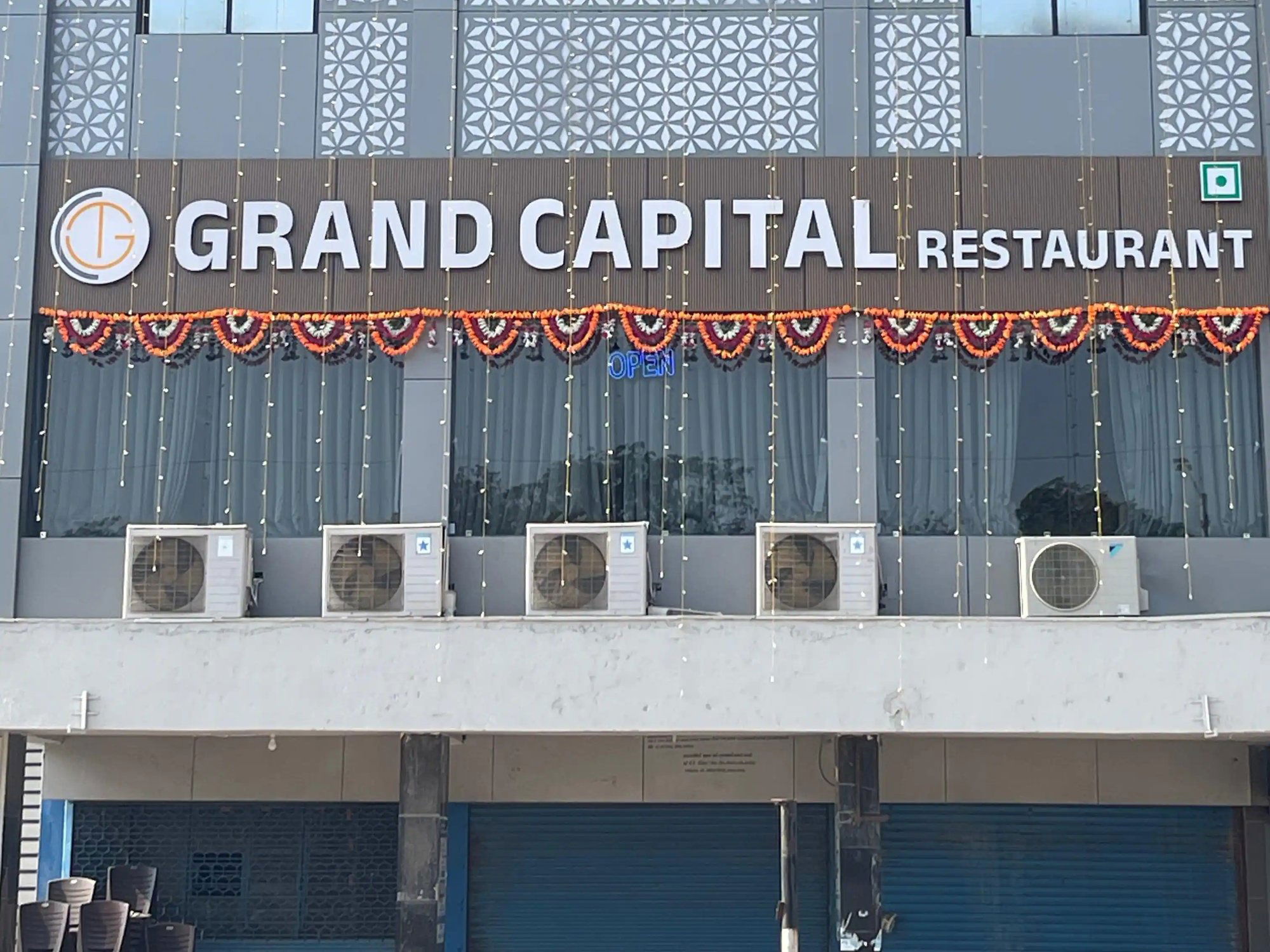
THE GRAND CAPITAL RESTAURANT
Sector 16, Gandhinagar, Gandhinagar
Restaurant in Gandhinagar, India
 Book with Pearl
The Read
Dress
Casual
Why go
A practical Gandhinagar pick when timing and convenience matter more than a defined cuisine or special-occasion signal. Use it for an easy lunch or dinner in Sector, especially for first-timers who want a low-friction sit-down meal; cross-shop Cilantro's Global Cuisine Restaurant or 5868 Restaurant if the group wants a clearer comparison before choosing.
About THE GRAND CAPITAL RESTAURANT
Is THE GRAND CAPITAL RESTAURANT worth considering in Gandhinagar? It can be a practical option if the priority is matching a meal to the published opening windows rather than choosing around a documented cuisine, chef, tasting format, or awards profile. The safest way to plan is around the known hours and the casual dress code.
The restaurant is in Gandhinagar. For a solo diner, a pair, or a group, the decision should therefore be based on whether the published hours fit the day and whether a casual restaurant setting is enough for the occasion.
Use the published hours as the main planning tool
THE GRAND CAPITAL RESTAURANT lists daytime and evening hours from Monday through Saturday: 7:30 AM–3:30 PM and 6:30–10:30 PM. On Sunday, the listing shows 7:30 AM–3:30 PM only. Plan within those windows rather than assuming continuous service through the afternoon or an evening opening on Sunday.
Because the cuisine, pricing, dishes, and menu format are not available, this is not the right page to use for choosing a specific regional meal or comparing signature items in advance. Treat it as a Gandhinagar restaurant with published hours and casual dress, then confirm any menu, reservation, or group-dining details directly with the venue before committing.
Who should choose it and what to compare
Choose THE GRAND CAPITAL RESTAURANT when the known hours and Gandhinagar location fit the plan. If you want to compare another option before deciding, consider 5868 Restaurant. Cilantro's Global Cuisine Restaurant, Radhika's Authentic South Indian Food, Renbasera, and Agashiye may also be worth comparing depending on the kind of meal you want; confirm each venue's current location details, hours, menu, and booking requirements before deciding. For broader local planning, Our full Gandhinagar restaurants guide is the better starting point than treating any single venue as the default.
Bottom line: consider THE GRAND CAPITAL RESTAURANT for a casual meal in Gandhinagar when the posted hours work for your schedule. Do not book it expecting details here on a chef-led format, specific dishes, prices, awards, or a special-occasion service style.
Quick reference: Gandhinagar restaurant with casual dress; hours are daytime and evening Monday–Saturday, and daytime only on Sunday.
Planning details
- Location
- FIRST FLOOR, SECTOR
- Website
- thegrandcapitalrestaurant.in
- Phone
- +918347610028
The take
The Take
The Vibe
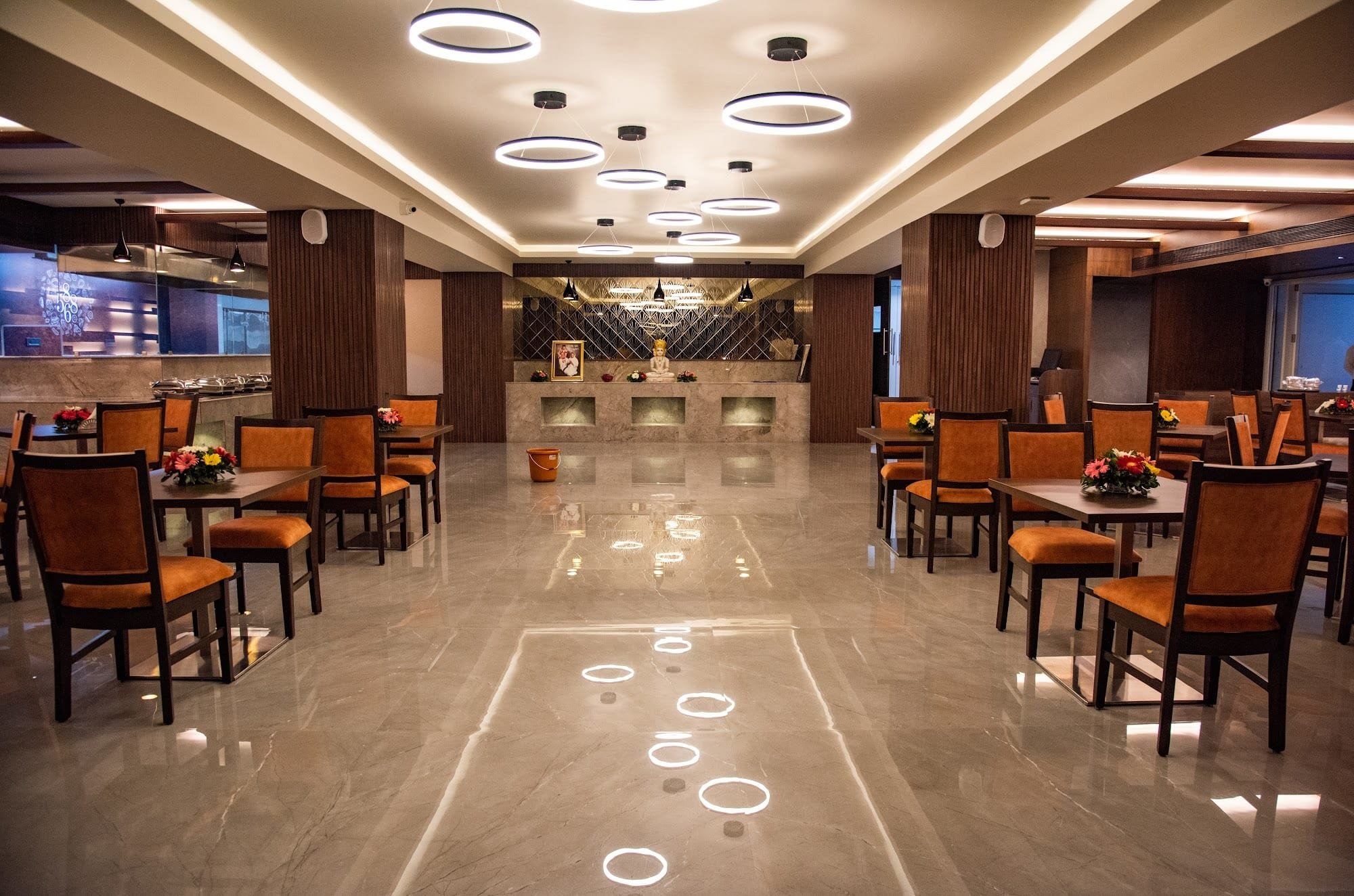
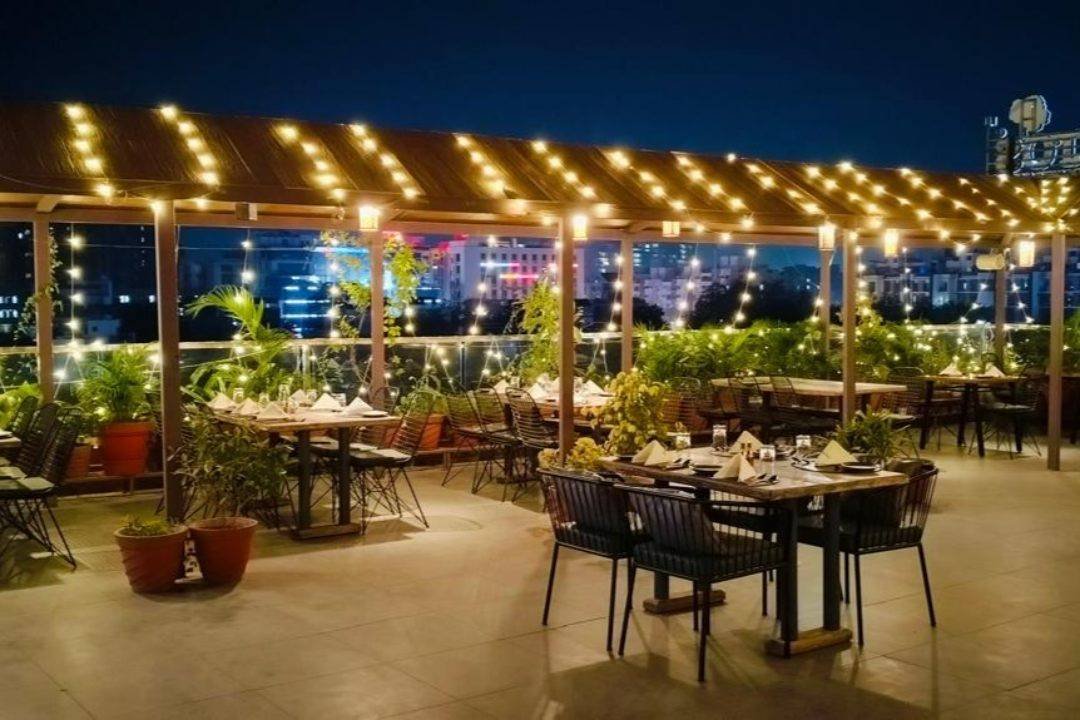
The Grand Capital sits within Gandhinagar’s quieter, disciplined dining landscape. Located on a first-floor landing, it leans into a composed, tabled experience rather than street-level bustle. The copy frames the restaurant as part of a deliberate local tradition: seated service, tablecloths, and attentive staff create an atmosphere that favors measured conversation and the rhythms of everyday professional life. Its culinary identity is rooted in Gujarati vegetarian practice, so the mood feels both locally specific and restrained—less about spectacle and more about a thoughtful, modest elegance that suits the city’s administrative character.
Best For
This is a venue that caters to the city’s working and civic life: business dinners and professional gatherings are a clear fit given its clientele of administrative and professional patrons. The seated, formal service and composed first-floor format also make it suitable for family dinners and small group meals where people expect table service and a quieter setting. It’s not positioned as a tourist hotspot or late-night hangout; instead it serves everyday social and professional occasions that benefit from an orderly, cloth-covered table and steady, attentive service.
Ordering Tips
Menus at The Grand Capital sit squarely within Gujarat’s vegetarian canon, so lean into regional specialties. Look for signature preparations named in the profile—dal dhokli, undhiyu, thepla—and a range of farsan (snack preparations) to start. The copy highlights Gujarati cuisine’s balance of sweet, sour, and spice, so order a mix of snacks and mains to experience that contrast across courses. Given the restaurant’s shared, tabled approach, plan to sample several dishes rather than a single entrée to appreciate the cuisine’s complementary flavors.
Venue details
Ambiance
Casual neighborhood dining atmosphere with satisfactory service and food quality.
Tags
Vibe
Best For
Experience
At the Table
- Dress Code
- Casual
- Service Style
- Casual
- Meal Pacing
- Standard
- Capacity
- Medium
Know before you go
Know Before You Go
- Getting there
- FIRST FLOOR, SECTOR
Planning details
Location
Also consider
Where to go if this does not fit
Try Cilantro's Global Cuisine Restaurant if the group wants a more defined cuisine direction without leaving the Gandhinagar search. Try 5868 Restaurant if the priority is simply finding another easy local option.
Restaurant context
How it compares in Gandhinagar
THE GRAND CAPITAL RESTAURANT is the practical choice in this set: easier to treat as an everyday lunch or dinner stop than a planned destination meal. Cilantro's Global Cuisine Restaurant is the better cross-shop if the group wants a more explicitly global-cuisine direction, while 5868 Restaurant is the closest local alternative for diners comparing Gandhinagar options on convenience.
Agashiye and Renbasera make more sense when the meal itself is the outing and travel outside the immediate Gandhinagar set is acceptable. Radhika's Authentic South Indian Food is the sharper pick if the craving is specifically South Indian rather than a general restaurant meal.
For value and booking ease, this venue is the low-friction option. For stronger ambiance or a more defined food brief, compare Cilantro's Global Cuisine Restaurant first, then widen to Agashiye or Renbasera only if the group is willing to make the meal a bigger plan.
Explore Gandhinagar
Around this place
Discover more on Pearl
Unlock the full THE GRAND CAPITAL RESTAURANT guide in Pearl, including awards, comparisons, FAQs, planning details, and nearby places.
Compare THE GRAND CAPITAL RESTAURANT
| Venue | Location | Awards |
|---|---|---|
| THE GRAND CAPITAL RESTAURANT | Gandhinagar | No published awards |
| Cilantro's Global Cuisine Restaurant | Gandhinagar | No published awards |
| 5868 Restaurant | Gandhinagar | No published awards |
| Agashiye | Ahmedabad | No published awards |
| Renbasera | Ahmedabad | No published awards |
| Radhika's Authentic South Indian Food | Ahmedabad | No published awards |
How THE GRAND CAPITAL RESTAURANT Gandhinagar: Hours and Basics compares with similar nearby venues.
FAQ
Frequently Asked Questions
Is THE GRAND CAPITAL RESTAURANT good for solo dining?
It may still be considered for a casual meal in Gandhinagar if the published hours fit your plan, but confirm seating and service details directly with the venue.
Can I eat at the bar at THE GRAND CAPITAL RESTAURANT?
Do not count on a bar-led visit here, since bar seating or a drinks-focused format is not available. For a meal in Gandhinagar, confirm the latest seating and service details with the venue directly.
Can THE GRAND CAPITAL RESTAURANT accommodate groups?
Group accommodation details are not available. The restaurant has published daytime and evening hours on most days, but larger parties should check directly with the venue before going.
What are alternatives to THE GRAND CAPITAL RESTAURANT?
For comparison, consider 5868 Restaurant, Cilantro's Global Cuisine Restaurant, Radhika's Authentic South Indian Food, Renbasera, or Agashiye, depending on the kind of meal and setting you want. Confirm current location details, hours, menu details, and booking requirements with each venue before deciding.
Is THE GRAND CAPITAL RESTAURANT good for a special occasion?
THE GRAND CAPITAL RESTAURANT is best considered on the basis of its Gandhinagar location, casual dress code, and published hours; for a milestone meal, compare options and confirm details directly.
Is a daytime or evening visit better at THE GRAND CAPITAL RESTAURANT?
The hours show a daytime window from 7:30 AM to 3:30 PM every day. Evening hours are listed from 6:30 PM to 10:30 PM Monday through Saturday, while Sunday evening hours are not listed. Choose based on which published window fits your schedule.
How far ahead should I book THE GRAND CAPITAL RESTAURANT?
Booking requirements are not available. Check directly with THE GRAND CAPITAL RESTAURANT for reservations, especially if you are planning for a group or a specific time. If you want to compare another option, consider 5868 Restaurant.