
.png?width=1200&quality=80)
Hostería de los Palmeros
Traditional Cuisine · Frómista
Restaurant in Frómista, Spain
 Book with Pearl
The Read
Castilian Pilgrim Table
Price
$30–50per person
Dress
Smart Casual
Why go
A Michelin Plate-recognised family restaurant in a former pilgrim hospital on the Way of St James, Hostería de los Palmeros delivers focused Castilian regional cooking — game, local legumes, and province-sourced produce — at a €€ price point that's hard to beat in northern Spain. With a 4.5 rating from over 1,200 reviews and three set menus alongside an extensive à la carte, it's the right stop for a proper occasion meal on the Camino Francés.
About Hostería de los Palmeros
Verdict: Book It for the Camino Stop You'll Actually Remember
If you've passed through Frómista before and grabbed something quick near the church, come back and do it properly this time. Hostería de los Palmeros is the restaurant on the Way of St James that rewards a second visit with the same answer as the first: sit down, order the game, and don't rush. At a €€ price point, it's among the strongest value propositions on the Spanish pilgrim route.
Portrait: Pilgrims' Hospital, Regional Table
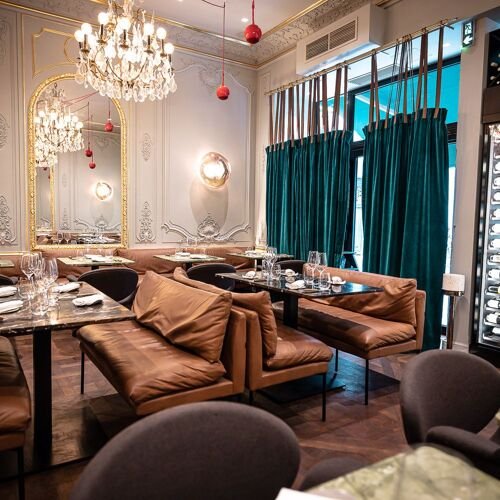
The building has been receiving travellers for centuries. Originally a hospital for pilgrims walking the Camino Francés, the space now channels that history into a dining room with rustic-classic decor that feels earned rather than staged. The stone walls and timber details are the real thing, not a renovation pastiche, and they set an appropriate tone for a kitchen that takes its regional brief seriously.
The menu reads as a focused argument for Palencia province. Alubia beans from Saldaña, vegetables grown locally, and game sourced from the surrounding Castilian countryside form the backbone of a kitchen that hasn't chased trends. Partridge, pigeon, and venison appear with the confidence of a kitchen that knows this territory. If you're coming from coastal Spain or a major city, the shift in register is noticeable: this is inland, agricultural, season-led cooking with a clear identity.
Structurally, you have two routes through the menu. The à la carte is extensive and regionally focused, giving you flexibility if your group has mixed appetites. Alternatively, three set menus (Bordón, Escarcela, and Compostela) offer a more guided progression through the kitchen's range. For a special occasion or a celebratory end-stage meal, the Compostela menu is the natural choice, though without published pricing in our data, it's worth confirming costs when you book. For solo pilgrims or pairs who want to cover more ground, the à la carte lets you mix game and vegetable dishes across the table.
Wine: Regional Depth Worth Paying Attention To
The wine program at Hostería de los Palmeros hasn't been catalogued in detail in our database, but the editorial angle here is worth flagging: a kitchen with this level of commitment to Castilian ingredients typically pairs leading with the wines of its own region. Ribera del Duero and Rueda are both within reasonable distance, and a regionally anchored list would be the natural complement to partridge and alubia beans. Ask the staff what's pouring locally before defaulting to a name you recognise. A family-run restaurant at this level, with this regional philosophy, is more likely than not to have a considered house selection rather than a generic international list. The wine is part of the decision calculus here: if you're marking a milestone on the Camino, this is a room where a good regional bottle makes the meal.
For those walking the route who want to compare wine-focused dining experiences, Atrio in Cáceres operates at an entirely different price tier but is worth knowing about if your journey continues south. Closer to the Palencia region, our full Frómista wineries guide covers local producers worth factoring into your plans.
Who Should Book
This restaurant works especially well for three types of visitor. First, pilgrims treating a rest day or a significant stage completion as a proper occasion: the building's history gives the meal a context that adds to the experience without requiring any performance. Second, travellers driving the Camino route who can plan ahead and aren't constrained by pack weight or walking schedules. Third, couples or small groups looking for a special occasion meal in northern Castile who don't want to spend €€€€ on a tasting menu in a city. The combination of Michelin recognition, regional authenticity, and accessible pricing makes a strong case.
Solo diners are accommodated, and the format of the restaurant (a proper dining room rather than a counter-only space) means you won't feel out of place. The à la carte gives solo visitors full flexibility without committing to a multi-course set menu designed for sharing.
Know Before You Go
- Price range: €€ (moderate; confirm set menu prices when booking)
- Awards: Michelin Plate 2024 and 2025
- Cuisine: Traditional regional — strong game focus (partridge, pigeon, venison), locally sourced ingredients including alubia beans from Saldaña
- Menu format: Extensive à la carte plus three set menus: Bordón, Escarcela, and Compostela
- Setting: Historic building, formerly a pilgrim hospital on the Way of St James
- Booking difficulty: Easy — but book ahead if visiting peak Camino season (spring and early autumn)
- Location: Pl. San Telmo, 4, Frómista, Palencia, Spain
- Dress code: Not specified; smart-casual is appropriate given the Michelin recognition
How to Book
Booking here is direct by the standards of recognised Spanish restaurants. If you're planning around a specific date on the route, book at least one to two weeks ahead. Outside peak season, shorter notice may be fine, but confirming in advance is always the better call for a meal you're treating as an occasion. Phone number and online booking link are not in our current database; check directly with the restaurant or use a local concierge or hotel for assistance.
For more options in the area, see our full Frómista restaurants guide, and if you're planning a wider stay, our Frómista hotels guide and experiences guide cover the practical logistics.
Alternatives Worth Knowing
If your Camino route takes you through regions with more dining infrastructure, Cave à Vin & à Manger in Narbonne and Coto de Quevedo Evolución in Torre de Juan Abad offer points of comparison in the Traditional Cuisine category at comparable or nearby price points. For Spain's leading creative end, venues like Arzak in San Sebastián, Azurmendi in Larrabetzu, and El Celler de Can Roca in Girona operate in an entirely different bracket, but Hostería de los Palmeros is not competing with them, it's doing something more specific and, for its context, doing it well.
Planning details
- Location
- Pl. San Telmo, 4, 34440 Frómista, Palencia, Spain
- Reservations
- Book on CoverManager
- Website
- hosteriadelospalmeros.com
- Phone
- +34 979 81 00 67
The take
The Take
The Vibe
Hostería de los Palmeros feels like a place that has earned its character. Housed in a former pilgrim hospital on Plaza San Telmo, the dining room’s stonework and proportions wear history plainly rather than theatrically. The decor reads as rustic-classic—well-worn tables, whitewashed surfaces, and an absence of deliberate affectation—so the room feels quietly charming and authentic. The surrounding Castilian meseta and the town’s Romanesque landmarks give the restaurant a rooted sense of place; it presents regional cooking in an atmosphere that privileges provenance and the slow accumulation of use over trend-led design.
Best For
This is a restaurant for visitors who want to taste the region in its local setting: pilgrims and travelers passing through Frómista, couples or small groups seeking a solid regional meal, and families who appreciate traditional Castilian fare. The building’s history and measured atmosphere make it suited to deliberate, unhurried meals rather than noisy nights out. Because the kitchen leans on seasonal, locally sourced ingredients and game that arrives with the hunting calendar, many diners treat visits as a way to experience the province’s culinary identity rather than a quick bite.
Ordering Tips
Order with the season in mind: the kitchen highlights Castilian staples and provenance—alubia beans from Saldaña, vegetables from Palencia, and game (partridge, pigeon, venison) during hunting season. Signature items such as lechazo and the region’s game are reliable choices that reflect the restaurant’s commitment to local ingredients. If you want a concentrated sense of place, focus on dishes that name their source (the Saldaña beans, provincial vegetables) and ask about what’s in season; the menu’s architecture is built around those regional components.
Venue details
Ambiance
Rustic-classic decor in a historic building with a cozy, welcoming atmosphere.
Tags
Vibe
Best For
Experience
Sourcing
View
Accessibility
At the Table
- Dress Code
- Smart Casual
- Noise Level
- Quiet
- Service Style
- Upscale Casual
- Meal Pacing
- Leisurely
- Capacity
- Medium
- Kitchen
- Traditional
- Menu Format
- A la carte, Set menu
- Wine Program
- Curated
- Drinks Focus
- Wine
- Dietary
- Vegetarian friendly
- Private Dining
- Available
- Outdoor Seating
- Yes
Signature Dishes
- partridge
- pigeon
- venison
- lechazo
Know before you go
Know Before You Go
- Getting there
- Pl. San Telmo, 4, 34440 Frómista, Palencia, Spain
Planning details
Location
Pl. San Telmo, 4, 34440 Frómista, Palencia, Spain · Directions
Recognition and awards
Also consider
Also Consider
- Quique Dacosta, Creative, €€€€
- El Celler de Can Roca, Progressive Spanish, Creative, €€€€
- Arzak, Modern Basque, Creative, €€€€
- Azurmendi, Progressive, Creative, €€€€
- Aponiente, Progressive - Seafood, Creative, €€€€
Restaurant context
Comparing Hostería de los Palmeros against Spain's top creative restaurants is not quite an apples-to-apples exercise, but it's a useful one for travellers deciding how to allocate their dining budget across a trip. Quique Dacosta in Dénia, El Celler de Can Roca in Girona, Arzak in San Sebastián, Azurmendi in Larrabetzu, and Aponiente in El Puerto de Santa María all operate at €€€€, require advance planning of weeks or months, and deliver multi-Michelin-star progressive tasting menus. Hostería de los Palmeros sits at €€, is easy to book, and delivers traditional regional cooking grounded in Castilian ingredients. These are different products for different decisions.
If your priority is technical ambition and you're building a trip around a destination meal, any of the €€€€ venues listed above will give you something Frómista cannot. El Celler de Can Roca and Arzak in particular set the benchmark for what Spanish fine dining looks like at its most accomplished. But if you're on the Camino, passing through Palencia province, or looking for an occasion meal that doesn't require a city detour and a four-figure bill, Hostería de los Palmeros is the right call. Its Michelin Plate recognition signals that the kitchen is operating at a level Michelin considers worth noting, not a starred destination, but a consistent, quality-focused house worth a stop.
For value comparison within the Traditional Cuisine category, Coto de Quevedo Evolución in Torre de Juan Abad offers a point of reference at a similar style tier. The verdict for most travellers: if you're in the area, Hostería de los Palmeros is the clear choice for a serious meal. If you're building a Spain dining itinerary around creative cuisine, pair it with one of the €€€€ venues in a different city rather than treating it as a substitute.
Explore Frómista
Around this place
Discover more on Pearl
Unlock the full Hostería de los Palmeros guide in Pearl, including awards, comparisons, FAQs, planning details, and nearby places.
Compare Hostería de los Palmeros
| Venue | Cuisine | Price | Booking Difficulty | Awards |
|---|---|---|---|---|
| Hostería de los Palmeros | Traditional Cuisine | €€ | Easy | Guía Repsol Soles 20262026 Michelin Plate2025 Michelin Plate2024 Michelin Plate |
| Quique Dacosta | Creative | €€€€ | Unknown | 2026 OAD Top Restaurants in Europe Ranked · #12Guía Repsol Soles 20262026 Michelin 3 Stars2026 La Liste Top Restaurants2026 Falstaff Restaurant Guide2025 OAD Top Restaurants in Europe Ranked · #262025 World's 50 Best Restaurants · #652025 La Liste Top Restaurants2025 The Best Chef Three Knives |
| El Celler de Can Roca | Progressive Spanish, Creative | €€€€ | Unknown | 2026 OAD Top Restaurants in Europe Ranked · #292026 Falstaff Restaurant GuideGuía Repsol Soles 20262026 Michelin 3 Stars2026 La Liste Top Restaurants2025 OAD Top Restaurants in Europe Ranked · #572025 La Liste Top RestaurantsChef's Table Featured Restaurants · 20252025 The Best Chef Three Knives |
| Arzak | Modern Basque, Creative | €€€€ | Unknown | 2026 OAD Top Restaurants in Europe Ranked · #102Star Wine Lists 2026Guía Repsol Soles 20262026 La Liste Top Restaurants2026 Michelin 3 Stars2025 OAD Top Restaurants in Europe Ranked · #1252025 The Best Chef Two Knives2025 Michelin 3 Stars2025 La Liste Top Restaurants |
| Azurmendi | Progressive, Creative | €€€€ | Unknown | 2026 OAD Top Restaurants in Europe Ranked · #25Star Wine Lists 2026Guía Repsol Soles 20262026 La Liste Top Restaurants2026 Michelin 3 Stars2026 Falstaff Restaurant Guide2025 OAD Top Restaurants in Europe Ranked · #19We're Smart World Top Restaurants 20252025 La Liste Top Restaurants |
| Aponiente | Progressive - Seafood, Creative | €€€€ | Unknown | 2026 OAD Top Restaurants in Europe Ranked · #62Guía Repsol Soles 20262026 Michelin 3 Stars2026 La Liste Top Restaurants2025 OAD Top Restaurants in Europe Ranked · #632025 World's 50 Best Restaurants · #84Chef's Table Featured Restaurants · 20252025 Michelin 3 Stars2025 The Best Chef Three Knives |











How Hostería de los Palmeros stacks up against the competition.
FAQ
Frequently Asked Questions
What are alternatives to Hostería de los Palmeros in Frómista?
Frómista has limited dining options, so Hostería de los Palmeros is the clear anchor. If your Camino stage takes you further along the route, Cave à Vin & à Manger in Narbonne or Coto de Quevedo Evolución offer more varied formats, but neither gives you the same regional Palencia focus — locally grown alubia beans, game, and a building with actual Camino history. For Frómista itself, this is the sit-down meal worth planning around.
Is Hostería de los Palmeros worth the price?
At €€ pricing with a Michelin Plate in both 2024 and 2025, this is one of the stronger value propositions on the Camino Francés. Three set menu tiers (Bordón, Escarcela, Compostela) give you control over spend, and the à la carte leans on locally sourced ingredients — partridge, pigeon, venison, Saldaña alubia beans — that aren't interchangeable with generic Spanish restaurant fare. For the price point, yes, it delivers.
Is Hostería de los Palmeros good for solo dining?
Solid choice for solo diners. The set menus are a practical format when eating alone — structured, no pressure to over-order — and the pilgrim context means solo travellers are the norm rather than the exception here. The rustic-classic interior suits a longer lunch rather than a quick stop, so if you're on a rest day or marking a stage milestone, give yourself time.
How far ahead should I book Hostería de los Palmeros?
Book at least a few days ahead during peak Camino season (spring and autumn), when pilgrim volume through Frómista spikes and the Michelin Plate recognition draws additional traffic. Off-season, walk-in chances improve, but the restaurant's reputation and limited Frómista competition mean seats can fill. No phone or website is listed in our database, so check Google or local booking channels directly.
What should a first-timer know about Hostería de los Palmeros?
The building was a medieval pilgrim hospital — that context shapes the experience in a way that makes it more than a convenient stop. Come ready to engage with the regional menu: the game options (partridge, pigeon, venison) and Palencia-province produce are the reason the Michelin Plate designation sticks. Choose between the à la carte and three set menus depending on appetite and time; the set menus are the easier entry point if you're unfamiliar with the kitchen's range.