Fontevraud L'Ermitage
Creative · Fontevraud-l'Abbaye
Restaurant in Fontevraud-l'Abbaye, France
 Book with Pearl
The Read
Monastic Terroir Cooking
Price
$100–150per person
Dress
Smart Casual
Why go
A Michelin-starred creative kitchen set inside the cloisters of one of Europe's largest surviving monastic complexes. Thibaut Ruggeri (Bocuse d'Or 2013) runs a short, biodynamic-led menu driven by estate produce. Book four to six weeks out minimum; at €€€€, this is destination dining where the setting and the cooking earn equal weight.
About Fontevraud L'Ermitage
Verdict
If you have already visited Fontevraud L'Ermitage once, the question on a second trip is whether the room and the cooking still justify the journey into the Loire Valley. The short answer is yes, though the reasons shift. The setting, Saint Lazare Priory inside one of Europe's largest surviving monastic complexes, does not lose its effect on repeat visits. What changes is your relationship with Thibaut Ruggeri's cooking: the first visit is about discovery, the second is about deciding whether this is a restaurant you return to annually or file away as a once-in-a-decade experience.
The Space
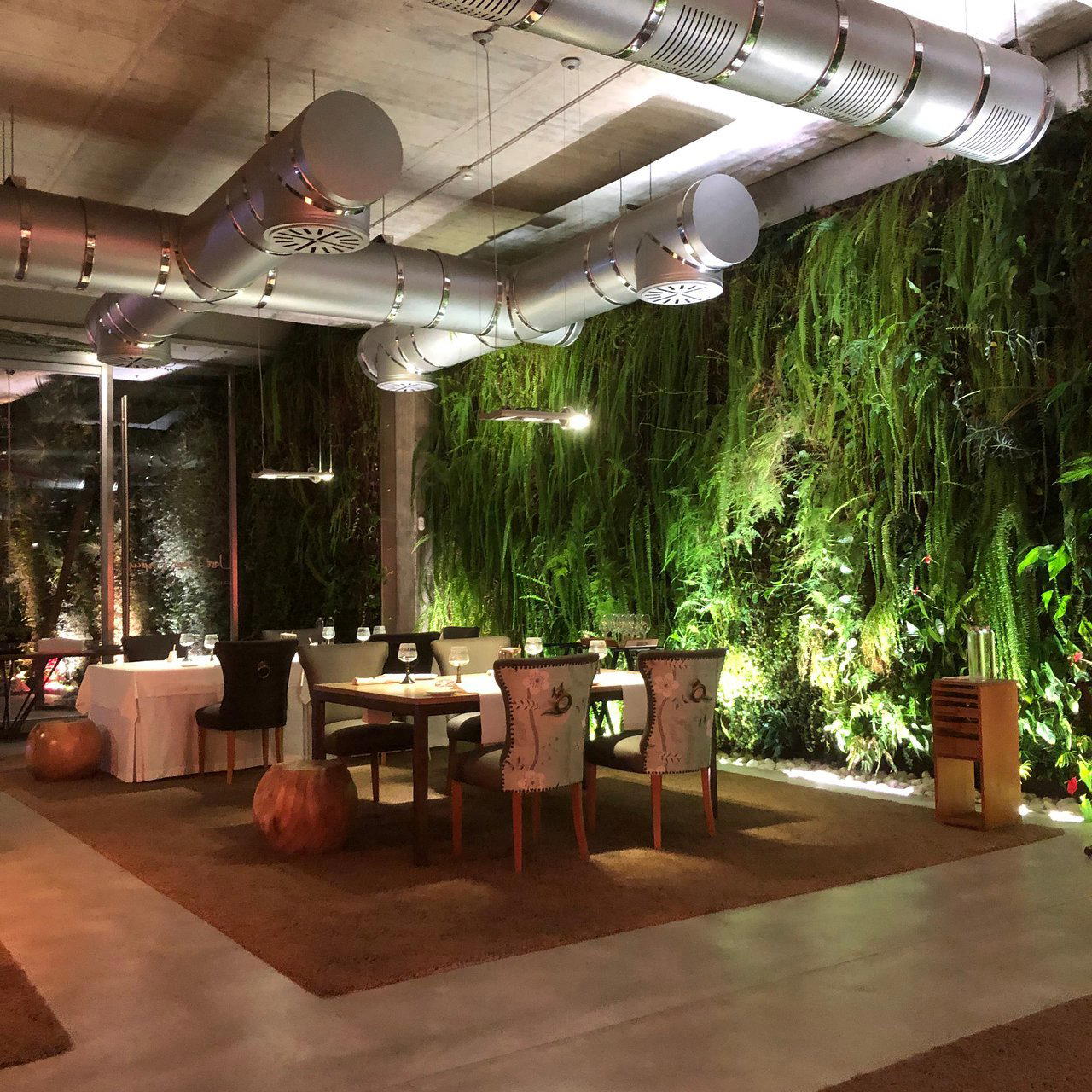
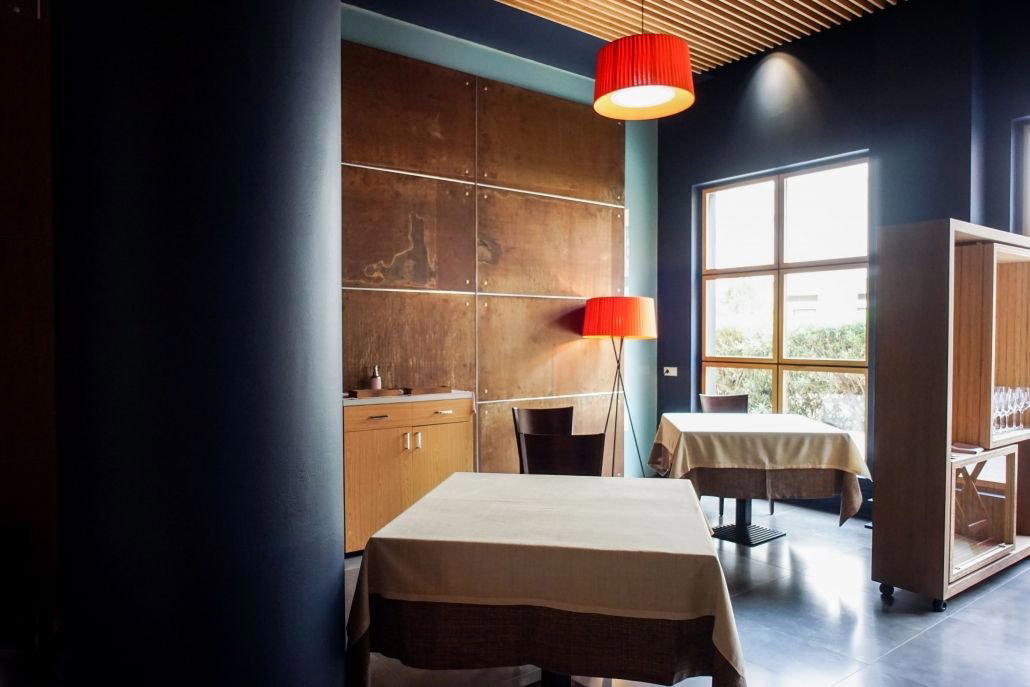
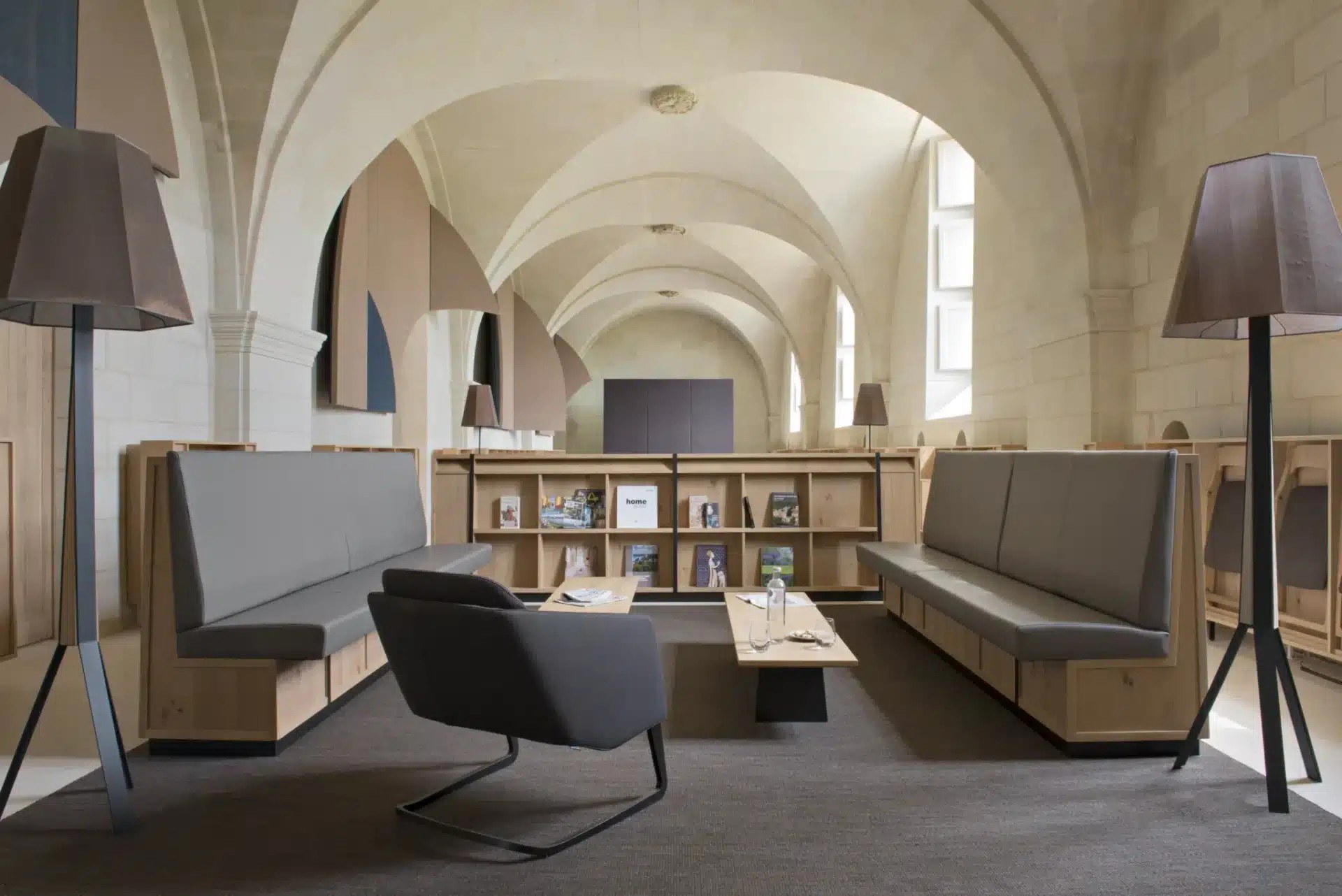
The dining room occupies the cloisters of Saint Lazare Priory, redesigned by designer Patrick Jouin and architect Sanjit Manku. The brief they worked to, monastic minimalism with untreated materials, is immediately legible when you sit down. The ceilings are high, the stone is bare, and the room is quiet in a way that most €€€€ restaurants in France are not. This is not the gilded-salon formality of a Parisian grande maison. There are no chandeliers, no thick carpets to muffle the noise of other diners. What you get instead is architectural seriousness: a space that asks you to pay attention, which is either exactly what you want from a restaurant of this category or a reason to look elsewhere. For a celebration dinner involving sustained conversation, the acoustic clarity is a genuine asset. For anyone who finds stripped-back settings cold, it may read as austere.
The room's relationship to the Abbey grounds surrounding it means the context is never entirely interior. This is a restaurant where the setting contributes directly to what you are paying for. At the €€€€ price tier, you are not just buying a meal, you are buying the whole situation: the drive through the Anjou countryside, the approach to the Abbey, the cloister, and then the food. If that combination appeals, this is one of the more coherent executions of destination dining in France.
The Cooking and Service
Ruggeri trained with Michel Guérard and Georges Blanc before winning the Bocuse d'Or in 2013, a competition that rewards technical precision above almost all else. His cooking at L'Ermitage channels that precision into a format tightly governed by the kitchen garden and the estate's biodynamic production. The menu is deliberately short, changing with the garden's output and, according to available information, even calibrated to lunar cycles. Racan poultry and Anjou pigeon appear among the key produce references; specific dish descriptions are not available here, but the Michelin citation points to creative talent matched by access to first-class ingredients from the Abbey's historic domain.
The question that the service philosophy raises at this price point is whether the room's monastic restraint extends to the hospitality in a way that earns its keep. Formal French fine dining service can tip into stiffness; at a destination restaurant operating within a heritage site, there is always a risk that the grandeur of the context becomes a substitute for warmth. If you want theatrical tableside showmanship, Le Cinq at the Four Seasons George V in Paris delivers more of that register. L'Ermitage is quieter, more self-assured, and calibrated to let the location and the food carry the weight.
Booking
Book at least four to six weeks ahead for dinner, and longer for weekend slots during the Loire Valley's peak season (late spring through early autumn). This is not a restaurant you walk into, and the combination of a small monastic setting, a single Michelin-starred kitchen, and an internationally recognised destination Abbey means demand is consistent year-round. The venue sits in Fontevraud-l'Abbaye, a village with limited accommodation options of its own, if you are travelling from outside the region, check availability at local hotels before finalising your restaurant reservation. See our full Fontevraud-l'Abbaye hotels guide for current options. For those building a wider Loire itinerary, our full Fontevraud-l'Abbaye restaurants guide covers the broader dining picture.
Practical Details
Address: 38 Rue Saint-Jean de l'Habit, 49590 Fontevraud-l'Abbaye, France. Price range: €€€€. Cuisine: Creative. Chef: Thibaut Ruggeri (Bocuse d'Or 2013, Michelin 1 Star 2024). Booking difficulty: Hard, plan four to six weeks minimum, more for peak weekends.
Fontevraud-l'Abbaye is a small village; beyond the restaurant and the Abbey, the immediate area is limited. Build in time to visit the Abbey complex itself, and consider exploring the wider Anjou wine region, our Fontevraud-l'Abbaye wineries guide is a useful starting point. For drinks before or after, see our bars guide, and for local activities beyond the table, our experiences guide has options.
Among French chefs operating at this creative-produce-driven register, Ruggeri's peers include Flocons de Sel in Megève (his home region), Mirazur in Menton, Bras in Laguiole, and Arpège in Paris, all operating in the same terrain of terroir-led creative French cooking. For those interested in the broader context of destination fine dining in France, Troisgros in Ouches, Auberge de l'Ill in Illhaeusern, Assiette Champenoise in Reims, Auberge du Vieux Puits in Fontjoncouse, Au Crocodile in Strasbourg, AM par Alexandre Mazzia in Marseille, and Paul Bocuse in Collonges-au-Mont-d'Or provide useful reference points across the country. For a creative format outside France, Cocina Hermanos Torres in Barcelona offers an instructive comparison on what a dramatic architectural setting can do for a tasting menu experience.
Quick reference: Michelin 1 Star (2024), €€€€, book 4–6 weeks out minimum, 38 Rue Saint-Jean de l'Habit, Fontevraud-l'Abbaye.
Located inside
 HotelFontevraud L’HôtelFull hotel guide
Planning details
- Hours
- Monday: Closed · Tuesday: Closed
- Location
- 38 Rue Saint-Jean de l'Habit, 49590 Fontevraud-l'Abbaye, France
- Reservations
- Book on the venue's website
- Website
- fontevraud.fr/fontevraud-lermitage/le-restaurant-de-fontevraud-lermitage
- Phone
- +33 2 46 46 10 10
The take
The Take
The Vibe
Fontevraud L'Ermitage occupies the cloisters of a 12th-century priory, so the restaurant’s personality is rooted in monumental stone, silence and architectural restraint. Patrick Jouin and Sanjit Manku’s intervention keeps interventions measured, allowing the monastic bones to set the tone: the experience feels quietly reverent rather than theatrically historic. Contemporary French cooking sits beside the ancient fabric in a way that feels deliberate and pared back, making the room feel intimate and contemplative rather than ornate. The overall effect is a subdued, storied atmosphere that foregrounds place and craft.
Best For
This is a destination for milestone meals and refined evenings: the setting’s weighty history and the kitchen’s technical ambitions combine for an occasion-driven experience. Thibaut Ruggeri’s formation with Michel Guérard and Georges Blanc, plus his Bocuse d’Or pedigree, informs tightly considered cuisine that remains anchored to Loire products. The restaurant’s strong connection to domain-sourced, biodynamic produce makes it particularly satisfying for diners who value terroir-driven, carefully composed French cooking in a memorable, historic environment.
Ordering Tips
The menu emphasizes local, domain-sourced produce and a kitchen that is technically ambitious, so plan to engage with seasonal selections and preparations that highlight Loire larder ingredients. Expect composed, precise dishes reflective of the chef’s haute-cuisine training; inquire about the kitchen’s sourcing and biodynamic producers if provenance matters to you. Given the restaurant’s formal, occasion-oriented character, allow the staff to explain current menu highlights and seasonal choices to get the fullest sense of how the abbey’s land informs each course.
Venue details
Ambiance
Serene and elegant monastic atmosphere blending historical architecture with contemporary design, warm and intimate lighting in the cloister setting.
Tags
Vibe
Best For
Experience
Sourcing
Accessibility
At the Table
- Dress Code
- Smart Casual
- Noise Level
- Quiet
- Service Style
- Formal
- Meal Pacing
- Leisurely
- Capacity
- Intimate
- Kitchen
- Seasonal
- Menu Format
- Tasting menu, Prix fixe
Know before you go
Know Before You Go
- Getting there
- 38 Rue Saint-Jean de l'Habit, 49590 Fontevraud-l'Abbaye, France
Planning details
Hours
- Monday
- Closed
- Tuesday
- Closed
- Wednesday
- 7–9:30 PM
- Thursday
- 7–9:30 PM
- Friday
- 7–9:30 PM
- Saturday
- 12–1:30 PM, 7–9:30 PM
- Sunday
- 12–1:30 PM, 7–9:30 PM
Location
38 Rue Saint-Jean de l'Habit, 49590 Fontevraud-l'Abbaye, France · Directions
fontevraud.fr/fontevraud-lermitage/le-restaurant-de-fontevraud-lermitage

Also consider
Also Consider
- Alléno Paris au Pavillon Ledoyen: Creative, €€€€
- Kei: Contemporary French, Modern Cuisine, €€€€
- L'Ambroisie: French, Classic Cuisine, €€€€
- Le Cinq - Four Seasons Hôtel George V: French, Modern Cuisine, €€€€
- Mirazur: Modern French, Creative, €€€€
Restaurant context
At the €€€€ tier, Fontevraud L'Ermitage is operating in a different register from its Paris-based peers. Alléno Paris au Pavillon Ledoyen and Le Cinq at the Four Seasons George V both deliver more elaborate service theatre and a wider menu scope, but neither can replicate the physical setting that L'Ermitage commands. If you are choosing between a Parisian grande maison and a Loire Valley destination, the question is whether you want the polish and accessibility of Paris or the singularity of dining inside a working Abbey. For first-time visitors to French fine dining at this level, Paris is the easier entry point. For those who have already covered the Parisian circuit, L'Ermitage offers something those restaurants structurally cannot.
Mirazur in Menton is the closest peer in terms of format, produce-led, garden-driven, deeply tied to a specific place, and operates at a higher recognition tier. If securing the most acclaimed creative French tasting menu experience is the priority, Mirazur is the stronger credential, though it is considerably harder to book. L'Ermitage at one Michelin star represents a point where the ambition and the execution are already serious, but the booking window has not yet become the obstacle it is at three-star level. That window may not stay open indefinitely as Ruggeri's profile grows.
L'Ambroisie and Kei in Paris both offer €€€€ creative cooking with strong critical backing. L'Ambroisie suits those who want classic French cooking at its most rigorous; Kei suits those drawn to a French-Japanese creative hybrid. Neither competes with L'Ermitage on setting. The practical recommendation: if you are building a Loire Valley trip and will be in the region, L'Ermitage is the right call at this price tier. If you are choosing between it and a Paris dinner with no travel involved, the Paris options are more convenient but less distinctive.
Explore Fontevraud-l'Abbaye
Around this place
Discover more on Pearl
Unlock the full Fontevraud L'Ermitage guide in Pearl, including awards, comparisons, FAQs, planning details, and nearby places.
Compare Fontevraud L'Ermitage
| Venue | Cuisine | Price | Booking Difficulty | Awards |
|---|---|---|---|---|
| Fontevraud L'Ermitage | Creative | €€€€ | Hard | Michelin Guide France & Monaco 2026We're Smart World Top Restaurants 20252025 Michelin 1 Star2025 Gault & Millau Remarkable Restaurant2024 Michelin 1 Star |
| Alléno Paris au Pavillon Ledoyen | Creative | €€€€ | Unknown | 2026 OAD Classical in Europe Ranked · #35Michelin Guide France & Monaco 20262026 La Liste Top Restaurants2025 OAD Classical in Europe Ranked · #342025 The Best Chef Three Knives2025 Gault & Millau Exceptional Restaurant2025 Michelin 3 Stars2024 OAD Classical in Europe Ranked · #342024 World's 50 Best Restaurants · #79 |
| Kei | Contemporary French, Modern Cuisine | €€€€ | Unknown | 2026 OAD Classical in Europe Ranked · #29Michelin Guide France & Monaco 20262026 Les Grandes Tables du Monde Members2026 La Liste Top Restaurants2026 Falstaff Restaurant Guide2025 OAD Classical in Europe Ranked · #262025 Michelin 3 Stars2025 Gault & Millau Prestige Restaurant2025 La Liste Top Restaurants |
| L'Ambroisie | French, Classic Cuisine | €€€€ | Unknown | 2026 OAD Classical in Europe Ranked · #10Michelin Guide France & Monaco 20262026 La Liste Top Restaurants2026 Falstaff Restaurant Guide2025 Michelin 3 Stars2025 La Liste Top Restaurants2024 OAD Classical in Europe Ranked · #102024 Michelin 3 Stars2023 OAD Classical in Europe Ranked · #11 |
| Le Cinq - Four Seasons Hôtel George V | French, Modern Cuisine | €€€€ | Unknown | No published awards |
| Mirazur | Modern French, Creative | €€€€ | Unknown | 2026 OAD Top Restaurants in Europe Ranked · #422026 Relais Chateaux RestaurantsMichelin Guide France & Monaco 20262026 Les Grandes Tables du Monde Members2026 La Liste Top Restaurants2025 OAD Top Restaurants in Europe Ranked · #68We're Smart World Top Restaurants 20252025 Michelin 3 Stars2025 The Best Chef Three Knives |









Key differences to consider before you reserve.
FAQ
Frequently Asked Questions
Is Fontevraud L'Ermitage good for a special occasion?
Yes, and the setting alone earns that case. The dining room occupies the cloisters of Saint Lazare Priory inside one of Europe's largest monastic complexes, redesigned by Patrick Jouin and Sanjit Manku. Combined with Thibaut Ruggeri's Michelin-starred, biodynamic-focused cooking and a €€€€ price point, this is a destination restaurant suited to anniversaries or milestone dinners where the room matters as much as the plate. Book 4–6 weeks ahead; weekend slots in peak season (late spring through early autumn) go faster.
What are alternatives to Fontevraud L'Ermitage in Fontevraud-l'Abbaye?
There is no direct competitor at this level in Fontevraud-l'Abbaye itself: the village is small and this is the standout restaurant. If you want comparable Michelin-starred creative French cooking with an equally strong sense of place in the Loire Valley, widen your search to Angers or Tours. For a pure cooking-first comparison without a heritage setting, Mirazur in Menton (three Michelin stars, garden-to-plate ethos) is a useful reference for what biodynamic-focused tasting menus can achieve at the top tier.
What should I order at Fontevraud L'Ermitage?
The menu tracks the kitchen garden's production and lunar calendar, with named local proteins including Racan poultry and Anjou pigeon featuring regularly. The choice of dishes is deliberately limited, so the format is closer to a set tasting menu than a broad à la carte. If you have specific dietary requirements, contact the restaurant ahead of your visit: at €€€€ and with a constrained menu, surprises are worth avoiding.
Is Fontevraud L'Ermitage good for solo dining?
It can work, but this is not a counter-seat or bar-dining format in the way a Tokyo omakase or a Paris bistro bar might be. The priory cloister setting and tasting-menu structure mean solo diners are seated in the main room, which suits confident solo diners comfortable at Michelin-starred restaurants. At €€€€ per head, the experience is worthwhile if the cooking and setting are the draw: if you want company built into the format, this is not the right choice.