Al Castello
Fagagna
Restaurant in Fagagna, Italy
 Book with Pearl
The Read
Price
$50–100per person
Dress
Casual
Why go
Al Castello is a practical Fagagna pick for a composed lunch or dinner, especially when the group needs a settled local restaurant rather than a destination tasting-menu commitment. Choose it for convenience and occasion-fit; compare San Michele if you want a clearer Modern Cuisine and €€ signal before booking.
About Al Castello
In Fagagna, Al Castello is a practical choice when the plan depends on known opening windows and a casual dress code rather than on a documented chef story, tasting format, published price tier, or accolade. Consider it when the priority is a restaurant in Fagagna with lunch service from Tuesday through Sunday and dinner service from Tuesday through Saturday.
The main reason to choose it is the schedule: Monday is closed; Tuesday through Saturday run 12–2 PM and 7–10 PM; Sunday is 12–2 PM only. That makes Al Castello useful for either a midday meal or an evening plan on most weekdays, while Sunday should be treated as lunch-only.
Use it for a Fagagna meal, not for a high-information tasting-menu bet
Al Castello is not the place to choose because a long public awards trail, named chef, signature dish, or menu format gives you a clear preview. The better read is simpler: choose it when the group wants a restaurant in Fagagna with confirmed service windows and casual dress rather than a plan built around specific details.
For diners comparing nearby options, San Michele and Al Bàcar belong on the same shortlist. The wider Fagagna restaurants guide is the better next step if the meal needs a more clearly documented cuisine, price bracket, or format before choosing it.
The better repeat-visit play is lunch, unless the occasion needs dinner. Lunch is the simpler recommendation when the day plan matters most, because Al Castello has midday hours Tuesday through Sunday. Dinner is also available Tuesday through Saturday, but diners who want to compare courses and costs before committing should confirm directly before choosing it for a more structured evening.
For group dining, treat Al Castello as a restaurant with regular service windows rather than a private-dining destination. If a separate room, set menu, or exact group capacity is needed, confirm those details before building the occasion around it.
If the trip is wider than one meal, use broader Fagagna planning resources around the visit rather than relying on details about Al Castello.
Planning details
- Location
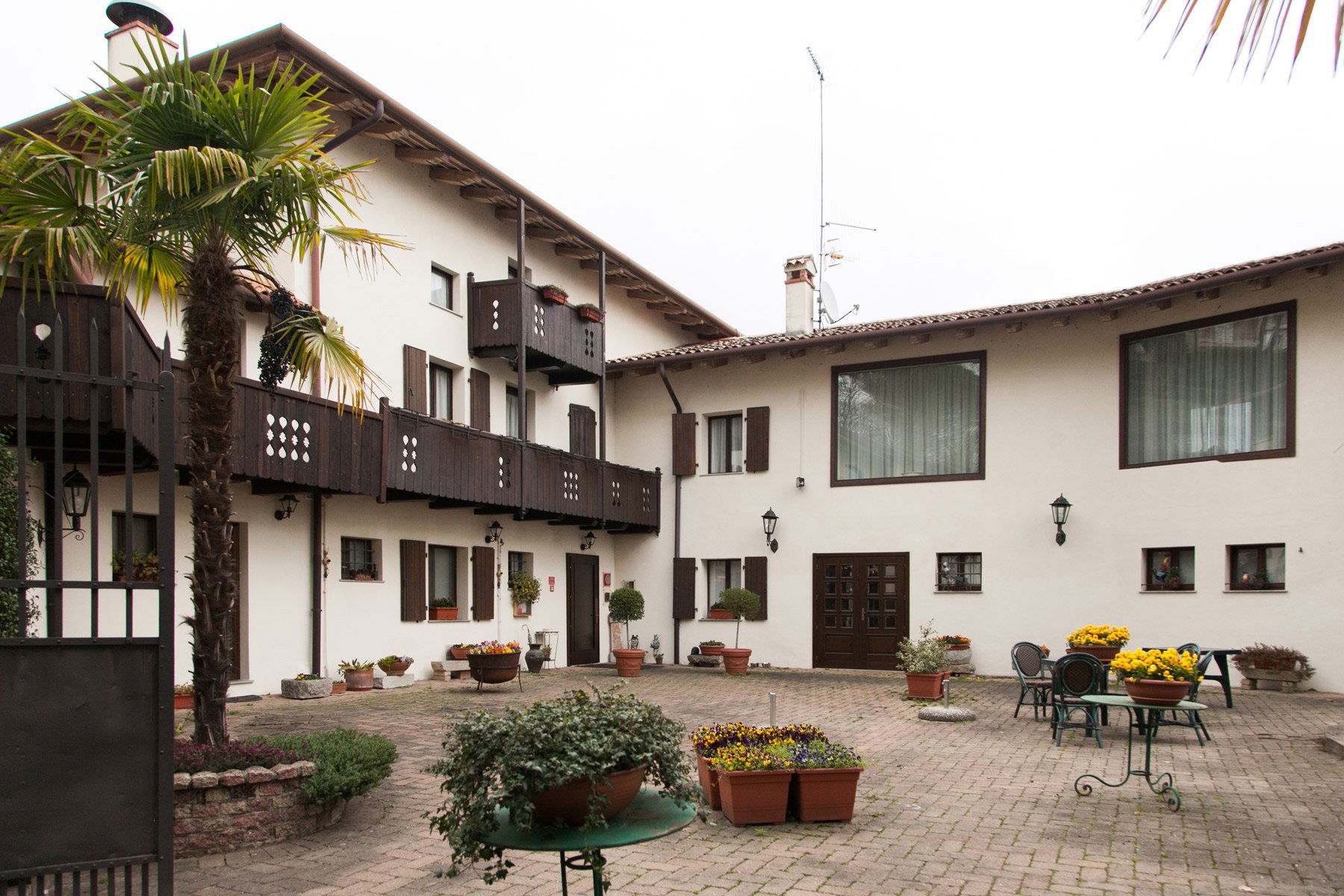
- Via S. Bartolomeo, 18, 33034 Fagagna UD, Italy
- Website
- ristorantealcastello.com
- Phone
- +39432800185
The take
The Take
The Vibe
Al Castello sits on a low hill overlooking the Friulian plain and feels quietly anchored in local history. The restaurant takes its name from a ruined medieval fortification, and the kitchen’s focus on provenance — smoked meats, fermented products, game and rice preparations — reinforces a rustic, regionally rooted character. The setting is understated rather than ostentatious: visitors notice the town’s agricultural continuity and the absence of urban clamor. The overall impression is quietly refined and historically attuned, a place that privileges regional memory and seasonal larder over trend-driven showmanship.
Best For
This is a destination for diners who want an authentic encounter with Friulian cooking in a calm, somewhat formal setting. The menu’s emphasis on things like truffle risotto, slow-cooked meats and preserved regional ingredients suits special occasions, date nights and business dinners where provenance and seasonal fidelity matter. Because the village itself sits outside major tourist circuits, the restaurant also appeals to travelers seeking a quieter, more contemplative meal that reads the landscape and culinary history of the region.
Ordering Tips
Lean into the kitchen’s regional strengths: order the truffle risotto and one of the slow-cooked meat preparations if they’re on the menu, as these are signature items. The description notes local uses of smoked meats, fermented products, game and rice dishes, so look for tasting opportunities that highlight those elements and the seasonality of the larder. If you want a fuller sense of place, choose dishes that reference preserved or smoked ingredients and rice- or game-based preparations to sample Friuli’s cross-border culinary influences.
Venue details
Ambiance
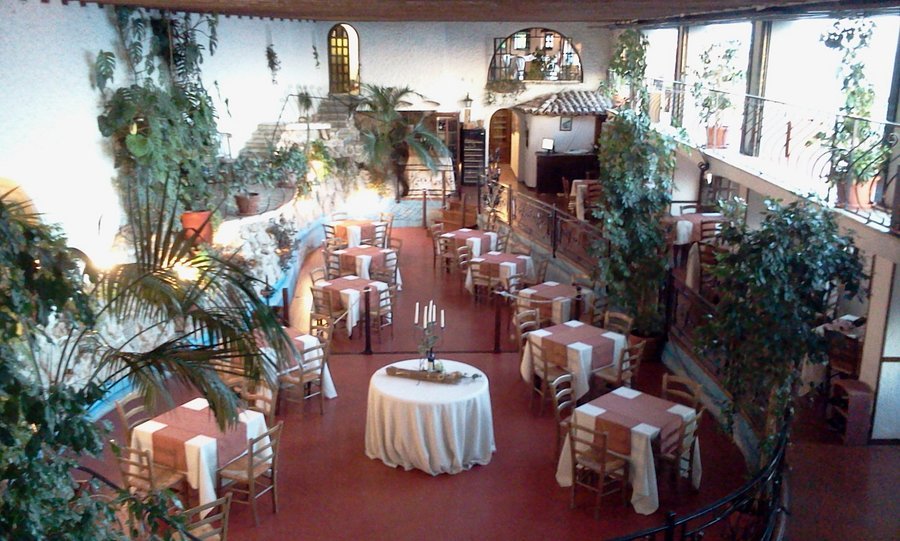
Elegant and refined with warm, inviting lighting that complements the historic castle architecture; peaceful countryside atmosphere with views of rolling hills and valleys.
Tags
Vibe
Best For
Experience
Sourcing
View
At the Table
- Dress Code
- Casual
- Noise Level
- Conversational
- Service Style
- Upscale Casual
- Meal Pacing
- Leisurely
- Capacity
- Small
- Kitchen
- Seasonal
- Menu Format
- A la carte, Set menu
- Wine Program
- Curated
- Drinks Focus
- Wine
- Dietary
- Vegetarian friendly, Gluten-free options
- Outdoor Seating
- Yes
Signature Dishes
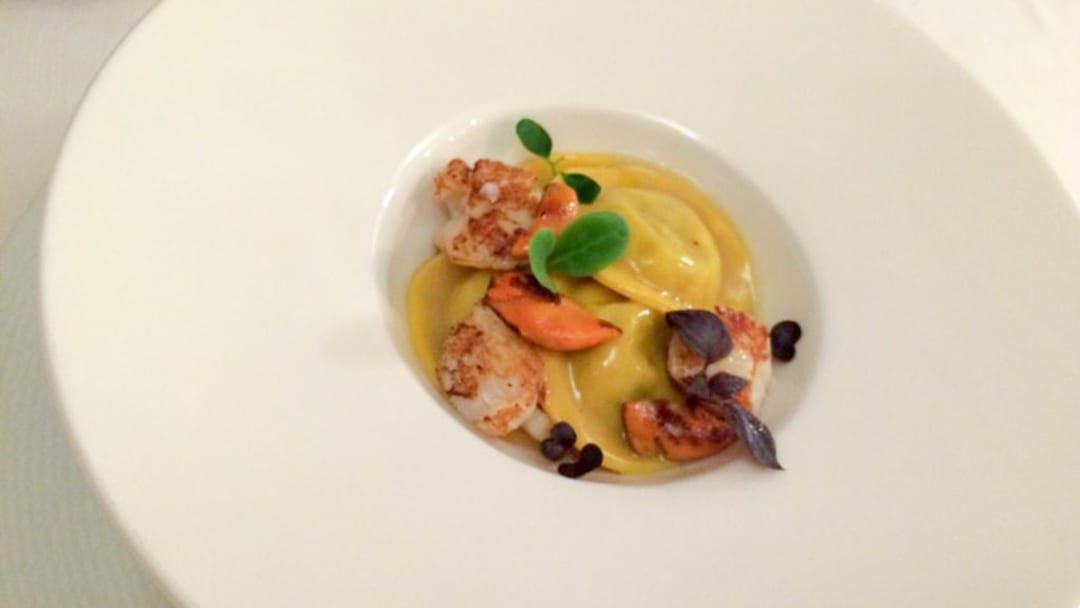
- truffle risotto
- slow-cooked meats
Know before you go
Know Before You Go
- Getting there
- Via S. Bartolomeo, 18, 33034 Fagagna UD, Italy
Planning details
Location
Also consider
Where to look if this does not fit
Choose San Michele if the table wants a clearer Modern Cuisine direction and a €€ expectation before committing. Try Al Bàcar if staying in Fagagna is the main constraint and availability drives the decision.
Restaurant context
How it compares in and around Fagagna
Al Castello is the pragmatic choice if the priority is a dependable Fagagna meal with both lunch and dinner usefulness. San Michele is easier to benchmark before booking because it has a Modern Cuisine label and €€ price signal, so choose San Michele when cuisine style and budget clarity matter more than a familiar local-restaurant feel.
Al Bàcar is the closest cross-shop for staying in Fagagna, but with less public positioning available, it works better as a fallback than a clearly differentiated choice. Al Tiglio Cucina Naturale, Da Irma, and Mulino Ferrant Di Fant Paolo make more sense if the group is willing to leave Fagagna for a broader search rather than solve the meal locally.
For value, San Michele has the clearest pre-booking signal because €€ sets expectations. For ease, Al Castello is the safer first call when the desired meal is simply lunch or dinner in Fagagna and the group does not need a named format, chef counter, or tasting menu to justify the choice.
Explore Fagagna
Around this place
Discover more on Pearl
Unlock the full Al Castello guide in Pearl, including awards, comparisons, FAQs, planning details, and nearby places.
Compare Al Castello
| Venue | Location | Cuisine | Price | Awards |
|---|---|---|---|---|
| Al Castello | Fagagna | , | , | No published awards |
| San Michele | Fagagna | Modern Cuisine | €€ | 2026 Michelin Plate2025 Michelin Plate2024 Michelin Plate |
| Al Bàcar | Fagagna | , | , | No published awards |
| Al Tiglio Cucina Naturale | Moruzzo | , | , | No published awards |
| Da Irma | San Vito Di Fagagna | , | , | No published awards |
| Mulino Ferrant Di Fant Paolo | Cassacco | , | , | No published awards |
.png?width=1200&quality=80)
How Al Castello Fagagna compares with similar nearby venues.
FAQ
Frequently Asked Questions
What should a first-timer know about Al Castello?
Al Castello is in Fagagna and has lunch service Tue-Sat from 12–2 PM and Sun from 12–2 PM, with dinner Tue-Sat from 7–10 PM. Monday is closed. For a first visit, choose the slot that best fits your day rather than relying on menu format, price, or signature dishes.
What should I wear to Al Castello?
The dress code is casual, so neat everyday clothing is appropriate. No formal dress requirement is confirmed.
Is lunch or dinner better at Al Castello?
Lunch is available Tuesday through Sunday, while dinner is available Tuesday through Saturday. Lunch is the more flexible default for daytime plans; dinner makes sense when an evening meal is specifically needed.
Is Al Castello good for a special occasion?
It can be considered for an occasion if the hours and casual dress code fit the plan, but details such as private rooms, set menus, group capacity, and pricing should be confirmed directly before making it the centerpiece of an event.
What are alternatives to Al Castello in Fagagna?
Start with San Michele and Al Bàcar if you want other Fagagna names to compare. Al Tiglio Cucina Naturale, Da Irma, and Mulino Ferrant Di Fant Paolo are additional comparison options to consider before choosing.
Can I eat at the bar at Al Castello?
Ask directly if a specific seating style matters. Treat Al Castello as a restaurant with confirmed lunch and dinner hours.