.png?width=1200&quality=80)
SAWA by Sanad
Middle Eastern · Fereej Mohammad Bin Jasim/Mushaireb, Doha
Restaurant in Doha, Qatar
 Book with Pearl
The Read
Trolley-Service Levantine
Dress
Smart Casual
Why go
SAWA by Sanad is the clearest first-choice for contemporary Levantine dining in Doha, backed by a Michelin Plate (2024). Set on the first floor of a private members' club in downtown Doha, it is open to non-members, easy to book, and operates at the ﷼﷼﷼ price tier. Book an evening table for the full trolley-service experience.
About SAWA by Sanad
Is SAWA by Sanad worth booking in Doha?
Yes: and it should be on your list before you explore anything else in Doha's contemporary Levantine dining scene. SAWA by Sanad earned a Michelin Plate in 2024, which puts it in a small group of Doha restaurants recognised for cooking that consistently meets technical standards. For a city where fine dining has historically leaned on imported European or Pan-Asian brands, a home-grown Middle Eastern kitchen with that kind of recognition is worth your attention. Reservations are easy to secure, prices sit at the ﷼﷼﷼ tier, and the room delivers a visual experience that competes with anything in the downtown area.
The Room and the Setting
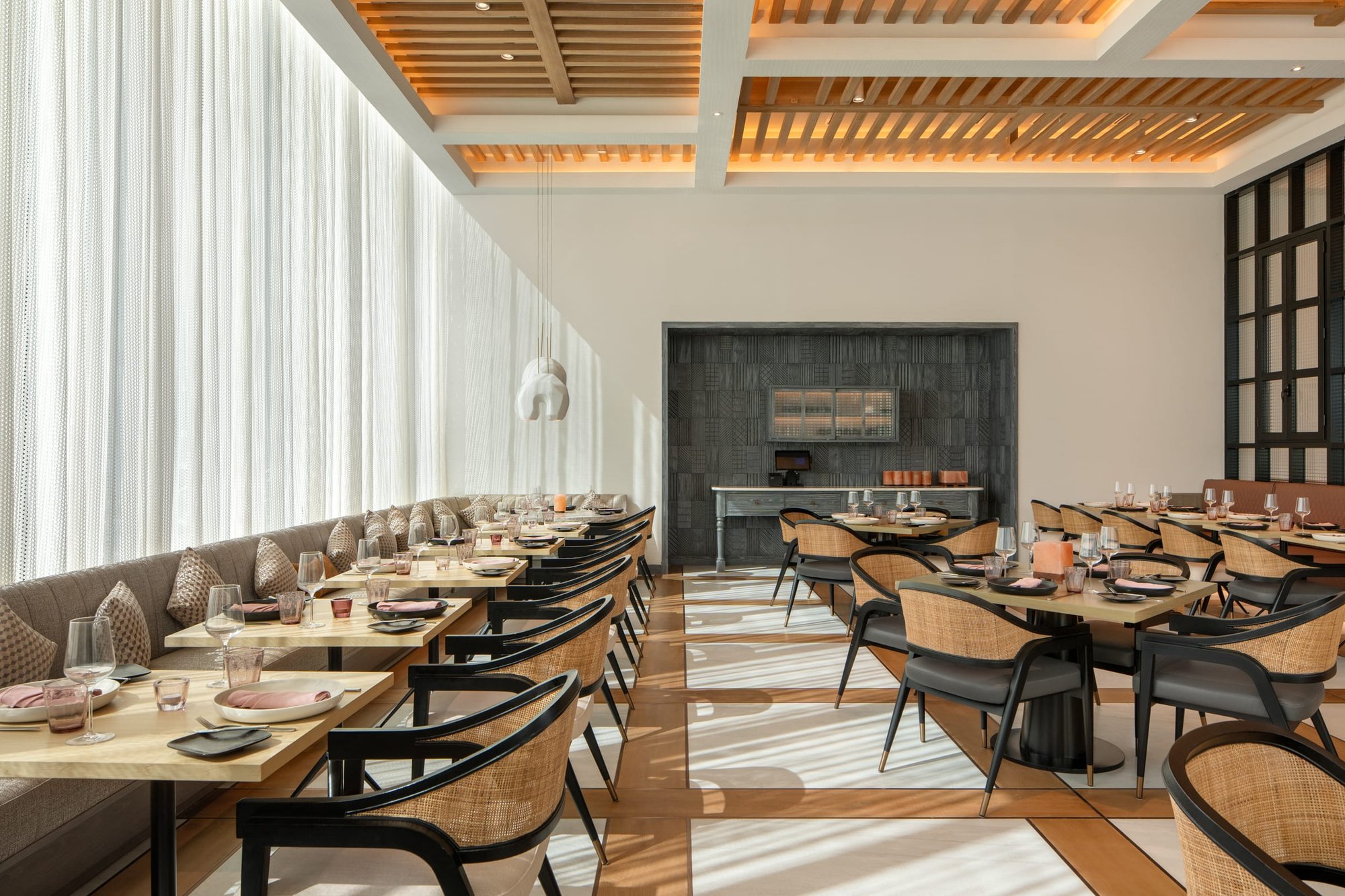
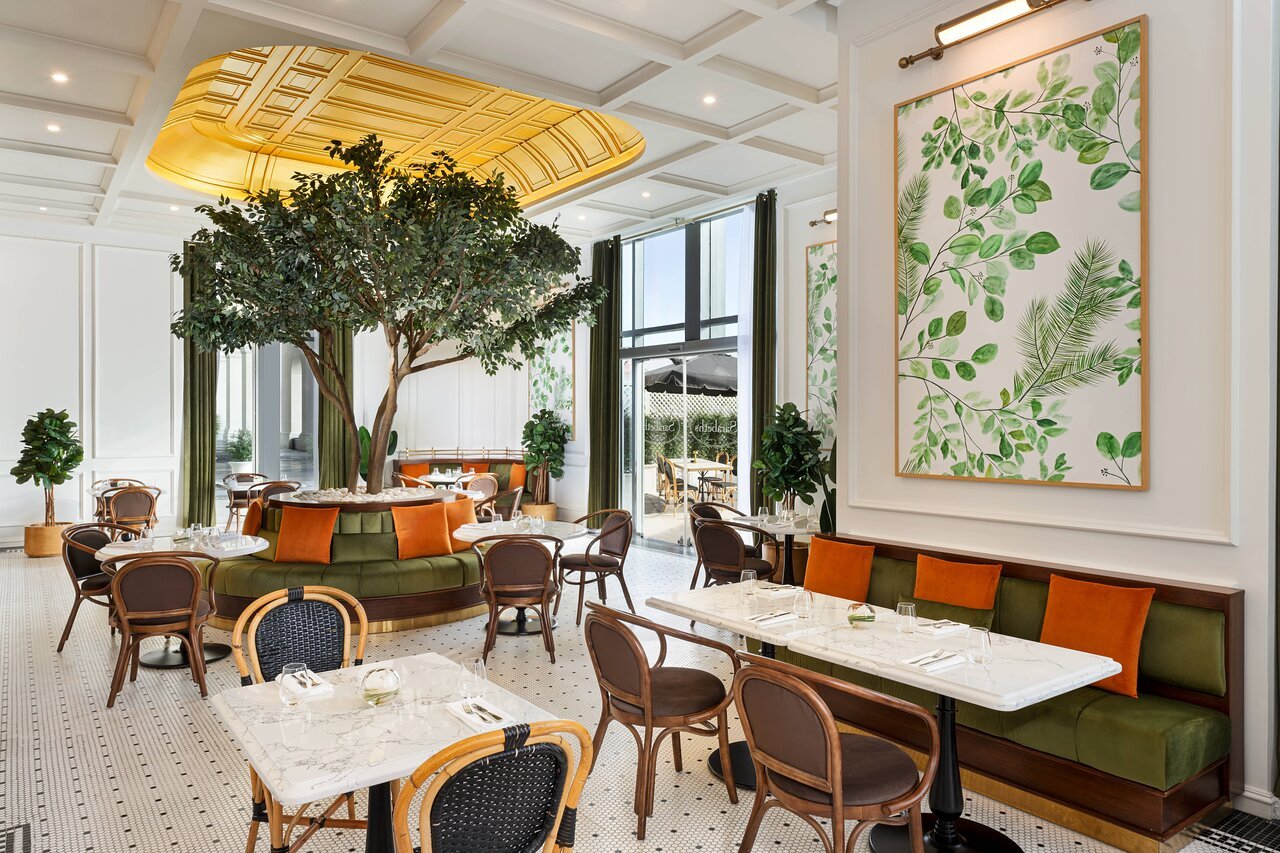
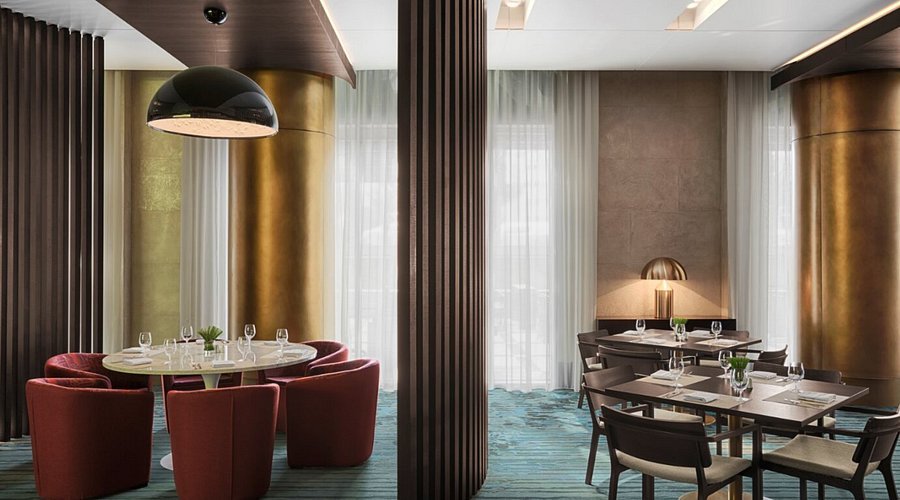
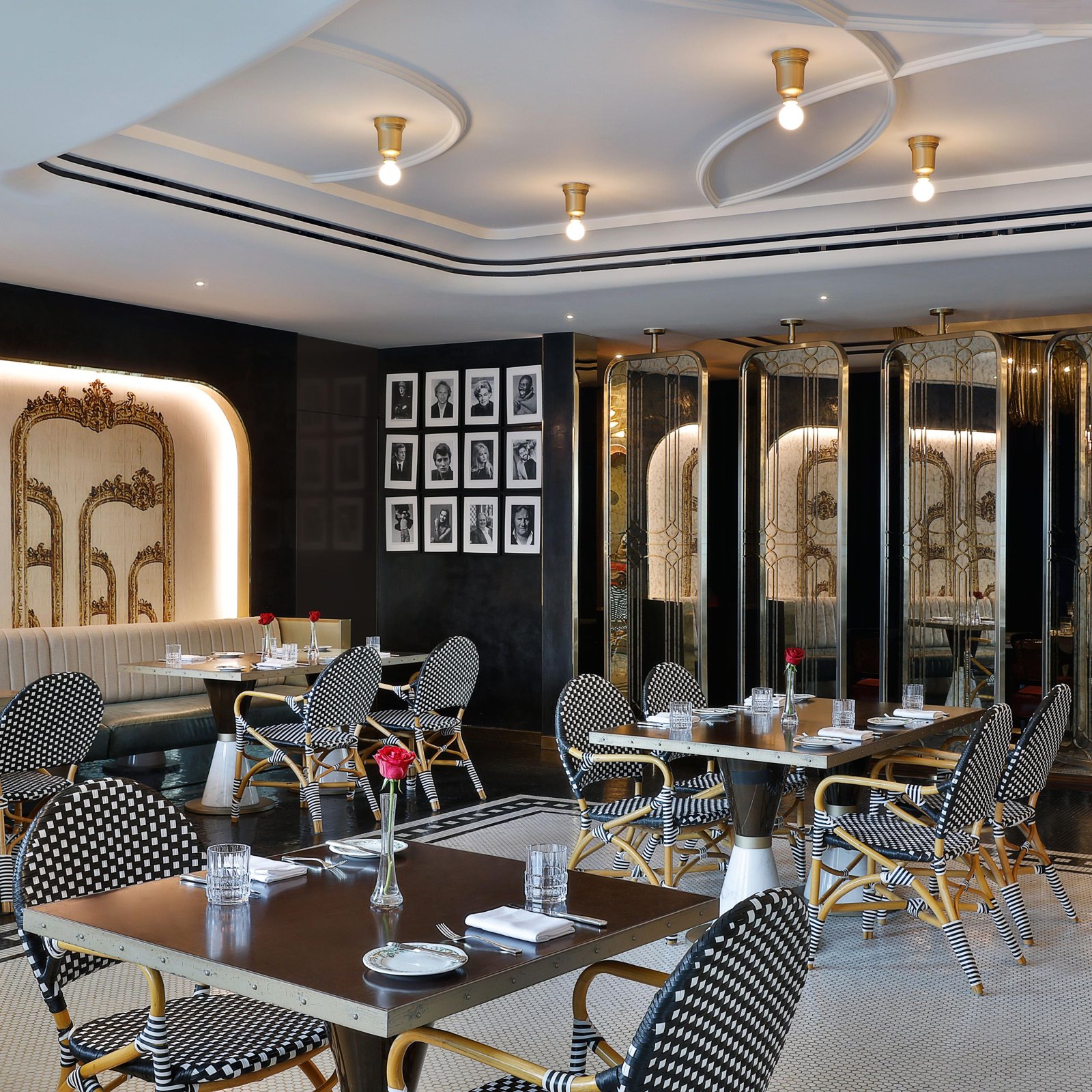
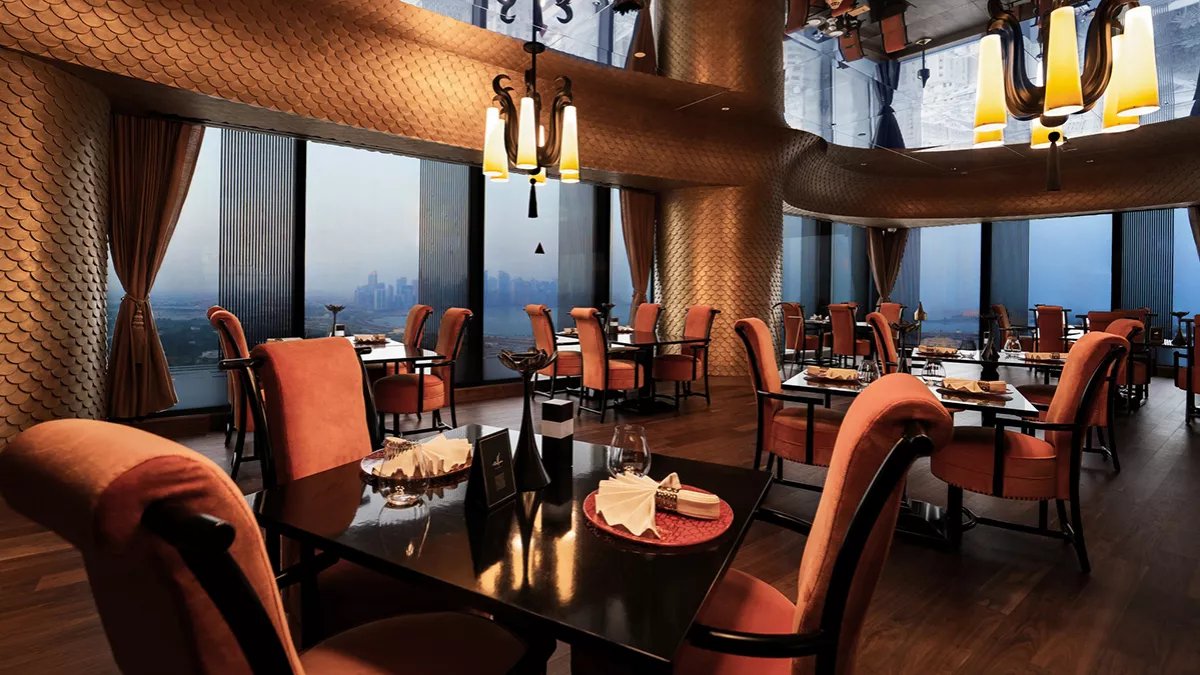
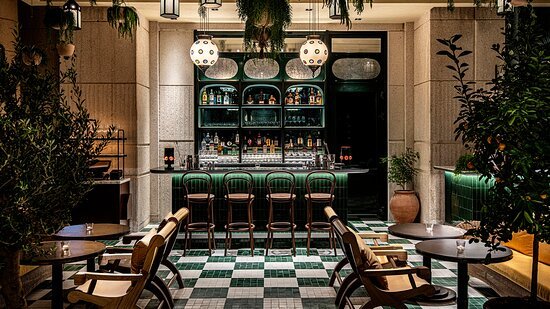
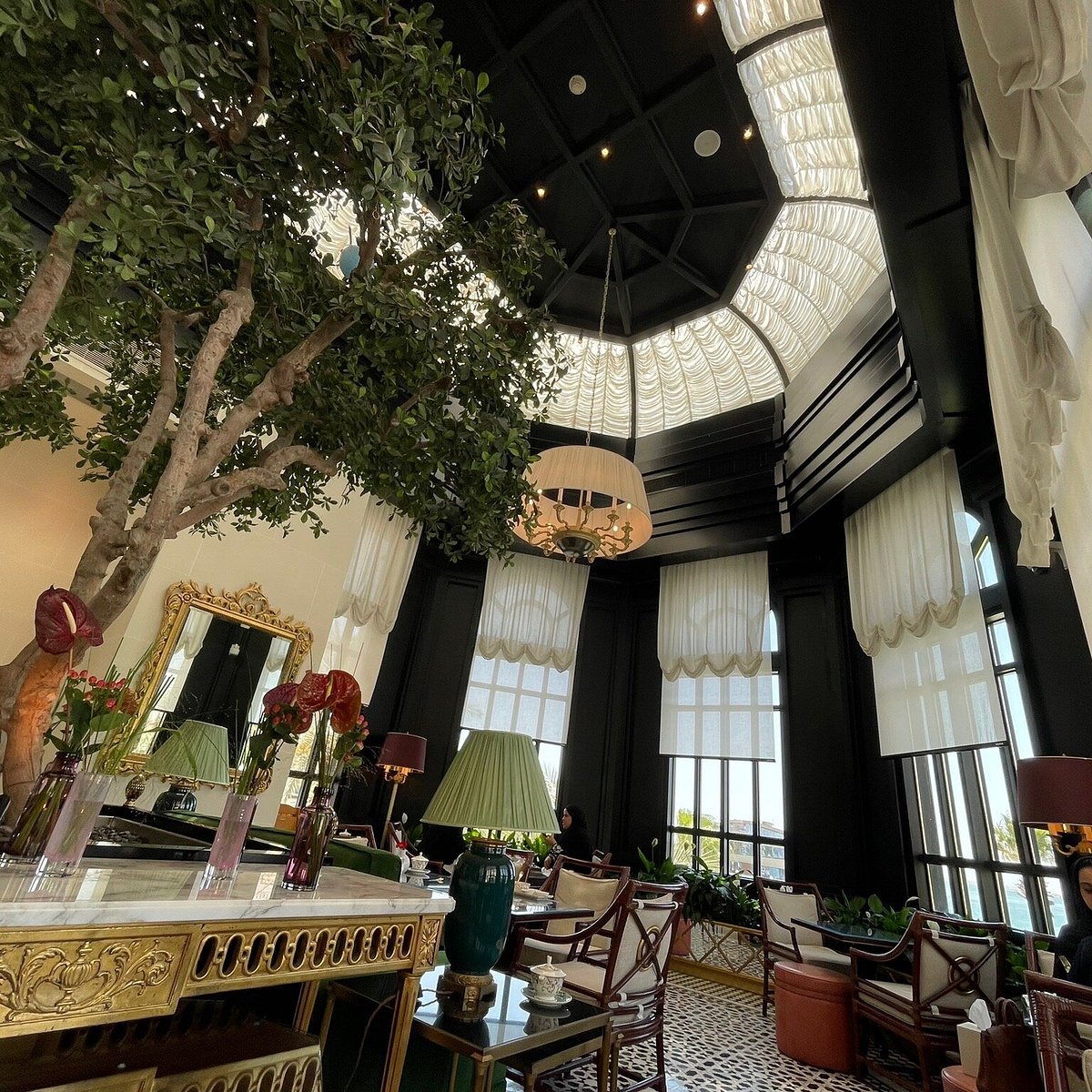
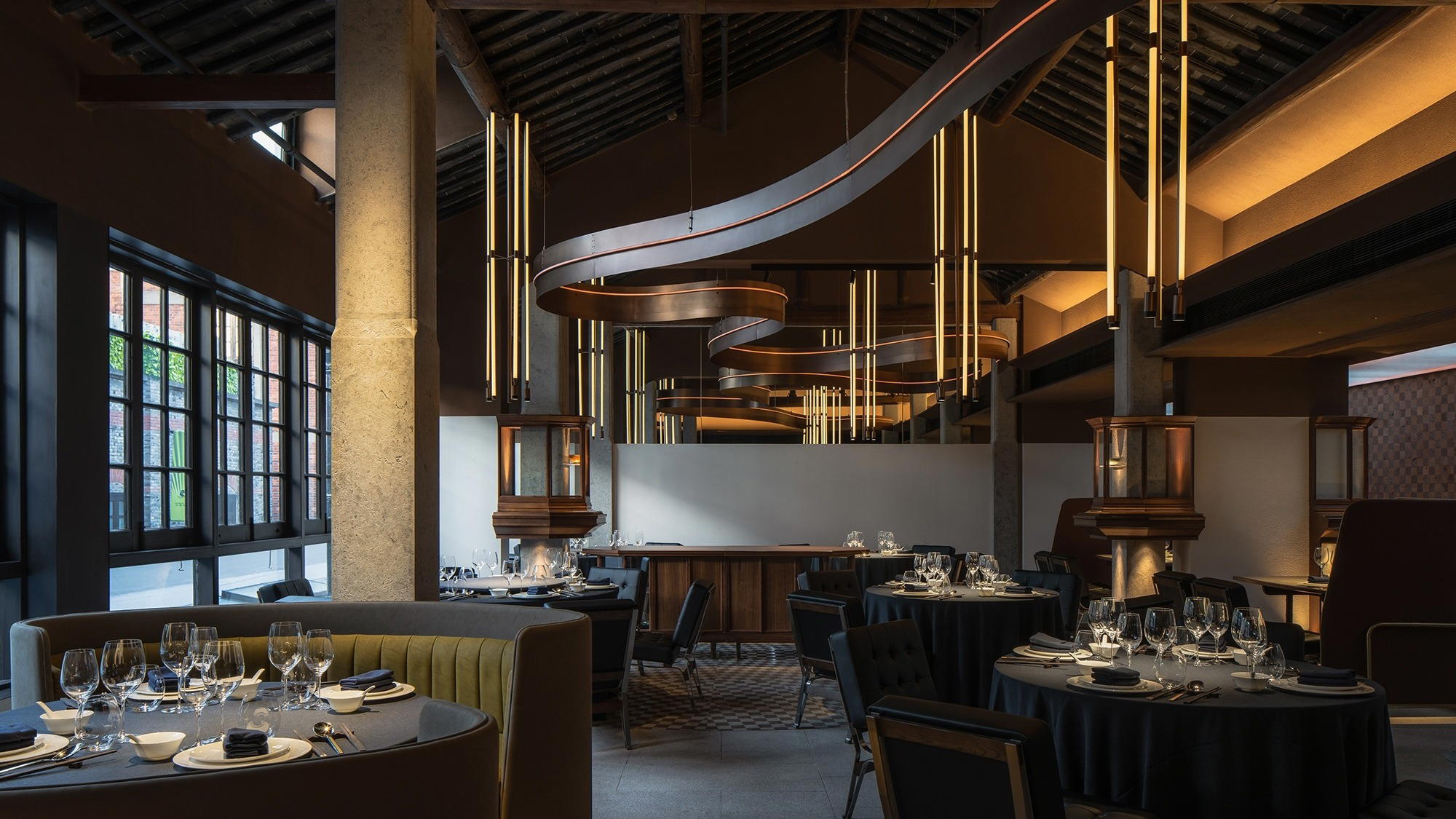
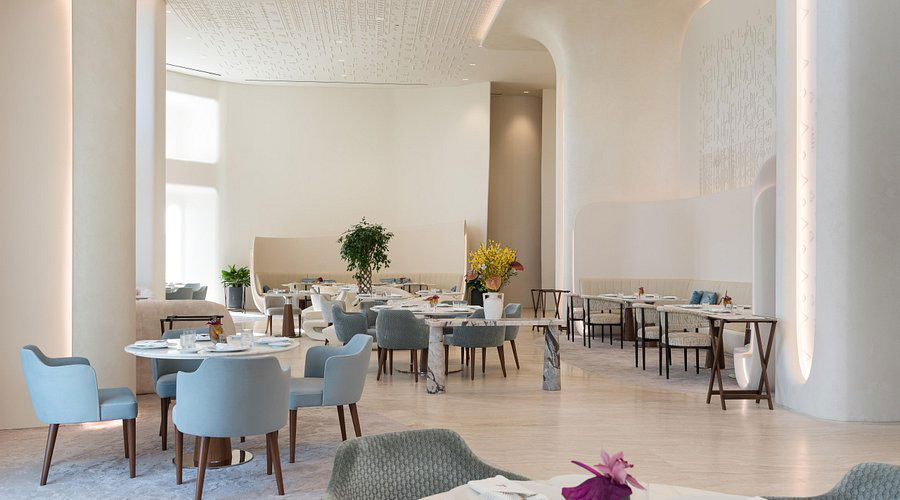
SAWA occupies the first floor of a private members' club on Wadi Msheireb Street, in the rejuvenated downtown district that has become one of Doha's more architecturally considered neighbourhoods. The dining room itself reads as impressively chic: the kind of space where the design clearly received as much attention as the kitchen. You do not need to be a member to eat here, which means you get access to a room that was built for a higher level of exclusivity without having to earn it through a membership fee. That asymmetry works in your favour as a one-time or occasional visitor.
The evening service adds a visual layer that matters: certain dishes arrive tableside from a trolley, adding a degree of theatre that sets dinner apart from lunch. If you have flexibility, book an evening reservation. The presentation is part of the experience, and it tilts the value calculation toward the higher end of the price range.
What the Kitchen Does Well
The menu is built around contemporary Levantine cooking, with a strong emphasis on sharing-format dishes. Levantine cuisine, drawing from the culinary traditions of Lebanon, Syria, Palestine, Jordan, and the broader eastern Mediterranean, is one of the most technically demanding regional kitchens to execute at a high level. The balance between acid, fat, smoke, and spice in Levantine food leaves little room for imprecision. The fact that SAWA holds a Michelin Plate suggests the kitchen is getting those fundamentals right on a consistent basis.
Menu's sharing structure is worth noting practically: this format rewards groups of three or four who can move across multiple dishes, but it also works well for two. Solo diners can eat well here, though the per-head cost of exploring the menu fully is higher when you are not splitting across a table. For broader context on how Levantine kitchens approach this sharing format at different price points globally, consider how venues like Bubala in London or Maydan in Washington D.C. handle similar traditions, SAWA is operating at a more formal register than both, with the room and service to match.
Service, noted specifically in the Michelin recognition, is described as caring rather than transactional. That distinction matters in a city where large-scale hotel dining often produces technically correct but impersonal service. SAWA's members' club context appears to translate into a floor team that treats the room with genuine attention.
How It Compares in Doha
For Middle Eastern dining specifically in Doha, SAWA is the clearest first-choice at the ﷼﷼﷼ tier. Jiwan operates at ﷼﷼ and offers a lower-cost entry point to regional cooking in a culturally significant setting at the National Museum of Qatar, but the ambition of the kitchen does not match SAWA's. Bayt Sharq and Saasna are worth knowing as alternatives in the regional cuisine category. For a more casual reference point in a different city, Bait Maryam in Dubai covers similar Levantine ground at a different price tier and with less formal surroundings.
If you are building a Doha itinerary around serious dining, SAWA sits comfortably alongside venues like Baron as a downtown option worth anchoring an evening around. For the full picture of where to eat in the city, see our full Doha restaurants guide.
Practical Verdict
Book SAWA if you want contemporary Levantine cooking at a Michelin-recognised level, in a room that earns its price point, without the friction of a difficult reservation. The evening service, with trolley presentation and a kitchen that visibly raises its game after dark, is the better booking over lunch. Groups of two to four get the most out of the sharing menu. Solo diners should still consider it, but factor in that the format is built for the table rather than the individual plate.
For a broader view of what Doha offers beyond the table, explore our full Doha hotels guide, our full Doha bars guide, and our full Doha experiences guide. If you are tracking the Levantine dining tradition across cities, Kismet in Los Angeles, Imad's Syrian Kitchen in London, and Mizlala West Adams in Los Angeles offer useful reference points for how the same culinary tradition performs in different markets.
Know Before You Go
- Cuisine: Contemporary Levantine, sharing-format menu
- Price tier: ﷼﷼﷼
- Recognition: Michelin Plate 2024
- Location: Wadi Msheireb St, downtown Doha
- Membership required: No, open to non-members
- Booking difficulty: Easy
- Leading for: Groups of 2–4, evening dining, food-focused travellers
- Evening distinction: Trolley service adds tableside theatre at dinner
- Doha guides: Restaurants | Hotels | Bars | Wineries | Experiences
Planning details
- Hours
- Monday: 5 PM–2 AM · Tuesday: 5 PM–2 AM
- Location
- 4052 Wadi Msheireb St, Doha, Qatar
- Website
- sanaddoha.com/sawa-restaurant
- Phone
- +974 4142 7000
The take
The Take
The Vibe
SAWA by Sanad presents a restrained, clubby atmosphere that favours conversation over spectacle. Located on the first floor of a private members' club in Msheireb, the room is intentionally quieter and attentive in service, which softens the theatricality often associated with downtown dining. The culinary voice is contemporary Levantine, precise and recognised by a 2024 Michelin Plate, with an intimate, considered character rooted in the civic fabric of the neighbourhood.
Best For
The restaurant suits evenings where focus and conversation matter: quiet date nights, celebratory dinners and groups who want a sharing experience without the bustle of a street-level destination. Its placement inside a private members' club and the emphasis on plated precision make it a natural pick for guests seeking a composed, attentive service environment. While the food leans on Levantine traditions, the execution is contemporary, so expect an experience tailored to special evenings and thoughtful communal dining rather than casual walk-in meals.
Ordering Tips
Expect a menu built around plated precision and sharing. The menu shifts toward plated, shareable courses; opt for the sharing menu if available to sample the restaurant’s calibrated take on Levantine flavours. Because the space is part of a private members' club and is quieter by design, plan for an unhurried meal and prioritise conversation: service is attentive, so courses are likely paced for a relaxed, multi-course evening.
Venue details
Ambiance
Chic and composed dining room with contemporary design reflecting Levantine heritage, soft conversation, and warm welcoming atmosphere.
Tags
Vibe
Best For
Experience
Accessibility
At the Table
- Dress Code
- Smart Casual
- Noise Level
- Conversational
- Service Style
- Upscale Casual
- Meal Pacing
- Leisurely
- Capacity
- Medium
- Kitchen
- Modern
- Menu Format
- A la carte
- Dietary
- Vegetarian friendly
- Private Dining
- Available
Know before you go
Know Before You Go
- Getting there
- 4052 Wadi Msheireb St, Doha, Qatar
Planning details
Hours
- Monday
- 5 PM–2 AM
- Tuesday
- 5 PM–2 AM
- Wednesday
- 5 PM–2 AM
- Thursday
- 5 PM–2 AM
- Friday
- 5 PM–2 AM
- Saturday
- 5 PM–2 AM
- Sunday
- 5 PM–2 AM
Location
Recognition and awards
Also consider
Also Consider
- IDAM by Alain Ducasse: French, French Contemporary, ﷼﷼﷼﷼
- Argan: Moroccan, ﷼
- Jiwan: Middle Eastern, ﷼﷼
- Hakkasan: Chinese, ﷼﷼﷼﷼
- Morimoto: Japanese, Sushi, Japanese Contemporary, ﷼﷼﷼
Restaurant context
At the ﷼﷼﷼ tier, SAWA sits between Doha's mid-range regional dining and its highest-cost imported brands. The most direct comparison for a food-focused traveller is Jiwan (﷼﷼), which offers Middle Eastern cooking in the architecturally significant setting of the National Museum of Qatar. Jiwan is the better choice if you want lower spend and a cultural context built into the room. SAWA is the better choice if technical execution and evening theatre matter more than the exterior setting.
At the top of the price range, IDAM by Alain Ducasse (﷼﷼﷼﷼) and Hakkasan (﷼﷼﷼﷼) both operate at a higher price point than SAWA. IDAM delivers French contemporary cooking with a view over the Museum of Islamic Art and the full weight of the Ducasse brand behind it: the right call for a special-occasion dinner where European fine dining is the preference. Hakkasan is the choice for high-end Chinese. Neither competes directly with SAWA on Levantine cuisine, which means SAWA effectively owns that category at this price tier in Doha.
Morimoto (﷼﷼﷼) matches SAWA on price and delivers technically strong Japanese and contemporary sushi. Choose Morimoto if Japanese is the priority; choose SAWA if you want the best Middle Eastern cooking the Michelin-recognised tier in Doha currently offers. For the most affordable regional entry point, Argan (﷼) covers Moroccan cuisine at a fraction of SAWA's price: a different cuisine tradition and a significantly more casual experience, but worth knowing if budget is the constraint.
Explore Doha
Around this place
Discover more on Pearl
Unlock the full SAWA by Sanad guide in Pearl, including awards, comparisons, FAQs, planning details, and nearby places.
Compare SAWA by Sanad
| Venue | Cuisine | Price | Booking Difficulty | Awards |
|---|---|---|---|---|
| SAWA by Sanad | Middle Eastern | ﷼﷼﷼ | Easy | 2026 Michelin Plate2025 Michelin Plate2024 Michelin Plate |
| IDAM by Alain Ducasse | French, French Contemporary | ﷼﷼﷼﷼ | Unknown | 2026 Mena's 50 Best Restaurants · #442026 OAD Top Restaurants in Asia Recommended2026 La Liste Top RestaurantsMiddle East's Best Fine Dining Experience 20262025 OAD Top Restaurants in Asia Ranked · #3492025 Michelin 1 Star2025 La Liste Top Restaurants2024 OAD Top Restaurants in Asia Ranked · #3222024 Michelin 1 Star |
| Argan | Moroccan | ﷼ | Unknown | 2026 Bib Gourmand2025 Michelin Bib Gourmand2024 Michelin Bib Gourmand |
| Jiwan | Middle Eastern | ﷼﷼ | Unknown | 2026 Bib Gourmand2025 Michelin Bib Gourmand2024 Michelin Bib Gourmand |
| Hakkasan | Chinese | ﷼﷼﷼﷼ | Unknown | Star Wine Lists 2026 · #1Gault & Millau UAE 2026 - Selected Restaurant2026 Michelin 1 StarWorld's Best Wine Lists 20252025 Wine Spectator Award of Excellence2025 Michelin 1 StarWorld's Best Wine Lists 2024World's Best Wine Lists 2022 |
| Morimoto | Japanese, Sushi, Japanese Contemporary | ﷼﷼﷼ | Unknown | 2025 Wine Spectator Award of Excellence2025 Michelin Plate2024 OAD Top Restaurants in North America Ranked · #4422024 Michelin Plate2023 OAD Top Restaurants in North America Recommended |





.png?width=1200&quality=80)





Comparing your options in Doha for this tier.
FAQ
Frequently Asked Questions
Is SAWA by Sanad good for solo dining?
Solo diners can eat here without being members, which removes the usual barrier at this kind of venue. The sharing-format Levantine menu works less naturally for one person than for two or more, so expect to order selectively rather than working through the full range. The first-floor dining room of a private members' club tends to have attentive, caring service that suits solo guests well. If you want a solo counter experience with more individual pacing, IDAM by Alain Ducasse offers a different format worth considering.
How far ahead should I book SAWA by Sanad?
Book at least a week in advance for dinner, more if you're visiting on a weekend or during a Doha event period. Evenings are the stronger service, when the kitchen adds trolley-served dishes for theatre, so prioritise a dinner reservation over lunch. The venue is open to non-members, which broadens demand beyond a closed clientele. No booking phone or website is listed publicly through Pearl's data, so contact the Sanad Club directly via the address at 4052 Wadi Msheireb St.
Is the tasting menu worth it at SAWA by Sanad?
SAWA holds a Michelin Plate (2024), which signals cooking that meets Michelin's quality threshold without reaching star level. At the ﷼﷼﷼ price tier, the evening service delivers the strongest case for spending up, with trolley-served dishes adding a format that justifies the occasion. The menu is built around sharing plates rather than a classical tasting sequence, so if you want a strict multi-course progression, manage expectations accordingly. For a Ducasse-style tasting structure at comparable spend, IDAM is the alternative.
What should I order at SAWA by Sanad?
The menu centres on contemporary Levantine sharing dishes, and the evening service is where the kitchen operates at its highest level, including dishes served from the trolley. The practical move is to ask your server which trolley items are running that night and build your order around those. Levantine formats reward ordering widely across the table, so come with at least one other person if you want to cover meaningful ground.
What are alternatives to SAWA by Sanad in Doha?
For Middle Eastern dining at a lower price point, Jiwan operates at ﷼﷼ and is the clearest step down without sacrificing the category. If you want a global fine dining name rather than a regional focus, IDAM by Alain Ducasse and Hakkasan both sit at comparable or higher spend. Argan covers North African-leaning ground if you want to shift the regional frame within the broader Middle Eastern category. Morimoto is the furthest departure, relevant only if the group wants Japanese rather than Levantine.