


CIBO
Modern Cuisine · historic center, Dijon
Restaurant in Dijon, France
 Book with Pearl
The Read
Nordic-Burgundian Restraint
Price
$100–150per person
Chef
Angelo Ferrigno
Dress
Smart Casual
Why go
CIBO holds a Michelin star and a We're Smart Green Guide listing for good reason: Chef Angelo Ferrigno's Nordic-influenced, hyper-local cooking is the most technically precise modern cuisine in Dijon right now. At €€€€, it's a serious commitment, and the limited Tuesday-to-Friday schedule means booking ahead is non-negotiable. If you can get a table, take it.
About CIBO
CIBO, Dijon: The Verdict
Book CIBO if you want the most technically precise modern cuisine in Dijon right now. Chef Angelo Ferrigno holds a Michelin star (2024) and a We're Smart Remarkable accreditation, and the kitchen operates with a discipline that most regional French restaurants at this price point don't match. The catch: service windows are short, the room is small, and tables go fast. If you can get a reservation, take it.
The Room and the Experience
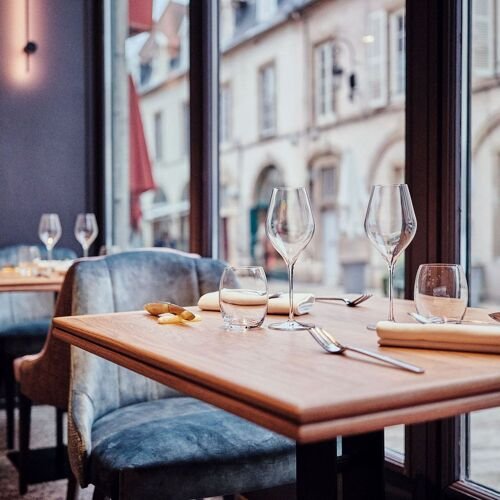
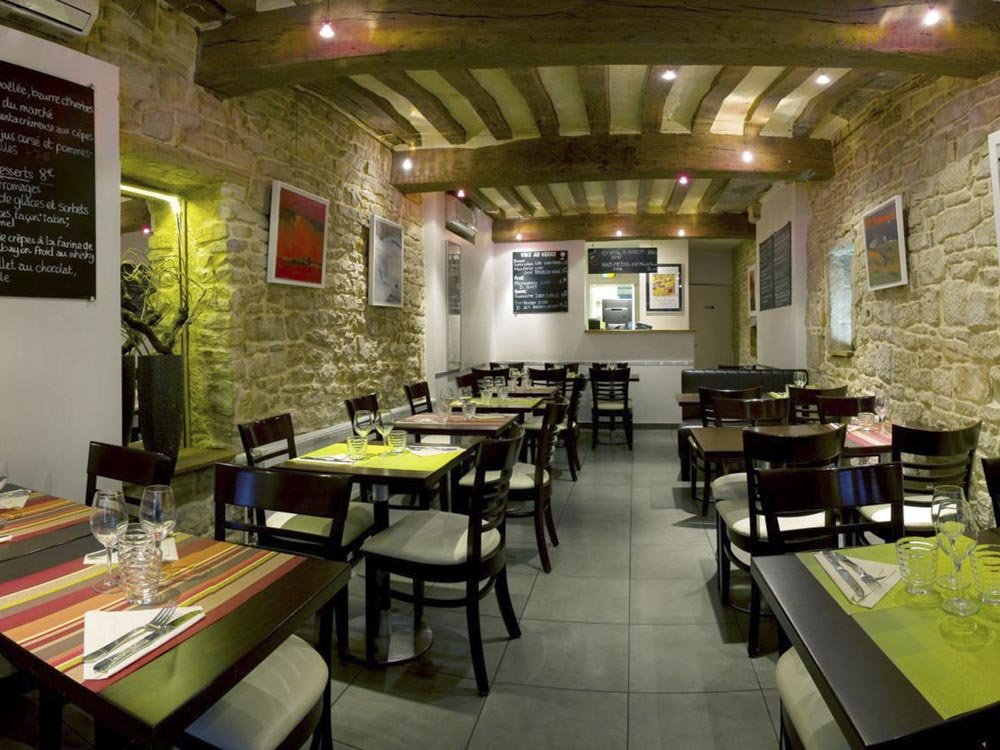
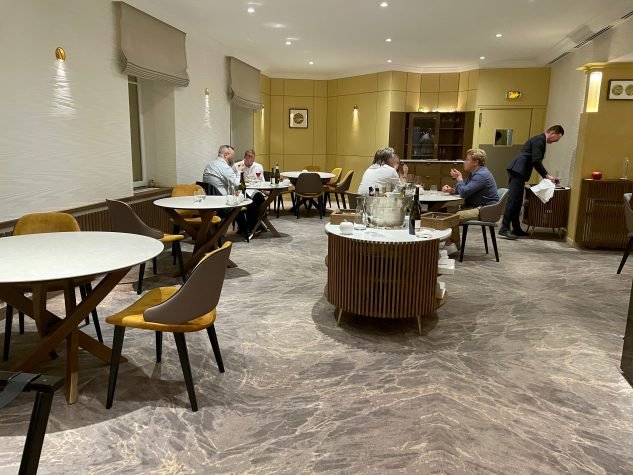
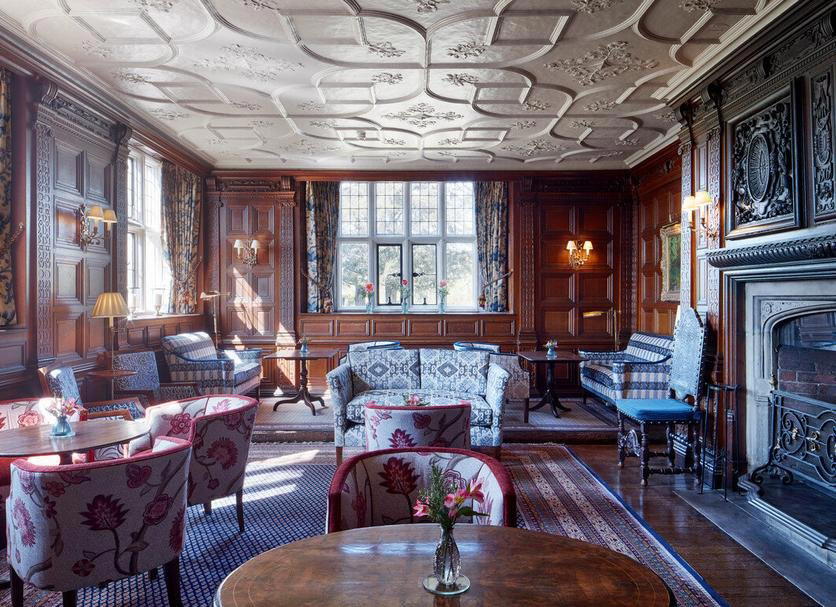
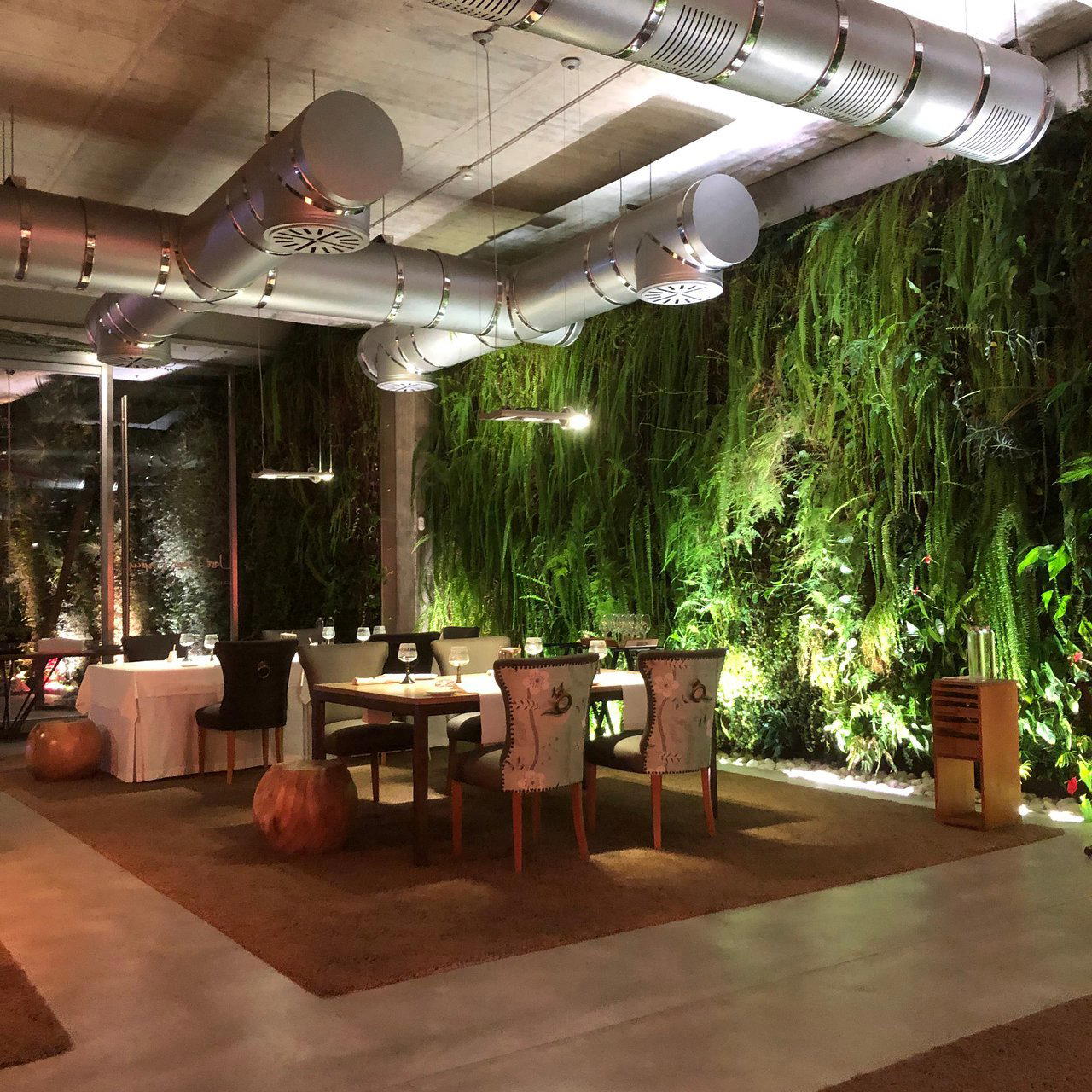
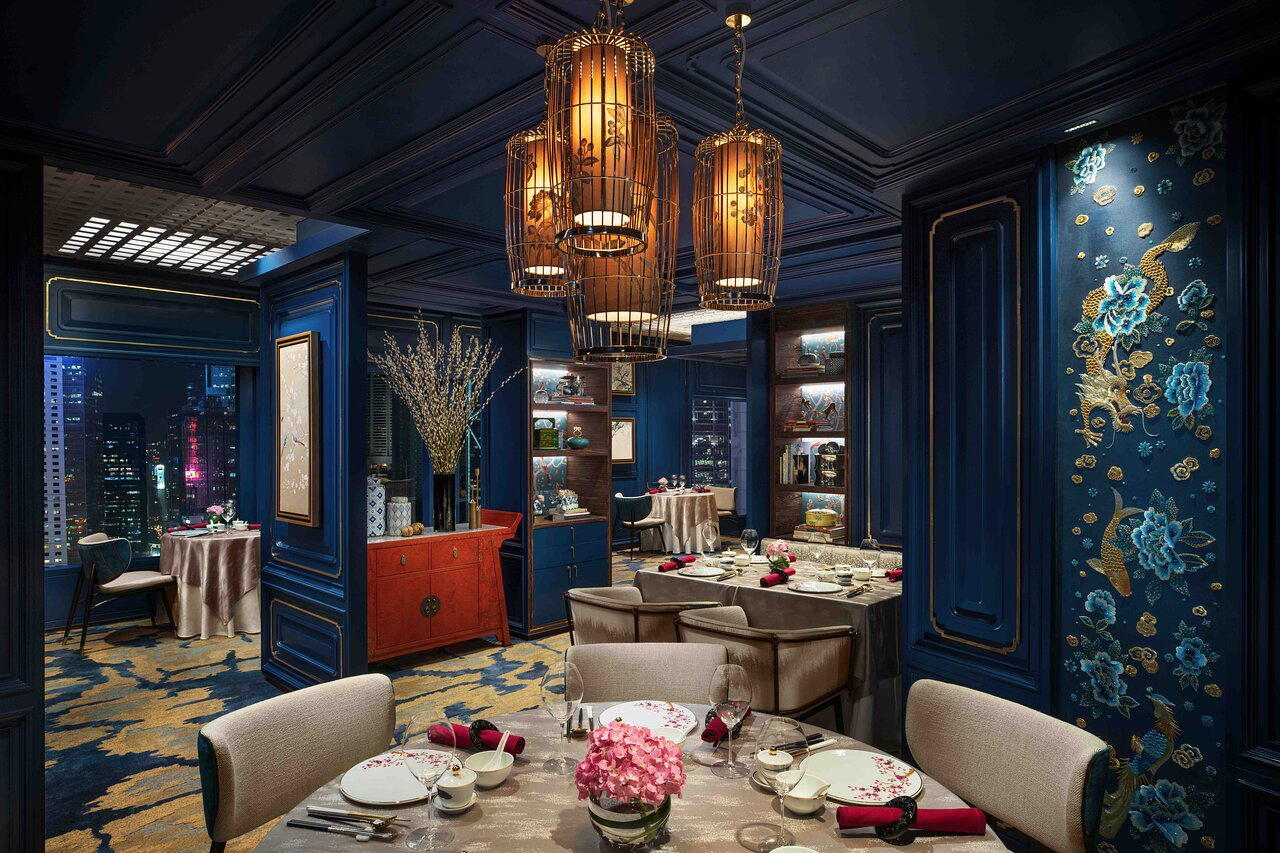
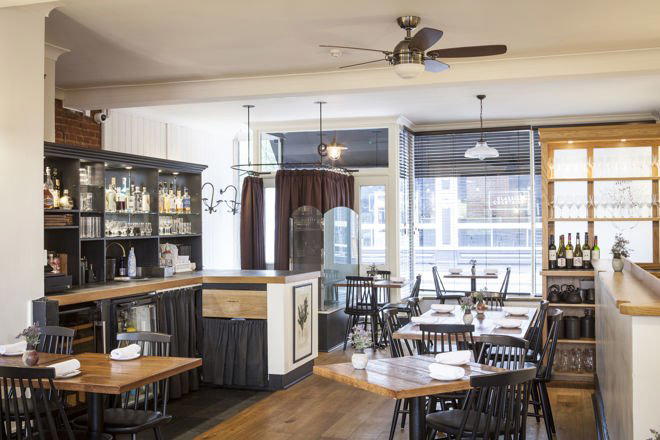
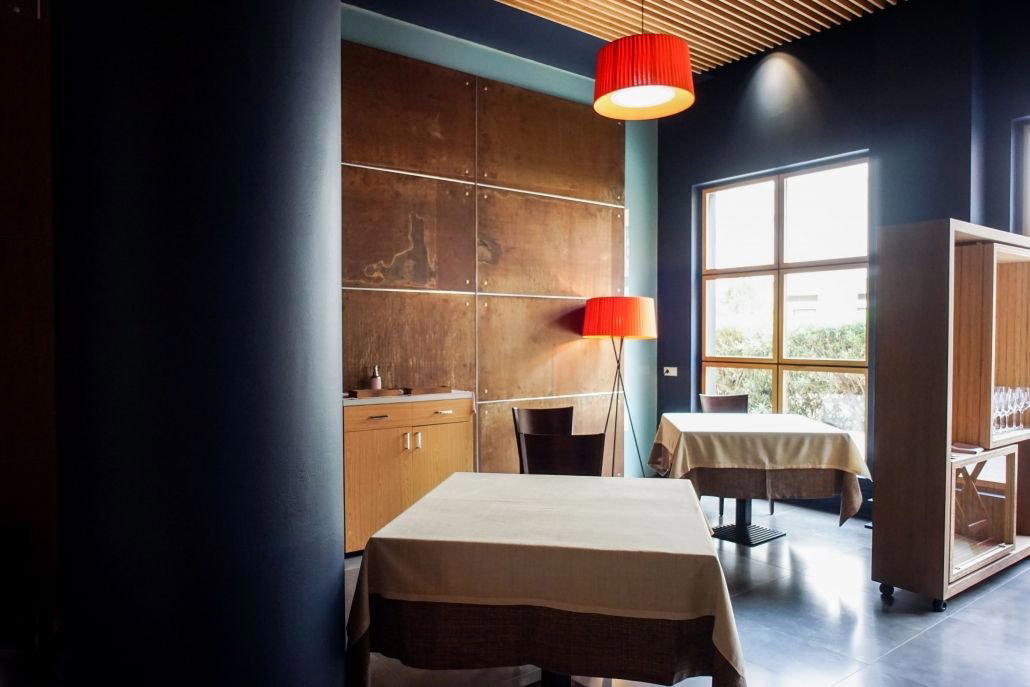
The first thing you notice at CIBO is the contrast between the building and the dining room. The exterior is a 17th-century Burgundy stone townhouse on rue Jeannin; inside, the dining room has been stripped back to something contemporary and spare, with a skylight drawing natural light into the space. There's no decorative excess here. The room signals intent before the food arrives: this is a kitchen-led restaurant where the plate is the focus.
The cooking follows the same logic. Ferrigno sources exclusively within a 200km radius, a commitment that shows in what reaches the table. We're Smart, which rated the restaurant in its Remarkable category, noted parallels with Copenhagen's produce-driven kitchens: a meaningful reference point for understanding the style. This is not classic Burgundian cuisine reworked for modern tastes. It's a distinct approach: raw preparations, Scandinavian-influenced technique, art-directed plating, and ingredients that reflect the agricultural depth of the region. Pickled beetroot carpaccio with smoked catfish and raspberry vinegar; barbecued carp cooked like a steak with fresh peas, honeyberries, and fish-bone jus; a buckwheat and strawberry tart that received a specific mention from We're Smart's reviewers. These are dishes built on precision, not comfort.
Sommelier is worth engaging. Michelin's reviewers flagged the wine guidance as a genuine asset, and in Burgundy that matters: you're in one of the great wine regions, and a knowledgeable sommelier here is not a luxury add-on but a practical advantage. For context on what Burgundy's finest producers offer at the table, few cities in France position you as well as Dijon. Restaurants like Loiseau des Ducs and L'Arôme also lean on the region's wine heritage, but CIBO's Nordic-inflected cooking creates pairings that sit outside the standard Burgundy playbook.
How CIBO Fits Dijon's Broader Scene
Dijon punches well above its size for serious dining. The city's role as the historic capital of Burgundy gives it culinary infrastructure: producers, markets, wine culture, that sustains restaurants at a level you wouldn't expect in a city of 150,000. CIBO arrived as a new discovery for We're Smart and earned its rating quickly, which places it among the restaurants reshaping what fine dining in Dijon can look like beyond the traditional canon.
If your trip allows, pairing a meal at CIBO with exploration of Dijon's wine culture makes sense. Pearl's full Dijon wineries guide is a useful starting point, and the Dijon bars guide can help you place the evening in context. The full Dijon restaurants guide covers the range if you're planning multiple meals.
For French regional cooking at a comparable or higher level, CIBO occupies a tier below the three-star landmarks, Mirazur in Menton, Troisgros in Ouches, Alléno Paris au Pavillon Ledoyen, but the Nordic-influenced approach gives it a different kind of interest than those more established institutions. Closer in spirit to Bras in Laguiole in its commitment to terroir, and sharing something with the produce-first philosophy of Flocons de Sel in Megève. The Copenhagen comparison from We're Smart is instructive if you want a broader European frame: think of restaurants in the lineage of Frantzén in Stockholm or FZN by Björn Frantzén in Dubai, technically precise, ingredient-led, and visually disciplined.
Late-Night Options and Timing
CIBO is not a late-night destination. The kitchen closes at 9 PM on weekday evenings, which means last orders fall early by most city standards. If you're arriving in Dijon after a long drive or a late train from Paris, plan around this. The Tuesday-to-Friday schedule (closed Saturday, Sunday, and Monday) is a harder constraint than many visitors realise. Miss the window and you're looking at alternatives: DZ'envies or L'Essentiel are worth checking for later availability. For a full picture of evening options, the Dijon experiences guide covers what the city offers beyond the table.
Lunch at CIBO runs 12 PM to 1 PM, a single-hour window that is even tighter than the dinner service. It's the harder booking to execute logistically, but if your schedule allows, it gives you the same kitchen in arguably better light, both literally (the skylight is at its finest midday) and practically (evening tables are the hotter ticket).
Who Should Book CIBO
CIBO works well for diners who have already done the obvious Dijon restaurants and want something with a distinct point of view. If this is your first serious meal in Dijon and you want recognisable Burgundian cuisine, L'Aspérule is a more accessible entry point at €€€. But if you've eaten around the city and you're looking for the kitchen in Dijon that is doing something genuinely different, local ingredients, Nordic technique, Michelin-recognised execution, CIBO is the answer. At €€€€, you're paying for precision and a clear creative identity, not for ceremony or grandeur.
Quick reference: Tue–Fri lunch 12–1 PM, dinner 7:30–9 PM; closed Sat, Sun, Mon; €€€€; 24 rue Jeannin, Dijon; book well in advance.
Planning details
- Hours
- Monday: closed · Tuesday: 12 PM-1 PM 7:30 PM-9 PM
- Location
- 24 rue Jeannin, Dijon, 21000, France
- Reservations
- Book on Zenchef
- Website
- cibo.restaurant
- Phone
- +33 3 80 28 80 76
The take
The Take
The Vibe
CIBO pairs 17th-century Burgundian architecture with a spare, contemporary interior to create a quietly refined dining room. Thick limestone walls and a skylight lend an elemental, historic anchor; the culinary program and pared-back décor steer the mood toward restraint rather than nostalgia. The result feels composed and deliberate: lighting and materiality emphasize texture and calm, while the kitchen’s Nordic-influenced approach keeps plates visually measured and subtle. Diners encounter a sophisticated, serene atmosphere that privileges precision and provenance over theatricality, making the restaurant feel like a modern, contemplative counterpoint to Dijon’s more traditional tables.
Best For
CIBO is best experienced at dinner for guests seeking an intimate, contemplative evening: think date nights or special occasions where the focus is on craft and conversation. The restaurant’s vegetable-forward, producer-rooted cooking and artful plating reward attentive dining rather than loud, multi-party revelry. Its historic setting and calm, skylit room suit couples and small groups who appreciate quietly sophisticated plates and seasonal sourcing. Because the kitchen translates Burgundian ingredients through a contemporary European lens, reservations for an evening service will let guests fully absorb the contrast between the building’s weighty past and the kitchen’s modern restraint.
Ordering Tips
Lean into the kitchen’s vegetable-forward focus and local sourcing when ordering. The venue lists signature dishes, Balade végétale and Balade autour de Dijon, that explicitly reflect the restaurant’s producer-rooted, plant-centered approach; those are logical choices to experience CIBO’s direction. Nordic restraint, raw preparations and fermentation shape the cooking, so expect composed, texturally subtle courses. Ask servers about which local producers influenced the current menu and for guidance on dishes that showcase Burgundy ingredients treated with northern European techniques.
Venue details
Ambiance
Contemporary minimalist dining room in a 17th-century stone building with serene, softly lit atmosphere and open kitchen view.
Tags
Vibe
Best For
Experience
Sourcing
At the Table
- Dress Code
- Smart Casual
- Noise Level
- Quiet
- Service Style
- Formal
- Meal Pacing
- Leisurely
- Capacity
- Small
- Kitchen
- Modern
- Menu Format
- Tasting menu
- Wine Program
- Deep wine list
- Drinks Focus
- Wine pairing
- Dietary
- Vegetarian friendly
Signature Dishes
- Balade végétale
- Balade autour de Dijon
Know before you go
Know Before You Go
- Getting there
- 24 rue Jeannin, Dijon, 21000, France
Planning details
Hours
- Monday
- closed
- Tuesday
- 12 PM-1 PM 7:30 PM-9 PM
- Wednesday
- 12 PM-1 PM 7:30 PM-9 PM
- Thursday
- 12 PM-1 PM 7:30 PM-9 PM
- Friday
- 12 PM-1 PM 7:30 PM-9 PM
- Saturday
- closed
- Sunday
- closed
Location

Also consider
Also Consider
- William Frachot: Modern French, Creative, €€€€
- Sublime: Innovative, Modern Cuisine, €€
- L'Aspérule: Modern Cuisine, €€€
- Origine: Creative, €€€€
- Cave: Traditional Cuisine, €€
Restaurant context
How CIBO Compares in Dijon
At the €€€€ tier, CIBO's direct competitor is William Frachot. Frachot is the more established name: a two-Michelin-star institution with a longer track record and a more classical French creative style. If pedigree and formal service depth matter to you, Frachot is the choice. CIBO offers something different: a leaner, more produce-driven kitchen with a Nordic-influenced approach and a room that strips ceremony away entirely. For diners who find classic fine dining format exhausting, CIBO is the better fit. Both are hard to book; neither can be walked into on a whim.
Origine sits alongside CIBO in the €€€€ bracket with a creative focus, and is worth comparing directly if you're deciding between the two for a single meal. For a step down in spend without a significant drop in ambition, L'Aspérule at €€€ delivers modern cuisine with good regional grounding and is an easier booking. If budget is the primary filter, Sublime at €€ offers innovative cooking at a fraction of the price: the experience is less polished but the cooking has genuine intent.
Cave at €€ is the right call if you want traditional Burgundian cuisine rather than modern technique. It shares nothing stylistically with CIBO, but it answers a different question: if you're in Dijon for the region's food heritage rather than its contemporary cooking scene, Cave is more honest value than paying €€€€ for a kitchen that is deliberately moving away from that tradition. For most visitors making one high-end booking in Dijon, CIBO or William Frachot will be the decision. CIBO is the stronger choice if you want the more progressive, ingredient-focused experience.
Explore Dijon
Around this place
Discover more on Pearl
Unlock the full CIBO guide in Pearl, including awards, comparisons, FAQs, planning details, and nearby places.
Compare CIBO
| Venue | Price | Booking Difficulty | Awards |
|---|---|---|---|
| CIBO | €€€€ | Hard | We're Smart World Top Restaurants 20252025 Gault & Millau Remarkable Restaurant2025 Michelin 1 Star2024 Michelin 1 StarWorld's Best Wine Lists 2022 |
| William Frachot | €€€€ | Unknown | Michelin Guide France & Monaco 20262026 Les Grandes Tables du Monde Members2026 La Liste Top Restaurants2026 Falstaff Restaurant GuideWe're Smart World Top Restaurants 20252025 La Liste Top Restaurants2025 Michelin 2 Stars2025 Gault & Millau Remarkable Restaurant2024 OAD Classical in Europe Ranked · #167 |
| Sublime | €€ | Unknown | Michelin Guide France & Monaco 20262025 OAD Top Restaurants in Japan Ranked · #4262025 Michelin Plate2024 OAD Top Restaurants in Japan Ranked · #3732024 Michelin Plate2023 OAD Top Restaurants in Japan Highly Recommended |
| L'Aspérule | €€€ | Unknown | Michelin Guide France & Monaco 2026We're Smart World Top Restaurants 20252025 Gault & Millau Remarkable Restaurant2025 Michelin 1 Star2024 Michelin 1 Star |
| Origine | €€€€ | Unknown | No published awards |
| Cave | €€ | Unknown | Michelin Guide France & Monaco 20262025 Michelin Bib Gourmand2024 Michelin Plate |






.png?width=1200&quality=80)

Key differences to consider before you reserve.
FAQ
Frequently Asked Questions
Is lunch or dinner better at CIBO?
Lunch is the practical choice if your schedule allows: the window is tight (12 PM to 1 PM), but you get the same Michelin-starred kitchen at a time that leaves your evening free. Dinner runs until 9 PM, which suits slower-paced tasting menus but means last orders come earlier than most fine-dining restaurants in larger cities. Both services run Tuesday through Friday only, so plan around that constraint before deciding.
Can I eat at the bar at CIBO?
There is no bar seating confirmed for CIBO. The dining room is a pared-back, skylit space inside a 17th-century Burgundy stone building, designed for full sit-down service. If you want a counter-style or drop-in format in Dijon, this is not the venue for it.
What should a first-timer know about CIBO?
CIBO is not a first-night-in-Dijon restaurant. Chef Angelo Ferrigno's cooking draws on hyper-local sourcing within a 200km radius and carries strong Scandinavian and raw-ingredient influences: it rewards diners who are already comfortable with modern tasting-menu formats. The room is contemporary and minimalist inside a historic shell, service is polished, and the sommelier adds real value. Come with time to spare: the kitchen window closes at 9 PM and the pace is unhurried.
How far ahead should I book CIBO?
Book as early as you can: We're Smart explicitly flags that tables are snapped up fast, and with only four service days per week (Tuesday through Friday), availability is genuinely limited. Two to three weeks minimum is a safe target; further out if you have fixed travel dates. There is no walk-in culture here at the €€€€ price point.