



Kizaki
Japanese, Sushi · Platt Park, Denver
Restaurant in Denver, United States
 Book with Pearl
The Read
Edomae Counter Precision
Price
$200–300per person
Dress
Smart Casual
Why go
Denver's only Michelin-starred omakase counter, Kizaki delivers a roughly 20-course edomae experience built on precise fish sourcing and technique. At $$$$ per head, it is the city's most demanding reservation and its highest-stakes Japanese meal. Book well in advance: this is purpose-built for special occasions and walk-ins are not realistic.
About Kizaki
Denver's Only Michelin-Starred Omakase Counter Is Worth the Splurge, If You Plan Ahead
Twenty courses. One counter. A four-decade career behind every piece of nigiri. Kizaki, at 1551 S Pearl St, is the most demanding reservation in Denver, and for a specific type of diner: one who takes omakase seriously and is willing to pay $$$$ for it, it delivers at a level nothing else in Colorado comes close to matching.
Chef Toshi Kizaki has been shaping Denver's Japanese dining since before most of the city's current restaurant scene existed. Now in his seventies, he has channeled that career into an intimate counter experience built around edomae sushi, the 200-year-old Edo-period tradition that prizes technique, restraint, and the integrity of the fish above all else. Michelin recognized the result with a star, the only one currently awarded to an omakase concept in Denver.
The Sourcing Case for the Price
Edomae as a tradition is inseparable from its ingredient logic: fish sourced with precision, treated with methods that preserve and concentrate flavor rather than mask it. At Kizaki, that means a roughly 20-course progression that moves through raw, cured, seared, and dry-aged preparations, each technique applied where it serves the fish, not for novelty's sake.
The awarded copy on record describes preparations like lightly seared black-throat sea perch and vinegar-accented gizzard shad, two fish that illustrate the range of the menu. Black-throat sea perch (nodoguro in Japanese) is one of the most prized oily fish in Japanese cuisine, expensive to source and difficult to handle well. Gizzard shad (kohada) is the opposite in status terms: a humble, silvery fish that serious edomae chefs treat as a benchmark of skill, since its sharp flavor requires precise vinegar seasoning and aging to bring into balance. Putting both on the same menu signals a kitchen that is working across the full register of the tradition, not cherry-picking the prestige ingredients.
The menu also includes preparations like black-and-white sesame tofu, small dishes that frame the nigiri sequence and demonstrate range beyond the fish itself. This is the structure of a composed omakase, not a sushi bar with an extended tasting option bolted on. If you are comparing Kizaki to what Atomix in New York City does for Korean fine dining, or what Smyth in Chicago does for seasonal American tasting menus, the category logic is the same: a singular point of view, expressed through a fixed progression, in a room built for that purpose. The difference is that Kizaki exists in Denver, not a coastal city where this price tier has more competition, which makes it simultaneously easier to justify (nothing else here does this) and harder to benchmark (you are, in some sense, trusting the Michelin star to do the work).
Who Should Book, and When
Kizaki is purpose-built for special occasions, anniversaries, milestone celebrations, a dinner that needs to be genuinely memorable without relying on atmosphere gimmicks or a famous view. The counter format means you are watching the chef work, which adds engagement but also means this is not the right choice for a loud group dinner or a business meal where conversation needs to carry the room. Two people who want to focus on the food will get more from this than a table of six trying to talk over a tasting menu.
Timing matters. Denver's restaurant week periods and summer weekends push booking demand across the board; for an already hard-to-get counter, that means planning further out than you might expect. Book as early as the reservation window allows. There is no walk-in path for an experience at this level. If your schedule is flexible, midweek seatings tend to offer a quieter room and more attentive pacing at counters like this, the same logic applies at The French Laundry in Napa or Le Bernardin in New York City, where the rhythm of service differs noticeably between a Tuesday and a Saturday.
For Denver specifically: the city's altitude affects alcohol absorption, and a 20-course omakase paired with sake will land differently here than at sea level. Factor that into your evening planning.
Practical Details
Reservations: Hard to get, book as early as your window opens; walk-ins are not a realistic option for this format. Budget: $$$$, expect this to be one of the most expensive meals in Denver; the price reflects a Michelin-starred omakase format with premium fish sourcing. Format: Approximately 20 courses, counter seating, chef-directed pace, plan for a full evening. Dress: Not confirmed, but the omakase counter context and price tier suggest smart casual at minimum; err toward formal if this is a celebration. Address: 1551 S Pearl St, Denver, CO 80210.
How It Compares
See the comparison section below for how Kizaki stacks up against Denver's other high-end options.
Pearl's Take
Kizaki is the answer to a specific question: where in Denver do you go when you want a meal that matches what serious omakase counters deliver in major coastal cities? The Michelin star and the edomae framework give you two checkable reasons to trust the price. If omakase is your format and a special occasion is your reason, book it. If you want Japanese food in a lower-commitment setting, this is not the right call, but nothing in Denver does what Kizaki does at this level.
For broader Denver dining options, see our full Denver restaurants guide. Also worth exploring: our Denver hotels guide, our Denver bars guide, our Denver wineries guide, and our Denver experiences guide.
Planning details
- Hours
- Monday: Closed · Tuesday: Closed
- Location
- 1551 S Pearl St, Denver, CO 80210
- Reservations
- Book on OpenTable
- Website
- denchukizaki.com
- Phone
- (720) 512-2753
The take
The Take
The Vibe
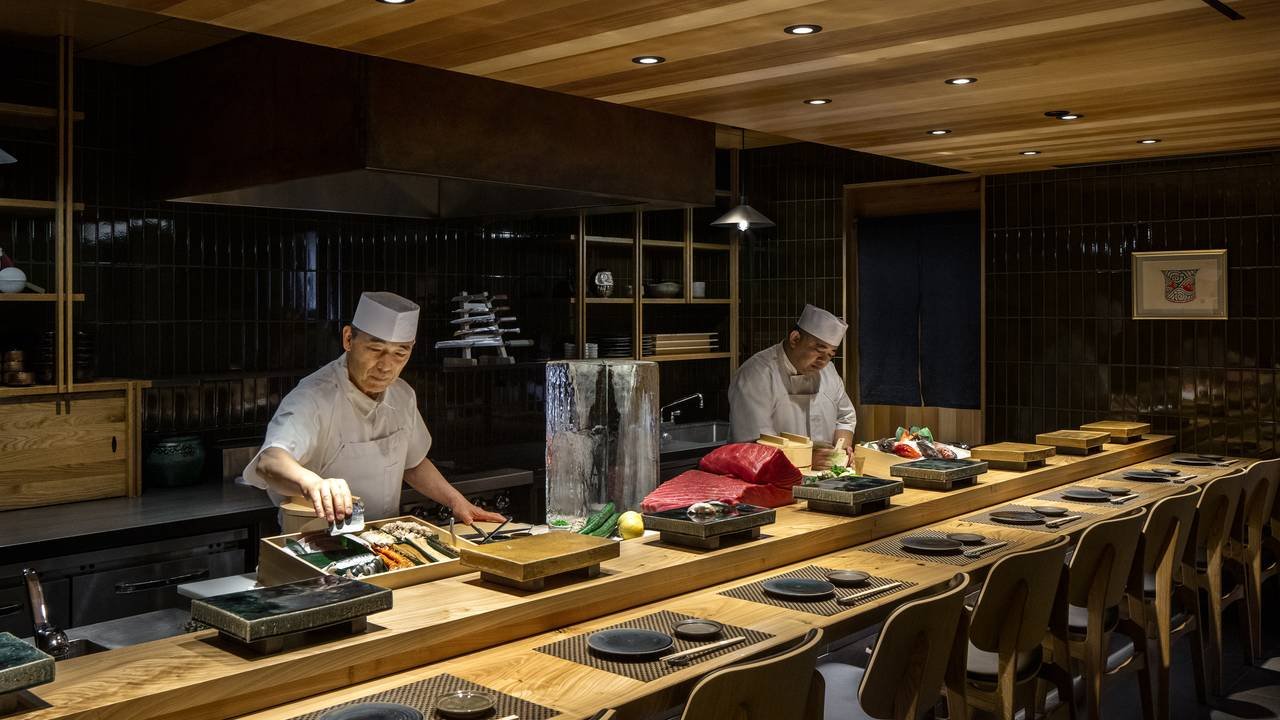
Kizaki presents a tightly focused, quietly exacting atmosphere built around an omakase counter. The restaurant practices edomae, a Tokyo-rooted tradition, so the room privileges discipline and technique over theatricality. Seating centers on the chef's workspace, making the preparation of each piece visible and part of the experience. Ingredient provenance and deliberate aging or curing of fish give the overall impression of a restrained, classic sushi-ya translated into a Michelin-starred fine-dining context in Denver.
Best For
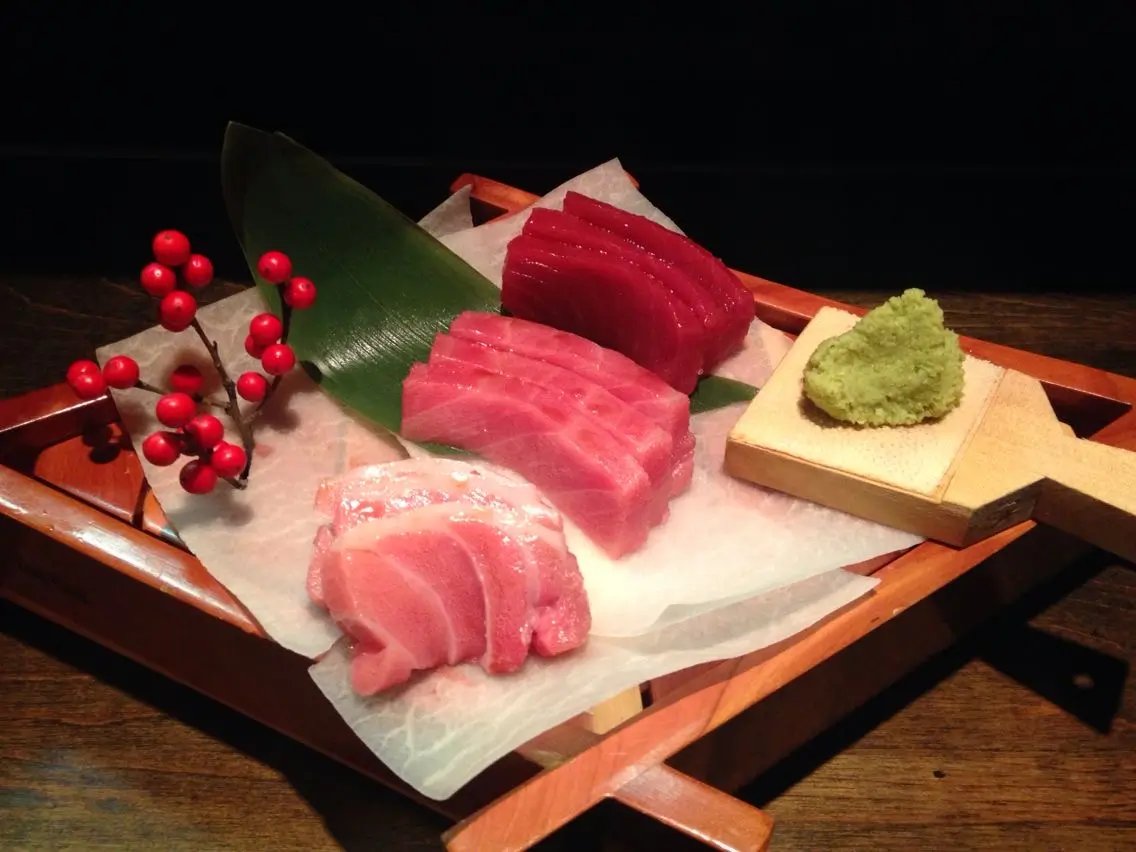
Kizaki is best for diners seeking a chef-led, ceremonial sushi experience: think special occasions, date nights, or focused solo counter dining. As a Michelin-starred omakase counter, it attracts guests who want a precise edomae tasting sequence rather than à la carte variety. Dinner is the natural fit here: the service unfolds as a sequence that highlights provenance and technique, with signature pieces such as Unryu Tofu, Black Throat Sea Perch, and Bluefin Toro serving as memorable peaks of the meal.
Ordering Tips
Treat the offering as a chef-led omakase: the menu is organized around a counter sequence that showcases aging, curing, and exacting edomae techniques, so the clearest way to experience Kizaki is to accept the chef’s progression. Guests who care about particular ingredients can ask about provenance and the treatment of fish (the profile discusses specific aging and curing windows). Because the counter format makes the chef’s process visible, plan for an attentive, sequential tasting rather than a la carte pacing.
Venue details
Ambiance
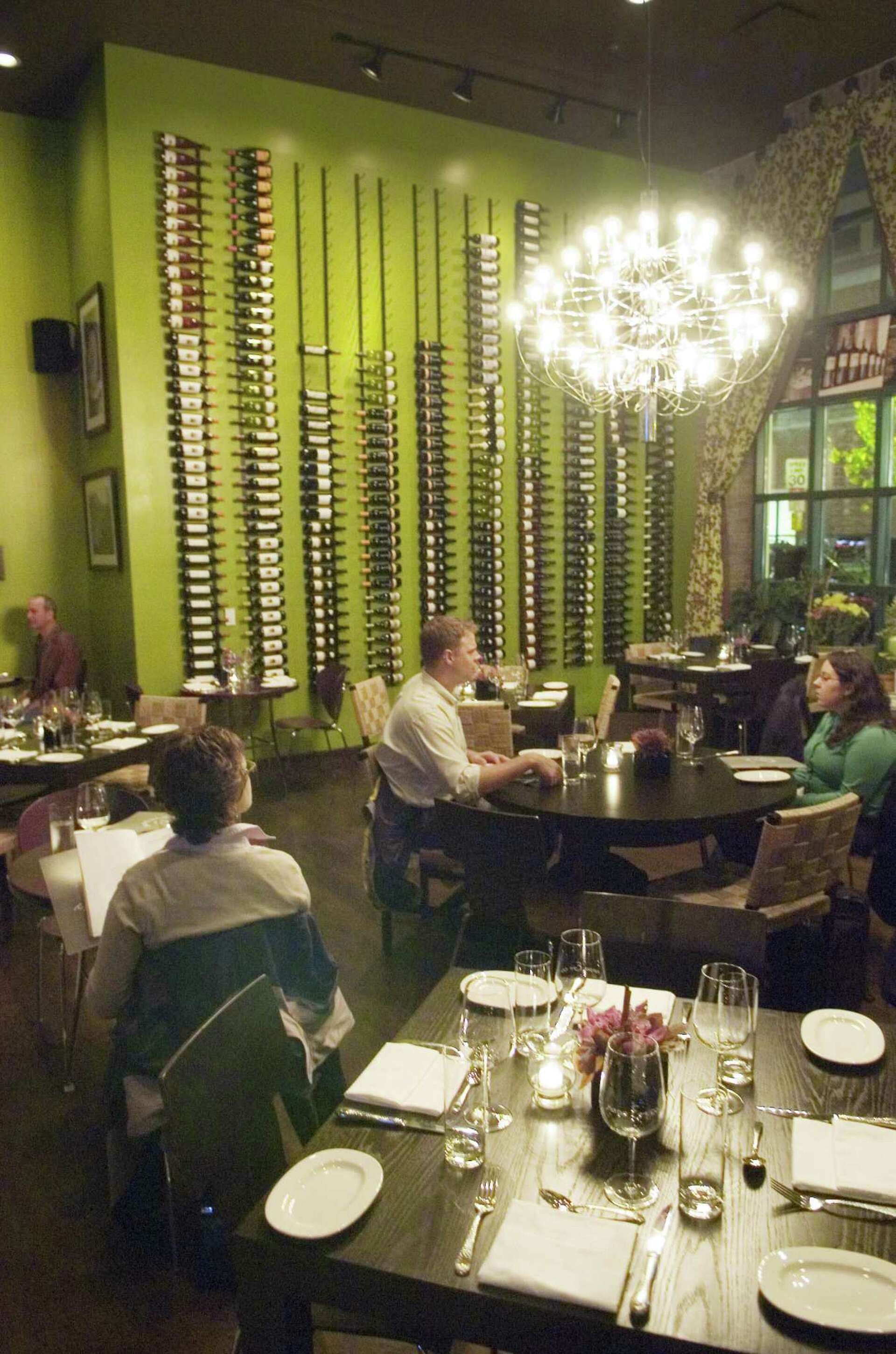
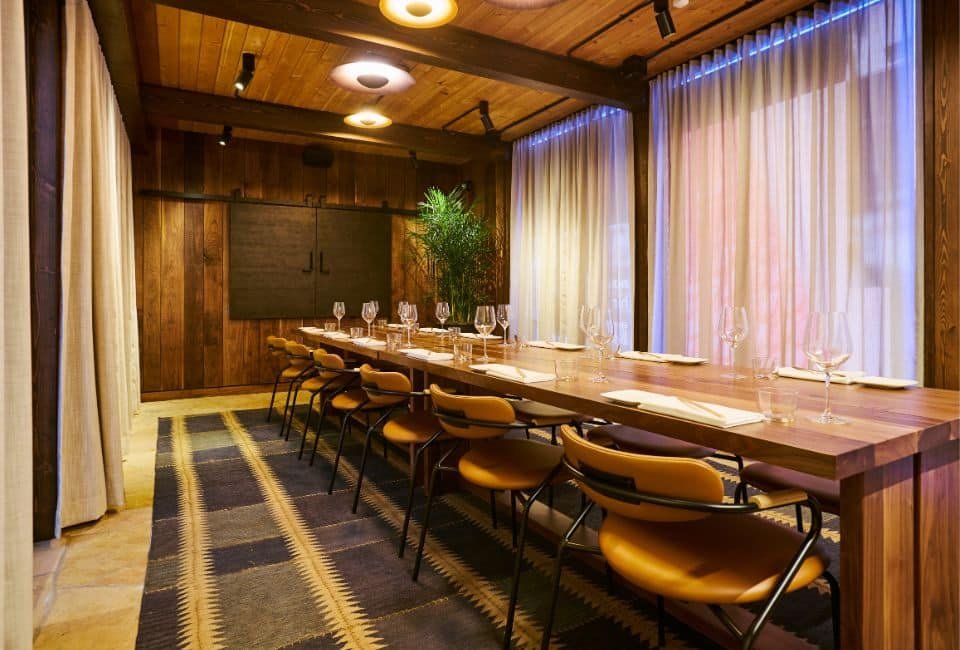
Dimly lit, warm lighting on bamboo and wood counter creating an intimate Tokyo-style sushi bar atmosphere.
Tags
Vibe
Best For
Experience
At the Table
- Dress Code
- Smart Casual
- Noise Level
- Quiet
- Service Style
- Upscale Casual
- Meal Pacing
- Extended Experience
- Capacity
- Intimate
- Kitchen
- Modern
- Menu Format
- Omakase, Counter dining
- Drinks Focus
- Sake, Cocktails
- Dietary
- Pescatarian friendly
- Private Dining
- Available
Signature Dishes
- Unryu Tofu
- Black Throat Sea Perch
- Bluefin Toro
Know before you go
Know Before You Go
- Getting there
- 1551 S Pearl St, Denver, CO 80210
Planning details
Hours
- Monday
- Closed
- Tuesday
- Closed
- Wednesday
- 5–10 PM
- Thursday
- 5–10 PM
- Friday
- 5–10 PM
- Saturday
- 5–10 PM
- Sunday
- Closed
Location
Recognition and awards


Also consider
Also Consider
- The Wolf's Tailor: New American, Contemporary, $$$$
- Tavernetta: Italian, $$
- Brutø: Contemporary, $$$$
- Alma Fonda Fina: Mexican, $$
- Safta: Israeli Cuisine, $$$
Restaurant context
At the $$$$ tier in Denver, Kizaki has no direct competitors in its format. Brutø and The Wolf's Tailor both operate at the same price point and offer serious tasting-menu cooking, but they are contemporary American in orientation: creative, ingredient-focused, and strong on their own terms, but a different decision entirely from a Michelin-starred edomae omakase. If you are choosing between them, the question is format: do you want a chef-directed Japanese progression or a more flexible, modern dining experience? For most occasions, Brutø and The Wolf's Tailor are easier to book and offer more room for conversation; Kizaki asks more of you and delivers something more singular.
Step down in price and the comparison shifts. Alma Fonda Fina at $$ and Safta at $$$ both represent strong value for their respective cuisines, Mexican and Israeli, and are better choices if your priority is a lively dinner over a focused tasting. Neither competes with Kizaki on technique or ambition, but both will cost you significantly less and book more easily. For a celebration where the food matters but the omakase format feels too constrictive, Beckon is the closest alternative: a chef-driven tasting menu without the edomae framework.
The honest comparison for Kizaki is not within Denver at all. Its peers are counters like Atomix in New York or the kind of precision-sourcing tasting formats you find at Smyth in Chicago: restaurants where the Michelin recognition reflects a genuinely different tier of cooking. In Denver's context, Kizaki is in a category by itself. If the omakase format is what you want and budget is not the deciding factor, there is no local substitute worth considering instead.
Around this place
Discover more on Pearl
Unlock the full Kizaki guide in Pearl, including awards, comparisons, FAQs, planning details, and nearby places.
Compare Kizaki
| Venue | Location | Cuisine | Awards | Price |
|---|---|---|---|---|
| Kizaki | Denver | Japanese, Sushi | 2026 James Beard Award Semifinalists2026 MICHELIN Guide Colorado2025 Michelin 1 Star2025 OpenTable Top 100 Restaurants2025 Esquire Best New Restaurants | $$$$ |
| The Wolf's Tailor | Denver | New American, Contemporary | Star Wine Lists 20262026 OAD Top Restaurants in North America Highly Recommended2026 James Beard Award Semifinalists2026 La Liste Top Restaurants2026 MICHELIN Guide Colorado2025 OAD Top Restaurants in North America Ranked · #1172025 Wine Spectator Award of Excellence2025 Michelin 2 Stars2024 James Beard Awards · #1 | $$$$ |
| Tavernetta | Denver | Italian | Star Wine Lists 20262026 OAD Casual in North America Recommended2026 Wine Spectator Best of Award of Excellence2026 MICHELIN Guide Colorado2025 OAD Casual in North America Ranked · #4612025 Wine Spectator Best of Award of Excellence2025 Michelin Bib Gourmand2024 OAD Casual in North America Ranked · #4822024 Michelin Bib Gourmand | $$ |
| Brutø | Denver | Contemporary | No published awards | $$$$ |
| Alma Fonda Fina | Denver | Mexican | 2026 Food & Wine Top 10 US Restaurants · #22026 OAD Casual in North America Recommended2026 James Beard Award Nominees2026 James Beard Award Semifinalists2026 MICHELIN Guide Colorado2025 World's 50 North America's Best Restaurants · #452025 James Beard Award Semifinalists2025 Michelin 1 Star2025 OpenTable Top 100 Restaurants | $$ |
| Safta | Denver | Israeli Cuisine | Star Wine Lists 20262026 MICHELIN Guide Colorado2025 Michelin Plate | $$$ |










.png?width=1200&quality=80)
How Kizaki Denver compares with similar nearby venues.
FAQ
Frequently Asked Questions
Is Kizaki worth the price?
For a $$$$ omakase, yes: provided the format suits you. Kizaki is Denver's only Michelin-starred omakase counter, and Chef Toshi Kizaki's four-decade career informs every course across an approximately 20-course edomae menu. The price is high by Denver standards, but it sits in the same tier as serious omakase counters in major markets. If you are looking for a la carte Japanese or a shorter tasting menu, the spend will feel harder to justify: this format rewards commitment to the full experience.
What should a first-timer know about Kizaki?
Kizaki is a counter-format omakase: you sit, the chef paces the meal, and there is no ordering. The approximately 20-course menu draws on edomae tradition, meaning preparations include raw, cured, seared, and dry-aged fish: not just standard nigiri. Budget a full evening and arrive ready to commit to the format. Reservations are hard to get; walk-ins are not a realistic option, so book as far out as your window allows.
What are alternatives to Kizaki in Denver?
For a different style of high-end dining in Denver, Brutø and The Wolf's Tailor both offer serious tasting-menu formats at $$$$ price points without the omakase structure, which suits guests who want more variety in format or cuisine. Tavernetta and Alma Fonda Fina are strong choices if you want refined dining with more flexibility around ordering and group dynamics. Safta is the better pick for a lively, sharing-format dinner where the occasion matters but a fixed counter is not the goal. None currently hold a Michelin star for Denver, which remains Kizaki's clearest differentiator.
Can Kizaki accommodate groups?
The counter format limits party size: this is not a venue for large groups. Small parties of two to four are the practical fit for an intimate counter experience. Groups with mixed preferences around raw fish or lengthy tasting menus will find the format less flexible than a restaurant with a conventional menu. For celebrations involving more than four guests, confirm seating availability directly with the restaurant before booking.