
Restaurant in Delhi, India
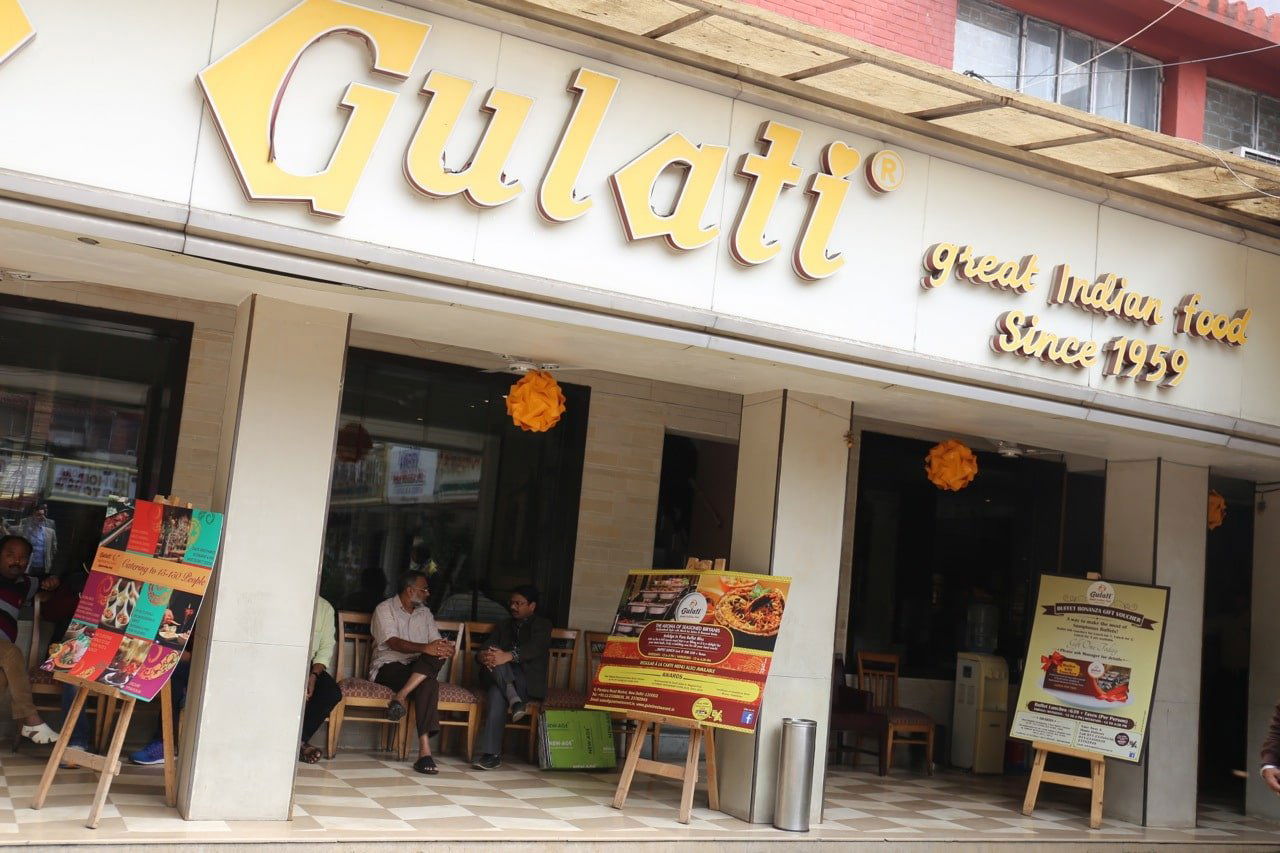
Gulati Restaurant, Pandara Road
100ptsPunjabi-Mughlai Volume Cooking
About Gulati Restaurant, Pandara Road
Gulati Restaurant on Pandara Road has anchored Delhi's north Indian dining scene for decades, drawing regulars from the diplomatic enclave and beyond for butter chicken and dal makhani prepared in the old-school style. The address, a short walk from India Gate, places it among a cluster of long-running establishments that define how the capital thinks about everyday Mughlai cooking. It is a reference point, not a novelty.
Pandara Road and the Grammar of Old Delhi Comfort
There is a particular kind of restaurant that a city needs more than it needs another tasting menu: the kind where the cooking stays consistent across decades, where the room fills at predictable hours with a predictable mix of civil servants, families, and out-of-towners who heard about the place from someone who heard about it years ago. Pandara Road, running parallel to the gardens near India Gate in central New Delhi, has been that address for north Indian cooking since the mid-twentieth century. The row of restaurants along its market strip, of which Gulati is among the most prominent, represents an older model of Delhi dining: high-volume, family-facing, rooted in Mughlai and Punjabi registers rather than in the innovation-first approach that has reshaped Indian restaurant culture at venues like Inja in New Delhi or, further afield, Farmlore in Bangalore.
Gulati sits inside that older tradition. The physical approach tells you something before you sit down: the street-level frontage, the steady foot traffic, the absence of a reservation queue managed by a host with a tablet. This is a restaurant that operates on throughput and familiarity rather than scarcity and spectacle. That is a deliberate position, and understanding it clarifies what to expect inside.
The Room and How It Works
North Indian restaurants of this generation are designed for efficiency and volume, not atmosphere in the contemporary sense. The dining room at Gulati is functional: well-lit, tables set close, service oriented toward moving food quickly from kitchen to table while it is at the right temperature. The demographic on any given evening tends toward multigenerational family groups and pairs of office workers, with a secondary layer of tourists staying in the nearby hotel corridor between India Gate and Khan Market. The room does not have the courtyard romanticism of Dining Tent in Jaisalmer or the palace register of Adaa at Falaknuma Palace in Hyderabad. It is not trying to. The transaction here is about the cooking, and specifically about cooking that has been calibrated over many years to a regular clientele.
Service at long-running mid-tier Delhi restaurants like this one operates through institutional knowledge rather than formal training structures. Waitstaff tend to have been in place for years, which produces a front-of-house dynamic different from fine dining: less curated, more direct, useful for first-timers who need guidance on ordering. The team works fluidly rather than in distinct roles. There is no dedicated sommelier tier here, consistent with the broader model at Pandara Road establishments, where beverages run to lassi, soft drinks, and fresh juice rather than a cellar program.
What Pandara Road Cooking Actually Is
The culinary register at Gulati draws from the Punjabi and Mughlai traditions that have defined Delhi's mainstream restaurant scene since partition-era migration brought both communities and their cooking into the capital in large numbers. Butter chicken, dal makhani, paneer preparations, tandoor-finished breads, and kebab formats are the structural pillars of this cuisine as it appears on Pandara Road. The style tends toward richness: long-cooked lentils, cream-finished gravies, tandoor smoke as a seasoning agent. This places it in a different conversation from the lighter, more ingredient-forward approach that characterises southern Indian cooking at addresses like Kappa Chakka Kandhari in Chennai or Leela Kerala Terrace in Trivandrum.
For context on how Delhi handles regional Indian breadth, the thali format at institutions like Andhra Pradesh Bhavan offers a useful contrast: where the Bhavan emphasises southern and Andhra cooking for a government-linked audience at subsidised pricing, Pandara Road addresses like Gulati occupy the middle market for north Indian comfort food at commercial rates. The older Delhi comparison set also includes Bukhara, though Bukhara operates in a different tier, with its ITC hotel address, international clientele, and decades of press coverage placing it in a separate competitive bracket from Pandara Road's family-format establishments.
Pandara Road's position in the city also differs from the street-level snack culture of Chache Di Hatti or Bikanervala in Chandni Chowk. Those addresses serve single-format, counter-style eating at the budget end of the market. Gulati and its neighbours on Pandara Road sit above that, offering full-service sit-down meals at prices accessible to the urban middle class.
Planning a Visit
Pandara Road is straightforwardly accessible from central Delhi, positioned close enough to India Gate that visitors combining a late afternoon walk through the gardens with an evening meal at one of the road's restaurants is a sensible and common itinerary. The area connects well to Khan Market and the diplomatic enclave, making it convenient for those staying in that corridor. For broader orientation on eating across the capital, the full Delhi restaurants guide covers the city's range from old-city institutions to contemporary addresses. Reservations are not typically required at this style of venue, though arriving before peak dinner service on weekends avoids the longest waits. The format suits groups and families; it is less suited to the kind of quiet, extended meal associated with venues like Curry Kitchen or, at a very different register, Neel in Patiala.
India's broader restaurant scene has moved considerably in the past decade, with chef-driven formats, regional specificity, and international reference points becoming standard at the upper end of the market. For context on that shift, Lazy Bear in San Francisco and Le Bernardin in New York City illustrate how international fine dining has evolved on similar timelines. Pandara Road addresses like Gulati occupy a different purpose: they are the places that remain constant while the rest of the city experiments, and that constancy carries its own value for residents and returning visitors who know what they want. For coastal Goa's more eclectic mix, Bomras in Anjuna offers an instructive contrast in how Indian restaurants have adapted to international travel audiences, while Americano in Mumbai shows the Western-influenced register developing in parallel on the west coast.
Frequently Asked Questions
What dish is Gulati Restaurant, Pandara Road famous for?
Gulati is most closely associated with the Punjabi-Mughlai canon that defines Pandara Road as a dining address: butter chicken, dal makhani, and tandoor-finished breads are the dishes that draw repeat visitors and anchor the restaurant's reputation. These are preparations where the kitchen's consistency over time matters more than novelty, and Pandara Road's identity as a cluster is built on that consistency. The cuisine sits firmly in the north Indian tradition that has made this stretch of central Delhi a reference point for the style since the mid-twentieth century.
How hard is it to get a table at Gulati Restaurant, Pandara Road?
Gulati operates in a segment of Delhi dining where walk-in traffic is the norm and advance reservations are not typically required. The volume-oriented model at Pandara Road restaurants means that tables turn at a steady rate, though weekend evenings and public holidays can produce a wait at the door. The venue's price point, aimed at the urban middle market rather than the premium tier, means demand is broad but the friction of access is low compared to allocation-based dining at more tightly capacity-managed addresses in the capital.
Is Gulati Restaurant on Pandara Road suitable for a first-time visitor to Delhi who wants to understand north Indian restaurant cooking?
Pandara Road as a whole, and Gulati within it, functions as a useful reference point for the Punjabi-Mughlai style that has shaped how north Indian food is served in restaurants across the country. The format is accessible, the menu covers the core preparations of the tradition, and the central location near India Gate means it fits naturally into a first day in the city. For visitors who want to cross-reference with southern Indian cooking before leaving Delhi, Andhra Pradesh Bhavan provides an instructive counterpoint within the same broad geography.
Related editorial
- Best Fine Dining Restaurants in ParisFrom three-Michelin-star icons to the next generation of Parisian chefs pushing boundaries, these are the restaurants that define fine dining in the world's culinary capital.
- Best Luxury Hotels in RomeFrom rooftop terraces overlooking ancient ruins to Michelin-starred hotel dining, these are the luxury hotels that make Rome unforgettable.
- Best Cocktail Bars in KyotoFrom sleek lounges to hidden speakeasies, Kyoto's cocktail scene blends Japanese precision with global influence in ways you won't find anywhere else.
Save or rate Gulati Restaurant, Pandara Road on Pearl
Keep this venue in your Pearl passport, rate it after you visit, and track it alongside every other place you collect.