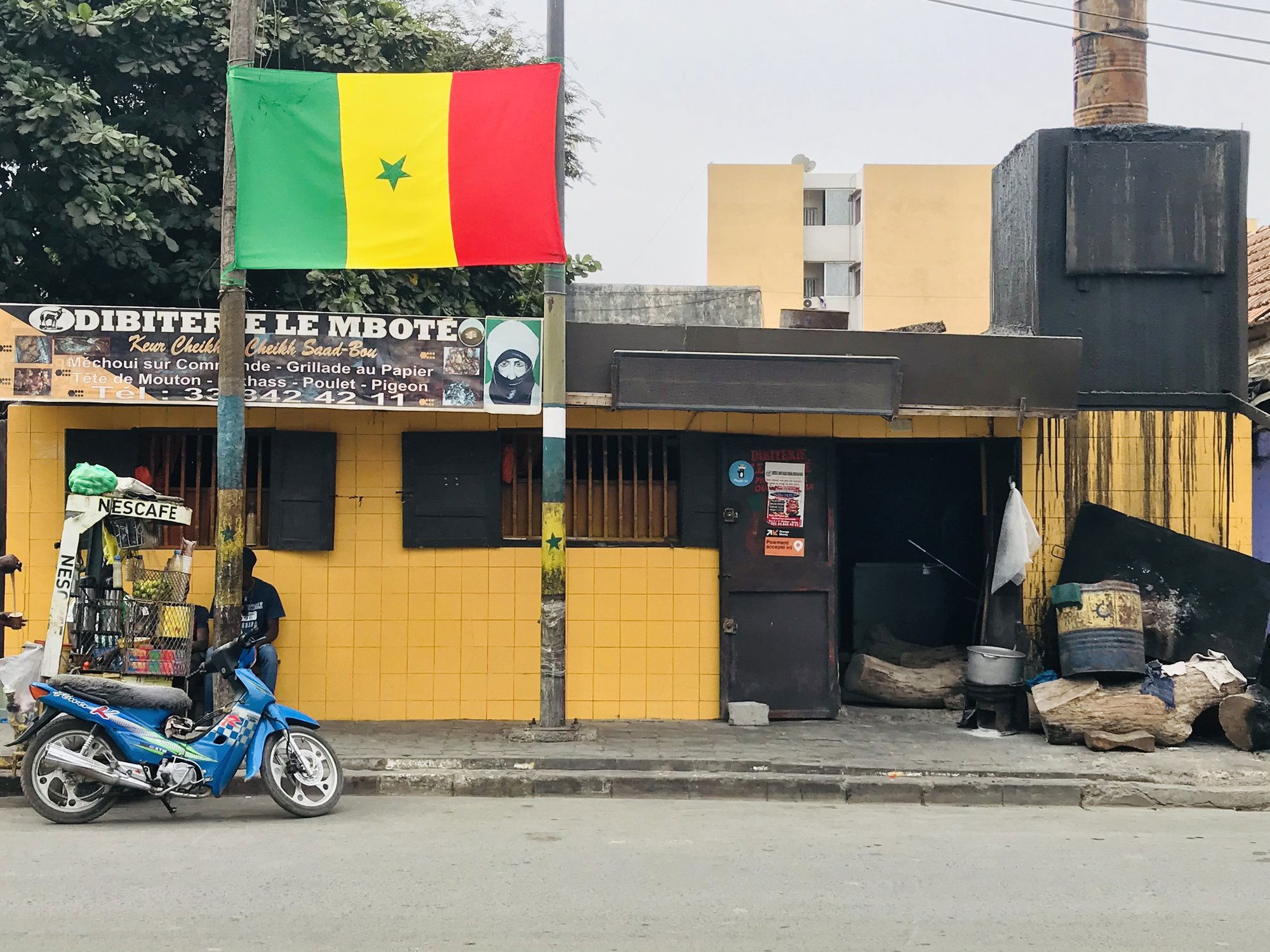
Dibiterie Le Mboté 1
Médina, Dakar
Restaurant in Dakar, Senegal
 Book with Pearl
The Read
Price
$1–10per person
Dress
Casual
Why go
A practical Dakar pick for flexible eaters who want a casual local stop rather than a formal, chef-led booking. Choose Dibiterie Le Mboté 1 for ease and low ceremony; cross-shop Seoul, Simone Cafe, or Le jardin de l'Amitié if the group needs a clearer restaurant format.
About Dibiterie Le Mboté 1
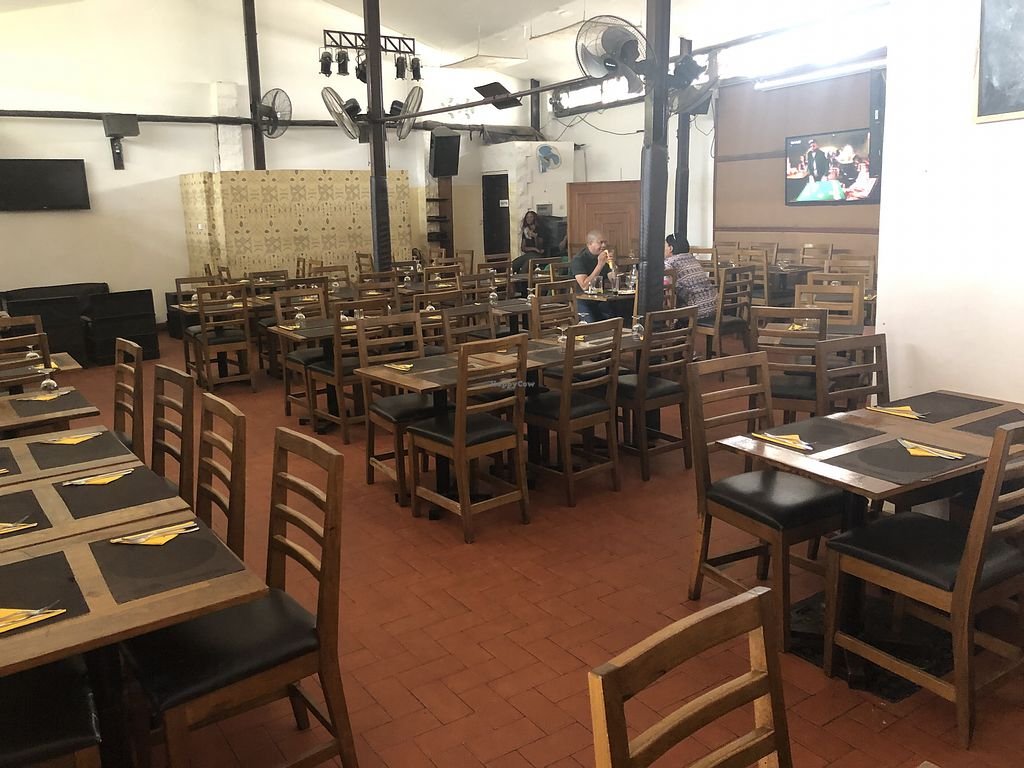
Dibiterie Le Mboté 1 is a casual Dakar option with notably long daily hours: 10 AM to 5 AM every day. Use it as a flexible stop when timing matters, rather than as a venue for a highly planned, special-occasion meal.
The useful way to read this venue is simple: the schedule is practical. If the goal is a more planned sit-down meal, compare it with Le jardin de l'Amitié, Simone Cafe, or Restaurant New Africa. If the goal is a casual Dakar stop with a wide time window, Dibiterie Le Mboté 1 is the more direct read.
A casual Dakar stop for flexible eaters
Dibiterie Le Mboté 1 has a casual dress code and is open daily from 10 AM to 5 AM. Choose it when convenience matters more than menu specifics. If allergies, strict dietary needs, pricing, or a specific cuisine style are important, confirm directly before going.
Keep the recommendation narrow. Dibiterie Le Mboté 1 is a practical Dakar option for a traveler building meals around timing rather than around one destination booking. For broader planning, use Our full Dakar restaurants guide, then cross-check other city planning resources such as Our full Dakar bars guide, Our full Dakar hotels guide, Our full Dakar experiences guide, and Our full Dakar wineries guide.
Who should choose it, and who should cross-shop
Choose Dibiterie Le Mboté 1 if the priority is a casual Dakar meal window with minimal ceremony. Cross-shop Seoul, Pizzammore, Le jardin de l'Amitié, Simone Cafe, or Restaurant New Africa if you want to compare other dining options before deciding.
Planning details
- Location
- Rue 6, Dakar 12500, Senegal
- Phone
- +221 33 842 42 11
The take
The Take
The Vibe
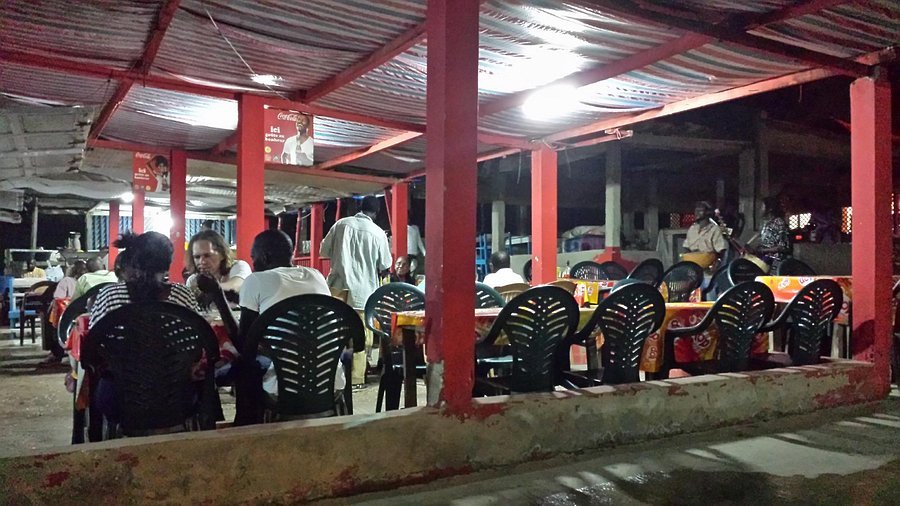
Dibiterie Le Mboté 1 reads as a functional, street-level ritual rather than a polished dining room. Smoke announces the grill before you see it; a scarred wooden chopping board becomes the stage. The writing emphasizes communal, fire-centred cooking and minimal ceremony, so the place feels elemental and immediate. It operates inside a local tradition where technique, cut and fire management matter more than décor. The surrounding working Dakar street frames the experience: pragmatic, direct and unadorned. Expect the noise and kinetic energy of an active grill spot rather than a hushed, styled restaurant interior.
Best For
This dibiterie is best for people seeking an authentic, no-frills encounter with Dakar’s charcoal-grilled meats — especially lamb-based dibi. It suits diners who prioritize technique and flavor over ambiance, including locals and adventurous visitors who don’t need tourist-facing trappings. The format is ideal for quick, late-evening or dinner-focused visits when charcoal cooking is at its peak. Because service is minimal and portions are often hacked to order and wrapped or plated, it works well for informal meetups or solo stops where speed, heat and the theatre of the grill are the draw.
Ordering Tips
Order confidently and simply: dibis arrive hacked to order and are often wrapped or plated with little ceremony, so ask for the protein you want — lamb is the dominant choice. Eat while the charcoal is still doing its work; the text stresses that the meat is best hot and immediate. Seasoning is typically sparse (salt and pepper) with sometimes a mustard-based sauce on the side, so request the sauce if you want it. Expect a hands-on, rapid service rhythm rather than a leisurely, plated meal.
Venue details
Ambiance
Warm and authentic local atmosphere with the heat and smoke from the blazing open roasting fire.
Tags
Vibe
Best For
Experience
At the Table
- Dress Code
- Casual
- Noise Level
- Lively
- Service Style
- Casual
- Meal Pacing
- Quick Bite
- Capacity
- Small
- Kitchen
- Traditional
- Menu Format
- A la carte
Signature Dishes
- dibi
- grilled mutton skewers
- grilled beef
- grilled chicken
Know before you go
Know Before You Go
- Getting there
- Rue 6, Dakar 12500, Senegal
Planning details
Location
Rue 6, Dakar 12500, Senegal · Directions
Also consider
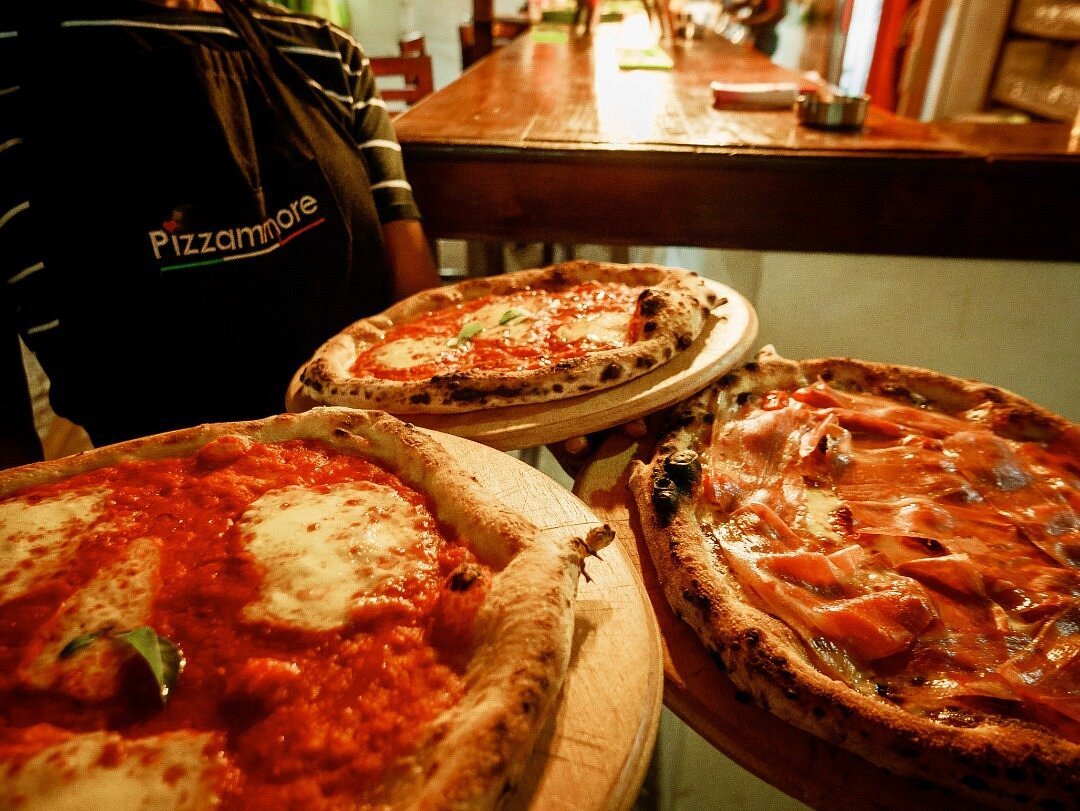
If this is not the right fit, cross-shop Seoul for a clearer dining category or Le jardin de l'Amitié for a more setting-led meal. For groups that want familiar ordering, Pizzammore is the safer backup.
Restaurant context
Dibiterie Le Mboté 1 is the lower-ceremony choice in this Dakar set. Choose it when ease matters more than a defined dining format. Seoul is the better cross-shop for diners who want a clearer category before committing, while Le jardin de l'Amitié is the safer pick when ambiance is part of the plan.
For value, Dibiterie Le Mboté 1 reads as the casual option, but the lack of confirmed pricing means it should not be treated as a guaranteed bargain. Simone Cafe is likely the easier sell for a daytime or low-pressure meet-up, while Restaurant New Africa makes more sense for diners who want a broader restaurant experience.
If booking friction is the concern, Dibiterie Le Mboté 1 is the easiest recommendation here because it does not present as a scarce-seat destination. Pizzammore is the fallback for familiar ordering and group comfort; choose Dibiterie Le Mboté 1 when the group is more open-ended and less concerned with a polished room.
Explore Dakar
Around this place
Discover more on Pearl
Unlock the full Dibiterie Le Mboté 1 guide in Pearl, including awards, comparisons, FAQs, planning details, and nearby places.
Compare Dibiterie Le Mboté 1
| Venue | Location | Awards |
|---|---|---|
| Dibiterie Le Mboté 1 | Dakar | No published awards |
| Seoul | Dakar | Tabelog 100 - Yakiniku - WEST - 2025 · #48 |
| Le jardin de l'Amitié | Dakar | No published awards |
| Simone Cafe | Dakar | No published awards |
| Restaurant New Africa | Dakar | No published awards |
| Pizzammore | Dakar | 2025 50 Top Pizza World Best Pizza · #100 |


How Dibiterie Le Mboté 1 Dakar compares with similar nearby venues.
FAQ
Frequently Asked Questions
Is Dibiterie Le Mboté 1 good for a special occasion?
Dibiterie Le Mboté 1 is best considered for flexibility rather than ceremony. Its casual style and long daily hours point to an easygoing Dakar stop. If the occasion requires a specific setting or service style, confirm details directly or compare another option such as Le jardin de l'Amitié.
What should a first-timer know about Dibiterie Le Mboté 1?
Go for convenience and keep expectations grounded. Dibiterie Le Mboté 1 is in Dakar, has a casual dress code, and is open every day from 10 AM to 5 AM. If specifics such as dishes, prices, seating style, or cuisine are important, confirm anything important before you go.
Is lunch or dinner better at Dibiterie Le Mboté 1?
The daily 10 AM to 5 AM schedule makes Dibiterie Le Mboté 1 useful across a wide time window, including late hours. Choose based on timing and confirm current operations if your plan depends on a specific meal period.
What are alternatives to Dibiterie Le Mboté 1 in Dakar?
Other options to compare include Seoul, Le jardin de l'Amitié, Simone Cafe, Restaurant New Africa, and Pizzammore. Dibiterie Le Mboté 1 is the practical pick when you care most about casual dress and long daily hours.