
Restaurant in Chino, Japan
カエンネ
100ptsYatsugatake Highland Table
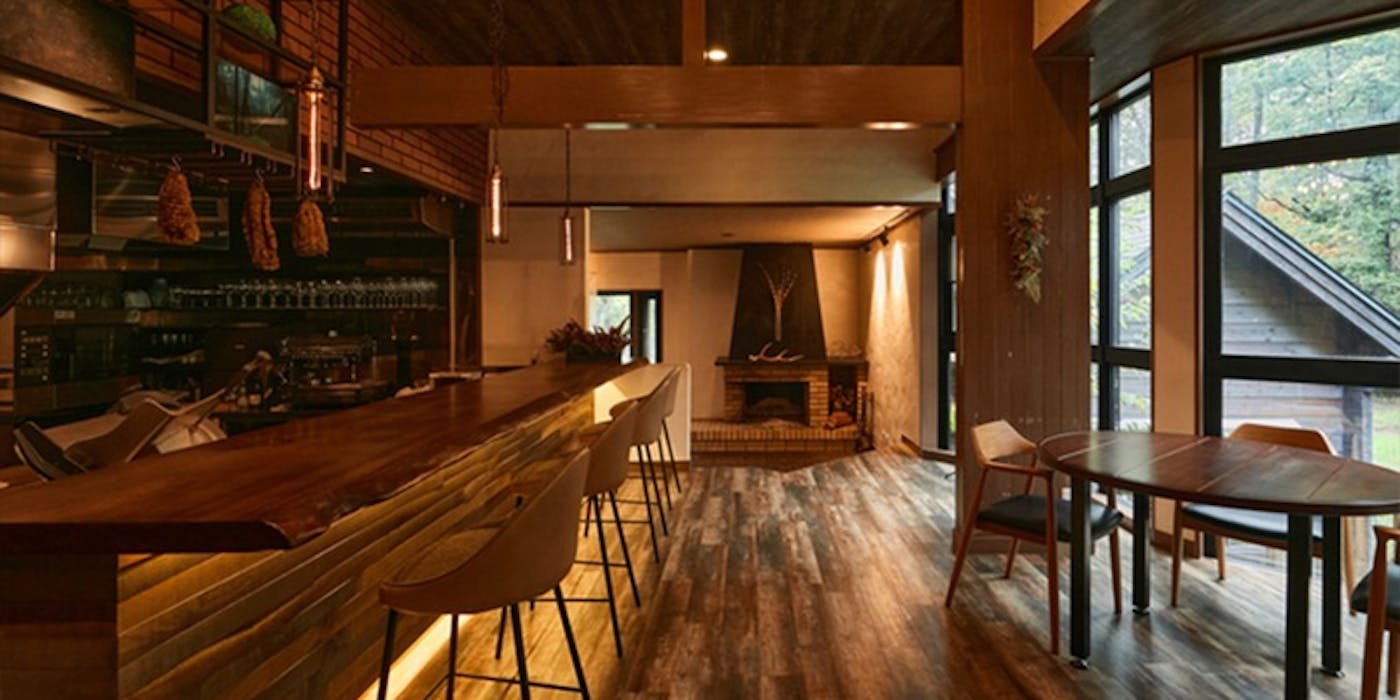
About カエンネ
カエンネ sits in Chino, Nagano Prefecture, at an address in the Toyohira district that places it deep in the Yatsugatake highlands rather than any urban dining corridor. With limited public information available, the restaurant draws those already familiar with Nagano's quiet tradition of regionally anchored cooking, where the surrounding terrain shapes what appears on the table.
Dining at the Edge of the Yatsugatake Highlands
Nagano Prefecture has developed one of Japan's more compelling cases for regional dining identity. Unlike Kyoto, where kaiseki codifies centuries of court tradition into a recognisable format, or Tokyo, where density and competition produce relentless specialisation, Nagano's restaurants tend to be defined by what surrounds them: altitude, cold winters, mountain forage, and agricultural communities that have maintained particular food ways largely outside the national spotlight. Chino, positioned at the foot of the Yatsugatake mountain range in the southern part of the prefecture, sits in exactly this kind of environment. The town is not a dining destination in the way that, say, Kyoto or Fukuoka functions for visitors planning a trip around restaurants like Gion Sasaki in Kyoto or Goh in Fukuoka. It is a place people arrive at through other means, and where restaurants tend to serve communities and landscape before they serve itineraries.
カエンネ (Kaenne) is located at 字東嶽10222-25 in the Toyohira district of Chino, an address that places it outside any commercial strip and closer to the rural topography of the Yatsugatake plateau. This positioning is itself meaningful context. Restaurants that operate in this geographic register in Japan are rarely performing alpine aesthetics for outside visitors; they are, more often, expressions of a local food supply and a customer base that expects seasonal and territorial fidelity as a given rather than a selling point.
Nagano's Quiet Culinary Register
To understand where カエンネ sits within Japanese dining, it helps to map the wider pattern. Japan's most discussed restaurants cluster in three cities: Tokyo, Osaka, and Kyoto. Institutions like Harutaka in Tokyo, HAJIME in Osaka, or akordu in Nara operate in dense, highly scrutinised dining ecosystems where awards, critic attention, and booking competition are constant variables. Outside these corridors, a different kind of restaurant exists: one where the editorial record is thin, the customer base is local or regional, and the connection to place is the primary organising principle.
This is the tier that rural Nagano largely occupies, and it is a tier with genuine depth. The prefecture produces buckwheat, highland vegetables, freshwater fish, and cured meats that carry regional specificity difficult to replicate elsewhere. The miso traditions of the Suwa basin, the mountain forage of the Yatsugatake range, and the cold-climate agricultural rhythms of the highland communities all feed into a culinary tradition that, while less photographed than Tokyo kaiseki or Kyoto obanzai, has its own internal logic and discipline. Restaurants in this environment that commit to working with local supply chains are not making a conceptual gesture; they are simply cooking from what is available, which in Nagano's case is genuinely distinctive.
This broader regional pattern is worth holding in mind when approaching カエンネ. The Toyohira district address, the absence of a major digital footprint, and the restaurant's positioning outside Chino's modest town centre all suggest a venue operating within this local-first register. Comparable restaurants in Nagano's highland communities have historically drawn visitors through word of mouth, regional press, and the recommendations of people who have spent time in the area rather than through national reservation platforms or award-circuit coverage.
What the Address Tells You
The specific location in 字東嶽 (Higashidake) is instructive. Higashidake sits at the eastern end of the Yatsugatake range, an area associated with small farms, pension-style accommodation, and the kind of landscape that attracts walkers and nature visitors rather than conventional tourists. Restaurants that operate here tend to draw from local farms, reflect the seasonal availability of highland produce, and serve in formats suited to the pace of the area rather than the compression of urban omakase or tasting-menu dining. This is a different tempo of eating, one that has more in common with the auberge tradition found in mountain regions across Japan than with the counter-driven precision of high-profile urban restaurants.
For comparison, Chino has other restaurants that reflect its particular mix of local and international influence. Centro Basco and オーベルジュ・エスポワール both operate in the city and represent different expressions of what Chino's dining scene encompasses. Regional restaurants across Japan's highland areas often occupy a space where the food supply is genuinely distinctive, even when the venues themselves remain outside wider editorial coverage. See our full Chino restaurants guide for a broader map of what the city and its surroundings offer.
Cultural Roots of Mountain Dining in Japan
The cultural significance of mountain-region restaurants in Japan is not simply geographic. Communities in areas like the Yatsugatake highlands have maintained food practices tied to preservation, fermentation, and the use of foraged ingredients over centuries. The harshness of highland winters produced specific techniques: salt-cured vegetables, fermented grains, dried fish transported from the coast. These traditions are now being revisited by a generation of cooks who see regional food knowledge as something worth preserving rather than replacing. This shift is visible across Japan's less-visited prefectures, from the restaurant scene in Nanao on the Noto Peninsula to the mountain dining traditions of Nishikawa Machi in Yamagata.
カエンネ's address in the Toyohira district places it within this broader pattern of regionally embedded, terrain-responsive cooking. Whether that expresses itself in a specific cuisine format, a particular local product focus, or a hybrid of Japanese and Western techniques, as seen at restaurants like Bistro Ange in Toyohashi or bodai, is not confirmed by available data. What is clear is that the physical and cultural context of the Yatsugatake highlands shapes what any serious restaurant in this location is likely doing.
Planning a Visit
カエンネ is located in the Toyohira district of Chino, Nagano Prefecture, accessible via the Chuo Line to Chino Station or by car along the routes serving the Yatsugatake area. No phone number, website, booking method, hours, or pricing information is publicly recorded at the time of writing, which makes direct contact through local accommodation or regional tourism resources the most practical route for visitors. The restaurant does not appear on major English-language reservation platforms, which is consistent with its rural Nagano positioning. Visitors planning around dining in Japan's highland regions will find more logistical clarity by working with local networks than by relying on international booking tools. For reference, other restaurants operating in comparable rural-Japan contexts, from 湖畔荘 in Takashima to 古代山乃 in Sapporo, tend to reward advance planning and direct communication over last-minute approaches.
Frequently Asked Questions
What's the leading thing to order at カエンネ?
No menu, signature dish information, or cuisine type is publicly documented for カエンネ at this time. Given the restaurant's location in Nagano's Yatsugatake highland region, the food is likely shaped by what the surrounding terrain produces seasonally: mountain vegetables, local grains, freshwater fish, and fermented or preserved ingredients that reflect the prefecture's food traditions. Visitors seeking a sense of what to expect would do well to consult local sources or contact the restaurant directly. For reference on the broader range of cooking approaches found across Japan's serious regional restaurants, Gion Sasaki in Kyoto and HAJIME in Osaka illustrate how terrain and tradition intersect at the highest level.
How hard is it to get a table at カエンネ?
No booking data, reservation platform, or seat count is available for カエンネ. Restaurants operating in rural Nagano at this geographic remove from major transport hubs often have limited capacity by default, and booking through local networks or accommodation rather than national platforms is typically more effective. The absence of a listed website or phone number suggests that access likely depends on local knowledge or direct contact. For context on how booking difficulty maps to recognition and price tier across Japan's dining scene, venues like Harutaka in Tokyo represent the high-competition end of the spectrum, while rural highland restaurants tend to operate on different rhythms entirely.
Is カエンネ suitable for visitors without Japanese language skills?
No information is confirmed about language support, menu formats, or staff English proficiency at カエンネ. Restaurants in Chino's rural Toyohira district are primarily serving a local and regional Japanese customer base, and English-language menus or staff are less common in this setting than in Tokyo or Kyoto venues. Visitors without Japanese language ability would benefit from arranging a local contact or asking accommodation staff to assist with communication before arrival. This is consistent with the experience at many of Japan's most regionally embedded restaurants, where advance preparation makes the difference between a direct visit and a difficult one.
Related editorial
- Best Fine Dining Restaurants in ParisFrom three-Michelin-star icons to the next generation of Parisian chefs pushing boundaries, these are the restaurants that define fine dining in the world's culinary capital.
- Best Luxury Hotels in RomeFrom rooftop terraces overlooking ancient ruins to Michelin-starred hotel dining, these are the luxury hotels that make Rome unforgettable.
- Best Cocktail Bars in KyotoFrom sleek lounges to hidden speakeasies, Kyoto's cocktail scene blends Japanese precision with global influence in ways you won't find anywhere else.
Save or rate カエンネ on Pearl
Keep this venue in your Pearl passport, rate it after you visit, and track it alongside every other place you collect.