
Restaurant in Chicago, United States
Mako
465pts22-seat omakase, book early or miss out.


About Mako
Mako is Chicago's most focused omakase counter — 22 seats, no walk-ins, and a kitchen that earns its $$$$ price tag. Chef BK Park's progression of sushi and cooked courses landed the restaurant on OAD's Top 500 in North America for 2024. Book three to four weeks out minimum, and go in knowing this is strictly omakase format.
Who Should Book Mako
Mako is the right call for anyone planning a serious dinner in Chicago who wants omakase without flying to New York or Tokyo. If you are celebrating something that warrants a $$$$ price tag and you want a room where the food is the entire point, book this. If you want a la carte Japanese or a lively group dinner, look elsewhere. Mako's 22-seat counter format means every seat is a front-row position, and the format rewards diners who are happy to surrender the menu and trust the kitchen entirely.
What Mako Is
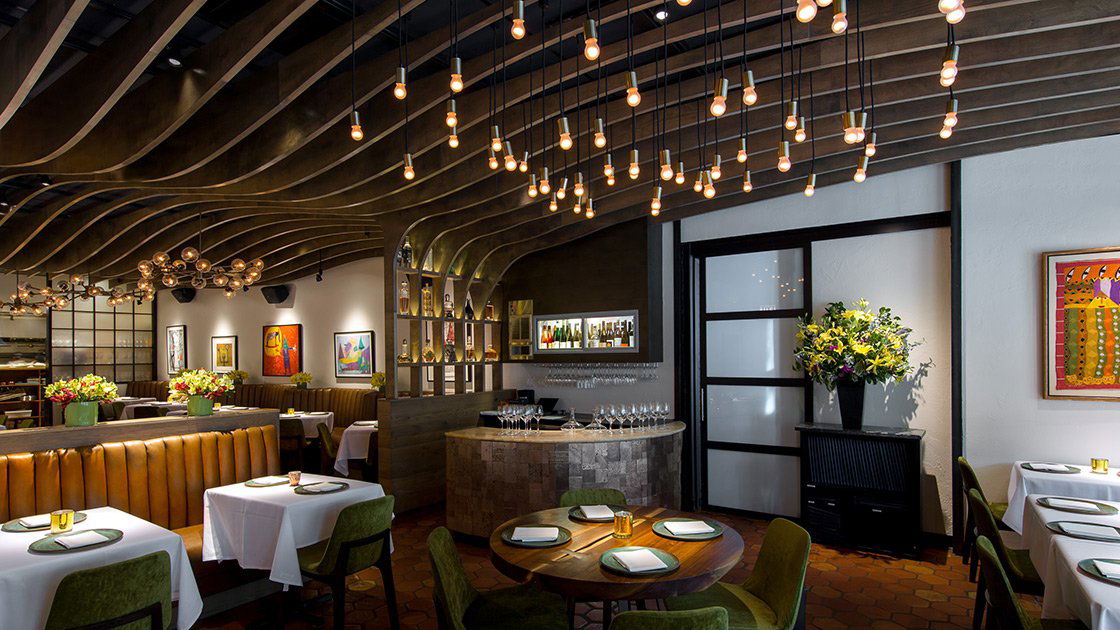
Mako sits at 731 W Lake St in Chicago's West Loop, marked by nothing more than a single plaque at the entrance. That deliberate restraint is not affectation — it sets the tone for everything that follows. Once inside, the noise of Lake Street disappears, and the room contracts to just the counter, the team, and the progression of courses in front of you. This is a format built for focus, and it delivers on that premise consistently enough to earn a spot on Opinionated About Dining's Leading Restaurants in North America list, ranked #420 in 2024 after a recommended placement in 2023. For a 22-seat omakase in a city better known for its steakhouses and deep-dish, that is a meaningful credential.
Chef BK Park runs the kitchen, and the omakase here reflects a sensibility that goes beyond direct nigiri progression. The kitchen introduces flavor markers that distinguish the experience: sudachi juice brings a clean citrus brightness to certain courses, while sesame-pepper soy adds depth without overwhelming the fish. These are considered additions, not novelty. Cooked courses sit alongside the sushi work — braised abalone, black cod with burnt scallion ponzu , and the chawanmushi, stocked with mushroom and crab, is the kind of dish that reminds you why the warm course in an omakase can be the one you remember longest. Dessert closes the meal with intention: sweet potato with whiskey caramel earns its place at the end of a long progression rather than feeling like an afterthought.
If you have been once and are thinking about returning, the cooked courses are worth your attention on the second visit. First-timers tend to fixate on the nigiri , reasonably so , but the kitchen's range shows most clearly in how it moves between raw and cooked courses. The braised abalone and the black cod are where the itamae's technique becomes most legible. A second visit also lets you track how the kitchen evolves its supporting flavors across seasons, which is where the real depth of the program sits.
The GL-2 framing matters here: Mako rewards return visits in a way that many omakase counters do not. The format is fixed, but the expression of it shifts. If your first visit felt like getting oriented, the second is where you start reading the room more clearly and appreciating what the team is actually doing with temperature, acid, and fat across the full arc of the meal.
Booking is genuinely hard. With 22 seats and no walk-in culture at this price point, you are looking at advance planning. The restaurant opens Wednesday through Sunday, with evening seatings from 5:45 PM on weekdays and from 4 PM on weekends. Saturday and Sunday's earlier 4 PM start gives you more flexibility if you want to be out before the night gets late, and weekend bookings tend to move fastest. Plan for three to four weeks minimum lead time, and check availability early in the week if your schedule allows.
At $$$$ pricing, Mako sits in the same tier as Chicago's most serious tasting-menu rooms. The question worth asking before you book is whether you are paying for the format or the food. At Mako, the answer is the food. The room is spare, the service is focused, and there is no theatrical production around the experience. What you are buying is 22 seats of concentrated sushi craft in a city where that is rarer than it should be. Compared to omakase at this tier in New York , Masa runs significantly higher , or Toronto's Sushi Masaki Saito, Mako represents competitive value for the category. The OAD ranking places it in a credible national conversation, not just a local one.
For solo diners, the counter format is genuinely suited to eating alone. You are facing the kitchen, the pace is set for you, and there is no awkward table dynamic to manage. This is one of the better solo dining formats in Chicago at this price point. Parties of two are the natural fit. Groups of four or more should check seat availability carefully , the 22-seat limit means larger configurations may need to be split or may not be accommodated at all.
On dietary restrictions: the omakase format at a fish-forward counter like this has inherent limitations for guests with shellfish allergies or serious dietary constraints, given that cooked courses like braised abalone and black cod are central to the progression. Contact the restaurant directly before booking if this applies to you , do not assume the kitchen can accommodate without prior notice.
If you are still building your Chicago dining shortlist, our full Chicago restaurants guide covers the wider field. For context on where to stay, the Chicago hotels guide is useful for West Loop proximity. The Chicago bars guide is worth consulting if you want somewhere to continue the evening after the counter closes. For experiences beyond dining, see the Chicago experiences guide.
For national omakase context, Omakase Yume is the closest Chicago comparison worth considering before you commit. At the broader tasting-menu tier, Oriole is the room to know if progressive American is your format instead. Both are operating in the same booking-difficulty and price band.
Know Before You Go
- Address
- 731 W Lake St, Chicago, IL 60661
- Hours
- Wed–Fri: 5:45 PM–10:30 PM | Sat–Sun: 4:00 PM–10:30 PM | Mon–Tue: Closed
- Price
- $$$$
- Cuisine
- Omakase, Sushi, Japanese
- Seats
- 22 (counter format)
- Booking difficulty
- Hard , plan 3–4 weeks minimum in advance
- Leading for
- Special occasions, solo diners, couples, serious sushi diners
- Not ideal for
- Large groups, a la carte preferences, guests with significant seafood allergies (confirm in advance)
- Awards
- OAD Leading Restaurants in North America , Ranked #420 (2024); Recommended (2023)
- Google rating
- 4.4 / 5 (320 reviews)
More Chicago Guides
Compare Mako
| Venue | Cuisine | Price | Booking Difficulty |
|---|---|---|---|
| Mako | Sushi, Japanese | $$$$ | Hard |
| Alinea | Progressive American, Creative | $$$$ | Unknown |
| Smyth | Progressive American, Contemporary | $$$$ | Unknown |
| Kasama | Filipino | $$$$ | Unknown |
| Next Restaurant | American Cuisine | $$$$ | Unknown |
| Boka | New American, Contemporary | $$$$ | Unknown |
What to weigh when choosing between Mako and alternatives.
Frequently Asked Questions
Is Mako good for a special occasion?
Yes, Mako is one of the stronger calls in Chicago for a milestone dinner. The 22-seat format, omakase structure, and OAD Top 420 North America ranking (2024) give it the gravity a special occasion demands. Book well in advance — this is a hot ticket with limited seats and no walk-in culture.
What should I order at Mako?
Mako runs a set omakase, so there is no ordering in the traditional sense. The menu includes cooked dishes alongside sushi — braised abalone, black cod with burnt scallion ponzu, and chawanmushi with mushroom and crab have all been part of the chef's repertoire. Dessert is included; the sweet potato with whiskey caramel has drawn specific attention in the venue's write-ups.
Is Mako good for solo dining?
Solo is actually one of the best ways to experience Mako. The counter format seats 22 guests total, and solo diners typically get a full view of the chef and itamae at work. You will not feel out of place — omakase counters are built for this.
Is the tasting menu worth it at Mako?
At $$$$ pricing, Mako is in the same tier as Chicago's most serious fine dining rooms. The OAD Top 420 North America ranking in 2024 and the deliberate detail in both sushi and cooked courses support the price for anyone whose preference is omakase. If you want à la carte flexibility or a shorter format, Mako is not the right fit.
What are alternatives to Mako in Chicago?
For a different style of high-end dining at a comparable price point, Smyth and Alinea both operate tasting-menu formats. Kasama is worth considering if you want a James Beard-recognized experience at a lower spend. None of these are omakase counters — if the sushi format is the draw, Mako has few direct Chicago rivals.
Is lunch or dinner better at Mako?
Mako does not serve lunch — service runs from 5:45 PM on Wednesday through Friday, and from 4 PM on weekends. The restaurant is closed Monday and Tuesday. Plan accordingly and book the earliest dinner slot if you want a more relaxed pace before the room fills.
Does Mako handle dietary restrictions?
The database does not include Mako's stated policy on dietary restrictions. Given the fixed omakase format and small kitchen, contacting the venue directly before booking is advisable if you have allergies or firm dietary requirements — the structured menu leaves less room to adapt than an à la carte restaurant.
Hours
- Monday
- closed
- Tuesday
- closed
- Wednesday
- 5:45 PM-10:30 PM
- Thursday
- 5:45 PM-10:30 PM
- Friday
- 5:45 PM-10:30 PM
- Saturday
- 4 PM-10:30 PM
- Sunday
- 4 PM-10:30 PM
Recognized By


More restaurants in Chicago
- AlineaAlinea is Chicago's three-Michelin-star tasting menu at $210–$265 per person — a theatrical, multi-sensory Progressive American experience running three to four hours. It holds a Forbes Five-Star and AAA 5 Diamond, and booking is near impossible without planning months ahead. Worth it for food explorers who commit to the format; not the right call if you want a conventional fine dining dinner.
- SmythSmyth holds three Michelin stars, a top-five North America ranking from Opinionated About Dining, and one of Chicago's most serious natural wine programmes. Dinner only, Tuesday through Saturday, with near-impossible availability and $$$$ tasting menu pricing. Book six to eight weeks out minimum — this is the stronger call over Alinea for food-first diners.
Related editorial
- Best Fine Dining Restaurants in ParisFrom three-Michelin-star icons to the next generation of Parisian chefs pushing boundaries, these are the restaurants that define fine dining in the world's culinary capital.
- Best Luxury Hotels in RomeFrom rooftop terraces overlooking ancient ruins to Michelin-starred hotel dining, these are the luxury hotels that make Rome unforgettable.
- Best Cocktail Bars in KyotoFrom sleek lounges to hidden speakeasies, Kyoto's cocktail scene blends Japanese precision with global influence in ways you won't find anywhere else.
Save or rate Mako on Pearl
Keep this venue in your Pearl passport, rate it after you visit, and track it alongside every other place you collect.