
Fu Rong Huang
Sichuan · Chengdushi, Chengdu
Restaurant in Chengdu, China
 Book with Pearl
The Read
Veteran Sichuan Precision
Price
$10–20per person
Dress
Casual
Why go
Fu Rong Huang holds a Michelin star while staying at ¥¥ pricing, making it one of Chengdu's clearest value cases for serious Sichuan cooking. The kitchen excels at traditional preparations requiring technical precision, particularly the fu qi fei pian and sautéed pork liver with chilli. Book ahead, request a private room for groups, and plan multiple visits to cover the menu properly.
About Fu Rong Huang
Verdict: Worth the Effort to Book: Repeatedly
Getting a table at Fu Rong Huang takes planning. This is a Michelin one-star restaurant in Chengdu's Qingyang District operating at the quieter, more private end of the Sichuan dining spectrum, and it fills accordingly. Walk-ins are not a realistic strategy. Come with a reservation, come more than once, and pace your way through what the kitchen does leading across visits. The reward is access to traditional Sichuanese cooking executed with the kind of technical patience that most restaurants in this price bracket at ¥¥ cannot match.
What Fu Rong Huang Is
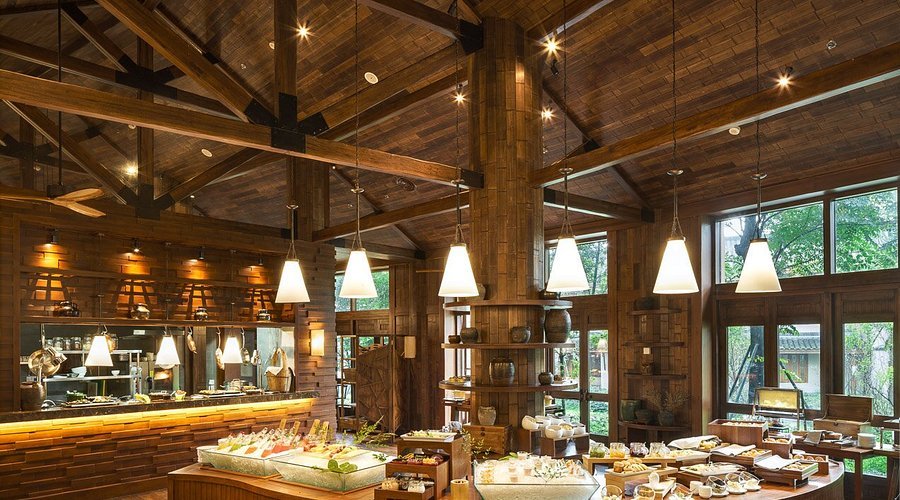
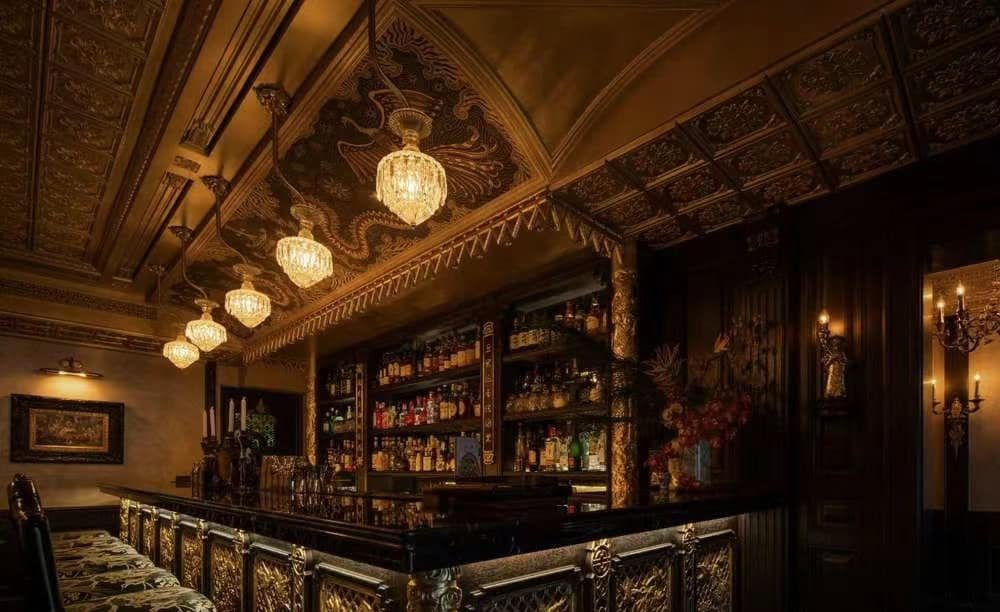
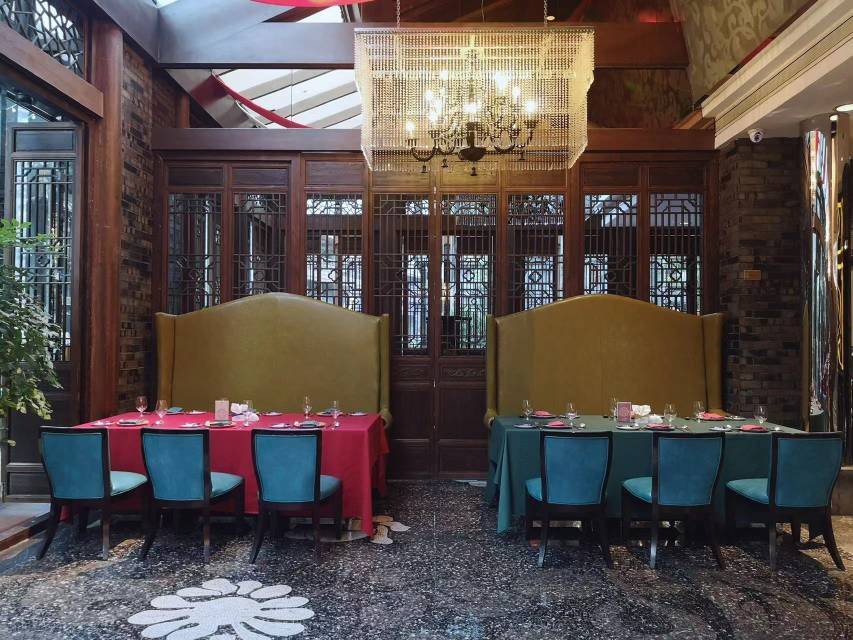
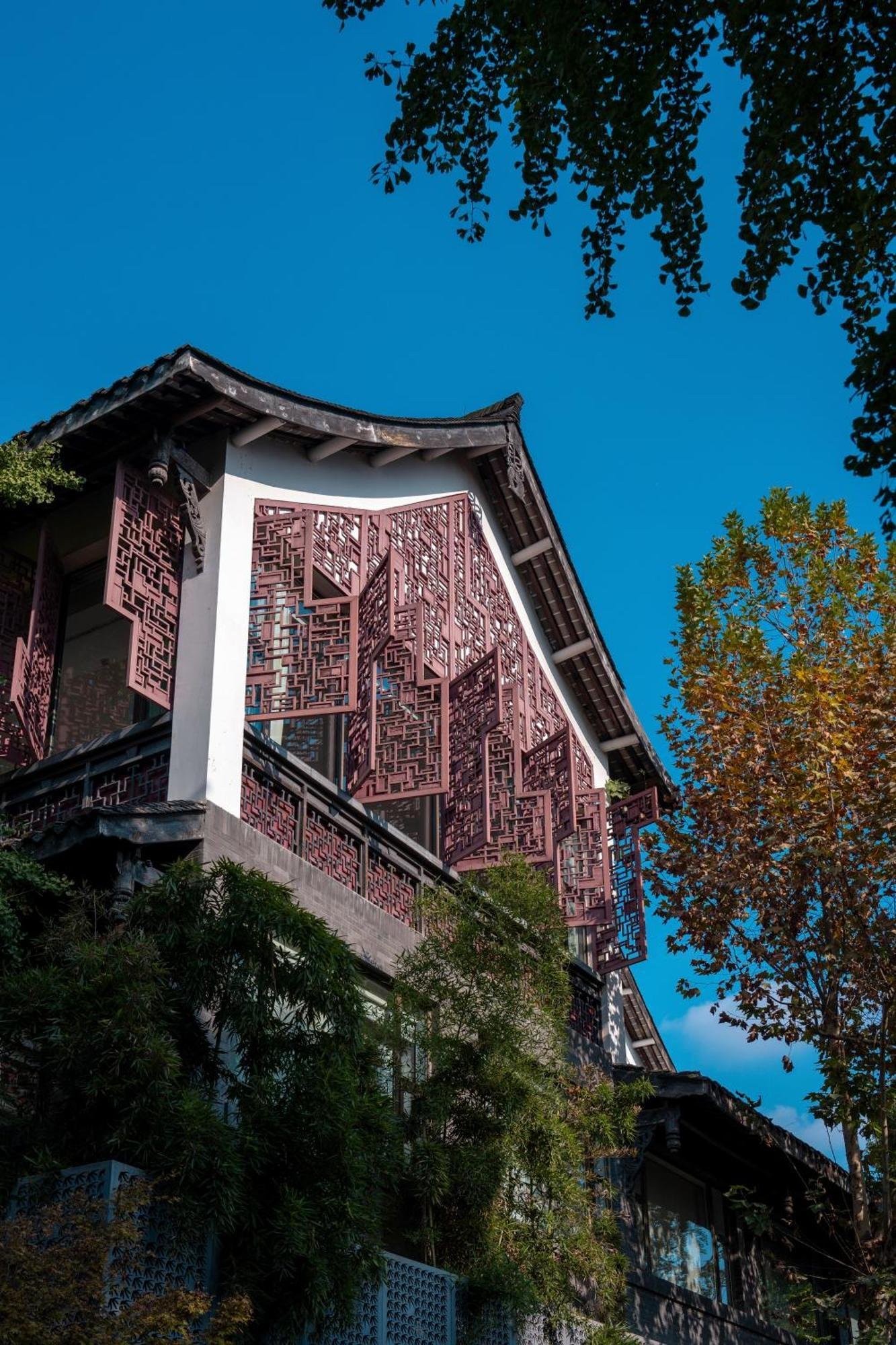
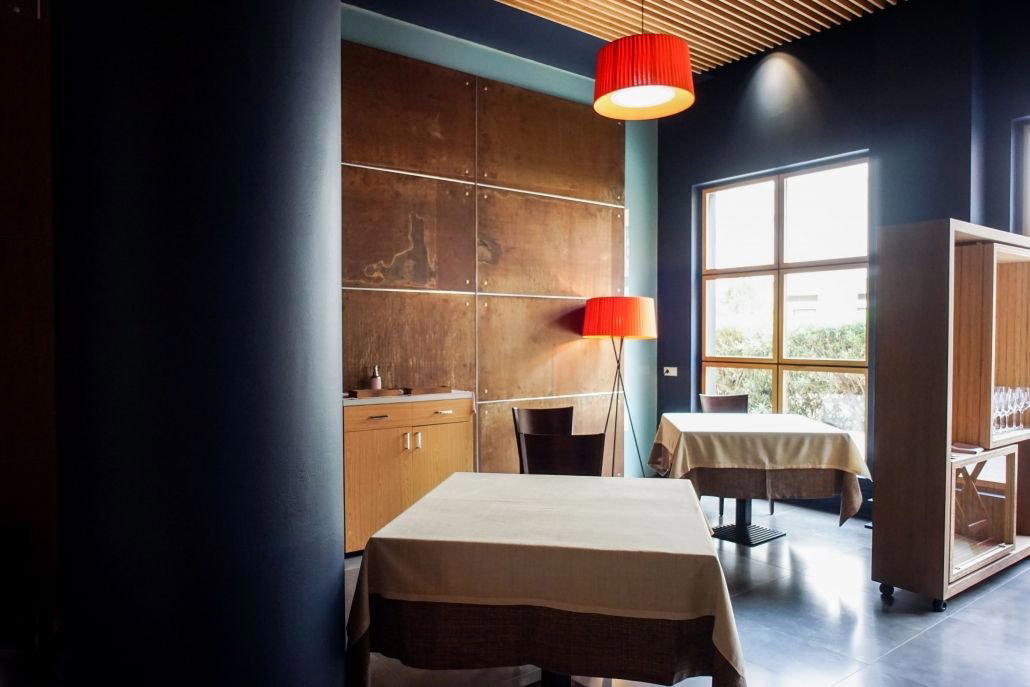
Fu Rong Huang is a mid-price Sichuan restaurant that has earned a 2024 Michelin star while keeping its pricing accessible, a combination that is rarer than it sounds. The dining room is designed around privacy: wooden slatted partitions divide the tables, and private rooms are available for groups who want full separation. The atmosphere is not the open, communal bustle you find at most Chengdu Sichuan institutions. This is quieter, more considered, and the kitchen matches that register.
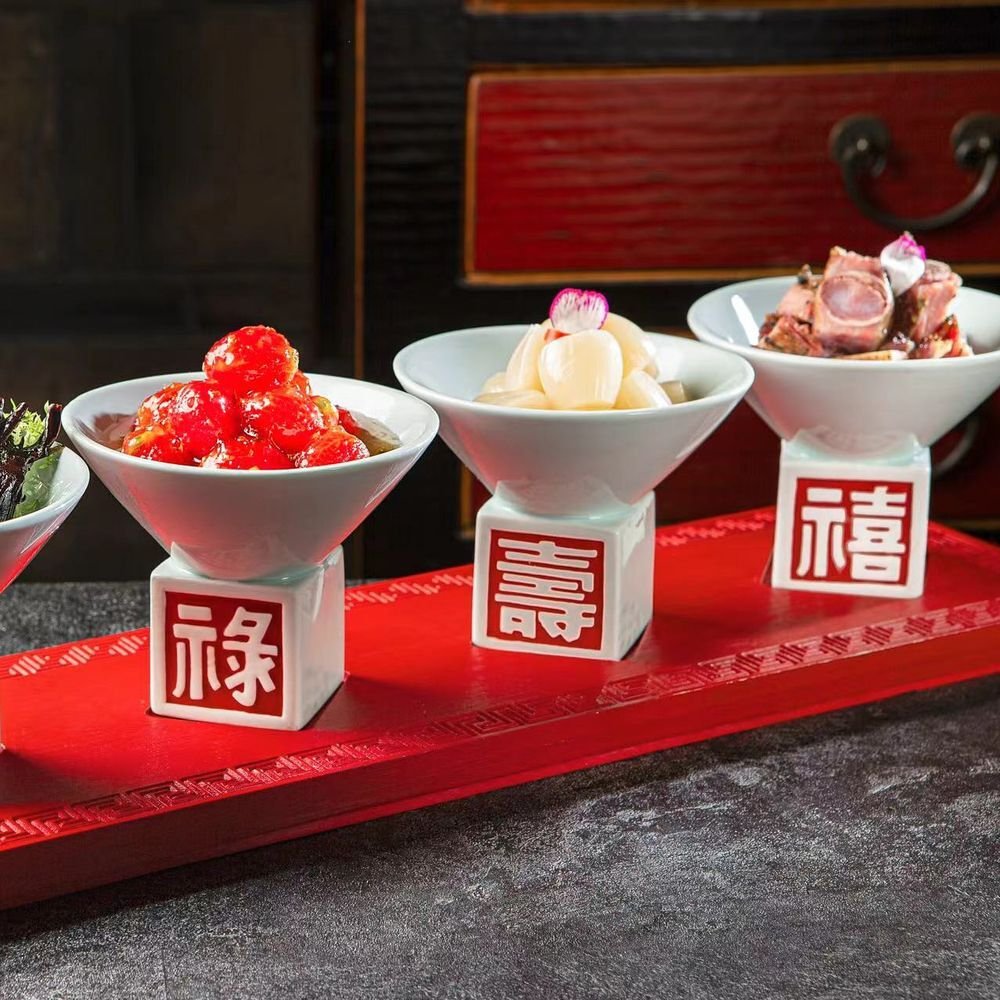
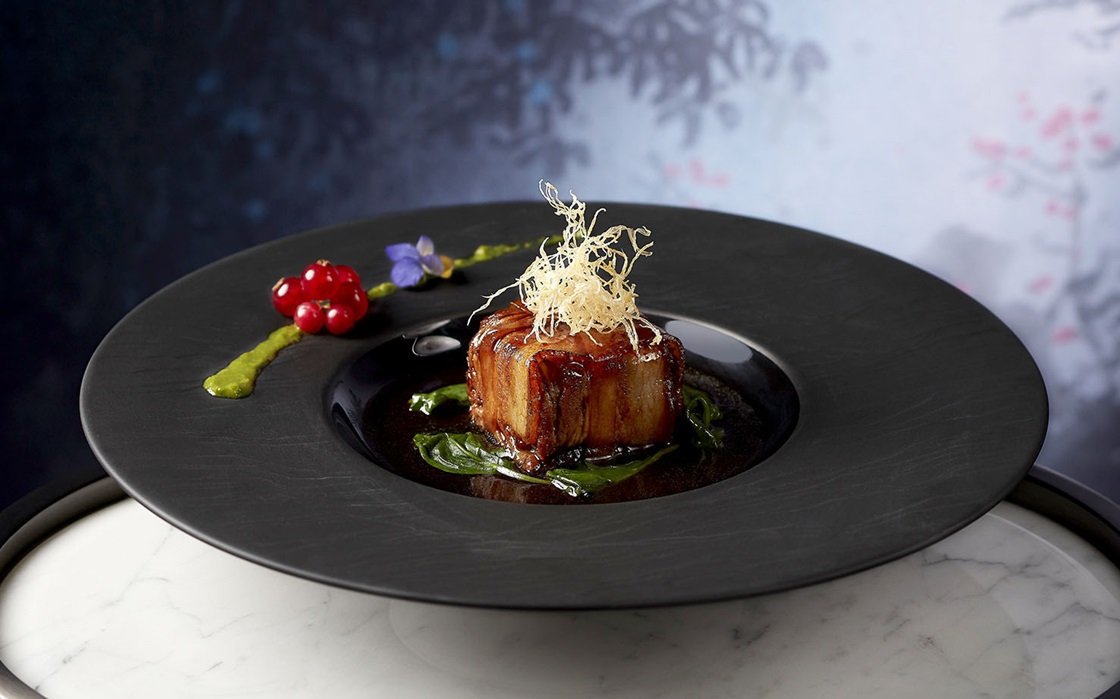
The veteran kitchen team focuses on traditional Sichuanese dishes, many of which require painstaking preparation. Two dishes confirmed by Michelin's own notes illustrate the approach: the sautéed pork liver with chilli, cooked to a precise tenderness with controlled numbing heat, and the cold appetiser fu qi fei pian, sliced beef offal in chilli oil that is springy, flavourful, and built for repeat ordering. Both dishes reward attention rather than casual eating. At ¥¥ pricing, they also represent serious value against the city's higher-end Sichuan options.
A Multi-Visit Strategy
If you have been once and ordered the fu qi fei pian and the pork liver, you have had the highlights, but you have not had the full picture of what this kitchen can produce. The kitchen's stated speciality is traditional dishes requiring painstaking execution, which is a signal that the menu extends well beyond two or three showpiece preparations. On a second visit, the strategy is to move deeper into the cold appetiser selection, where Sichuan technique is most legible: the balance between la (spice), ma (numbing), and the base flavour of the protein is where kitchens at this level separate themselves. On a third visit, if you are making this a priority during a longer trip to Chengdu, work towards the kitchen's cooked preparations that sit outside the standard tourist circuit of mapo tofu and twice-cooked pork, though both are likely on the menu in some form.
The private rooms are worth booking for a third or fourth visit with a group, both because they allow more dishes to be ordered and shared across the table, and because the format gives you more control over pacing. A larger group also lets you cover more of the menu in a single sitting, which accelerates the learning curve considerably. For solo diners or pairs, the partitioned main dining room works well and keeps the meal intimate without requiring a private room commitment.
Timing and Practical Logistics
Fu Rong Huang sits in the Qingyang District on Guanghuacun Street. Booking may require going through a third-party platform or arriving with a local contact who can assist with Chinese-language reservations. For visitors, this is the most significant practical barrier. Factor this into your planning before arrival, especially for weekend evenings, which will be the highest-demand slots at any Michelin-starred Chengdu restaurant.
The ideal time to visit is a weekday lunch or early weekday dinner, when competition for tables is lower and the kitchen is likely running at a steadier pace than during weekend service peaks. Chengdu's dining culture leans late, so an early dinner reservation (before 7 PM) often provides a better environment for focusing on the food. The private, partitioned room design also means the noise level stays manageable regardless of how full the room is, which makes this a better choice for conversation-focused meals than open-format Sichuan restaurants.
For context on Chengdu's broader dining picture, see our full Chengdu restaurants guide, and for where to stay nearby, our full Chengdu hotels guide. If you want to plan the full trip, we also cover Chengdu bars, wineries, and experiences.
Where Fu Rong Huang Fits in Chengdu
At ¥¥ pricing with a Michelin star, Fu Rong Huang occupies a position that few Chengdu restaurants can match on value. Yu Zhi Lan and Silver Pot operate at higher price points and deliver a more theatrical or refined experience, but they are a different proposition entirely. Fu Rong Huang is the right answer if you want serious Sichuan cooking in a private, low-distraction environment without the spend of a full fine-dining evening.
Compared to Fang Xiang Jing and Ma's Kitchen, Fu Rong Huang's Michelin recognition gives it a credibility anchor that matters if you are choosing between several mid-range options on a short trip. Xu's Cuisine is another point of comparison in the mid-range Sichuan category worth checking against your itinerary. Beyond Chengdu, this style of traditional, technically precise Sichuan cooking also has parallels at Song in Guangzhou and Yong in Guangzhou, both worth considering if your trip extends south. For broader Chinese fine dining reference points, Xin Rong Ji in Beijing, 102 House in Shanghai, Ru Yuan in Hangzhou, Chef Tam's Seasons in Macau, Imperial Treasure Fine Chinese Cuisine in Guangzhou, and Dai Yuet Heen in Nanjing illustrate how the broader regional Chinese restaurant category is developing, and help calibrate what Michelin recognition at this level means across different cuisine contexts.
Planning details
- Hours
- Monday: 10 AM–9 PM · Tuesday: 10 AM–9 PM
- Location
- M275+VWG, Guanghuacun St, Qingyang District, Chengdu, Sichuan, China, 610074
- Phone
- +86 28 8734 6868
The take
The Take
The Vibe
Fu Rong Huang presents a restrained, intimate Sichuan room that puts the food at the center. Wooden slatted partitions divide the main dining area into semi-private zones, softening ambient noise and creating discreet pockets for conversation. The atmosphere reads as purposeful rather than performative: the layout supports communal ritual and focused dining rather than theatrical design gestures. Michelin recognition underlines the kitchen's technical confidence, yet the space remains approachable and quietly assured. Overall the restaurant feels like a considered, table-forward place where precision cooking and shared plates shape the social energy of the meal.
Best For
This is a reliable choice for business dinners and family gatherings thanks to its private rooms and semi-private table zones, which are explicitly popular for those uses in Chengdu. The layout also suits groups who want communal energy without full noise spill, making it appropriate for celebrations and work meals alike. Positioned in a ¥¥ bracket yet holding a Michelin star, the room works when you want an accessible but elevated Sichuan experience: dependable for weekday business meals and significant family dinners where quality and privacy matter.
Ordering Tips
Order family-style and lean into the signatures that showcase the kitchen's precision. Start with cold and shared starters like Fu Qi Fei Pian and Snowflake Chicken Nao, then move to textural and spicy mains such as Twice-Cooked Pork and Boiled Beef in Chili Oil. Sautéed Pork Liver with Chilli is among the house highlights and demonstrates technical control. Dishes are meant for sharing, so build a mix of spicy and tempering plates rather than single entrées; the kitchen rewards confident, classic Sichuan choices.
Venue details
Ambiance
Noisy, bustling banquet hall with sprawling tables separated by wooden slatted partitions for privacy; bold aromas fill the air with an unapologetic showcase of exuberant Sichuan cuisine; aging but authentic facilities reflect 18+ years of operation.
Tags
Vibe
Best For
Experience
At the Table
- Dress Code
- Casual
- Noise Level
- Loud
- Service Style
- Casual
- Meal Pacing
- Standard
- Capacity
- Large
- Kitchen
- Traditional
- Menu Format
- Family style, A la carte
- Drinks Focus
- Baijiu
- Private Dining
- Available
Signature Dishes
- Snowflake Chicken Nao
- Sautéed Pork Liver with Chilli
- Fu Qi Fei Pian
- Twice-Cooked Pork
- Boiled Beef in Chili Oil
Know before you go
Know Before You Go
- Getting there
- M275+VWG, Guanghuacun St, Qingyang District, Chengdu, Sichuan, China, 610074
Planning details
Hours
- Monday
- 10 AM–9 PM
- Tuesday
- 10 AM–9 PM
- Wednesday
- 10 AM–9 PM
- Thursday
- 10 AM–9 PM
- Friday
- 10 AM–9 PM
- Saturday
- 10 AM–9 PM
- Sunday
- 10 AM–9 PM
Location
M275+VWG, Guanghuacun St, Qingyang District, Chengdu, Sichuan, China, 610074 · Directions
Recognition and awards
Also consider
Also Consider
- Xin Rong Ji: Taizhou, ¥¥¥¥
- Yu Zhi Lan: Sichuan, ¥¥¥¥
- Mi Xun Teahouse: Vegetarian, ¥¥
- Chen Mapo Tofu (Qinghua Road): Sichuan, ¥
- Co-: Innovative, ¥¥¥¥
Restaurant context
At ¥¥ with a Michelin star, Fu Rong Huang has no direct peer in Chengdu on the value-to-recognition ratio. Yu Zhi Lan and Co- both operate at ¥¥¥¥ and deliver more elaborate, multi-course experiences with higher service polish. If you are after a grand-occasion Sichuan meal with a longer tasting format, those are the right choices. Fu Rong Huang is the better option if you want technically precise traditional cooking in a private, focused environment without the spend or formality of a full fine-dining evening.
Xin Rong Ji brings a high-end Taizhou perspective at ¥¥¥¥, which makes it a different cuisine category entirely. For a straight Sichuan comparison at lower price points, Chen Mapo Tofu on Qinghua Road at ¥ is the casual benchmark: excellent for a single iconic dish, nothing more. Fu Rong Huang is the answer when you want the depth of a veteran Sichuan kitchen across multiple dishes, not just one. Mi Xun Teahouse at ¥¥ is the vegetarian alternative in the same price tier, worth knowing if your group has mixed requirements.
On booking difficulty, Fu Rong Huang and Yu Zhi Lan are both hard to get into, but for different reasons: Yu Zhi Lan's profile is higher internationally and attracts more advance planning from visiting diners. Fu Rong Huang's challenge is more logistical: the absence of an English-language booking channel creates friction for non-Chinese-speaking visitors. If ease of reservation matters, Chen Mapo Tofu is the most accessible fallback for a credible Sichuan meal with no advance booking required. But if you can solve the reservation logistics, Fu Rong Huang delivers more range and more precision than any Chengdu Sichuan option at the same price.
Explore Chengdu
Around this place
Discover more on Pearl
Unlock the full Fu Rong Huang guide in Pearl, including awards, comparisons, FAQs, planning details, and nearby places.
Compare Fu Rong Huang
| Venue | Location | Cuisine | Awards | Price |
|---|---|---|---|---|
| Fu Rong Huang | Chengdu | Sichuan | MICHELIN Guide Chengdu 20272025 Michelin 1 Star2024 Michelin 1 Star | ¥¥ |
| Xin Rong Ji | Chengdu | Taizhou | 2026 OAD Top Restaurants in Asia Ranked · #102025 Asia's 50 Best Restaurants · #562025 Michelin 2 Stars2025 Black Diamond 1 Diamond | ¥¥¥¥ |
| Yu Zhi Lan | Chengdu | Sichuan | 2026 OAD Top Restaurants in Asia Highly Recommended2026 La Liste Top Restaurants2025 OAD Top Restaurants in Asia Ranked · #1432025 Michelin 2 Stars2025 La Liste Top Restaurants2024 OAD Top Restaurants in Asia Ranked · #1012024 Michelin 2 Stars2023 OAD Top Restaurants in Asia Ranked · #55 | ¥¥¥¥ |
| Mi Xun Teahouse | Chengdu | Vegetarian | MICHELIN Guide Chengdu 20272025 Michelin 1 Star2024 Michelin 1 Star | ¥¥ |
| Chen Mapo Tofu (Qinghua Road) | Chengdu | Sichuan | 2025 OAD Casual in Asia Ranked · #942025 Michelin Bib Gourmand2024 OAD Casual in Asia Ranked · #832024 Michelin Bib Gourmand2023 OAD Casual in Asia Ranked · #52 | ¥ |
| Co- | Chengdu | Innovative | 2026 Asia's 50 Best Restaurants · #692026 OAD Top Restaurants in Asia Recommended2026 Black Pearl 1 DiamondStar Wine Lists 20262025 Michelin 1 Star2025 The Best Chef Two Knives2025 Black Diamond 1 Diamond2024 Michelin Plate | ¥¥¥¥ |









.png?width=1200&quality=80)
How Fu Rong Huang Chengdu compares with similar nearby venues.
FAQ
Frequently Asked Questions
Can Fu Rong Huang accommodate groups?
Yes. The restaurant has private rooms available alongside the main dining area, where wooden slatted partitions already separate tables for added privacy. Groups wanting a more enclosed setting should request a private room when booking. For larger parties visiting a Michelin-starred Sichuan kitchen at ¥¥ pricing, Fu Rong Huang is one of the stronger options in Qingyang District.
Can I eat at the bar at Fu Rong Huang?
There is no bar seating noted for Fu Rong Huang. The dining format centres on tables in a partitioned main room or private rooms. If counter-style or solo dining is a priority, this is not the venue for it.
What should I order at Fu Rong Huang?
Start with the fu qi fei pian, sliced beef offal in chilli oil that is springy and flavour-forward, and the sautéed pork liver with chilli, which delivers the numbing heat Sichuan cooking is known for without overcooking the liver. Michelin recognition confirms both dishes as highlights. Beyond those two, the kitchen's reputation rests on traditional Sichuan dishes requiring careful execution, so ordering broadly across the menu is a reasonable strategy on a second visit.
Is the tasting menu worth it at Fu Rong Huang?
The restaurant appears to operate à la carte, which at ¥¥ pricing means you can build a substantial meal around standouts like the fu qi fei pian and pork liver without committing to a set format. If a structured tasting experience is what you are after, Yu Zhi Lan operates at the higher end of Chengdu's Sichuan fine dining spectrum and offers that format.
What should a first-timer know about Fu Rong Huang?
No phone number or website is currently listed, so booking through a hotel concierge or a third-party reservation platform is the practical route. The kitchen specialises in traditional Sichuan dishes with painstaking preparation, so this is not a fast meal. Order the fu qi fei pian and the pork liver on a first visit: those are the two dishes with direct Michelin-level validation. At ¥¥ pricing with a 2024 Michelin star, this is one of the stronger value cases in Chengdu.
Does Fu Rong Huang handle dietary restrictions?
The menu centres on traditional Sichuan cooking, with dishes including pork liver and beef offal, so the kitchen's strengths are firmly in meat and offal preparations. Chilli oil and numbing spice (Sichuan peppercorn) are core to the cuisine.