

Restaurant in Central And Western, Hong Kong
Café Hunan
100Pearl PointsPractical Hunanese pick
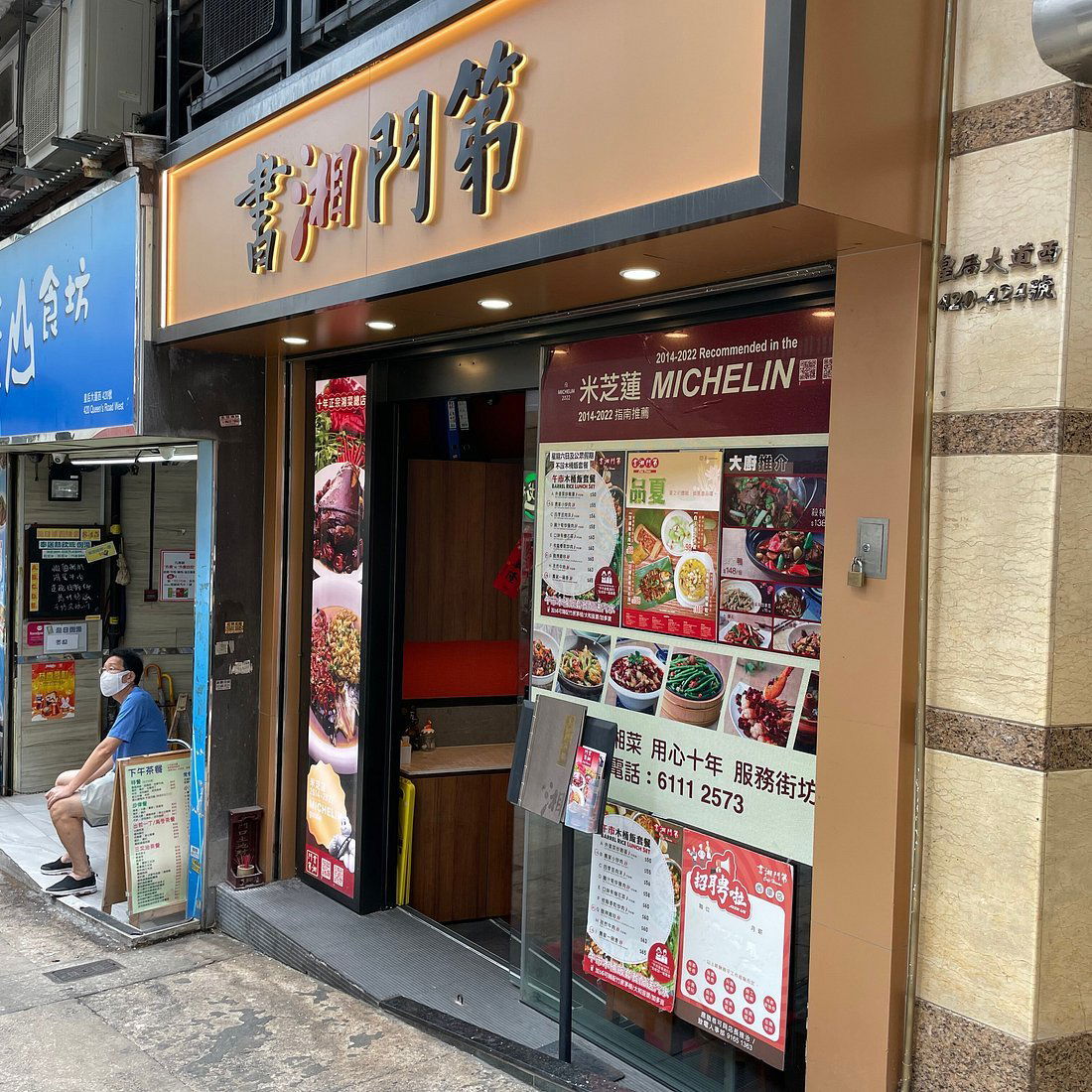
About Café Hunan
Café Hunan is a practical Shek Tong Tsui choice for a food-first Hunanese meal, especially lunch or an easy dinner with a small group. Do not choose it for a cocktail-led evening or a high-production special occasion; choose it when convenience and a specific regional-Chinese craving matter more than polish.
Should you choose Café Hunan in Central And Western? The verified public details are direct: it is in Central And Western, has a casual dress code, lists both midday and evening opening hours every day. Use it as a practical option when those basics fit your plan, rather than relying on unverified claims about menu, price, booking difficulty, drinks, or service style.
Go for a practical meal, not an unverified drinks-led night
The clearest confirmed planning details are the location, dress code, daily hours. Café Hunan is listed as casual, so it is easier to frame as a direct dining choice than as a formal occasion built around a specific format. There are no verified details here for cuisine, signature dishes, beverage program, price, or seating layout.
Because the available verified data does not confirm a standalone bar identity or destination drinks program, do not choose it on that basis alone. If drinks, a specific menu, or a particular room style are important, confirm those details directly before booking. If the table simply needs a casual Central And Western venue with midday and evening hours, Café Hunan remains a relevant option.
Usable for midday or evening plans
Café Hunan operates daily from 11:30 AM to 3 PM and again from 5:30 PM to 10 PM. That makes it usable for either a midday meal or an evening plan throughout the week. The casual dress code also keeps planning simple.
For a different dining plan, Le Colvert is another option to compare. For another alternative, Snack Baby may also be worth checking. You can also compare Café Hunan with Bayi, Café Hunan (Western District), and Prof Chan's (Western District), depending on the kind of meal you want.
Frequently Asked Questions
What should I order at Café Hunan?
There are no verified details for specific dishes, signature items, or menu format at Café Hunan. Check the current menu directly with the restaurant before deciding what to order.
How far ahead should I book Café Hunan?
There is no verified booking-difficulty data for Café Hunan. The confirmed hours are daily from 11:30 AM to 3 PM and 5:30 PM to 10 PM, so choose the service window that fits your schedule and confirm availability directly.
Is Café Hunan good for solo dining?
There is no verified information about seating layout or solo-dining suitability. The confirmed details are that Café Hunan is in Central And Western, has a casual dress code, opens for both midday and evening service daily.
Is Café Hunan good for a special occasion?
Café Hunan has a verified casual dress code, but there is no confirmed information about ambience, service style, private rooms, or occasion-focused features. If you need a more occasion-led meal, compare it with Le Colvert or Bayi and confirm current details before booking.
What are alternatives to Café Hunan?
If you want another option to compare, consider Café Hunan alongside Le Colvert, Prof Chan's (Western District), Bayi, Snack Baby based on the kind of meal you want. There is not enough verified detail to make claims about specific menus or formats here, so check current information directly before deciding.
Is lunch or dinner better at Café Hunan?
Both are possible based on the verified hours. Café Hunan opens daily from 11:30 AM to 3 PM and from 5:30 PM to 10 PM, so midday and evening service windows are both listed.
Can Café Hunan accommodate groups?
There is no verified information about group capacity, seating layout, or private dining at Café Hunan. Check the venue's official channels if you are planning for a group.
Location
420-424 Queen's Rd W, Shek Tong Tsui, Hong Kong
Central And Western, Hong Kong
Compare Café Hunan
| Venue | Location | Cuisine | Price |
|---|---|---|---|
| Café Hunan | Central And Western | , | , |
| Le Colvert | Hong Kong | , | , |
| Prof Chan's (Western District) | Hong Kong | , | , |
| Café Hunan (Western District) | Hong Kong | Hunanese | $$ |
| Bayi | Central And Western | , | , |
| Snack Baby | Hong Kong | Street Food | $ |
How Café Hunan Central And Western compares with similar nearby venues.
Where to go if this does not fit
If the group wants a more occasion-appropriate meal, choose Le Colvert instead. If the priority is a faster, lower-spend bite, Snack Baby is the cleaner alternative.
How it compares in Central And Western
Choose Café Hunan when the brief is Hunanese food with low booking friction. Against Le Colvert, it is the more casual and likely lower-ceremony decision; Le Colvert makes more sense for a date or occasion where the room and pacing matter as much as the meal.
Bayi is the closer cross-shop for diners who want another regional-Chinese option in Central And Western. If the group is deciding between the two, use cuisine preference as the filter first, then booking convenience and location. Prof Chan's (Western District) and Café Hunan (Western District) sit more naturally in a Western District comparison set than a polished Central dinner set.
For value and speed, Snack Baby is the cheaper, street-food-leaning alternative. Pick Snack Baby for a lighter spend and less formal plan; pick Café Hunan when the table wants a seated Hunanese meal with shared dishes.
Explore Central And Western
Save or rate Café Hunan on Pearl
Keep this venue in your Pearl passport, rate it after you visit, and track it alongside every other place you collect.