

Restaurant in Manaus, Brazil
Caxiri
100Pearl PointsCentro Dinner Choice
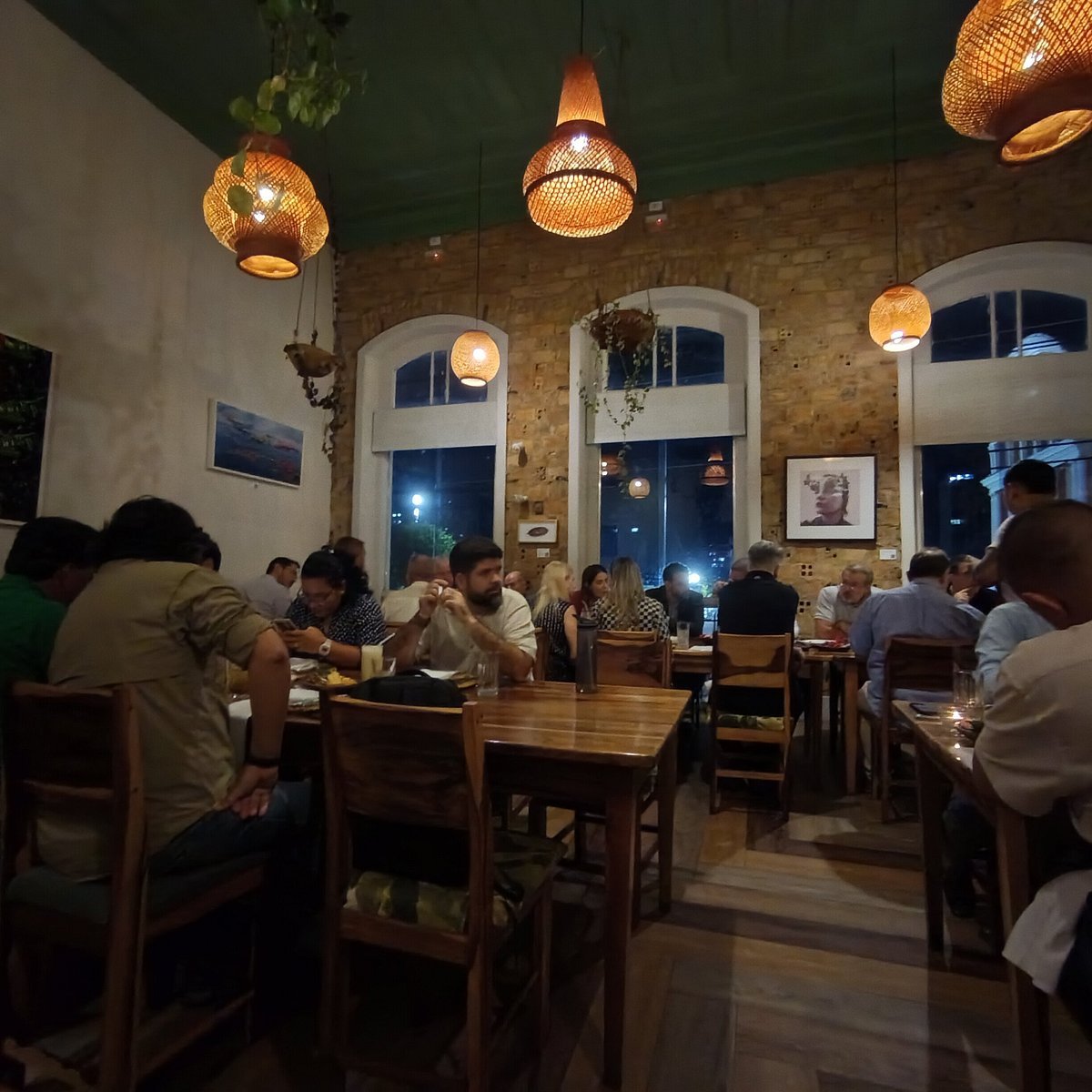
About Caxiri
Caxiri is worth considering for a central Manaus dinner when the meal needs to feel more intentional than casual. It is strongest for dates, celebrations, business meals in Centro; cross-shop Restaurant Banzeiro for a more obvious regional pick or Churrascaria Coqueiro Verde Praça 14 - Carne de Sol for a meat-focused plan.
Is Caxiri worth considering in Manaus? Yes if the priority is a venue with verified lunch and dinner hours on Tuesday through Saturday, Sunday lunch hours, a smart casual dress code. The available verified details are limited, so the decision should be based on practical fit rather than unverified claims about cuisine, awards, price, or format.
Caxiri is closed on Monday. From Tuesday to Saturday, it is listed for 11:30 AM–3 PM and 7–10 PM; on Sunday, it is listed for 11:30 AM–3 PM. That schedule makes it usable for either a midday meal or an evening plan during most of the week, with Sunday limited to lunch hours.
A Manaus choice for smart casual plans
Choose Caxiri when the plan calls for a smart casual venue in Manaus and the published hours match your schedule. The verified information does not establish a tasting-menu format, an award history, a price tier, a specific cuisine, or a particular service style, so it is best treated as a practical Manaus option rather than a place to book for a specific unverified promise. For a broader view of the city's dining options, use Our full Manaus restaurants guide.
If you are comparing other dining options, Churrascaria Coqueiro Verde Praça 14 - Carne de Sol, Restaurant Banzeiro, Bistro Fitz Carraldo, Restaurante Alentejo, Barollo are other names to consider. Use current menus, availability, the occasion to decide which one fits best.
When to choose it, when to cross-shop
Choose Caxiri when its Manaus setting, smart casual dress code, verified service times fit the plan. It is a less certain pick if you need confirmed details about price, cuisine, dietary accommodations, delivery, takeout, private dining, or a specific menu format, because those details are not verified here.
For trip planning beyond one meal, Manaus guides can provide broader context across restaurants and other local options. If the search is wider than Caxiri, compare it with other dining rooms based on up-to-date hours, booking availability, the needs of your group.
Frequently Asked Questions
What should I wear to Caxiri?
Caxiri lists a smart casual dress code. Neat, polished clothing is the safest choice.
What are Caxiri's hours?
Caxiri is closed on Monday. It is listed as open Tuesday through Saturday from 11:30 AM–3 PM and 7–10 PM, Sunday from 11:30 AM–3 PM.
Can Caxiri accommodate groups?
Group accommodation is not verified here. If you are planning for several people, check directly with Caxiri before relying on availability.
Is Caxiri good for a special occasion?
Caxiri may fit a special occasion if a smart casual Manaus venue with the listed hours suits the plan. Specific details such as price, menu format, private dining are not verified here.
Is lunch or dinner better at Caxiri?
Both lunch and dinner are listed Tuesday through Saturday: 11:30 AM–3 PM and 7–10 PM. On Sunday, only 11:30 AM–3 PM is listed. Choose based on the schedule that fits your plans.
What are alternatives to Caxiri?
Other options to compare include Restaurant Banzeiro, Barollo, Bistro Fitz Carraldo, Churrascaria Coqueiro Verde Praça 14 - Carne de Sol, Restaurante Alentejo. Check current details before deciding.
Location
Rua 10 de Julho, 495 - Centro, Manaus - AM, 69010-000, Brazil
Manaus, Brazil
Compare Caxiri
| Venue | Location |
|---|---|
| Caxiri | Manaus |
| Bistro Fitz Carraldo | Manaus |
| Churrascaria Coqueiro Verde Praça 14 - Carne de Sol | Manaus |
| Restaurant Banzeiro | Manaus |
| Restaurante Alentejo | Manaus |
| Barollo | Manaus |
How Caxiri Manaus compares with similar nearby venues.
Also Consider
- Bistro Fitz Carraldo, Notable alternative
- Churrascaria Coqueiro Verde Praça 14 - Carne de Sol, Notable alternative
- Restaurant Banzeiro, Notable alternative
- Restaurante Alentejo, Notable alternative
- Barollo, Notable alternative
How Caxiri compares in Manaus
Caxiri is the better fit when the decision is about a polished Centro dinner rather than a purely casual meal. Restaurant Banzeiro is the more obvious pick for diners who want a recognizable regional-restaurant choice, while Churrascaria Coqueiro Verde Praça 14 - Carne de Sol makes more sense for a meat-led, value-driven meal.
For ambiance, Bistro Fitz Carraldo and Restaurante Alentejo are the closer cross-shops if the group wants a sit-down meal with a calmer feel. Barollo is the alternative to check when the brief is comfort, familiarity, an easier group choice.
Booking difficulty looks easier here than at venues with stronger destination pull, so Caxiri is useful when the plan comes together late. For a celebration, choose it if Centro location and dinner timing are the main constraints; choose Banzeiro if the meal itself needs to carry more of the occasion.
Explore Manaus
Save or rate Caxiri on Pearl
Keep this venue in your Pearl passport, rate it after you visit, and track it alongside every other place you collect.