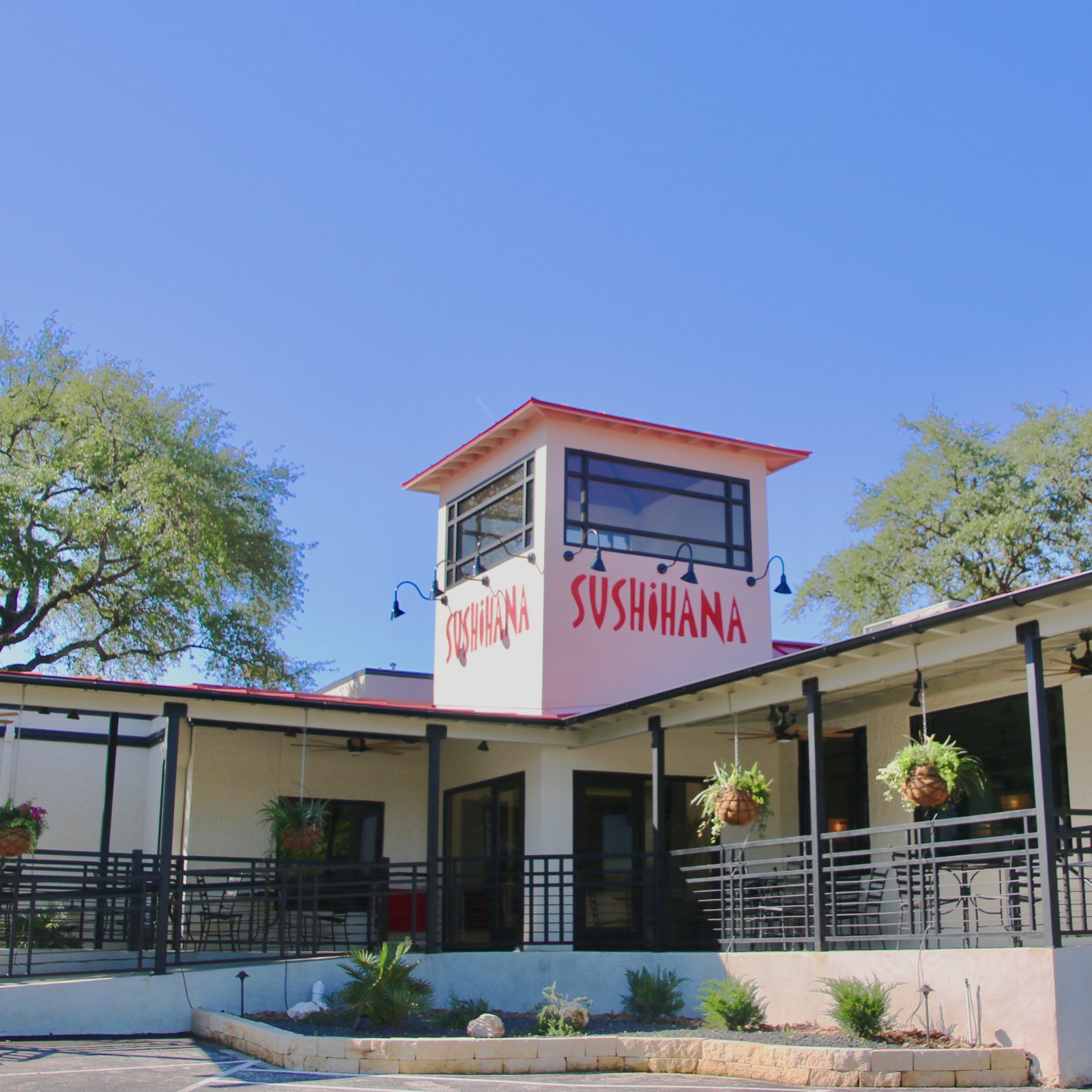
Sushihana Japanese Restaurant
Castle Hills
Restaurant in Castle Hills, United States
 Book with Pearl
The Read
Price
$30–50per person
Dress
Smart Casual
Why go
Sushihana Japanese Restaurant is a practical Castle Hills choice when Japanese food and easy planning matter more than awards, chef-counter ceremony, or a documented private room. It works best for solo diners, couples, and small groups; for a larger celebration, compare it with Clementine or Dough Pizzeria Napoletana before committing.
About Sushihana Japanese Restaurant
Sushihana Japanese Restaurant is a Castle Hills restaurant open Tuesday through Saturday for lunch and dinner, closed Sunday and Monday, with a smart casual dress code. Plan around the posted hours and confirm any specific needs directly with the restaurant before you go.
A practical Castle Hills restaurant for lunch or dinner
The main reason to consider Sushihana Japanese Restaurant is its place within the Castle Hills dining mix. The schedule supports Tuesday through Saturday lunch and dinner plans, while Sunday and Monday are closed. For anyone comparing options, the key planning details are timing and dress code.
For a more formal-feeling plan, keep expectations grounded and confirm any needs directly with the restaurant. Smart casual dress is listed; ask about room layout, group capacity, and special-event arrangements if those details matter for your occasion. If the occasion calls for a different restaurant feel, compare it with Clementine. If the group wants another option, Dough Pizzeria Napoletana may also be part of the conversation.
Book around the hours and key planning details
Sushihana Japanese Restaurant's hours are Tuesday through Saturday from 11 AM to 2 PM and 5 PM to 9 PM. It is closed Sunday and Monday. That makes it usable for either a midday or evening plan on its open days, but any assumptions about booking difficulty, menu structure, takeout, delivery, or special accommodations should be checked directly before you go.
Cross-shopping matters here. Ilsong Garden is one comparison, while Sawasdee Thai Cuisine is another. For a broader scan before committing, use our full Castle Hills restaurants guide.
Quick reference: Consider Sushihana Japanese Restaurant for a Castle Hills meal Tuesday through Saturday; note the smart casual dress code and confirm any specific needs directly with the restaurant.
Planning details
- Location
- 1810 NW Military Hwy, San Antonio, TX 78213
- Reservations
- Book on Resy
- Website
- sushihanasan.com
- Phone
- +12103407808
The take
The Take
The Vibe
Sushihana reads like a neighborhood institution rather than a destination for spectacle. Tucked into a strip-mall stretch of NW Military Highway, the restaurant favors ingredient-focused simplicity and repeat custom over theatrical presentation. The dining room fills with people who know exactly what they want, which gives service and pacing a familiar, unhurried quality. Expect an understated, relaxed atmosphere where the food does the talking: this is a deliberate contrast to downtown sushi counters that chase accolades. The result is a low-fuss, dependable spot that rewards repeat visits and diners who come for consistent execution rather than novelty.
Best For
This is a place built for regulars and weeknight dinners—people who live or work nearby and return for familiar, well-made plates. The profile of the room on a Tuesday night suggests it suits casual hangouts, family dinners, and quietly confident date nights where the meal itself takes center stage. Because the kitchen competes on consistency rather than spectacle, it’s especially good for diners who prioritize reliable technique and familiar favorites. Plan to go for an evening meal when the neighborhood crowd is in full swing and the restaurant’s steady rhythm is on display.
Ordering Tips
Lean into the signatures: the Dictator roll, Dragon roll and Rock and Roll roll are highlighted as the restaurant’s standouts and are a safe bet. The piece emphasizes consistency and repeat custom, so follow what the regulars order rather than seeking showy plates. Visiting on a weekday night—when the write-up notes the room’s composition—is a useful way to experience the restaurant as its core diners do. Because the kitchen is ingredient-focused, expect straightforward, well-executed sushi rather than theatrical presentations; pick a few rolls to share and let the quality speak for itself.
Venue details
Ambiance
Sleek yet traditional Japanese vibe with excellent ambiance, low-level noise suitable for conversation, and upbeat atmosphere.
Tags
Vibe
Best For
At the Table
- Dress Code
- Smart Casual
- Noise Level
- Conversational
- Service Style
- Upscale Casual
- Meal Pacing
- Standard
- Capacity
- Medium
- Kitchen
- Fusion
- Menu Format
- A la carte
- Drinks Focus
- Sake, Wine
- Dietary
- Vegetarian friendly, Gluten-free options
Signature Dishes
- Dictator roll
- Dragon roll
- Rock and Roll roll
Know before you go
Know Before You Go
- Getting there
- 1810 NW Military Hwy, San Antonio, TX 78213
Planning details
Location
Also consider
Where to go if this does not fit
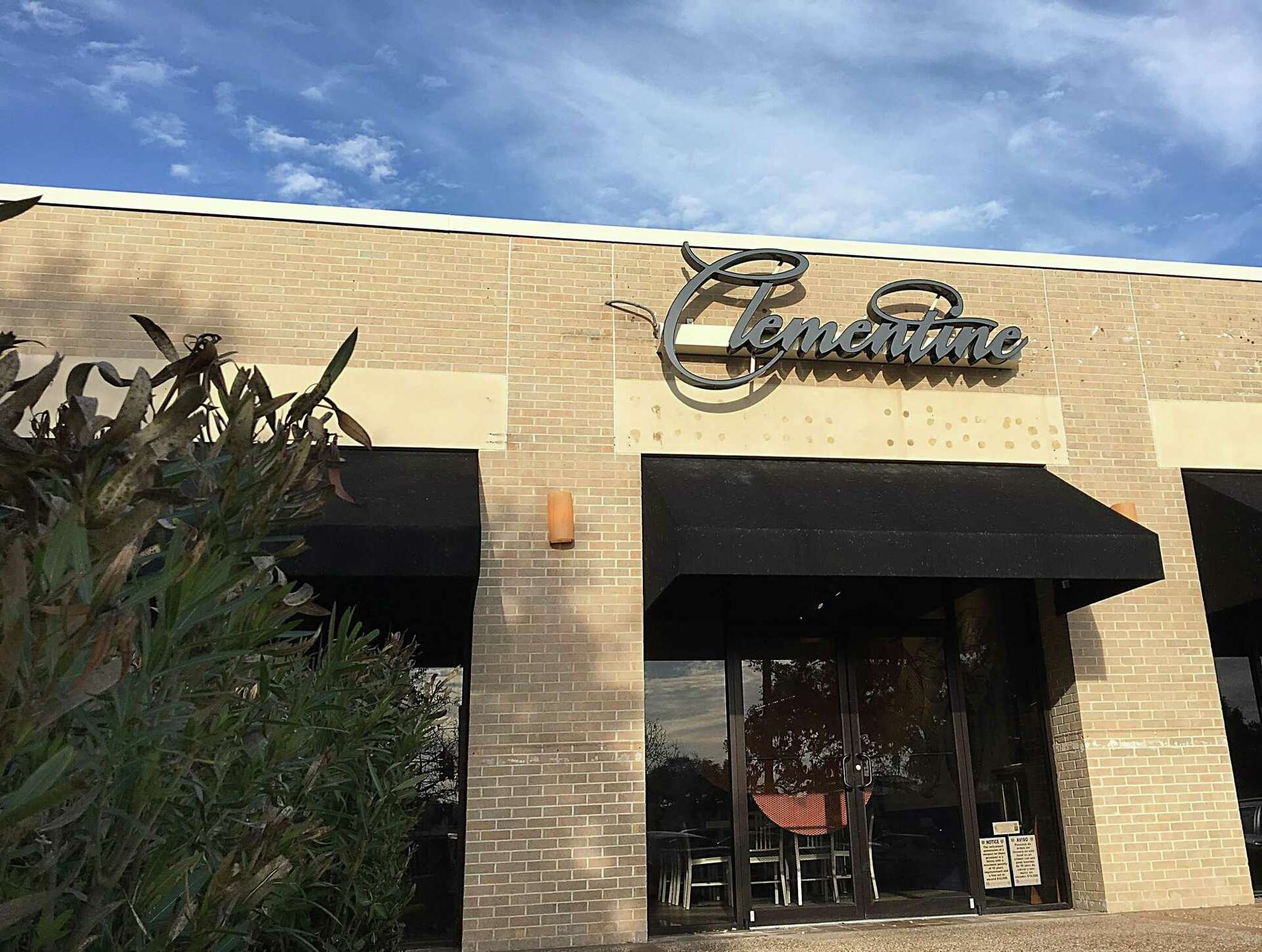
If the booking is for a special occasion, start with Clementine. If the group needs an easier crowd-pleaser, Dough Pizzeria Napoletana is the more flexible backup.
Restaurant context
How it compares in Castle Hills
Sushihana Japanese Restaurant is the pick when the group specifically wants Japanese food and does not want a hard booking. Against Clementine, it reads as the more casual, lower-pressure choice; Clementine is the better bet when the meal needs a more occasion-ready feel.
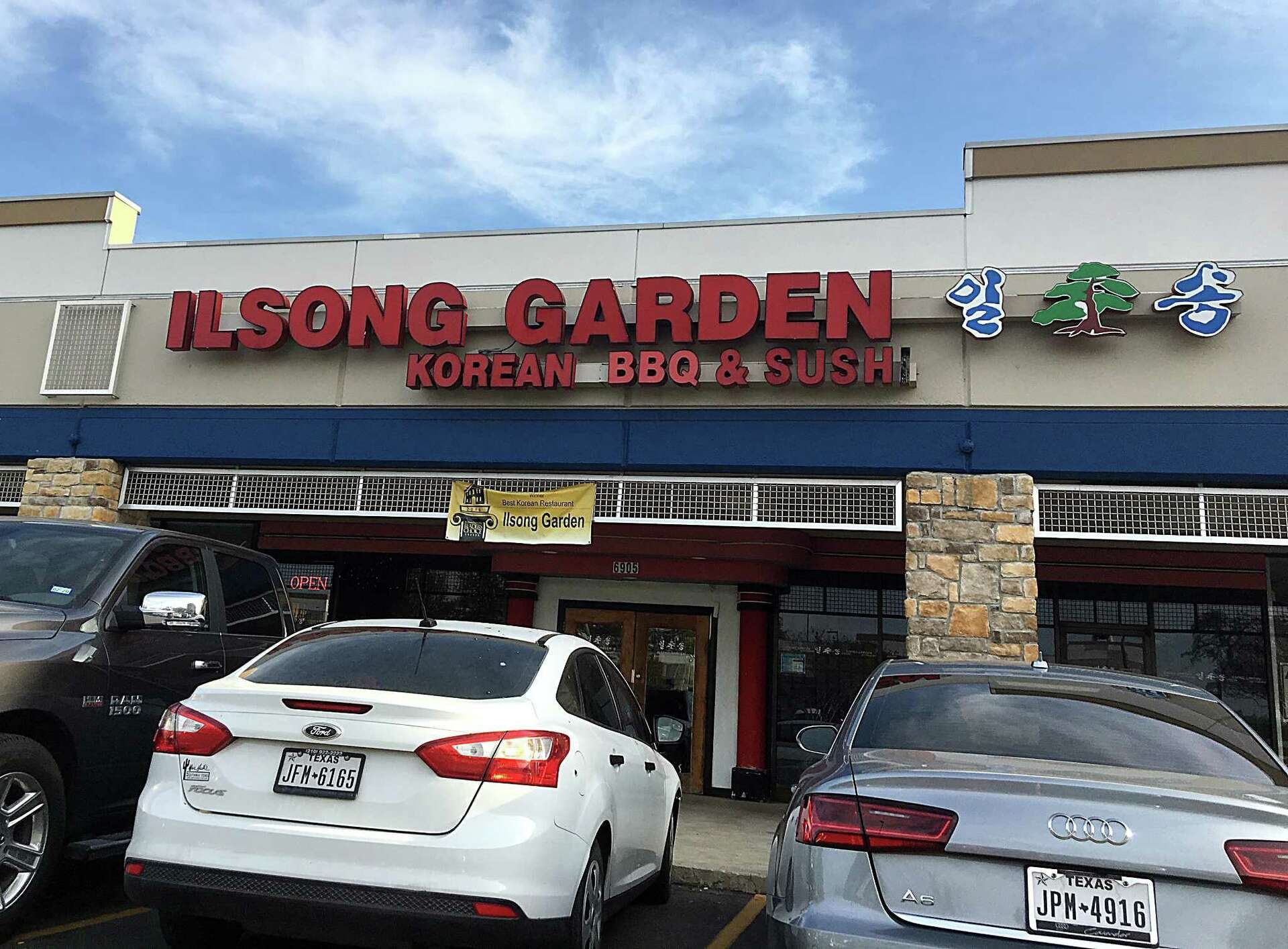
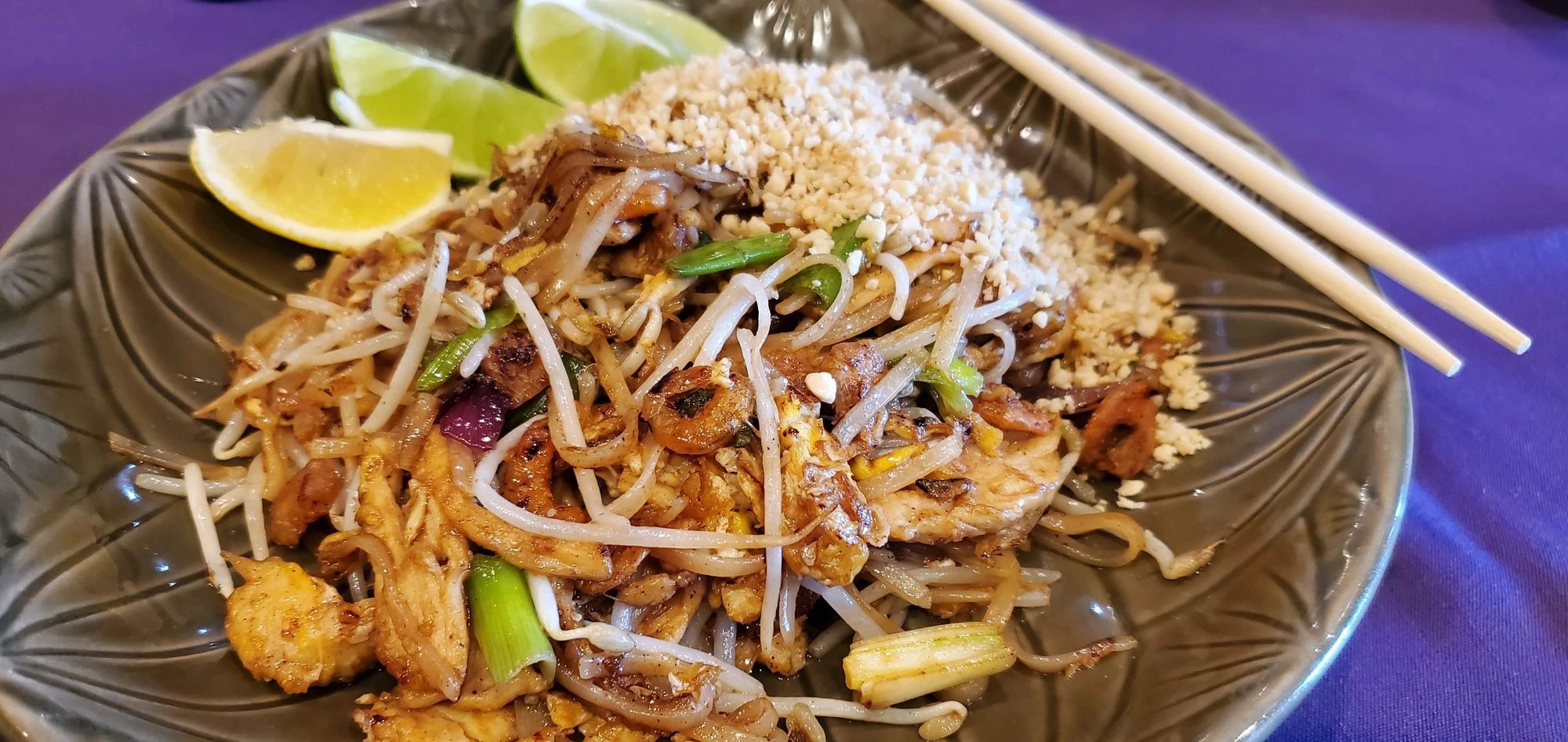
Dough Pizzeria Napoletana is stronger for groups with mixed tastes because pizza is an easier consensus order. Ilsong Garden makes more sense when the table wants Korean food and a heartier shared meal, while Sawasdee Thai Cuisine is the clearer move for Thai flavors.
sichuan garden belongs in the comparison only if Sichuan is the priority and the out-of-metro tradeoff is acceptable. For value and ease inside Castle Hills, Sushihana is strongest as a simple Japanese option, not as the splurge or private-dining choice.
Explore Castle Hills
Around this place
Discover more on Pearl
Unlock the full Sushihana Japanese Restaurant guide in Pearl, including awards, comparisons, FAQs, planning details, and nearby places.
Compare Sushihana Japanese Restaurant
| Venue | Location | Awards |
|---|---|---|
| Sushihana Japanese Restaurant | Castle Hills | No published awards |
| Clementine | Castle Hills | 2026 OAD Cheap Eats in North America Recommended2024 OAD Cheap Eats in North America Ranked · #2862023 OAD Cheap Eats in North America in Recommended |
| Dough Pizzeria Napoletana | Castle Hills | No published awards |
| Ilsong Garden | Castle Hills | No published awards |
| Sawasdee Thai Cuisine | Castle Hills | No published awards |
| sichuan garden | San Antonio | No published awards |

How Sushihana Japanese Restaurant compares with similar nearby venues.
FAQ
Frequently Asked Questions
Is Sushihana Japanese Restaurant good for solo dining?
It can be considered for a solo meal in Castle Hills if the hours fit your schedule. The restaurant is open Tuesday through Saturday, 11 AM to 2 PM and 5 PM to 9 PM; it is closed Sunday and Monday.
What are alternatives to Sushihana Japanese Restaurant?
For a different fit, Clementine, Ilsong Garden, Dough Pizzeria Napoletana, and Sawasdee Thai Cuisine are options to compare. Choose based on the kind of meal your group wants and confirm current details directly with each restaurant.
Is Sushihana Japanese Restaurant good for a special occasion?
It may work for a simple occasion in Castle Hills. The restaurant lists a smart casual dress code and is open Tuesday through Saturday for lunch and dinner; contact the restaurant directly about private rooms, group capacity, and special-event formats.
What should a first-timer know about Sushihana Japanese Restaurant?
Sushihana Japanese Restaurant is in Castle Hills. It is closed Monday and Sunday, open Tuesday through Saturday from 11 AM to 2 PM and 5 PM to 9 PM, and lists smart casual dress.
Is lunch or dinner better at Sushihana Japanese Restaurant?
Both lunch and dinner are available Tuesday through Saturday. Lunch runs from 11 AM to 2 PM, and dinner runs from 5 PM to 9 PM; choose the window that best fits your schedule.