.png?width=1200&quality=80)
Nangalarruni
historic center, Castelbuono
Restaurant in Castelbuono, Italy
 Book with Pearl
The Read
Madonie-Sourced Sicilian Revival
Price
$30–50per person
Dress
Smart Casual
Why go
Book Nangalarruni when you want a recognised, value-led meal in Castelbuono rather than a high-spend destination format. The Michelin Bib Gourmand makes it a credible choice for lunch or dinner, especially if convenience and local character matter more than a formal tasting-menu setup.
About Nangalarruni
In Castelbuono, Nangalarruni is a practical restaurant to keep on the list when the brief is direct: a meal in town with a Michelin Bib Gourmand in 2026. Choose it for the Bib Gourmand recognition and for lunch and dinner service on most days.
For someone weighing a booking, the strongest case is simple: Nangalarruni is in Castelbuono, has smart-casual dress guidance, and is open for lunch and dinner every day except Wednesday. If the next meal needs a specific format, a particular cuisine claim, a counter seat, or a more detailed menu plan, check those details directly before committing.
Choose it for a recognised Castelbuono meal, not a specific format
Nangalarruni makes the clearest sense for diners who want the reassurance of recognition without relying on a specific format. The Michelin Bib Gourmand is the key distinction. That makes it a sensible candidate for lunch or dinner in Castelbuono when the priority is a straightforward restaurant choice with a recognised accolade.
The main caveat is the lack of detail around format, seating, and menu structure. Do not book it expecting a chef's-counter experience, a tasting-menu format, or any particular service style unless that has been checked directly through the booking channel. Treat it as a restaurant choice first, not a format-specific choice.
How to compare it with other options
For another option to compare, Palazzaccio is the natural first cross-shop when the decision is centered on dining in Castelbuono. Nangalarruni has the Michelin Bib Gourmand signal; beyond that, compare current hours, availability, and the kind of meal the group wants before booking.
If the meal is meant to feel different from a Bib Gourmand-led choice, compare Nangalarruni with Qualia, Cortile Pepe, Cala Luna, or Calette Reef without assuming the same format, price level, or setting. The useful distinction is whether Nangalarruni's recognition and lunch-and-dinner schedule fit the occasion better than another option.
For planning around the town rather than only this table, use the Castelbuono restaurants guide. If the meal is part of a broader stop, check current details directly rather than relying on assumptions about menu, seating, or service style.
Planning details
- Location
- Cortile Ventimiglia, 5, 90013 Castelbuono PA, Italy
- Website
- hostarianangalarruni.it
- Phone
- +39 0921 671228
The take
The Take
The Vibe
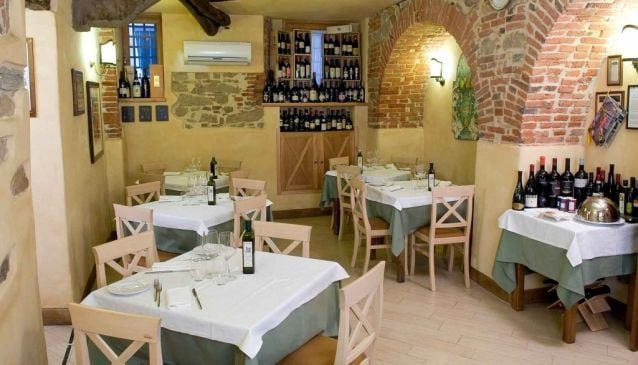
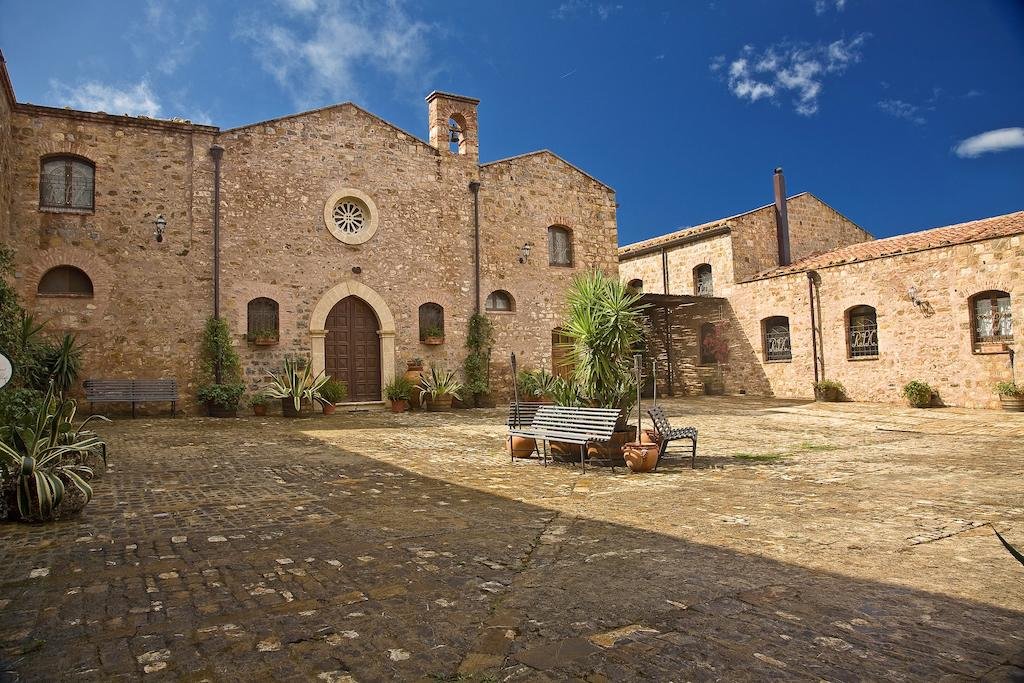
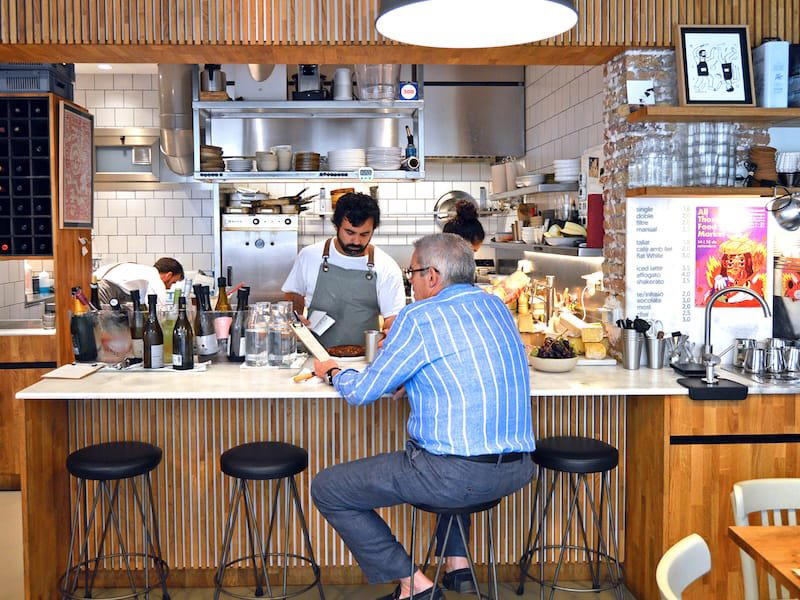
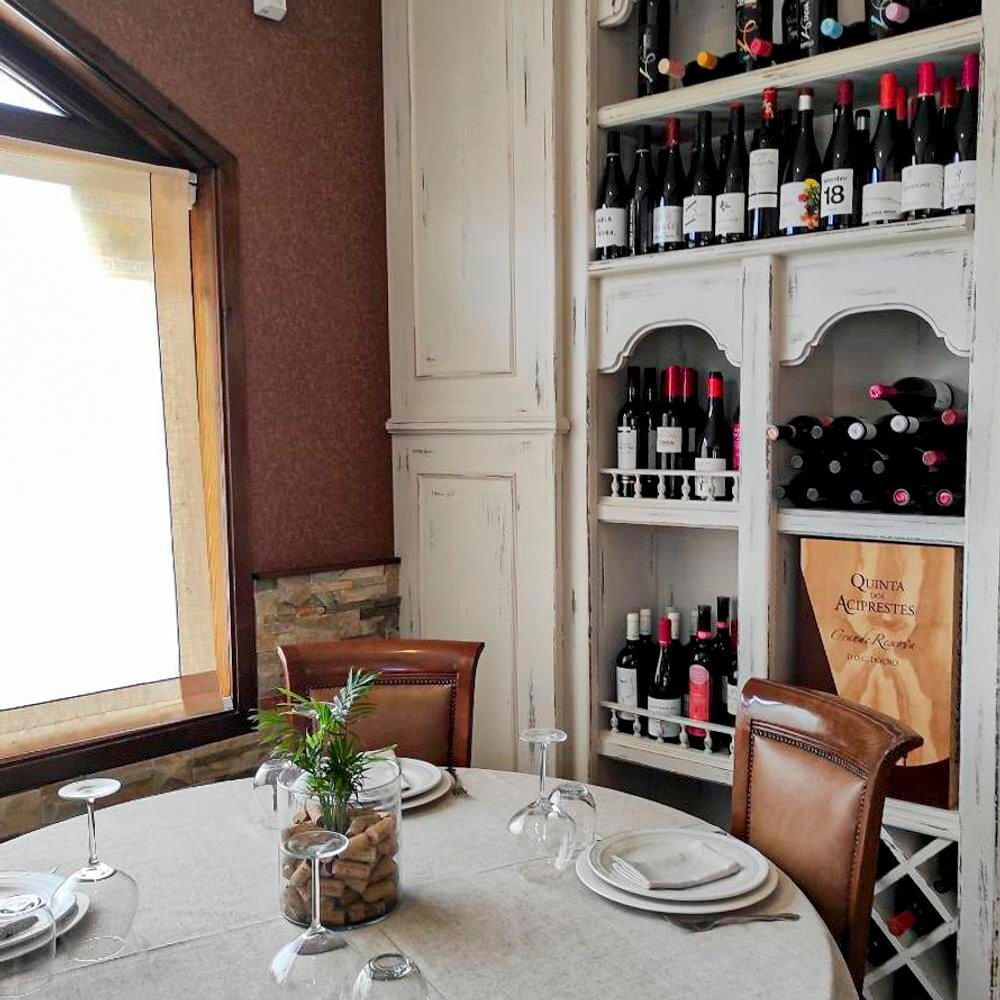
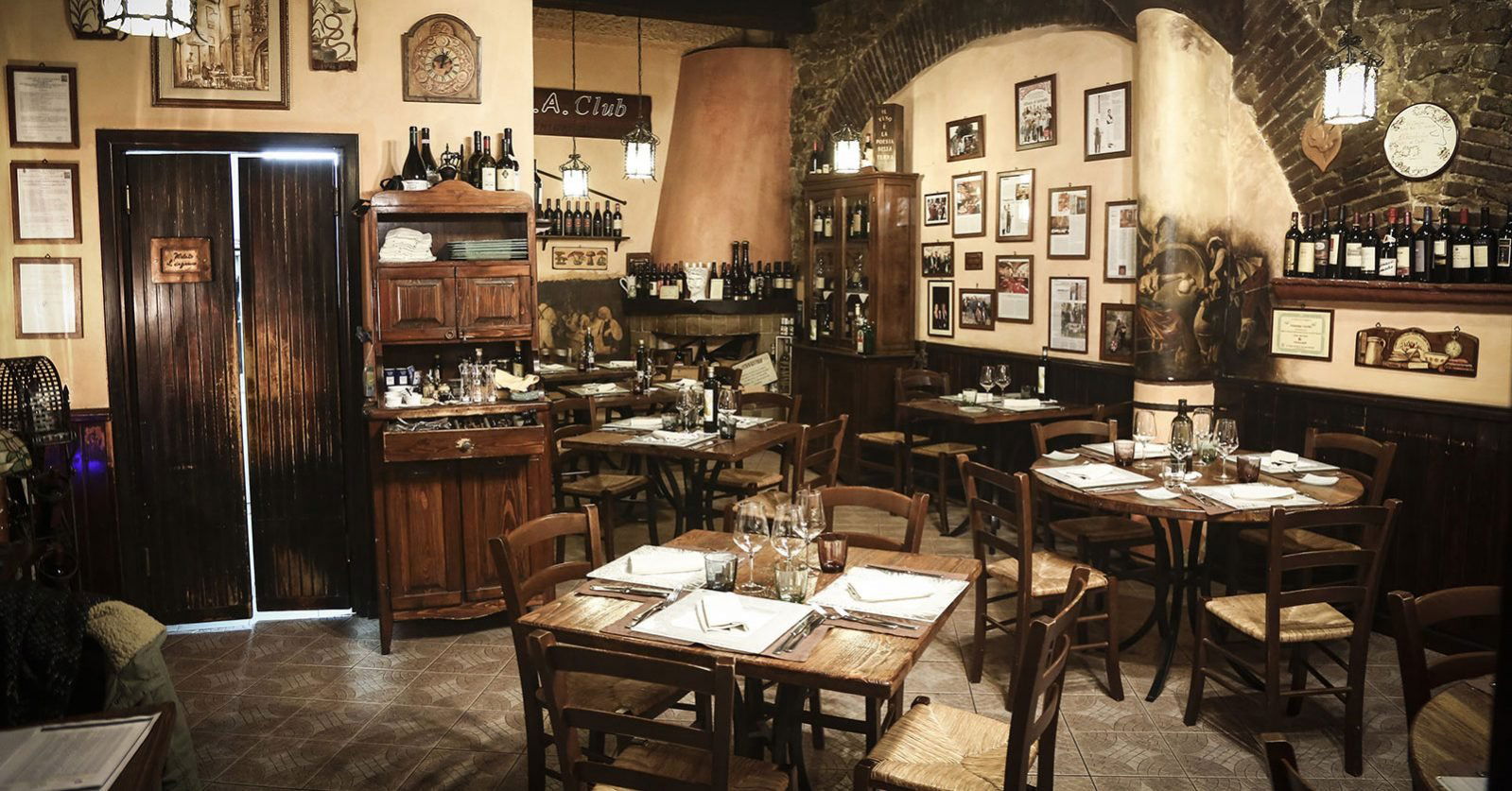
Nangalarruni feels inseparable from its setting: stone and wood are not decorative choices so much as continuations of the medieval building that contains the restaurant. The name and backstory nod to local folk traditions, which the kitchen treats as living practice rather than antique display. In summer the courtyard opens and the dining registers shift to an alfresco evening beneath the sky, while inside the rooms read like they belong to the building itself. Overall the place presents a considered, place-driven personality, rooted in regional culture and the Madonie landscape, delivered with a quietly appealing, authentic sensibility.
Best For
This is primarily an evening destination that suits dinners, intimate celebrations, and gatherings that appreciate regional specificity. The menu’s focus on Madonie Park produce, especially wild mushrooms, and specialty meat preparations make it a strong pick for groups or families who want to explore local flavors together. In summer the courtyard becomes the natural choice for a special-night meal under the sky; at other times the building’s age and materials create a warm, room-like dining experience. Travelers seeking a meal tied closely to place and season will find it especially rewarding.
Ordering Tips
Menus are driven by local seasonality and foraging traditions, so start with the mushroom-focused offerings when they appear: the mushroom tasting menu and porcini-based preparations are signature items and showcase the region’s strengths. The black pig dishes are another distinctive recommendation for meat eaters. Expect the roster of dishes to change with what the Madonie supplies: plan to sample the seasonal tasting sequence or a few of the starring plates rather than hunting for a fixed à la carte standard. In summer, prioritize a courtyard table to enjoy the al fresco evening setting.
Venue details
Ambiance
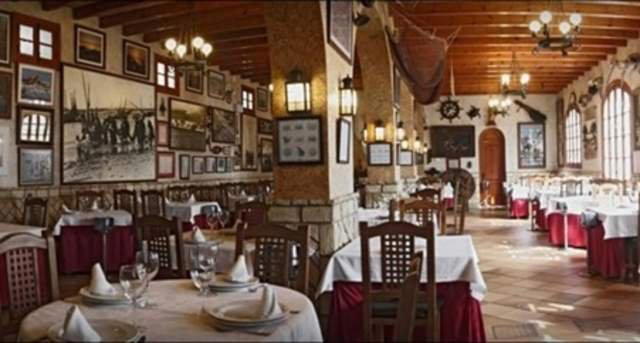
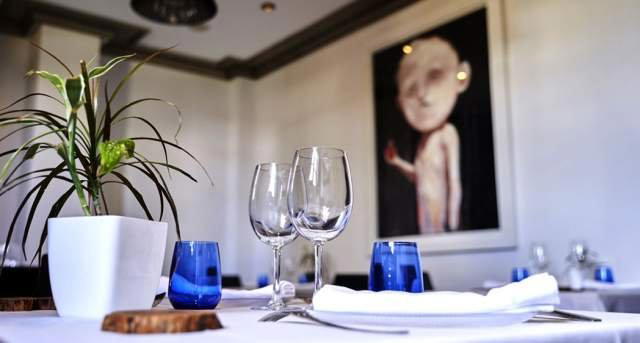
Rustic traditional setting with wood and stone interiors, lovely outdoor courtyard dining, and warm welcoming atmosphere per guest reviews.
Tags
Vibe
Best For
Experience
Sourcing
Accessibility
At the Table
- Dress Code
- Smart Casual
- Noise Level
- Conversational
- Service Style
- Upscale Casual
- Meal Pacing
- Leisurely
- Capacity
- Small
- Kitchen
- Traditional
- Menu Format
- Tasting menu, A la carte
- Drinks Focus
- Wine
- Dietary
- Vegetarian friendly, Vegan options
- Outdoor Seating
- Yes
Signature Dishes
- mushroom tasting menu
- black pig dishes
- porcini pasta
Know before you go
Know Before You Go
- Getting there
- Cortile Ventimiglia, 5, 90013 Castelbuono PA, Italy
Planning details
Location
Cortile Ventimiglia, 5, 90013 Castelbuono PA, Italy · Directions
Recognition and awards
Also consider
Also Consider
- Palazzaccio, Sicilian, €€
- Cala Luna, Contemporary, €€€€
- Calette Reef, Notable alternative
- Qualia, Italian, €€€
- Cortile Pepe, Modern Cuisine, €€€
Restaurant context
How Nangalarruni compares in Castelbuono
Nangalarruni is the value-first choice in this set because the Michelin Bib Gourmand points to a meal judged on quality for money rather than luxury spend. Palazzaccio is the closest local cross-shop: Sicilian, €€, and likely the better comparison when the group wants a simple Castelbuono meal with a traditional category signal. Pick Nangalarruni when external recognition matters; pick Palazzaccio when the cuisine label and €€ positioning are the main filters.
Qualia and Cortile Pepe sit in a higher €€€ bracket, so they make more sense for diners who want a more composed Italian or modern-cuisine meal. They are less direct value plays and better suited to a planned evening where the restaurant is the centre of the schedule. Nangalarruni is easier to justify for a repeat visit, a relaxed lunch, or a lower-pressure dinner in Castelbuono.
Cala Luna is the splurge comparison at €€€€, while Calette Reef is harder to position from the available category and price signals. If budget is the deciding factor, Nangalarruni and Palazzaccio are the practical pair to compare first. If occasion and ambiance matter more than value, move up to Cala Luna, Qualia, or Cortile Pepe.
Explore Castelbuono
Around this place
Discover more on Pearl
Unlock the full Nangalarruni guide in Pearl, including awards, comparisons, FAQs, planning details, and nearby places.
Compare Nangalarruni
| Venue | Location | Cuisine | Awards | Price |
|---|---|---|---|---|
| Nangalarruni | Castelbuono | , | 2026 Bib Gourmand | , |
| Palazzaccio | Castelbuono | Sicilian | 2026 Bib Gourmand2025 Michelin Bib Gourmand2024 Michelin Bib Gourmand | €€ |
| Cala Luna | Cefalu | Contemporary | 2026 Michelin Plate2025 Michelin Plate2024 Michelin Plate | €€€€ |
| Calette Reef | Cefalu | No published awards | , | , |
| Qualia | Cefalu | Italian | 2026 Michelin PlateWe're Smart World Top Restaurants 20252025 Michelin Plate2024 Michelin Plate | €€€ |
| Cortile Pepe | Cefalu | Modern Cuisine | 2026 Michelin Plate2025 Michelin Plate2024 Michelin Plate | €€€ |

.png?width=1200&quality=80)

How Nangalarruni Castelbuono compares with similar nearby venues.
FAQ
Frequently Asked Questions
What should a first-timer know about Nangalarruni?
Start with the Michelin Bib Gourmand (2026) signal, because that is the clearest reason to choose it. Nangalarruni is in Castelbuono, has a smart-casual dress code, and is open for lunch and dinner most days, with Wednesday closed.
Is lunch or dinner better at Nangalarruni?
Both lunch and dinner are listed for every operating day.
What are alternatives to Nangalarruni?
Palazzaccio is a natural comparison when you want another Castelbuono option. Cala Luna, Calette Reef, Qualia, and Cortile Pepe are also worth comparing if you want to widen the search beyond a Bib Gourmand-led pick.