



Domaine d’Auriac
Languedoc French · Carcassonne
Restaurant in Carcassonne, France
The Read
Classical Languedoc Estate Kitchen
Price
$$$
Chef
Philippe Deschamps
Dress
Smart Casual
Why go
Domaine d'Auriac is a Michelin Plate-recognised country estate restaurant outside Carcassonne, combining classical Languedoc cooking by Chef Philippe Deschamps with an 18-hole golf course and hotel. At $$$, it earns its price through setting and regional produce quality rather than technical ambition. Book 2–3 weeks ahead in summer; ideal for special occasions when atmosphere matters as much as the kitchen.
About Domaine d’Auriac
Book While the Domain Still Has the Dining Room to Itself
The dining room does not expand seasonally, given that the estate attracts both hotel guests and outside diners, tables during peak summer weeks near the Cité fill ahead of schedule. If you are planning a special-occasion dinner or a post-round meal after the golf course, book at least two to three weeks out. Mid-week and shoulder season (spring and autumn) give you the leading chance at your preferred seating time without advance pressure.
The Space: Country Estate Scale, Not City Restaurant Formality
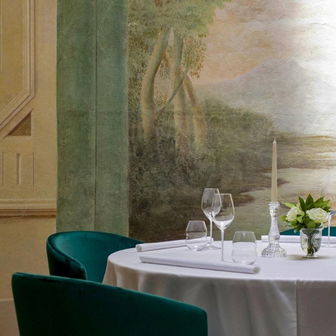
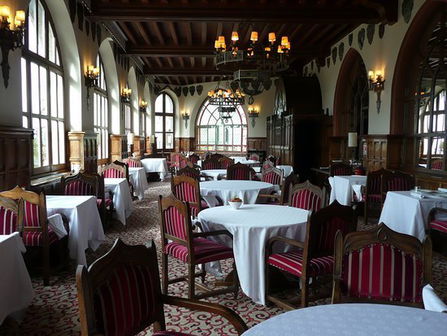
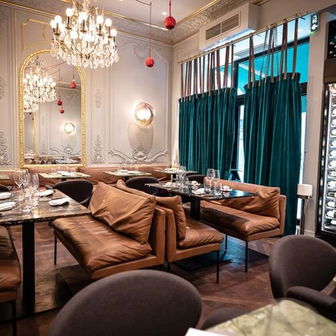
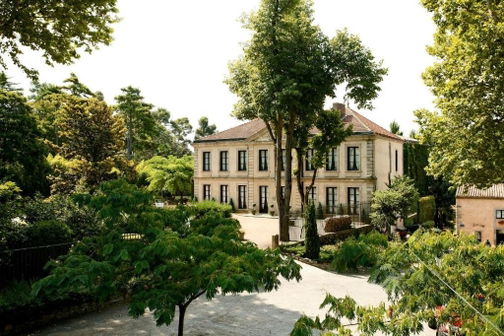
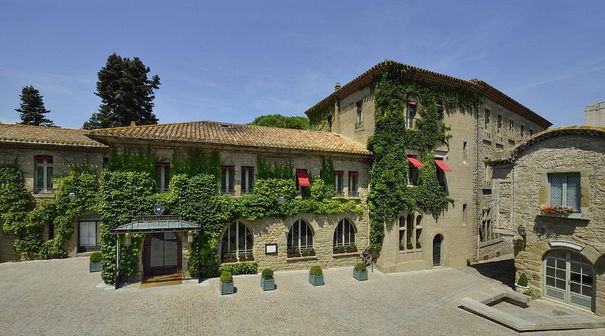
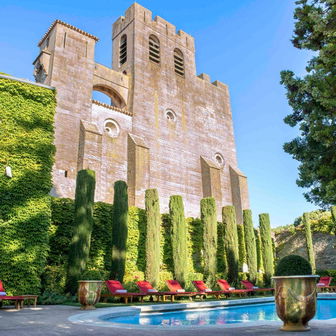
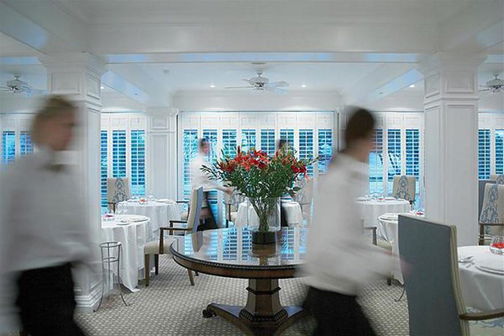
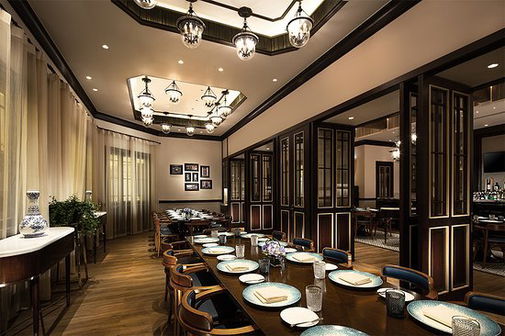
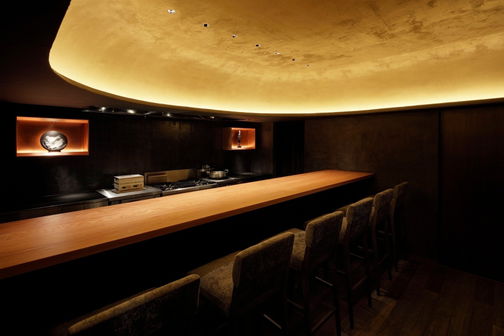
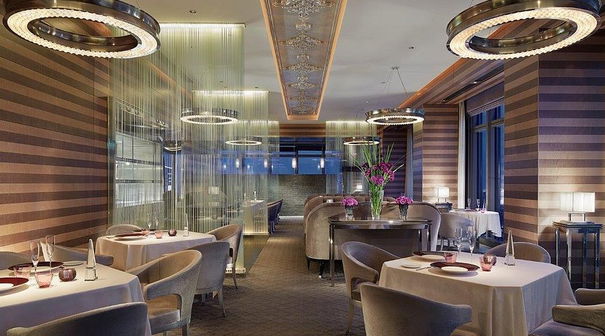
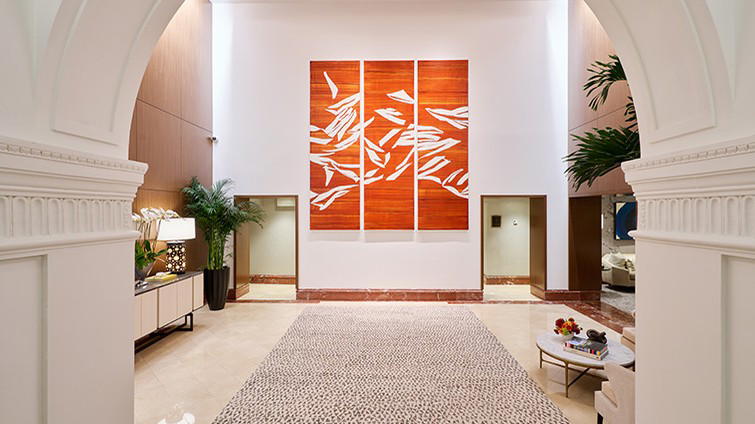
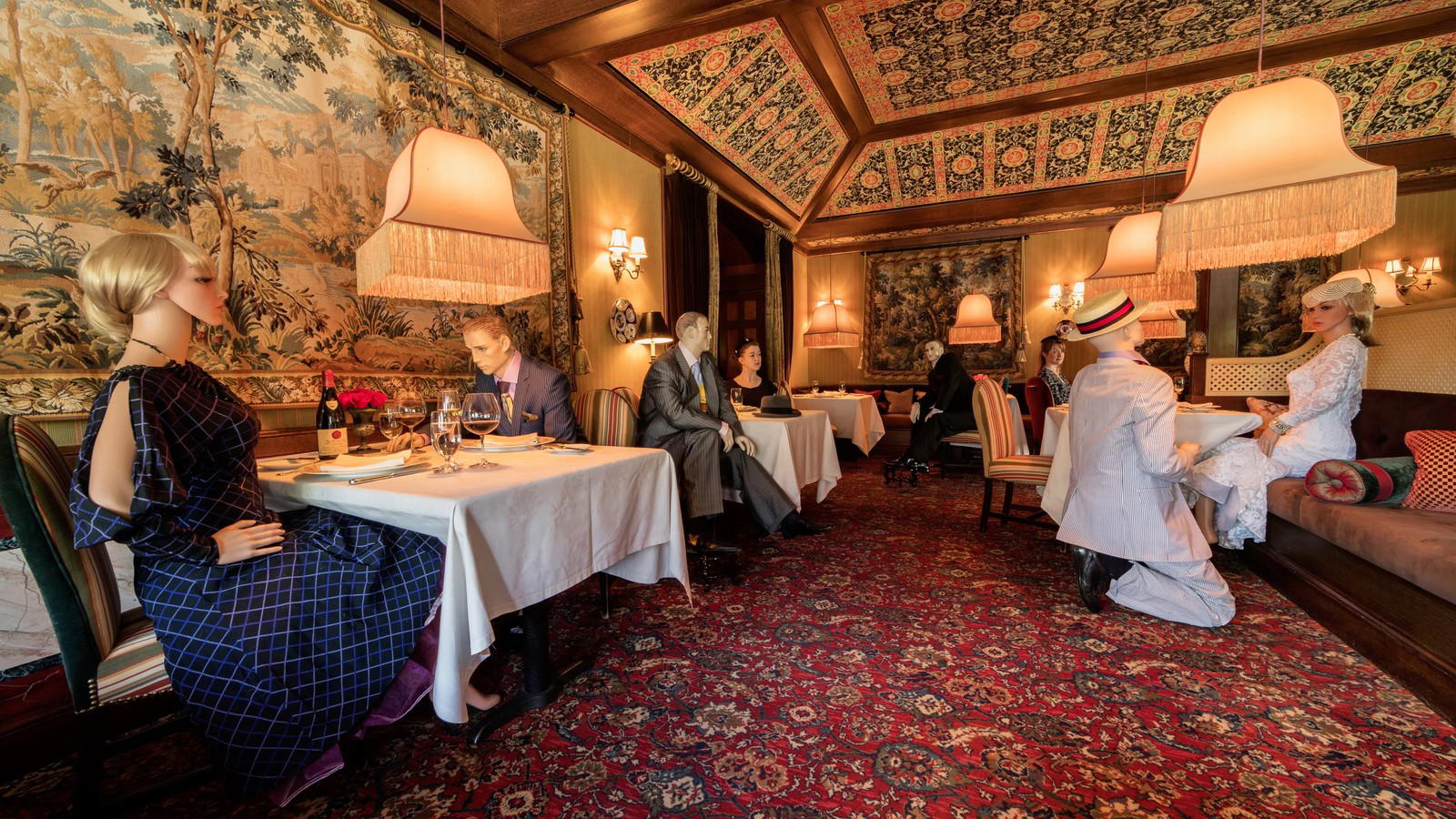
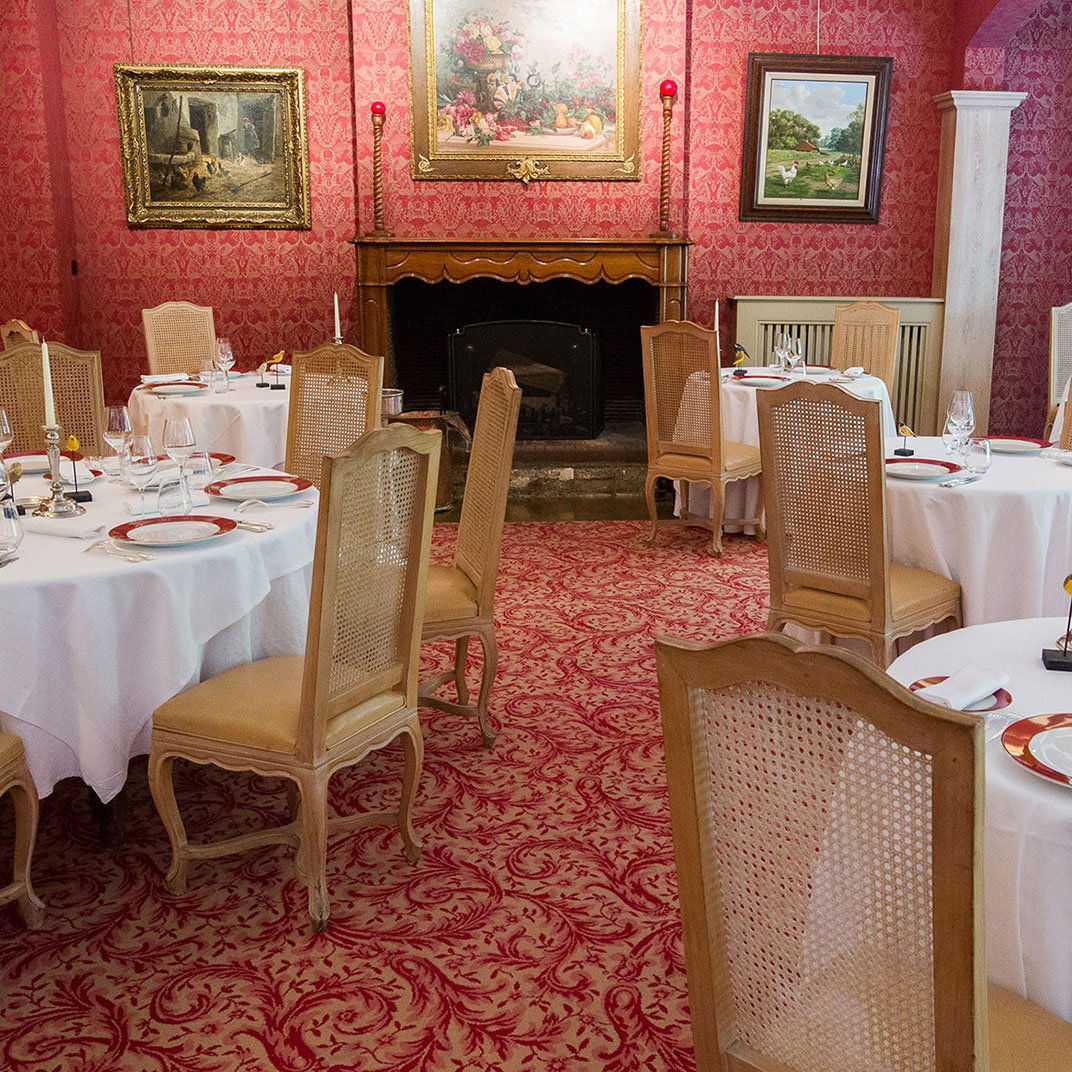
The physical setting is the strongest argument for choosing Domaine d'Auriac over any in-town Carcassonne option. The property sits on a rural domain a few kilometres southwest of the medieval Cité; reachable via the A61 motorway, exit Carcassonne ouest, then toward the Centre Hospitalier. The restaurant occupies the main house of what is described as a former oppidum, a historically layered estate with the scale and proportion of a traditional Languedoc manor. The dining room carries that spatial quality: high ceilings, a sense of removal from the city, the particular quiet that comes with countryside distance rather than urban insulation. For diners who find the compact medieval streets of the Cité aesthetically tiring by dinner, this is a genuine change of register. The contrast with the tightly packed rooms at, say, La Barbacane inside the walled city is sharp. Both are classical in approach; only one gives you room to breathe spatially.
The family-run character of the property comes through in the dining experience rather than in any formal declaration. This is not a corporate hotel restaurant managed from a distance, it operates with the attention of owners who are present across all parts of the domain, including the golf course and accommodation. That integration matters if you are considering a full stay rather than a single dinner.
The Kitchen: Regional Products, Classical Execution
Chef Philippe Deschamps runs a kitchen that Michelin describes as "a classic kitchen but with respect for the regional products", a characterisation worth taking literally. The produce list includes artichoke, truffle, pumpkin, morels, peas, all sourced with Languedoc specificity. This is not a modernist kitchen chasing technique for its own sake. The approach is regional French: ingredient-led, seasonally driven, executed without excess ambition in the presentation. If you have been once and ate the menu as offered, the next visit reward is paying closer attention to what is in season and ordering around that. Morel season (spring) and truffle season (winter) are the two periods when the kitchen's sourcing philosophy is most visible on the plate.
The Michelin Plate designation, held in both 2024 and 2025, signals consistent quality without the theatrical pressure of starred dining. At the $$$ price range, you are paying for the full domain experience, the setting, the service, the produce quality, rather than for technical pyrotechnics. That is the correct framing for this restaurant. If your priority is cutting-edge modern technique, La Table de Franck Putelat in Carcassonne holds two Michelin stars and operates at a different level of ambition. Domaine d'Auriac is the right call when setting and produce quality matter as much as technique.
Late-Evening and After-Dinner Considerations
For guests staying on the property, the post-dinner experience extends naturally into the estate itself, the grounds, the terrace if weather permits, the sense of rural Languedoc at night. For outside diners arriving specifically for dinner, the estate's distance from the city centre means your evening ends at the domain rather than transitioning into a city bar circuit. There is no nearby late-night option within walking distance. This is relevant for groups or couples who want to continue the evening after dinner: either book a room and stay, or treat the meal as the occasion itself and plan the drive back. Carcassonne's bar scene, covered in our full Carcassonne bars guide, is a separate trip rather than a short walk from the domain.
The golf course closes by dusk, so dinner-only visits do not benefit from the full sporting dimension. If the 18-hole course is part of your plan, the logical structure is golf in the afternoon followed by dinner, with either a hotel room booked or a clear drive home arranged. The proximity of Carcassonne International Airport (7 km from the property) makes this viable for short stays combining a flight and a night on the estate.
Know Before You Go
- Price range: $$$
- Awards: Michelin Plate 2024 and 2025
- Cuisine: Languedoc French, regional products, classical execution
- Chef: Philippe Deschamps
- Booking difficulty: Moderate, 2–3 weeks ahead recommended in summer
- Getting there: A61 motorway, exit Carcassonne ouest; 7 km from Carcassonne International Airport; 5 km from Carcassonne train station
- GPS: 43.1920, 2.3369
- On-site: 18-hole golf course, hotel accommodation, family-run estate
- Leading timing: Spring (morels) and winter (truffle) for peak seasonal menus
- Late-night note: No walkable bars nearby, plan to stay on-site or drive back to the city
How It Compares to Carcassonne's Other Options
For the full picture of where to eat in the area, see our full Carcassonne restaurants guide. Other strong options in the city include Comte Roger, La Table d'Alaïs, and Brasserie à 4 Temps. For French dining at a higher technical register elsewhere in the country, Bras in Laguiole and Mirazur in Menton represent the tier above. Within Paris, Arpège shares a similar produce-first philosophy executed at starred level. For hotel and experience planning around your visit, see our Carcassonne hotels guide, our Carcassonne wineries guide, and our Carcassonne experiences guide.
Located inside
 HotelHôtel Le Domaine d’AuriacFull hotel guide
Planning details
- Location
- 2535 Rte de Saint-Hilaire, 11000 Carcassonne, France
- Website
- domaine-d-auriac.fr
- Phone
- +33 4 68 25 72 22
The take
The Take
The Vibe
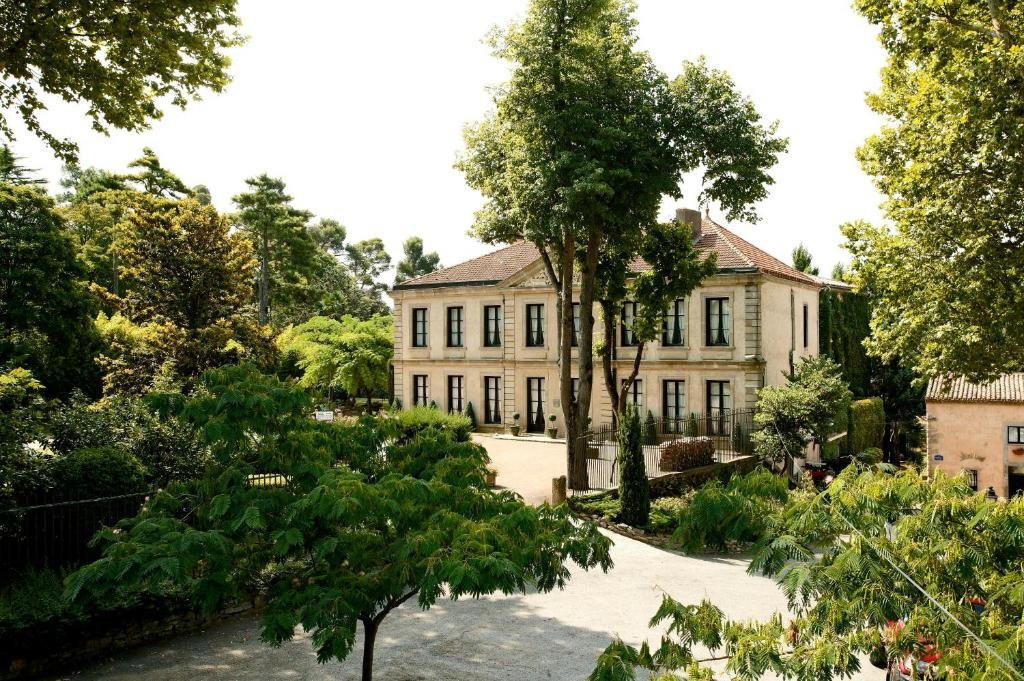
Domaine d’Auriac reads like a quietly distinguished country estate. Stone buildings and mature grounds set the tone; the presence of an 18‑hole golf course and proximity to the medieval ramparts of Carcassonne give it historic gravitas without feeling overtly theatrical. The kitchen’s classical technique and the domain’s steady local following—evidenced by a Michelin Plate and strong review scores—keep the experience grounded rather than showy. Overall, the dining room sits comfortably between refined and relaxed: it’s polished and intimate, an estate restaurant that emphasizes seasonality and provenance over flash.
Best For
This is a destination for diners who want to escape the bustle of the old city and linger over a thoughtful meal. Located several kilometres outside Carcassonne and reachable by car or taxi, the domain suits weekend escapes and occasion-driven dinners where travel is part of the plan. The Michelin Plate and consistent local reviews point to steady, committed service and cooking, making it a natural choice for date nights and special dinners that benefit from a tranquil, estate setting rather than a quick urban stop.
Ordering Tips
Menus at Domaine d’Auriac lean on classical technique and the agricultural calendar of the Aude; expect dishes that celebrate seasonal produce. When ordering, look for plates that highlight local vegetables and fungi—artichoke, truffle, pumpkin, morels and peas are all singled out in the description—and favor what’s marked as in season. The kitchen’s approach rewards choices rooted in provenance and timing rather than maximalist composition, so selecting several vegetable‑forward or market‑led preparations will give a clear sense of the restaurant’s strengths.
Planning details
Location
2535 Rte de Saint-Hilaire, 11000 Carcassonne, France · Directions



Also consider
Also Consider
- La Table de Franck Putelat; Modern Cuisine, €€€€
- Comte Roger; Traditional Cuisine, €€
- La Barbacane; Classic Cuisine, €€€
- Le restaurant Bernard Rigaudis; French Cuisine, French Cuisine
- La Table d'Alaïs; Modern Cuisine, €€
Restaurant context
Domaine d'Auriac occupies a specific position in Carcassonne's dining options: it is the only restaurant in the area that packages classical French cooking with a full country estate experience. That distinction is either exactly what you need or irrelevant depending on your priorities. For pure kitchen quality, La Table de Franck Putelat at €€€€ is the region's clear leader, operating at two-Michelin-star level with modern technique that Domaine d'Auriac does not attempt to match. If the cooking itself is the primary reason you are booking, Putelat is the choice.
For value at a lower price point, Comte Roger at €€ and La Table d'Alaïs at €€ both deliver solid cooking in the city centre without the $$$ spend. Comte Roger is the stronger pick for traditional cuisine in a historic setting; La Table d'Alaïs suits diners who want modern cooking at an accessible price. La Barbacane at €€€ sits closest to Domaine d'Auriac in price and classical style, but its location inside the medieval Cité means a very different spatial experience; atmospheric in a different way, more enclosed, with more tourist foot traffic around it.
The clearest recommendation split: book Domaine d'Auriac if you want a country estate setting, plan to combine dinner with golf or an overnight stay, or want a classical Languedoc meal away from the Cité's tourist concentration. Book La Table de Franck Putelat if the cooking is the occasion and budget is not the constraint. For easier booking and lower spend, Comte Roger is the practical default for a decent traditional dinner in Carcassonne without advance planning pressure.
Explore Carcassonne
Around this place
Discover more on Pearl
Unlock the full Domaine d’Auriac guide in Pearl, including awards, comparisons, FAQs, planning details, and nearby places.
Compare Domaine d’Auriac
| Venue | Price | Booking Difficulty | Awards |
|---|---|---|---|
| Domaine d’Auriac | $$$ | Moderate | Michelin Guide France & Monaco 2026We're Smart World Top Restaurants 20252025 Relais Chateaux Award2025 Michelin Plate2025 Gault & Millau Remarkable Restaurant2024 Michelin Plate |
| La Table de Franck Putelat | €€€€ | Unknown | 2026 OAD Classical in Europe Ranked · #138Michelin Guide France & Monaco 20262026 La Liste Top Restaurants2025 OAD Classical in Europe Ranked · #1322025 La Liste Top Restaurants2025 Gault & Millau Prestige Restaurant2025 Michelin 2 Stars2024 OAD Classical in Europe Ranked · #1312024 Michelin 2 Stars |
| Comte Roger | €€ | Unknown | 2025 OAD Casual in Europe Ranked · #3972025 Michelin Plate2024 OAD Casual in Europe Ranked · #3682024 Michelin Plate2023 OAD Casual in Europe Recommended |
| La Barbacane | €€€ | Unknown | Michelin Guide France & Monaco 20262025 Michelin Plate2024 OAD Cheap Eats in North America Ranked · #12024 Michelin Plate |
| Le restaurant Bernard Rigaudis | Unknown | No published awards | |
| La Table d'Alaïs | €€ | Unknown | Michelin Guide France & Monaco 20262025 Michelin Plate2024 Michelin Plate |


.png?width=1200&quality=80)




What to weigh when choosing between Domaine d’Auriac and alternatives.
FAQ
Frequently Asked Questions
Does Domaine d’Auriac handle dietary restrictions?
Dietary accommodations can vary. Flag restrictions in advance via the venue's official channels.
What should I wear to Domaine d'Auriac?
This is a country estate restaurant holding a 2025 Michelin Plate, so neat, relaxed evening wear is appropriate; think polished casual rather than formal. It is not a city fine-dining room, the rural domain setting works against black-tie formality. Avoid beachwear or overly casual dress given the price range.
Is the tasting menu worth it at Domaine d'Auriac?
Michelin describes the kitchen as classically grounded with genuine respect for Languedoc regional produce, the 2025 Plate recognition supports that assessment. At $$$, it sits below the area's top-end options like La Barbacane or La Table de Franck Putelat, so the value case is reasonable if you want regional cooking in an estate setting rather than a city dining room.