
Restaurant in Canton, United States
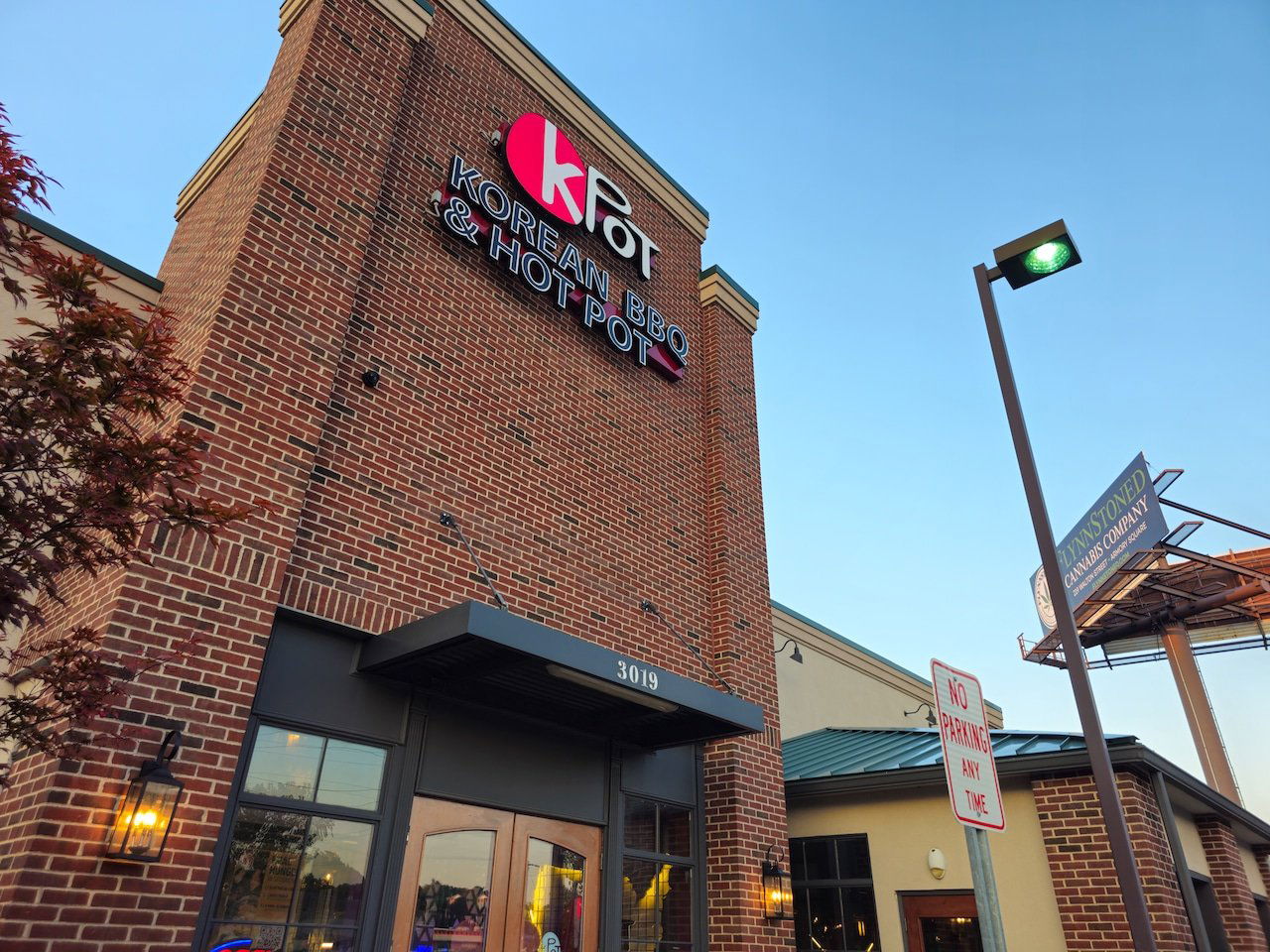
KPOT Korean BBQ & Hot Pot
100ptsDual-Format Table Cooking
About KPOT Korean BBQ & Hot Pot
KPOT Korean BBQ & Hot Pot at Belden Village brings the Korean dual-concept format to Canton, Ohio, combining tabletop grilling and hot pot in a single sit-down session. The model puts raw ingredients front and center, with diners controlling the cook. Located at 4100 Belden Village St NW, it fits a growing national trend of interactive, ingredient-led dining that has moved well beyond coastal cities.
Where the Table Is the Kitchen
Walk into a KPOT location and the first thing you register is the infrastructure: every table is built around a recessed grill grate and a hot pot well, with ventilation hoods overhead pulling smoke toward the ceiling. The room hums with the sound of bubbling broths and the low sizzle of proteins hitting hot metal. This is not background noise — it is the point. The Korean BBQ and hot pot format places the act of cooking at the center of the meal itself, and at the Belden Village location in Canton, that architecture creates an atmosphere that sits outside the standard American dining experience.
Canton's restaurant scene has deepened over the past decade, with venues like Bender's Tavern, Featherstone's Grille, and Lucca Downtown anchoring a mid-to-upper tier of established dining. KPOT enters from a different direction: it is a national chain format that trades on category novelty and interactive volume rather than chef-driven technique. Understanding where it sits in that local picture helps set expectations accurately.
The Ingredient-Forward Logic of Korean BBQ
The Korean BBQ and hot pot model is structurally an ingredient-sourcing argument. In its original Seoul context, the quality of raw proteins — the marbling on a galbi cut, the freshness of the seafood going into a sundubu broth , determines the outcome far more than any kitchen technique, because the diner is doing the cooking. The format strips away the intermediary and places raw material quality directly in the hands of the guest. What arrives at the table is, in effect, an ingredient display.
This tradition has strong precedent in Korean dining culture, where communal tabletop cooking has been practiced for centuries, and where banchan , the array of small fermented, pickled, and braised accompaniments served alongside , represent their own distinct ingredient logic rooted in preservation and seasonality. The kimchi on a Korean BBQ table is not a garnish; it is a fermented product that can take weeks or months to develop and carries its own sourcing story. Nationally, this format has expanded significantly across the United States over the past decade, moving from Koreatown concentrations in Los Angeles and New York into suburban markets including Ohio. KPOT, as a chain operating across multiple states, is part of that expansion wave.
For diners in Canton who have not encountered this format before, the comparison point is less the local fine-dining tier , venues like Flatbread Company or Goin' Coastal , and more a category of interactive dining that elsewhere in the country commands significant attention. Operations like Atomix in New York City represent the high end of Korean culinary thinking in the United States, where tasting menus reference Korean flavor architecture at a Michelin-starred level. KPOT operates at a different price tier and format, but the underlying ingredient-led philosophy shares a cultural root.
Hot Pot and BBQ: Two Formats, One Table
The distinguishing feature of the KPOT concept nationally is the combination of both formats at a single table, which most standalone Korean BBQ or hot pot restaurants do not offer simultaneously. Hot pot , a simmering broth vessel into which raw ingredients are added and cooked , draws from a broader East Asian tradition that includes Chinese shabu-shabu and Japanese nabe. Korean BBQ involves direct-heat grilling over charcoal or gas. Combining them gives a table multiple cooking methods and broth-versus-char flavor contrasts within a single meal.
This dual format has practical implications for groups with varying preferences: one side of the table can maintain a mild or spicy broth while another grills proteins to different doneness levels. It also extends meal duration naturally, since the format itself is time-structured around cooking increments rather than kitchen pacing. For a market like Canton, where group dining occasions often center on established formats, this positions KPOT as an event-style outing rather than a quick service stop.
For context on how ingredient sourcing operates at the upper tier of American dining, Blue Hill at Stone Barns in Tarrytown and Single Thread Farm in Healdsburg represent farm-to-table models where sourcing is the primary editorial statement of the restaurant. The French Laundry in Napa, Alinea in Chicago, and Le Bernardin in New York City anchor the top tier of technique-driven American fine dining, where raw material quality feeds into complex kitchen transformation. At KPOT, the transformation happens at the table , the sourcing logic is exposed rather than processed.
Planning a Visit to Belden Village
KPOT's Canton location is at 4100 Belden Village St NW, Suite 4104 , set within the Belden Village retail corridor, which clusters dining, retail, and entertainment options in a format familiar to suburban Ohio. This placement makes it accessible by car from across the greater Canton area without requiring a downtown parking strategy. Belden Village's commercial density means the surrounding area offers pre- or post-dinner options, and the location suits group visits that might include a mix of ages and dining familiarity with the format.
Hours, current pricing, and booking availability are not published in our verified records; checking directly with the venue before visiting is advisable, particularly for larger groups who will need to confirm table configuration. The dual-grill-and-hot-pot setup means table size matters more here than at a conventional restaurant, since the cooking infrastructure is fixed into the furniture. Arriving with a clear sense of party size will make the seating conversation more efficient. For a broader sense of Canton's dining options, our full Canton restaurants guide covers the range from neighborhood institutions to newer arrivals.
Those planning a broader dining itinerary across the country alongside a Canton visit might reference Emeril's in New Orleans, Providence in Los Angeles, Addison in San Diego, The Inn at Little Washington, or Lazy Bear in San Francisco for high-commitment destination dining. 8 1/2 Otto e Mezzo Bombana in Hong Kong represents the kind of international benchmark that contextualizes where American chain dining sits on a global spectrum. KPOT is not in that conversation, nor does it need to be , it is solving a different problem for a different audience.
Frequently Asked Questions
- Is KPOT Korean BBQ & Hot Pot okay with children?
- The format involves open flame or heated elements at the table, which requires attentive supervision with young children. That said, the interactive, choose-your-own-ingredients model tends to work well for older children and teenagers who engage with the cooking process. In Canton, where family group dining is a common occasion, the format can function well for mixed-age groups provided the table configuration accommodates the party size. Pricing details are not confirmed in our current records, so contacting the venue directly will clarify whether children's portions or pricing tiers apply.
- What is the atmosphere like at KPOT Korean BBQ & Hot Pot?
- The room is energetic by design , the built-in cooking infrastructure generates sound, smoke, and visible activity that makes the space feel active from the moment you sit down. This is not a quiet dinner setting; it is a participatory one. In Canton's dining context, where venues like Bender's Tavern and Featherstone's Grille occupy more traditional sit-and-be-served formats, KPOT represents a distinct shift in how the meal is structured. The Belden Village location places it in a commercial corridor rather than a downtown environment, which affects the surrounding neighborhood feel without changing the interior dynamic.
- What do regulars order at KPOT Korean BBQ & Hot Pot?
- Without verified menu data in our records, we cannot confirm specific dishes or proteins currently available at the Canton location. Nationally, the KPOT format typically centers on a selection of marinated and unmarinated meats for the grill alongside proteins and vegetables for the hot pot broth. The banchan accompaniments , fermented and pickled sides rooted in Korean culinary tradition , are a consistent element across the concept. Contacting the venue or checking their current menu directly will give you the most accurate picture of what is on offer during your visit.
- Does KPOT at Belden Village offer both Korean BBQ and hot pot at the same table, or do you have to choose one?
- The defining feature of the KPOT concept nationally is that both cooking formats are available simultaneously at a single table, which is less common in standalone Korean BBQ or hot pot restaurants. Diners can grill proteins directly while maintaining a simmering broth at the same session, giving the table access to both char-based and broth-based cooking methods in one sitting. This dual-format setup is the primary distinction between KPOT and single-concept competitors. For Canton diners new to either format, it offers a practical introduction to both Korean BBQ and hot pot traditions without requiring a separate outing for each.
Related editorial
- Best Fine Dining Restaurants in ParisFrom three-Michelin-star icons to the next generation of Parisian chefs pushing boundaries, these are the restaurants that define fine dining in the world's culinary capital.
- Best Luxury Hotels in RomeFrom rooftop terraces overlooking ancient ruins to Michelin-starred hotel dining, these are the luxury hotels that make Rome unforgettable.
- Best Cocktail Bars in KyotoFrom sleek lounges to hidden speakeasies, Kyoto's cocktail scene blends Japanese precision with global influence in ways you won't find anywhere else.
Save or rate KPOT Korean BBQ & Hot Pot on Pearl
Keep this venue in your Pearl passport, rate it after you visit, and track it alongside every other place you collect.